

IN THE HEAT OF THE NIGHT
- New York: Harper & Row, 1965
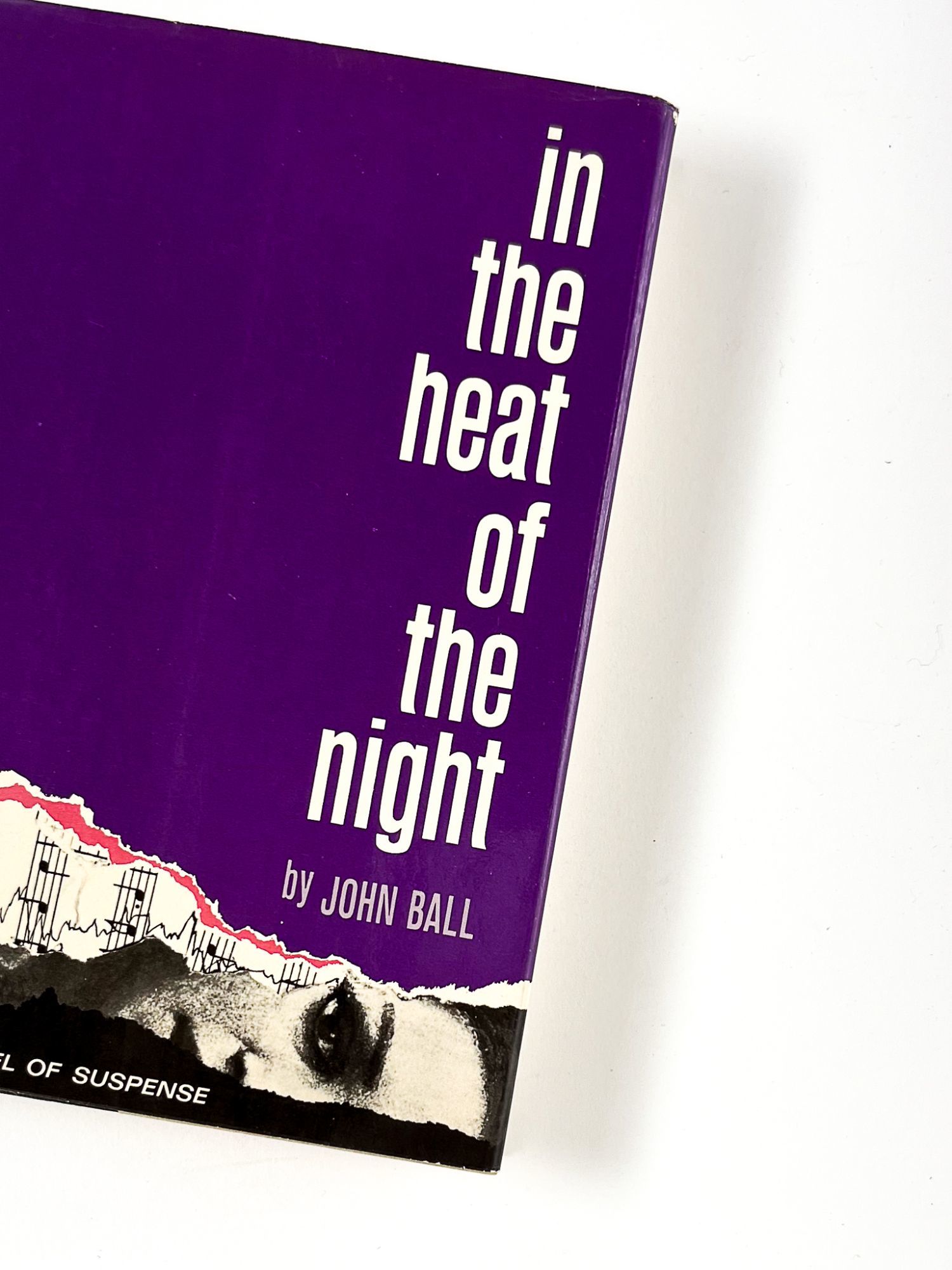
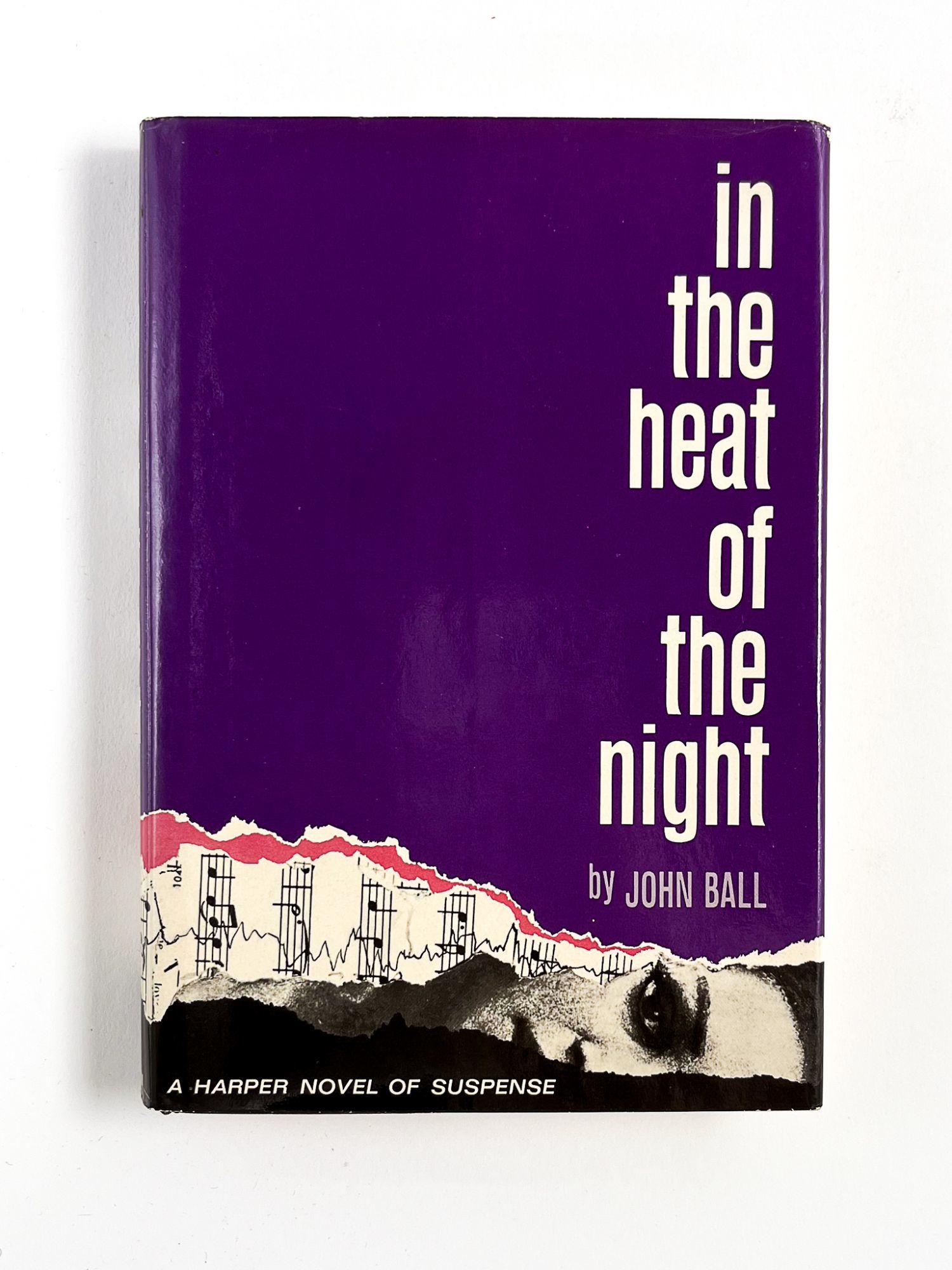
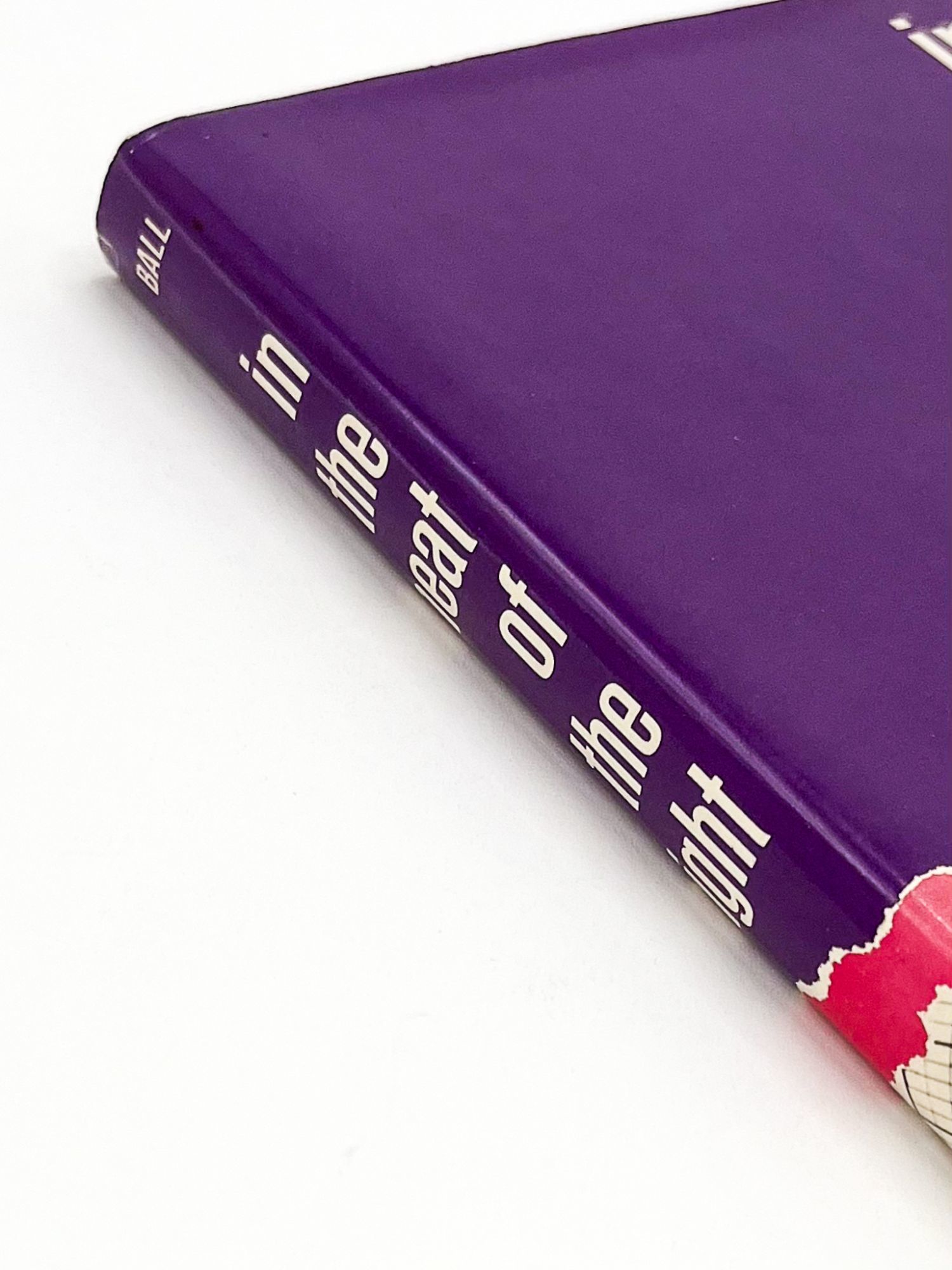
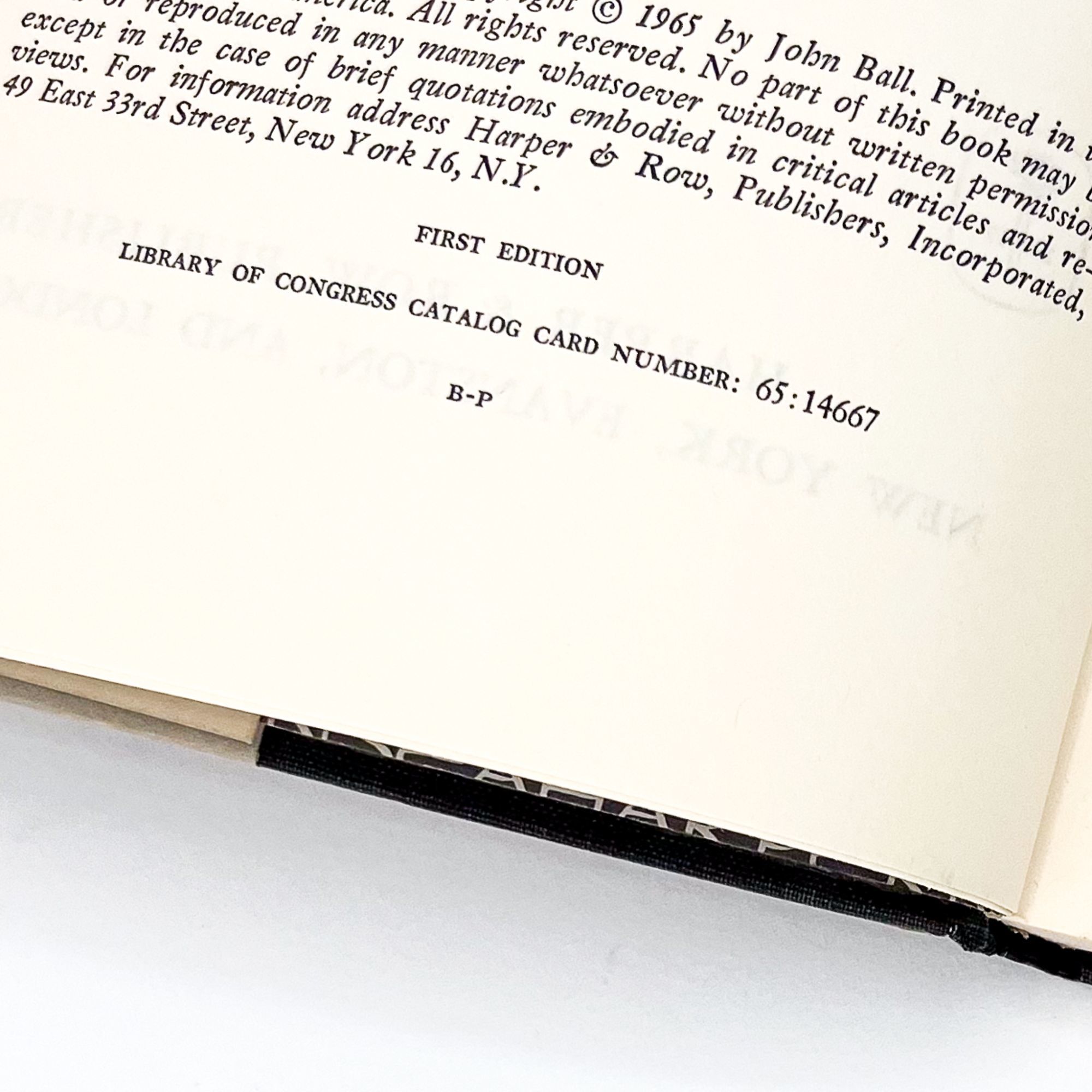
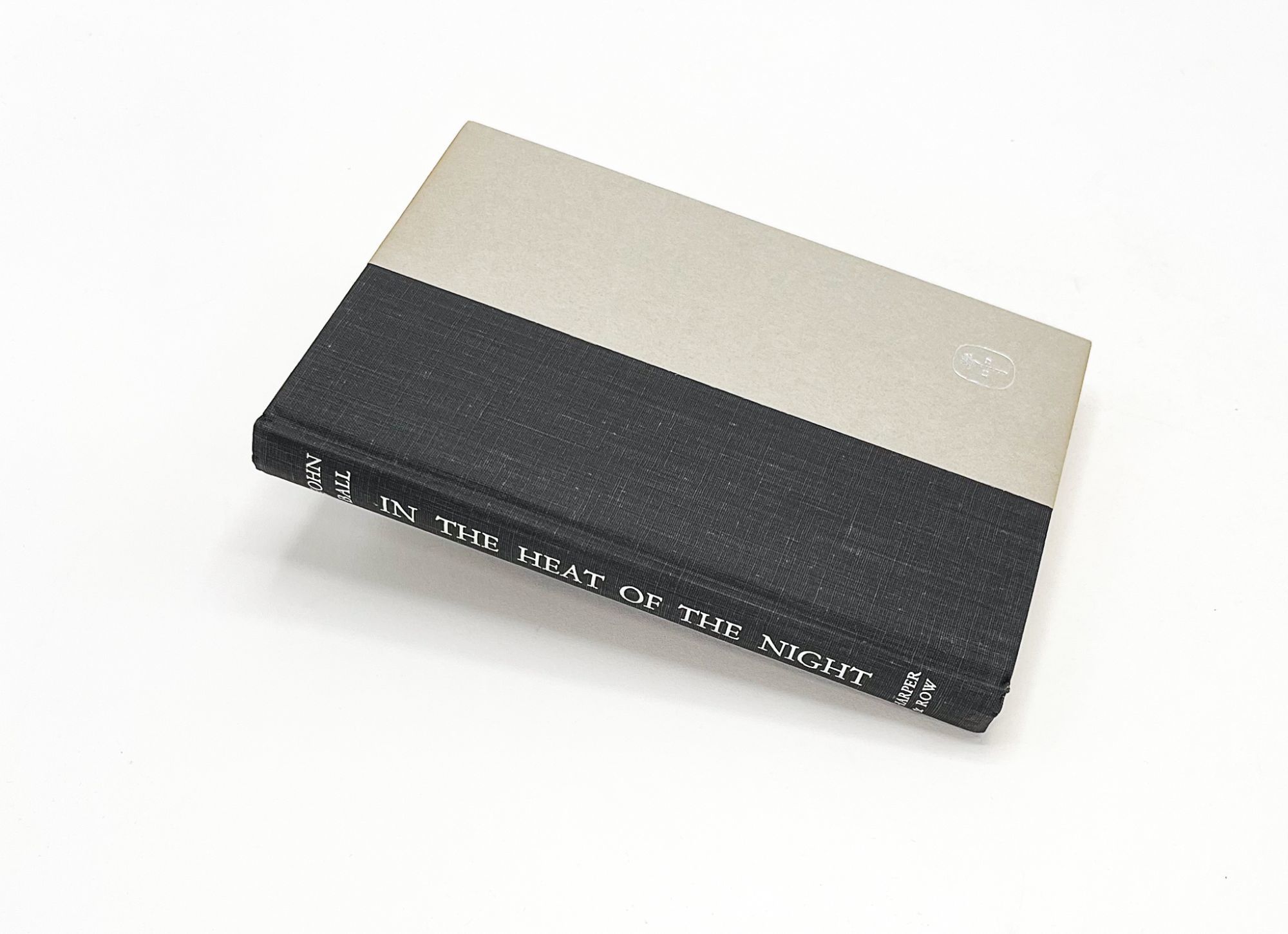
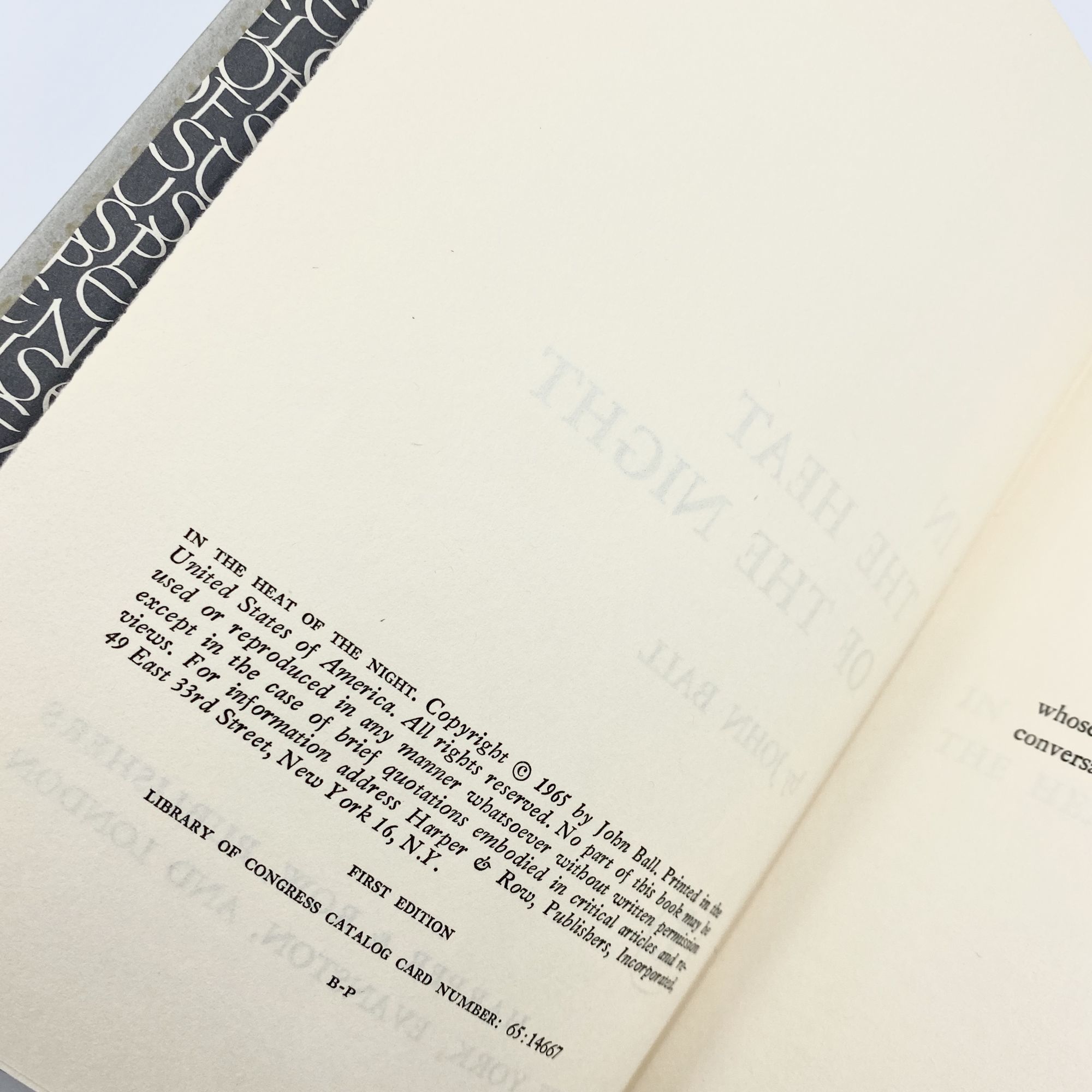
New York: Harper & Row, 1965. First edition. Fine in very good plus jacket.. First printing of the first mystery introducing Virgil Tibbs, a Black police detective who helps solve a murder case in a racist community in South Carolina. This book and the landmark film adaptation directly engaged with the civil rights movement, then in full swing. According to director Norman Jewison, he put "the focus on the relationship between Virgil Tibbs, the black detective from Philadelphia played by Sidney Poitier, and Bill Gillespie, the redneck sheriff played by Rod Steiger. Poitier refused to film below the Mason-Dixon line, in southern Pennsylvania, since he and Harry Belafonte had recently been harassed by the Ku Klux Klan in Mississippi." The film was a turning point in American cinema, not only famous for a moment in which Poitier slaps a white man, but for its engagement with Black America: "Young black people in northern cities responded to the film in a much more visceral way than the whites did. This was the first time a black actor was wearing the fancy suit and being looked up to" (Jewison). A remarkable example of civil rights-era values influencing pop culture. 8'' x 5.5''. Original quarter black cloth, grey paper boards with silver-stamped publisher's device on front board, silver-lettered spine. In original unclipped ($3.50) purple dust jacket designed by Luiz Woods. Grey typographic endpapers, fore-edge machine deckle. [8], 184 pages. Only very light wear to spine extremities, with one tape repair on verso of jacket: shows as near fine.
Details
Title
IN THE HEAT OF THE NIGHT
Author
Ball, John
Condition
Very Good
Publisher
Harper & Row: New York
Date
1965
Edition
First edition