

SIGNED PRESENTATION COPY. Time on the Cross. The Economics of American Negro Slavery AND Time on the Cross. Evidence and Methods, A Supplement "TOGETHER WITH Reviews of Time on the Cross (Slavery: The Progressive Institution? AND The World Two Cliometricians Made)
- SIGNED Cloth binding
- Boston: Little, Brown & Co., 1974, 1975
Boston: Little, Brown & Co., 1974, 1975. First edition.
1974 NOBELIST ROBERT FOGEL'S CONTROVERSIAL TIME ON THE CROSS INSCRIBED TO NOBELIST KUZNETS TOGETHER WITH REVIEWS OF ITS FALLOUT EXPLAINING SLAVERY IN AMERICA--ALSO SIGNED BY FOGEL.
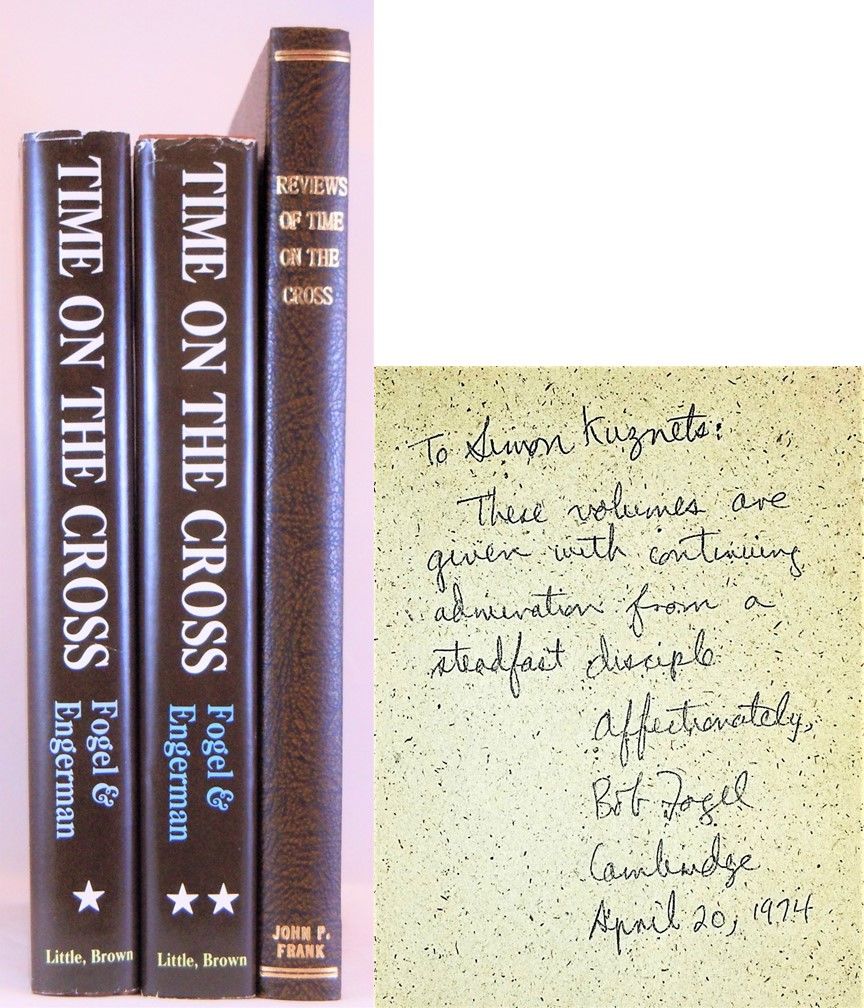
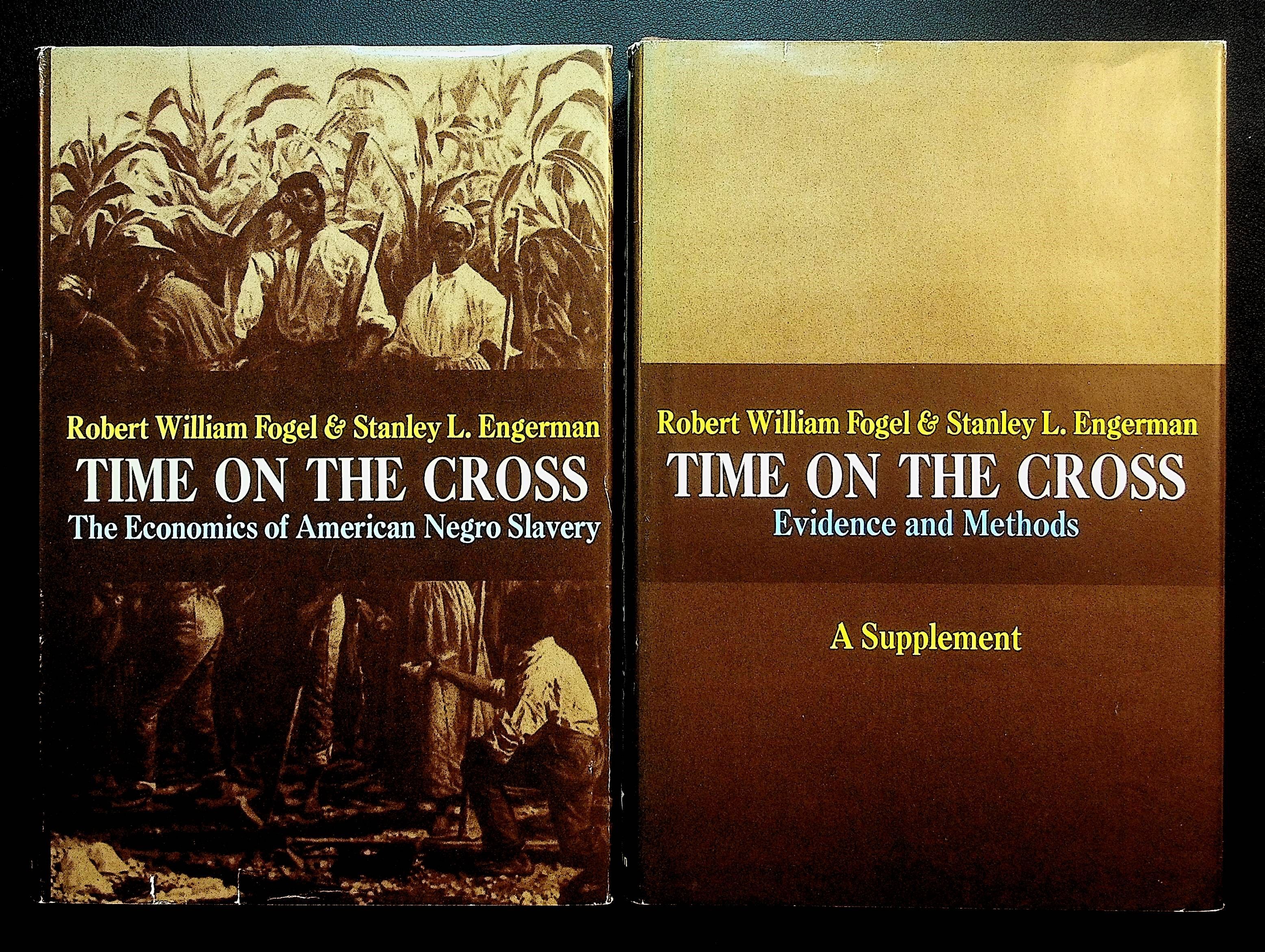
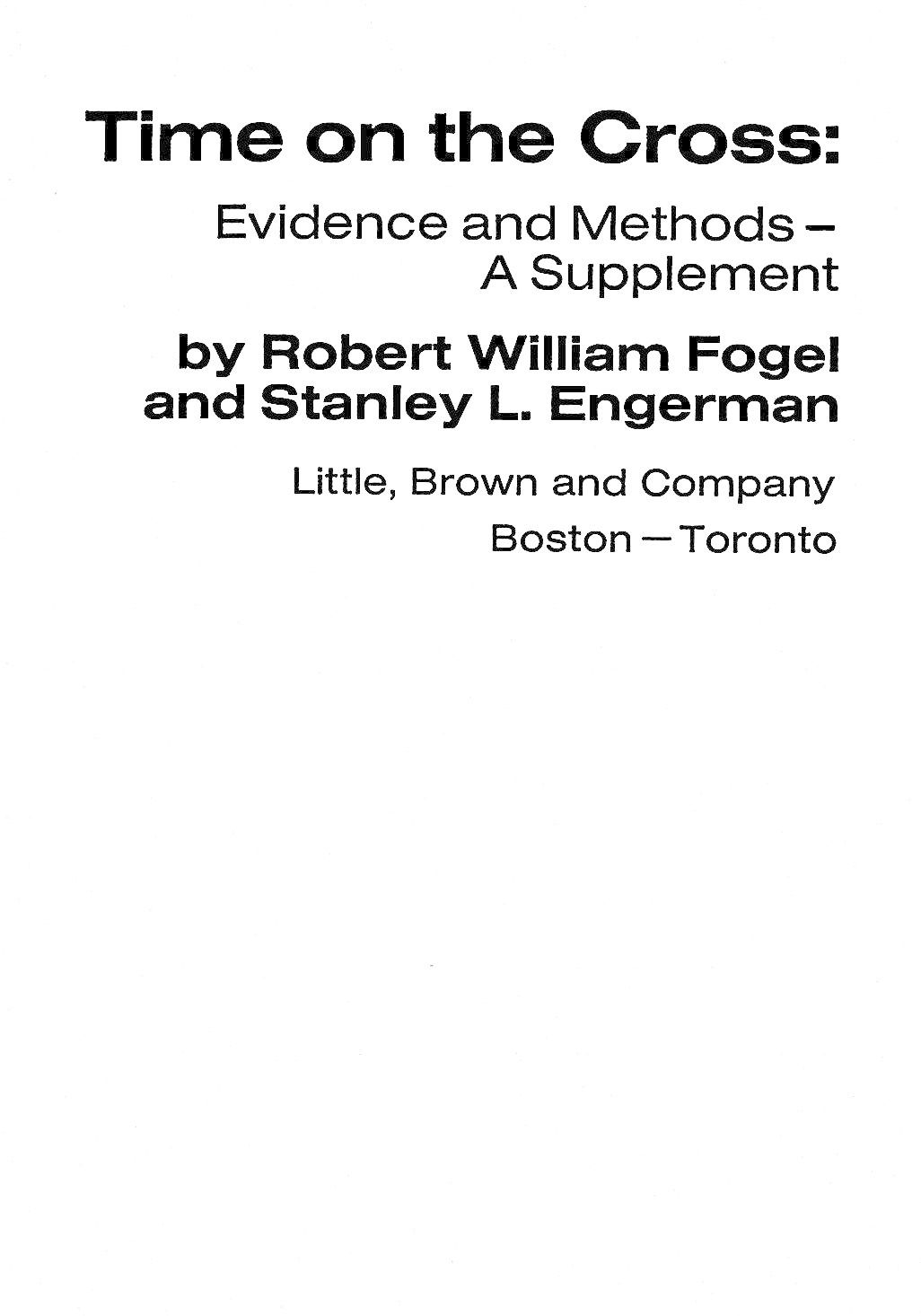
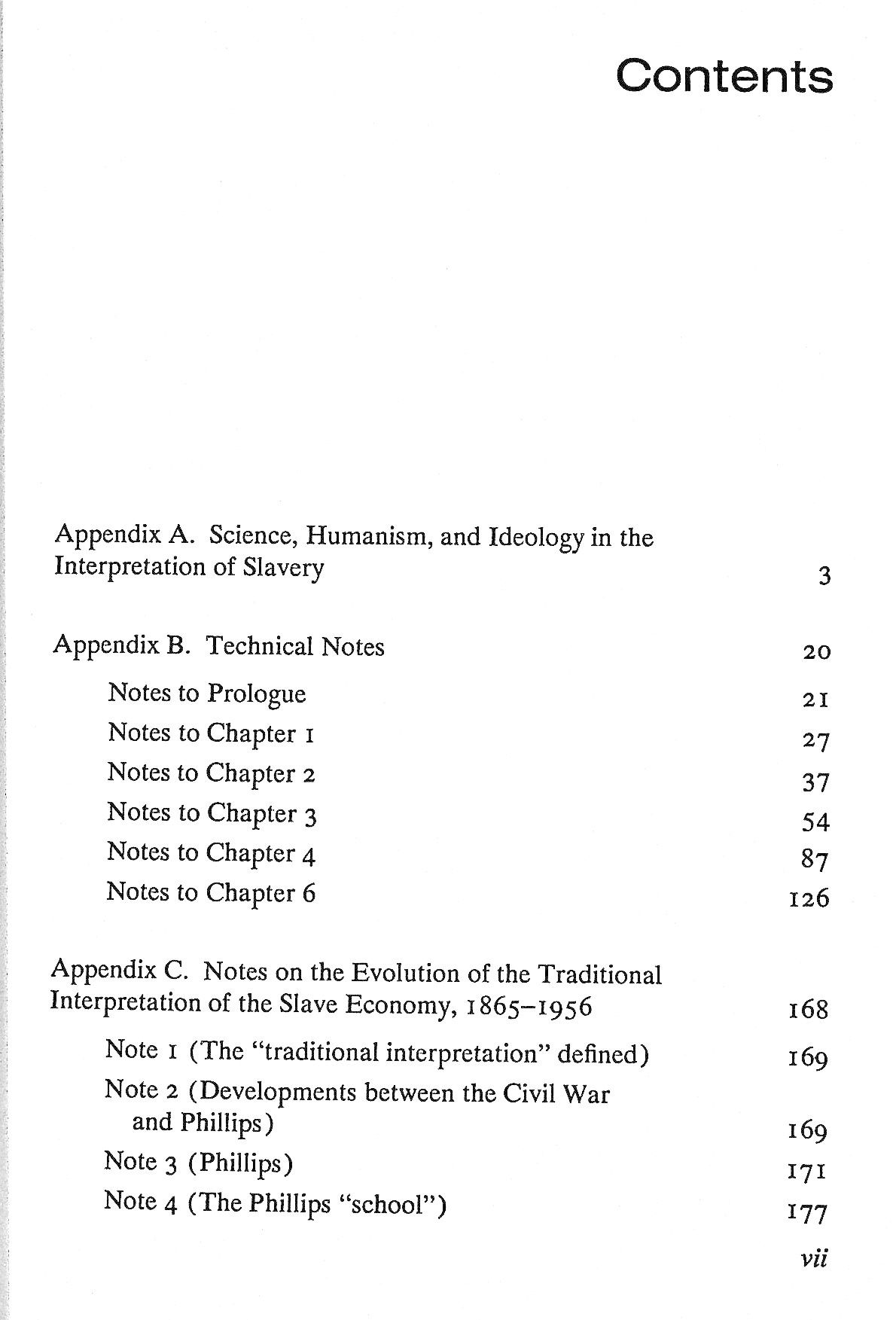
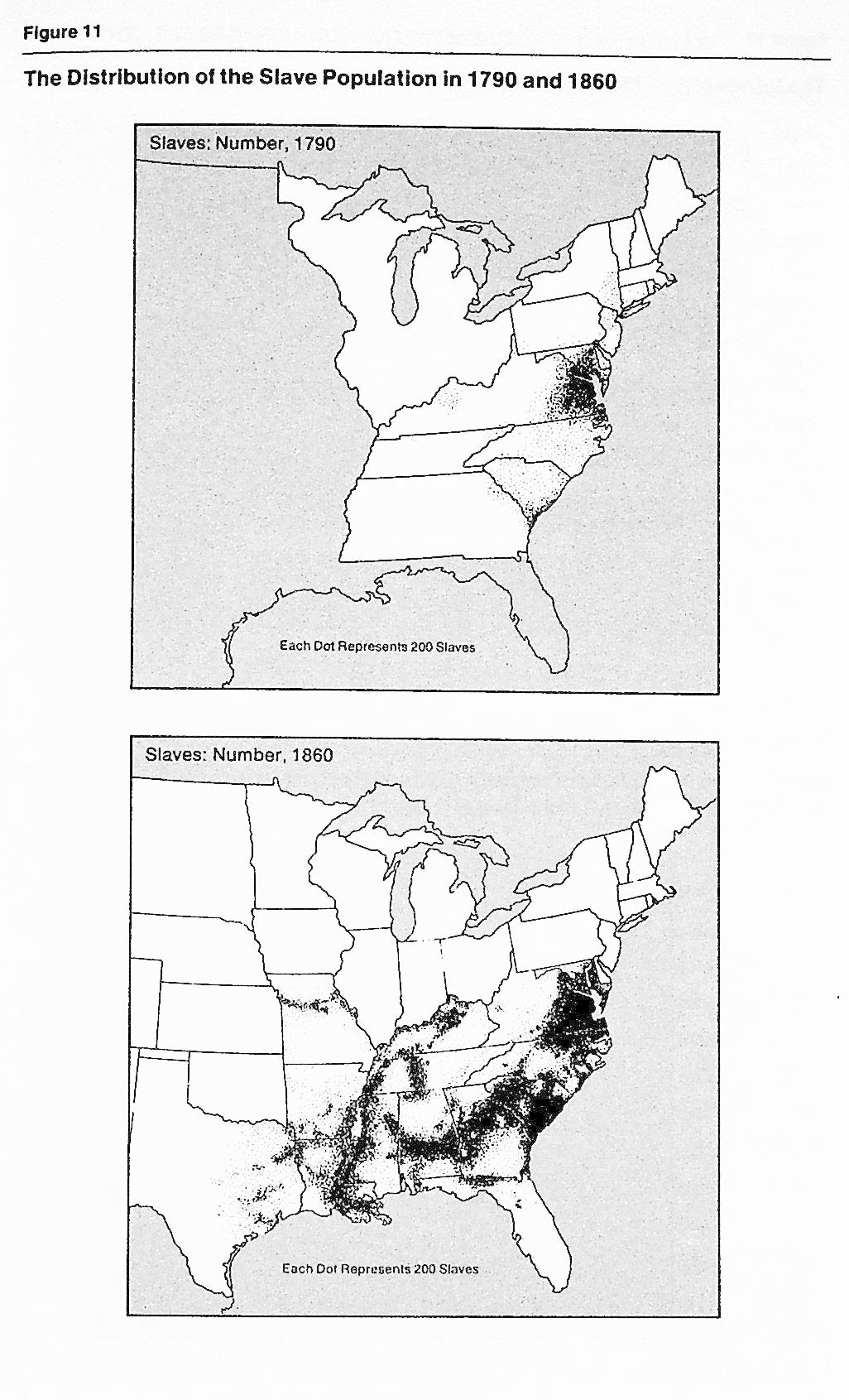
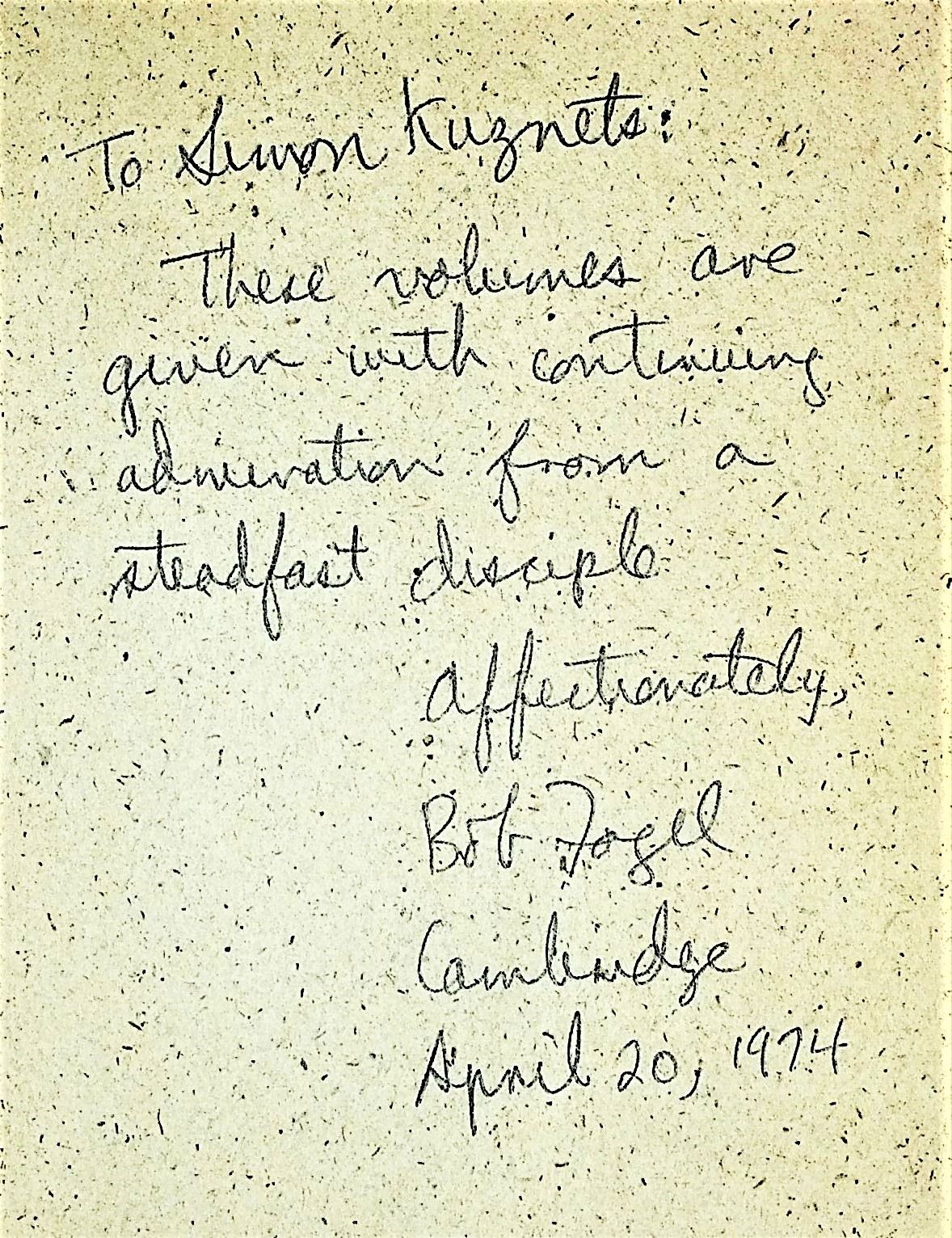
1) Robert William Fogel & Stanley L. Engerman. Time on the Cross: two 8 1/2 inches tall hardcover volumes, brown cloth binding, gilt title to spines, Vol. I, inscribed on front flyleaf, "To Simon Kuznets: These volumes are given with continuing admiration from a steadfast disciple/ affectionately, Bob Fogel/ Cambridge April 20, 1974." xviii, 286 pp; Vol. II ("A Supplement"), xi, 267. Near fine with very good dust jackets (a few small closed edge tears).
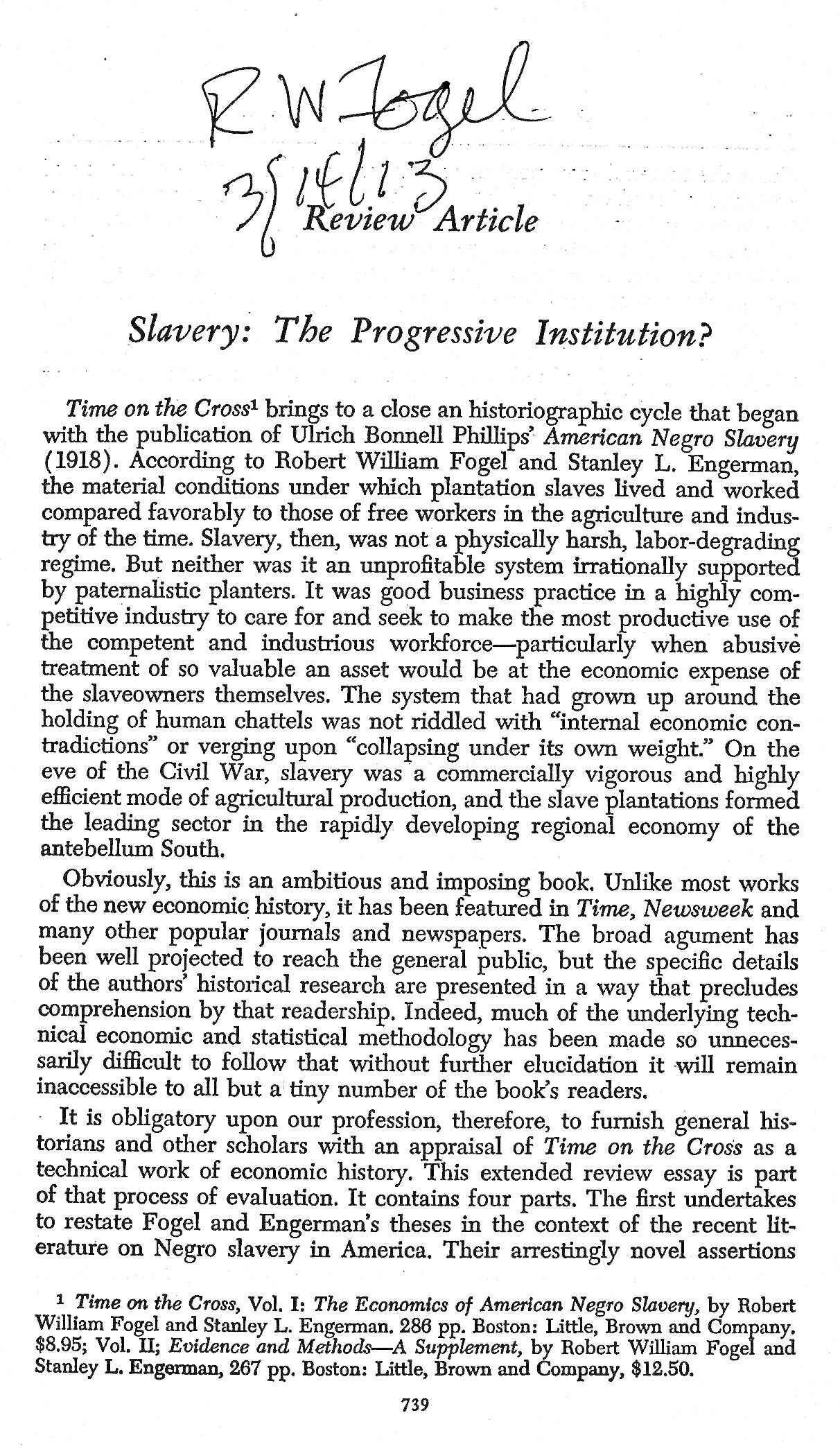
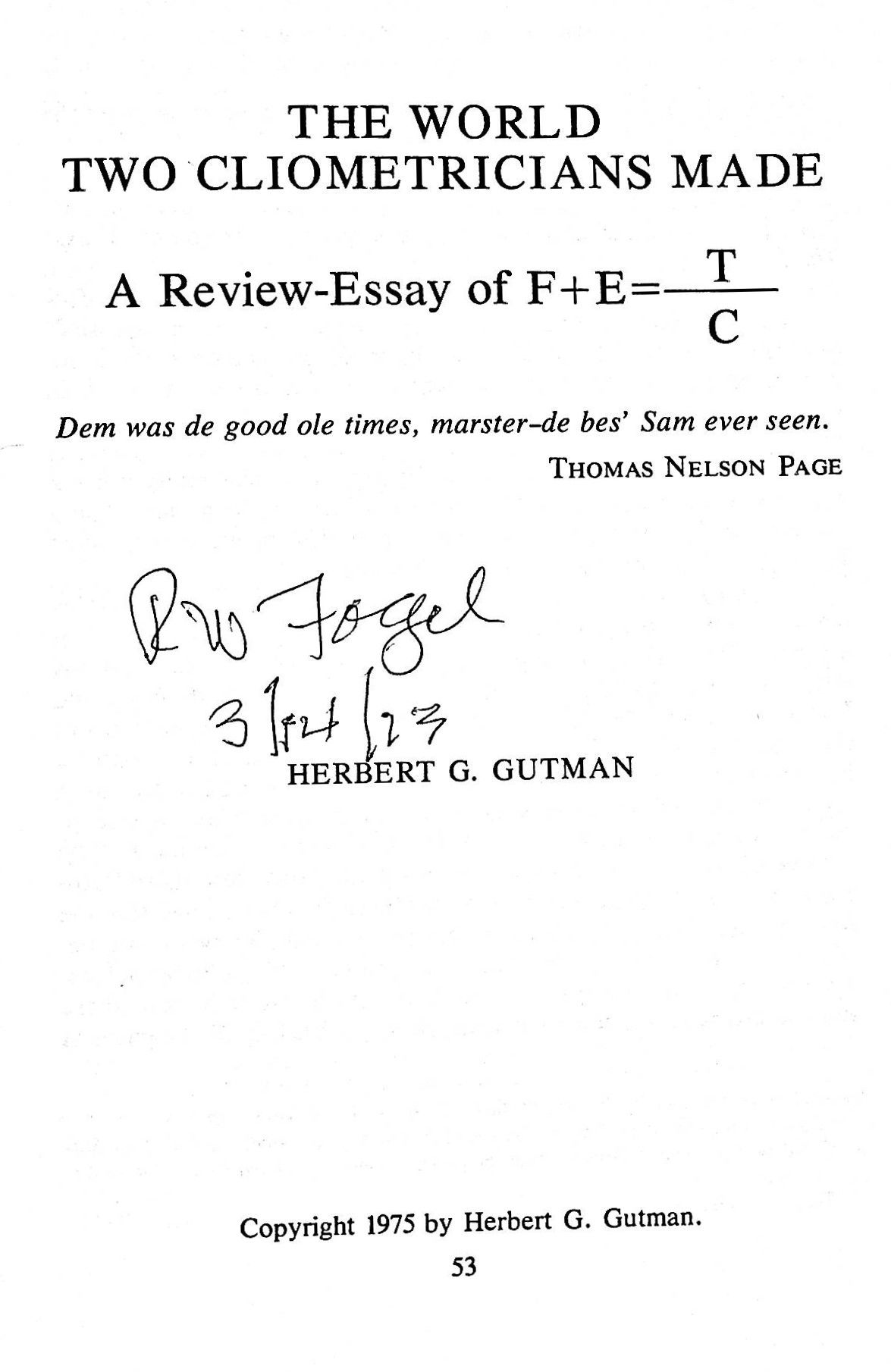
2) Reviews of Time on the Cross: 9 1/2 inches tall hardcover, brown faux leather binding, spine gilt with title and John P Frank bottom of spine, containing two long reviews extracted from contemporary journals with issue covers bound in, each signed R W Fogel on title page: Paul A. David & Peter Temin. Slavery: The Progressive Institution?, The Journal of Economic History, Vol. XXXIV, No. 3, 739-783 pp, Sept. 1974; and Herbert G. Gutman. The World Two Cliometricians Made, The Journal of Negro History, Vol. LX, No. 1, 53-228 pp, Jan. 1975; near fine.
ROBERT WILLIAM FOGEL (1926-2013) was an American economic historian and scientist. In 1993, Robert Fogel received, jointly with fellow economic historian Douglass C. North, the Nobel Prize in Economic Sciences "for having renewed research in economic history by applying economic theory and quantitative methods in order to explain economic and institutional change". He is best known as an advocate of new economic history (cliometrics) – the use of quantitative methods in history. He received a PhD from Johns Hopkins University in 1963. He began his research career as an assistant professor at the University of Rochester in 1960. In 1964 he moved to the University of Chicago as an associate professor. During this time he completed some of his most important works, including Time on the Cross (in collaboration with Stanley Engerman). In 1975 he left for Harvard University, and from 1978 on he worked as a research associate under the National Bureau of Economic Research in Cambridge, Massachusetts. In 1981 he returned to the University of Chicago, where he directed the newly created Center for Population Economics at the Booth School of Business. Fogel's most famous and controversial work is Time on the Cross (1974), a two-volume quantitative study of American slavery, co-written with Stanley Engerman. In the book, Fogel and Engerman argued that the system of slavery was profitable for slave owners because they organized plantation production "rationally" to maximize their profits. Due to economies of scale, (the so-called "gang system" of labor on cotton plantations), they argued, Southern slave farms were more productive, per unit of labor, than northern farms. The implications of this, Engerman and Fogel contended, is that slavery in the American South was not quickly going away on its own (as it had in some historical instances such as ancient Rome) because, despite its exploitative nature, slavery was immensely profitable and productive for slave owners. This contradicted the argument of earlier Southern historians. The central argument of the book argued that Southern slave plantations were profitable for the slave owners and would not have disappeared in the absence of the Civil War. However, the book's focus on economics and perceived minimization of the savagery and inhumanity of slavery prompted a firestorm of controversy. Some criticisms considered Fogel an apologist for slavery, as highlighted in Gutman's review offered here. In fact, Fogel objected to slavery on moral grounds; he thought that on purely economic grounds, slavery was not unprofitable or inefficient as previous historians had argued. In 1989 Fogel published Without Consent or Contract: The Rise and Fall of American Slavery as a response to criticism stemming from what some perceived as the cold and calculating conclusions found in his earlier work, Time on the Cross. In it he very clearly spells out a moral indictment of slavery when he references things such as the high infant mortality rate from overworked pregnant women, and the cruel slave hierarchies established by their masters. He does not write so much on what he had already established in his previous work, and instead focuses on how such an economically efficient system was threatened and ultimately abolished. Using the same measurement techniques he used in his previous work, he analyzed a mountain of evidence pertaining to the lives of slaves, but he focuses much more on the social aspects versus economics this time.
STANLEY L. ENGERMAN (b. 1936) is an economist and economic historian at the University of Rochester. He received his Ph.D. in economics in 1962 from Johns Hopkins University. Engerman is known for his quantitative historical work along with Nobel Prize–winning economist Robert Fogel. Engerman served as president of the Social Science History Association as well as president of the Economic History Association. He is professor of Economics and Professor of History at the University of Rochester.
PROVENANCE OF TIME ON THE CROSS: SIMON KUZNETS (1901-1985), was an American economist and statistician who received the 1971 Nobel Prize in Economic Sciences "for his empirically founded interpretation of economic growth which has led to new and deepened insight into the economic and social structure and process of development." Kuznets made a decisive contribution to the transformation of economics into an empirical science and to the formation of quantitative economic history. Along with Milton Friedman (Nobel, 1976), Robert Fogel and Stanley Engerman were doctoral students of Kuznets at Johns Hopkins University in the 1950s.
PROVENANCE OF REVIEWS: JOHN PAUL FRANK (1917-2002) was an American lawyer and scholar involved in landmark civil rights, school desegregation, and criminal procedure cases before the United States Supreme Court. He clerked for Justice Hugo Black of the U.S. Supreme Court from 1942 to 1943. Frank spent the next two years as the assistant to the Secretary of the Interior and then to the U.S. Attorney General. He studied at Yale Law School and obtained a S.J.D. in 1947. In 1946, he joined the faculty of the Indiana University, Bloomington School of Law. He returned to Yale Law School to teach from 1949 to 1954, when he joined the law firm of Lewis & Roca in Phoenix, Arizona.
Details
Title
SIGNED PRESENTATION COPY. Time on the Cross. The Economics of American Negro Slavery AND Time on the Cross. Evidence and Methods, A Supplement "TOGETHER WITH Reviews of Time on the Cross (Slavery: The Progressive Institution? AND The World Two Cliometricians Made)
Author
Fogel, Robert William, Engerman, Stanley L., David, Paul A., Temin, Peter and Gutman, Herbert G.
Binding
Cloth binding
Condition
Unknown
Publisher
Little, Brown & Co.: Boston
Date
1974, 1975
Edition
First edition