

THE BEST OF AMERICAN EMBRYOLOGY. The development of rat embryos in tissue culture. Proceedings of the National Academy of Sciences. December, 1934. TOGETHER WITH 15 additional offprints
- Offprints in paper covers
- 1934 - 1947
1934 - 1947 . First editions. 1930s and 1940s
COLLECTION OF LANDMARK PAPERS BY EMINENT YALE EMBRYOLOGIST AND LEADER OF AMERICAN WARTIME SCIENCE MANAGEMENT.
16 offprints, 13 in printed paper covers and 3 (publshed in Science) without covers, as issued, all in very good condition.
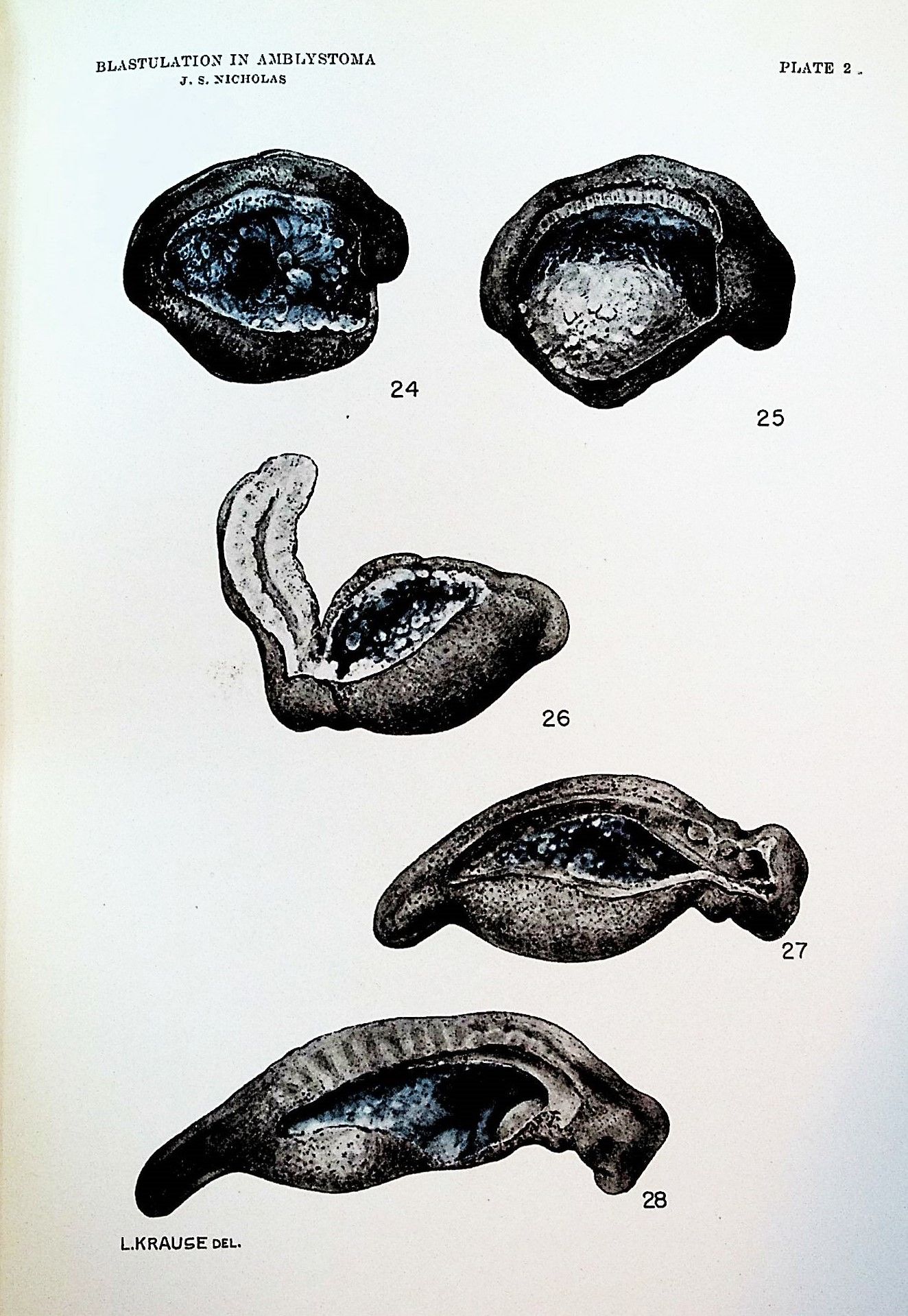
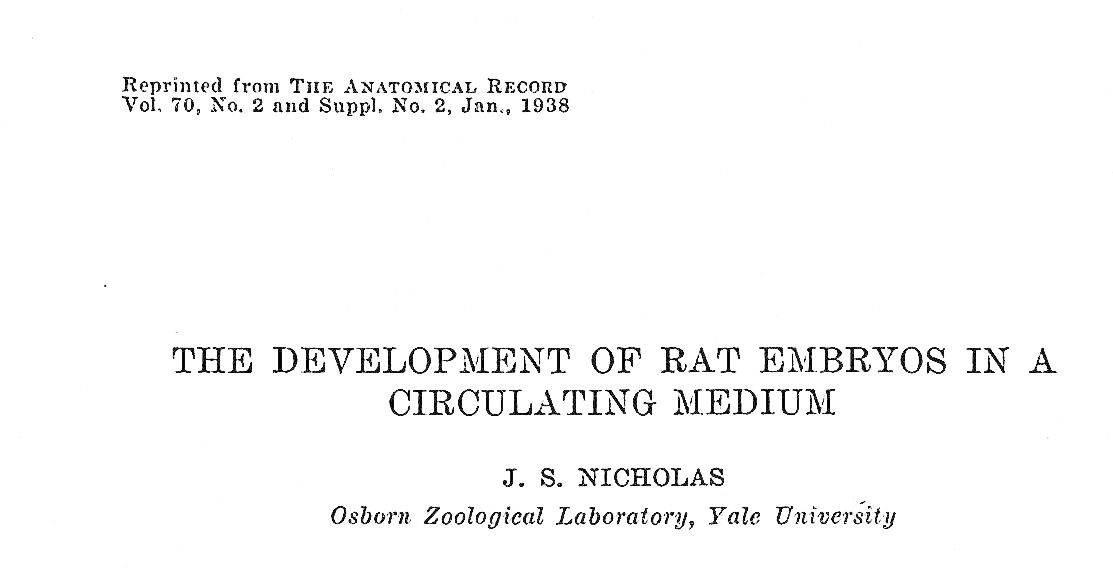
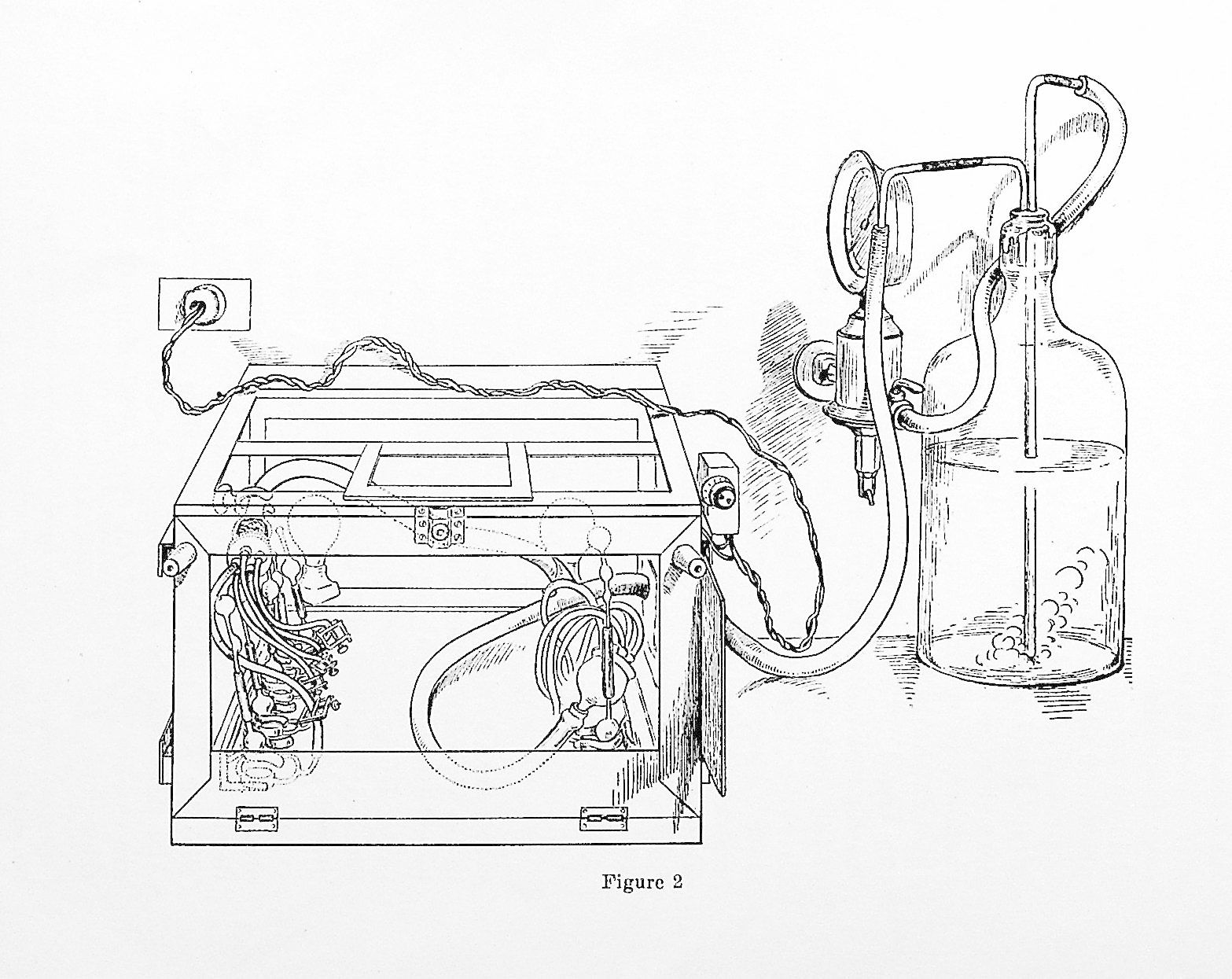
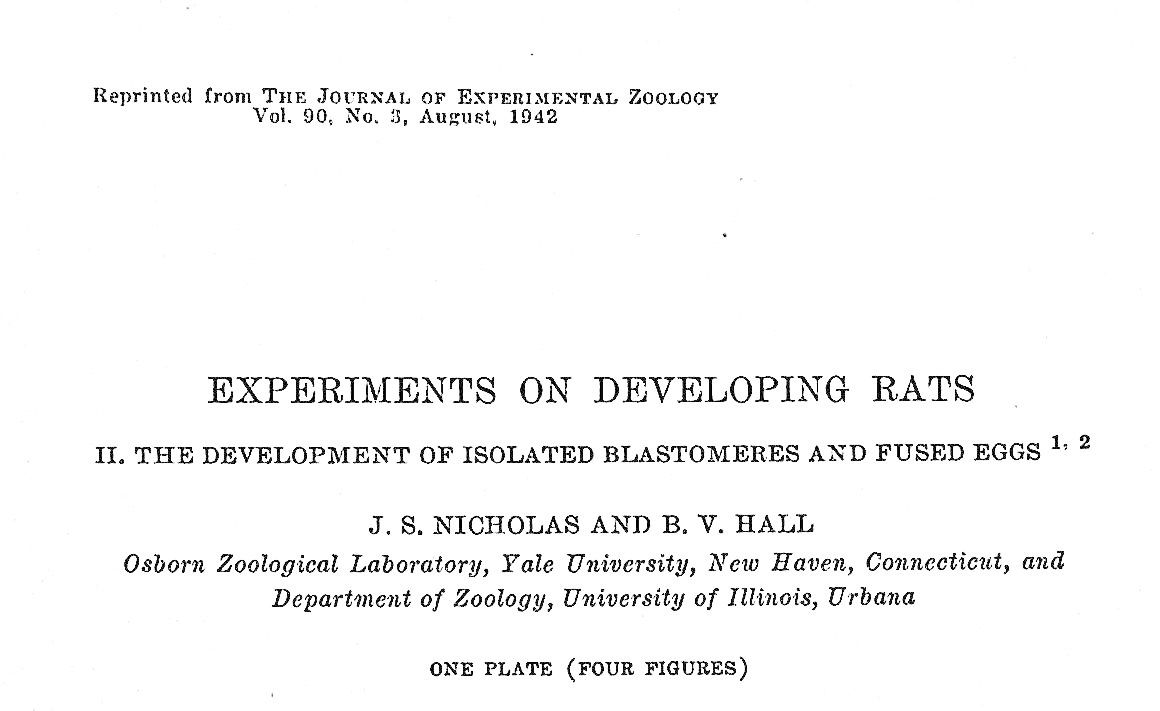
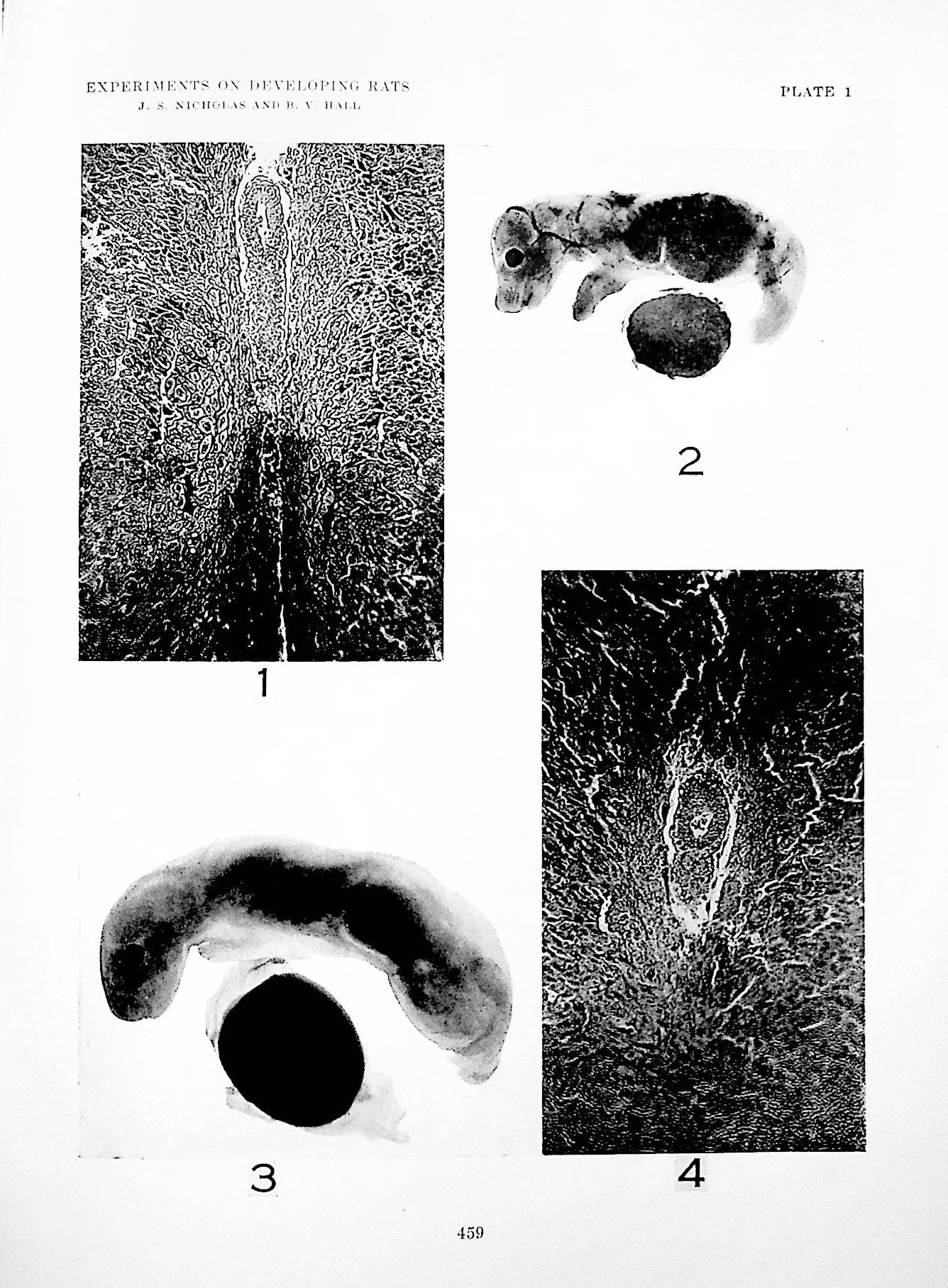
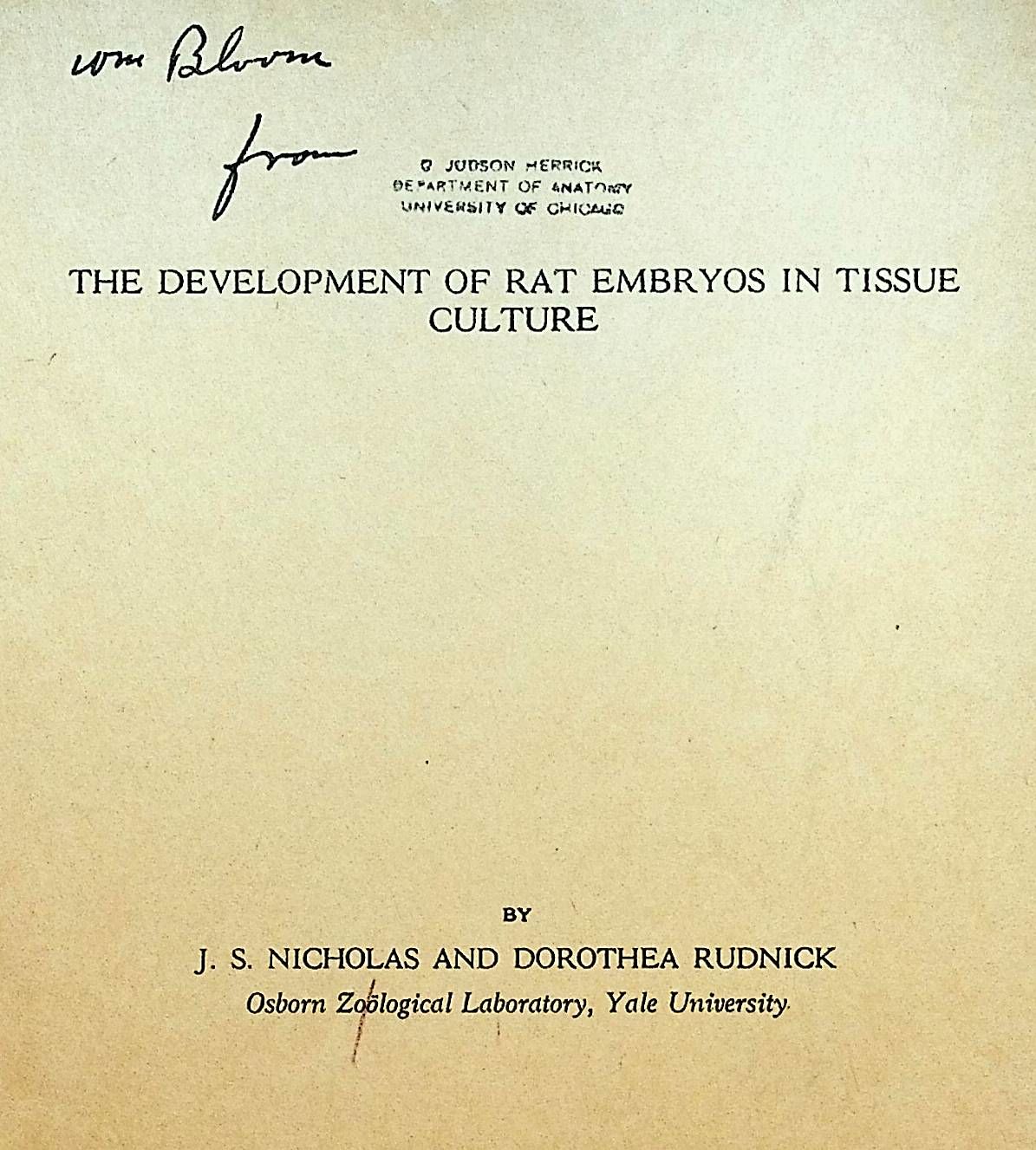
JOHN SPANGLER NICHOLAS (1895 - 1963) enlisted in the Army Medical Corps in 1918. His most important governmental contribution was his assistance in shaping the World War II policies governing the utilization of the nation's scientific human resources (documented in 4 offprints in collection). Upon leaving the Army at the end of World War I, Nicholas returned to Yale to pursue his PhD in zoology, becoming a leading experimental embryologist. He was elected Sterling Professor of Zoology in 1939, and was Chairman of the Department of Zoology from 1946–1956. Nicholas never abandoned his interest in the development of Amblystoma. In 1945 and 1948 he reported the results of studies, carried out by vital staining, on endodermal movements in this form during pregastrular stages (offprint included). While at the Cold Spring Harbor Laboratory he turned his attention to the study of the development of Fundulus heteroclitus, the killifish, that had previously been difficult to study since its shell seemed impossible to remove without injury to the egg. By devising a clever method of dechorionating the egg he made it accessible to direct microsurgical manipulation (offprint included, co-authored by Jane Oppenheimer). Nicholas's experimental embryological study of mammalian ova, conducted mostly in rats, was his most important and lasting accomplishment in the field. He discovered the flexibility and plasticity of mammalian embryological development through his successful transplantation of single, 2-cell blastomeres into foster mothers, where they developed in utero to the egg cylinder stage. These experiments led to principles of induction and progressive differentiation, previously applied only to lower vertebrates, to the development of higher vertebrates (10 offprints included). One of the offprints (THE DEVELOPMENT OF RAT EMBRYOS IN TISSUE CULTURE. PNAS, 1934) has a particularly interesting provenance. It bears the handstamp of C. JUDSON HERRICK (1868 – 1960). Professor at the University of Chicago, he was an American self-classified "evolutionist", "biologist", and "anatomist", and by profession: neurologist, zoologist, and pathologist, noted for his 1930 speech "The Scientific Study of Man and the Humanities". An inscription beside the stamp reveals that the offprint was transferred from Herrick to WILLIAM BLOOM (1899 – 1972), also a professor at the University of Chicago, one of nine faculty to become a member of the "Starred Men of Science" in 1944. Bloom is well-known for his research on cells of connective tissue and their interrelationships; the ionizing radiation on cells and tissues; and the development of clinical hematology. COMPLETE LIST OF OFFPRINTS AVAILABLE ON REQUEST.
Details
Title
THE BEST OF AMERICAN EMBRYOLOGY. The development of rat embryos in tissue culture. Proceedings of the National Academy of Sciences. December, 1934. TOGETHER WITH 15 additional offprints
Author
Nicholas, John Spangler
Binding
Offprints in paper covers
Condition
Unknown
Date
1934 - 1947
Edition
First editions