

SIGNED. George Beadle. An Uncommon Farmer. The Emergence of Genetics in the 20th Century
- SIGNED cloth binding
- Cold Spring Harbor, NY: Cold Spring Harbor Laboratory Press, 2003
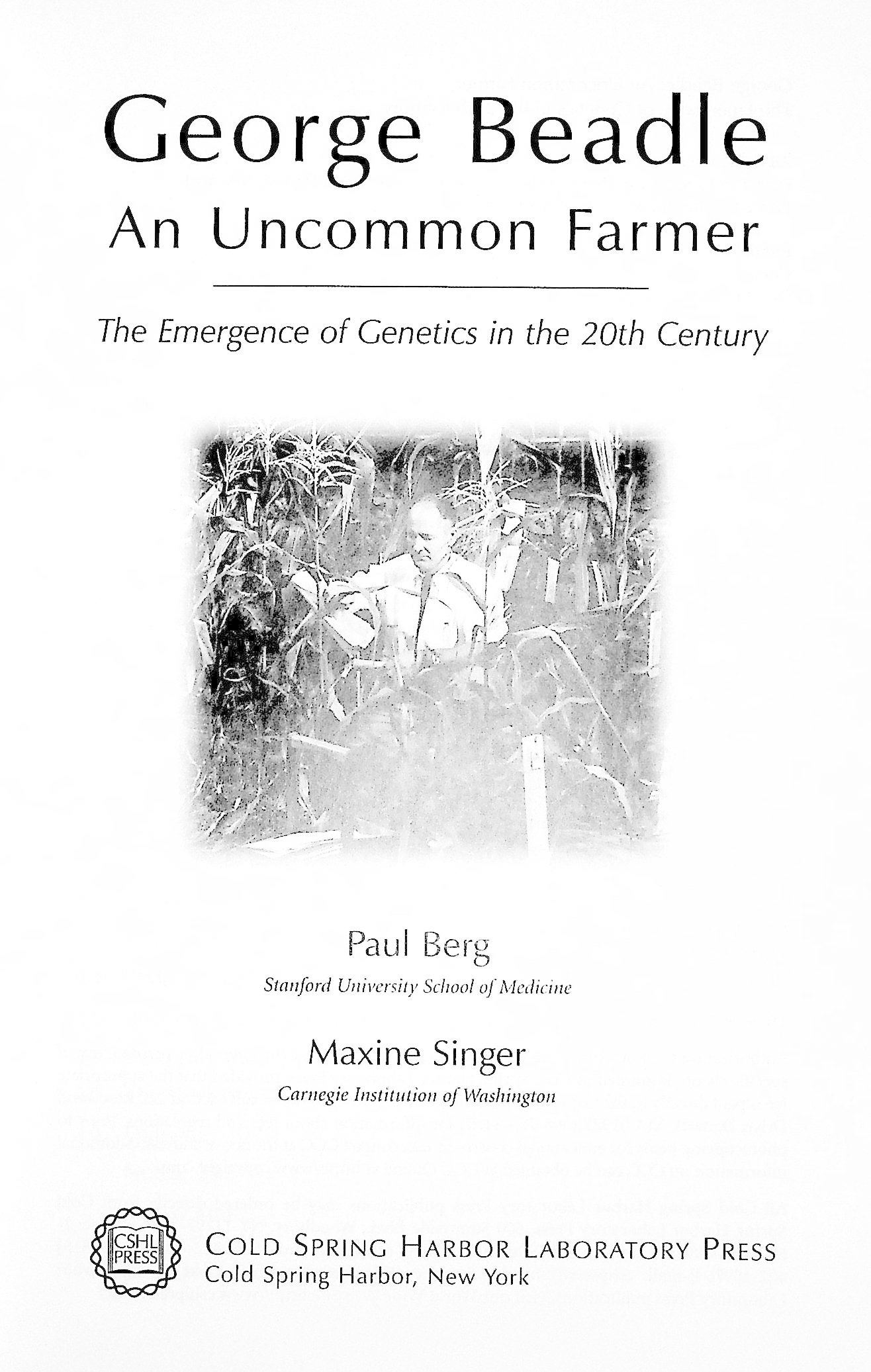
Cold Spring Harbor, NY: Cold Spring Harbor Laboratory Press, 2003. First edition, first printing.
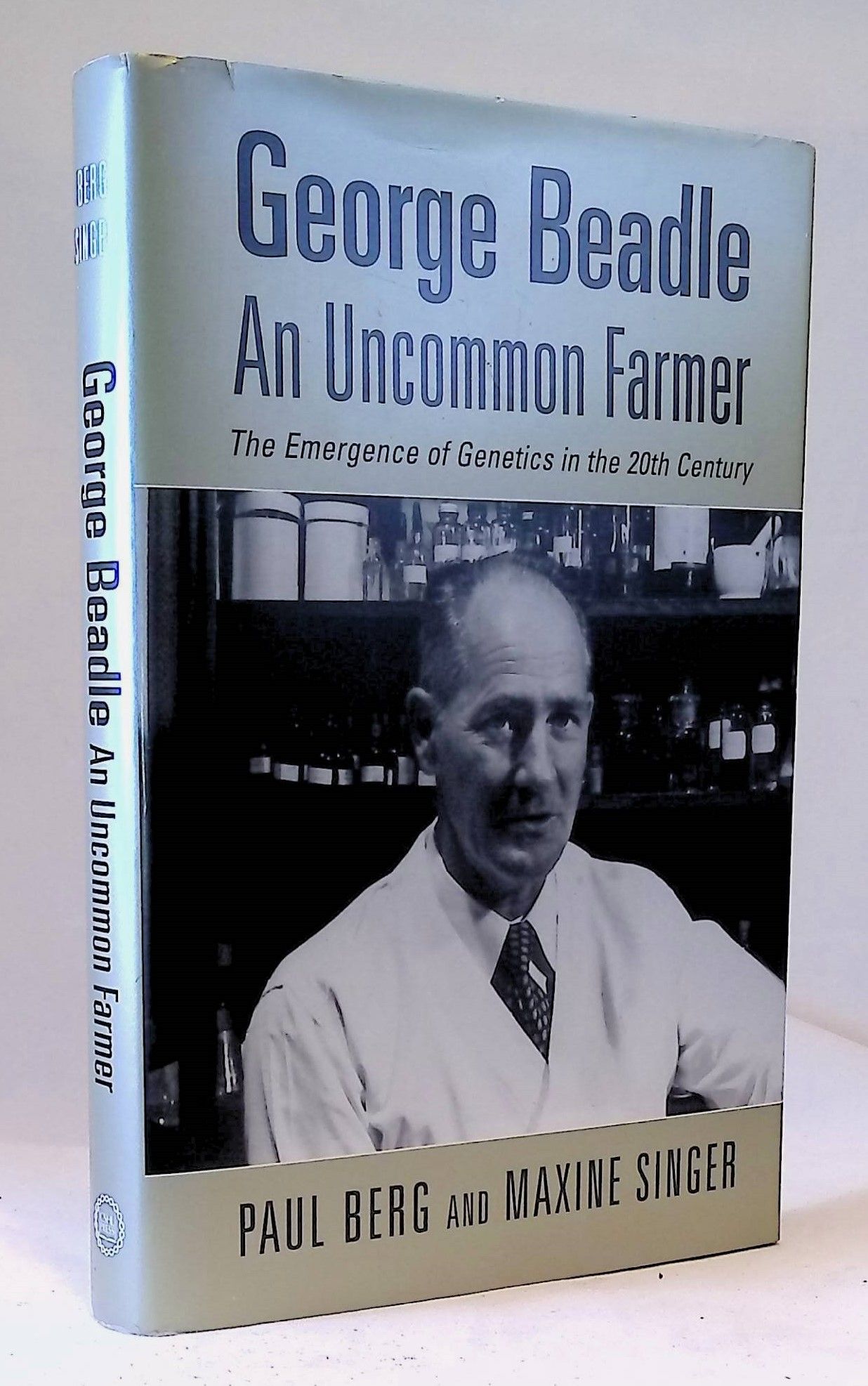
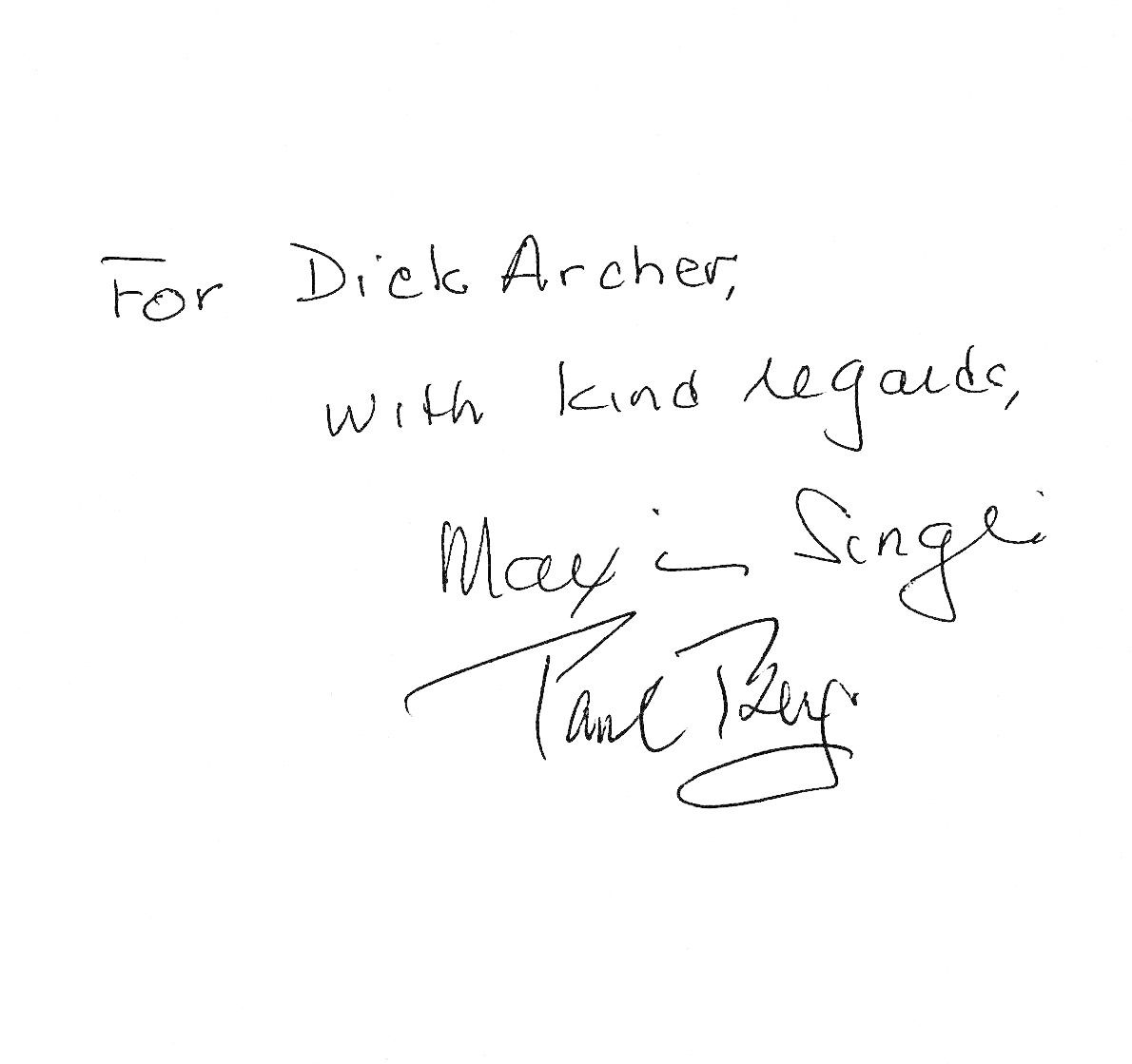
BIOGRAPHY OF NOBELIST GEORGE BEADLE (OF "ONE GENE ONE ENZYME" FAME) BY NOBELIST PAUL BERG, PIONEER OF RECOMBINANT DNA, INSCRIBED AND SIGNED BY HIM.
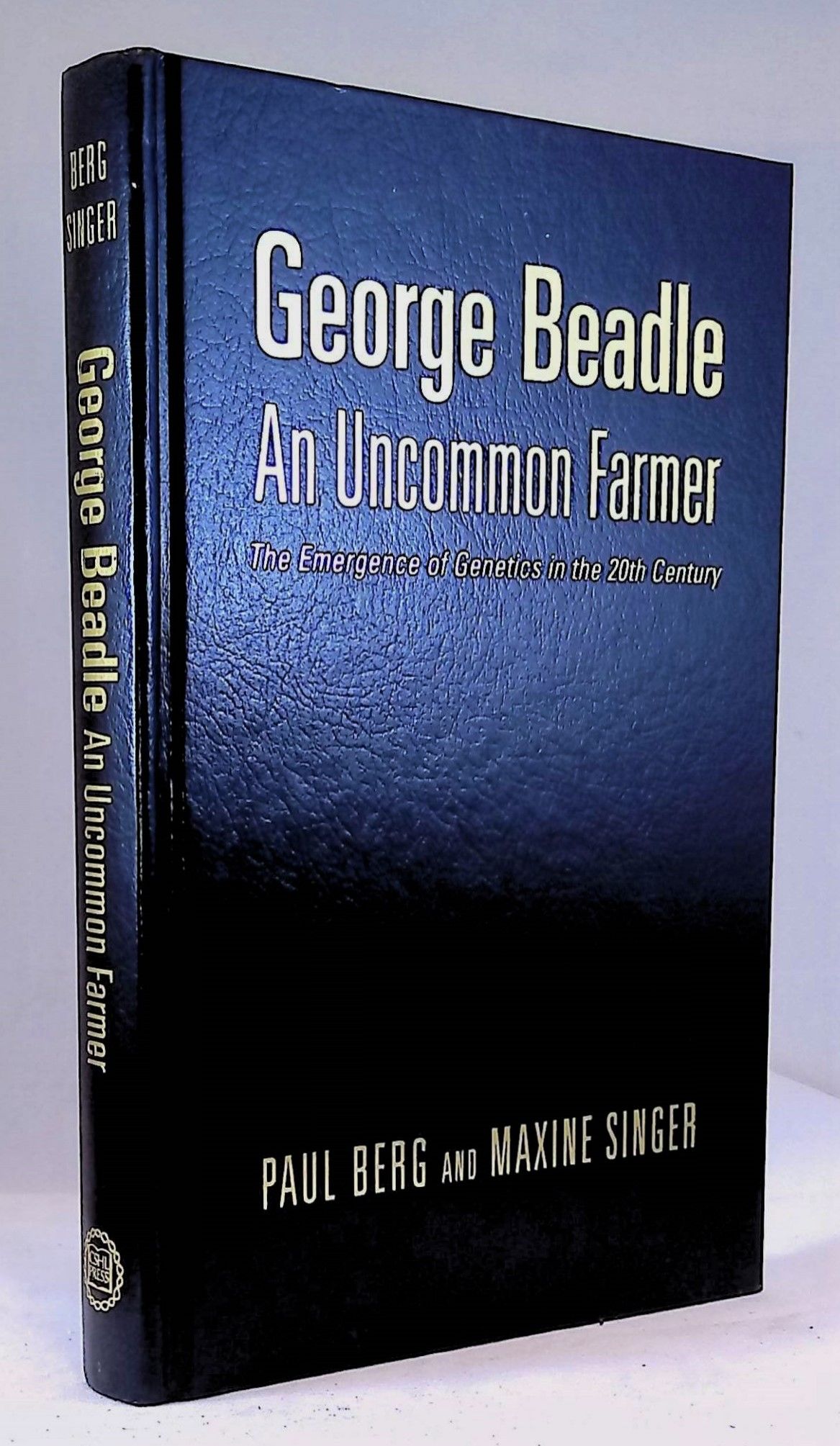
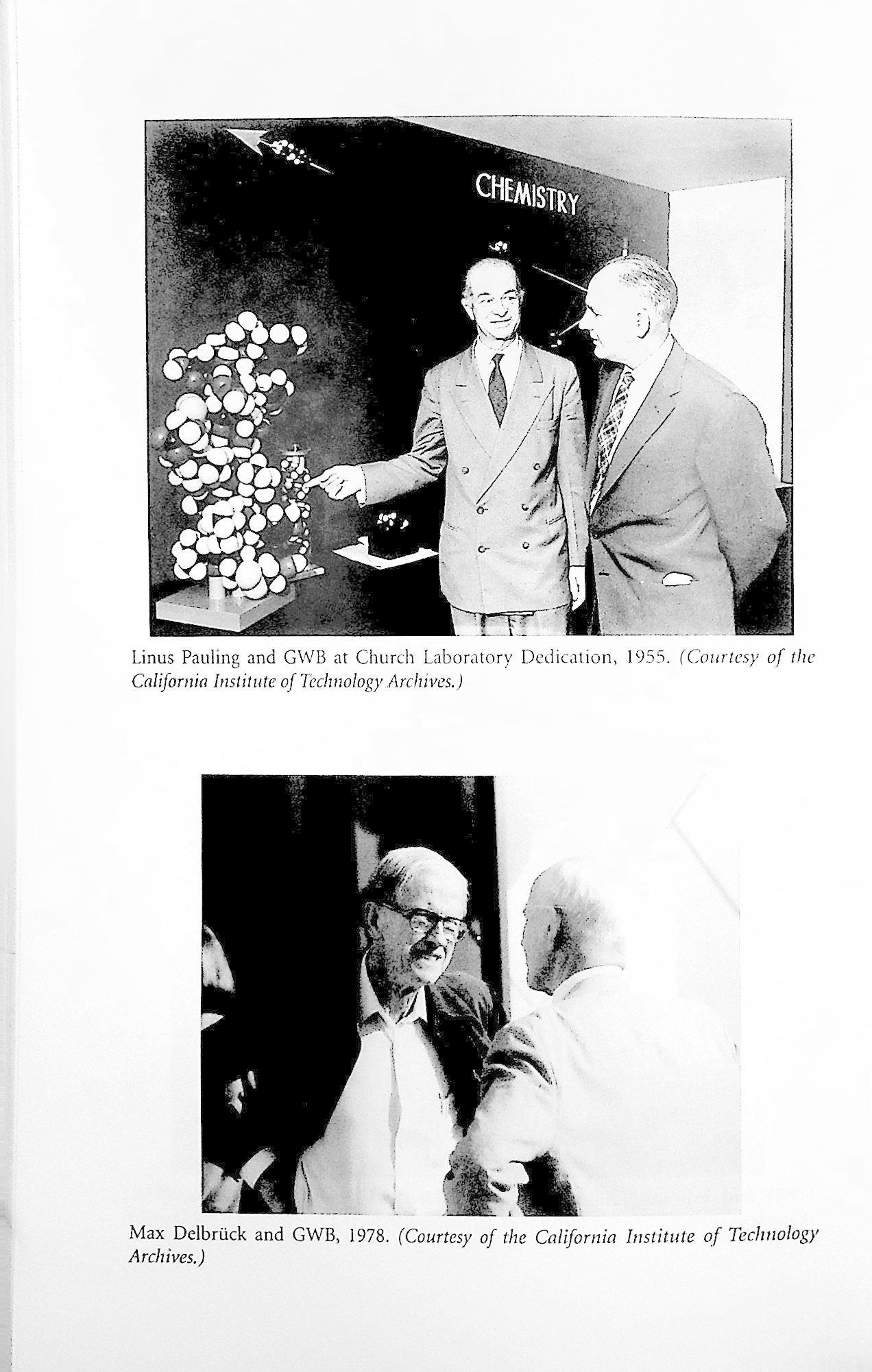
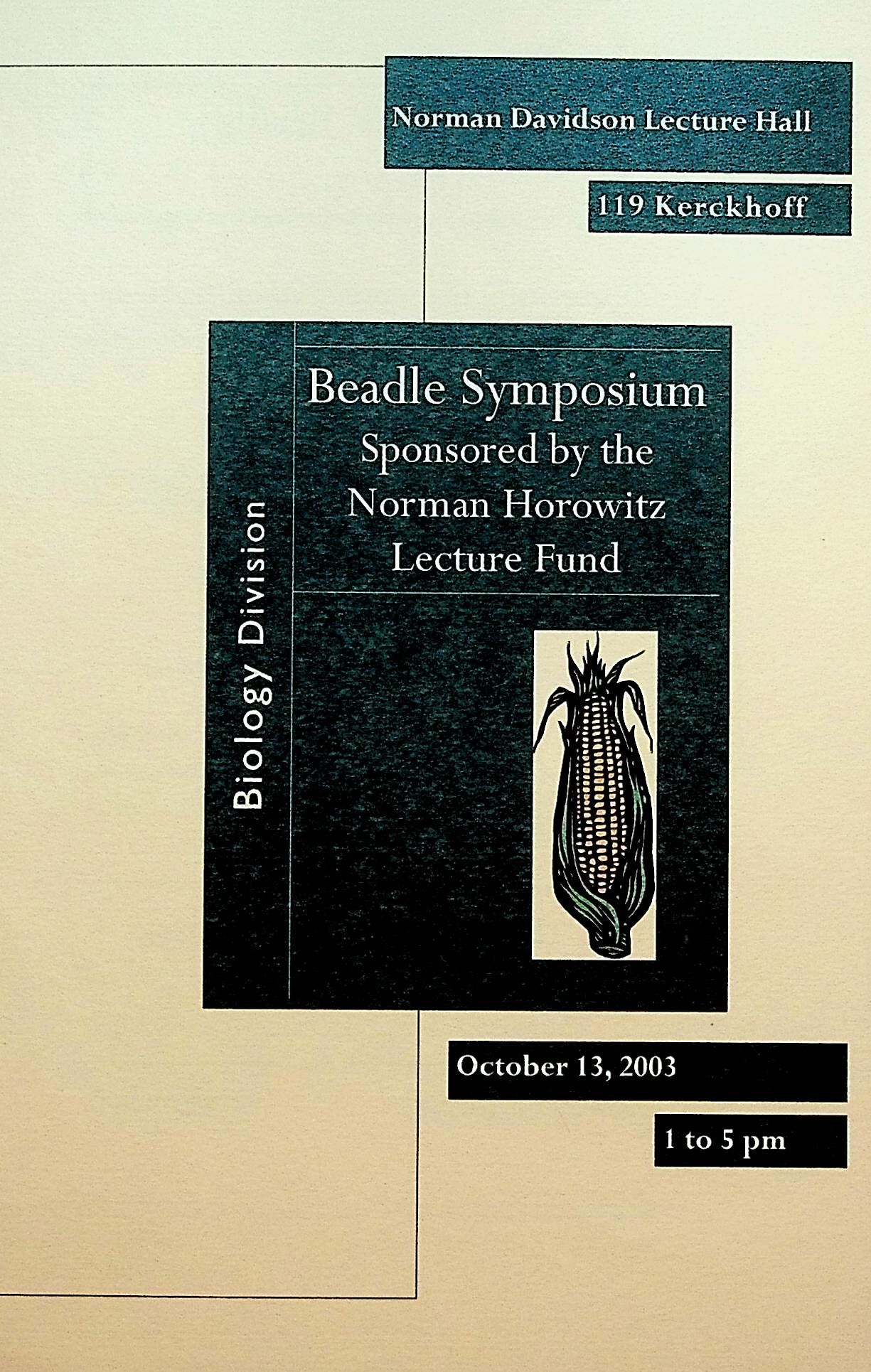
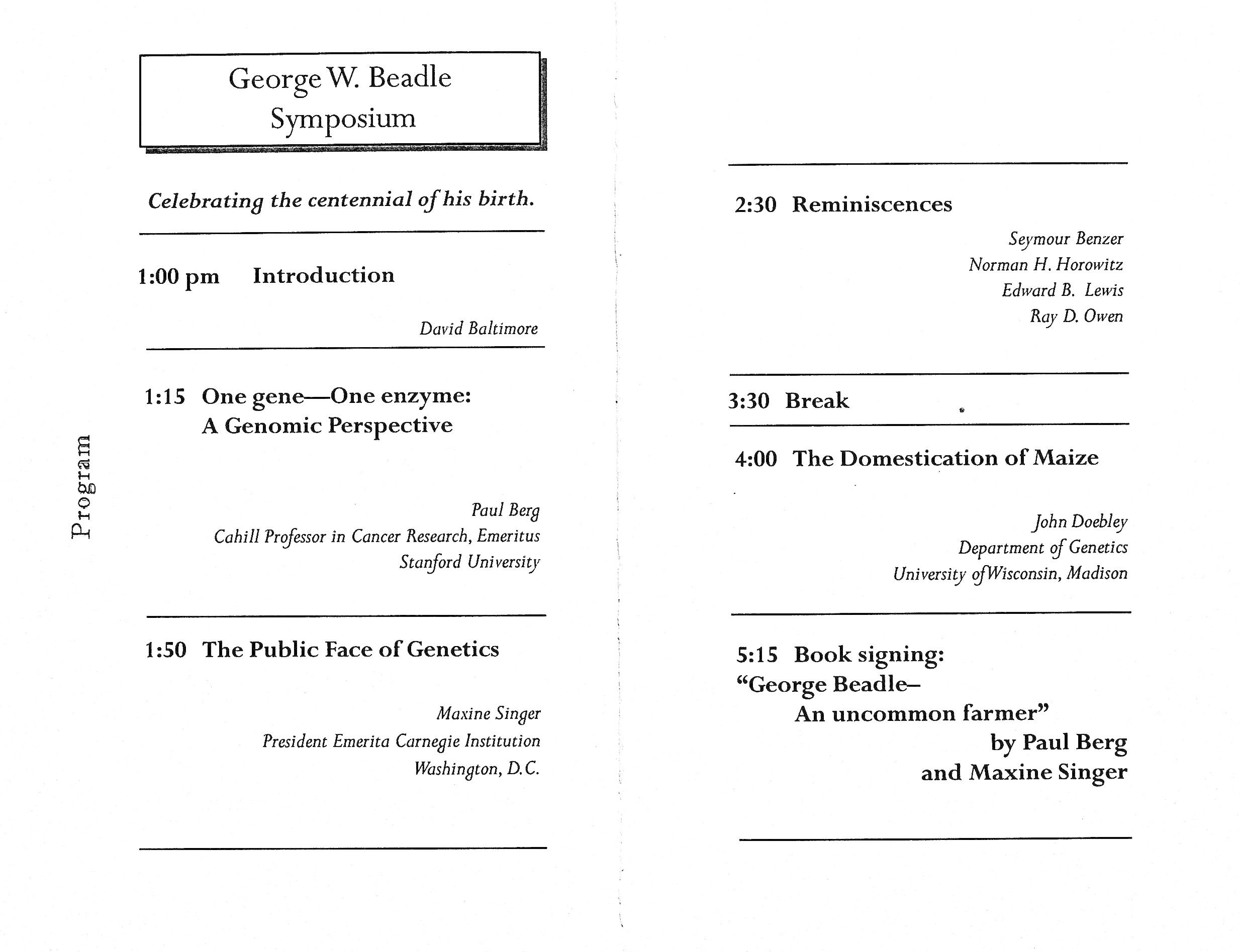
9 1/2 inches tall hardcover, black cloth binding, gilt title to cover and spine, inscribed to Dick Archer and signed by both authors on front free endpaper, i-ix, 383 pp, illustrated. Fine in very good jacket. LAID IN: 5 1/2 x 8 1/2 inches folded program for the Beadle Symposium celebrating the centennial of his birth, at the Norman Davidson Lecture Hall, California Institute of Technology. Listed are an introduction by David Baltimore and lectures by Paul Berg, Maxine Singer, Seymour Benzer, and John Doebley, followed by book signing of the volume offered here.
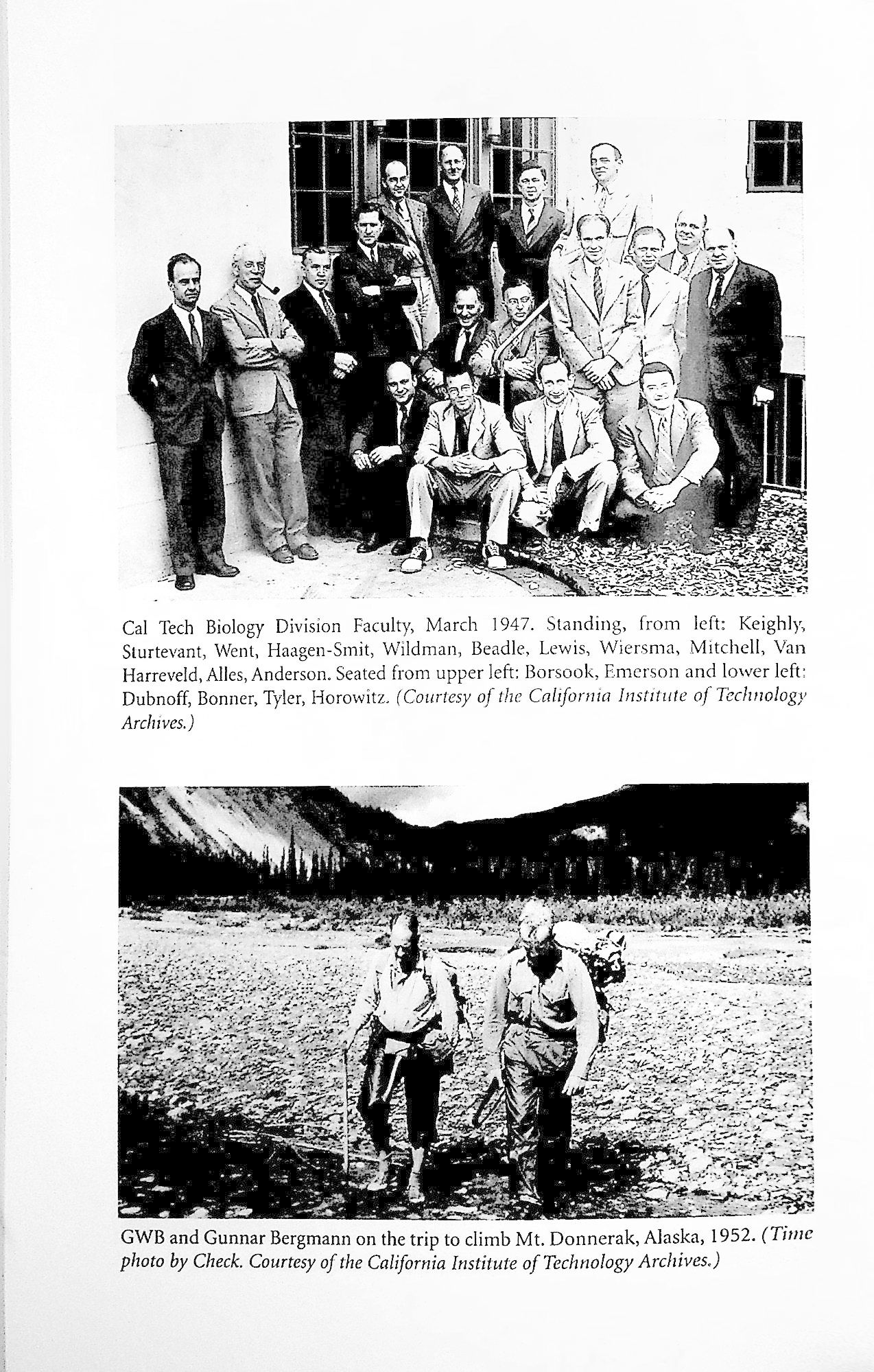
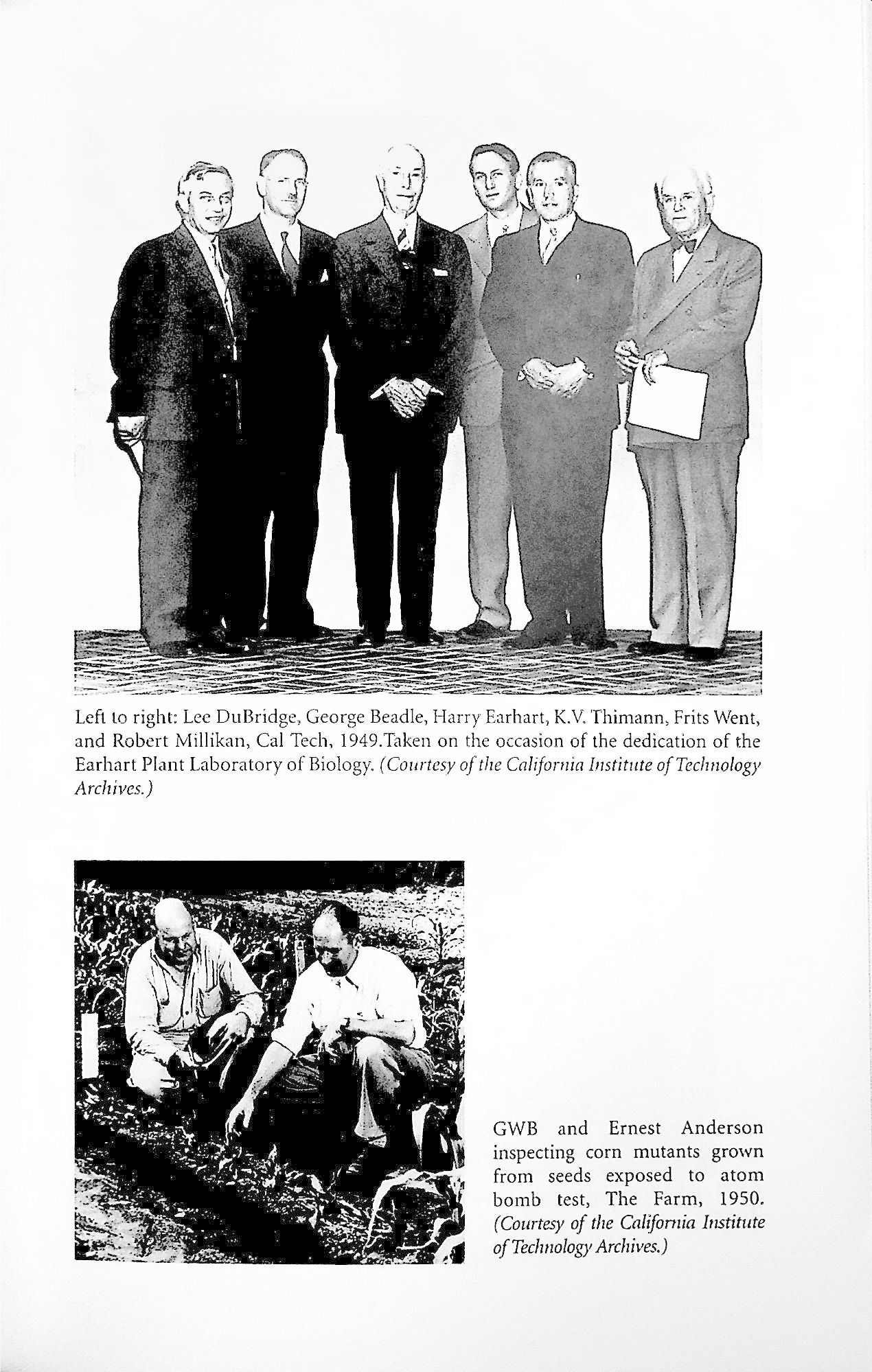
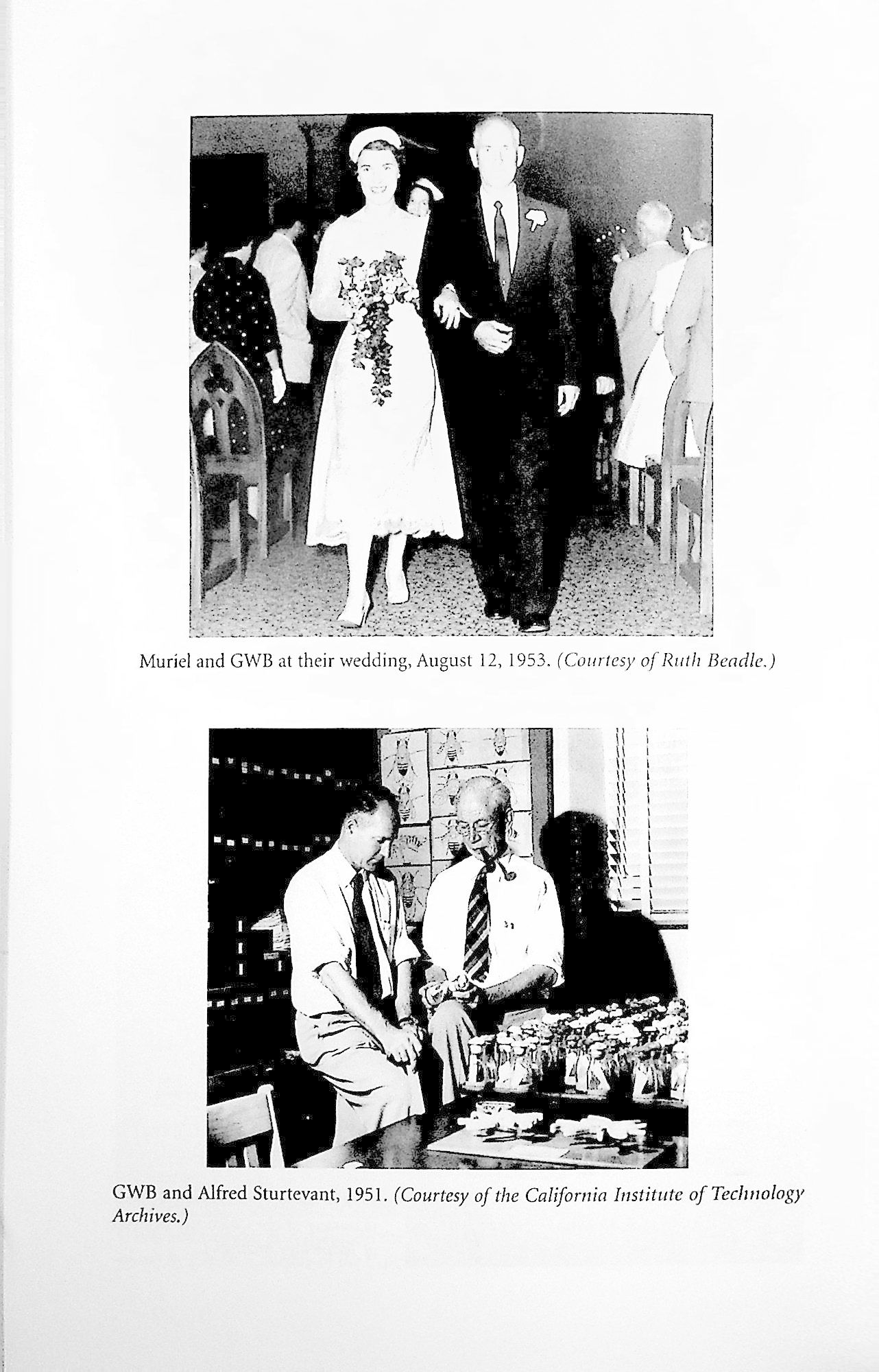
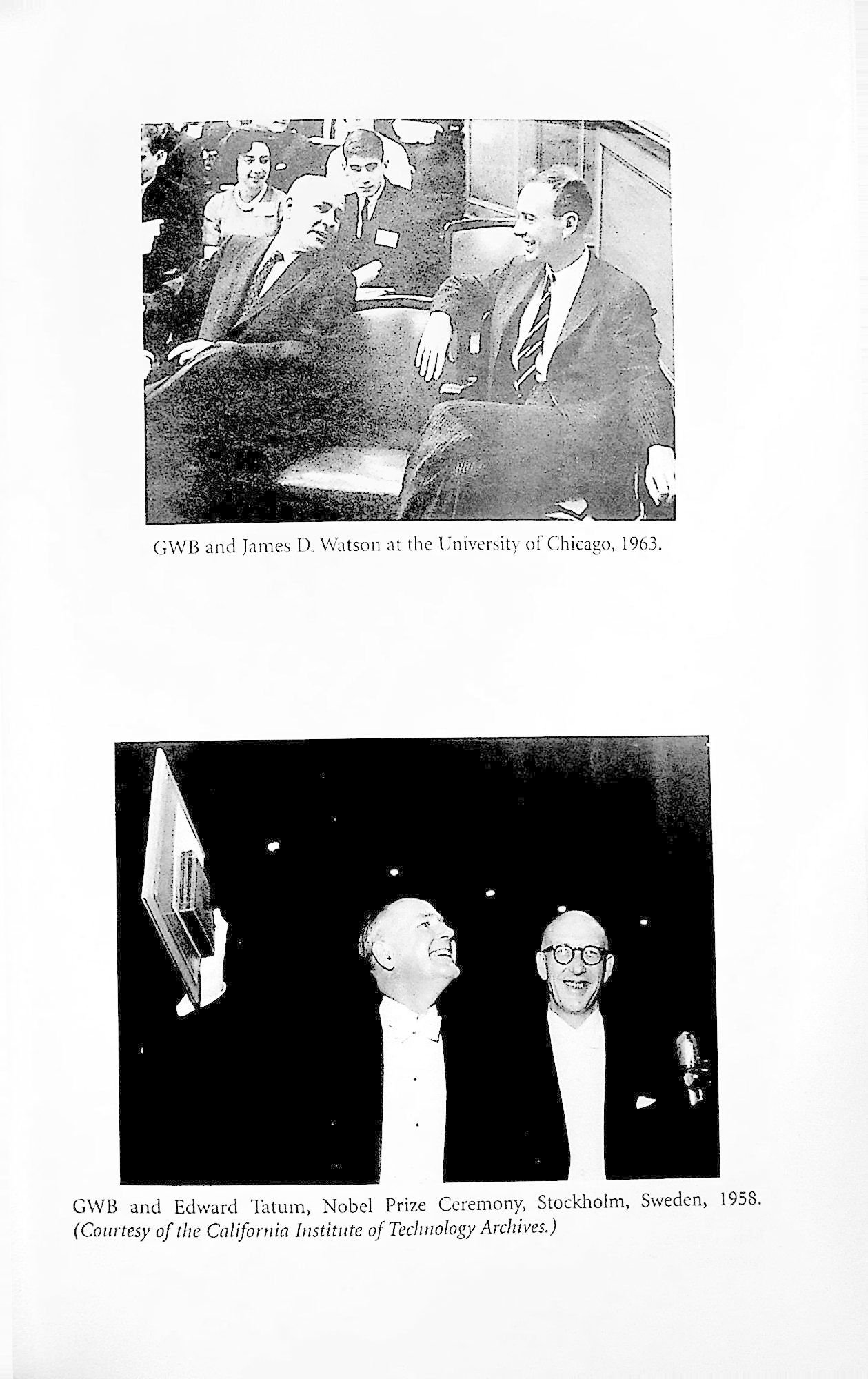
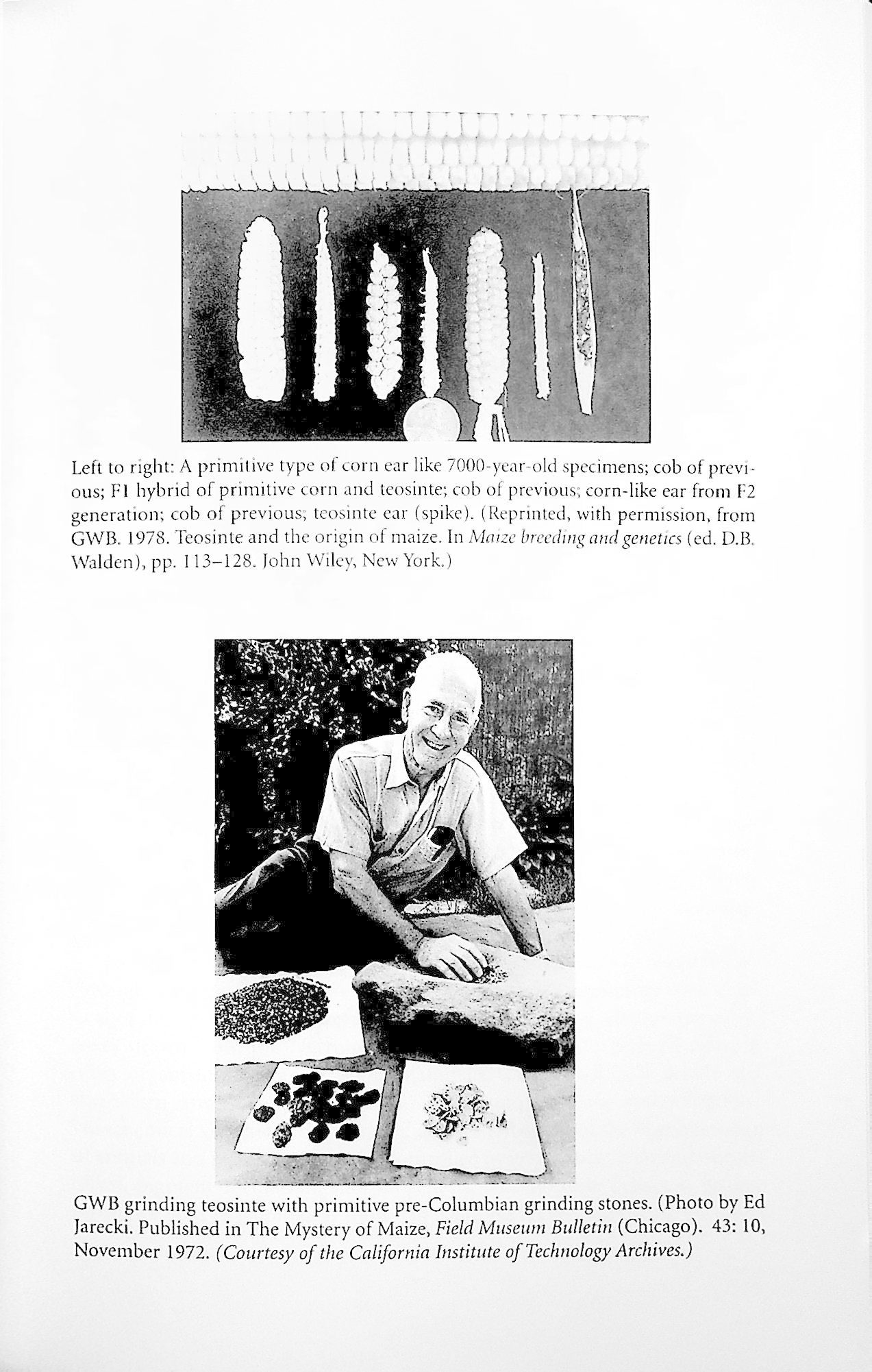
GEORGE BEADLE (1903 – 1989) was an American geneticist. In 1958 he shared the Nobel Prize in Physiology or Medicine with Edward Tatum for their discovery of the role of genes in regulating biochemical events within cells. He also served as the 7th President of the University of Chicago. Beadle and Tatum's key experiments involved exposing the bread mold Neurospora crassa to x-rays, causing mutations. In a series of experiments, they showed that these mutations caused changes in specific enzymes involved in metabolic pathways. These experiments led them to propose a direct link between genes and enzymatic reactions, known as the One gene-one enzyme hypothesis. In 1931 Beadle was awarded a National Research Council Fellowship at the California Institute of Technology at Pasadena, where he remained from 1931 until 1936. During this period he continued his work on Indian corn and began, in collaboration with Professors Theodosius Dobzhansky, S. Emerson, and Alfred Sturtevant, work on crossing-over in the fruit fly, Drosophila melanogaster. In 1936 Beadle left the California Institute of Technology to become Assistant Professor of Genetics at Harvard University. A year later he was appointed Professor of Biology (Genetics) at Stanford University and there he remained for nine years, working for most of this period in collaboration with Tatum. In 1946 Beadle returned to the California Institute of Technology as Professor of Biology and Chairman of the Division of Biology. Here he remained until January 1961 when he was elected Chancellor of the University of Chicago and, in the autumn of the same year, President of this University. After retiring, Beadle undertook a remarkable experiment in maize genetics. In several laboratories he grew a series of Teosinte/Maize crosses. Then he crossed these progeny with each other. He looked for the rate of appearance of parent phenotypes among this second generation. The vast majority of these plants were intermediate between maize and Teosinte in their features, but about 1 in 500 of the plants were identical to either the parent maize or the parent teosinte. Using the mathematics of Mendelian genetics, he calculated that this showed a difference between maize and teosinte of about 5 or 6 genetic loci. This demonstration was so compelling that most scientists now agree that Teosinte is the wild progenitor of maize.
PAUL BERG (June 30, 1926 – February 15, 2023) was an American biochemist and professor at Stanford University. He was the recipient of the Nobel Prize in Chemistry in 1980, along with Walter Gilbert and Frederick Sanger. The award recognized their contributions to basic research involving nucleic acids, especially recombinant DNA. After completing his graduate studies, Berg spent two years (1952–1954) as a postdoctoral fellow with the American Cancer Society, working at the Institute of Cytophysiology in Copenhagen, Denmark, and the Washington University School of Medicine, and spent additional time in 1954 as a Scholar in Cancer Research with the Department of Microbiology at the Washington University School of Medicine. He worked with Arthur Kornberg, while at Washington University. Berg was also tenured as a research fellow at Clare Hall, Cambridge. He was a professor at Washington University School of Medicine from 1955 until 1959. After 1959, Berg moved to Stanford University, where he taught biochemistry from 1959 until 2000 and served as director of the Beckman Center for Molecular and Genetic Medicine from 1985 until 2000. In 2000 he retired from his administrative and teaching posts, continuing to be active in research. Berg is arguably most famous for his pioneering work involving gene splicing of recombinant DNA. Berg was the first scientist to create a molecule containing DNA from two different species by inserting DNA from another species into a molecule. This gene-splicing technique was a fundamental step in the development of modern genetic engineering. After developing the technique, Berg used it for his studies of viral chromosomes. Berg was a professor emeritus at Stanford. As of 2000, he stopped doing active research, to focus on other interests, including involvement in public policy for biomedical issues involving recombinant DNA and embryonic stem cells and publishing a book about geneticist George Beadle (offered here).
Details
Title
SIGNED. George Beadle. An Uncommon Farmer. The Emergence of Genetics in the 20th Century
Author
Berg, Paul and Singer, Maxine
Binding
cloth binding
Condition
Unknown
Publisher
Cold Spring Harbor Laboratory Press: Cold Spring Harbor, NY
Date
2003
Edition
First edition, first printing