

Film History Blow Up 1966 Lobby Card Photographs Archive Documenting Antonioni's London and the Collapse of Production Code Era
- 1966
1966. Antonioni, Michelangelo (director). Blow-Up, 1966, examines perception, photography, and uncertainty within the cultural landscape of 1960s London, placing a fashion photographer at the center of a narrative involving a possible murder captured unintentionally on film. As Antonioni's first English-language production, the film situates itself within the visual and social environment of the London "mod" scene, integrating fashion, music, and youth culture into its structure. Its treatment of sexuality and ambiguity contributed to the erosion of the Hollywood Production Code and preceded the establishment of the Motion Picture Association of America rating system, marking the film as part of a broader shift in cinematic regulation and content standards. Awarded the Palme d'Or at the Cannes Film Festival, the film occupies a central place in discussions of postwar European art cinema and the changing boundaries of representation.
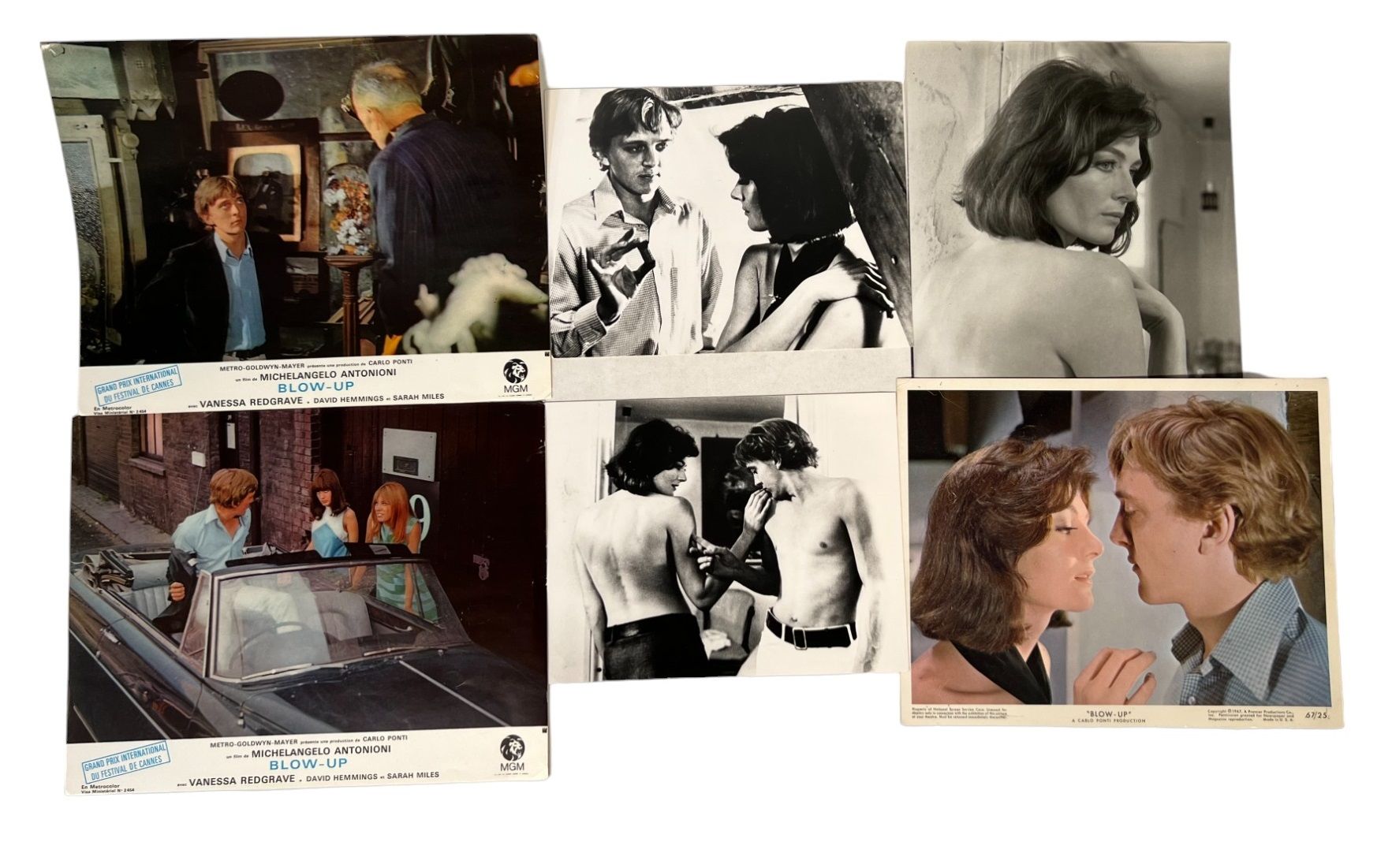
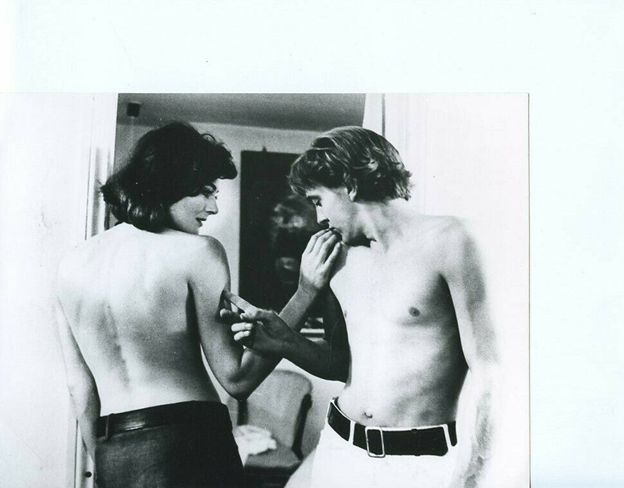
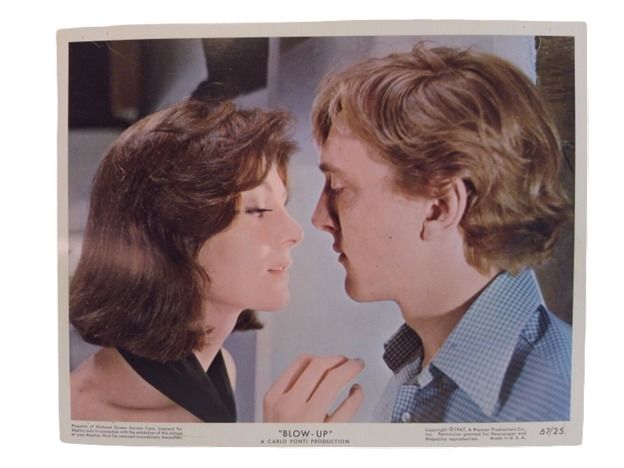
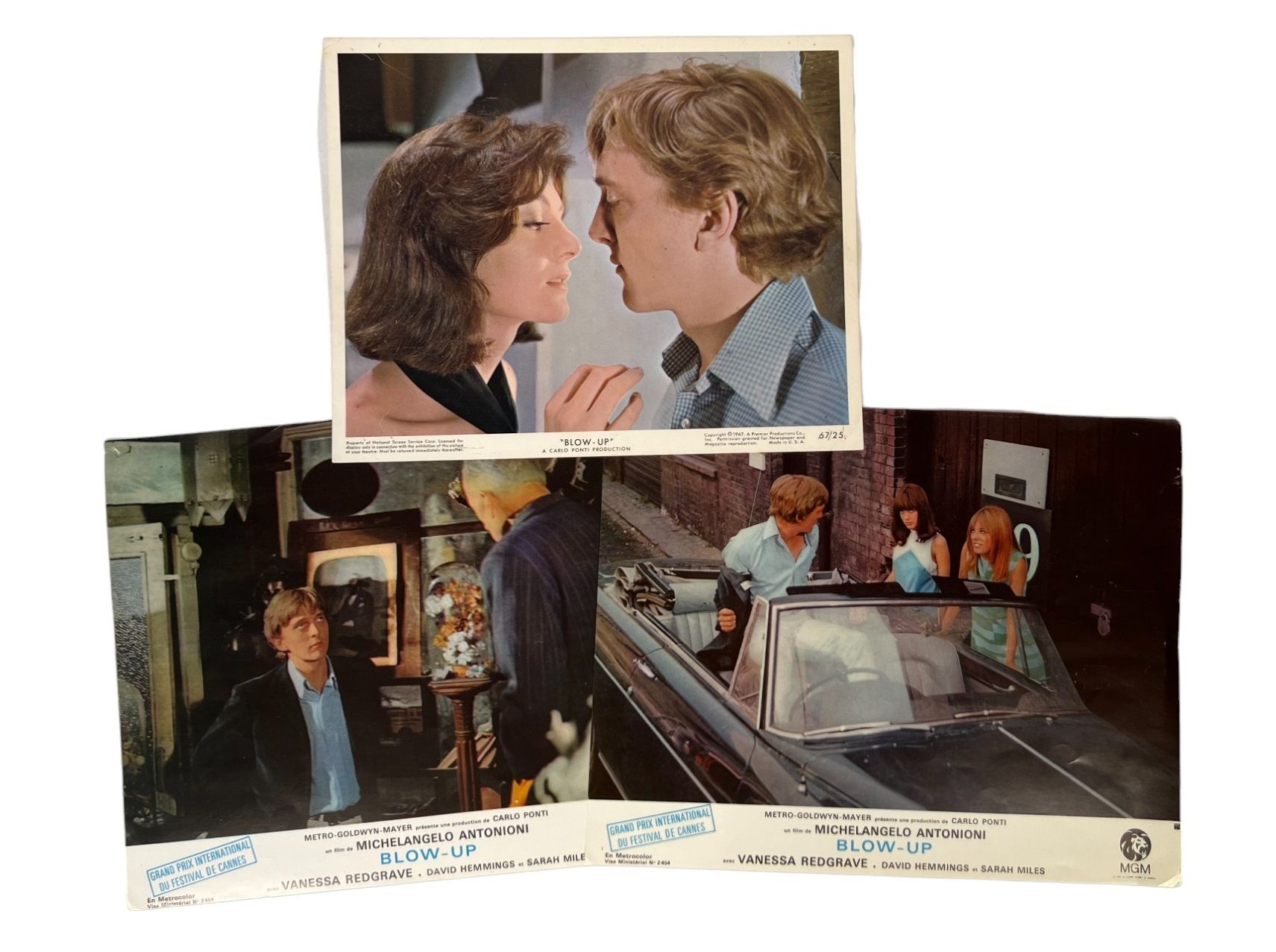
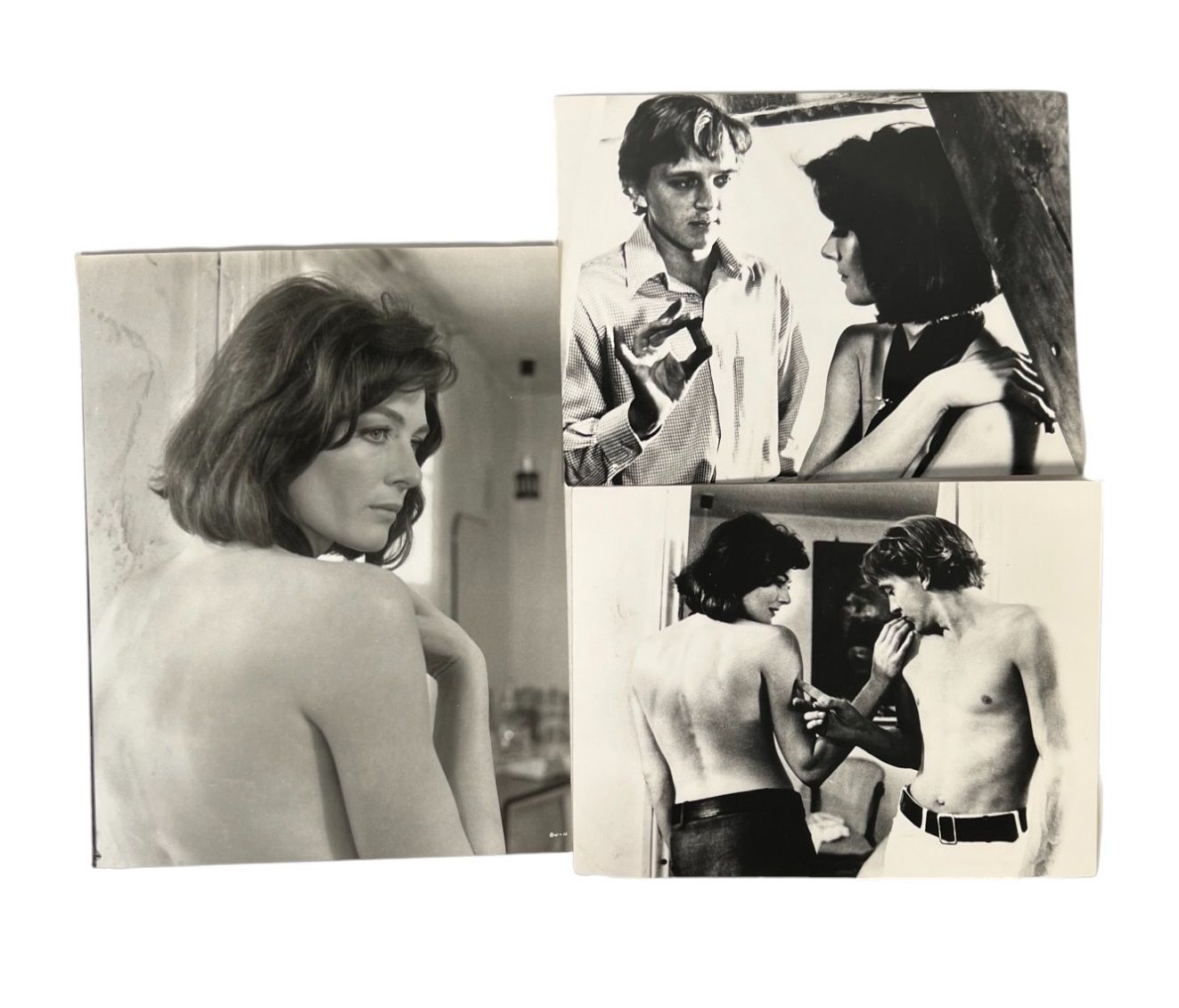
Blow-Up. Metro-Goldwyn-Mayer: United States, 1966. Archive of six original promotional photographs issued for theatrical display, ranging in size from approximately 6.5 x 8 to 8.75 x 11 inches, including three color and three black and white prints. Images depict scenes from the film, including interactions between Vanessa Redgrave and David Hemmings and views of Hemmings' Rolls-Royce, emphasizing both character dynamics and the material culture of the London setting. Black and white photographs include production and photography information on the verso, while color prints feature the film title, actor names, and MGM logo along the lower margin.
Produced during a period of rapid transformation in film aesthetics and censorship standards, Blow-Up aligns with broader developments in 1960s cinema that prioritized ambiguity, visual experimentation, and contemporary urban life. Its focus on the act of looking and the instability of photographic evidence reflects wider cultural concerns with media, surveillance, and reality during the decade. Promotional materials such as these photographs document how studios presented avant-garde narrative and stylistic elements to mainstream audiences, bridging commercial exhibition and art cinema discourse. Minor handling wear, with one photograph showing faint pinholes; overall very good to excellent condition.
Blow-Up. Metro-Goldwyn-Mayer: United States, 1966. Archive of six original promotional photographs issued for theatrical display, ranging in size from approximately 6.5 x 8 to 8.75 x 11 inches, including three color and three black and white prints. Images depict scenes from the film, including interactions between Vanessa Redgrave and David Hemmings and views of Hemmings' Rolls-Royce, emphasizing both character dynamics and the material culture of the London setting. Black and white photographs include production and photography information on the verso, while color prints feature the film title, actor names, and MGM logo along the lower margin.
Produced during a period of rapid transformation in film aesthetics and censorship standards, Blow-Up aligns with broader developments in 1960s cinema that prioritized ambiguity, visual experimentation, and contemporary urban life. Its focus on the act of looking and the instability of photographic evidence reflects wider cultural concerns with media, surveillance, and reality during the decade. Promotional materials such as these photographs document how studios presented avant-garde narrative and stylistic elements to mainstream audiences, bridging commercial exhibition and art cinema discourse. Minor handling wear, with one photograph showing faint pinholes; overall very good to excellent condition.
Details
Title
Film History Blow Up 1966 Lobby Card Photographs Archive Documenting Antonioni's London and the Collapse of Production Code Era
Author
Michelangelo Antonioni; Blow Up
Condition
Unknown
Date
1966