

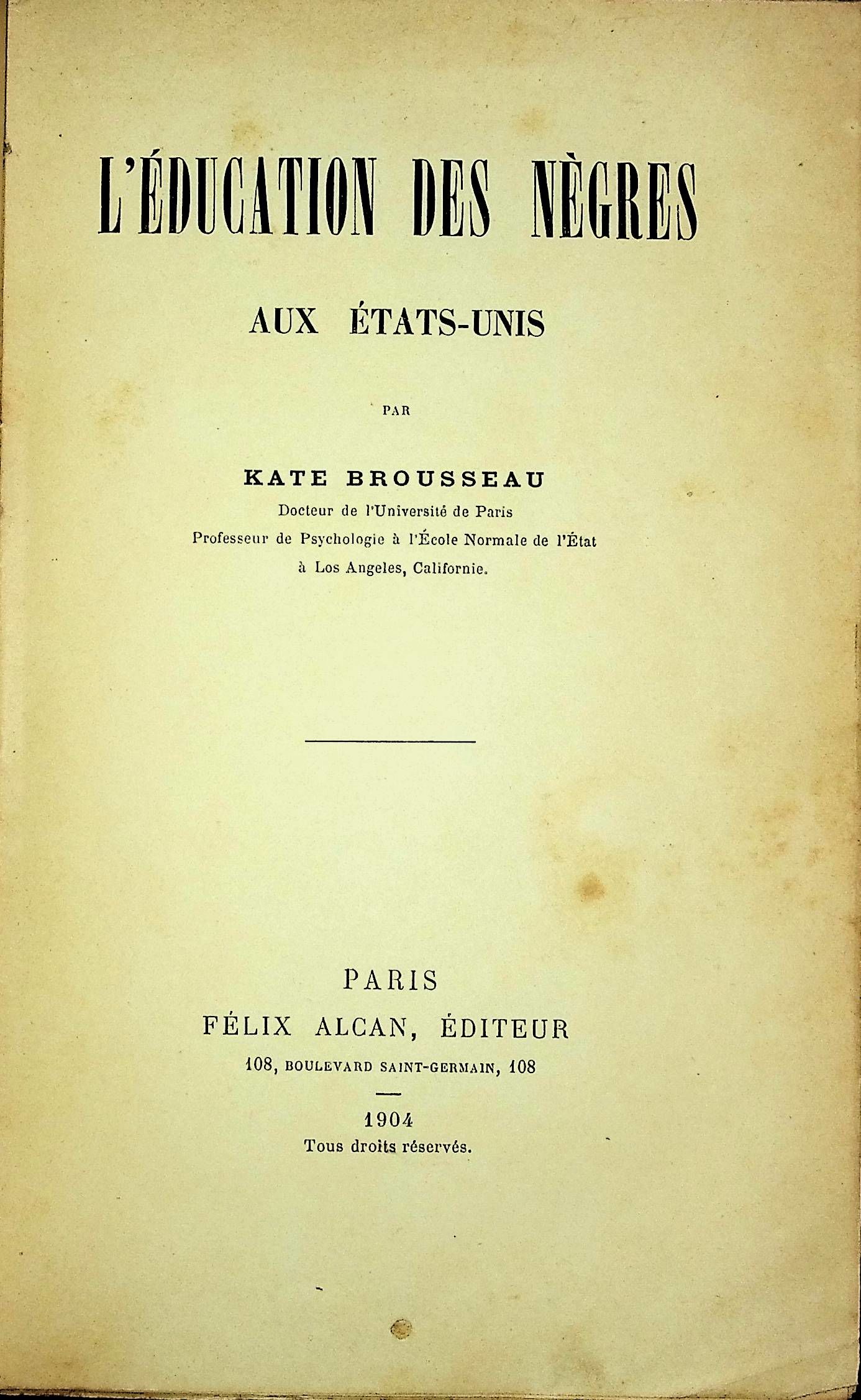
1904 EDUCATION OF FREED ENSLAVED AFRICAN AMERICANS. l'Education des Negres aux Etats-Unis [The Education of Negroes in the United States]

- cloth binding
- Paris: Felix Alcan, 1904
Paris: Felix Alcan, 1904. First edition.
BRILLIANT ANALYSIS OF THE CHALLENGE OF EDUCATING AFRICAN AMERICANS 40 YEARS AFTER THEIR FREEDOM--BY FRENCH U.S. PROFESSOR OF PSYCHOLOGY.
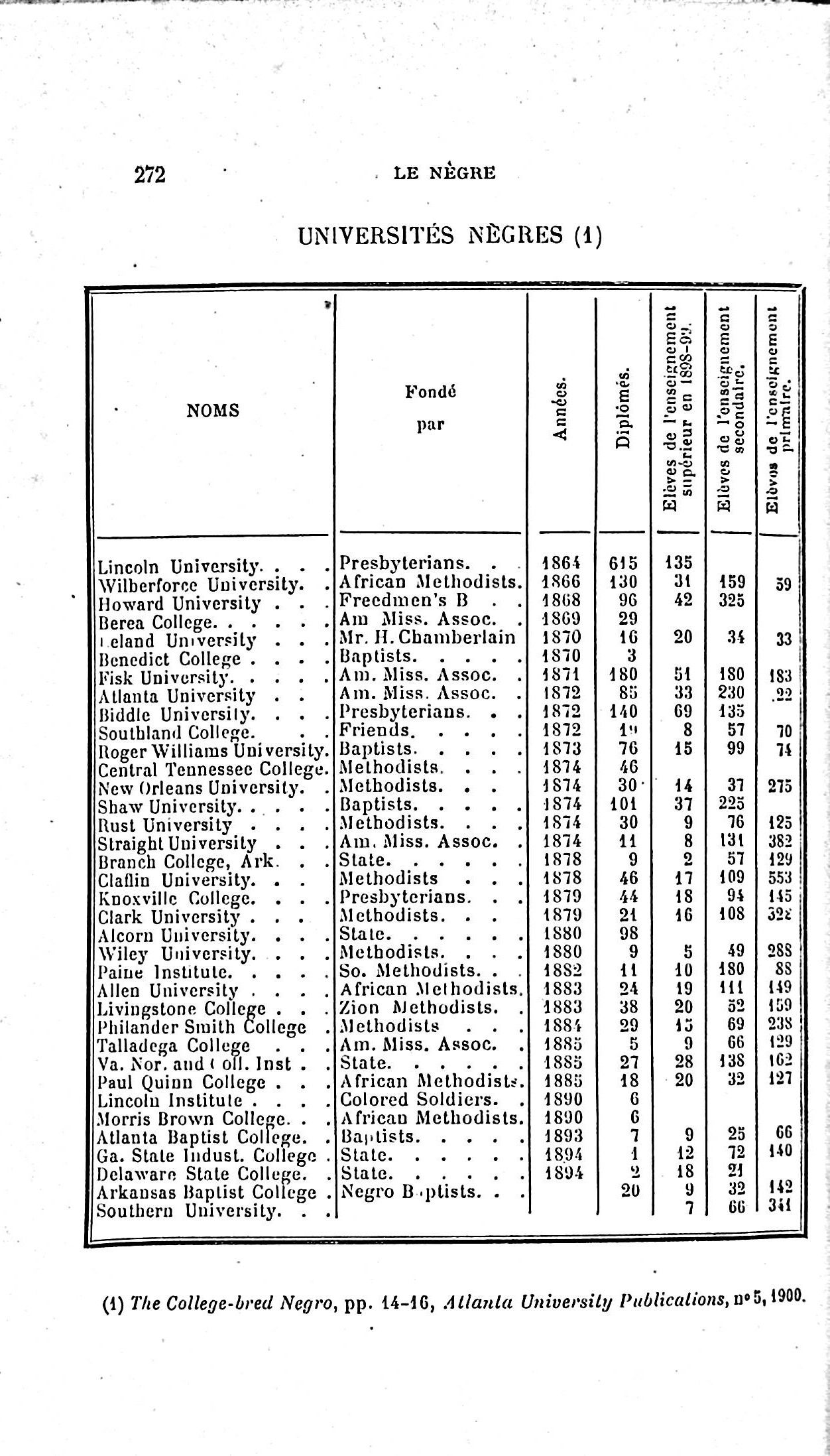
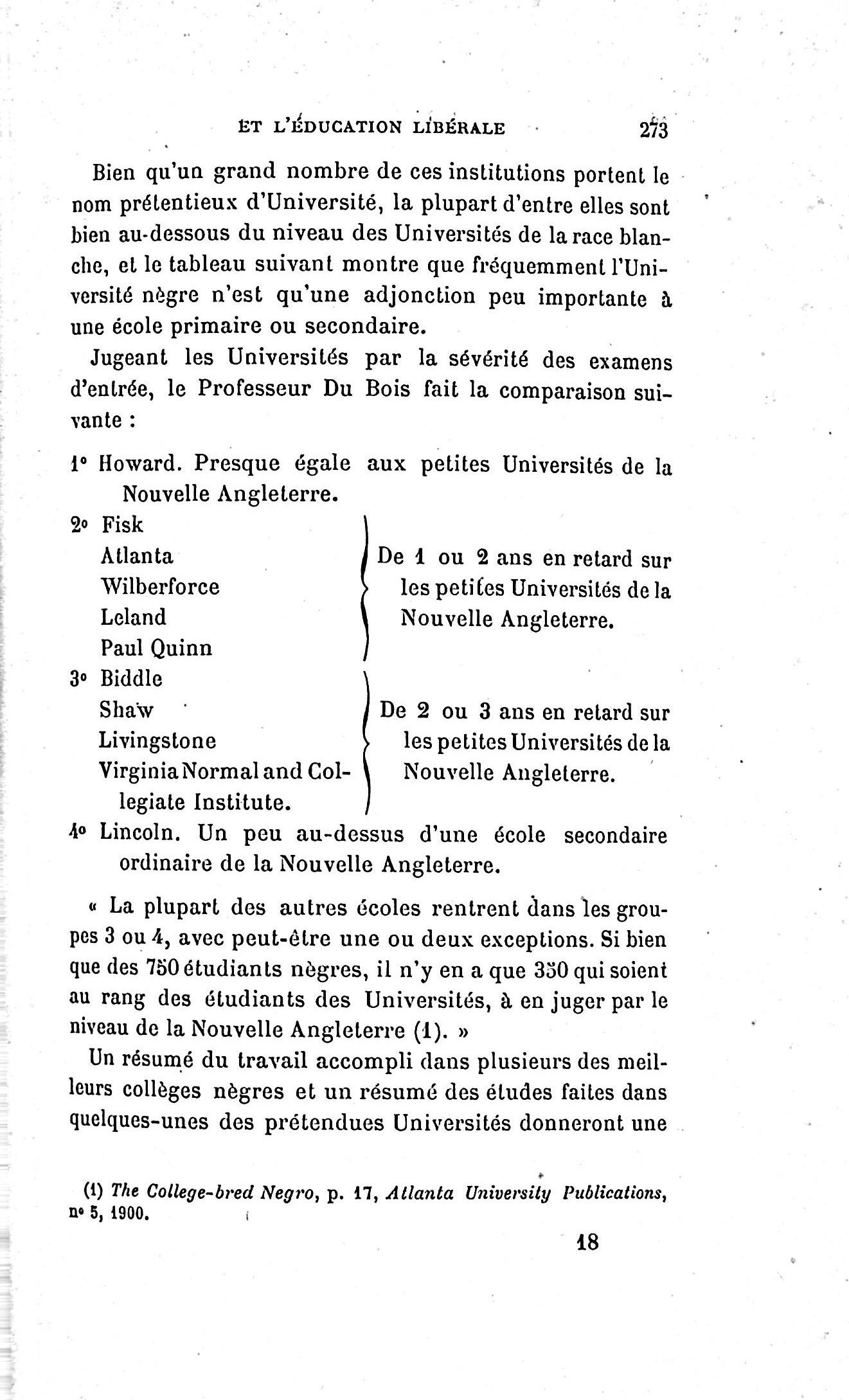
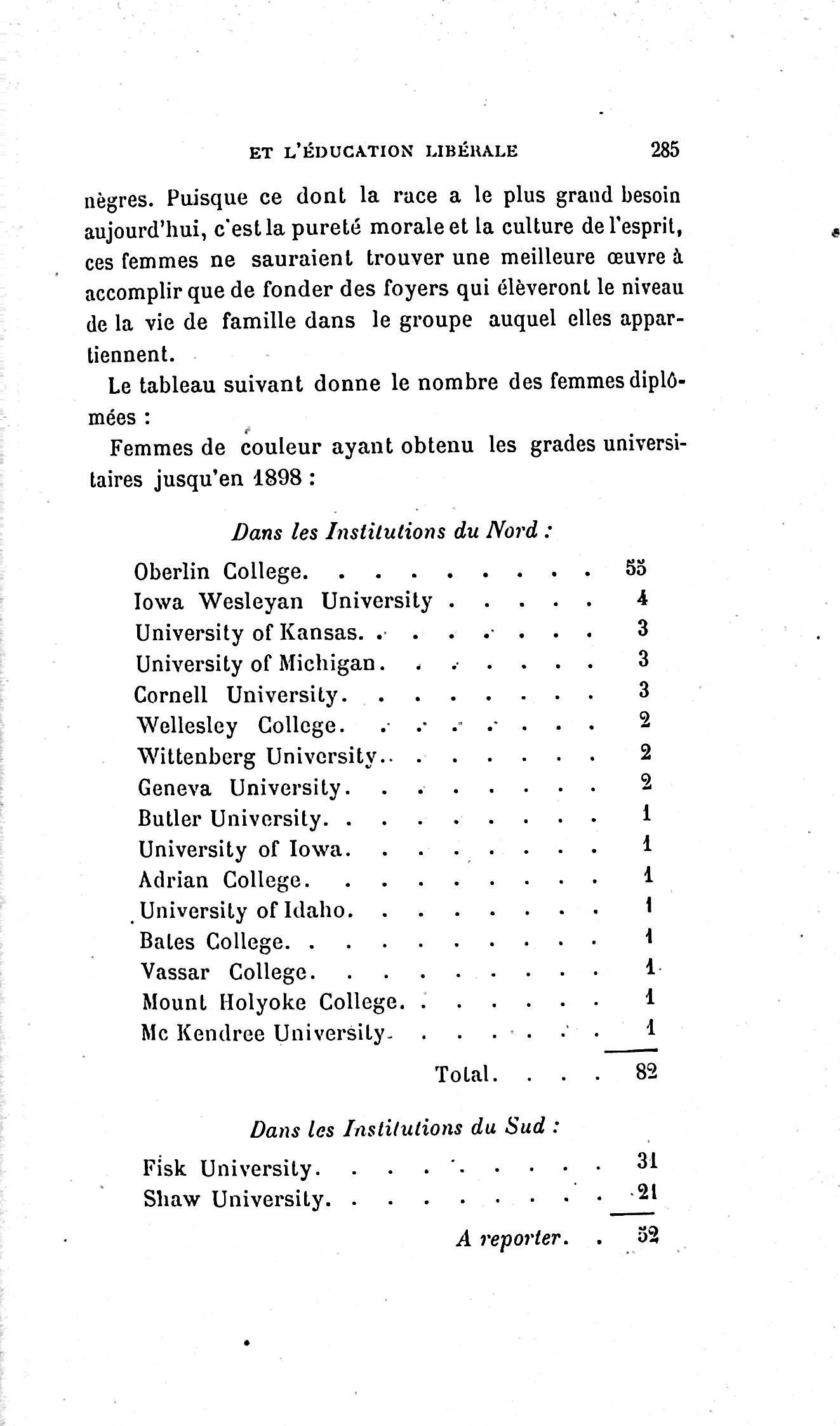
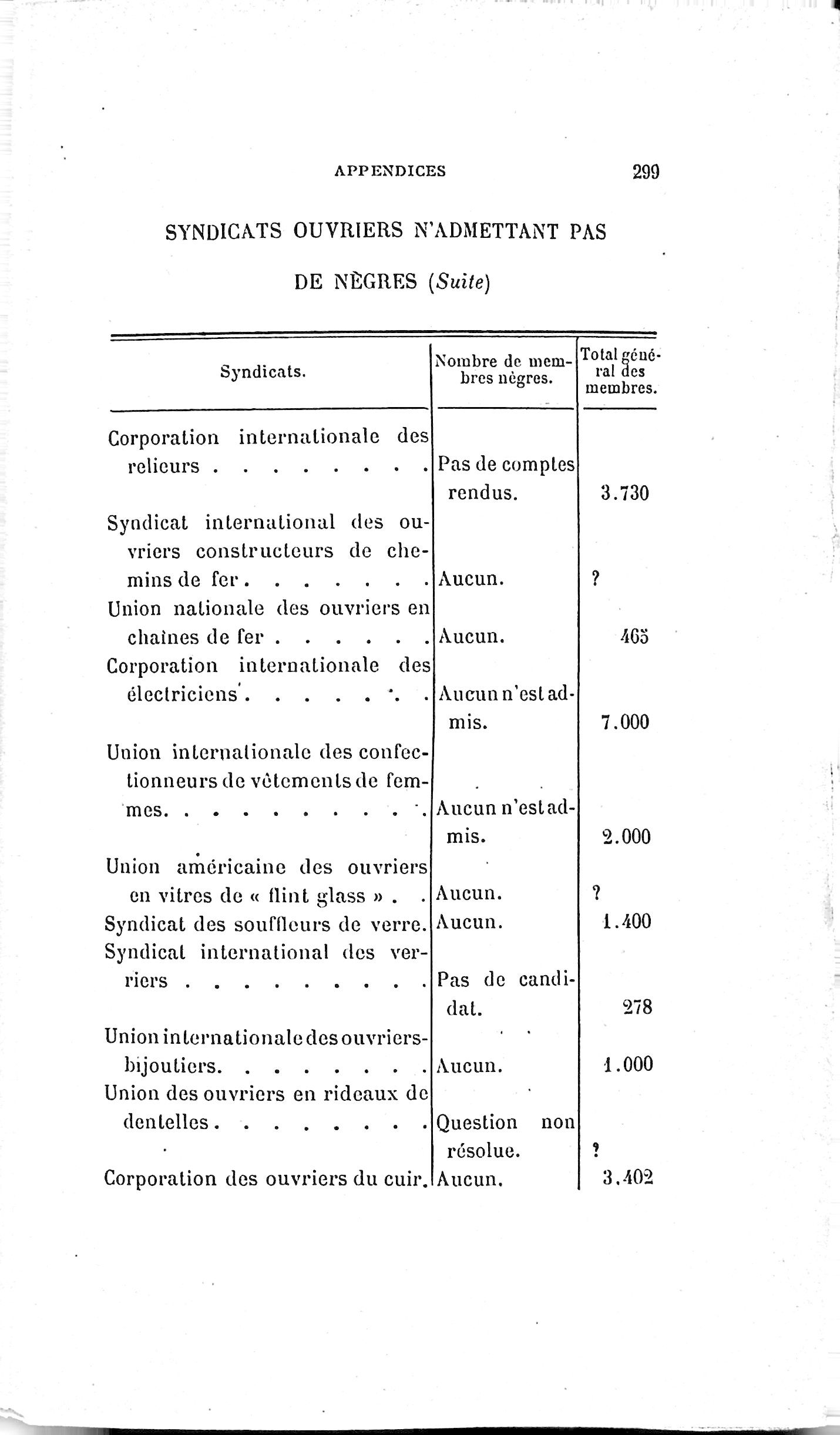
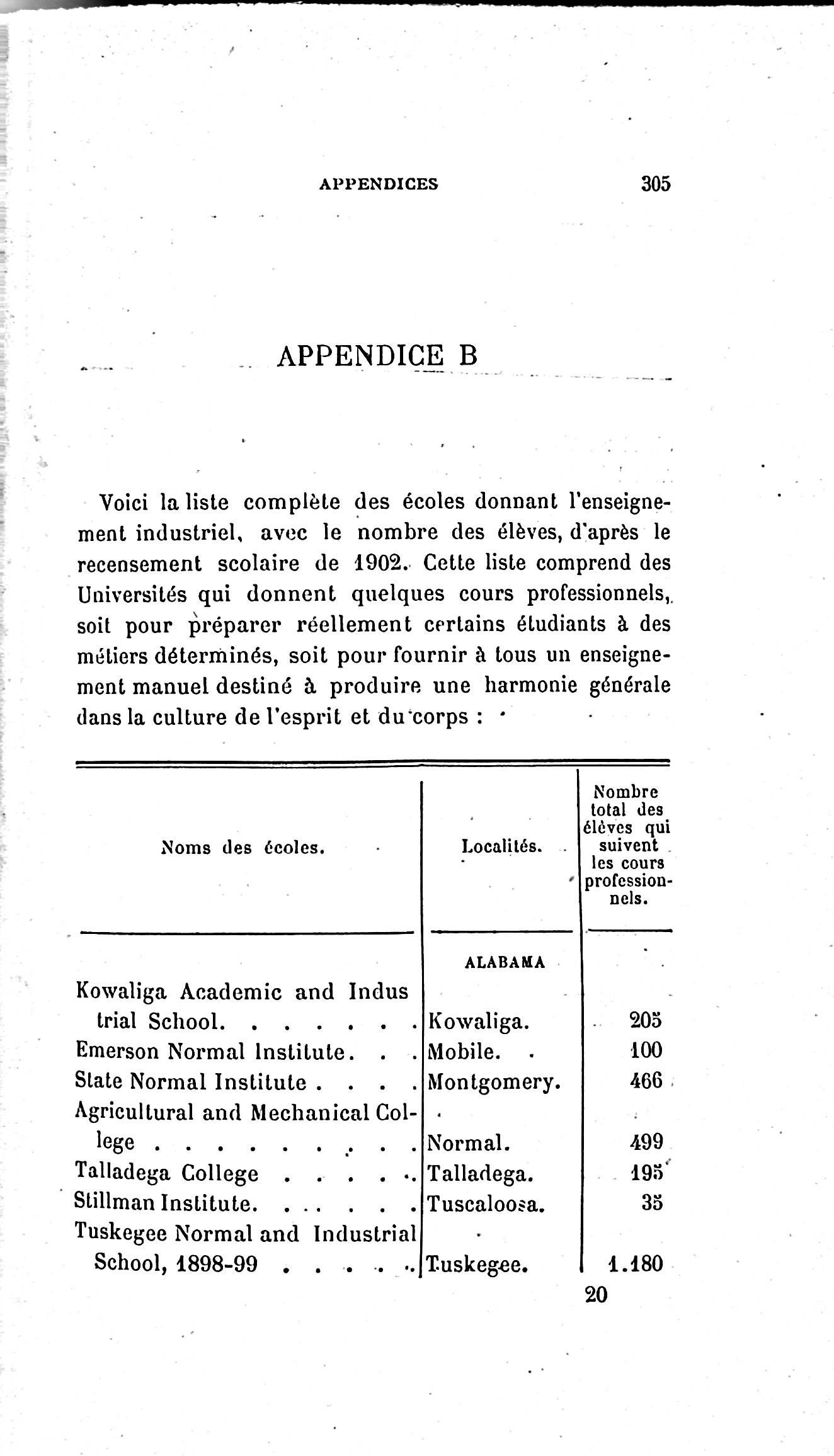
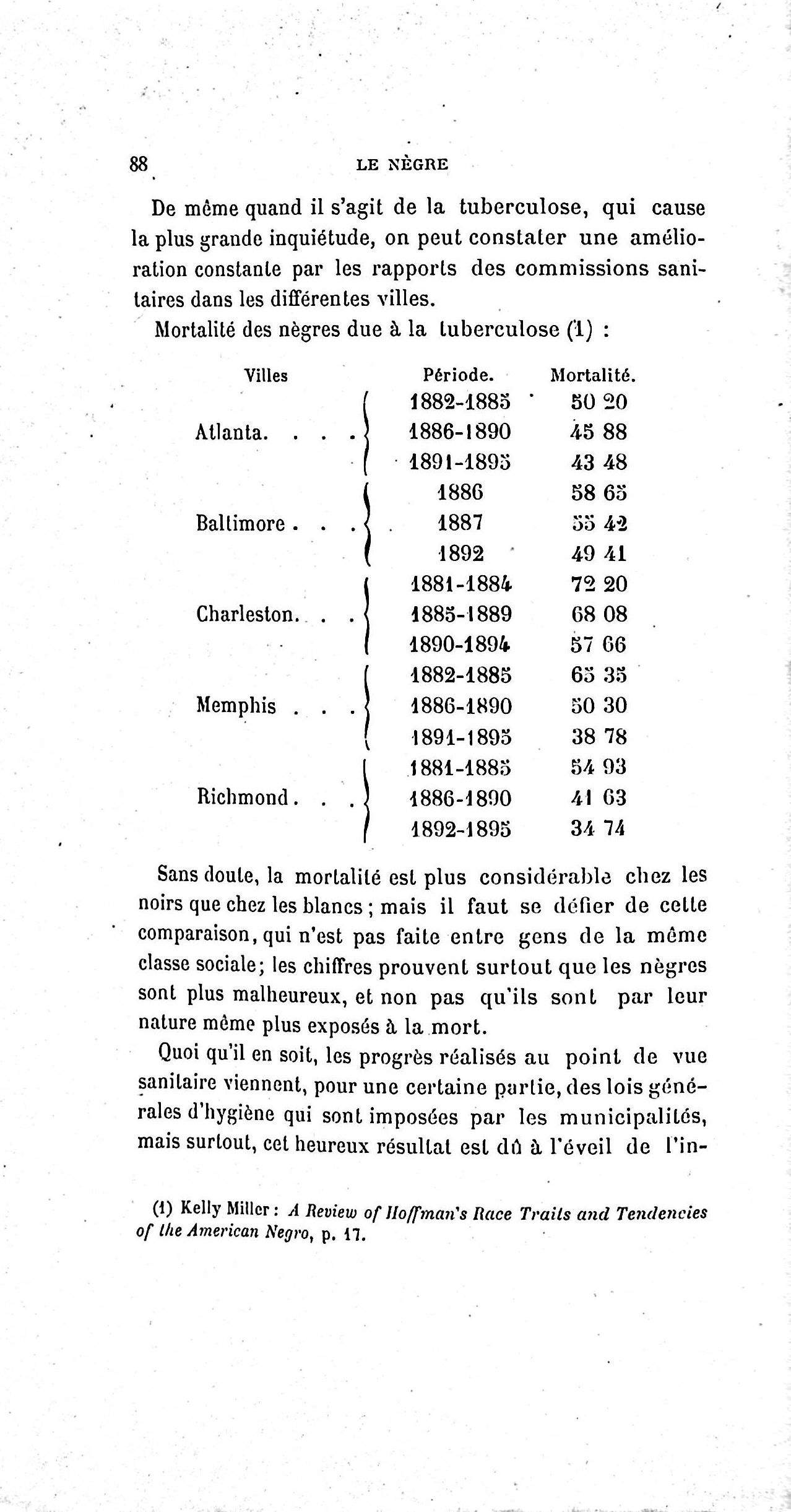
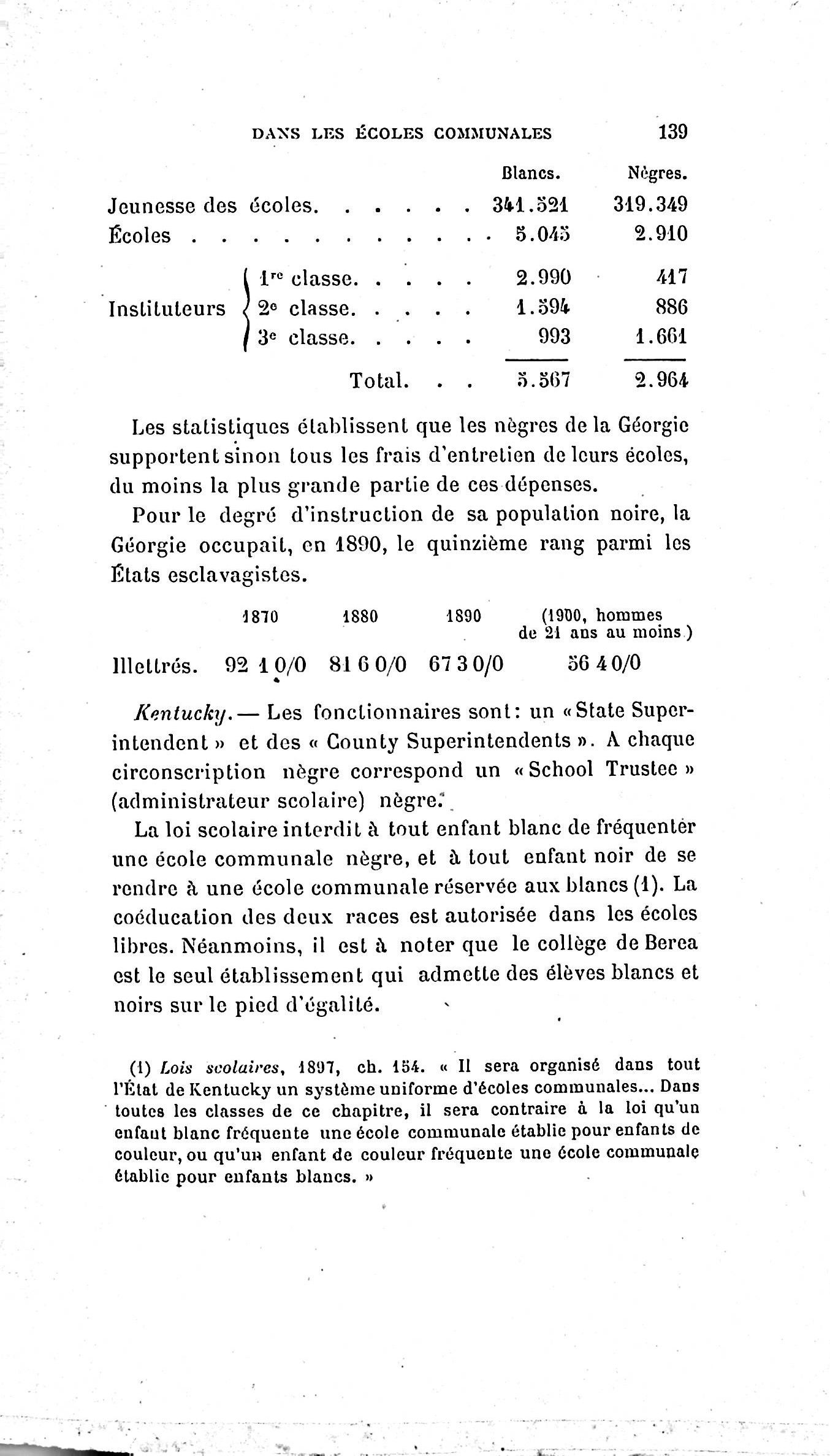
9 1/4 inches tall hardcover, recent 3/4 black cloth binding, marbled paper covered boards, paper title label to spine, new endpapers, original printed paper cover bound before half title with stamp of handstamp of institutional library, i-xvi,396 pp, errata. Very good with light browning to page edges, French language. FROM THE INTRODUCTION (translated from the French): "There is currently a problem in the United States of a particularly complex nature, and without parallel in modern history. Here it is in two words: In the midst of a civilized nation, there are nine million individuals of a backward race of a despised color and having the burden of centuries-old slavery on their shoulders. How to lead this breed to develop to its the highest point all its faculties and to adapt it at the same time to the White environment, so that it becomes a useful factor for society, instead of being a leprosy in its bosom? ... When, by the stroke of the pen, slavery was abolished and the Negro became his own master, the new condition of the former slave demanded that we do something for his instruction, if not for his own benefit, at least for the benefit of society. ... These millions of people of color who live in the country are there to stay. The problem is not whether they should be helped and instructed, but to know what kind of instruction they should be given. They contribute 40% of the Southern states, and therefore a question that must be addressed. If they progress, the South progresses. If they backslide, we must convince ourselves that they will become for the country an intolerable burden. ... So that the element of the problem be clearly envisioned, we propose to rapidly review the history of the American Negro before the Civil War, and his role during the period of Reconstruction, as it is impossible to isolate the current problem from the conditions that gave birth to it. We will now study the psychological, social, and political conditions of the Negro, but only with respect to education of the race, to attempt to identify the general principles that must guide the educators. Finally, we will examine successively the diverse forms of education currently available: primary, industrial, and liberal education. We will attempt to treat these questions from a scientific and impartial approach."
KATE BROUSSEAU (1862 – 1938) was born in Ypsilanti, Michigan, and studied at the University of Minnesota, University of California, and University of Chicago Law School. Daughter of the son of French Canadian parents, she was bilingual, and received a PhD with high honors from the Sorbonne in 1904. In Paris she was the only woman in a class of 60 students. The study of education needs of enslaved Africans 40 years after the 13th amendment to the US Constitution is based on Brousseau's thesis for her doctorate from the University of Paris. Brousseau later served in the French Army in World War I from 1917 to 1919, as "directrice des Foyers du Soldat" (director of a soldiers' home), stationed on Lorraine Front; she was with the French Army of Occupation in Germany and in devastated districts of Northern France. From 1907 to 1928 she was professor of psychology and chair of the Psychology Department at Mills College, Oakland.
Details
Title
1904 EDUCATION OF FREED ENSLAVED AFRICAN AMERICANS. l'Education des Negres aux Etats-Unis [The Education of Negroes in the United States]
Author
Brousseau, Kate
Binding
cloth binding
Condition
Unknown
Publisher
Felix Alcan: Paris
Date
1904
Edition
First edition