

US Magazine. Volume I Number I. [February 1954]
![US Magazine. Volume I Number I. [February 1954]](https://d3525k1ryd2155.cloudfront.net/h/939/496/1592496939.0.x.jpg)
- Memphis, Tennessee: US, Incorporated, 1954
Memphis, Tennessee: US, Incorporated, 1954. 12" x 9". Stapled wrappers. Pp. 32. Very good plus with minimal wear and light toning.
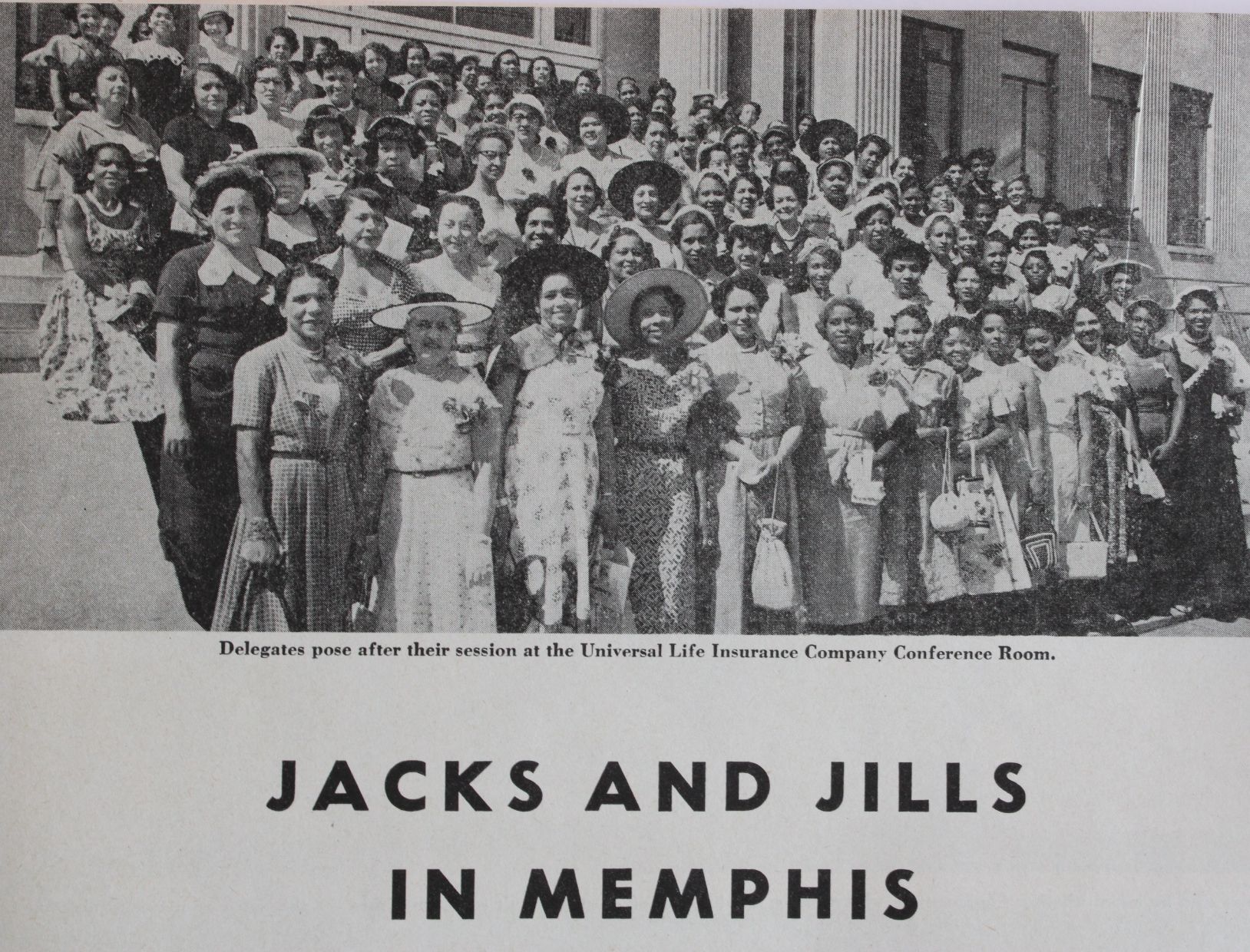
This is the first, and only, issue of US Magazine, published by a group of noteworthy African Americans in Memphis, Tennessee. It's filled with well-written articles, features and over 80 images covering important African American individuals and accomplishments in the 1950s.
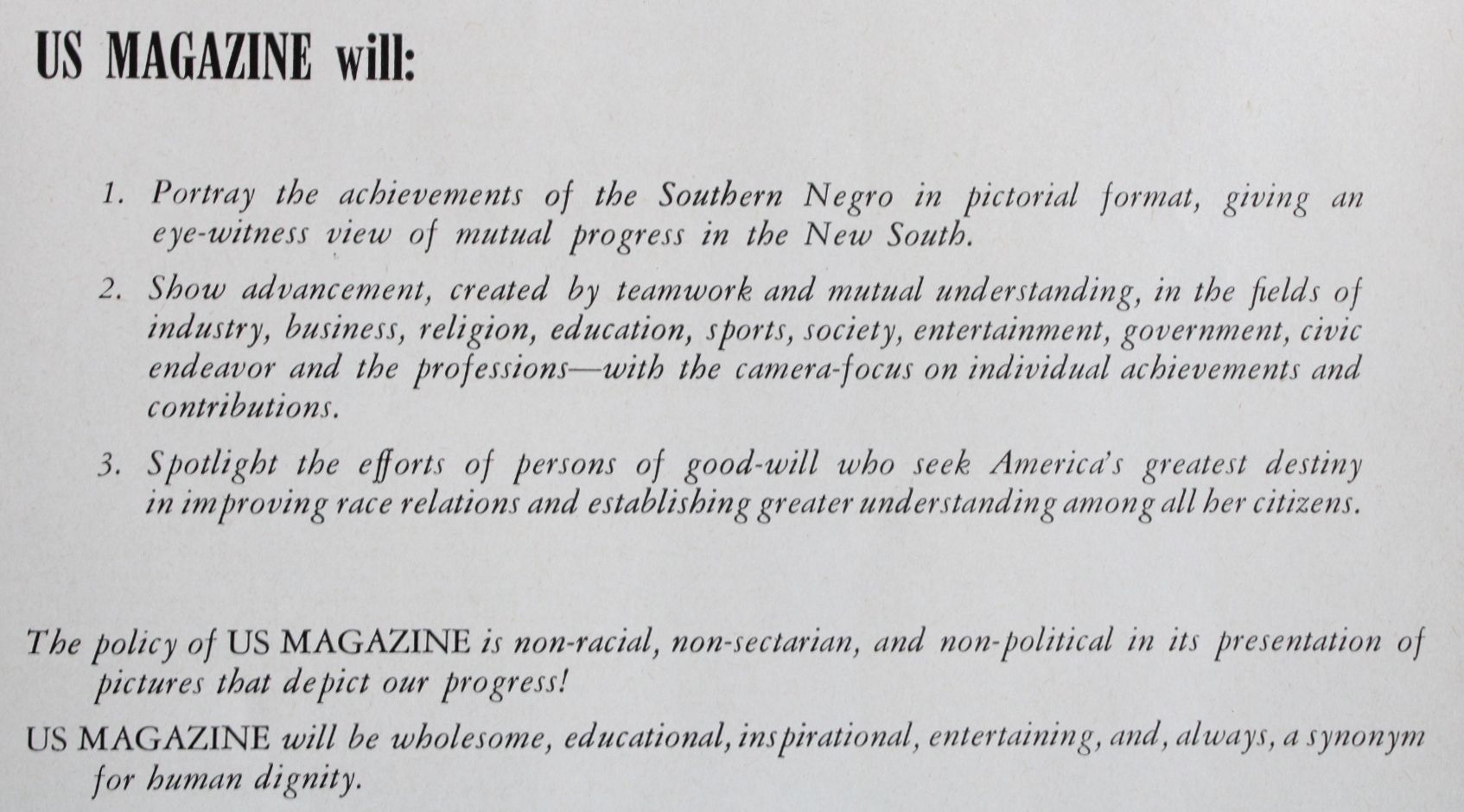
As this was its inaugural issue, the editors dedicated an entire page to sharing the goals of the magazine. US wanted to "portray the achievements of the Southern Negro in pictorial format" and to "spotlight the efforts of persons of good-will who seek America's greatest destiny in improving race relations and establishing greater understanding among all her citizens." It touted itself as "the authentic voice that will tell the thrilling story of the New South" and promised to be "wholesome, educational, inspirational, entertaining, and, always, a synonym for human dignity."
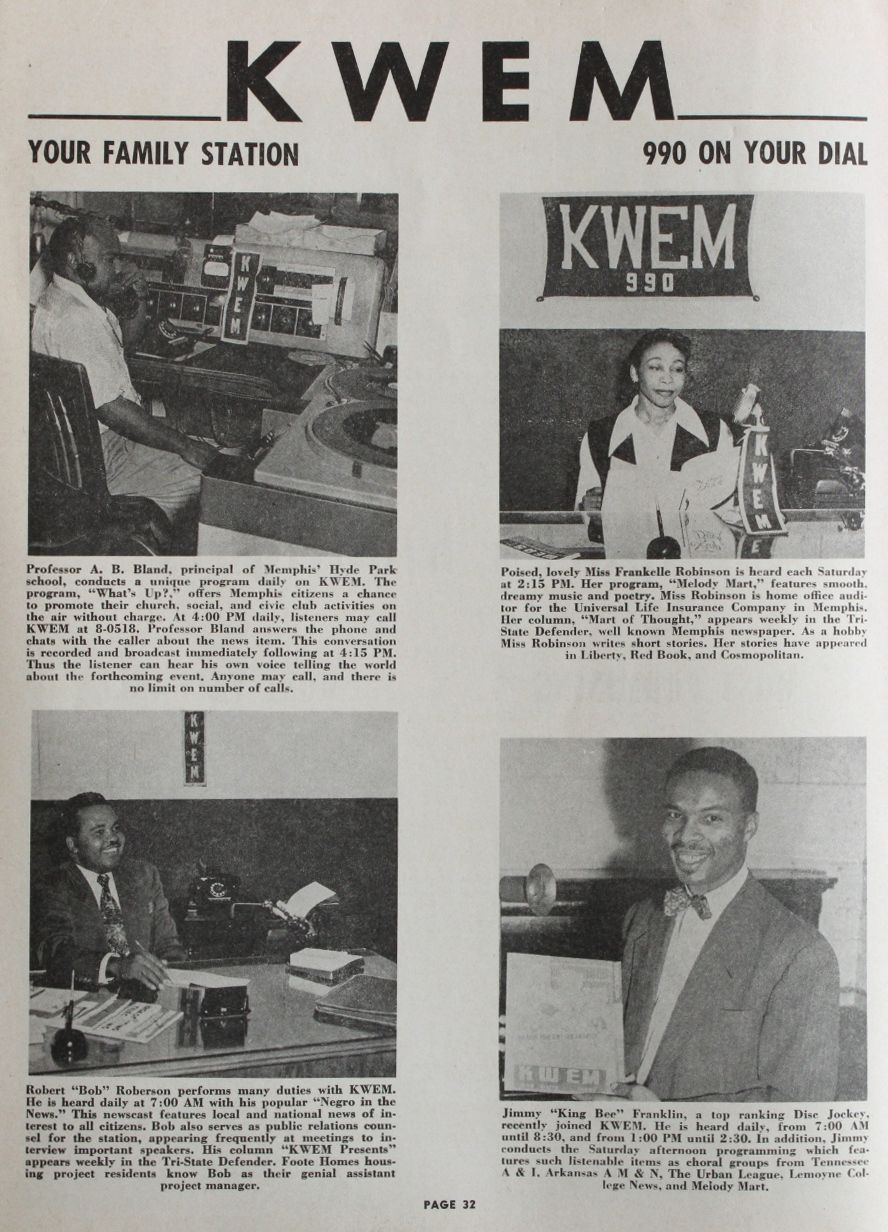
Importantly, the magazine brought together prominent African Americans as writers, advertisers and other positions. One of US' two associate editors, Nat D. Williams, likely wrote this issue's main photo essay, "Beale Street, U.S.A.," about Black Memphis. Williams, known as "Nat D," became the first African American disc jockey in Memphis, in 1948, when he went on the air for WDIA. Known for his "jive" patter on the air, Williams is credited with heralding the change of radio to appeal to the Black community. He is in the Memphis Music Hall of Fame, the Tennessee Radio Hall of Fame, and the National Rhythm and Blues Hall of Fame. He was also the first city editor of the Black Memphis newspaper, the Tri-State Defender.
The other associate editor, Mae Jones Street Kidd, was a biracial businesswoman, civic leader, and a member of the Kentucky House of Representatives from 1968 to 1984. She was also hired by the National Negro Insurance Association to create a public relations plan for all of its member companies. Kidd organized the first Louisville Urban League Guild, served as President of the Lincoln Foundation, and was a frequent presence in civil rights marches and events. Another important contributor to the magazine was A.A. Latting, listed as its Counselor. Augustus Arvis Latting was one of Tennessee's first Black lawyers. He went on to become a judge, and was known as the "Dean of Black lawyers."
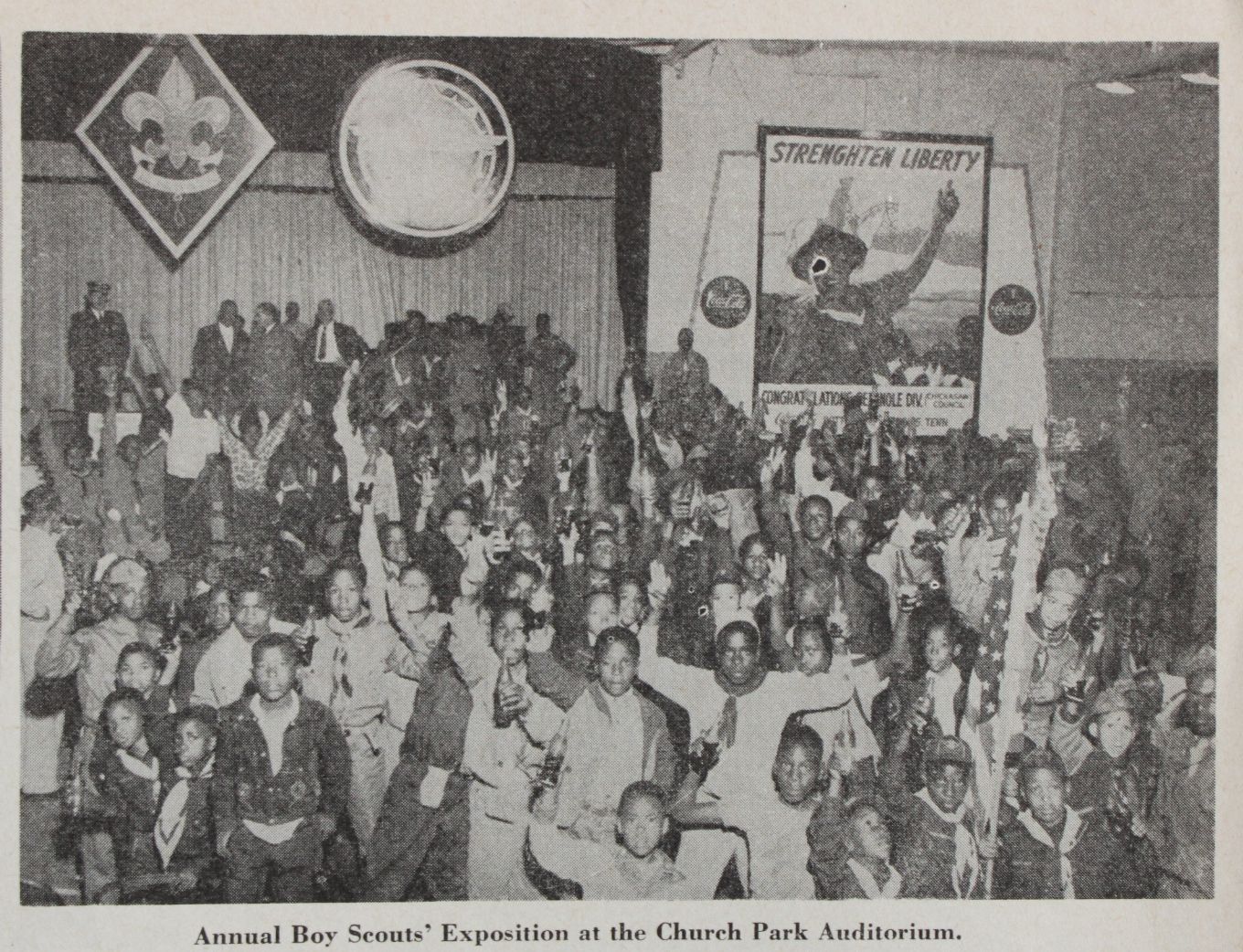
Other photos and features in the magazine highlighted Jacques A. Beauchamp, who "blazed the trail for Negro Boy Scouts in the South" and Hollis F. Price, an educator at LeMoyne College in Memphis. Entertainment and sports were also featured including an article on Memphis's Melrose high school football team, who came in first in the 1953 Negro Prep football competition. A number of profiles were also included, such as one on Lelia O'Neal Walker, a "prominent Negro church and club woman."
Rare, well produced, and documenting the efforts Black leaders hoping to share both the mundane and extraordinary aspects of African American life in the South in the 1950s. OCLC shows one holding.
This is the first, and only, issue of US Magazine, published by a group of noteworthy African Americans in Memphis, Tennessee. It's filled with well-written articles, features and over 80 images covering important African American individuals and accomplishments in the 1950s.
As this was its inaugural issue, the editors dedicated an entire page to sharing the goals of the magazine. US wanted to "portray the achievements of the Southern Negro in pictorial format" and to "spotlight the efforts of persons of good-will who seek America's greatest destiny in improving race relations and establishing greater understanding among all her citizens." It touted itself as "the authentic voice that will tell the thrilling story of the New South" and promised to be "wholesome, educational, inspirational, entertaining, and, always, a synonym for human dignity."
Importantly, the magazine brought together prominent African Americans as writers, advertisers and other positions. One of US' two associate editors, Nat D. Williams, likely wrote this issue's main photo essay, "Beale Street, U.S.A.," about Black Memphis. Williams, known as "Nat D," became the first African American disc jockey in Memphis, in 1948, when he went on the air for WDIA. Known for his "jive" patter on the air, Williams is credited with heralding the change of radio to appeal to the Black community. He is in the Memphis Music Hall of Fame, the Tennessee Radio Hall of Fame, and the National Rhythm and Blues Hall of Fame. He was also the first city editor of the Black Memphis newspaper, the Tri-State Defender.
The other associate editor, Mae Jones Street Kidd, was a biracial businesswoman, civic leader, and a member of the Kentucky House of Representatives from 1968 to 1984. She was also hired by the National Negro Insurance Association to create a public relations plan for all of its member companies. Kidd organized the first Louisville Urban League Guild, served as President of the Lincoln Foundation, and was a frequent presence in civil rights marches and events. Another important contributor to the magazine was A.A. Latting, listed as its Counselor. Augustus Arvis Latting was one of Tennessee's first Black lawyers. He went on to become a judge, and was known as the "Dean of Black lawyers."
Other photos and features in the magazine highlighted Jacques A. Beauchamp, who "blazed the trail for Negro Boy Scouts in the South" and Hollis F. Price, an educator at LeMoyne College in Memphis. Entertainment and sports were also featured including an article on Memphis's Melrose high school football team, who came in first in the 1953 Negro Prep football competition. A number of profiles were also included, such as one on Lelia O'Neal Walker, a "prominent Negro church and club woman."
Rare, well produced, and documenting the efforts Black leaders hoping to share both the mundane and extraordinary aspects of African American life in the South in the 1950s. OCLC shows one holding.
Details
Title
US Magazine. Volume I Number I. [February 1954]
Condition
Unknown
Publisher
US, Incorporated: Memphis, Tennessee
Date
1954