

A RAP ON RACE
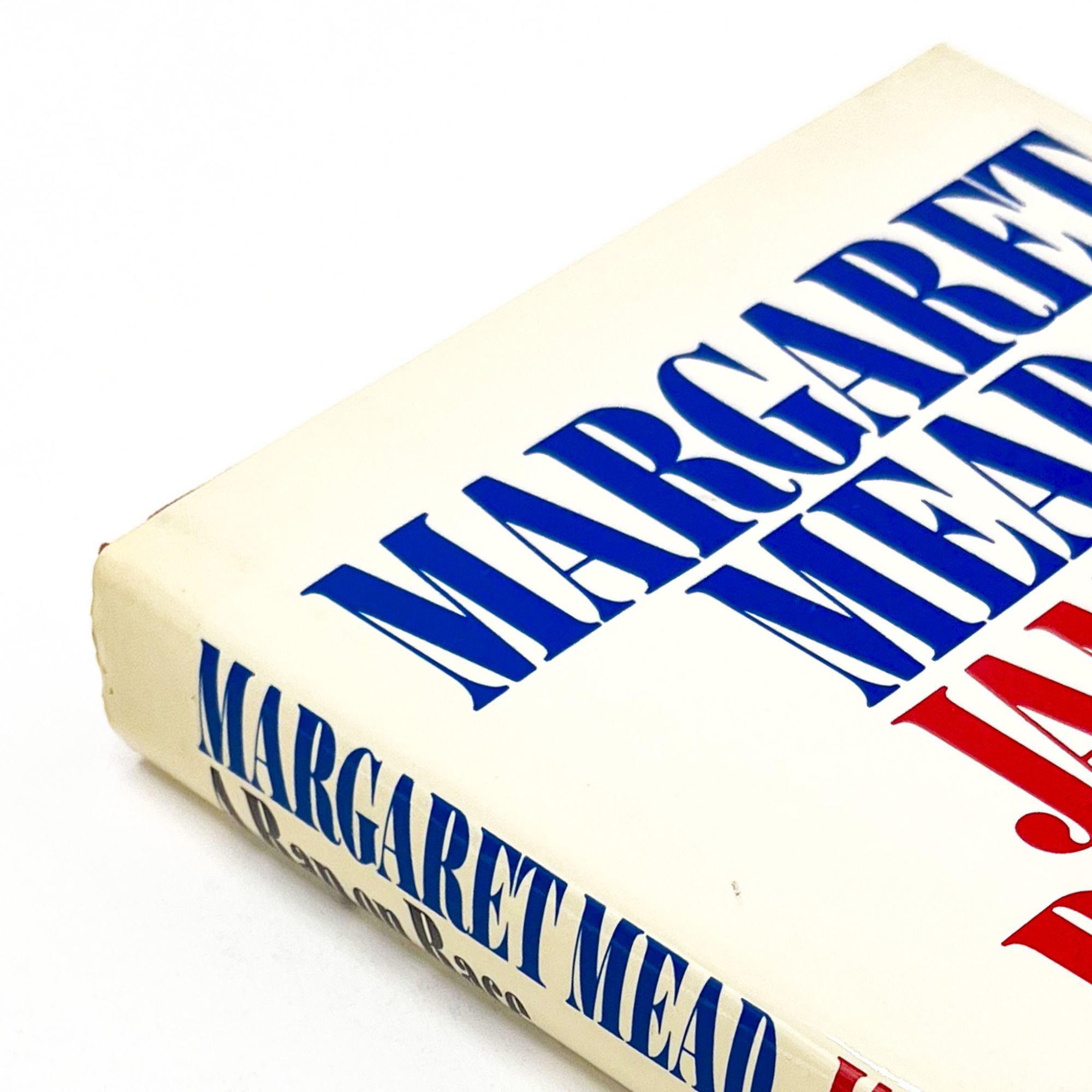
- Philadelphia & New York: J.B. Lippincott Company, 1971
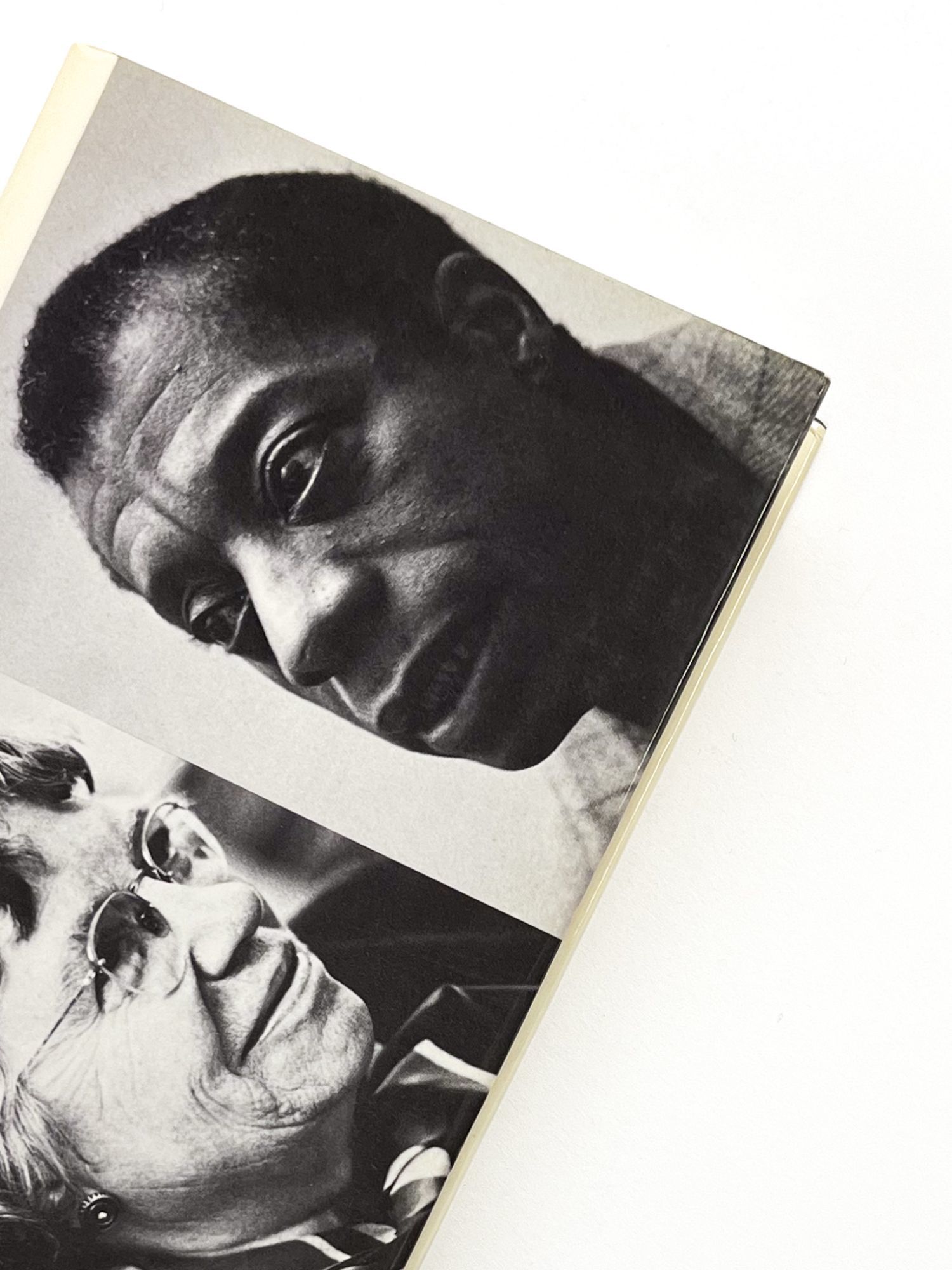
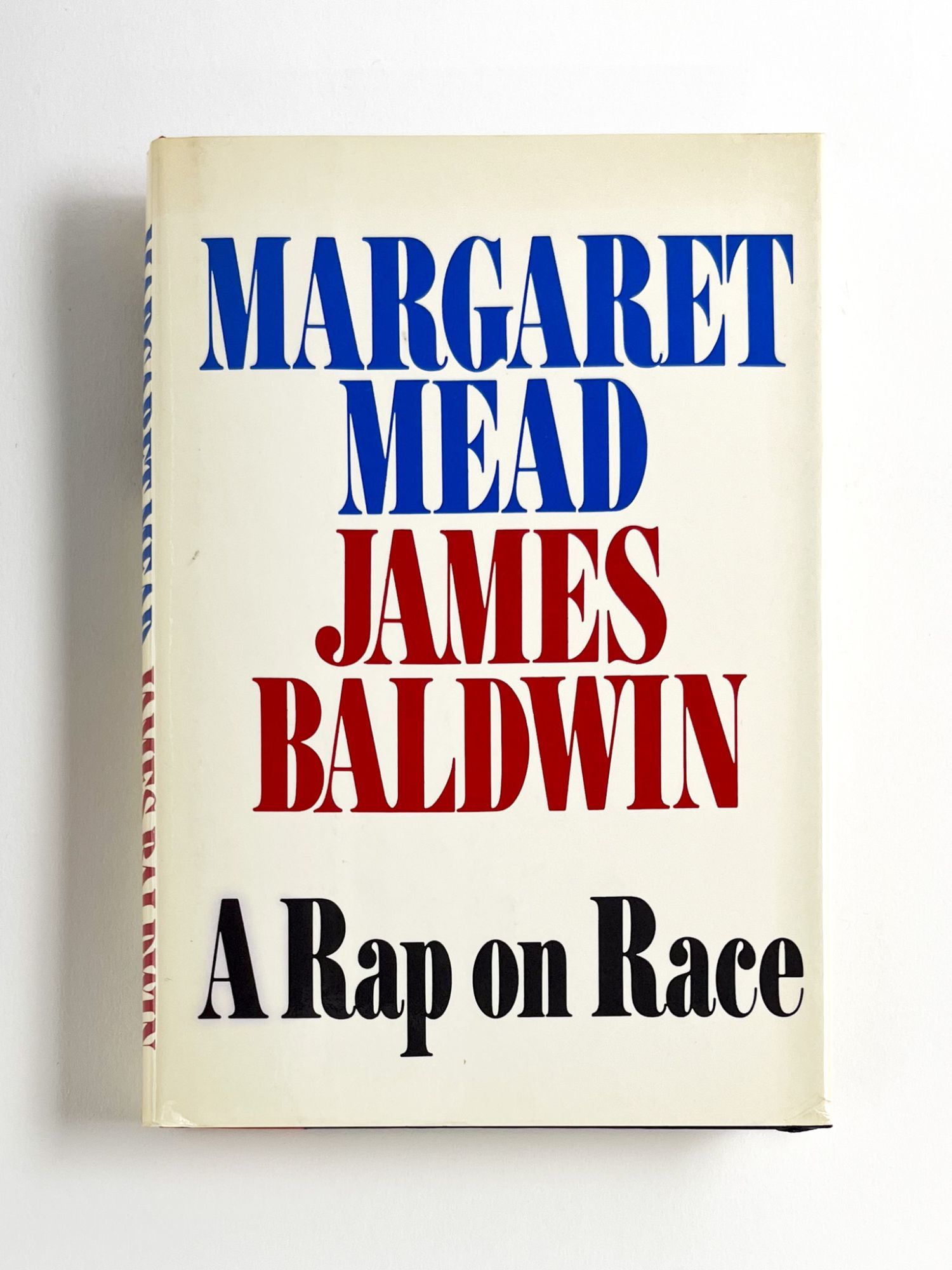
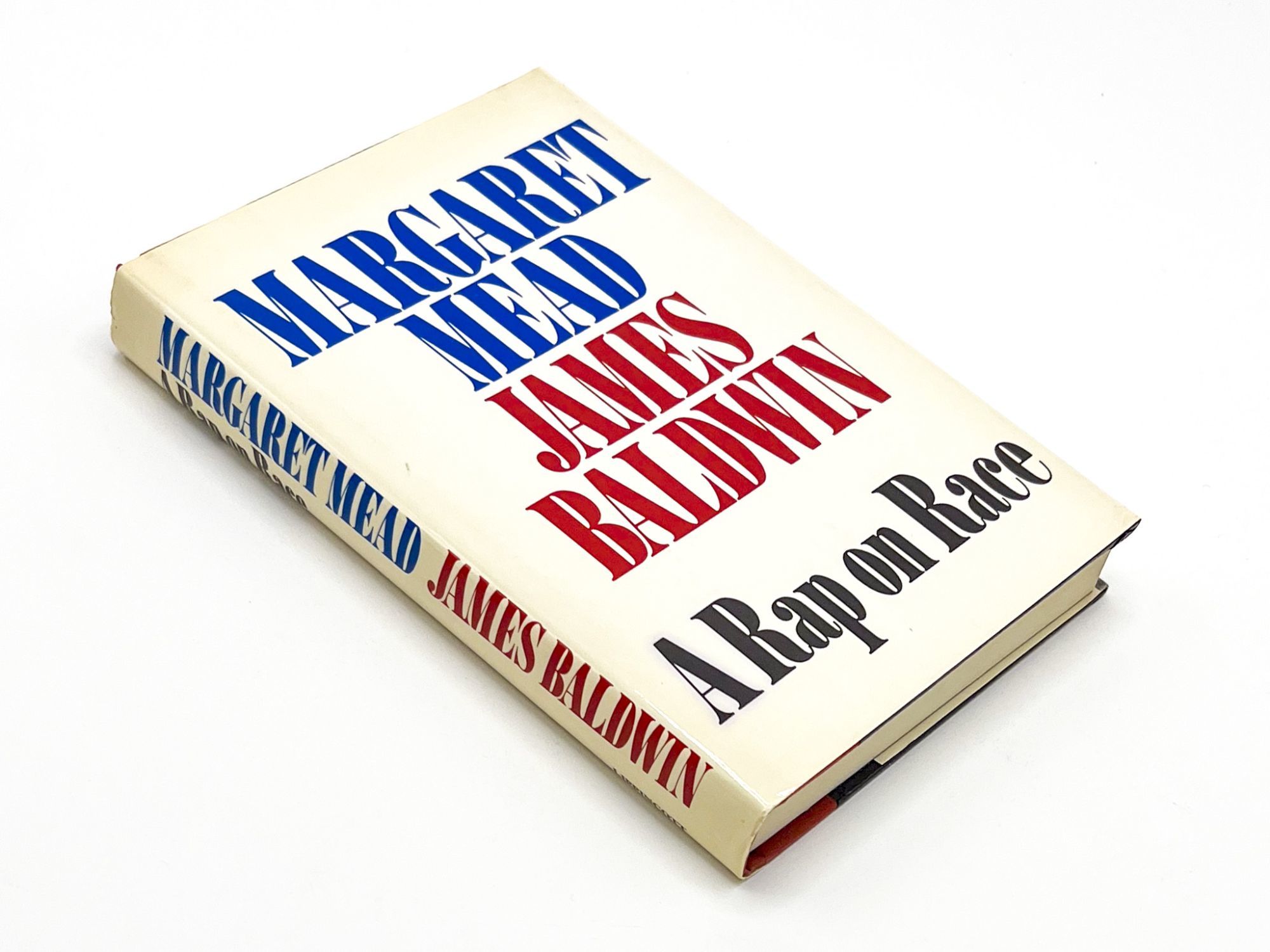
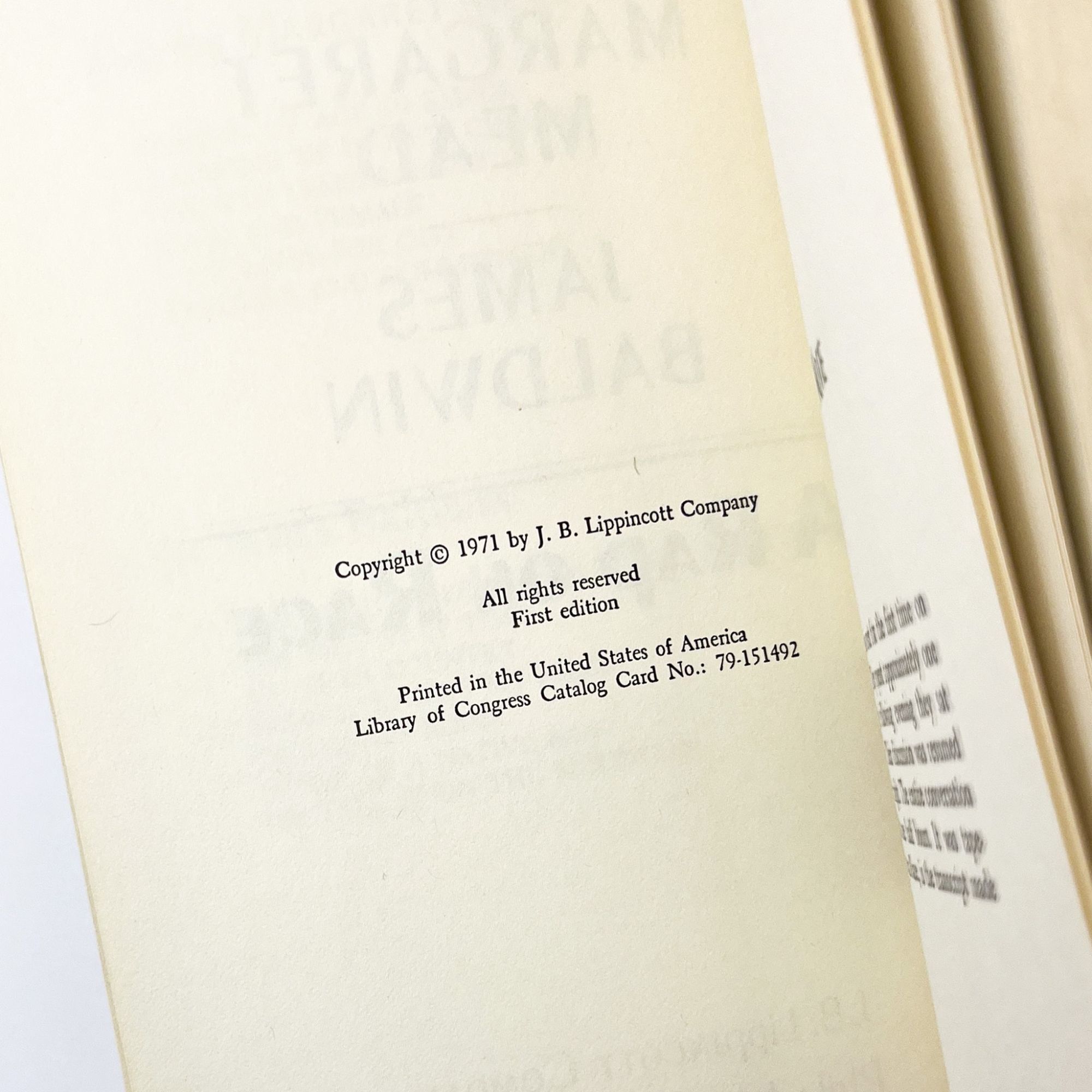
Philadelphia & New York: J.B. Lippincott Company, 1971. Very good plus in near fine jacket.. First edition of the transcript from Baldwin and Mead's 7.5-hour conversation about race and society. The seven-plus hour conversation between Mead and Baldwin transcribed in A RAP ON RACE took place over two days and several sessions in late August, 1970. Though characterized by Leeming as a "classic confrontation between a white, nonracist scientist looking for answers and a black rhetorician bent on revealing pain and a larger 'truth' than facts can provide," Baldwin's predictive rhetoric - giving the "doomed" white regime in South Africa "at most another twenty-five years," for example - was often as accurate on the facts as it was emotionally true. For the most part, Mead and Baldwin agreed on premises and diverged on conclusions, their most illuminating exchanges sparked by the occasional irreconcilable difference. "[G]ood, dumb people don't get very far," Mead observed, and Baldwin countered, "The world is full of bright people who are entirely irrelevant, and most of them are wicked." 8.25'' x 5.5''. Original quarter red cloth, glossy black paper boards, spine lettered in black. In original unclipped ($6.95) color typographic dust jacket with design by Don Bender, photos of Mead and Baldwin by William Chevallier and Lewis Pitzely respectively. Light blue topstain, dark grey endpapers. [6], 256 pages. Jacket with light toning to spine, small bump to front corner. Book with offsetting to boards from jacket verso, light bumping.
Details
Title
A RAP ON RACE
Author
Baldwin, James; Mead, Margaret
Condition
Near Fine
Publisher
J.B. Lippincott Company: Philadelphia & New York
Date
1971