

Phillis Wheatley's "On Recollection" in Gentlemen's Magazine with Contemporary Commentary on Her Enslavement and Identifying Her as a Genius, 1773
- 1773
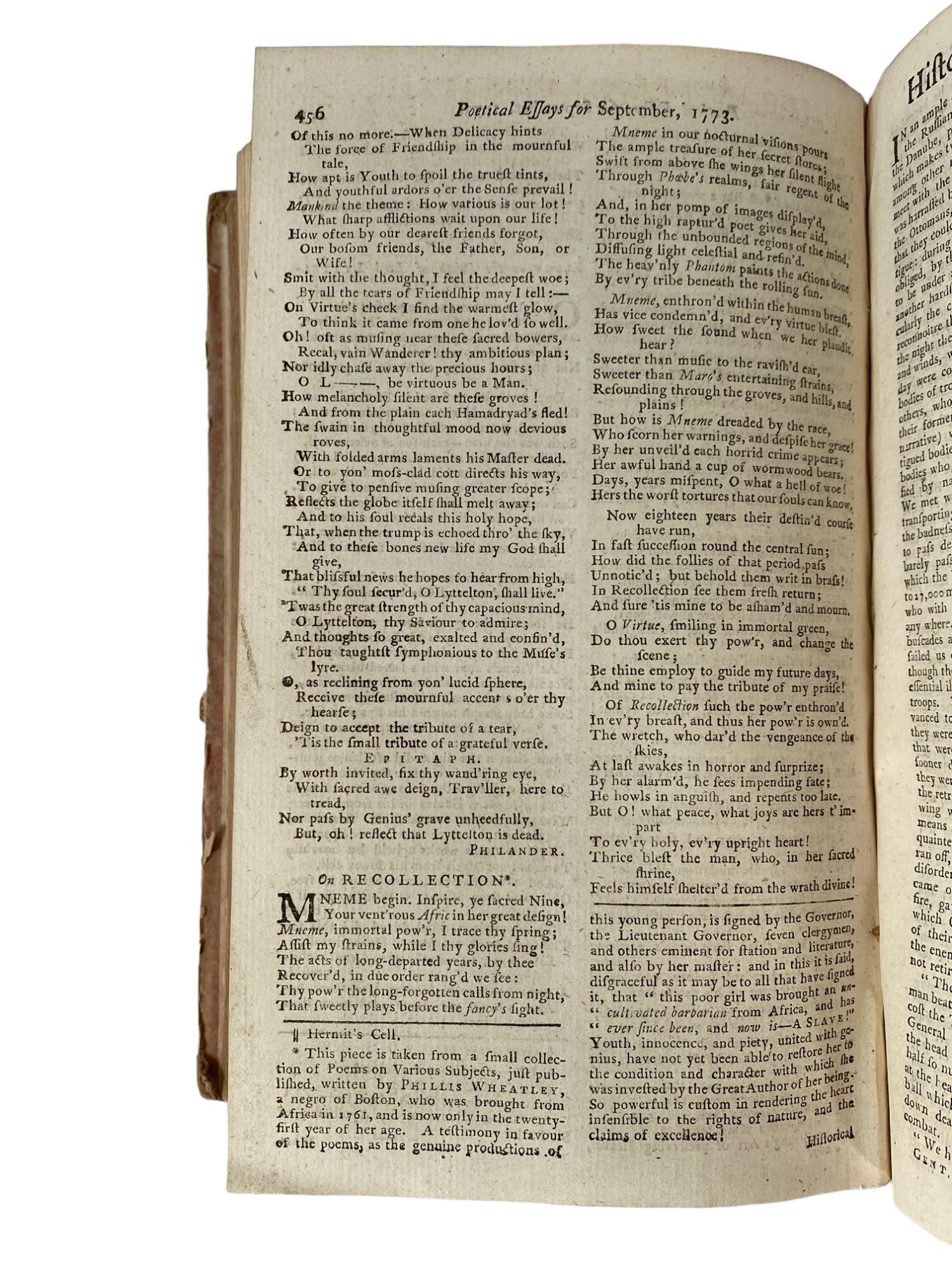
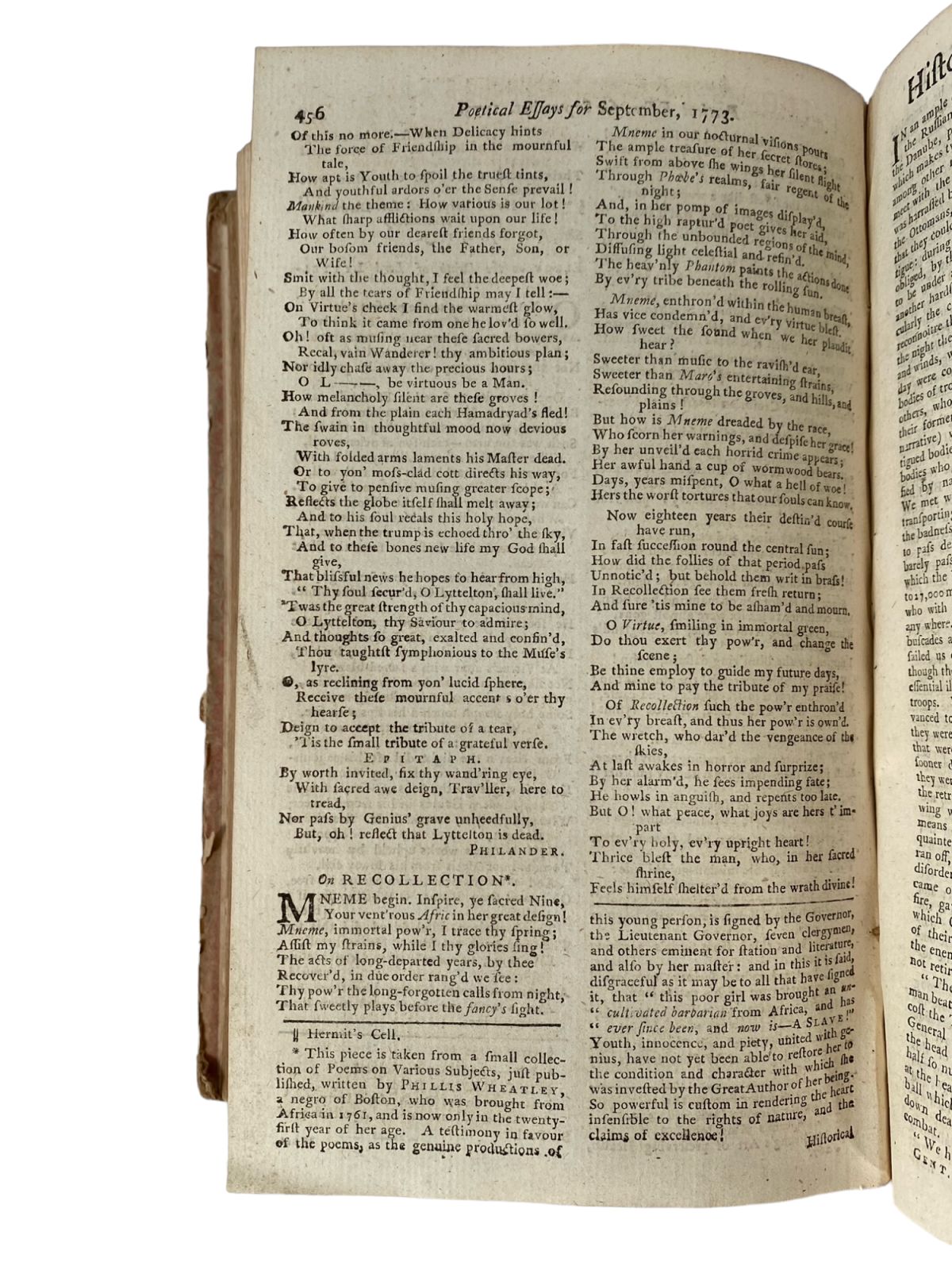
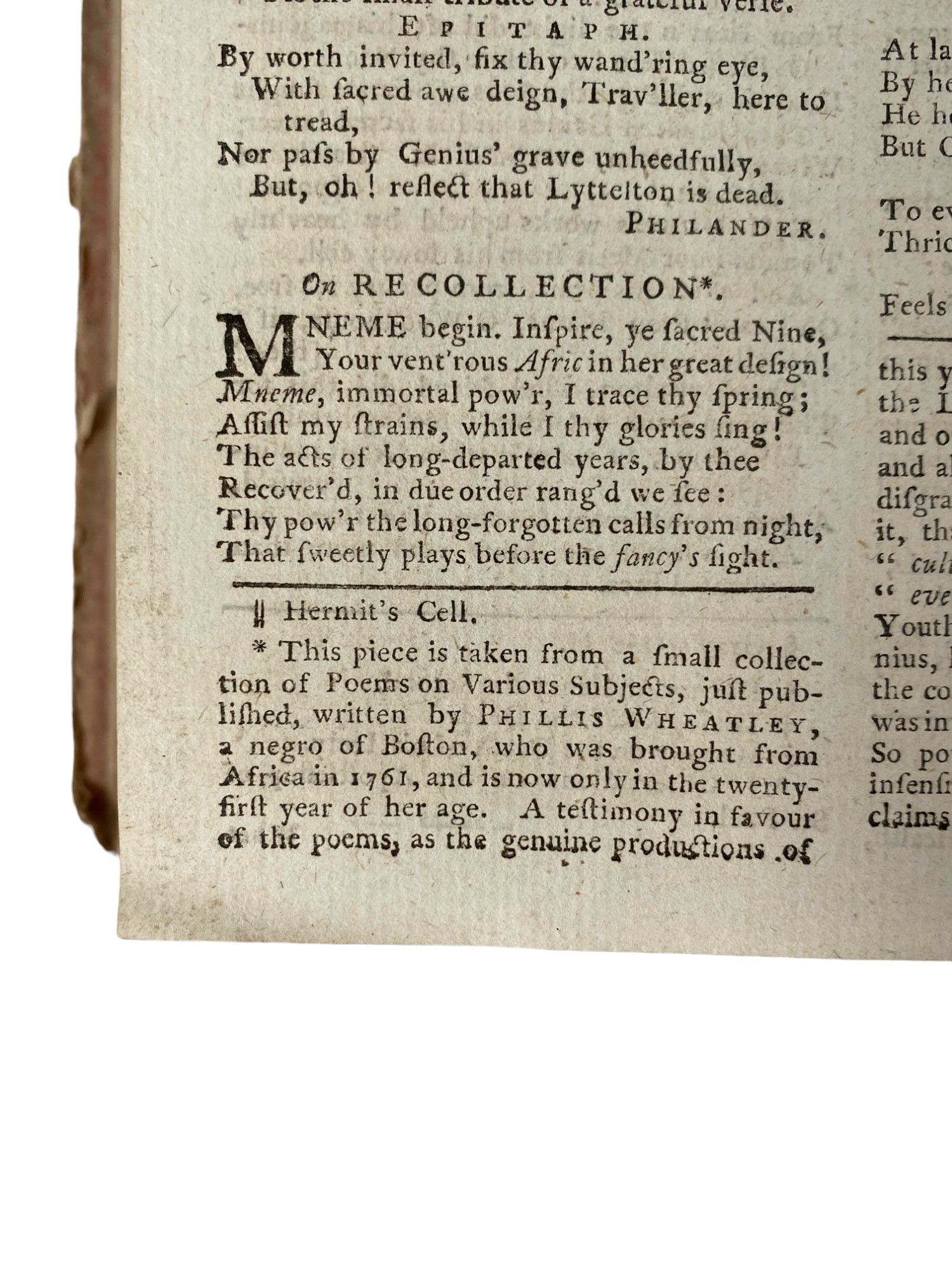
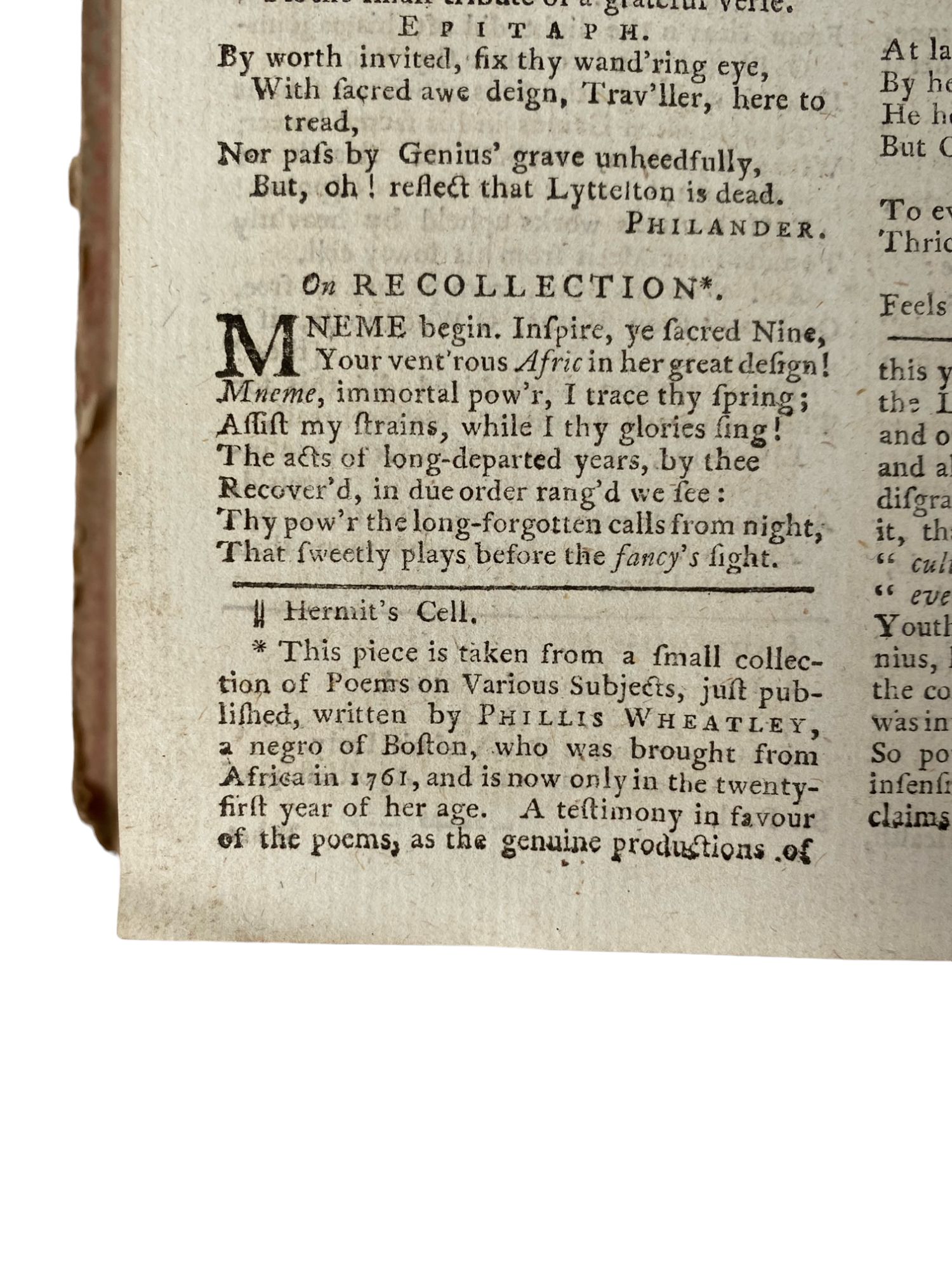
1773. [African American][Slavery and Abolition][Poetry] Wheatley, Phillis. "On Recollection" (1773), published in The Gentleman's Magazine and Historical Chronicle, an early transatlantic appearance of poetry by an enslaved African woman whose authorship directly challenged eighteenth-century racial ideology. Printed in London the same year as her volume "Poems on Various Subjects", this contribution appeared before Wheatley's emancipation and circulated within one of Britain's most influential periodicals. This publication is historically significant both as a milestone in African American literary history and as evidence of the role Black intellectualism and art played in debates over slavery. Wheatley's poetry was cited by abolitionists in Britain and North America as proof of African intellectual capacity, undermining pro-slavery arguments grounded in racial hierarchy. The accompanying editorial notice explicitly mentions her enslaved status, remarking upon the contradiction between her genius and her bondage, thereby situating the poem within contemporary discourse surrounding slavery and human rights.
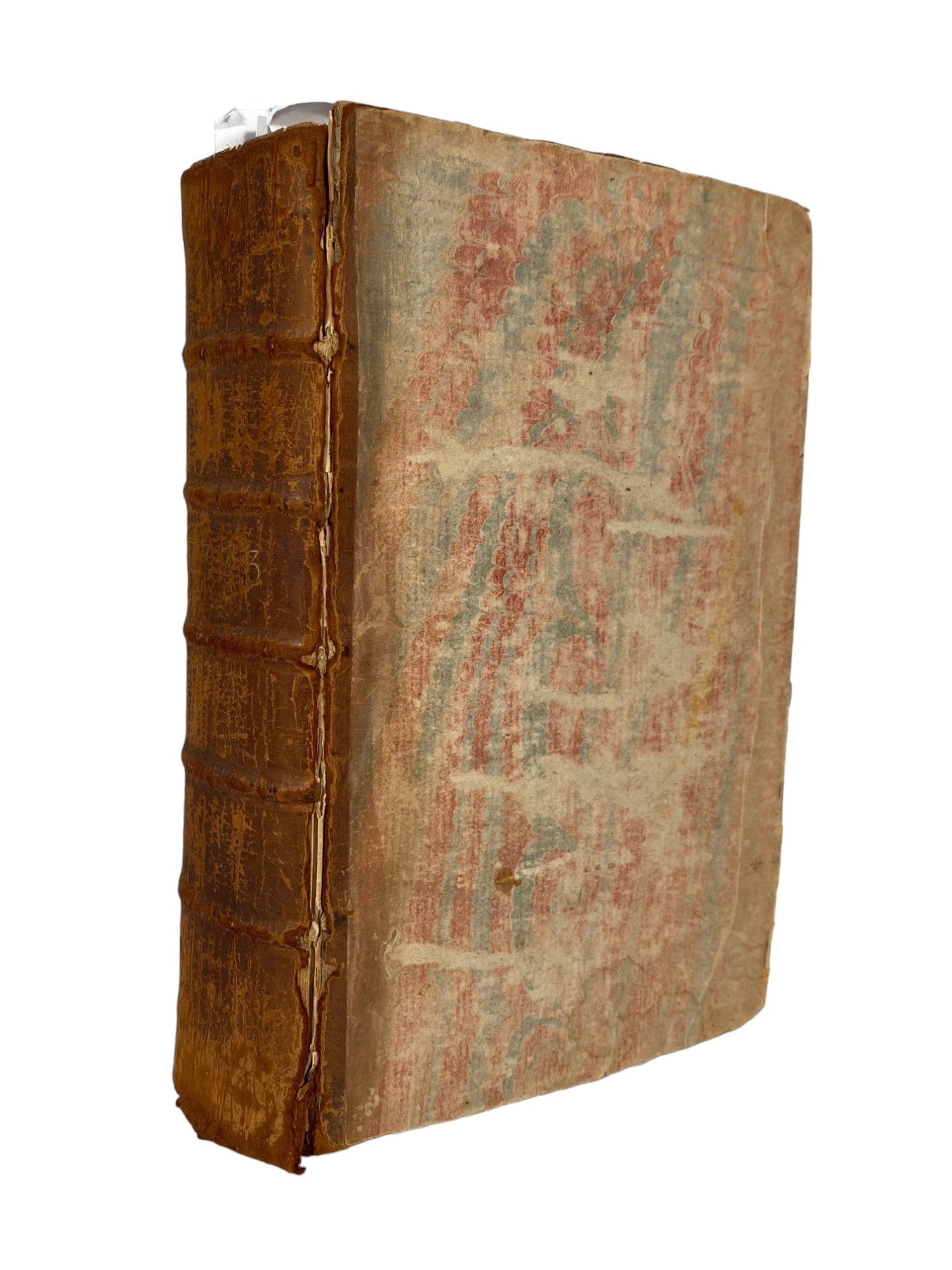
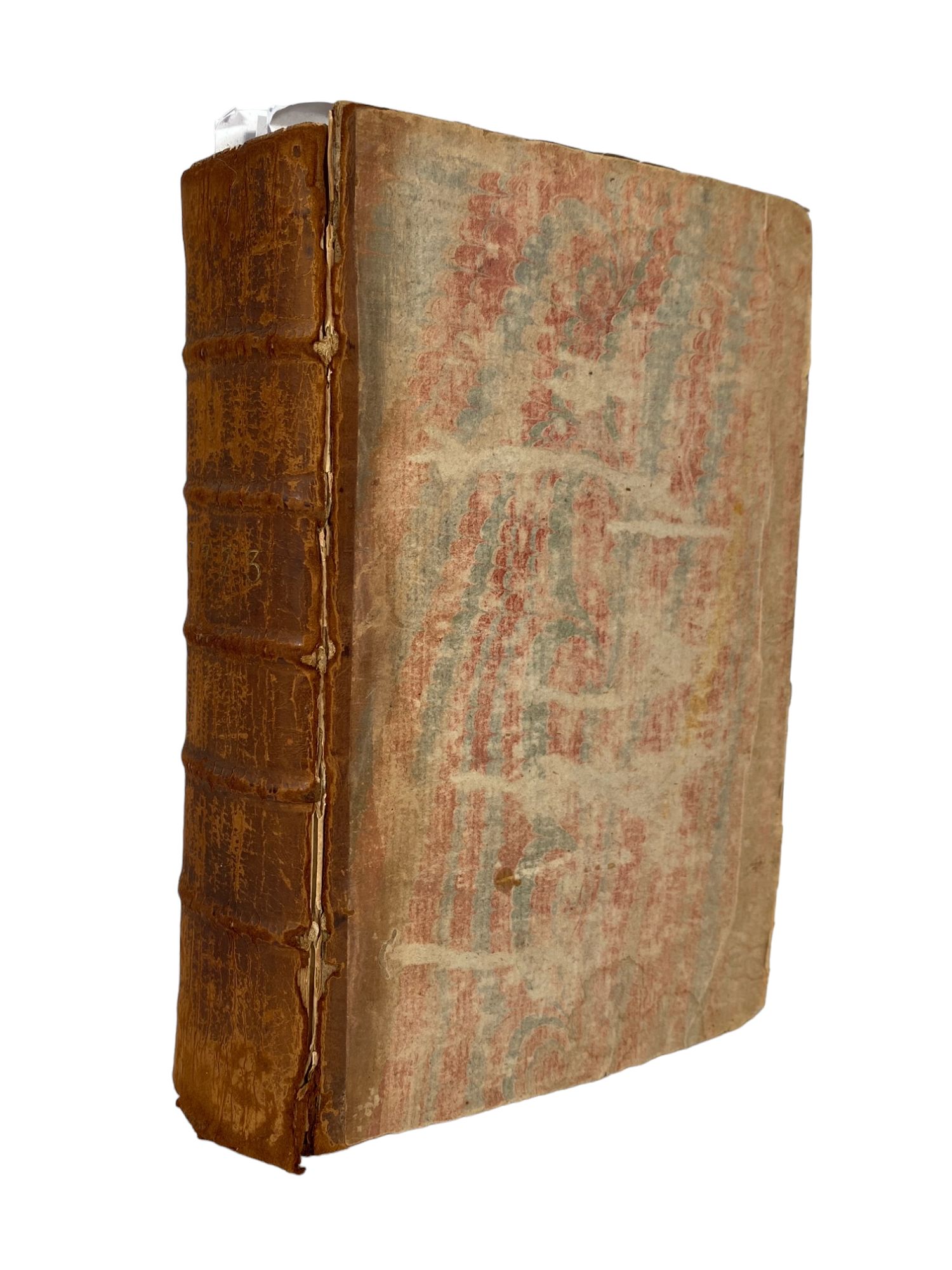
The Gentleman's Magazine and Historical Chronicle. Volume XLIII. London: St. John's Gate, 1773. Bound volume containing twelve monthly issues from January through December 1773. The September 1773 issue includes Wheatley's poem "On Recollection," preceded by a contextual article describing her as "a negro of Boston" brought from Africa in 1761 and noting testimonial attestations to the authenticity of her authorship. The commentary laments that despite her "youth, innocence, and piety, united with genius," she remained enslaved, articulating a critique of social custom that "renders the heart insensible to the rights of nature." The volume includes the full range of the magazine's customary contents: essays, correspondence, poetry, book notices, and chronicles of domestic and international events, reflecting the intellectual milieu into which Wheatley's work was inserted.
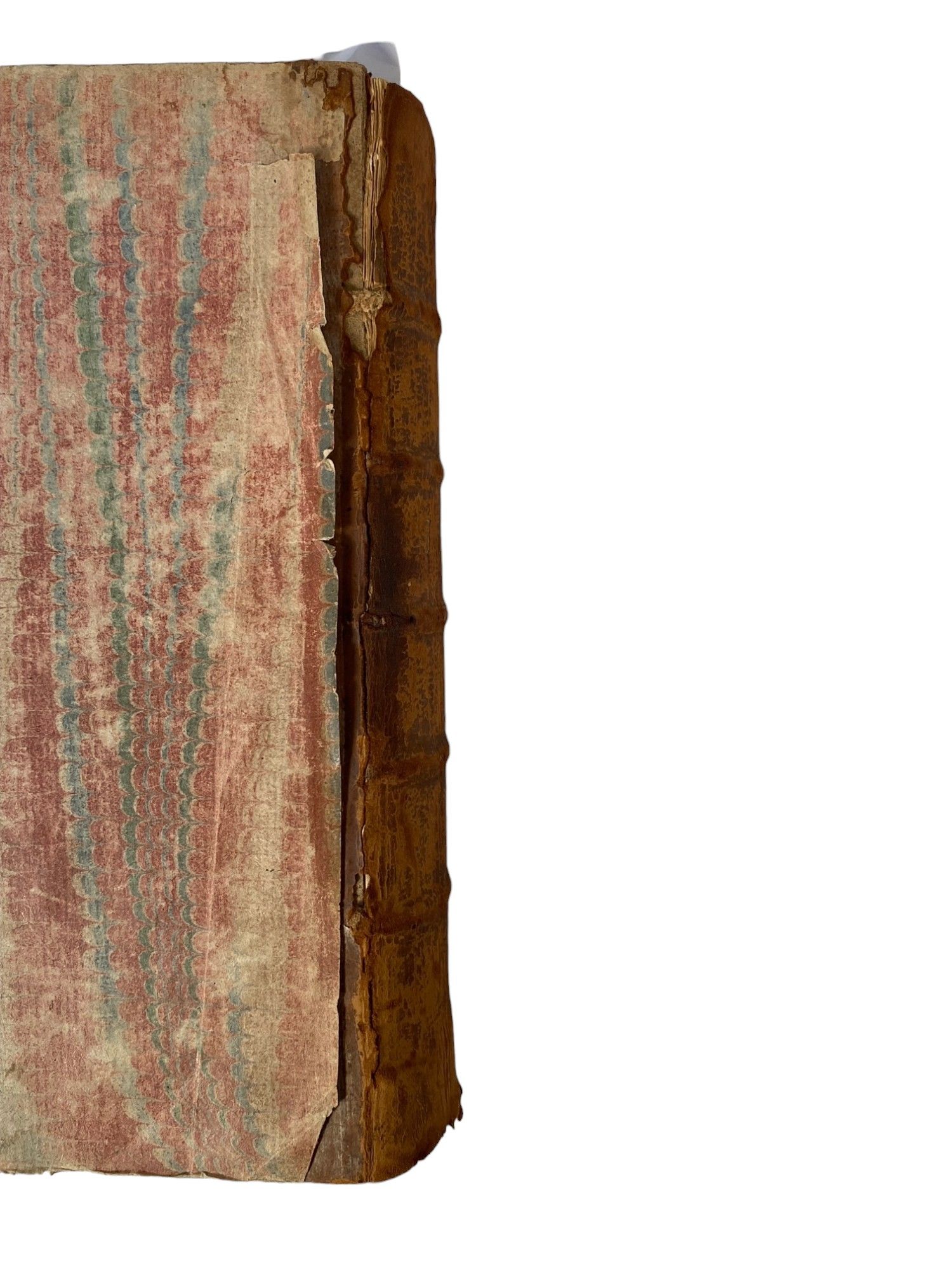
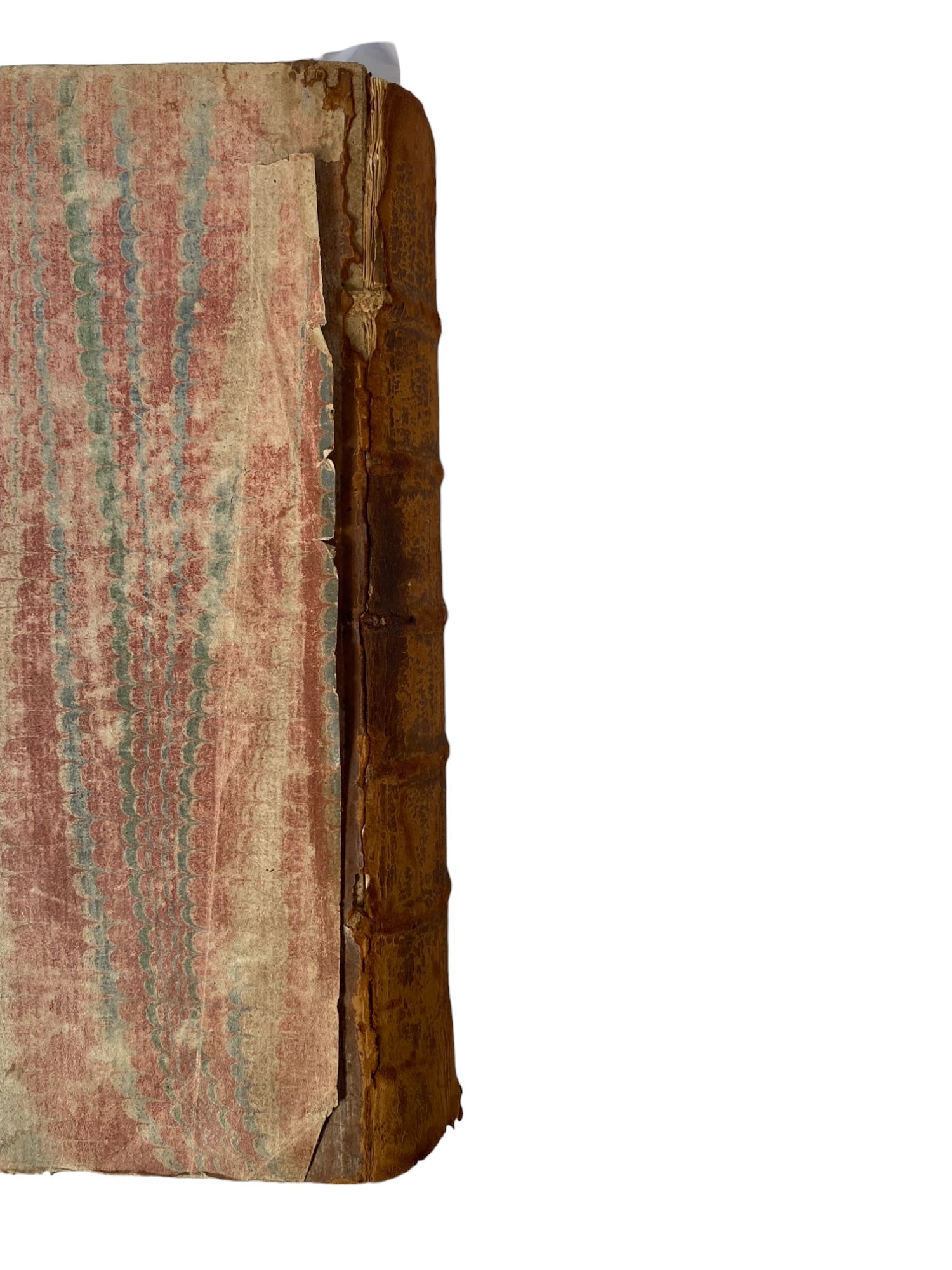
The appearance of Wheatley's poem in a leading London periodical underscores the growing eighteenth-century abolitionist sentiment and the role of print in shaping public opinion. The Gentleman's Magazine served as a central forum for literary and political exchange, making Wheatley's inclusion especially consequential. Her 1773 book would receive international attention, and her career would become emblematic of both Black achievement and the injustices of slavery. Bound volume. Boards faded with paper coverings lifting at edges. Spine cracked but holding. Pencil markings on front endpaper and ex libris bookplate on pastedown. Inner pages tight, clean, and clearly legible. Overall good to very good. A significant eighteenth-century periodical volume preserving one of the earliest London printings of Phillis Wheatley's poetry alongside contemporary commentary on her enslavement and genius.
The Gentleman's Magazine and Historical Chronicle. Volume XLIII. London: St. John's Gate, 1773. Bound volume containing twelve monthly issues from January through December 1773. The September 1773 issue includes Wheatley's poem "On Recollection," preceded by a contextual article describing her as "a negro of Boston" brought from Africa in 1761 and noting testimonial attestations to the authenticity of her authorship. The commentary laments that despite her "youth, innocence, and piety, united with genius," she remained enslaved, articulating a critique of social custom that "renders the heart insensible to the rights of nature." The volume includes the full range of the magazine's customary contents: essays, correspondence, poetry, book notices, and chronicles of domestic and international events, reflecting the intellectual milieu into which Wheatley's work was inserted.
The appearance of Wheatley's poem in a leading London periodical underscores the growing eighteenth-century abolitionist sentiment and the role of print in shaping public opinion. The Gentleman's Magazine served as a central forum for literary and political exchange, making Wheatley's inclusion especially consequential. Her 1773 book would receive international attention, and her career would become emblematic of both Black achievement and the injustices of slavery. Bound volume. Boards faded with paper coverings lifting at edges. Spine cracked but holding. Pencil markings on front endpaper and ex libris bookplate on pastedown. Inner pages tight, clean, and clearly legible. Overall good to very good. A significant eighteenth-century periodical volume preserving one of the earliest London printings of Phillis Wheatley's poetry alongside contemporary commentary on her enslavement and genius.
Details
Title
Phillis Wheatley's "On Recollection" in Gentlemen's Magazine with Contemporary Commentary on Her Enslavement and Identifying Her as a Genius, 1773
Author
Phillis Wheatley
Condition
Unknown
Date
1773