

[Photographs of Women Serving in the Civil Air Patrol]
- St. Charles and Mexico, Missouri , 1945
St. Charles and Mexico, Missouri, 1945. Very good. 35 loose B&W photographs, about half measuring 3¼" x 4½", half 3½" x 5", 5 are captioned on versos and 1 on recto. Very good or better: photos a touch wavy, some with a bit of corner wear and the occasional small spot.
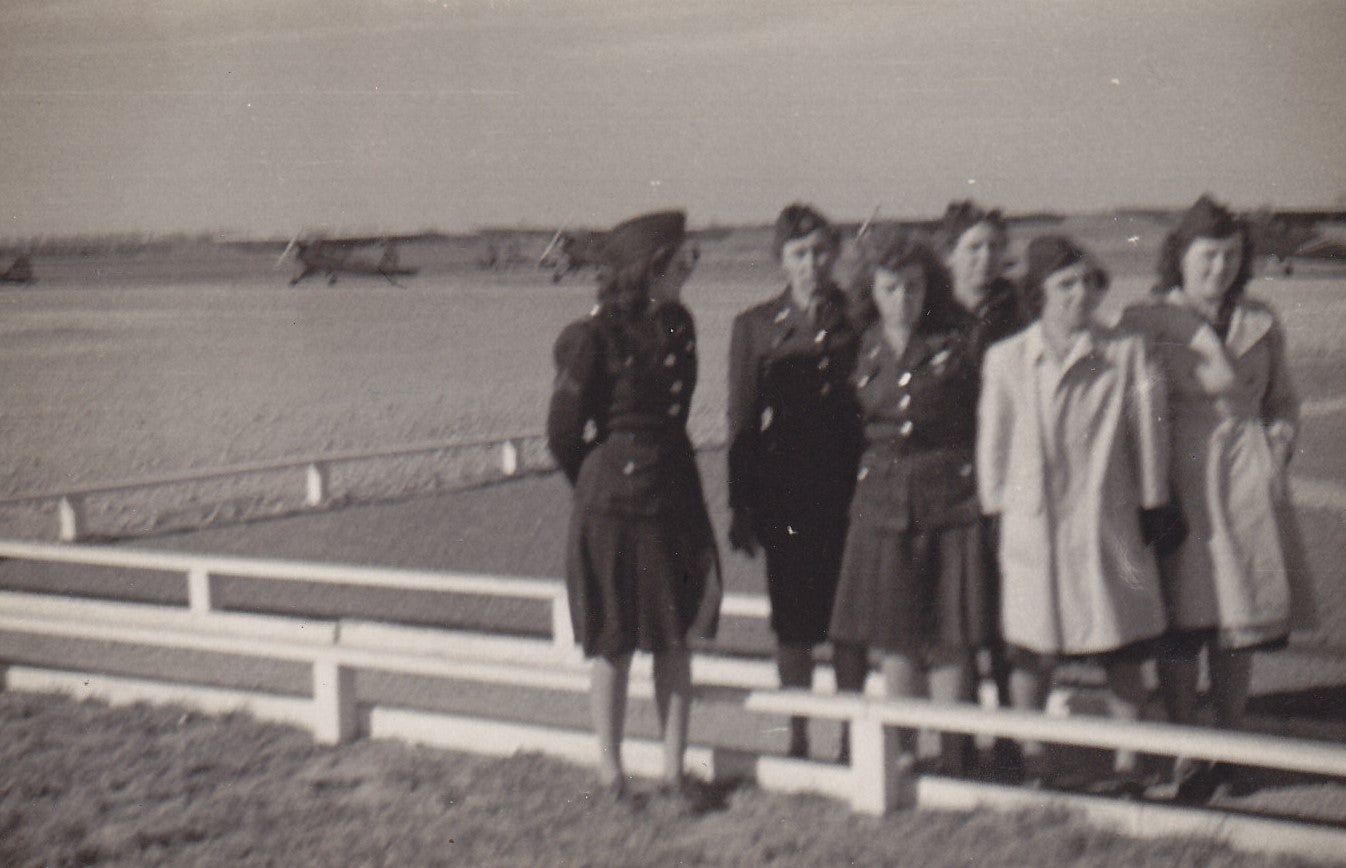
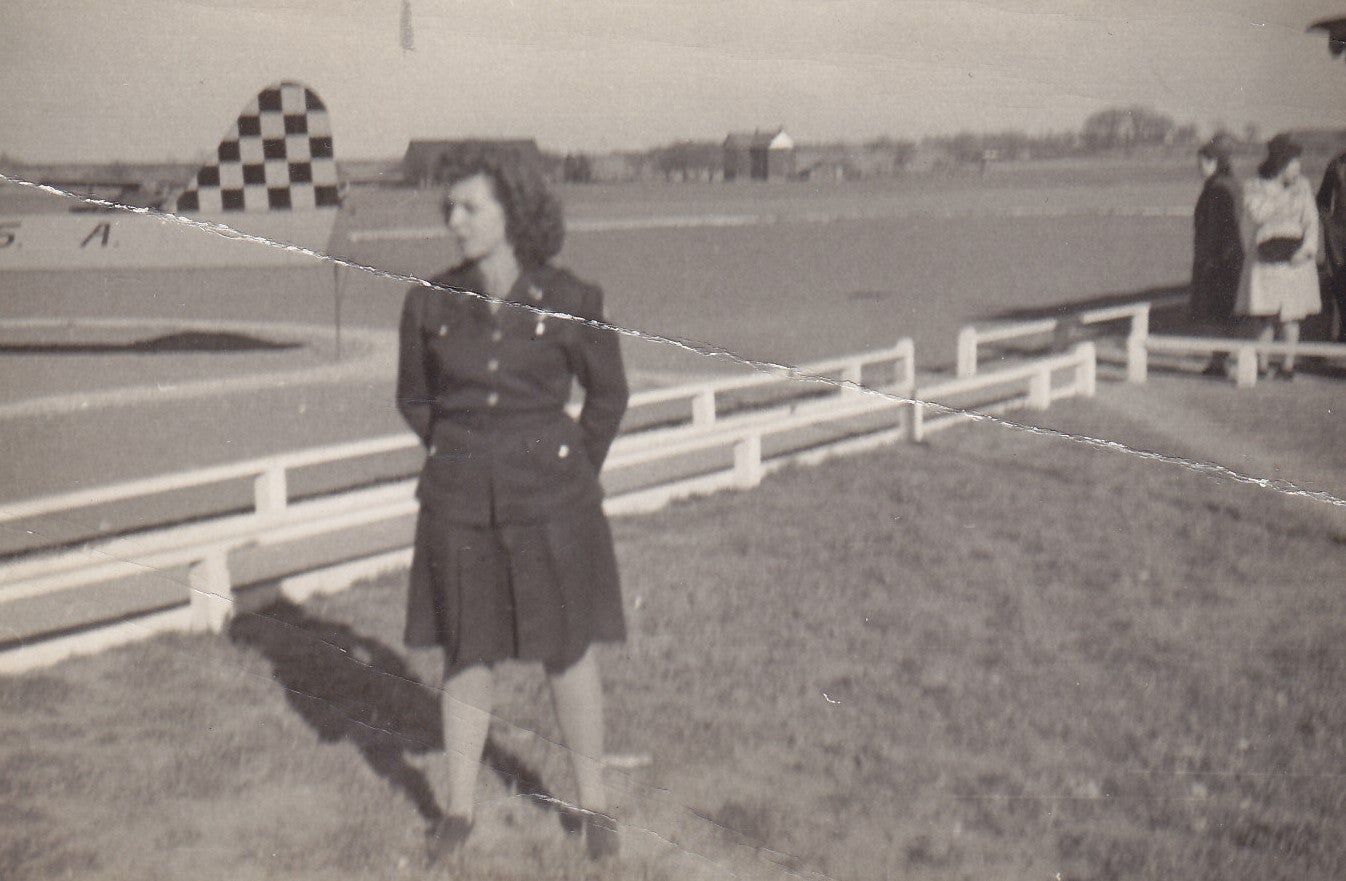
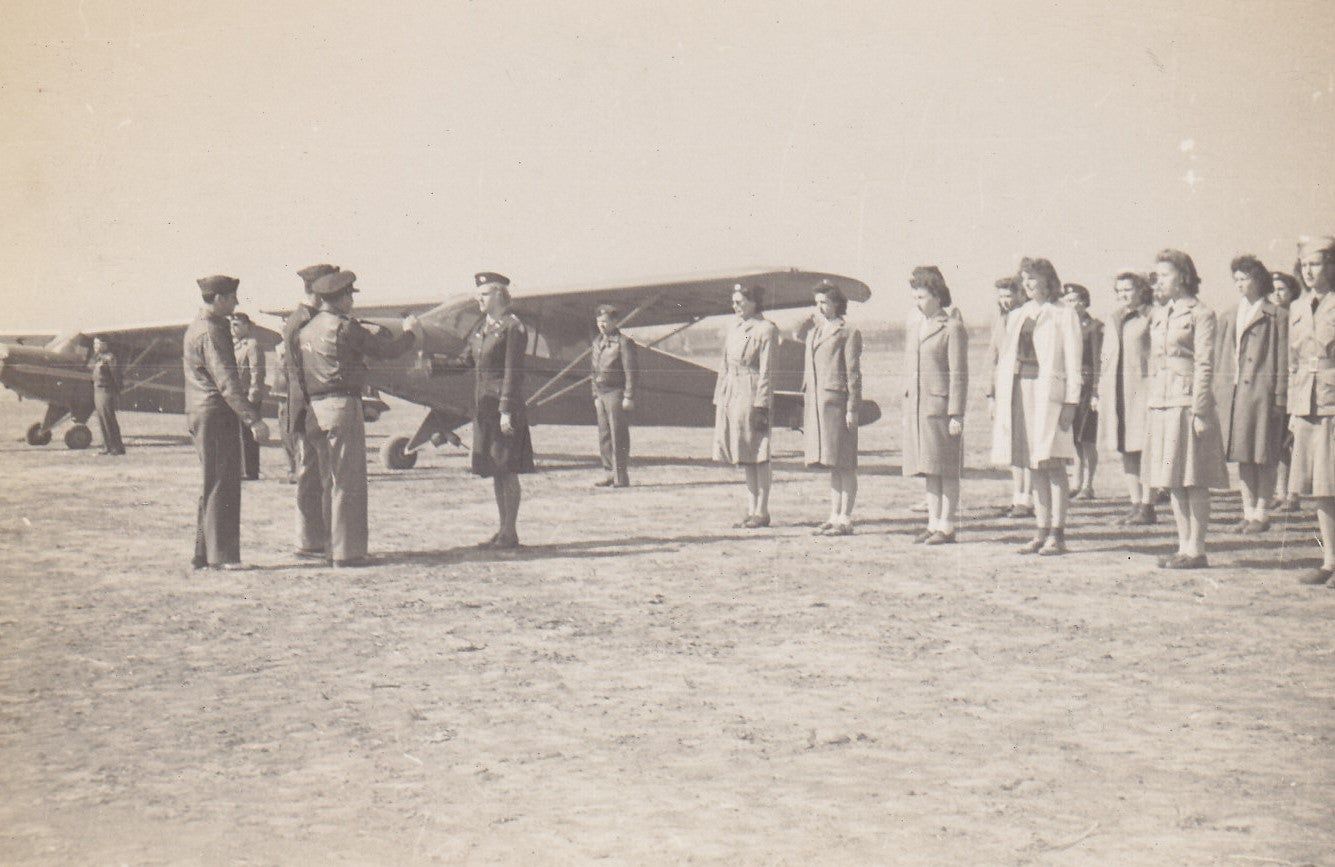
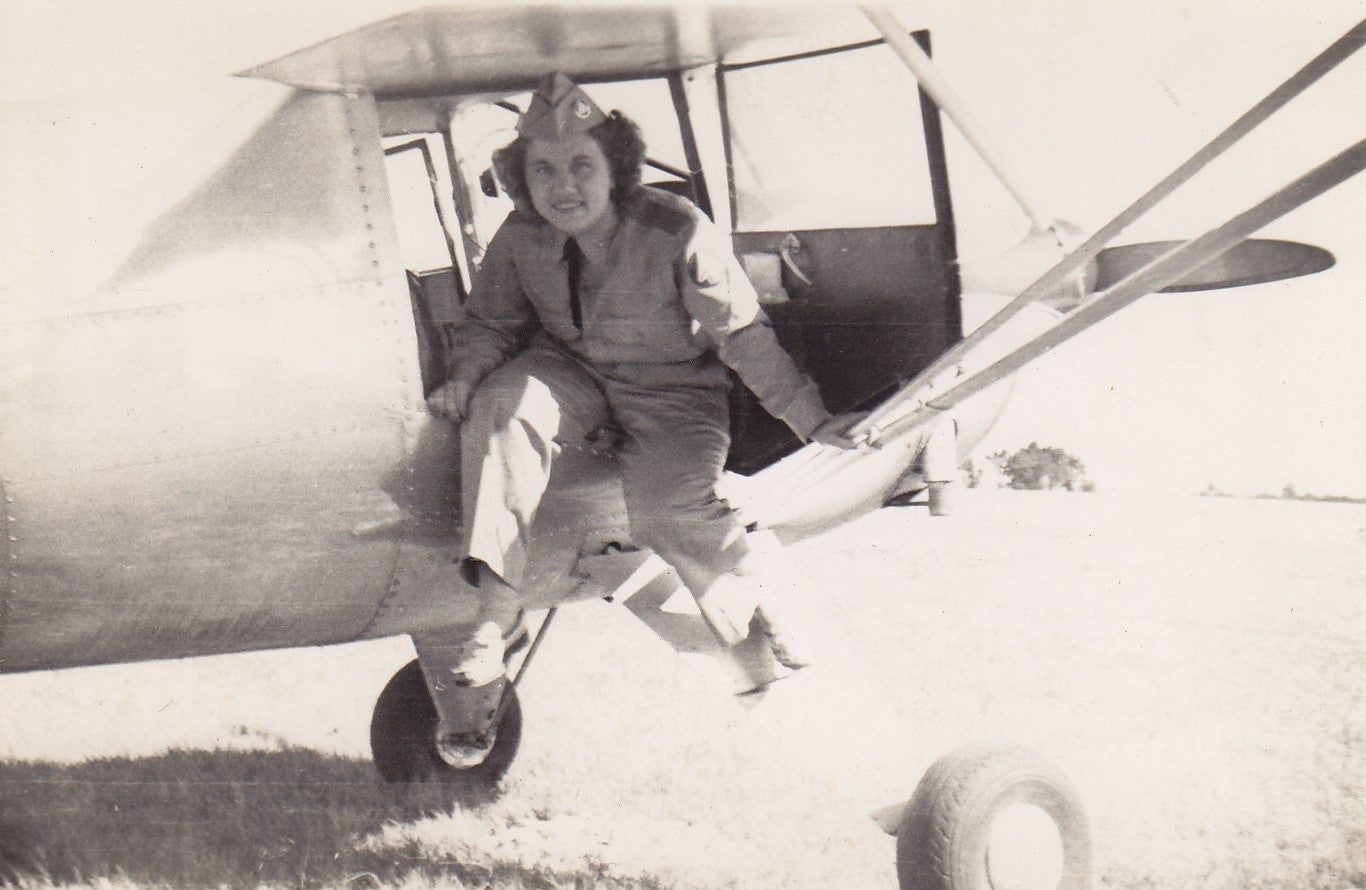
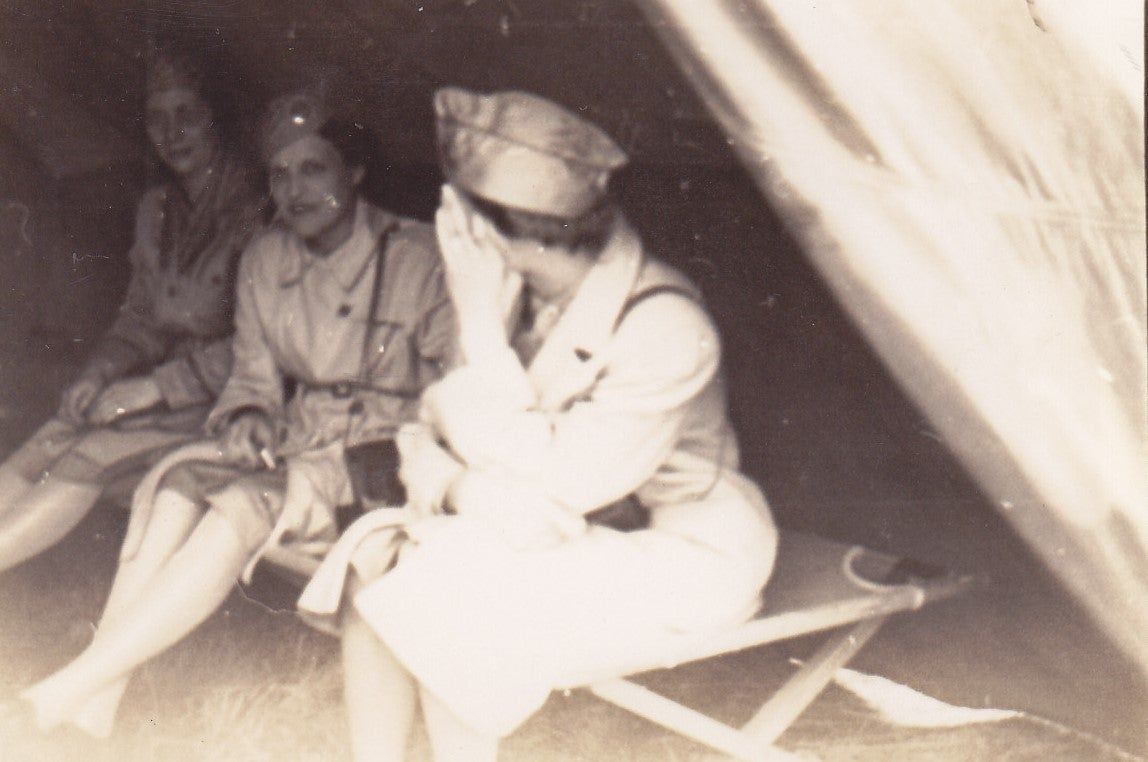
This is a great group of vernacular photographs showing women in the service of the Civil Air Patrol (CAP), the official civilian auxiliary of the United States Air Force (USAF).
CAP was conceived in the late 1930s by pilot and military advocate Gill Robb Wilson, Director of Aeronautics for the State of New Jersey from 1930 to 1944. With the help of New York Mayor Fiorello LaGuardia, then Director of the Office of Civilian Defense (OCD), CAP was created by Administrative Order in December 1941. The idea was to use civilian air resources in the war effort, and during World War II, CAP performed coastal and border patrol missions as well as courier services. CAP women were prohibited from flying but worked as radio operators, administrative section heads, plotting board operators and clerks. They wore uniforms with insignia, participated in surveillance and nursed injured pilots back to health. CAP became the auxiliary of the USAF in May 1948, and its incorporating charter declared that it would never again be involved in direct combat, but would instead serve humanitarian missions including disaster relief, search and rescue and aerospace education. It exists today with wings in each of the 50 states, Washington, D.C. and Puerto Rico.
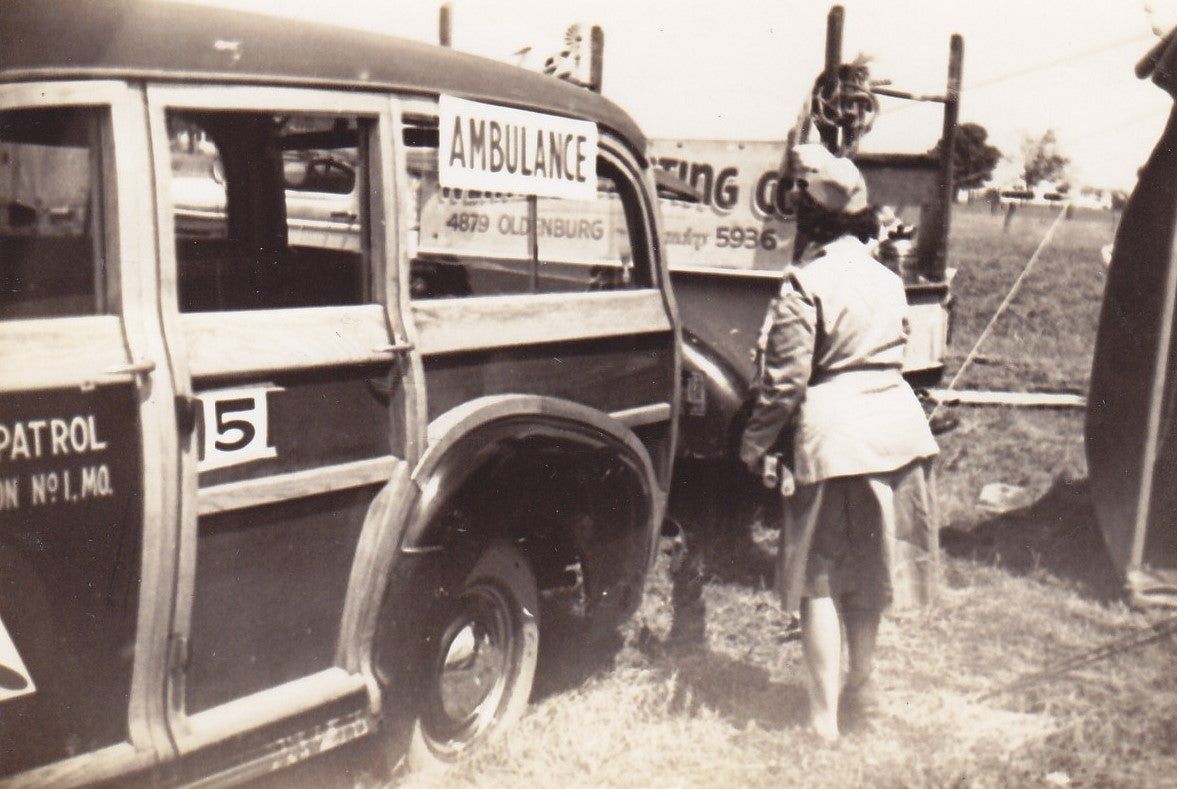
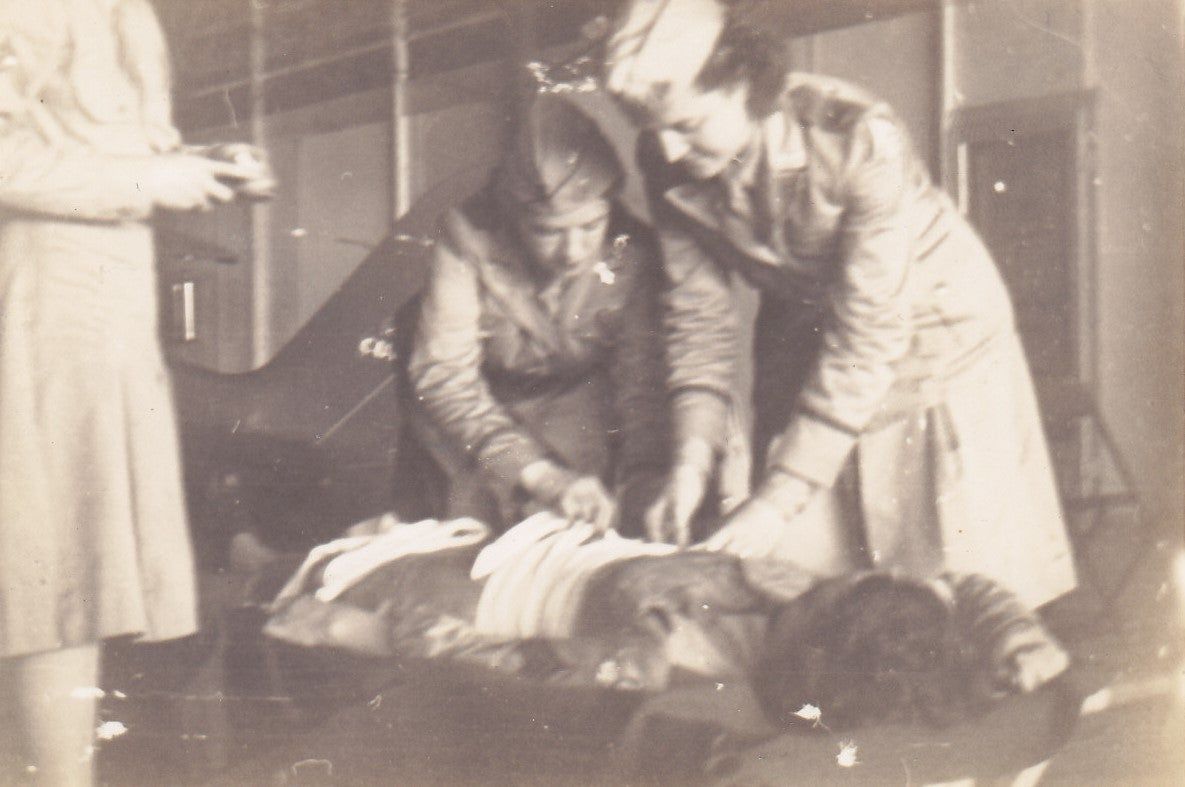
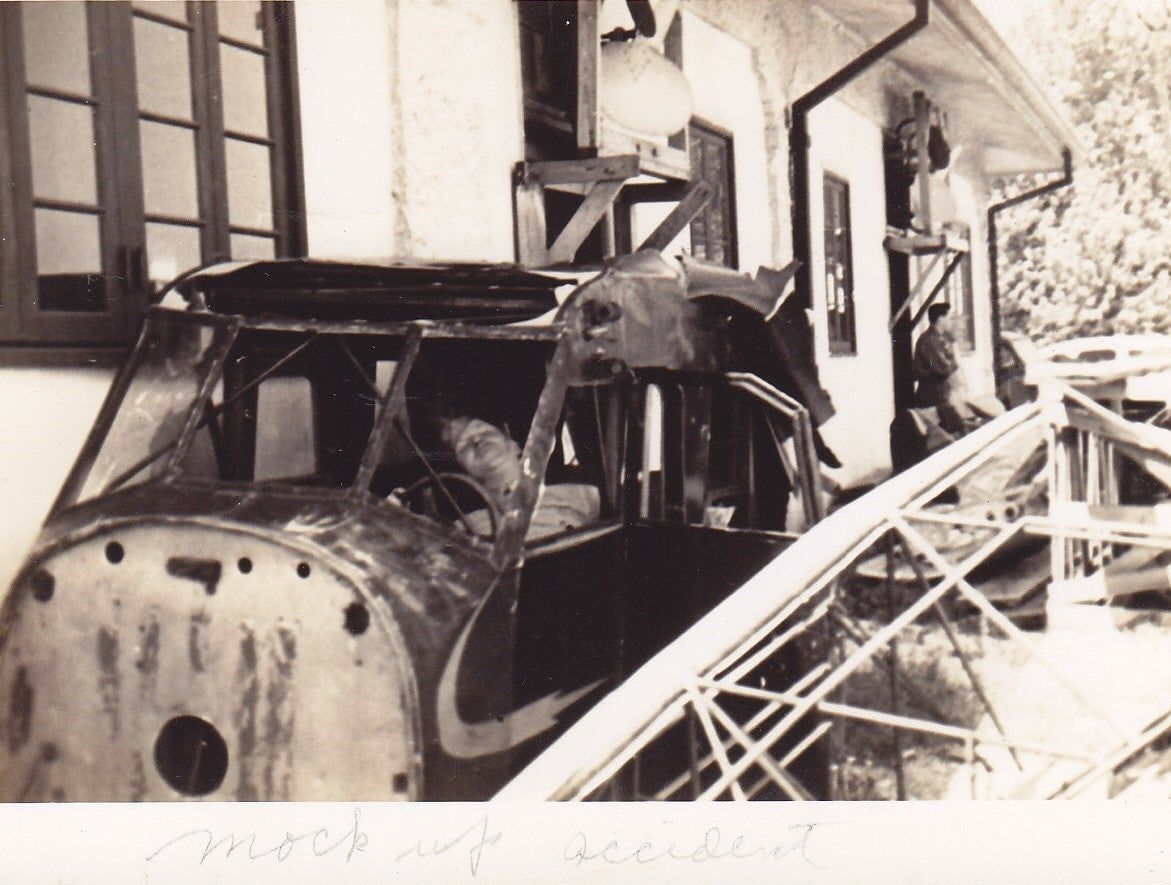
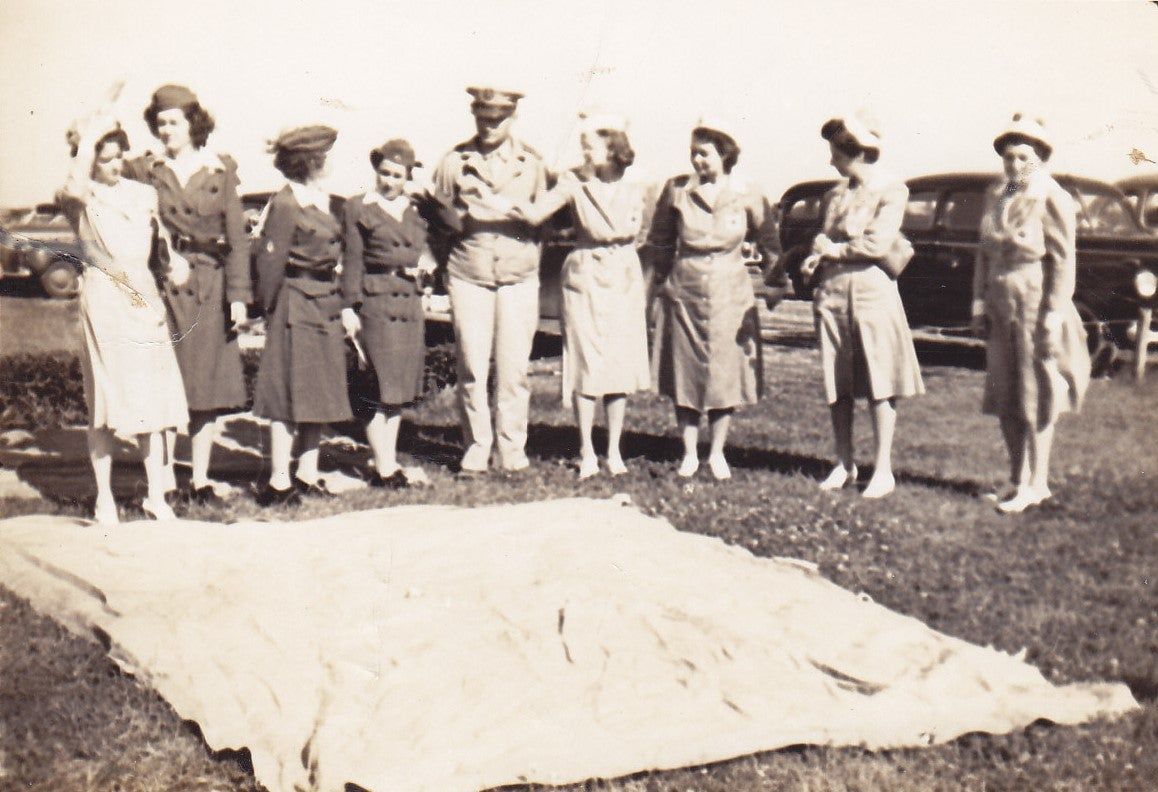
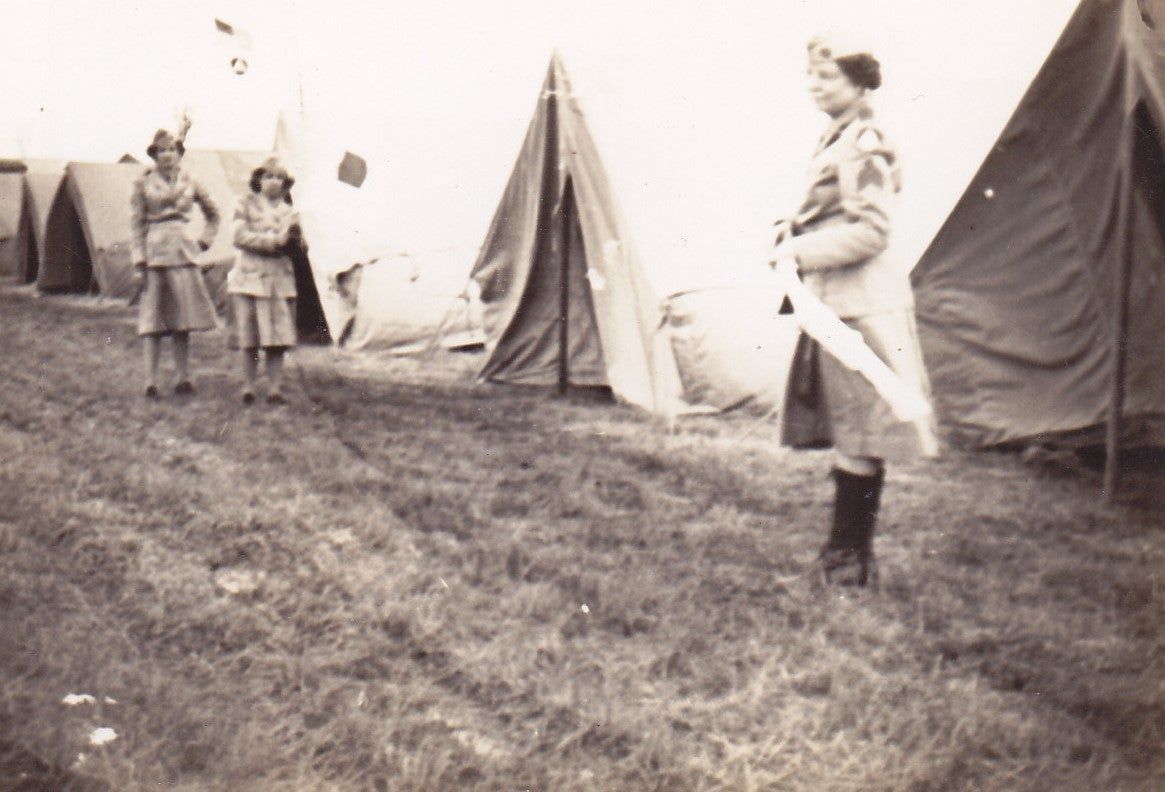
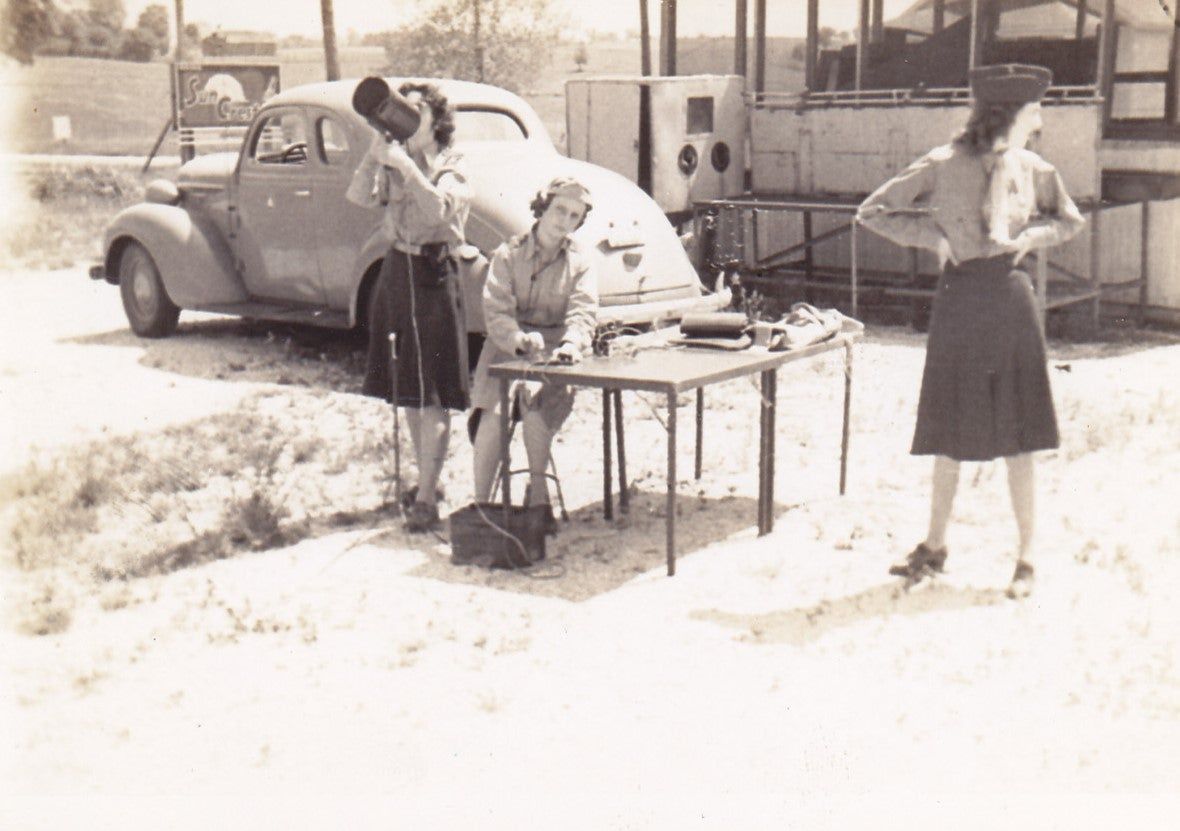
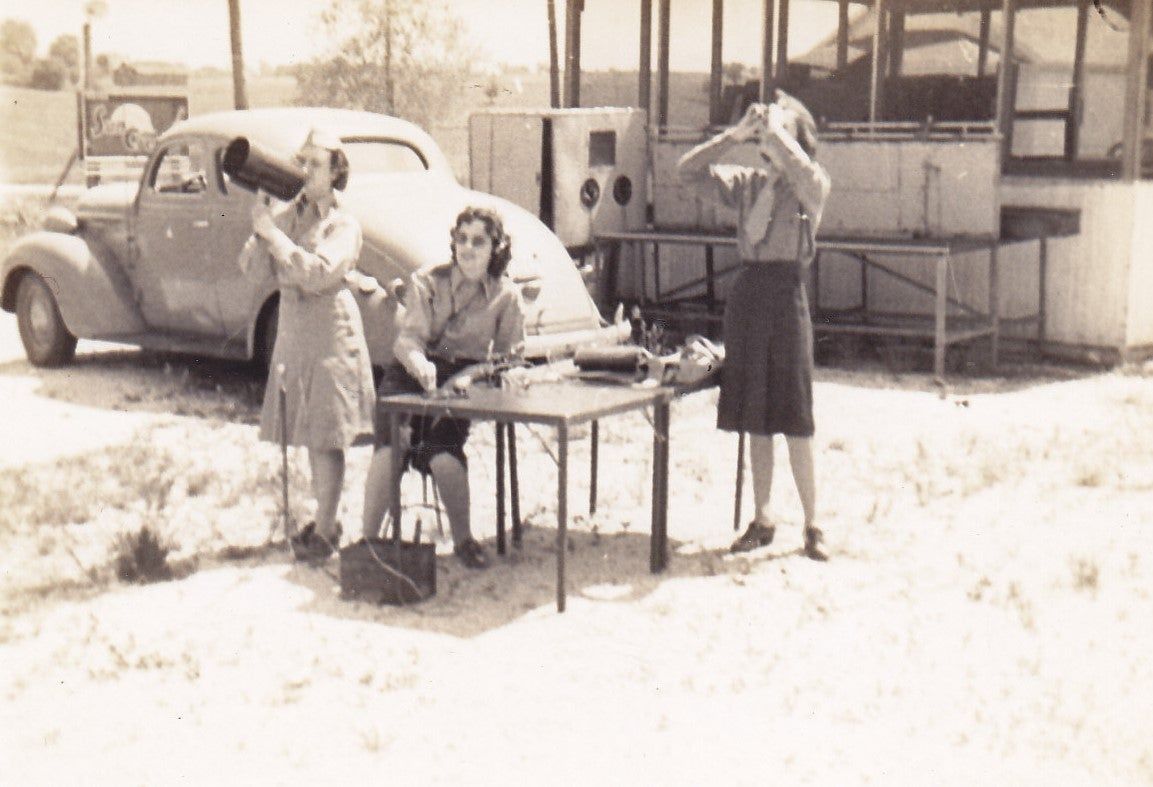
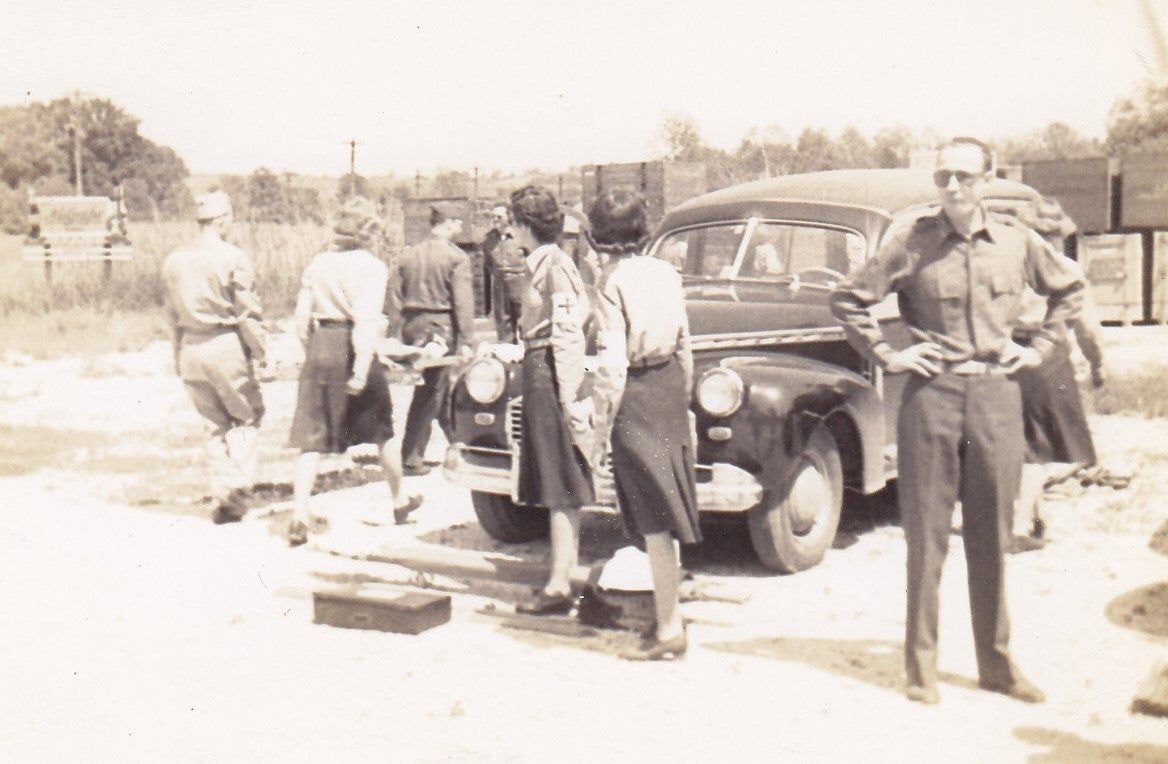
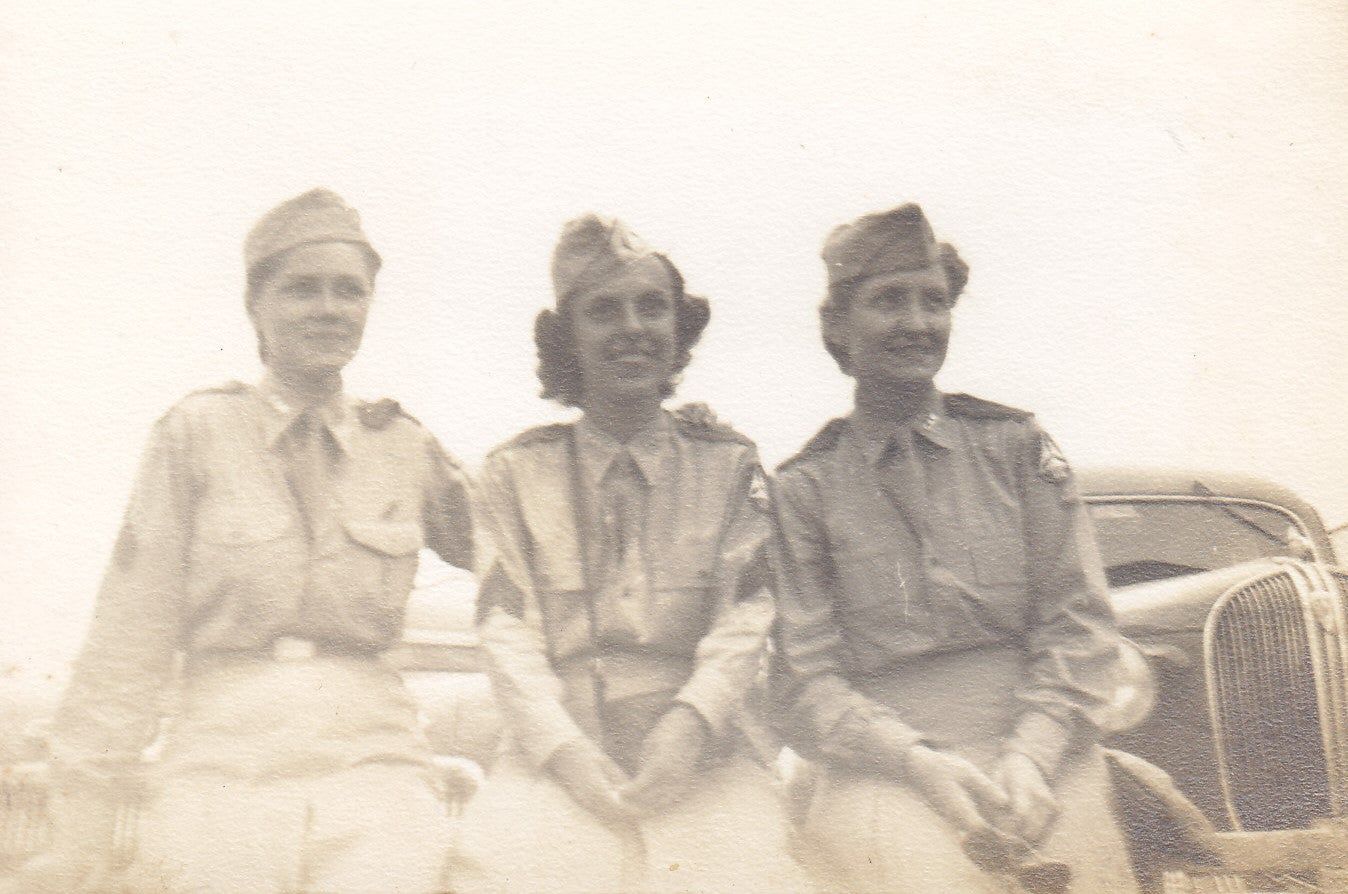
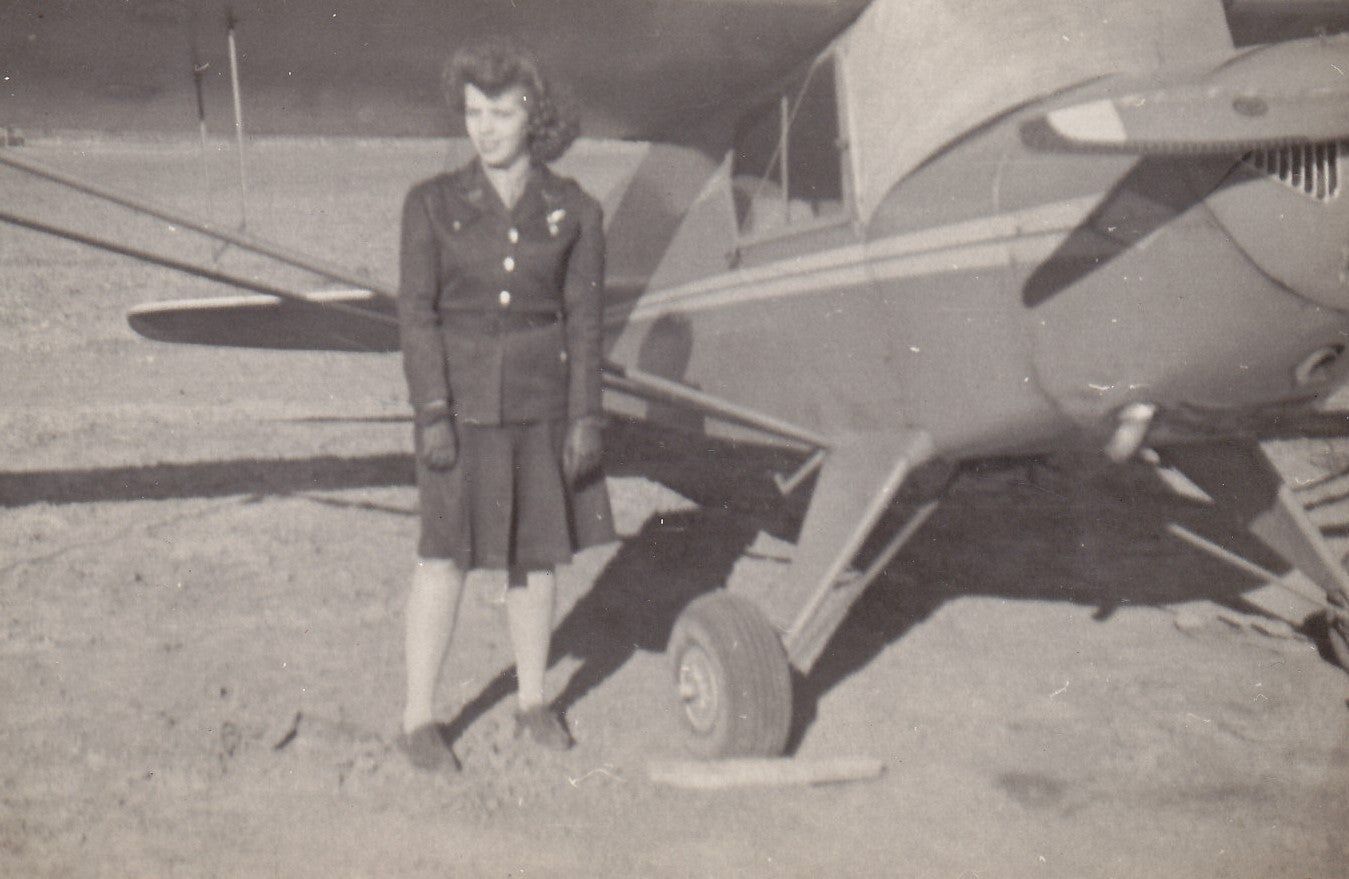
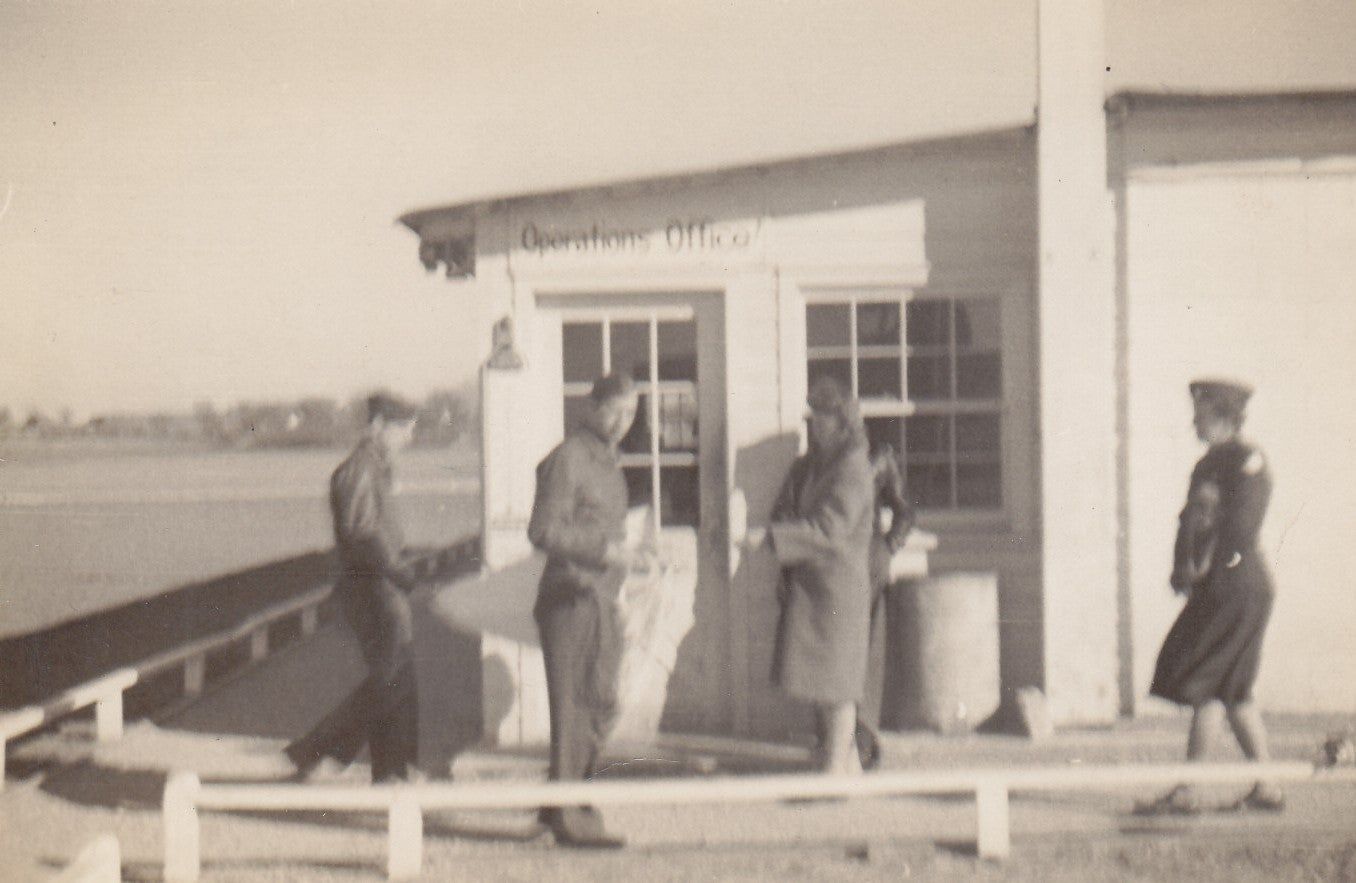
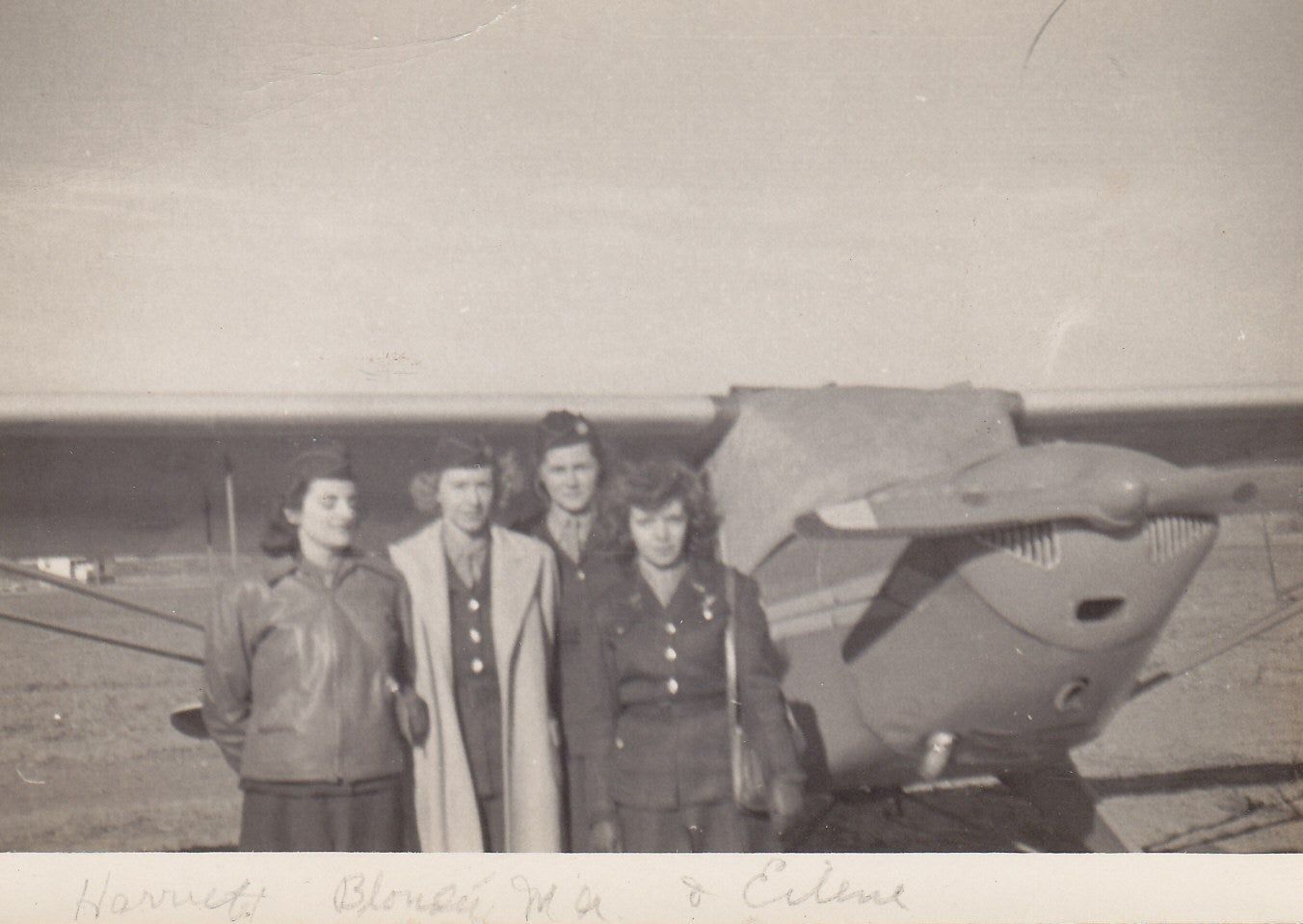
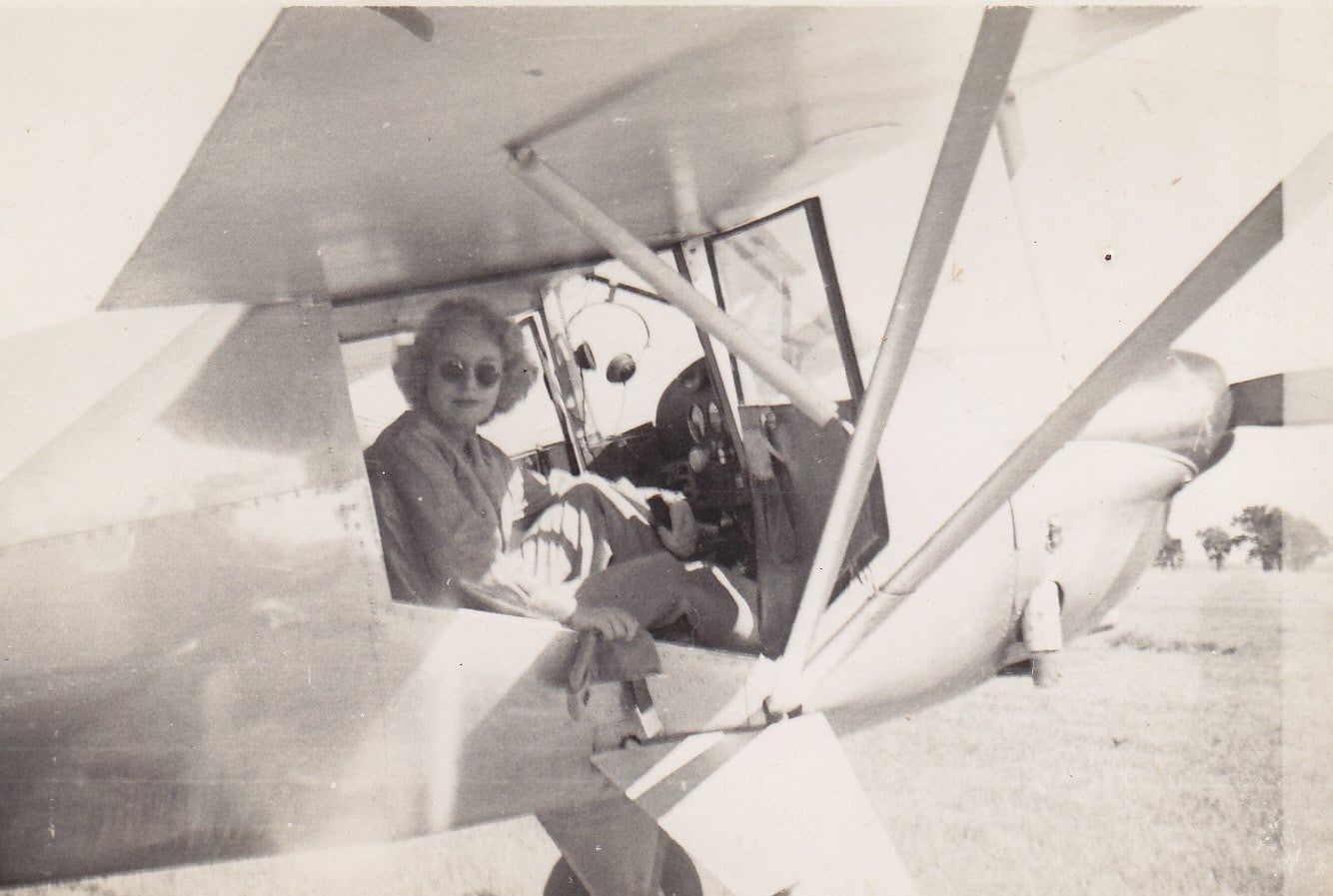
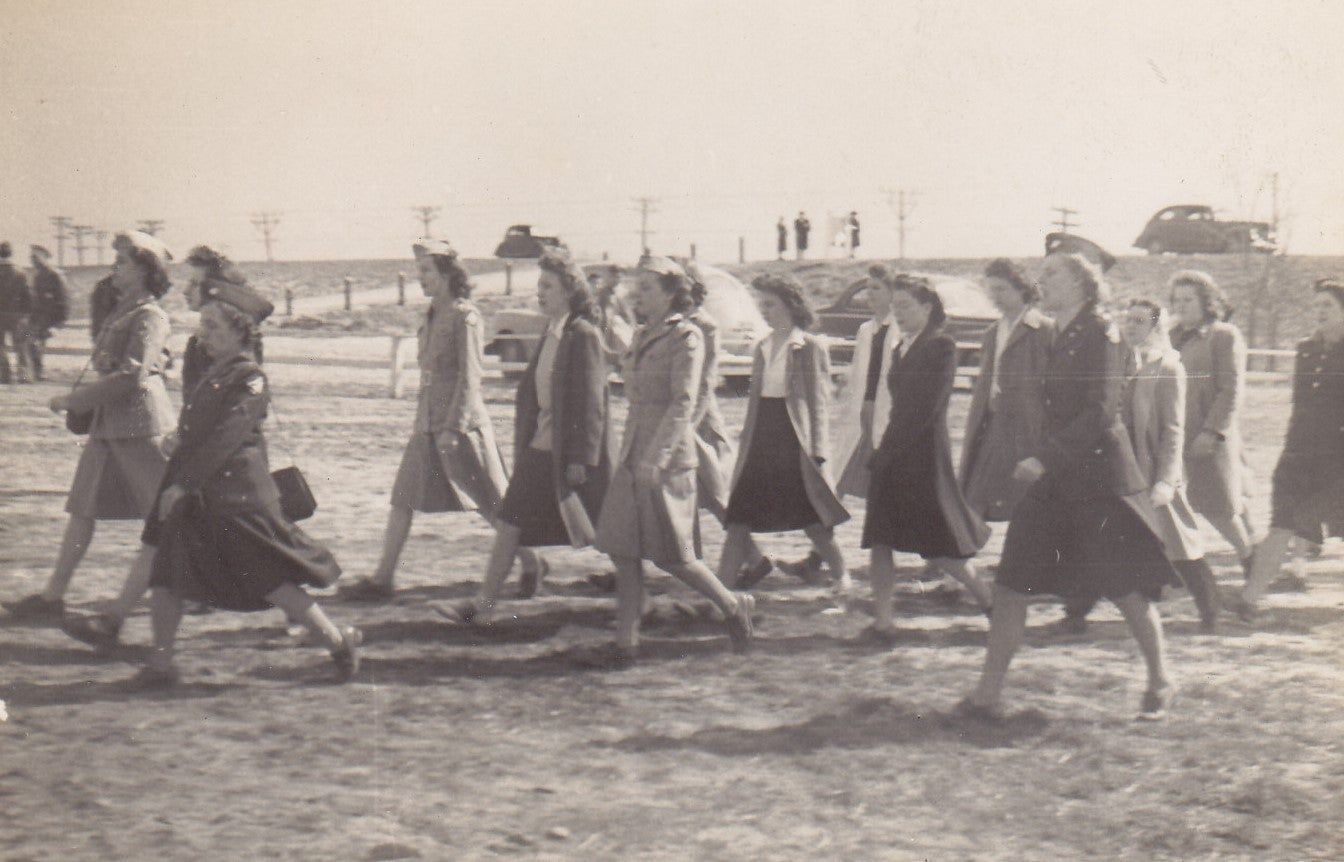
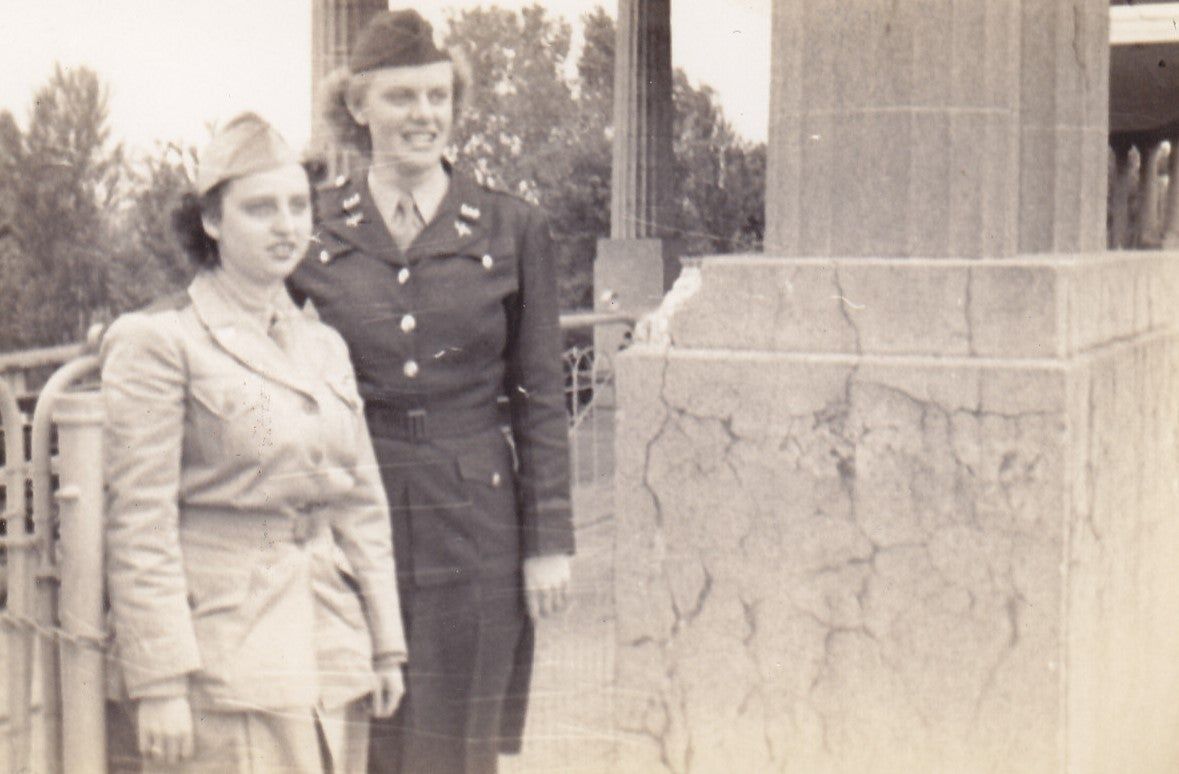
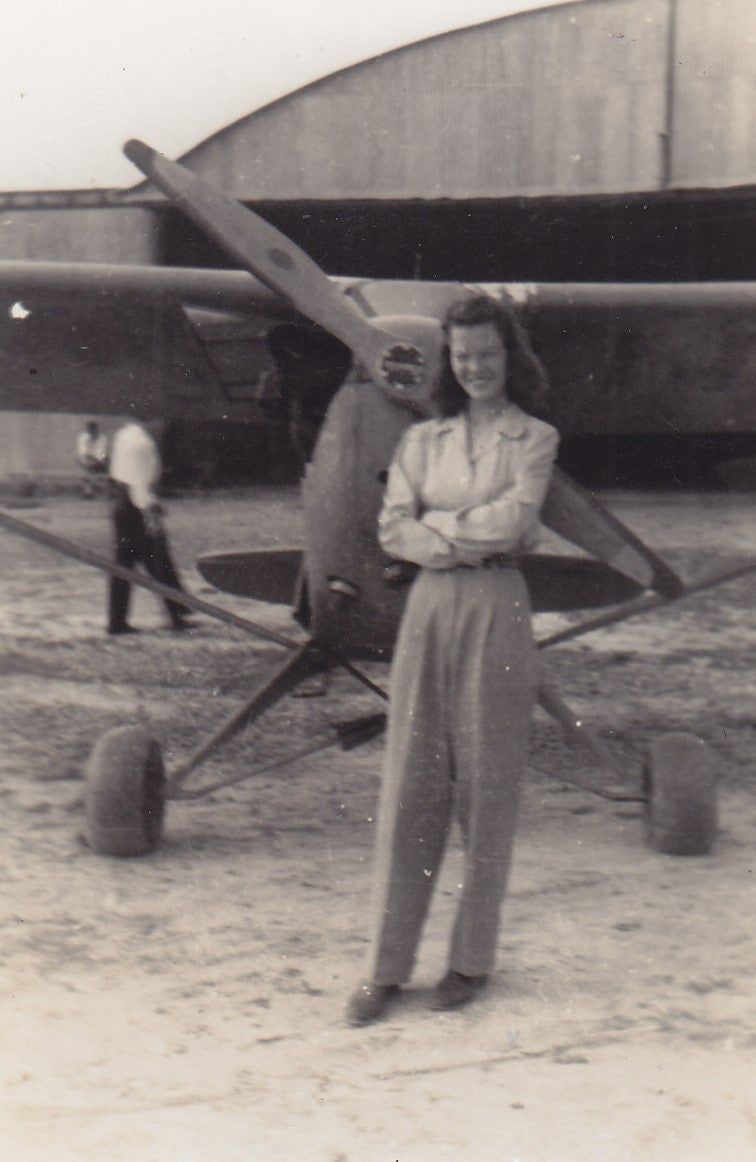
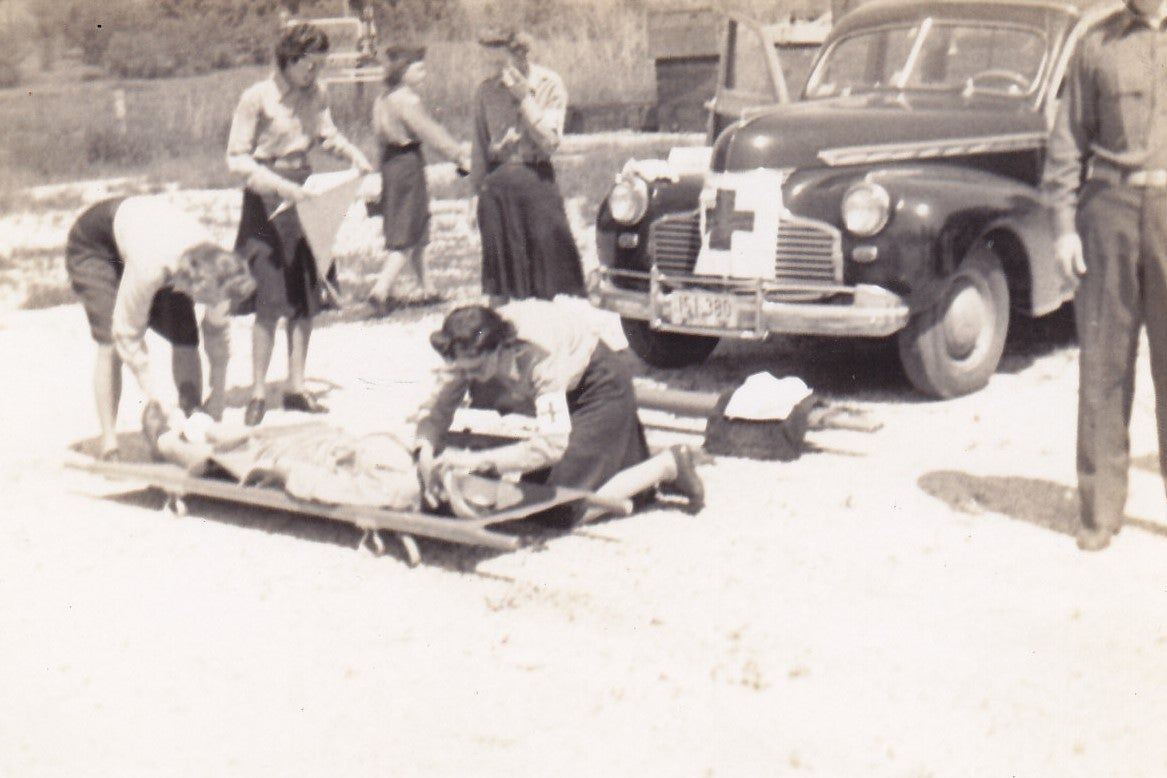
These fantastic photographs reveal CAP women (and a handful of men) stationed in the Missouri wing. Two captions identified their location at Kratz Field in St. Charles, and a plane visible in one shot was marked "Green Field, Mexico, MO." We also see "MO" on an ambulance in other images. Women in uniform appear in 28 of the 35 shots, tending to men on stretchers, working with binoculars and other military instruments, smiling (posed and candid) and striding purposefully on to a task. Eight photos show women in front of or near the planes (two with women defiantly sitting in them), a few just the planes, and a couple showed the men of CAP, hardly working. A few of the photographs are blurry but most were well-composed, and a few captions identified names, "Winter" and "Summer" uniforms, and one hopeful "future husband" in front of the Operations Office.
CAP documentation is exceedingly scarce. A work by CAP Colonel Frank Blazich, Jr. (Air University Press, 2020) noted that:
"The overarching problem hampering CAP history is the lack of accessible archival records. Of CAP's 21 bases, operational records exist only for one: Base No. 16, Manteo, North Carolina . . . The transfer of CAP from OCD to the War Department shifted the organizational records, and holdings in the National Archives relating to CAP are limited to only a few small boxes. From 1941 to the present day, CAP's national headquarters moved five times and an unknown quantity of files were lost or destroyed in the process."
Rare and excellent photographs of women serving in an under-known civilian war effort. We located a small collection of photographs taken by a CAP instructor at the State Historical Society of Missouri, and two other archival collections that include CAP photos, one from Connecticut's Bradley Field and the other from Yuma, Arizona. Neither description mentioned any women.
This is a great group of vernacular photographs showing women in the service of the Civil Air Patrol (CAP), the official civilian auxiliary of the United States Air Force (USAF).
CAP was conceived in the late 1930s by pilot and military advocate Gill Robb Wilson, Director of Aeronautics for the State of New Jersey from 1930 to 1944. With the help of New York Mayor Fiorello LaGuardia, then Director of the Office of Civilian Defense (OCD), CAP was created by Administrative Order in December 1941. The idea was to use civilian air resources in the war effort, and during World War II, CAP performed coastal and border patrol missions as well as courier services. CAP women were prohibited from flying but worked as radio operators, administrative section heads, plotting board operators and clerks. They wore uniforms with insignia, participated in surveillance and nursed injured pilots back to health. CAP became the auxiliary of the USAF in May 1948, and its incorporating charter declared that it would never again be involved in direct combat, but would instead serve humanitarian missions including disaster relief, search and rescue and aerospace education. It exists today with wings in each of the 50 states, Washington, D.C. and Puerto Rico.
These fantastic photographs reveal CAP women (and a handful of men) stationed in the Missouri wing. Two captions identified their location at Kratz Field in St. Charles, and a plane visible in one shot was marked "Green Field, Mexico, MO." We also see "MO" on an ambulance in other images. Women in uniform appear in 28 of the 35 shots, tending to men on stretchers, working with binoculars and other military instruments, smiling (posed and candid) and striding purposefully on to a task. Eight photos show women in front of or near the planes (two with women defiantly sitting in them), a few just the planes, and a couple showed the men of CAP, hardly working. A few of the photographs are blurry but most were well-composed, and a few captions identified names, "Winter" and "Summer" uniforms, and one hopeful "future husband" in front of the Operations Office.
CAP documentation is exceedingly scarce. A work by CAP Colonel Frank Blazich, Jr. (Air University Press, 2020) noted that:
"The overarching problem hampering CAP history is the lack of accessible archival records. Of CAP's 21 bases, operational records exist only for one: Base No. 16, Manteo, North Carolina . . . The transfer of CAP from OCD to the War Department shifted the organizational records, and holdings in the National Archives relating to CAP are limited to only a few small boxes. From 1941 to the present day, CAP's national headquarters moved five times and an unknown quantity of files were lost or destroyed in the process."
Rare and excellent photographs of women serving in an under-known civilian war effort. We located a small collection of photographs taken by a CAP instructor at the State Historical Society of Missouri, and two other archival collections that include CAP photos, one from Connecticut's Bradley Field and the other from Yuma, Arizona. Neither description mentioned any women.
Details
Title
[Photographs of Women Serving in the Civil Air Patrol]
Condition
Very Good
Publisher
St. Charles and Mexico, Missouri
Date
1945