

In Defence of War
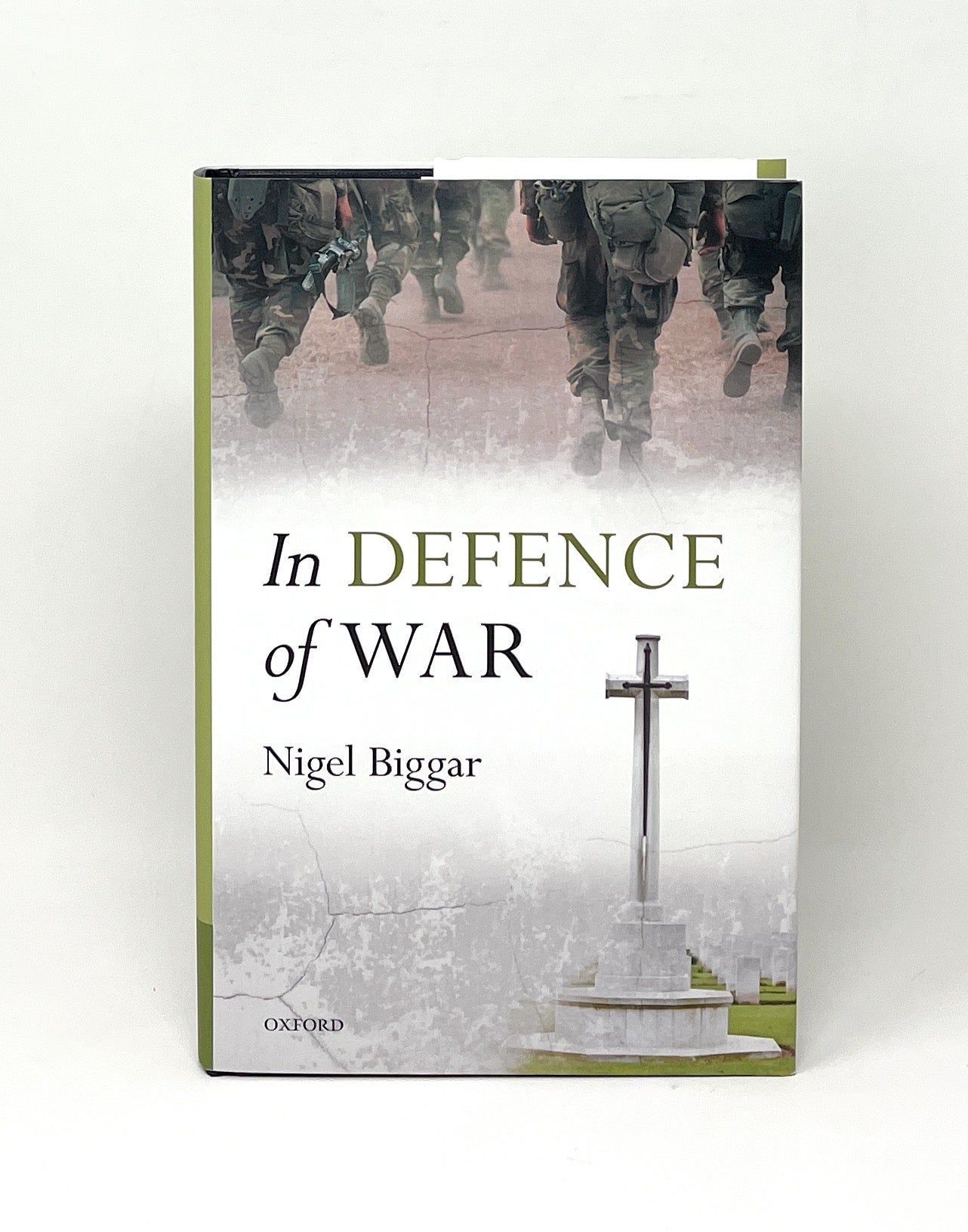
- Hardcover
- New York: Oxford University Press, 2013
New York: Oxford University Press, 2013. Hardcover. Very Good/Very Good. Hardcover. 9 1/2" X 6 1/4". xi, 361pp. Very mild shelf wear to covers, corners, and edges of unclipped dust jacket. Bound in black cloth over boards with spine lettered in gilt. Very gentle bump to head of spine. Pages are clean and unmarked. Binding is firm and sound.
ABOUT THIS BOOK:
Pacifism is popular. Many hold that war is unnecessary, since peaceful means of resolving conflict are always available, if only we had the will to look for them. Or they believe that war is wicked, essentially involving hatred of the enemy and carelessness of human life. Or they posit the absolute right of innocent individuals not to be deliberately killed, making it impossible to justify war in practice.
Peace, however, is not simple. Peace for some can leave others at peace to perpetrate mass atrocity. What was peace for the West in 1994 was not peace for the Tutsis of Rwanda. Therefore, against the virus of wishful thinking, anti-military caricature, and the domination of moral deliberation by rights-talk In Defence of War asserts that belligerency can be morally justified, even though tragic and morally flawed.
Recovering the Christian tradition of reflection running from Augustine to Grotius, this book affirms aggressive war in punishment of grave injustice. Morally realistic in adhering to universal moral principles, it recognises that morality can trump legality, justifying military intervention even in transgression of positive international law-as in the case of Kosovo. Less cynical and more empirically realistic about human nature than Hobbes, it holds that nations desire to be morally virtuous and right, and not only to be safe and fat. And aspiring to practical realism, it argues that love and the doctrine of double effect can survive combat; and that the constraints of proportionality, while real, are nevertheless sufficiently permissive to encompass Britain's belligerency in 1914-18. Finally, in a painstaking analysis of the Iraq invasion of 2003, In Defence of War culminates in an account of how the various criteria of just war should be thought together. It also concludes that, all things considered, the invasion was justified. (Publisher).
ABOUT THIS BOOK:
Pacifism is popular. Many hold that war is unnecessary, since peaceful means of resolving conflict are always available, if only we had the will to look for them. Or they believe that war is wicked, essentially involving hatred of the enemy and carelessness of human life. Or they posit the absolute right of innocent individuals not to be deliberately killed, making it impossible to justify war in practice.
Peace, however, is not simple. Peace for some can leave others at peace to perpetrate mass atrocity. What was peace for the West in 1994 was not peace for the Tutsis of Rwanda. Therefore, against the virus of wishful thinking, anti-military caricature, and the domination of moral deliberation by rights-talk In Defence of War asserts that belligerency can be morally justified, even though tragic and morally flawed.
Recovering the Christian tradition of reflection running from Augustine to Grotius, this book affirms aggressive war in punishment of grave injustice. Morally realistic in adhering to universal moral principles, it recognises that morality can trump legality, justifying military intervention even in transgression of positive international law-as in the case of Kosovo. Less cynical and more empirically realistic about human nature than Hobbes, it holds that nations desire to be morally virtuous and right, and not only to be safe and fat. And aspiring to practical realism, it argues that love and the doctrine of double effect can survive combat; and that the constraints of proportionality, while real, are nevertheless sufficiently permissive to encompass Britain's belligerency in 1914-18. Finally, in a painstaking analysis of the Iraq invasion of 2003, In Defence of War culminates in an account of how the various criteria of just war should be thought together. It also concludes that, all things considered, the invasion was justified. (Publisher).
Details
Title
In Defence of War
Author
Biggar, Nigel
Binding
Hardcover
Condition
Very Good
Publisher
Oxford University Press: New York
Date
2013