

SIGNED. Kuru. Early Letters and Field-Notes from the Collection of D. Carleton Gajdusek
- SIGNED cloth binding
- New York: Raven Press, 1981
New York: Raven Press, 1981. First edition.
LETTERS AND NOTES OF NOBELIST D C GAJDUSEK, DISCOVERER OF KURU, FIRST PRION DISEASE--INSCRIBED AND SIGNED.
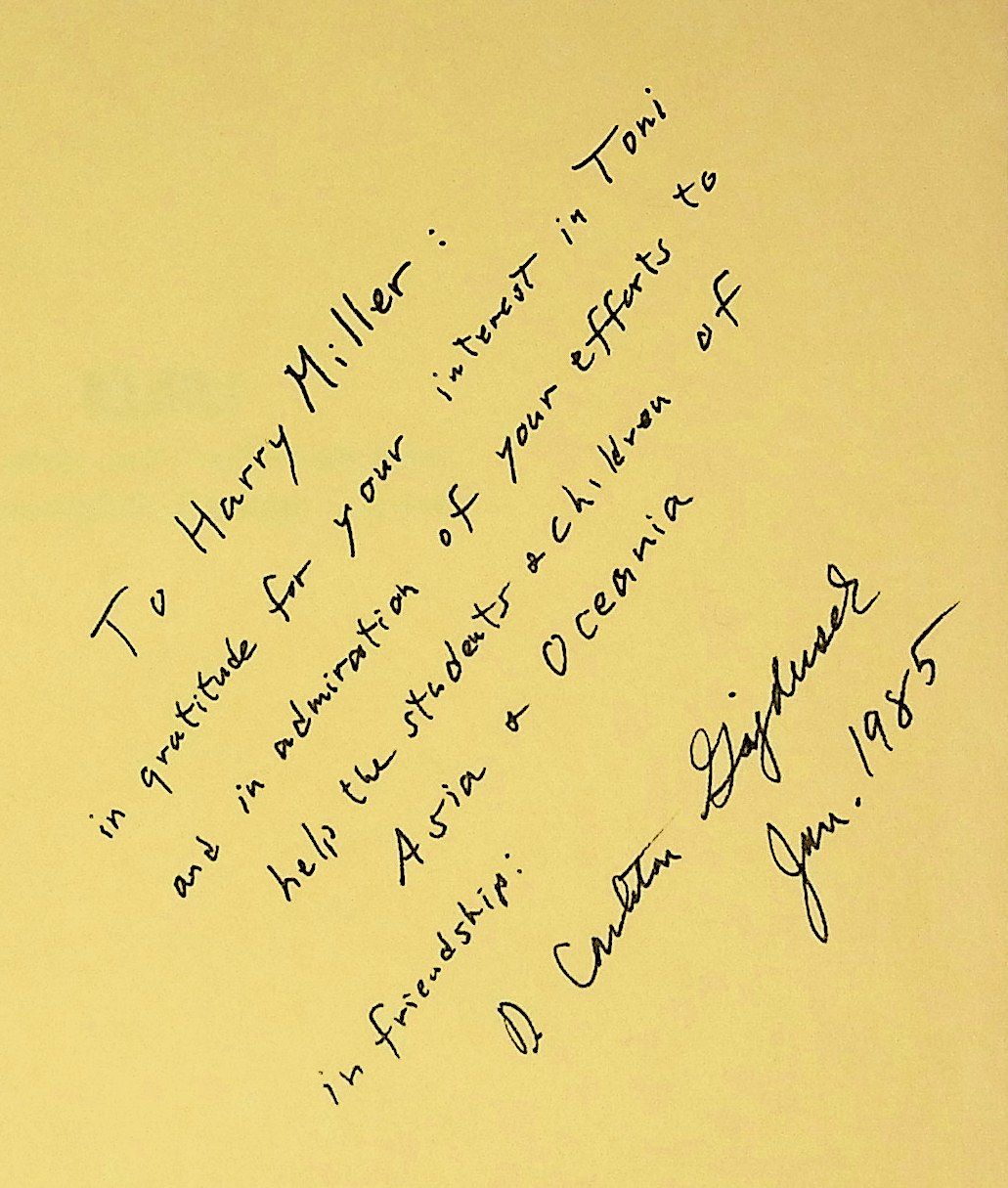
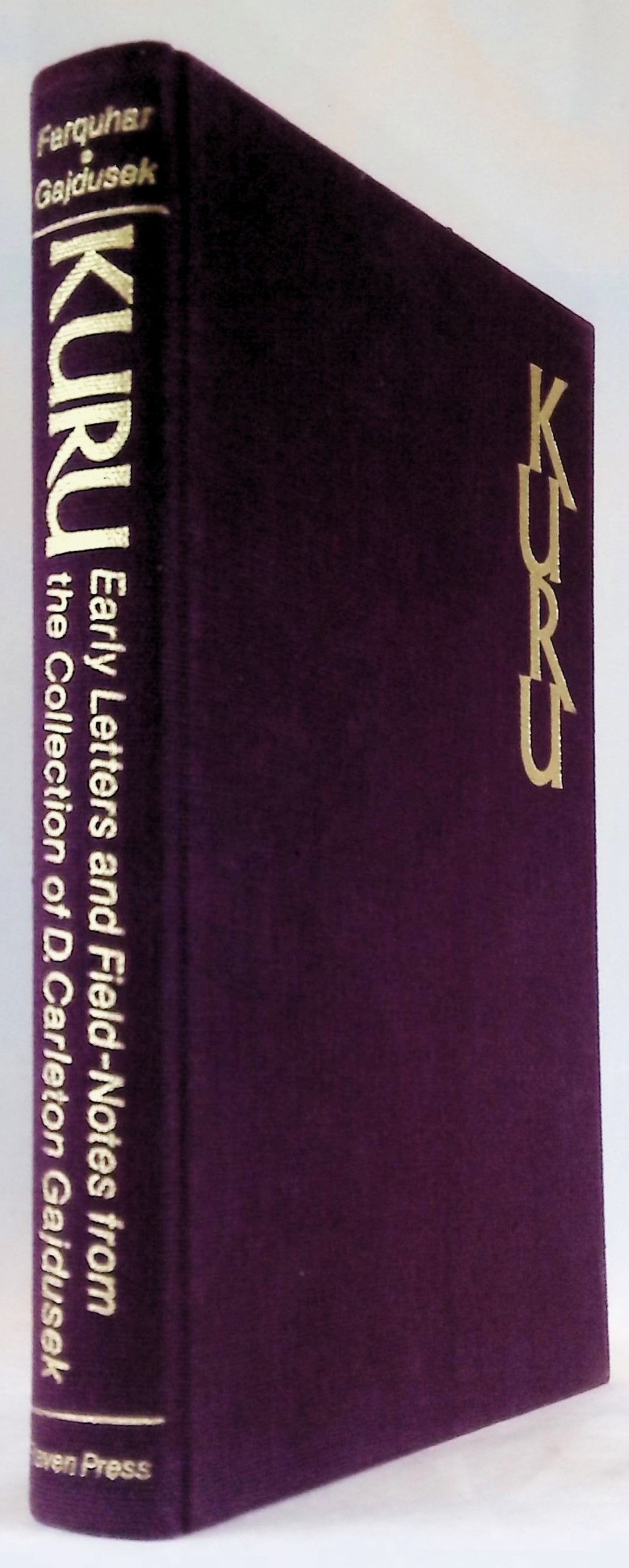
18x26 cm hardcover, maroon cloth binding, gilt title to cover and spine, inscribed and signed in ink on front free endpaper: "To Harry Miller: in gratitude for your interest in Toni and in admiration of your efforts to help the students & children of Asia & Oceania. In friendship: D. Carlton Gajdusek, Jan. 1985" xxviii, 338 pp, 32 pages of photographs. Very good in custom archival mylar cover.
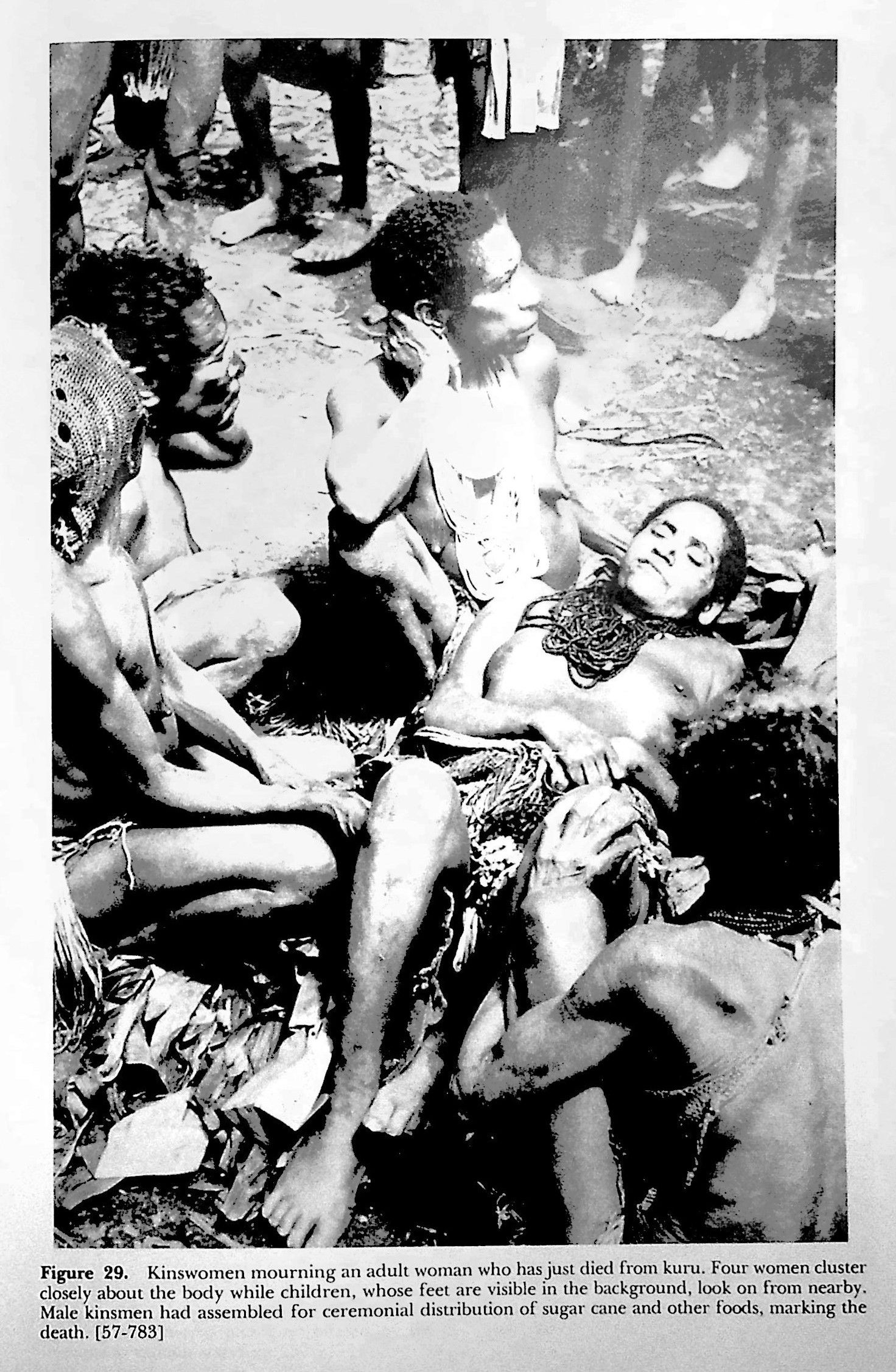
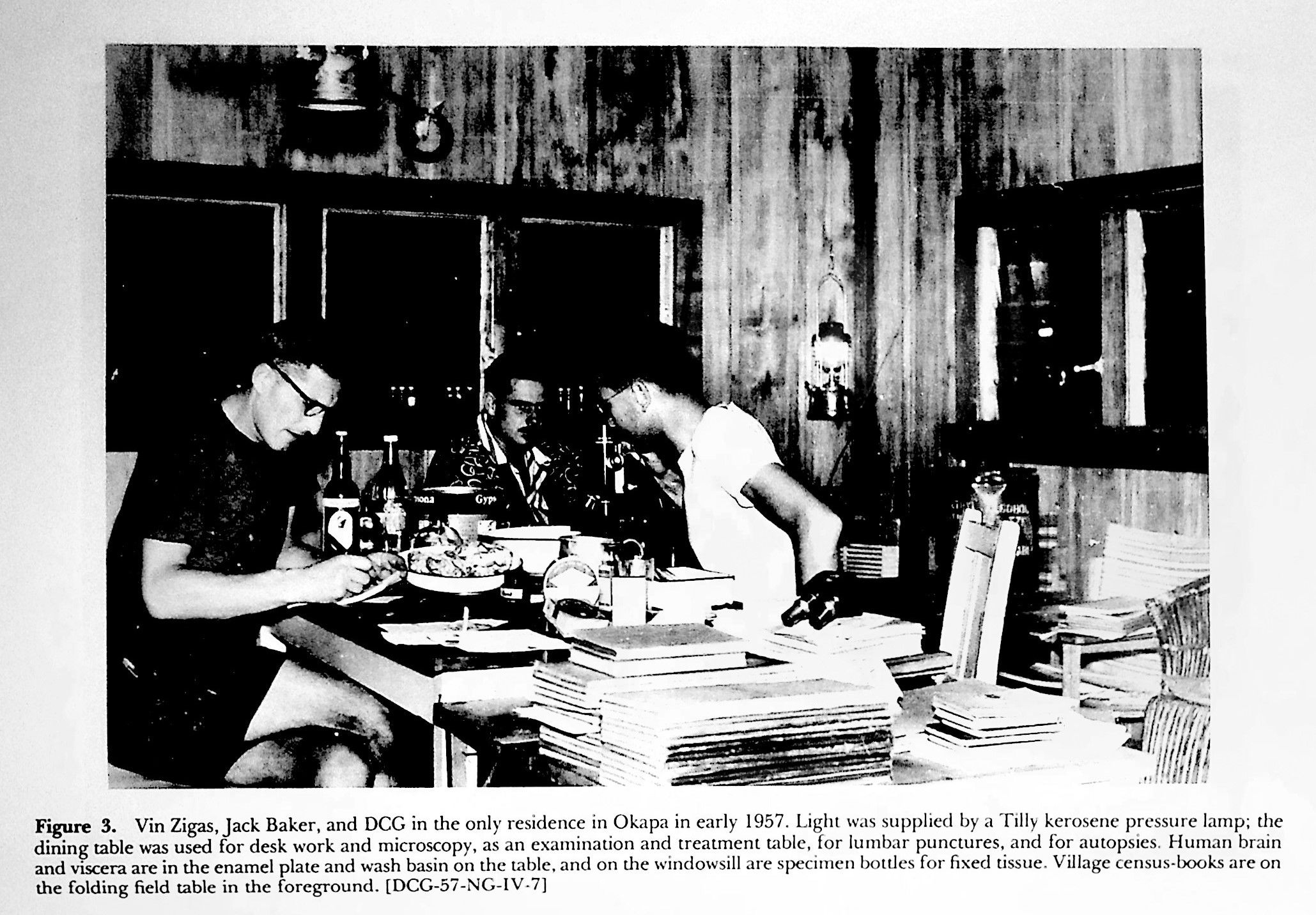
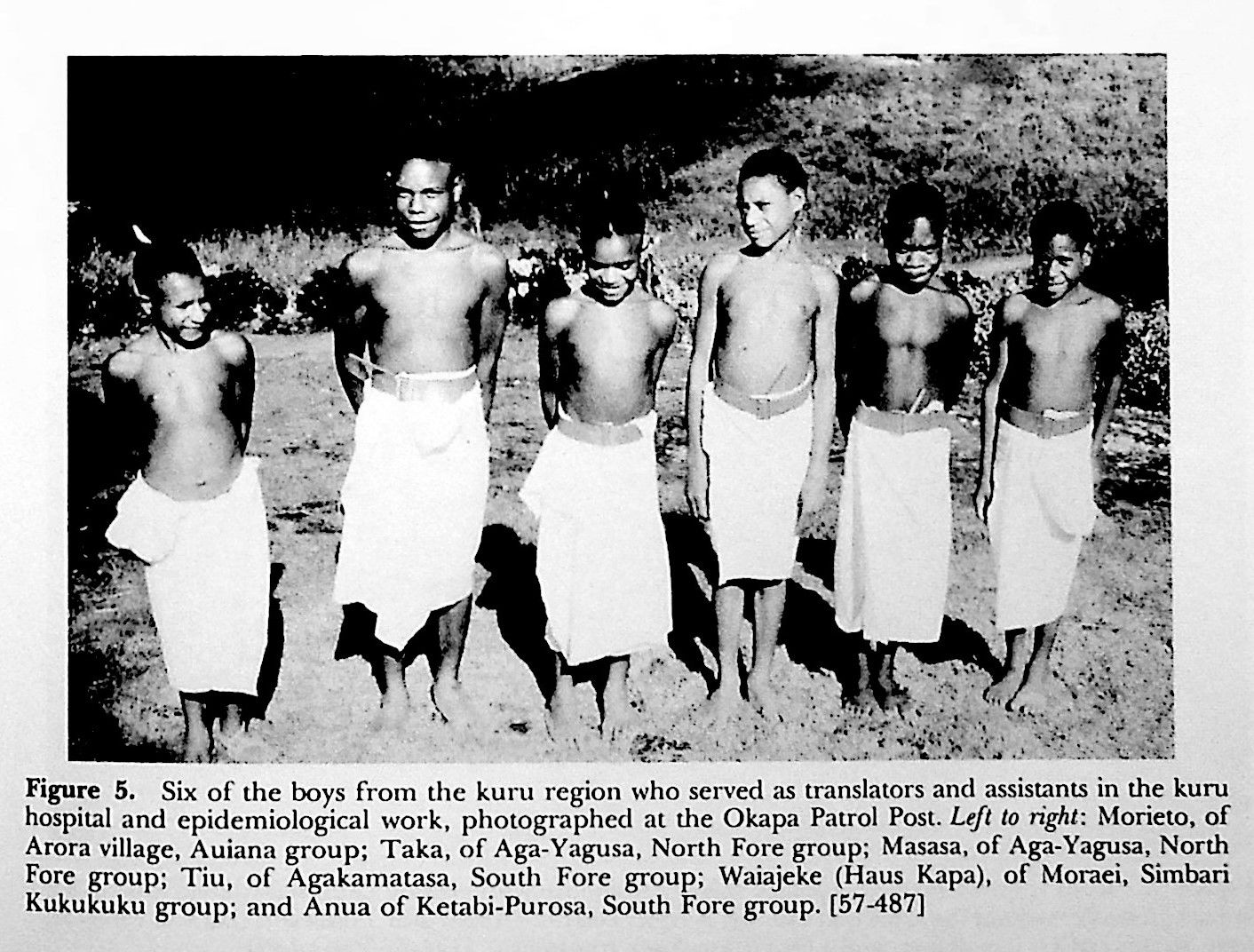
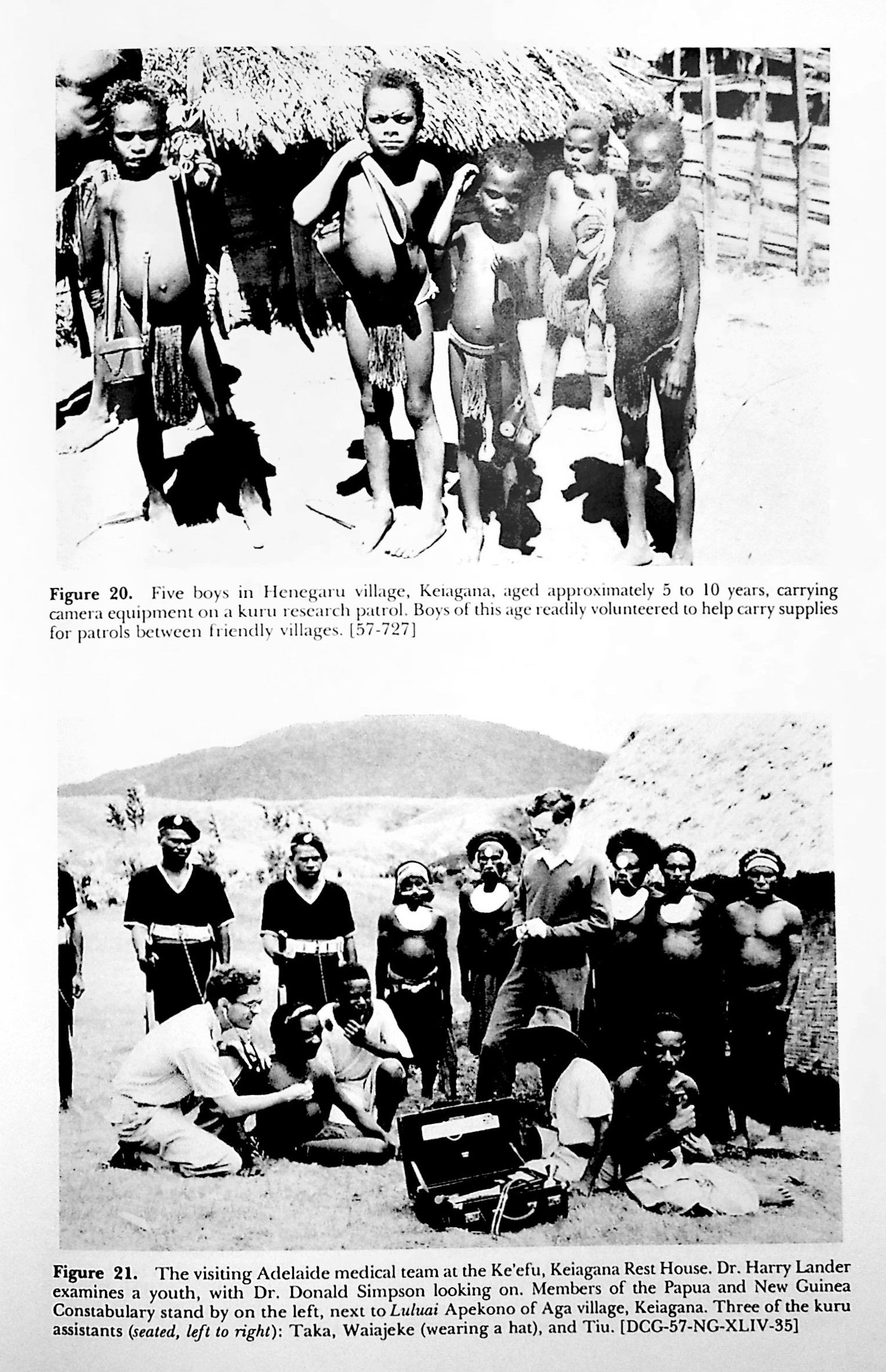
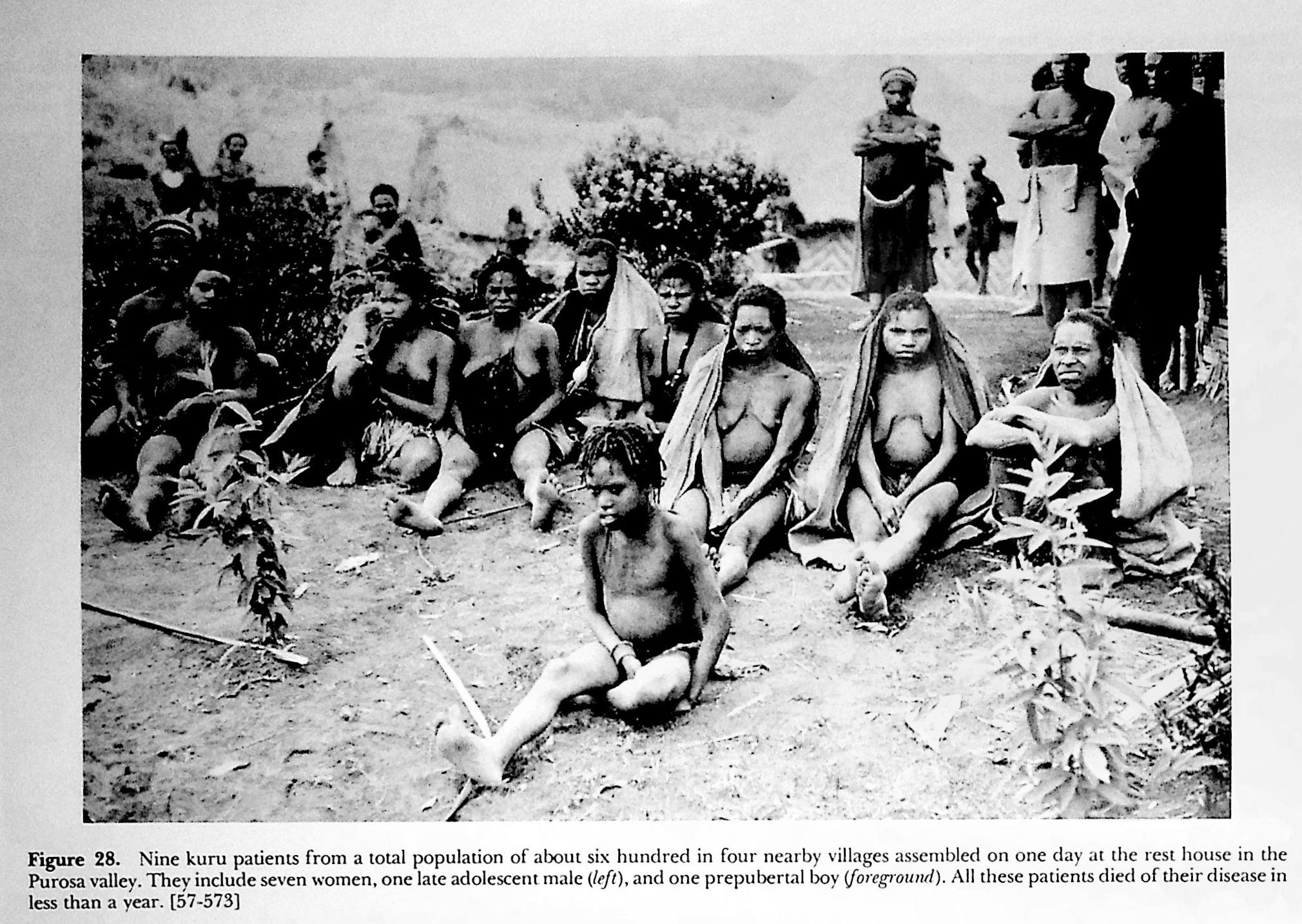
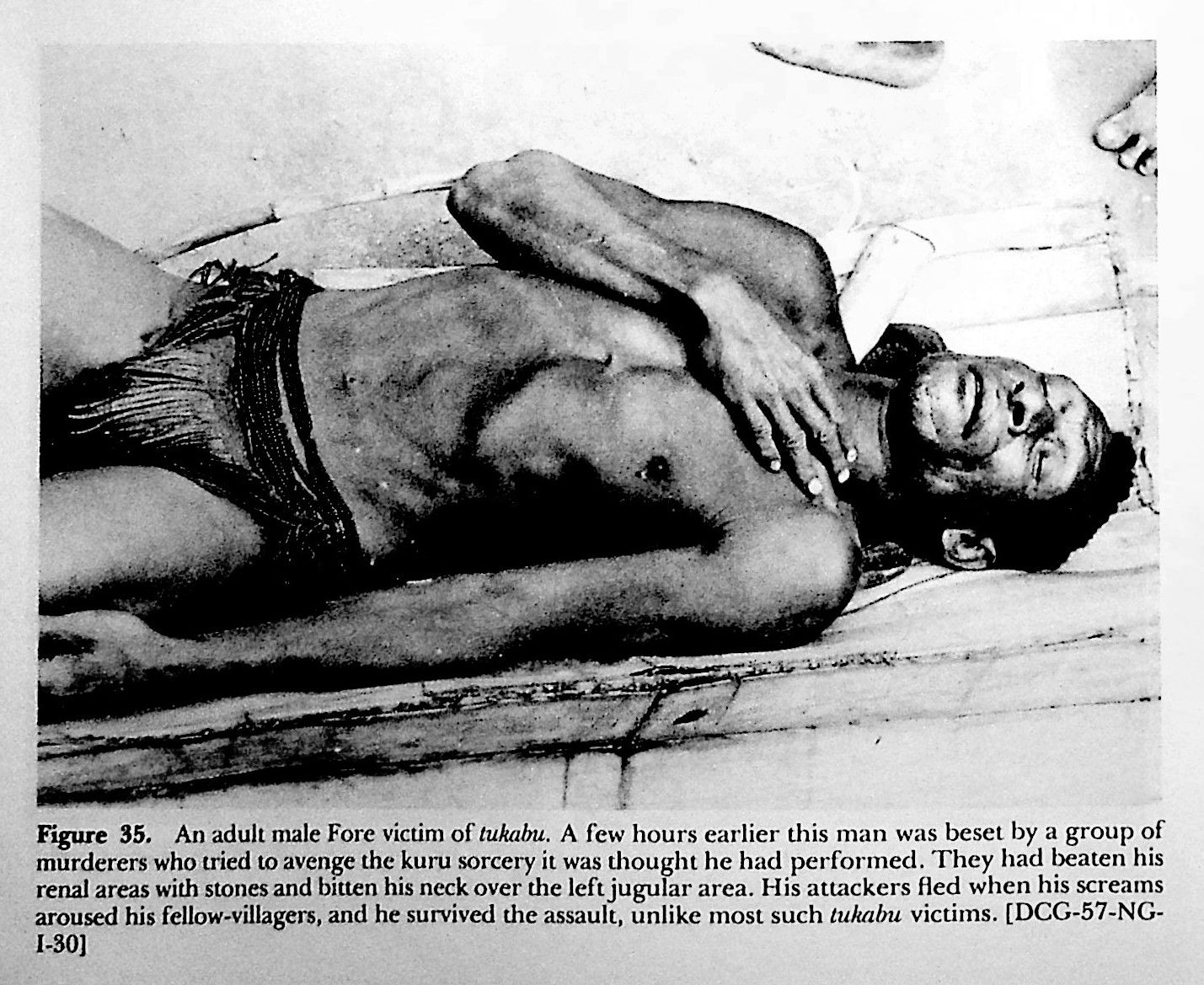
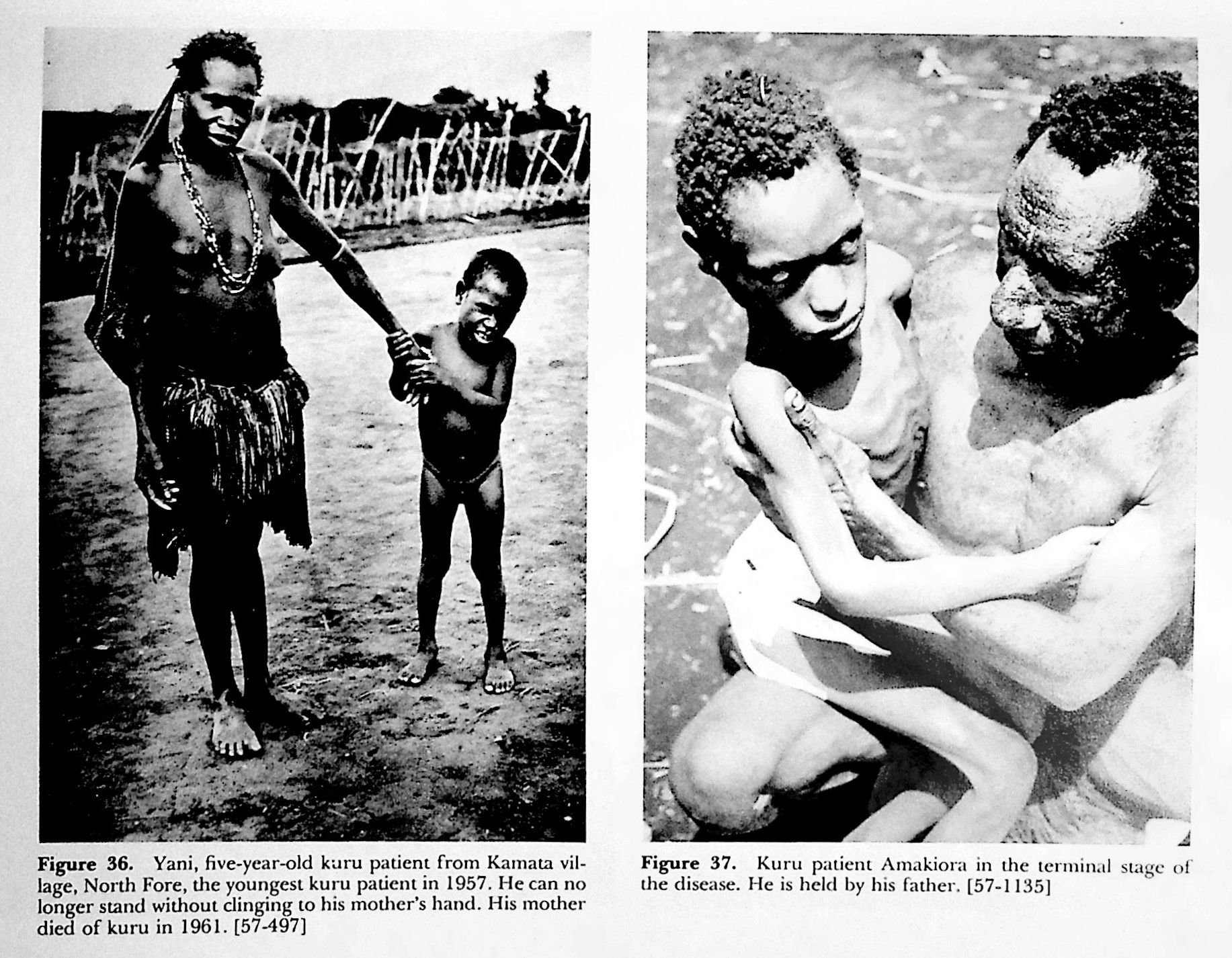
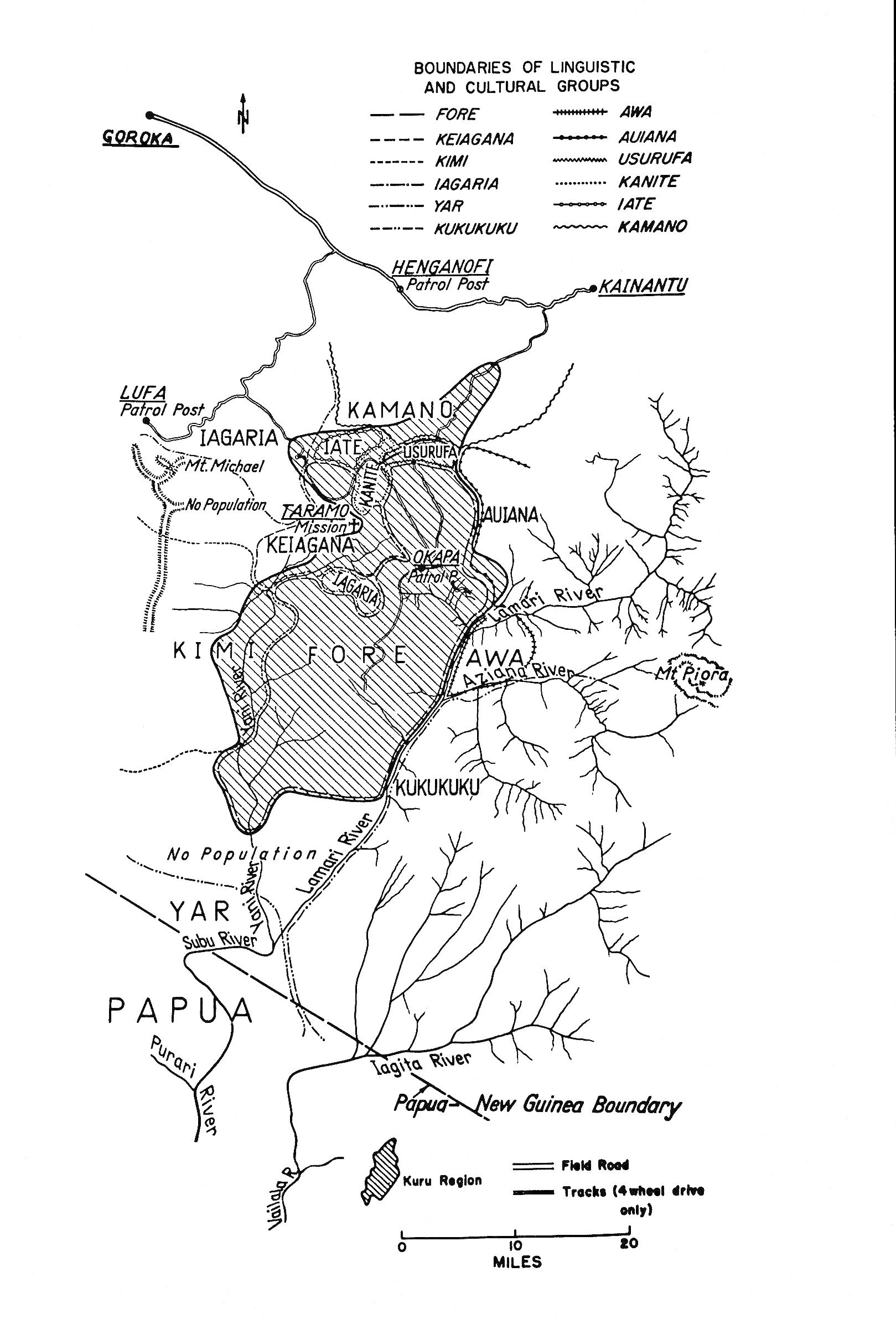
DANIEL CARLETON GAJDUSEK (1923 –2008) was an American physician and medical researcher who was the co-recipient (with Baruch S. Blumberg) of the Nobel Prize in Physiology or Medicine in 1976 for work on the transmissibility of kuru, implying the existence of an infectious agent, which he named an 'unconventional virus'. He obtained an M.D. from Harvard University in 1946 and performed postdoctoral research at Columbia University, the California Institute of Technology, and Harvard. In 1951, Gajdusek was drafted into the U.S. Army and assigned as a research virologist at the Walter Reed Army Medical Service Graduate School. In 1954, after his military discharge, he traveled for a year in the Middle East, North Africa, and Europe. His journals, correspondence, and photographs were published in 1991 by the National Institutes of Health (offered here). Following this year of traveling, he went to work as a visiting investigator at the Hall Institute of Medical Research in Melbourne, Australia, where he began the work that culminated in the Nobel prize. From 1970 to 1996, Gajdusek was the chief of the Laboratory of Central Nervous System Studies at NINDS at the National Institutes of Health. Gajdusek's best-known work focused on kuru. This disease was rampant among the South Fore people of New Guinea in the 1950s and 1960s. Gajdusek connected the spread of the disease to the practice of funerary cannibalism by the South Fore. With elimination of cannibalism, kuru disappeared among the South Fore within a generation. Gajdusek provided the first medical description of this unique neurological disorder. He lived among the Fore, studied their language and culture, and performed autopsies on kuru victims. Gajdusek concluded that kuru was transmitted by the ritualistic consumption of the brains of deceased relatives, which was practiced by the Fore. He then proved this hypothesis by successfully transmitting the disease to primates and demonstrating that it had an unusually long incubation period of several years.
JUDITH FARQUHAR (born 1946) is professor emerita of anthropology at the University of Chicago. Her research focuses on the history and practice of traditional Chinese medicine in modern China, and on cultures of health and embodiment in both rural and urban China.
Details
Title
SIGNED. Kuru. Early Letters and Field-Notes from the Collection of D. Carleton Gajdusek
Author
Farquhar, Judith and Gajdusek, D.Carleton
Binding
cloth binding
Condition
Unknown
Publisher
Raven Press: New York
Date
1981
Edition
First edition