

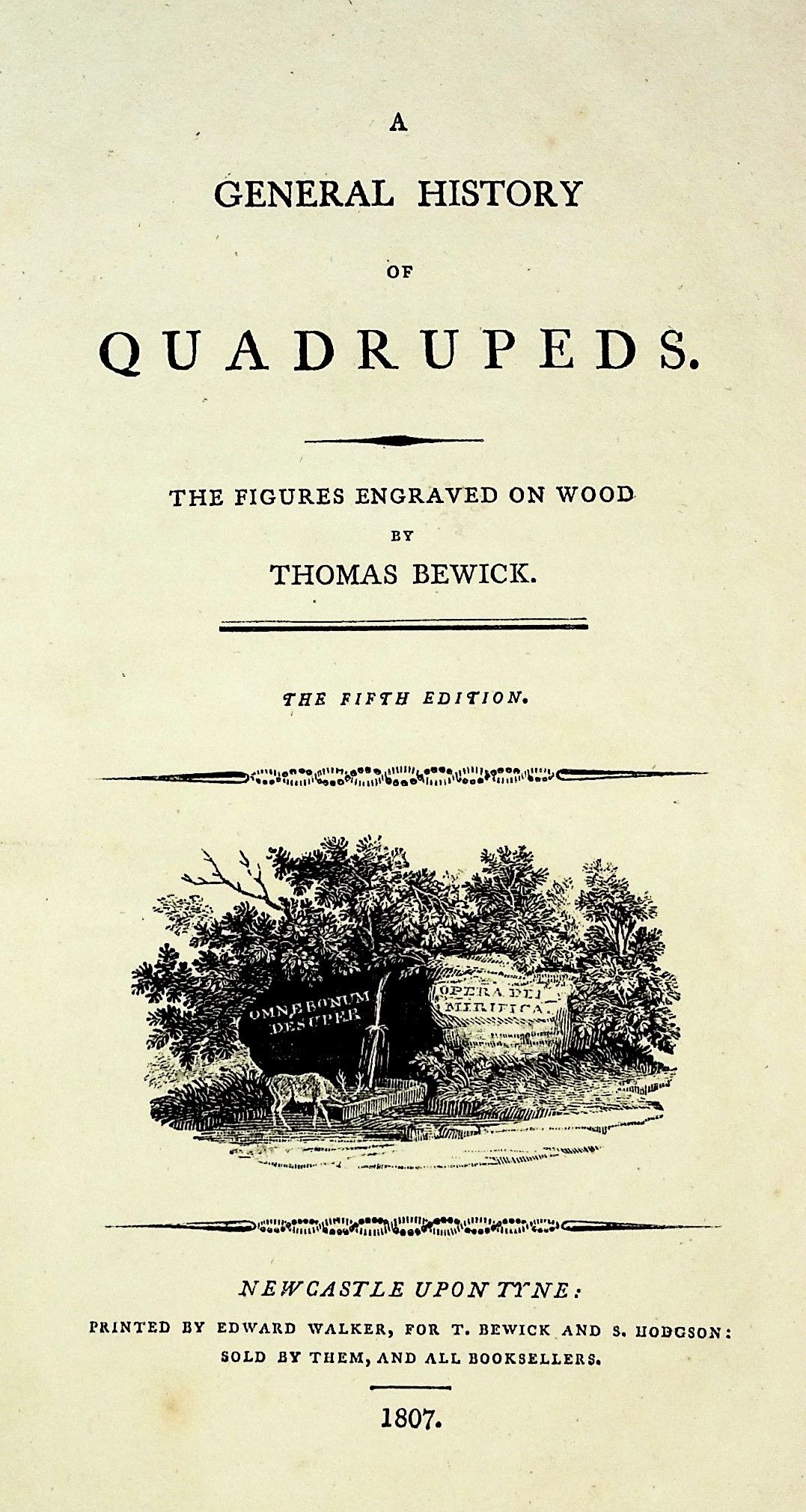
A General History of Quadrupeds. The Figures Engraved on Wood
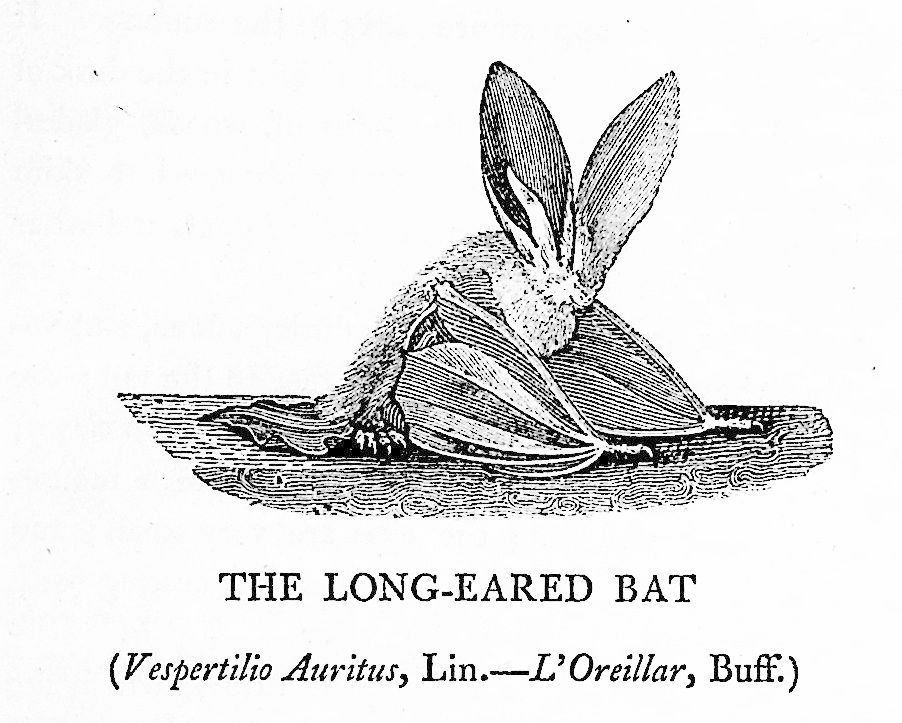
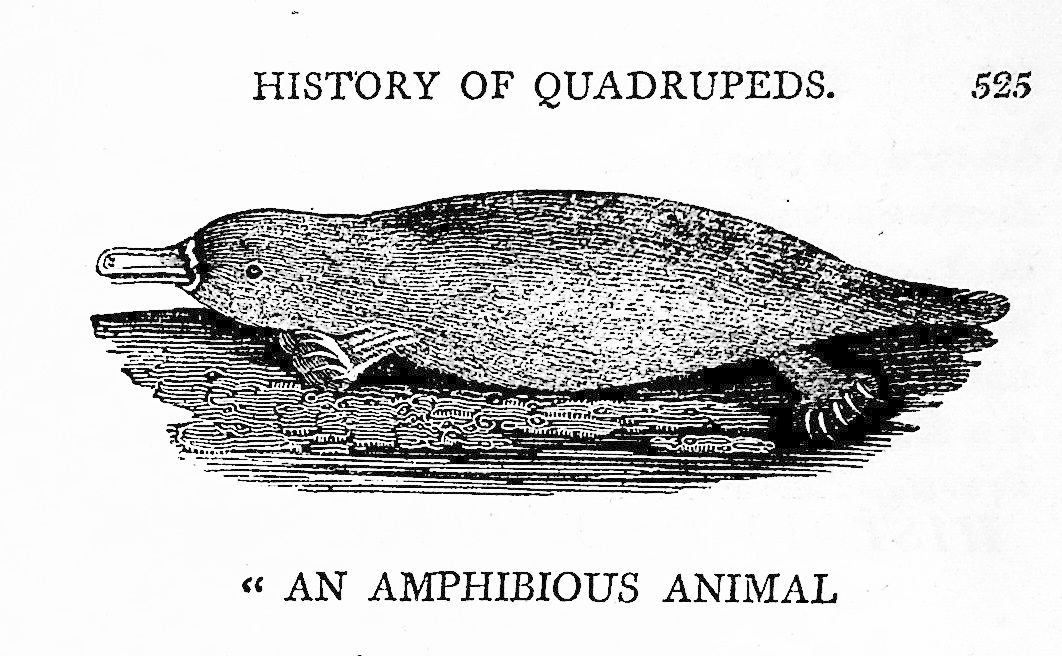
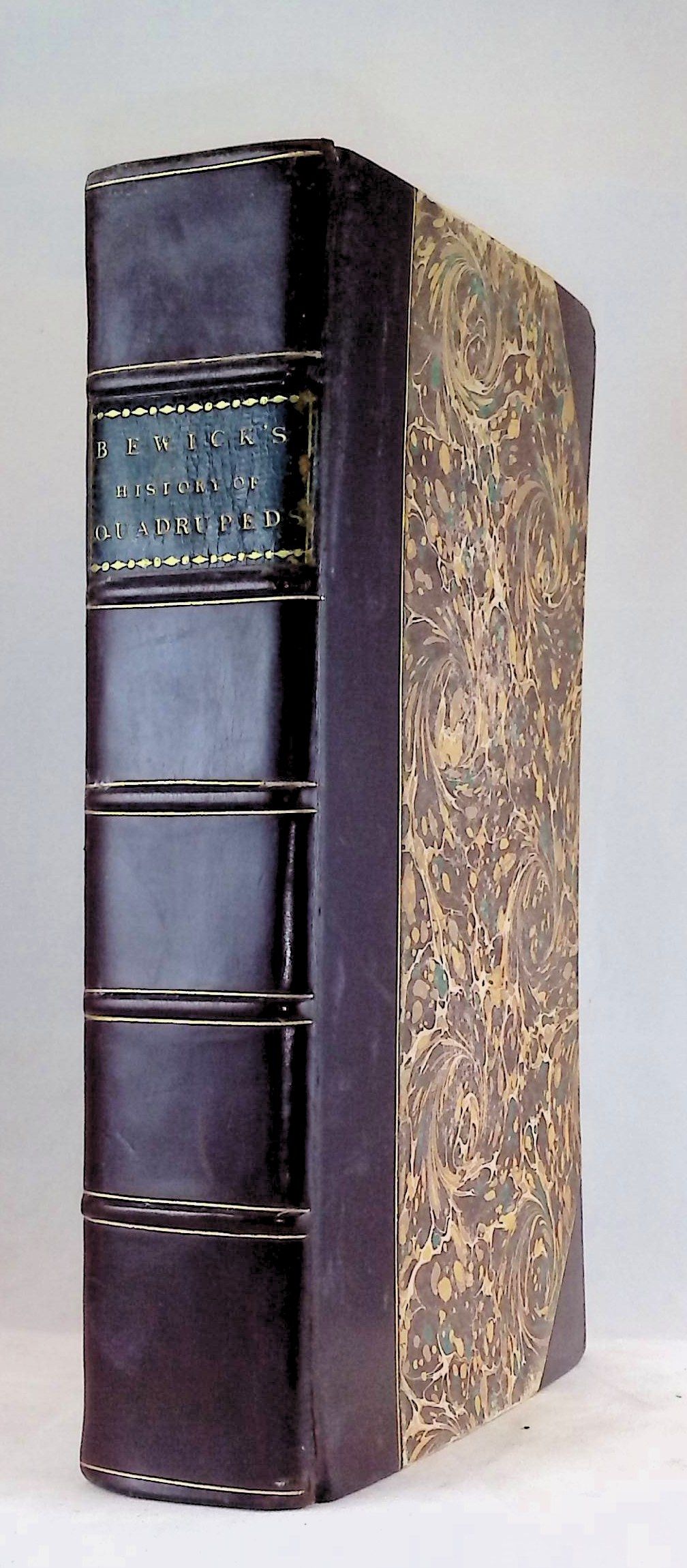
- 3/4 leather binding
- Newcastle upon Tyne: Edward Walker, 1807
Newcastle upon Tyne: Edward Walker, 1807. Fifth edition. 1807
FINE COPY OF BEWICK'S QUADRUPEDS WITH HUNDREDS OF DETAILED WOOD ENGRAVINGS.
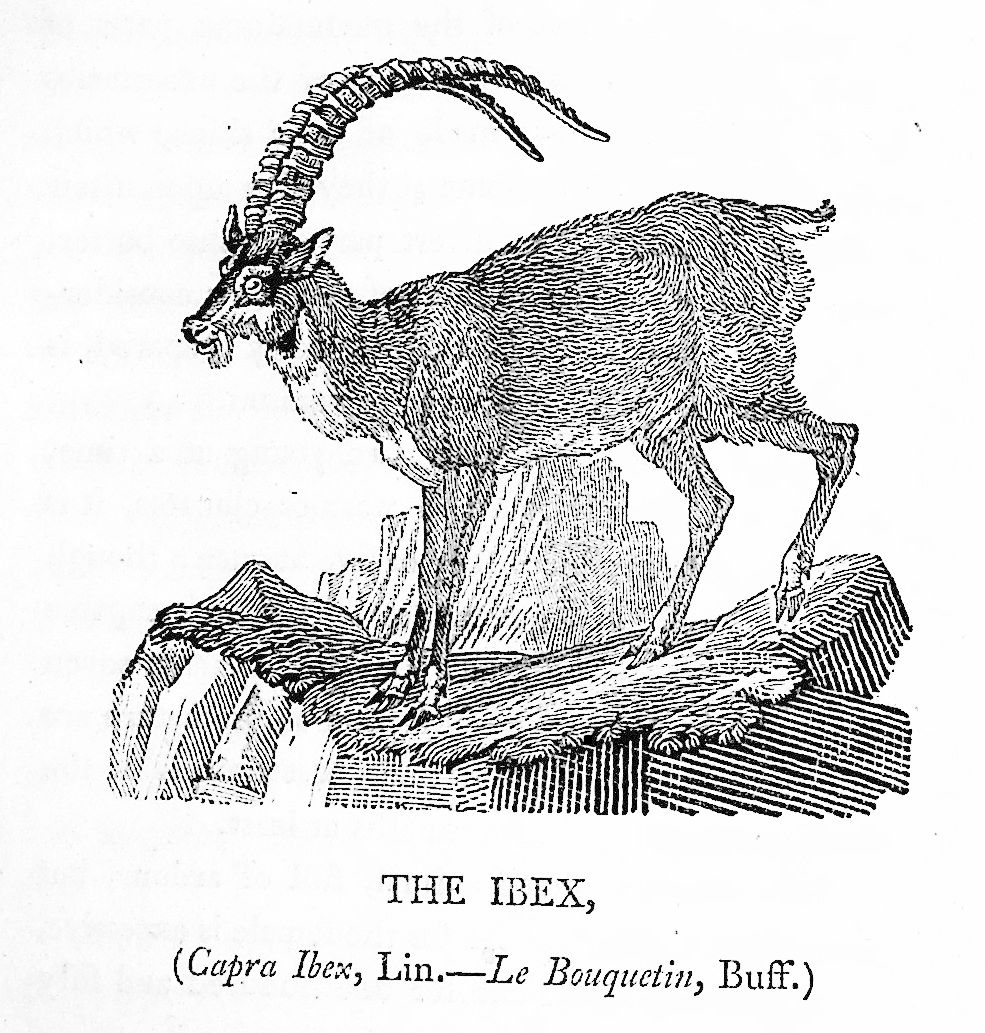
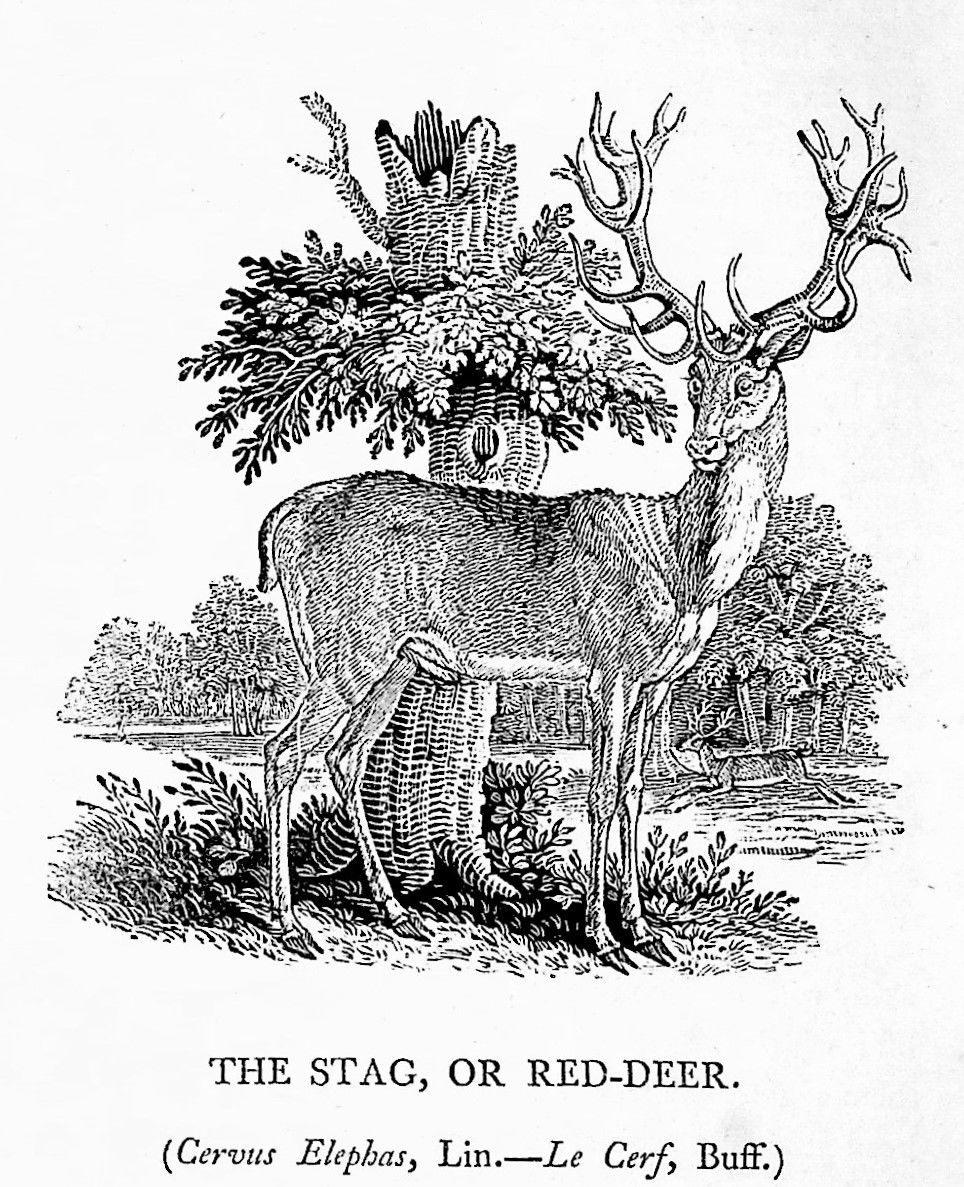
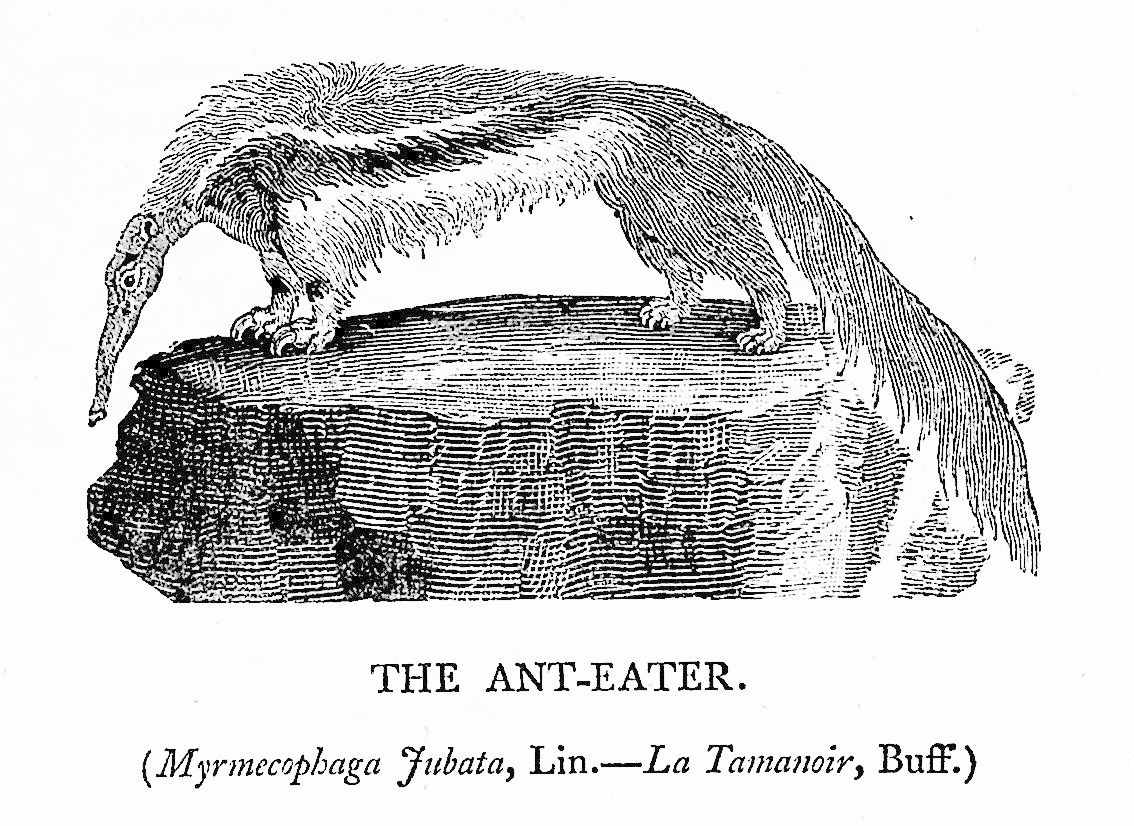
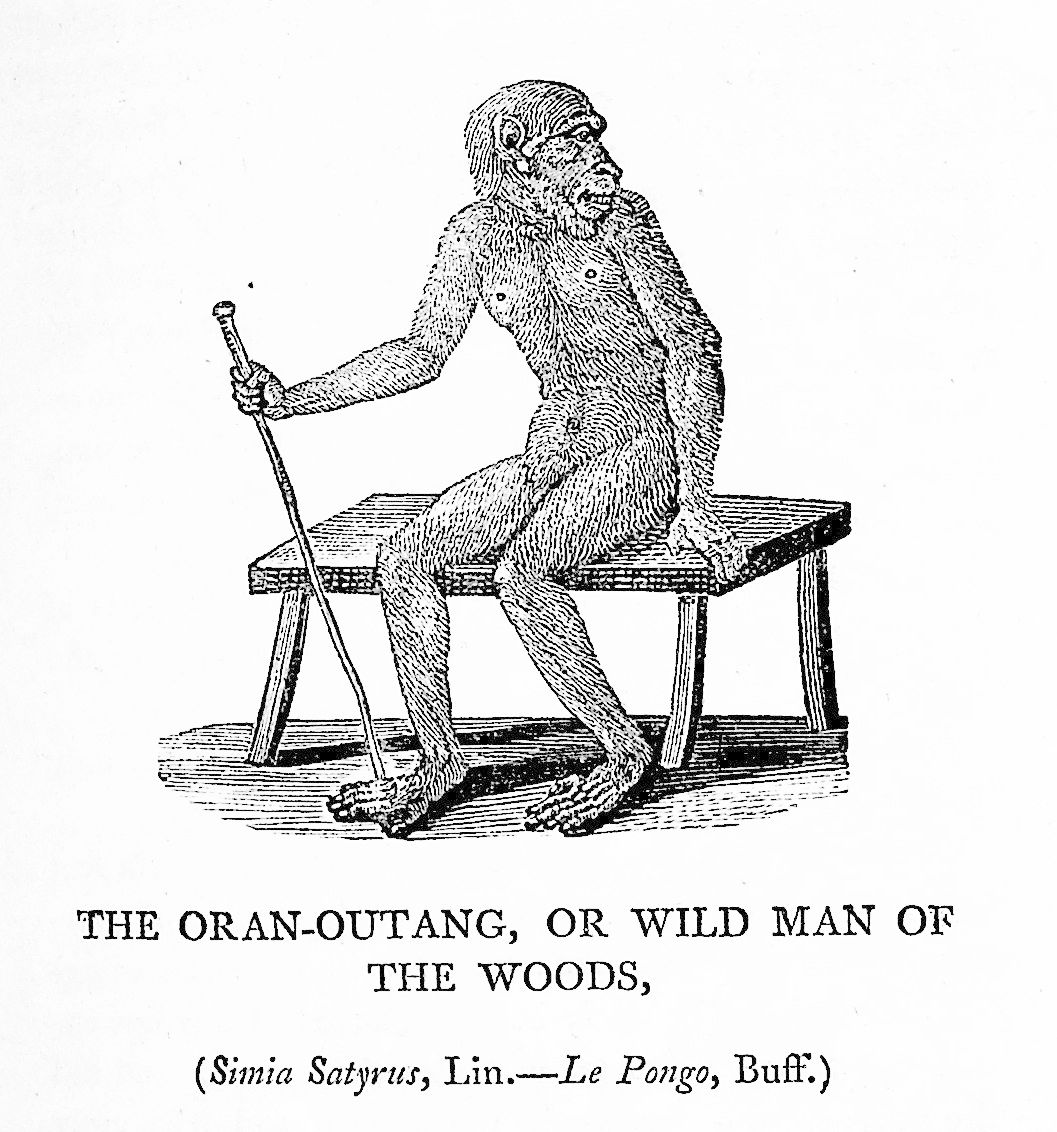
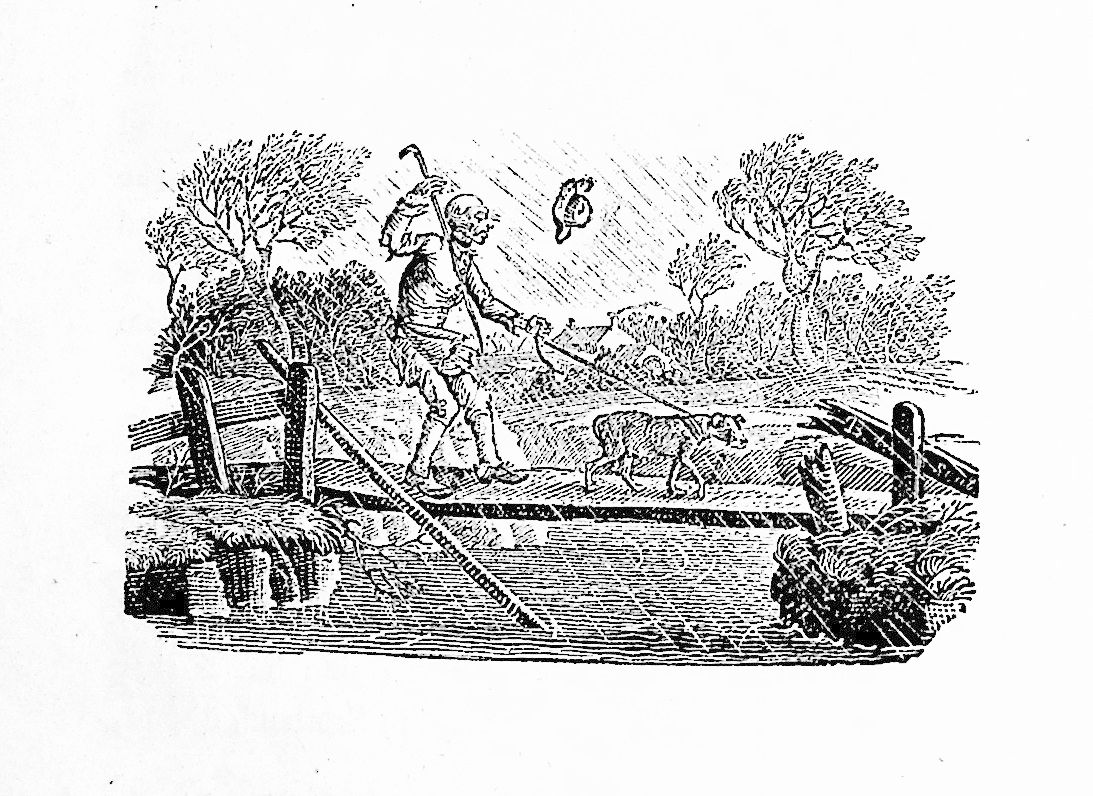
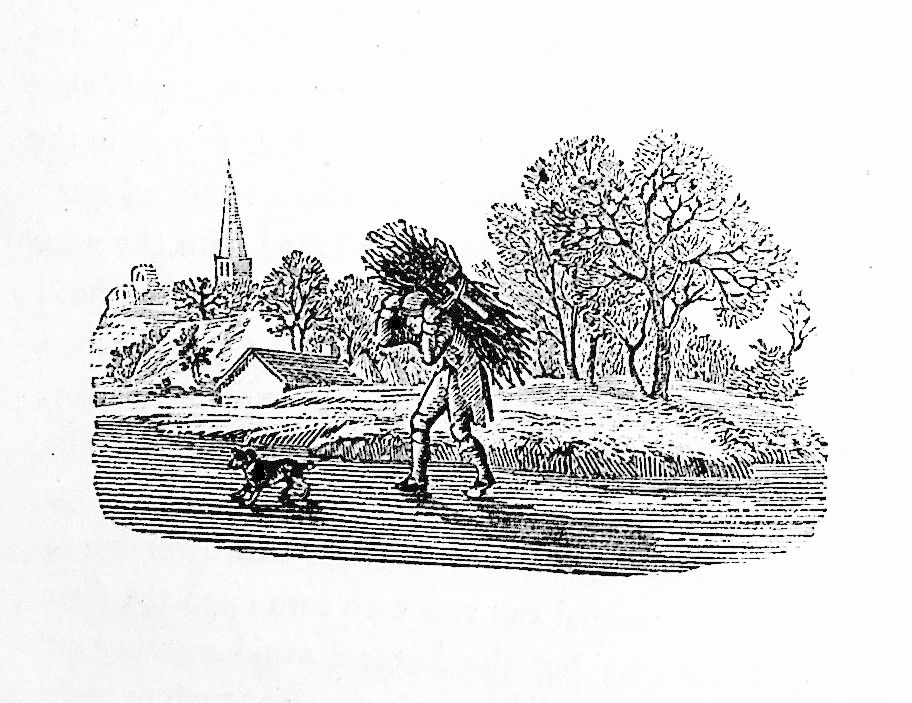
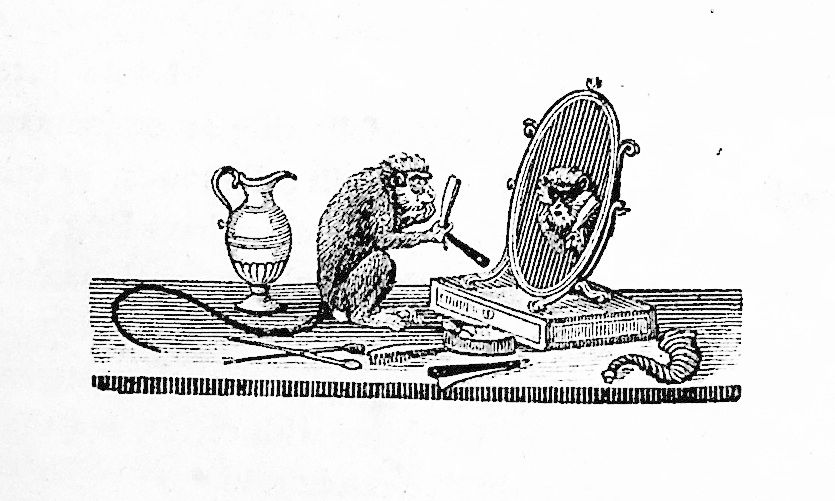
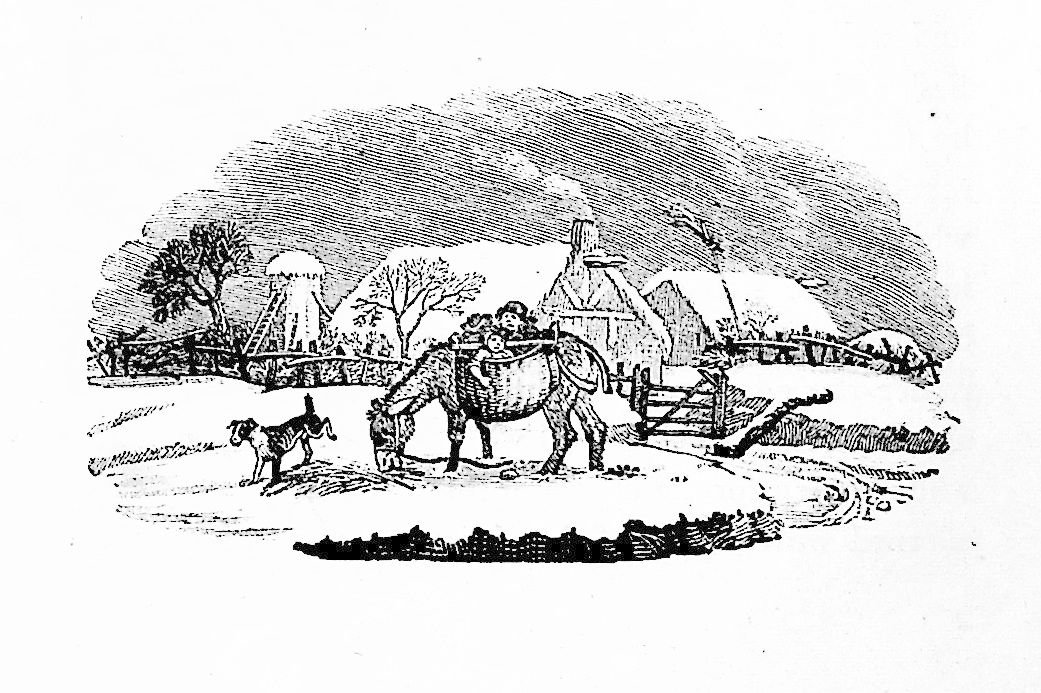
16X26 cm hardcover, recent 3/4 leather binding, marbled paper covered boards, spine with raised bands and original gilt black leather label, marbled endpapers, bookplates of N.S.R. Maluf, surgeon, and Robert L. Chevalier MD to front paste-down. i-x, 525 pp, [1], over 200 wood engravings of mammals and over 100 small, sharply observed, and often humorous vignettes known as tail-pieces. This is a beautiful volume with clean fine binding, heavy paper with wide margins, unmarked with minimal age toning, in a custom archival mylar cover. Addenda in the last pages describes the Australian wombat and platypus. "We are favoured, by the Literary and Philosophical Society of Newcastle upon Tyne, with the figures and descriptions of two very rare animals, sent to them from New South Wales, by James Hunter, Esq. Governor of that settlement."
THOMAS BEWICK (1753 – 1828) was an English wood-engraver and natural history author. At the age of 14 he was apprenticed to Ralph Beilby, an engraver in Newcastle, where he learnt how to engrave on wood and metal. Early in his career he took on all kinds of work such as engraving cutlery, making the wood blocks for advertisements, and illustrating children's books. Boxwood cut across the end-grain is hard enough for fine engraving, allowing greater detail than in normal woodcuts; this has largely replaced the basic woodcut since Bewick's time. In addition, since wood engraving is a relief printing technique, inked on the face, it requires only low pressure to print an image, so the blocks last for many thousands of prints, and importantly can be assembled into the same forme as the letterpress or metal type for the text, allowing both on the same page, and all the printing to be done in a single run. In 1776 Bewick became a partner in Beilby's workshop. The joint business prospered, becoming Newcastle's leading engraving service with an enviable reputation for high-quality work and good service. Bewick had at least 30 pupils who worked for him and Beilby as apprentices. The partners published their History of Quadrupeds in 1790, intended for children but reaching an adult readership, and its success encouraged them to consider a more serious work of natural history. In preparation for this Bewick spent several years engraving the wood blocks for Land Birds, the first volume of A History of British Birds. In April 1827, the American naturalist and bird painter John James Audubon came to Britain to find a suitable printer for his enormous Birds of America. Bewick, still lively at age 74, showed him the woodcut he was working on, a dog afraid of tree stumps that seem in the dark to be devilish figures, and gave Audubon a copy of his Quadrupeds for his children.
Details
Title
A General History of Quadrupeds. The Figures Engraved on Wood
Author
Bewick, Thomas
Binding
3/4 leather binding
Condition
Unknown
Publisher
Edward Walker: Newcastle upon Tyne
Date
1807
Edition
Fifth edition