

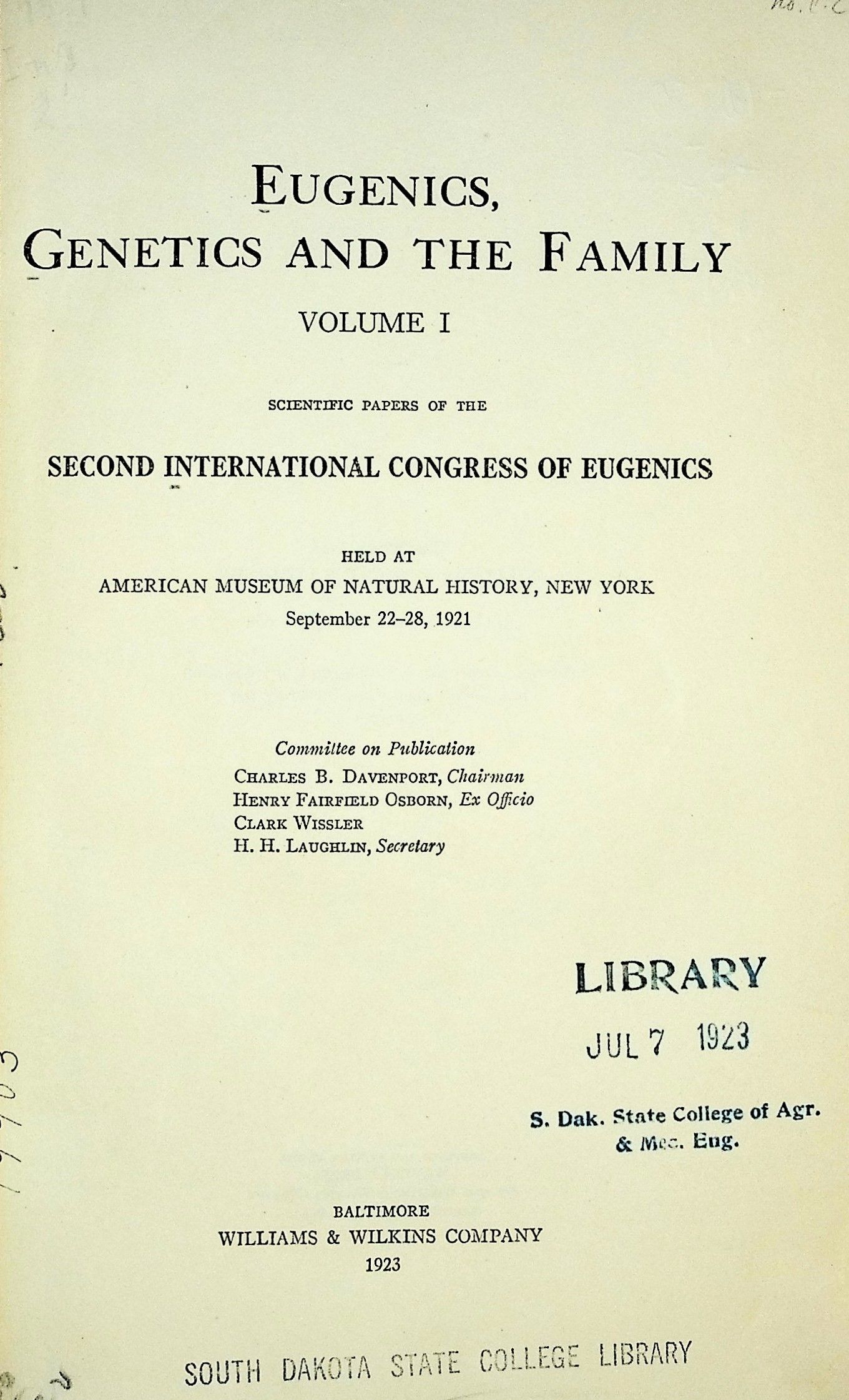
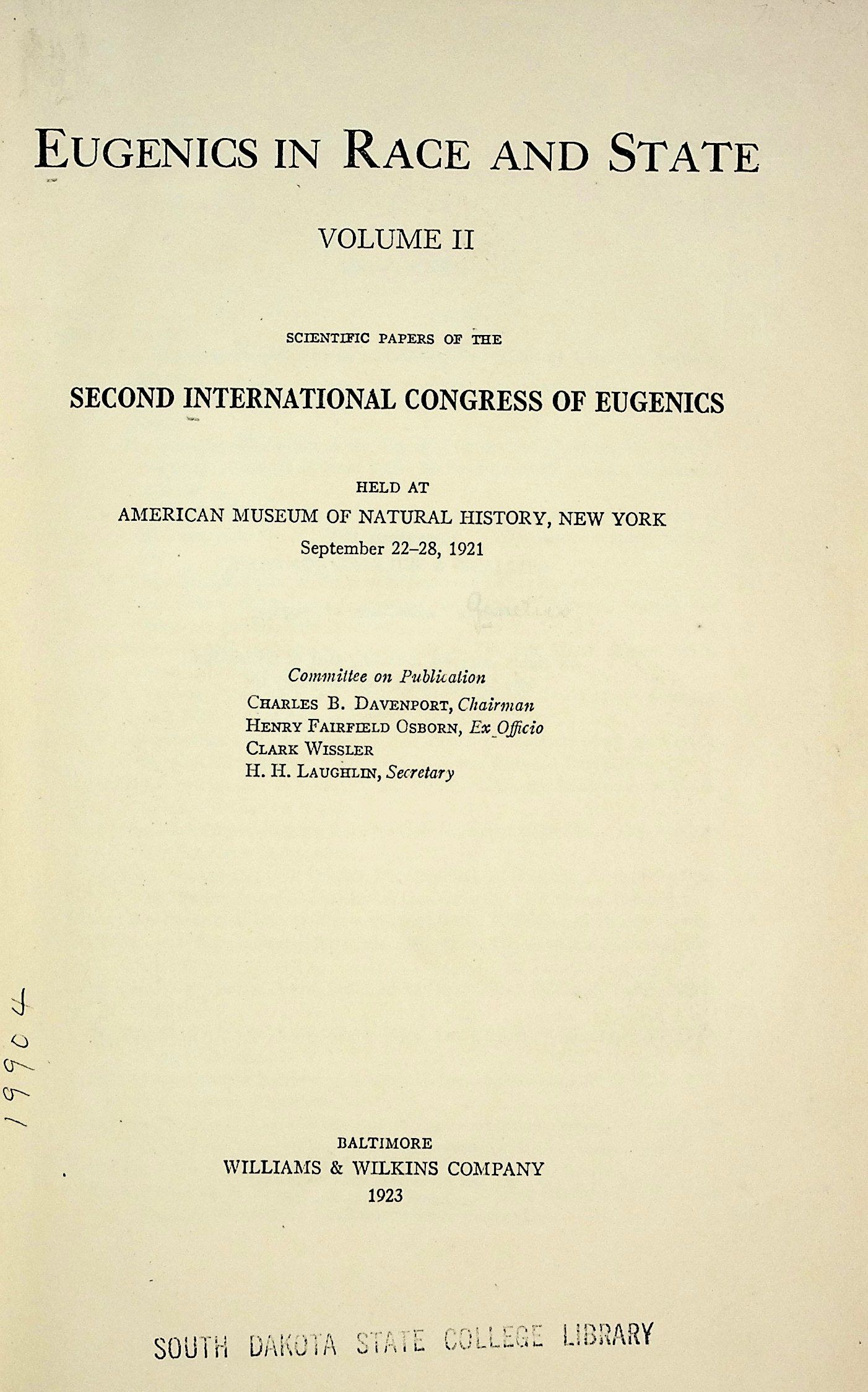
EUGENICS CONGRESS 1923. Eugenics, Genetics and the Family, Vol I. ;Eugenics in Race and State, Vol II: Scientific Papers of the Second International Congress of Eugenics
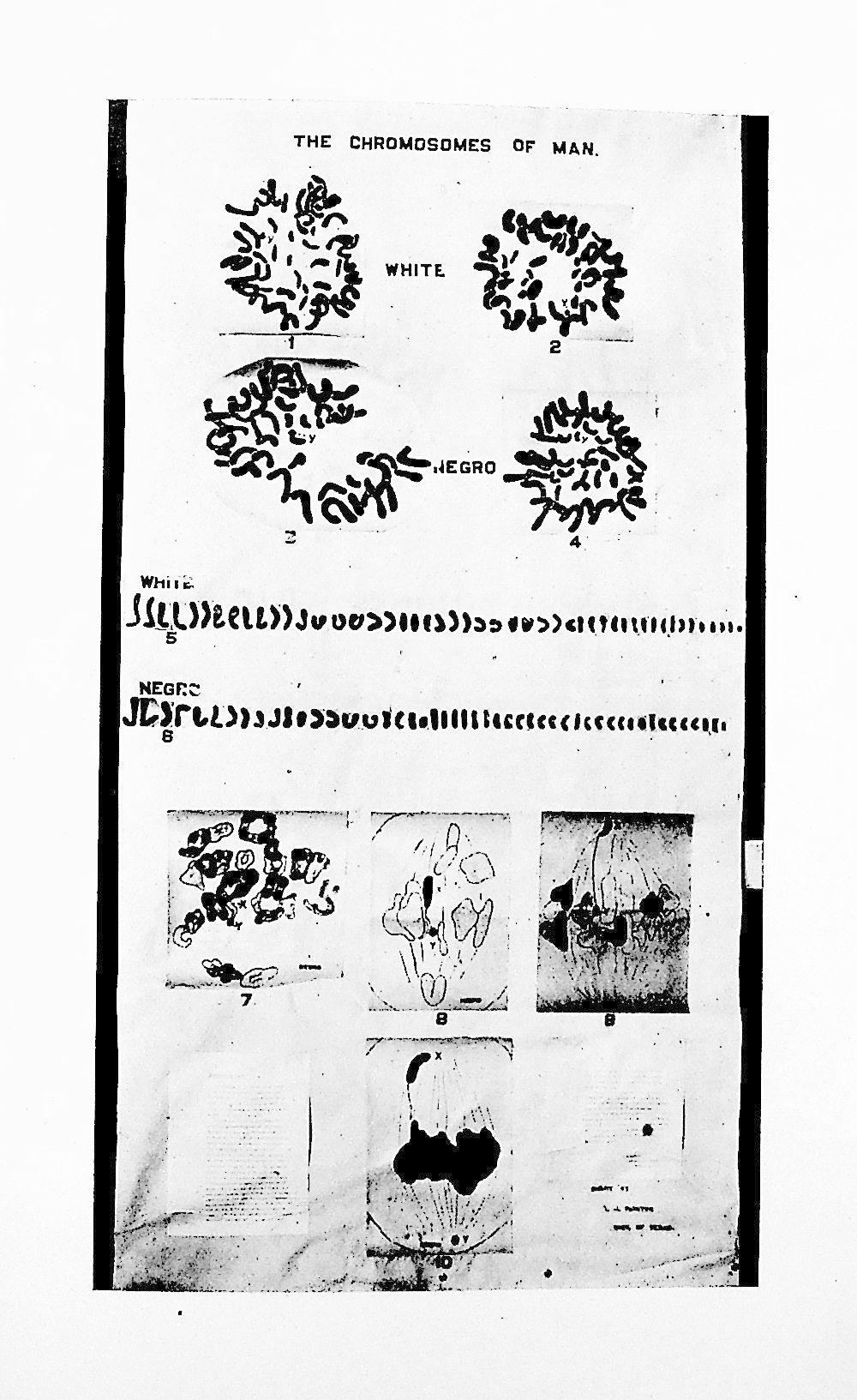
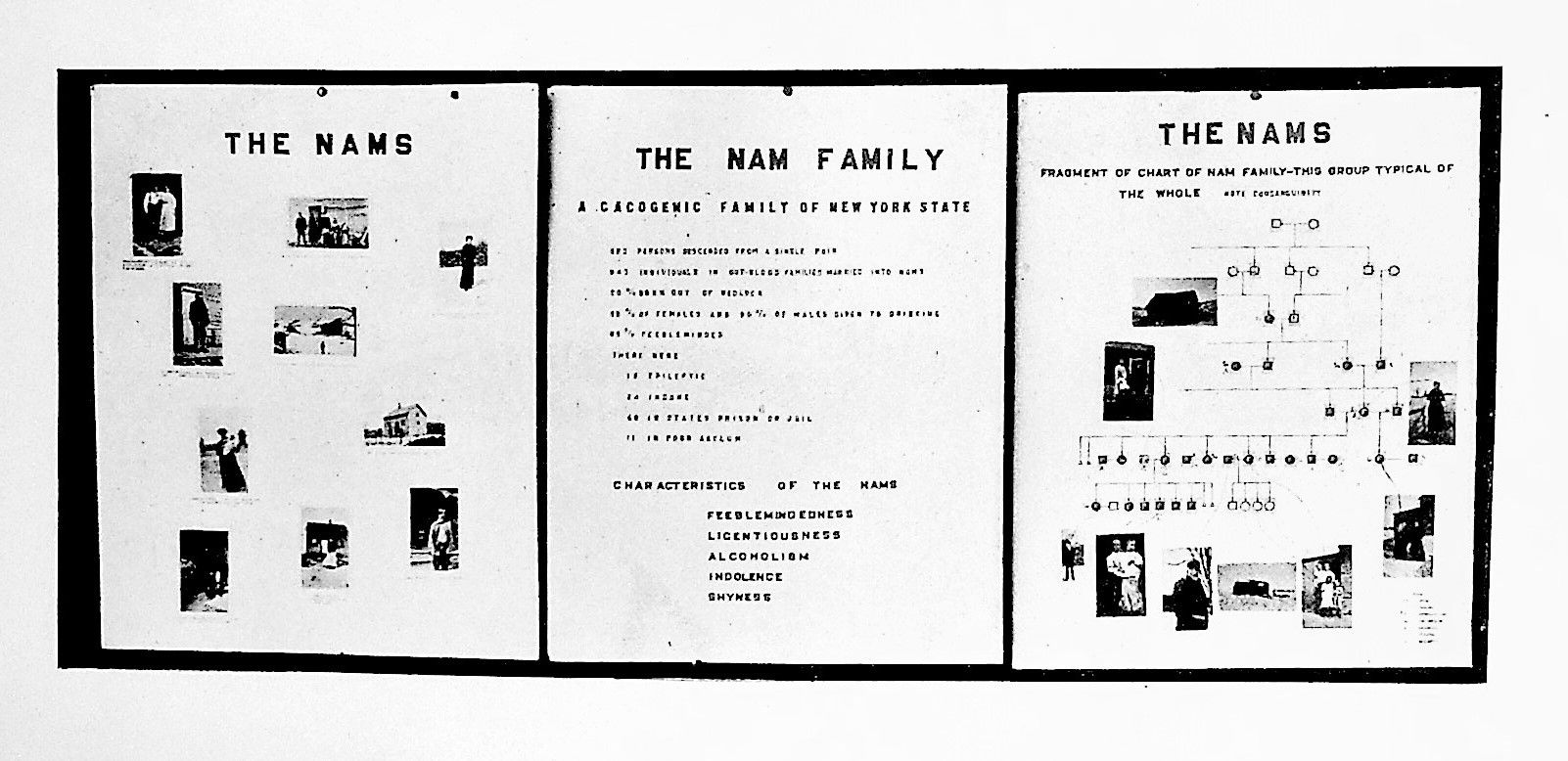
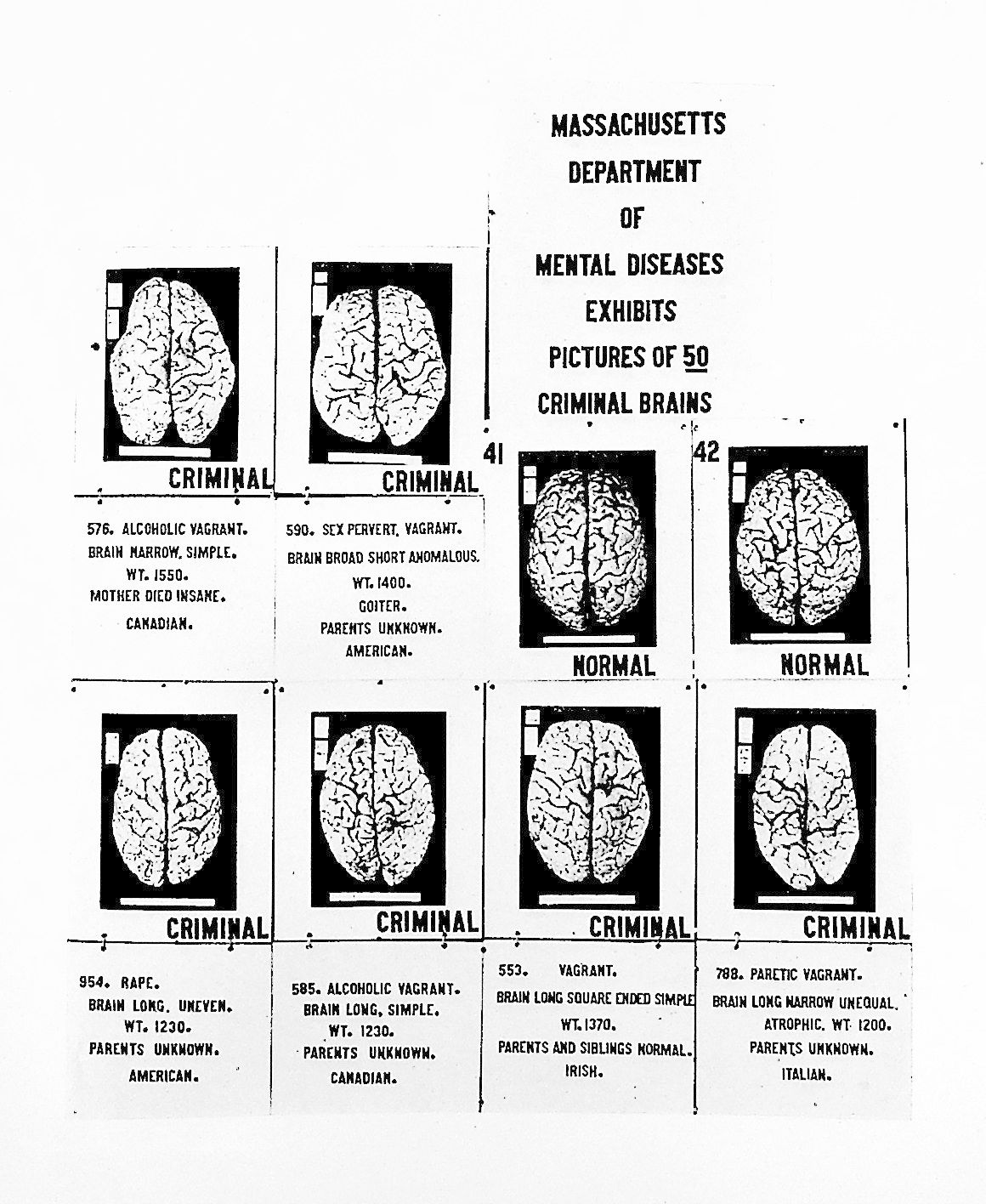
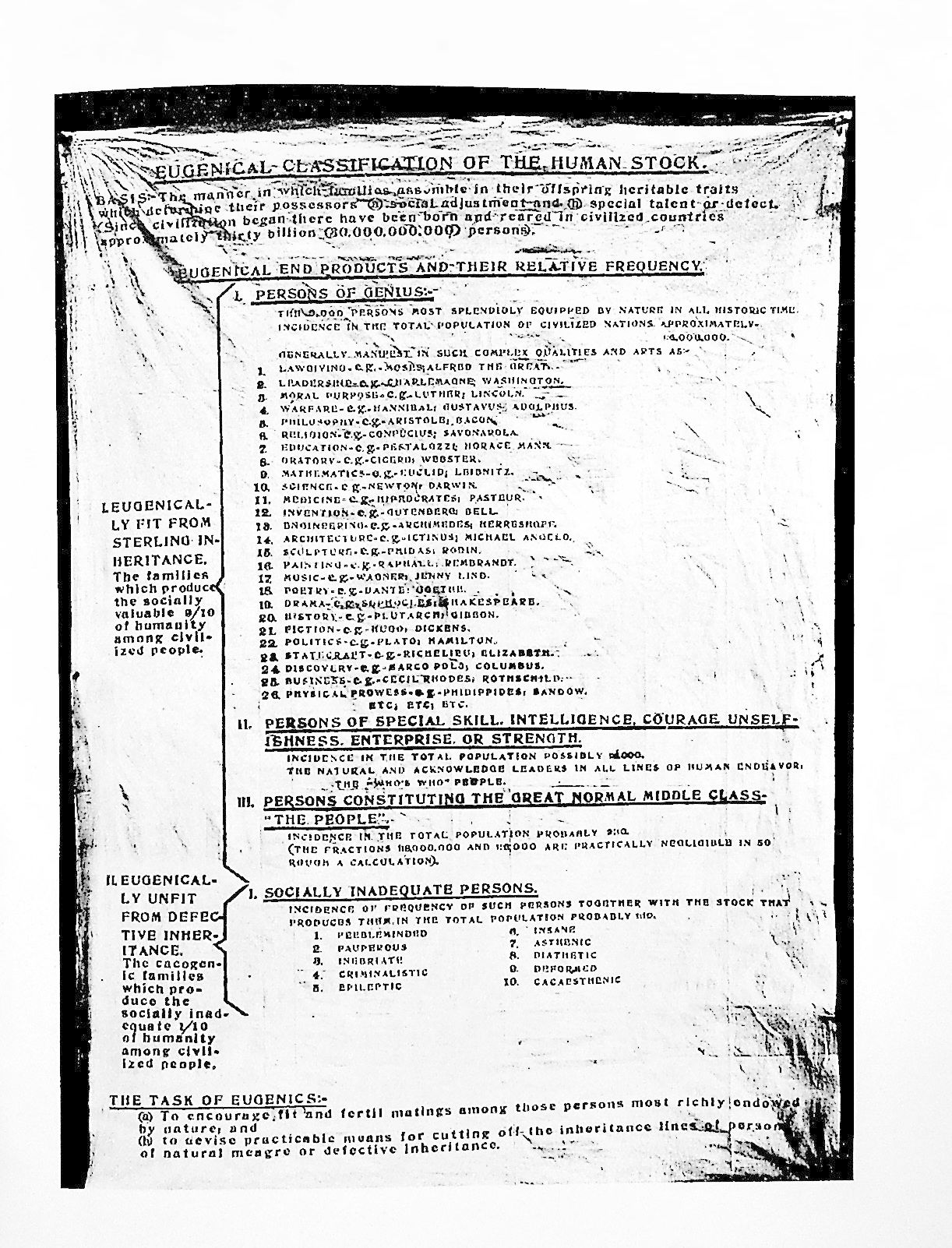
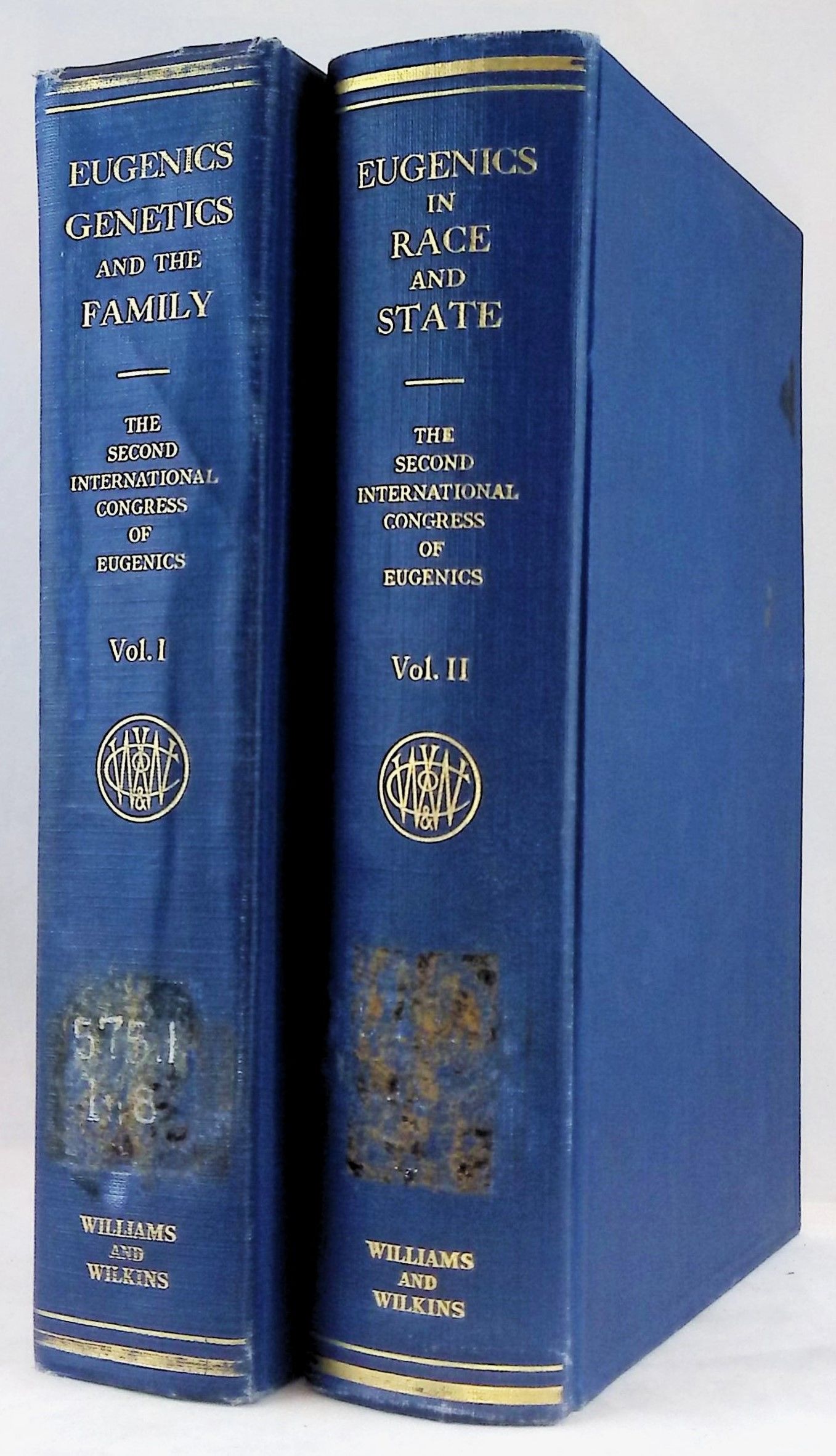
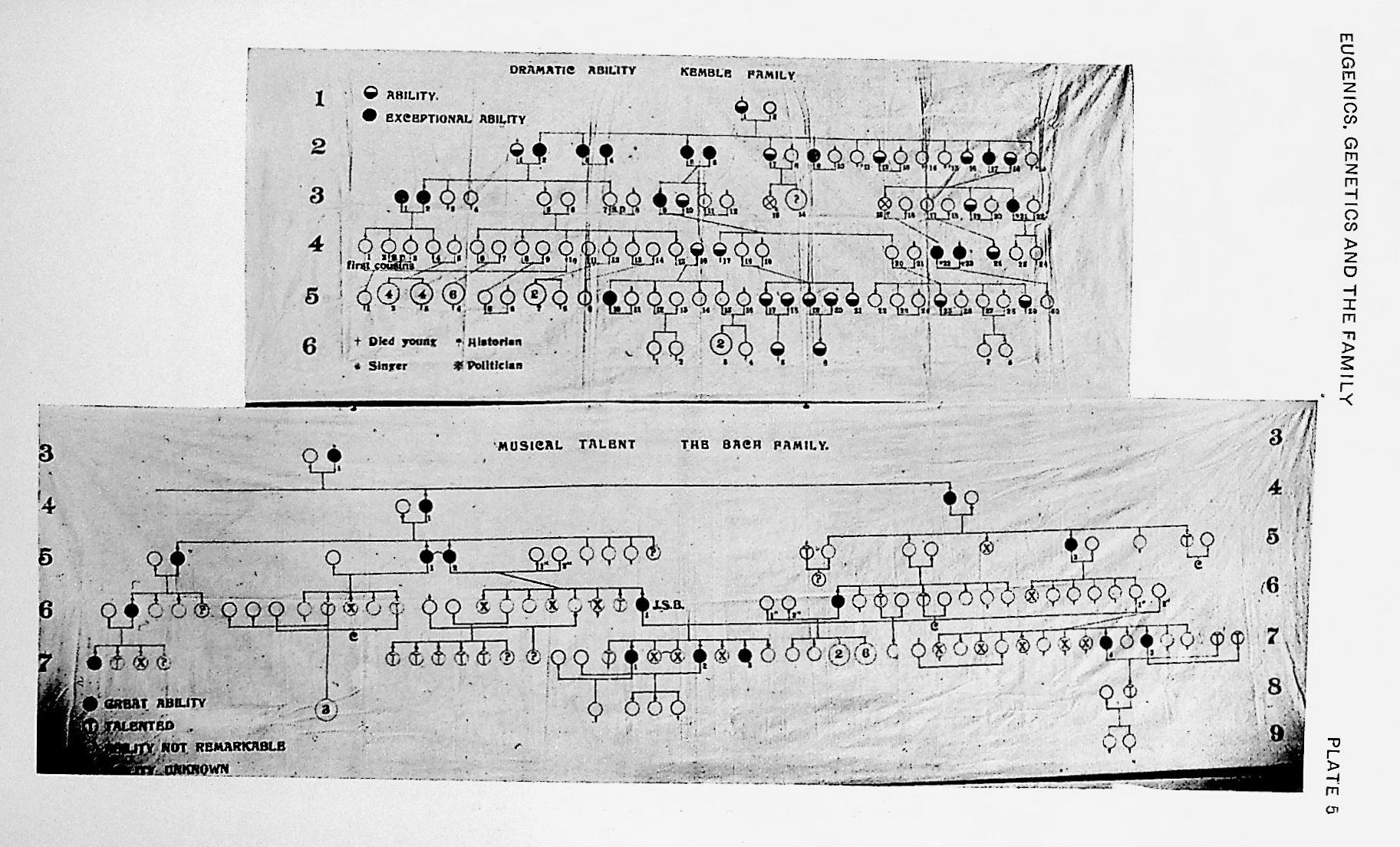
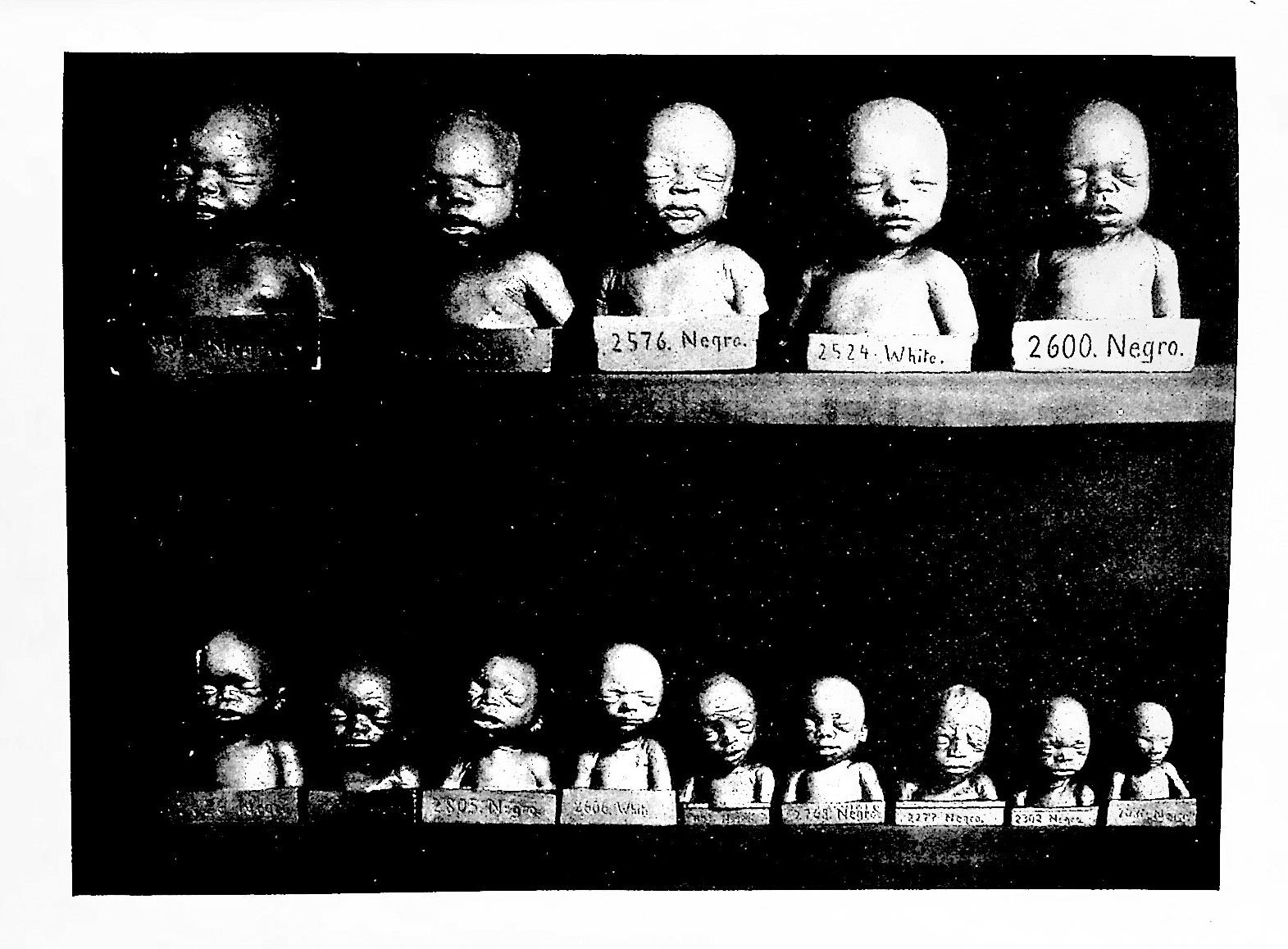
- cloth binding
- Baltimore: Williams and Wilkins, 1923
Baltimore: Williams and Wilkins, 1923. First edition.
SCARCE PROCEEDINGS OF SECOND INTERNATIONAL EUGENICS CONGRESS--ALEXANDER GRAHAM BELL HONORARY PRESIDENT.
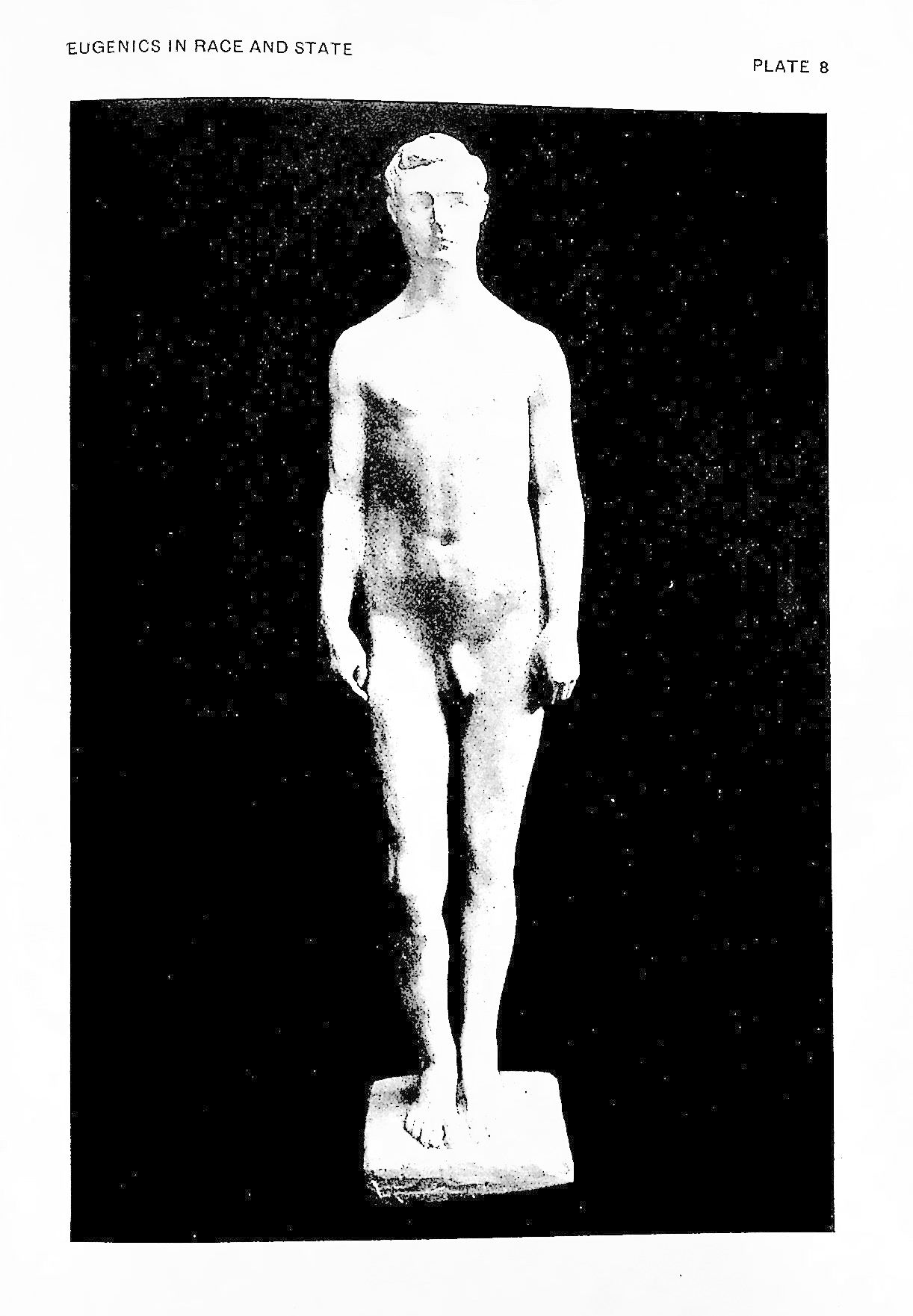
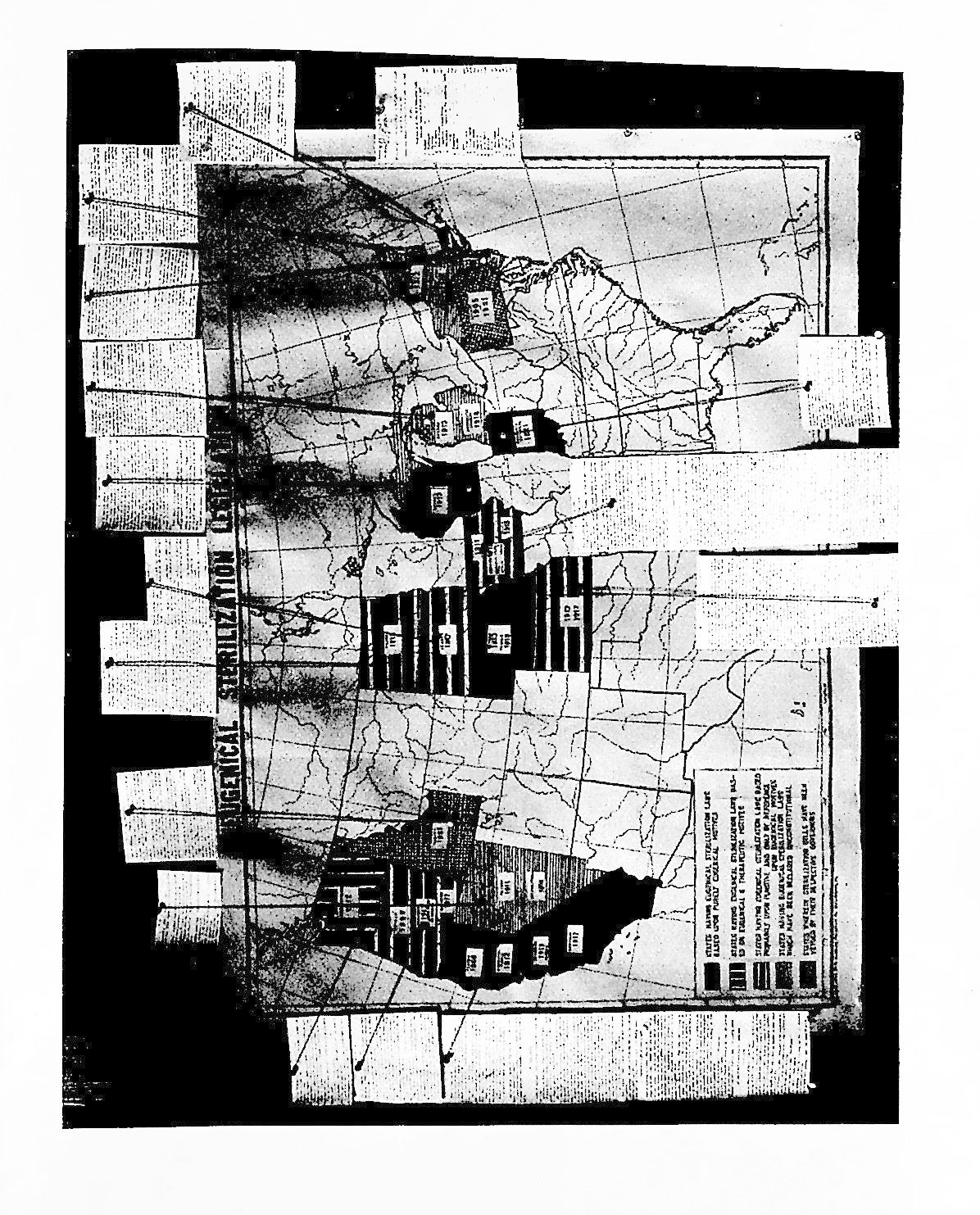
Two hardcover volumes, 15x23 cm, blue cloth binding with gilt title to spine. Vol. I, frontispiece portrait of Alexander Graham Bell, "Honorary president of the Second International Congress of Eugenics, and pioneer investigator in the field of human heredity," i-x, 439 pp, 24 photgraphic plates, text figures; Vol. II, frontispiece portrait of Henry Fairfield Osborn, "President of the Second International Congress of Eugenics. Photograph taken in Stockholm, on President Osborn's sixty-fourth birthday, August 8, 1921, while visiting Scandinavia on behalf of the Second International Congress of Eugenics," i-ix, 472 pp, 20 photographic plates, text figures. Residue from library sticker removal bottom of spines. Library pockets and handstamps to endpapers. Hinges from Vol. I reinforced with cloth tape--textblock reinserted upside-down; hinges of Vol. II starting. Text and plates clean and unmarked. Good+ in custom archival mylar covers.
ALEXANDER GRAHAM BELL (1847-1922) was the honorary president of the Second Congress. In his lecture Memoir upon the formation of a deaf variety of the human race presented to the National Academy of Sciences in 1883 he noted that congenitally deaf parents were more likely to produce deaf children and tentatively suggested that couples where both parties were deaf should not marry. However, it was his hobby of livestock breeding which led to his appointment to biologist David Starr Jordan's Committee on Eugenics, under the auspices of the American Breeders Association. The committee unequivocally extended the principle to man.
HENRY FAIRFIELD OSBORN (1857 – 1935), president of the Second Congress, was an American paleontologist, geologist and eugenics advocate. He was the president of the American Museum of Natural History for 25 years. Cofounder of the American Eugenics Society in 1922, Osborn advocated that heredity is superior to influences from the environment. As an extension of this, he accepted that distinct races existed with fixed hereditary traits, and supported eugenics to preserve "good" racial stock.
CHARLES B. DAVENPORT (1866-1944), Chairman of the Publication Committee of the Second Congress, was initially a professor of zoology at Harvard, where he became one of the most prominent American biologists of his time. He had a tremendous respect for the biometric approach to heredity pioneered by English eugenicists Francis Galton and Karl Pearson. In 1904, Davenport became director of Cold Spring Harbor Laboratory. He founded the Eugenics Record Office there in 1910. Davenport's research was guided by the racism and classism of his time. Davenport was particularly interested in race-mixing, which he saw both as a phenomenon that could shed light on the workings of human heredity and as a threat to society. He believed that the biological differences between the races justified a strict immigration policy, and that people of races deemed "undesirable" should not be allowed into the country.
Cited by RC Engs in The Eugenics Movement (2005): "At the successful 1912 First International Eugenics Congress, a planning committee formed to plan the next congress for 1913. However, due to World War I, the Second International Congress did not take place until September 22-28, 1921. It was bring together geneticists and eugenicists from around the world to "discuss results of their research and their application to race improvement." Most noted eugenicists attended. The congress was divided into four sections: "Human and Comparative Heredity,' "Eugenics and the Family," "Human Racial Differences," and "Eugenics and the State." Proceedings and presentations were published in two volumes and printed in Baltimore by Williams and Wilkins Company (1923) with a total of 96 papers. The first volume (offered here), Eugenics, Genetics and the Family, included 439 pages plus photographs. Titles of papers included "Darwinian Evolution by Mutation," "Inheritance of Mental Disorders," "The Mayflower Pilgrims," and "The Oneida Community Experiment in Stirpiculture." The second volume, Eugenics in Race and State, contained 471 pages. Papers included "Notes on the Body-Form of Man," "Harmonic and Disharmonic Race Crossings," "The Present Status of Eugenical Sterilization in the United States, and "Eugenics in Relations to the Tuberculosis Problem."
Details
Title
EUGENICS CONGRESS 1923. Eugenics, Genetics and the Family, Vol I. ;Eugenics in Race and State, Vol II: Scientific Papers of the Second International Congress of Eugenics
Author
Davenport, Charles B.
Binding
cloth binding
Condition
Unknown
Publisher
Williams and Wilkins: Baltimore
Date
1923
Edition
First edition