

The Teratology of Fishes
- cloth binding
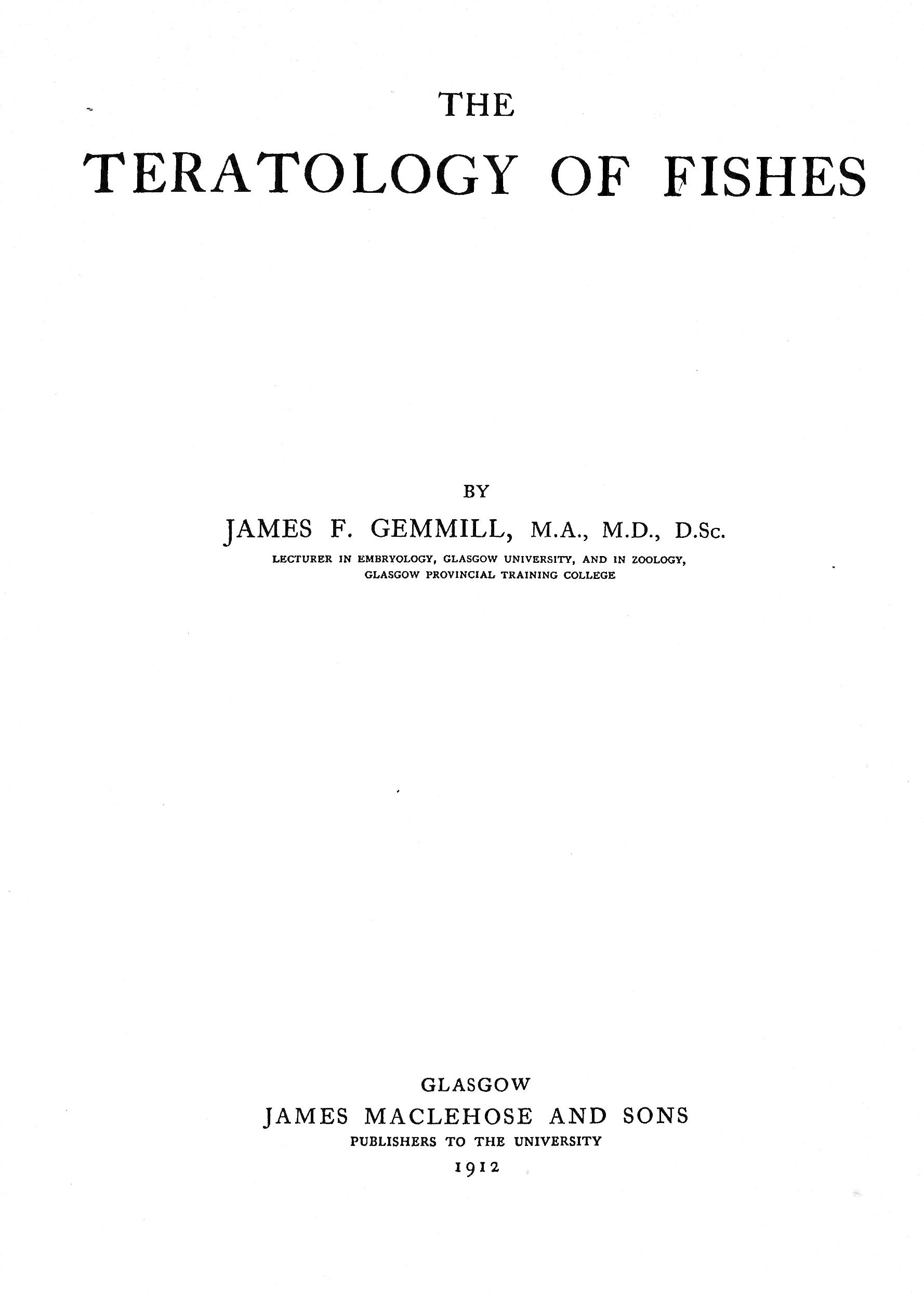
- Glasgow: James Maclehose and Sons, 1912
Glasgow: James Maclehose and Sons, 1912. First edition.
1912 CONGENITAL MALFORMATIONS OF FISH--MANY SIMILAR TO HUMAN.
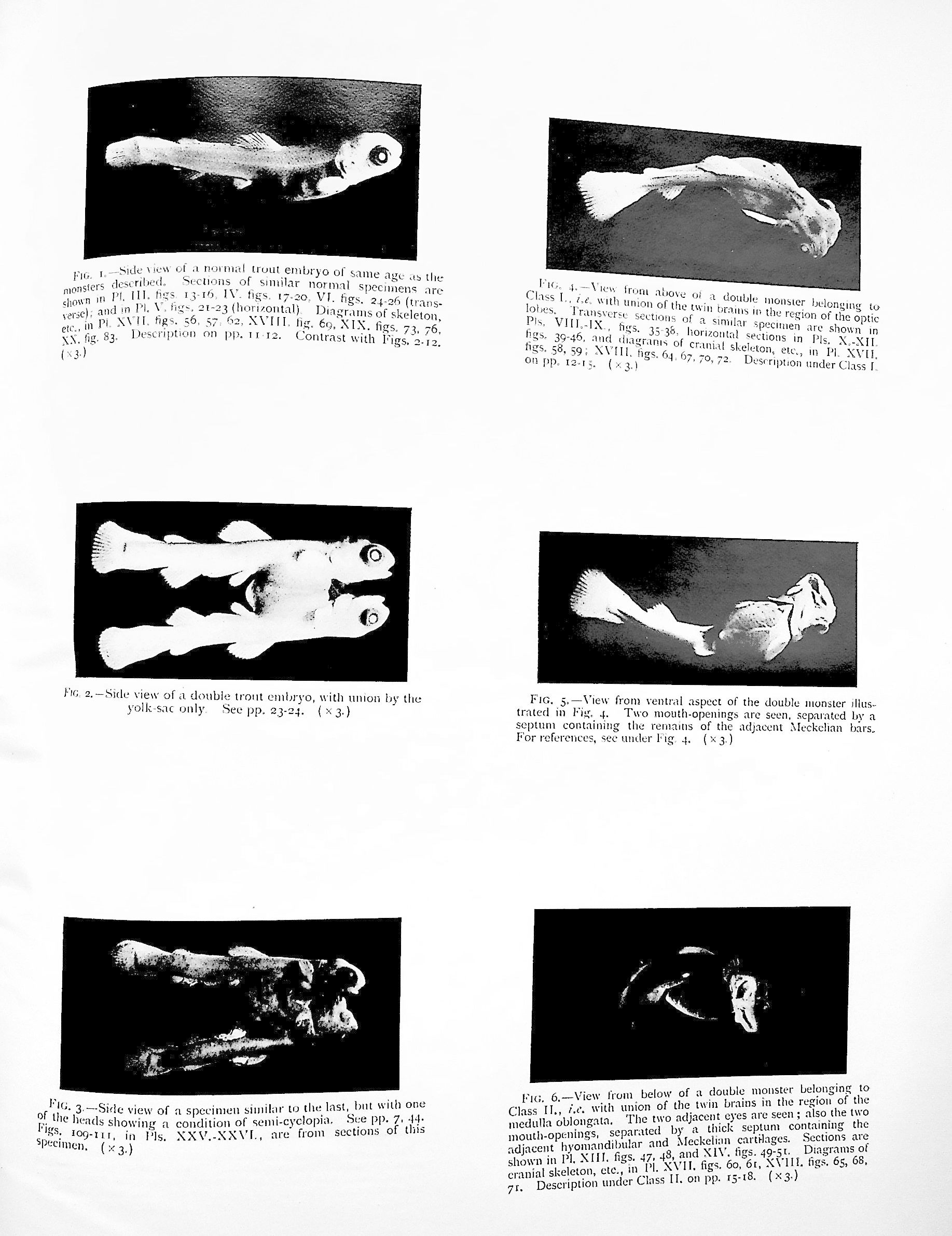
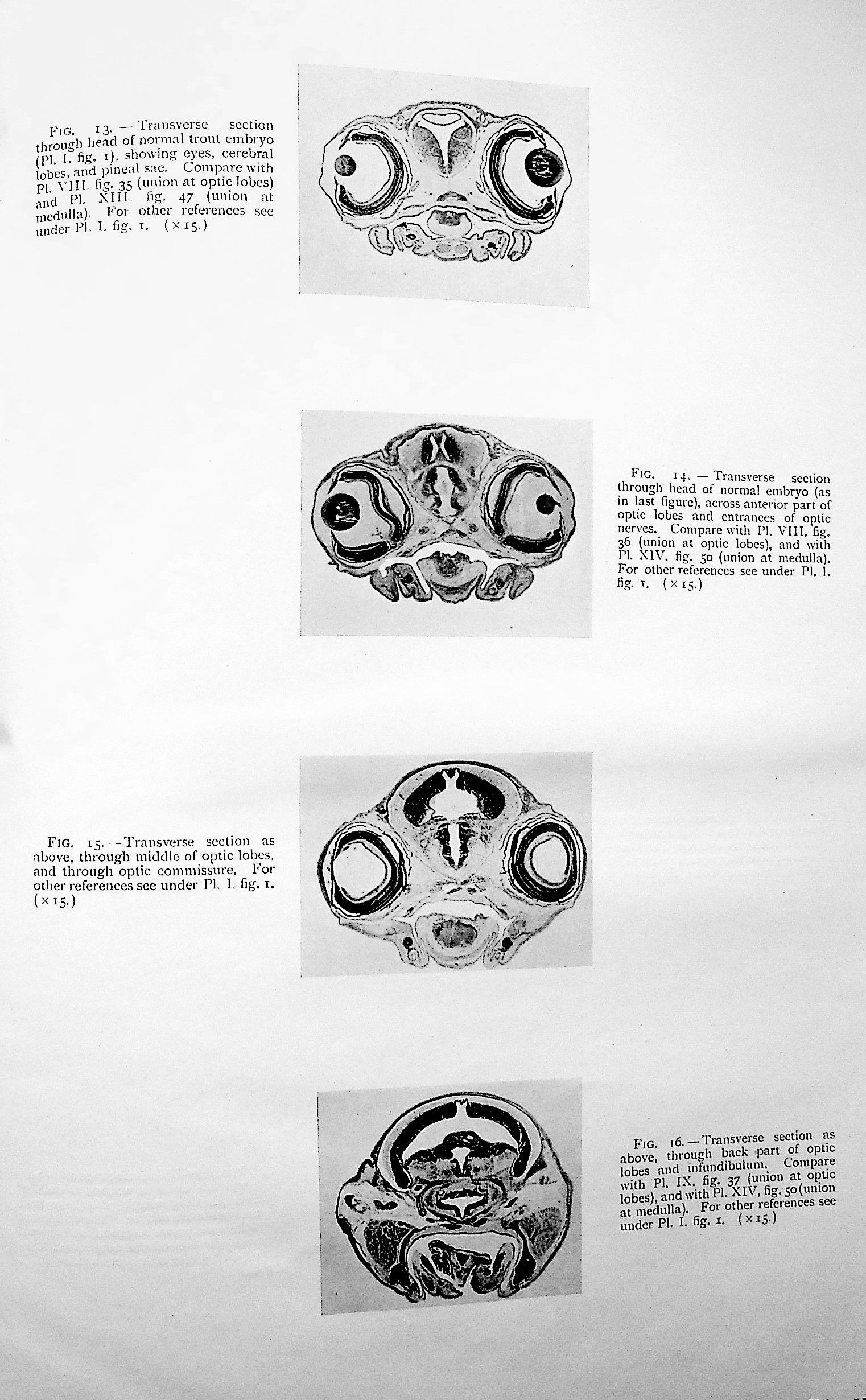
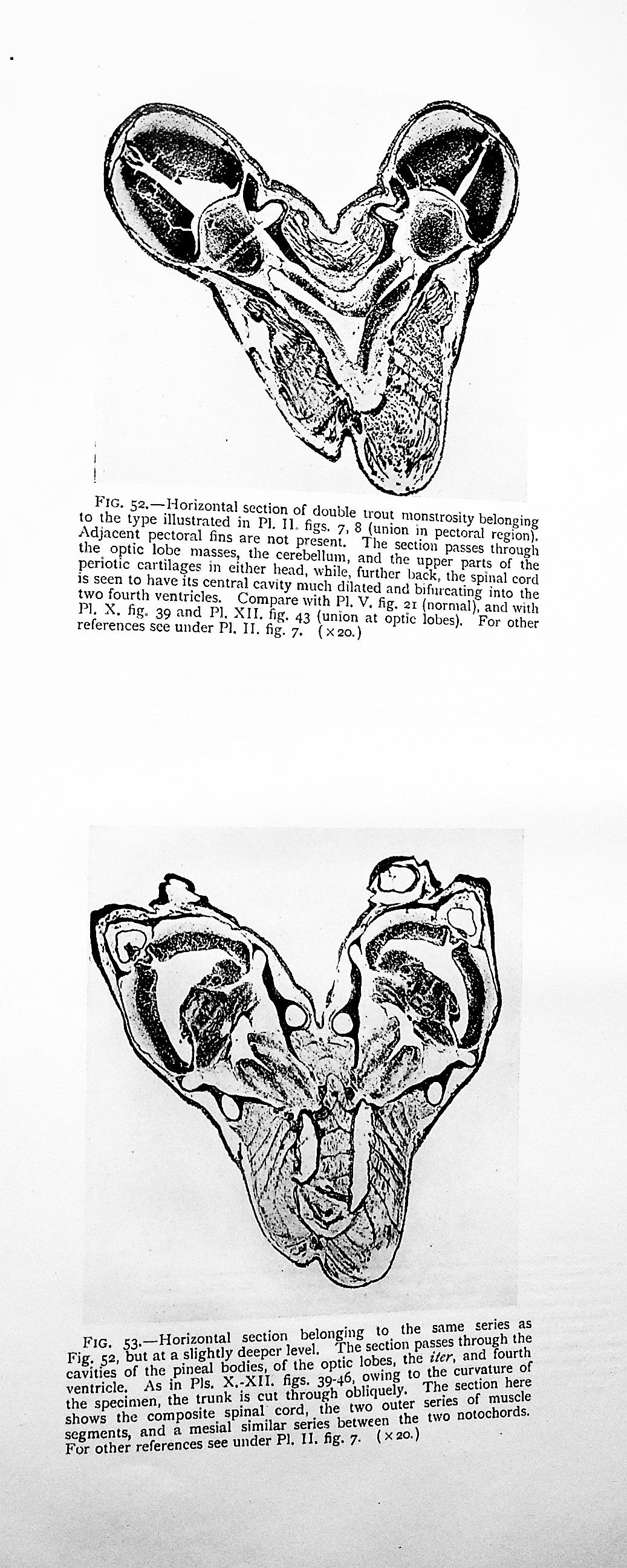
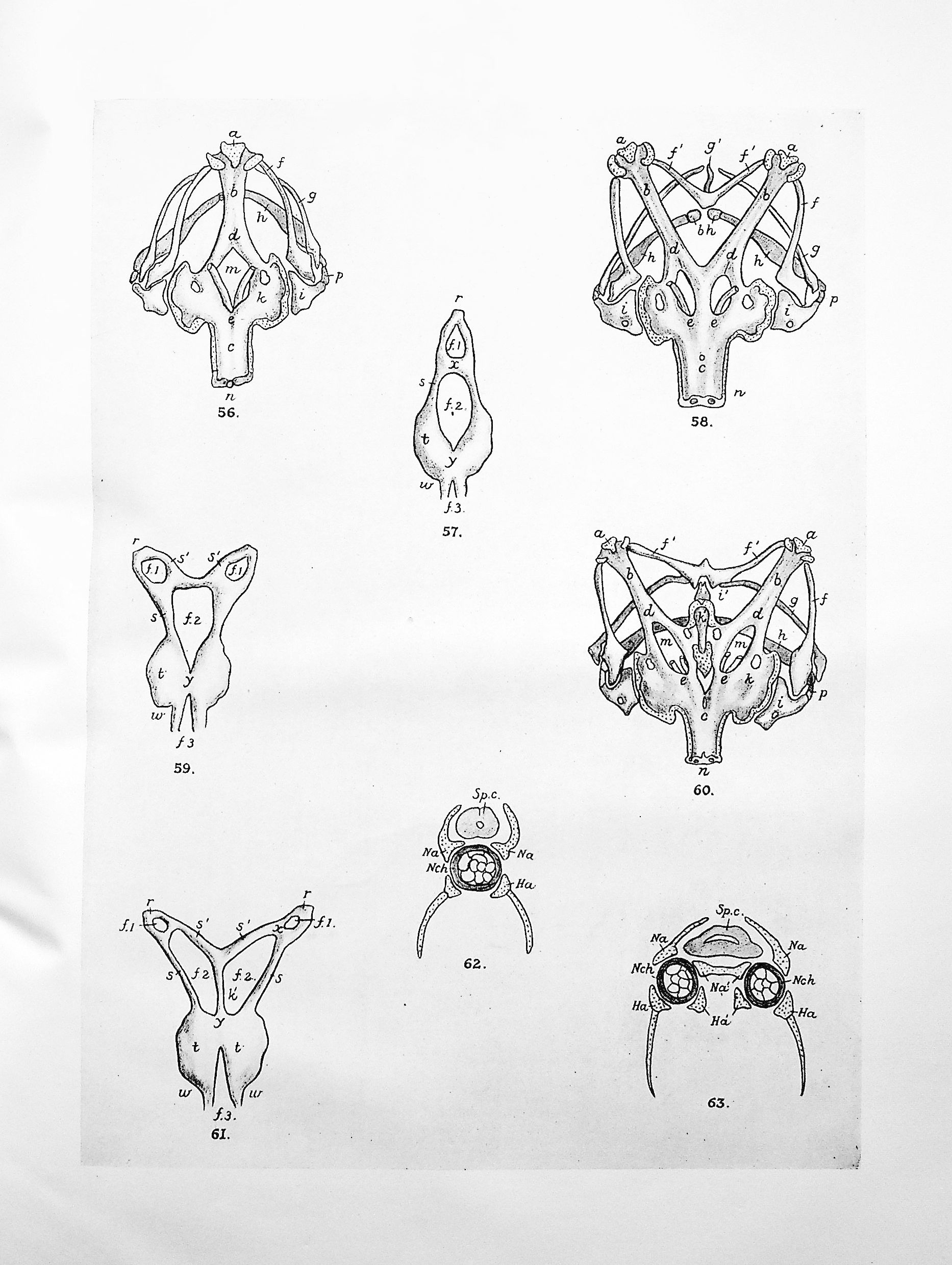
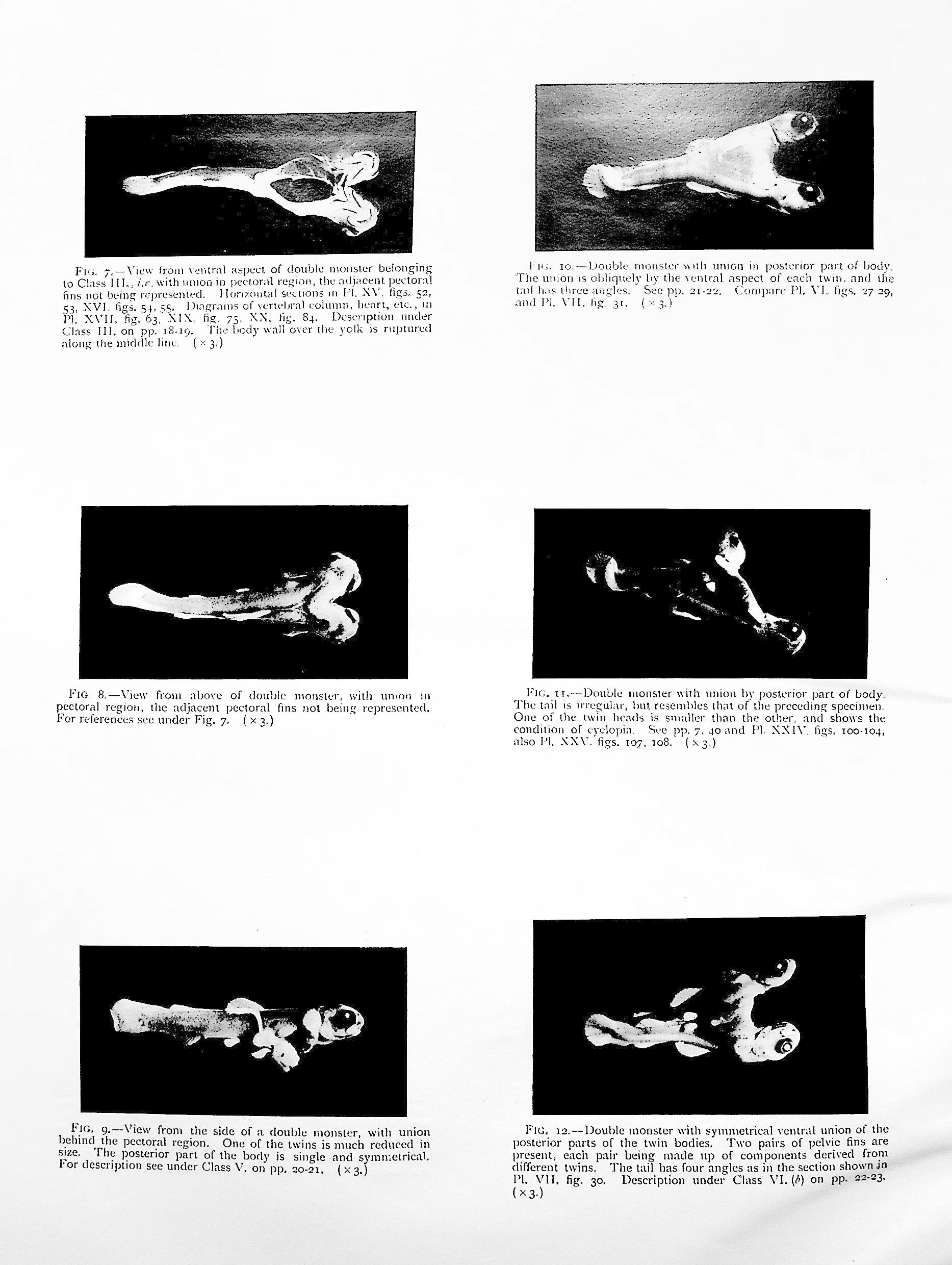
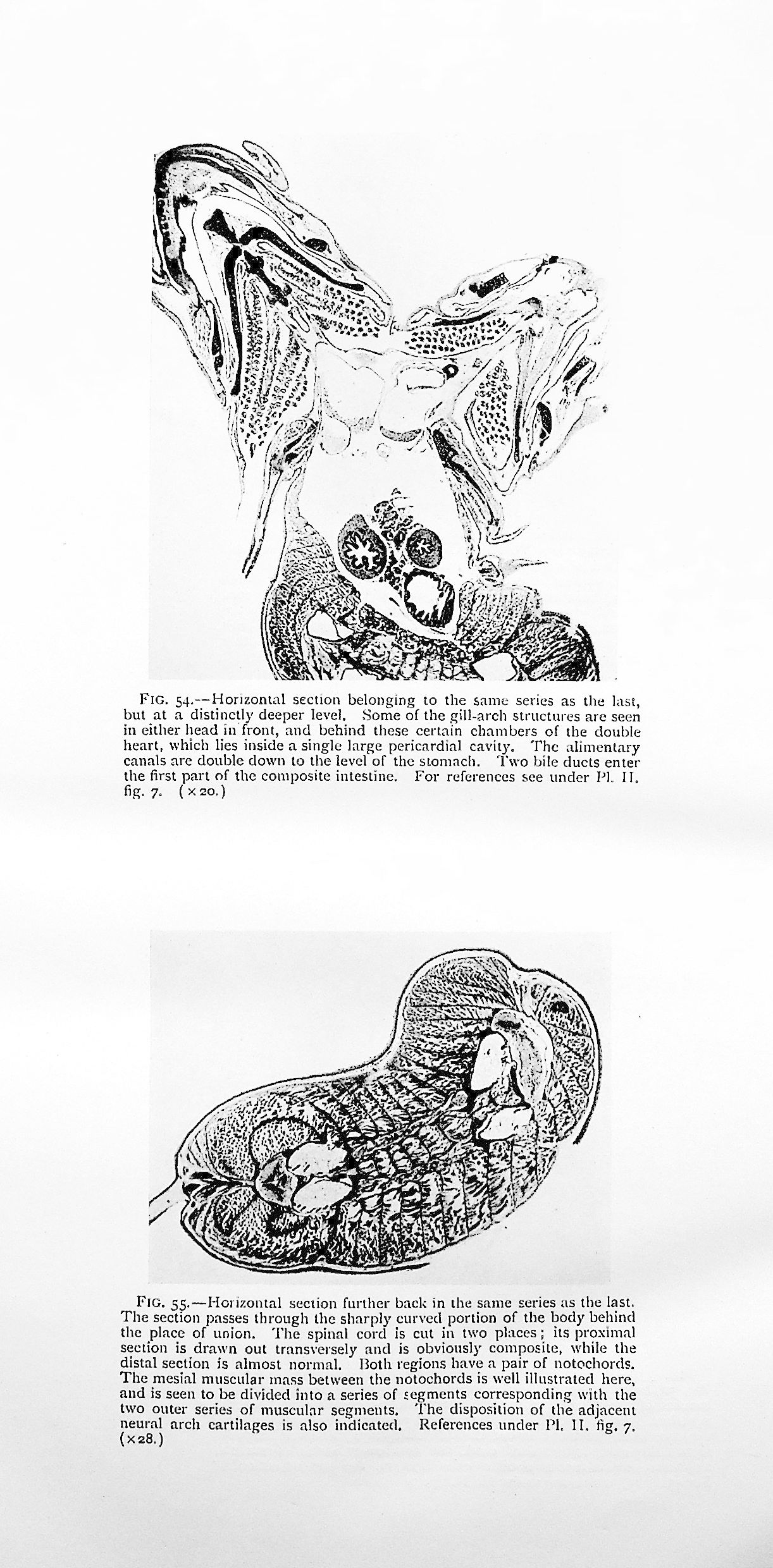
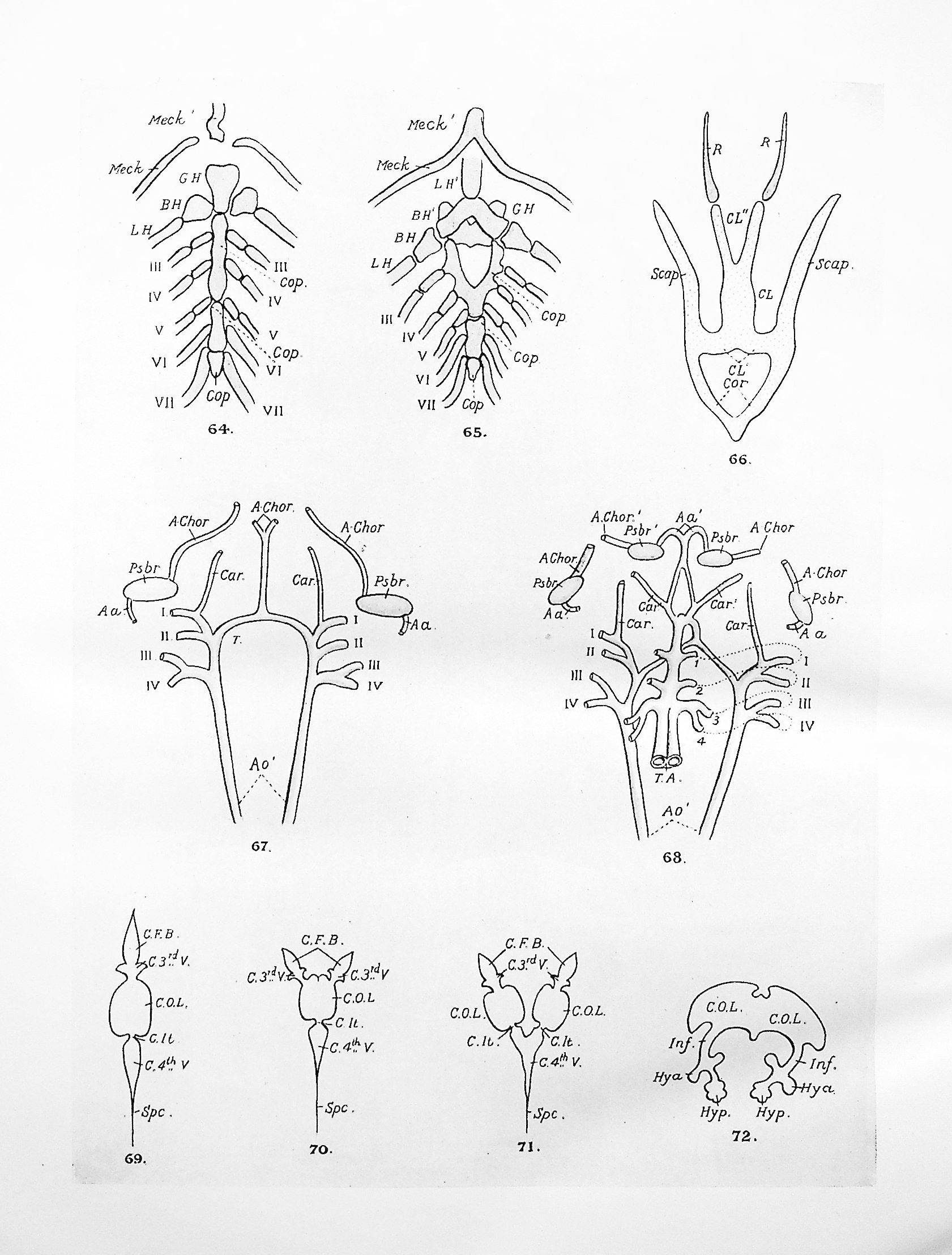
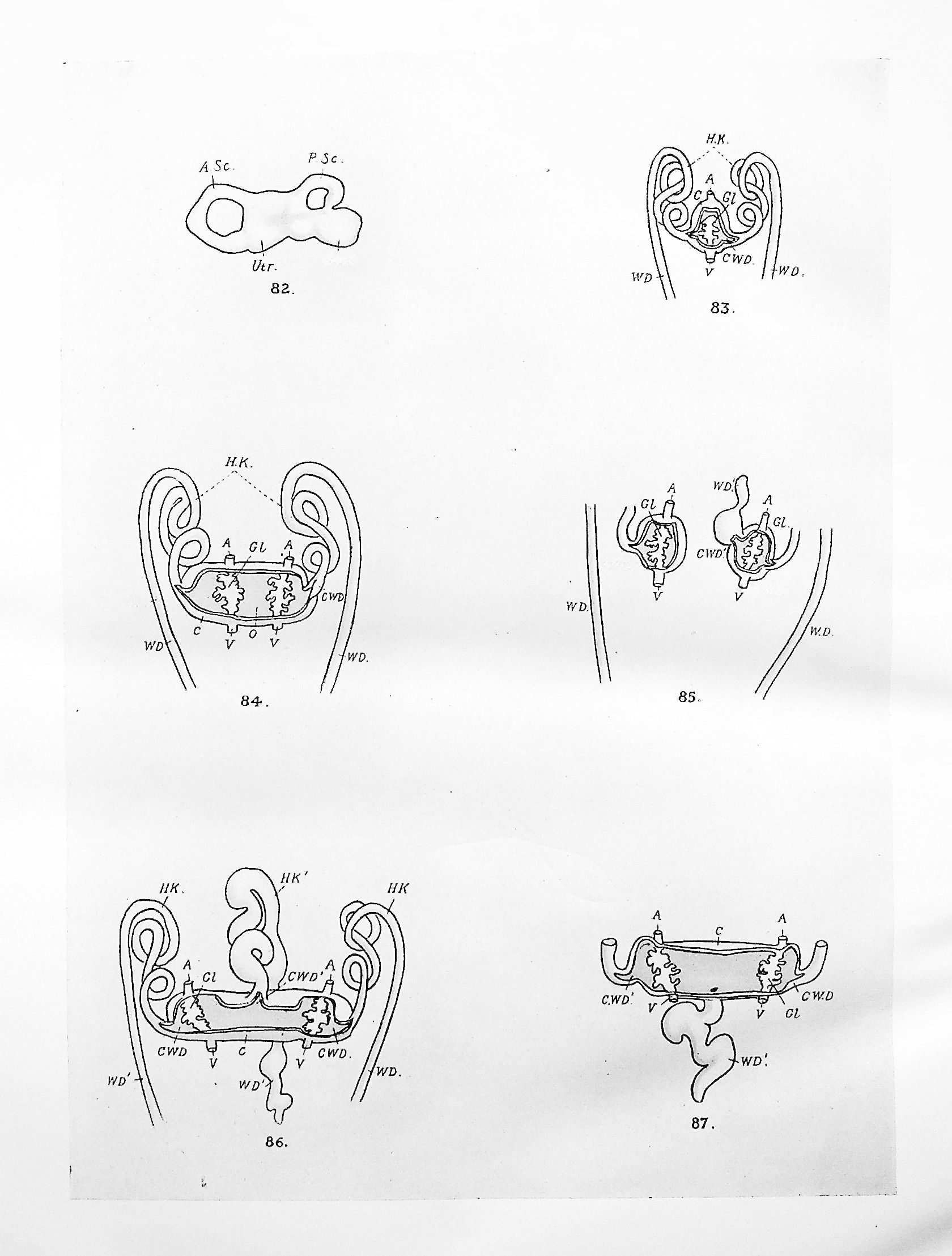
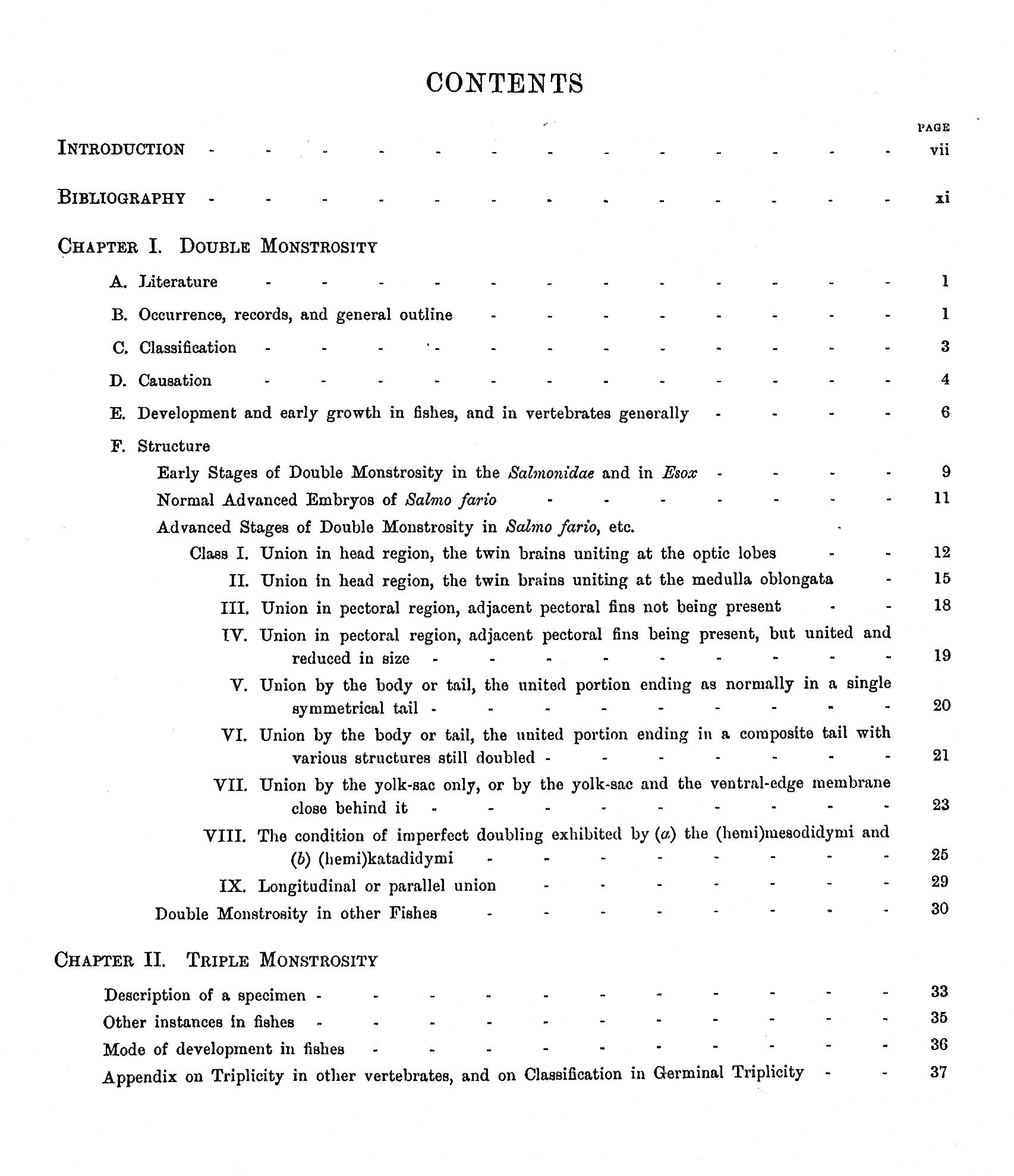
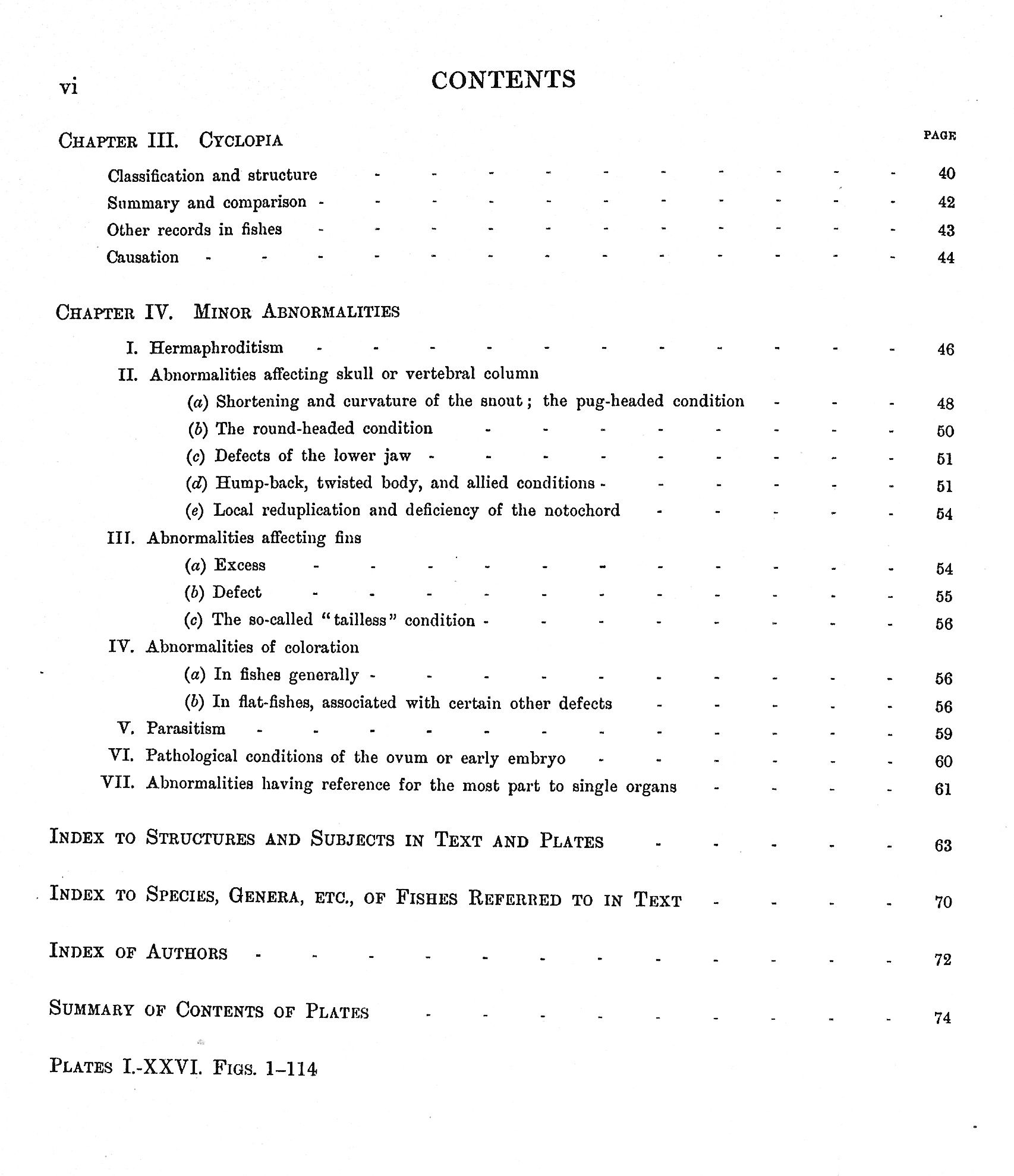
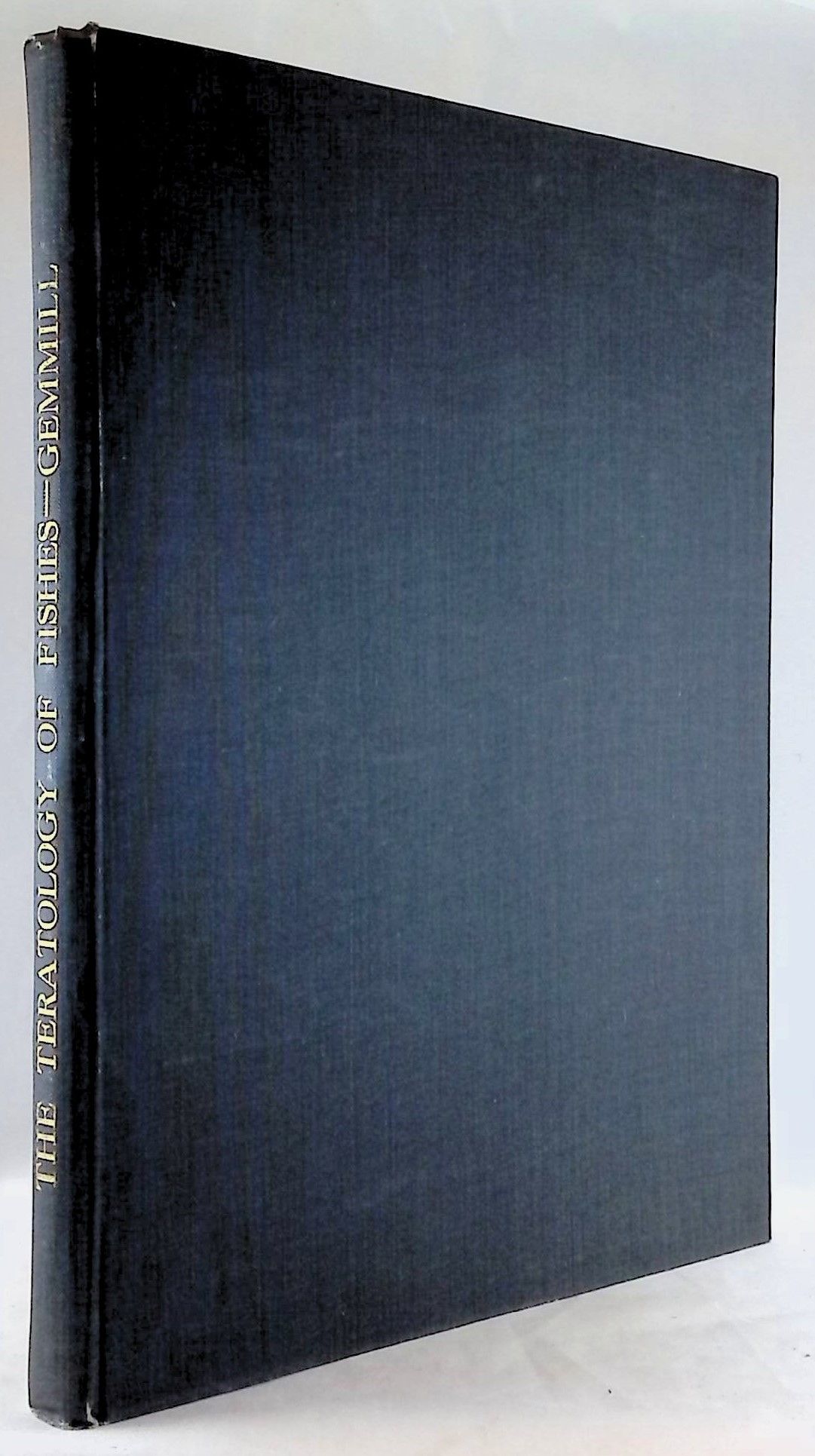
25 x 32 cm hardcoever, charcoal gray cloth binding, gilt title to spine, i-xvii, 73 pp, 26 photographic plates with facing tissue guard overlays containing descriptive labels. Light wear to spine ends, binding tight, pages unmarked, very good. From the INTRODUCTION: The primary object of this Memoir is to throw light on the structural aspect of the major abnormalities occurring in fishes, particularly in the trout and salmon. The study of monstrosities among fishes merits a distinct and important place in the biological field. In the bony fishes, which provide by far the greatest number of monstrosities, the ova are abundant and the processes of fertilization and development take place outside the body of the parent. Although the major types of monstrosity in fishes do not survive the period of nutrition by the yolk sac, still at the end of this stage the cartilaginous skeleton and practically all the other structures except the bony framework have been laid down in their final form, and – already exhibit their adult relations. From the general point of view the most interesting teratological questions are those which are concerned with origin and causation. I. Each of the recognized types of monstrosity major as well as minor, can arise in a spontaneous or autogenetic manner, by abrupt germinal variation. II. Most of the recognized teratological types, and particularly the major ones, are also capable of being produced by environmental factors acting during the course of development. III. On the whole the two groups (namely those of autogenetic and of acquired abnormalities) tend to coincide with one another. Teratological variation is thus not essentially different in kind from ordinary variation. CONTENTS: Double monstrosity, Triple monstrosity; Cyclopia; Hermaphroditism; Abnormalities affecting skull or vertebral column; Abnormalities affecting fins; Abnormalities of coloration; Parasitism; Pathological conditions of the ovum or early embryo; Abnormalities having reference for the most part to single organs.
JAMES FAIRLIE GEMMILL (1867–1926) was a Scottish physician, botanist and author. He had a strong affinity to Robert Burns, sharing several similarities. He studied medicine at Glasgow University graduating MB ChB in 1894 and received his doctorate (MD) in 1900. He lectured at Glasgow University in both Surgery and Embryology until 1916. In the First World War he was conscripted as part of the 1916 Medical Recruitment Scheme as a lieutenant in the Royal Army Medical Corps. In 1923 he was elected a Fellow of the Royal Society of Edinburgh. He was elected a Fellow of the Royal Society of London in the following year.
Details
Title
The Teratology of Fishes
Author
Gemmill, James F.
Binding
cloth binding
Condition
Unknown
Publisher
James Maclehose and Sons: Glasgow
Date
1912
Edition
First edition