

The Common Sense Book of Baby and Child Care (1st edition, 1946; 2nd edition, 1957), Baby and Child Care (3rd edition, 1968; 4th edition, 1976), Dr. Spock's Baby and Child Care (5th edition, 1985; 6th edition, 1992; 7th edition, 1998)
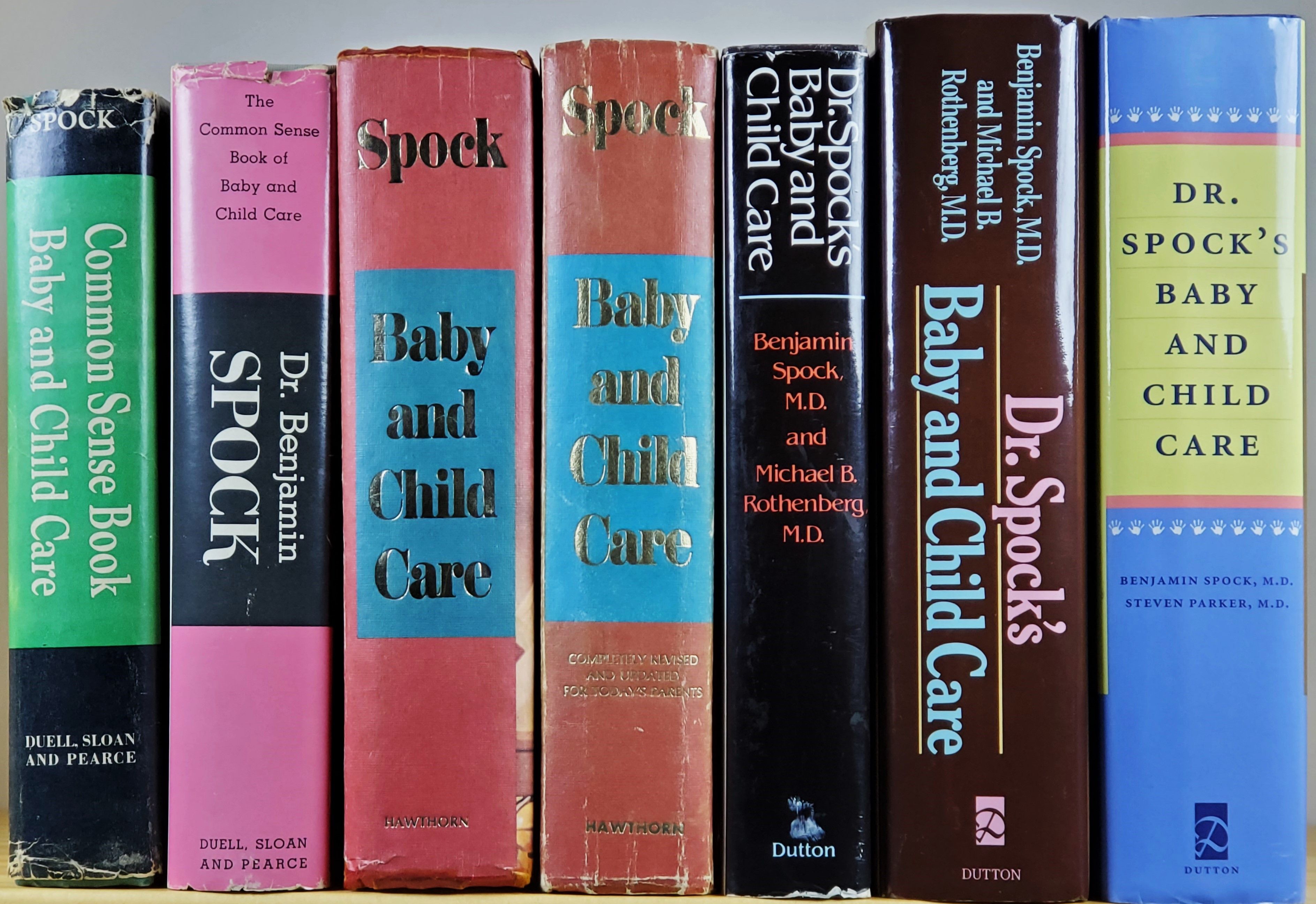
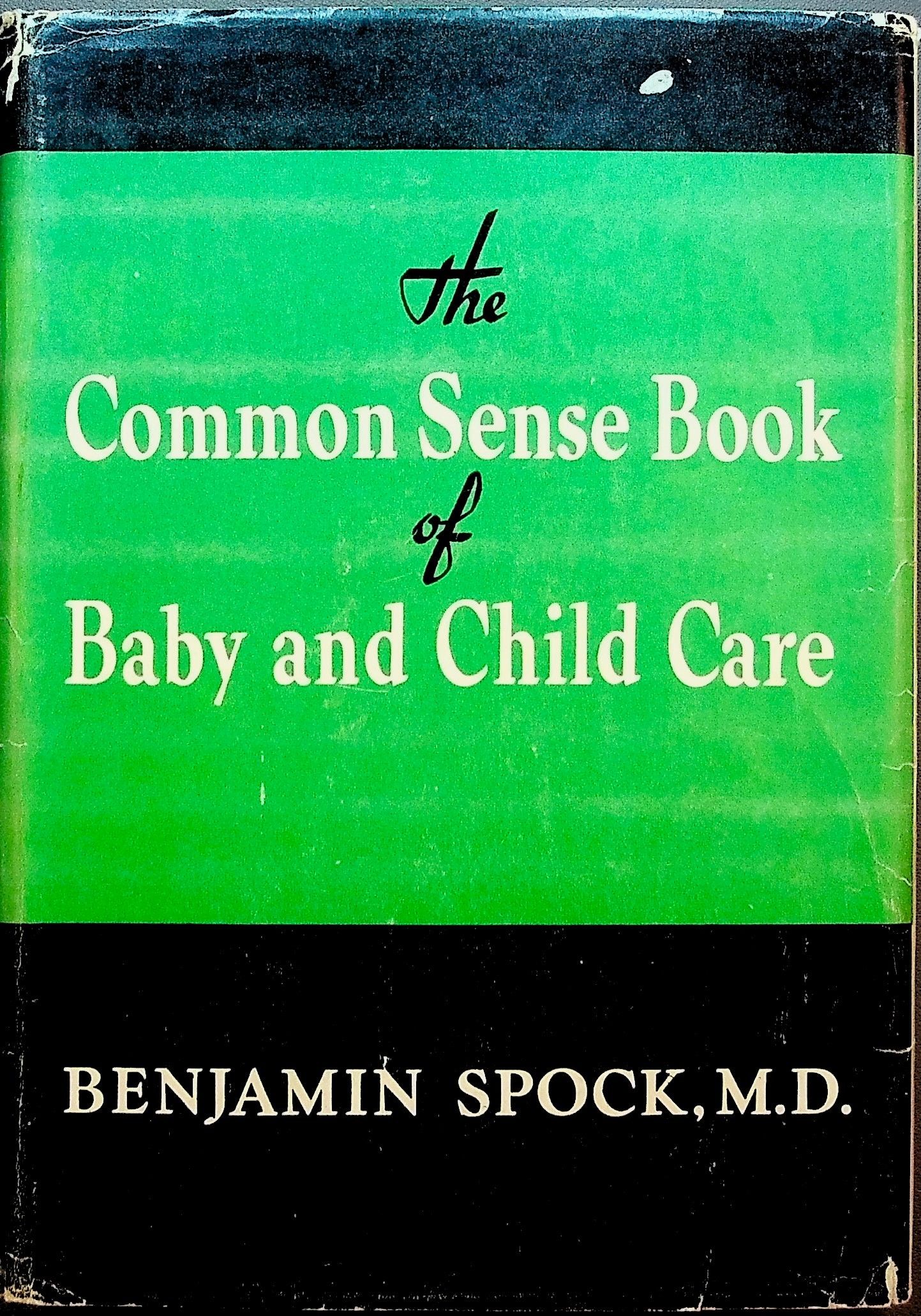
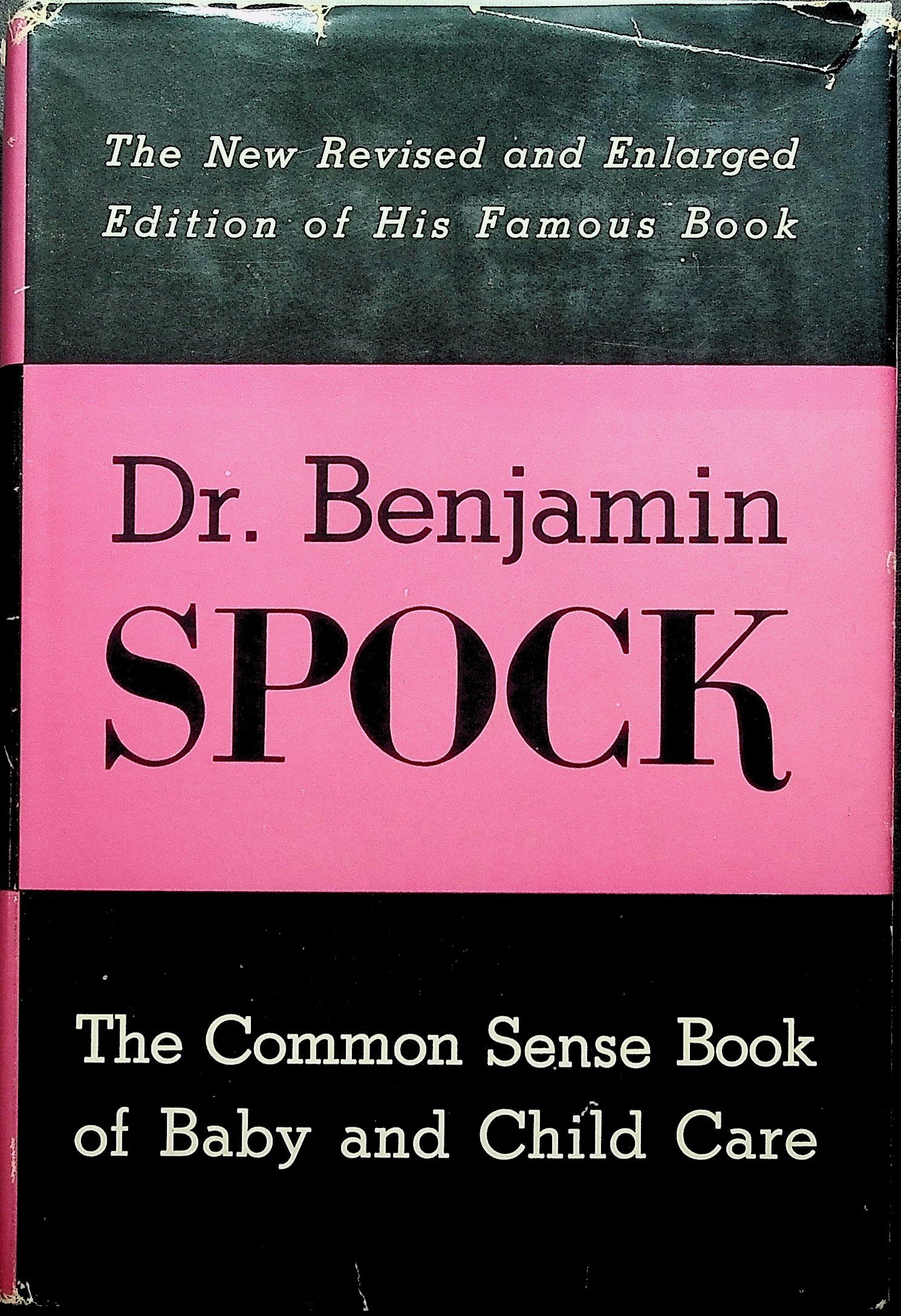
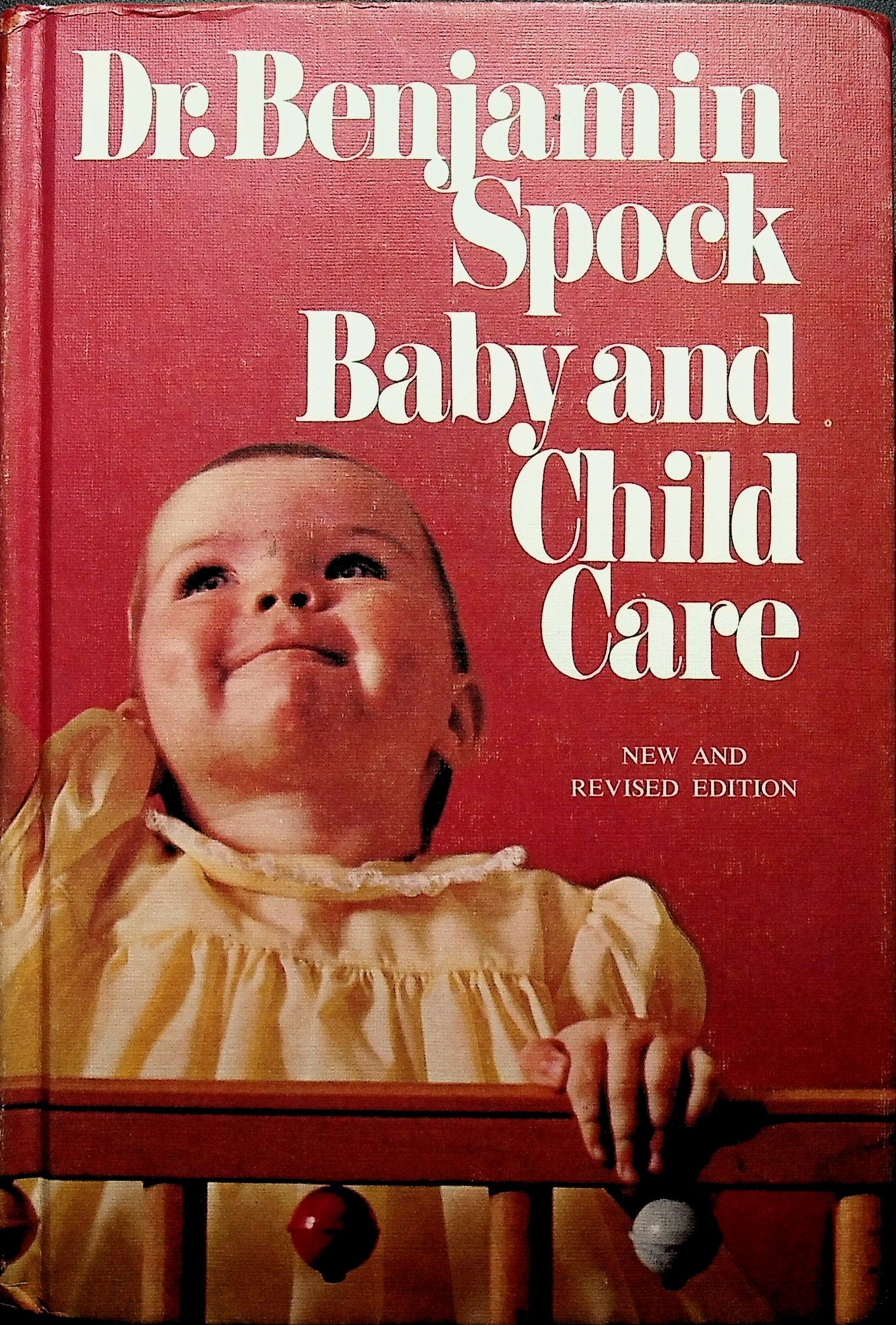

- SIGNED cloth binding
- 1946-1998
1946-1998. First - 7th editions.
THE HISTORY OF AMERICAN PEDIATRICS IN THE SECOND HALF OF THE 20TH CENTURY AS TOLD BY DR. BENJAMIN SPOCK IN 7 EDITIONS OF BABY AND CHILD CARE.
Benjamin Spock's Common Sense Book of Baby and Child Care was one of the best-selling books of the twentieth century, selling 500,000 copies in the six months after its initial publication in 1946 and 50 million by the time of Spock's death in 1998. As of 2011, the book had been translated into 39 languages. Spock and his manual helped revolutionize child-rearing methods for the post-World War II generation. Mothers heavily relied on Spock's advice and appreciated his friendly, reassuring tone. Spock emphasizes in his book that, above all, parents should have confidence in their abilities and trust their instincts. The famous first line of the book reads, "Trust yourself. You know more than you think you do." As a practicing pediatrician in the 1930s, Spock noticed that prevailing methods in pediatric care seemed cruel and ignored the emotional needs of the child. He wanted to explore the psychological reasons behind common problems seen during practices like breastfeeding and toilet training, in order to give less arbitrary advice to mothers who came to his practice. He thus became trained in psychoanalysis, emerging as the first pediatrician with a psychoanalytic background. He contradicted contemporary norms in child care by supporting flexibility instead of rigidity and encouraging parents to show affection for their children. During Spock's lifetime, seven editions of his book were published. Several co-authors have helped revise the book since the fifth edition. Since Spock's death in 1998, three more editions have been published (not included in the present set).
FIRST EDITION, first printing in later printing dust jacket. The Common Sense Book of Baby and Child Care by Benjamin Spock, Duell, Sloan and Pearce, New York, 1946. Hardcover, 8 inches tall, green cloth binding, black title to cover and spine, i-vii, 527 pp, illustrations by Dorothea Fox. Covers lightly soiled, page edges soiled, pages unmarked, very good in very good minus dust jacket with tears to spine ends, wear to corners, in protective mylar sleeve. First editions are described as bound in gray cloth with silver titles as well as green cloth with black titles. This copy is consistent with the latter. In the first edition, Spock's book helped revolutionize child care. Prior to this, rigid schedules permeated pediatric care, and pediatricians told parents to feed babies on specific schedules and start toilet training at an early, specific age. Furthermore, these experts, whose ideas were embodied in Infant Care pamphlets distributed by the U.S. government, warned against "excessive" affection by parents for their children. The book is arranged by topics corresponding to the child's age, ranging from infancy to teenage years. Drawn from his career as a pediatrician, Spock's advice is comprehensive, dealing with topics such as preparing for the baby, toilet training, school, illnesses, and "special problems" like "separated parents" and "the fatherless child". Spock's reassuring advice gave parents the confidence to use their best judgment to raise their children.
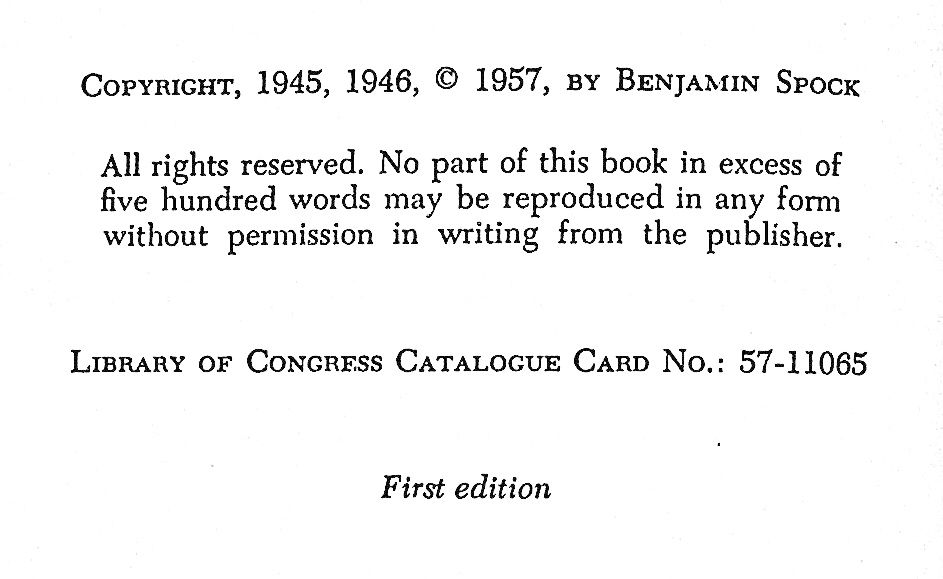
SECOND EDITION, first printing. The Common Sense Book of Baby and Child Care New Edition Completely Revised (stated "First edition" on copyright page) by Benjamin Spock, Duell, Sloan and Pearce, New York, 1957. Hardcover, 8 ¼ inches tall, gray cloth binding, red title to cover and spine, i-x, [2], 627 pp, illustrations by Dorothea Fox. Light browning to page edges and endpapers, pages unmarked, very good in very good minus dust jacket with edge tears and chips. In the second edition, Spock emphasizes in several new chapters the importance of "firm but gentle" control of children. He warns against self-demand feeding, a type of feeding that had become popular in the 1940s. Because parents were letting their baby dictate when he or she should be fed, some parents began indulging all of their child's desires, resulting in unregulated sleep schedules and a loss of control for the parents. Spock clarifies in his manual that while parents should respect their children, they also must ask for respect in return. Spock quickly became a household name in the 1950s and is frequently credited for helping to raise a generation of "Spock babies" in the post-war period, a time of great American economic growth. Mothers heavily relied on his advice; by 1956, The Common Sense Book of Baby and Child Care was already selling a million copies each year.
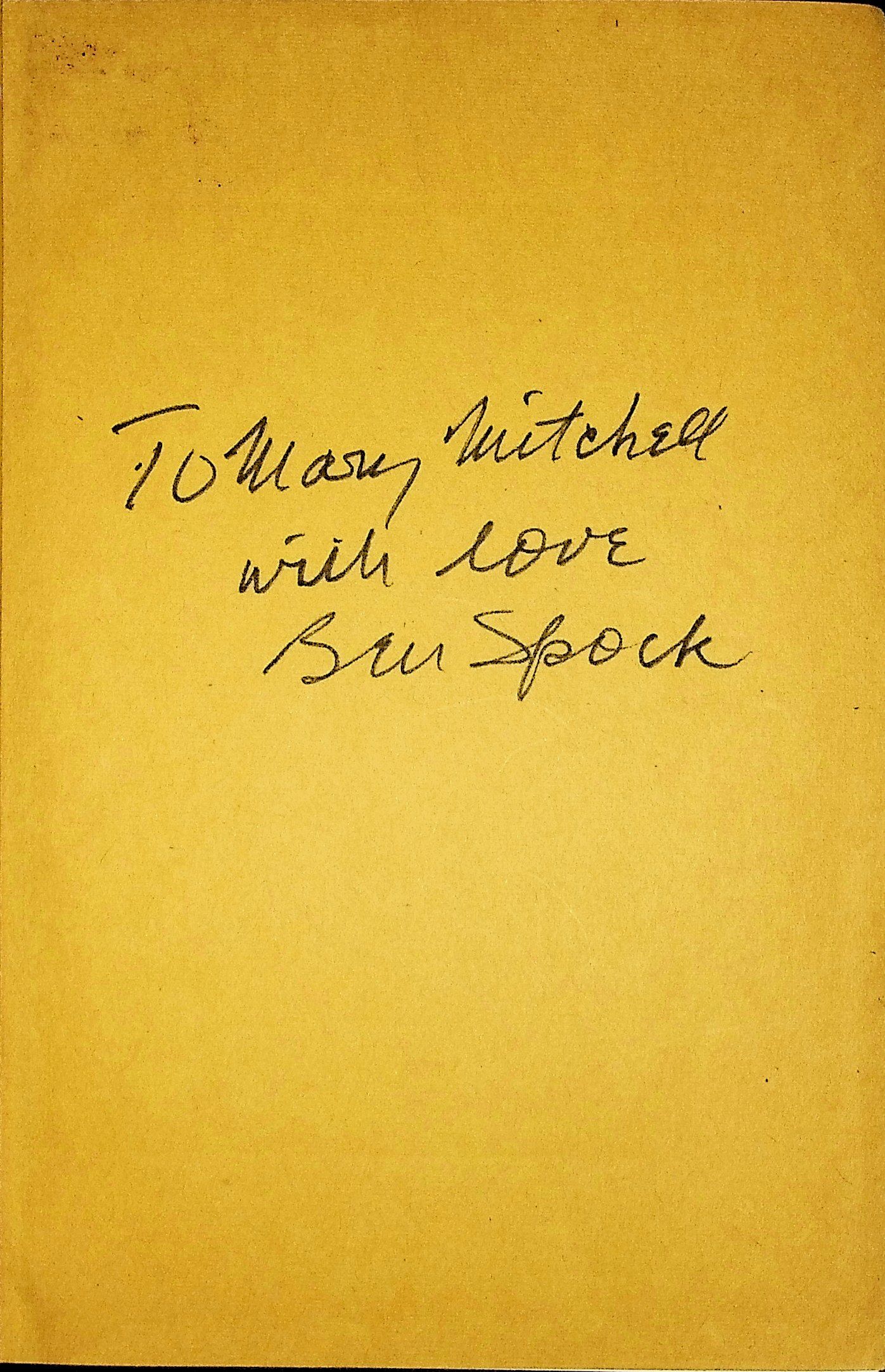
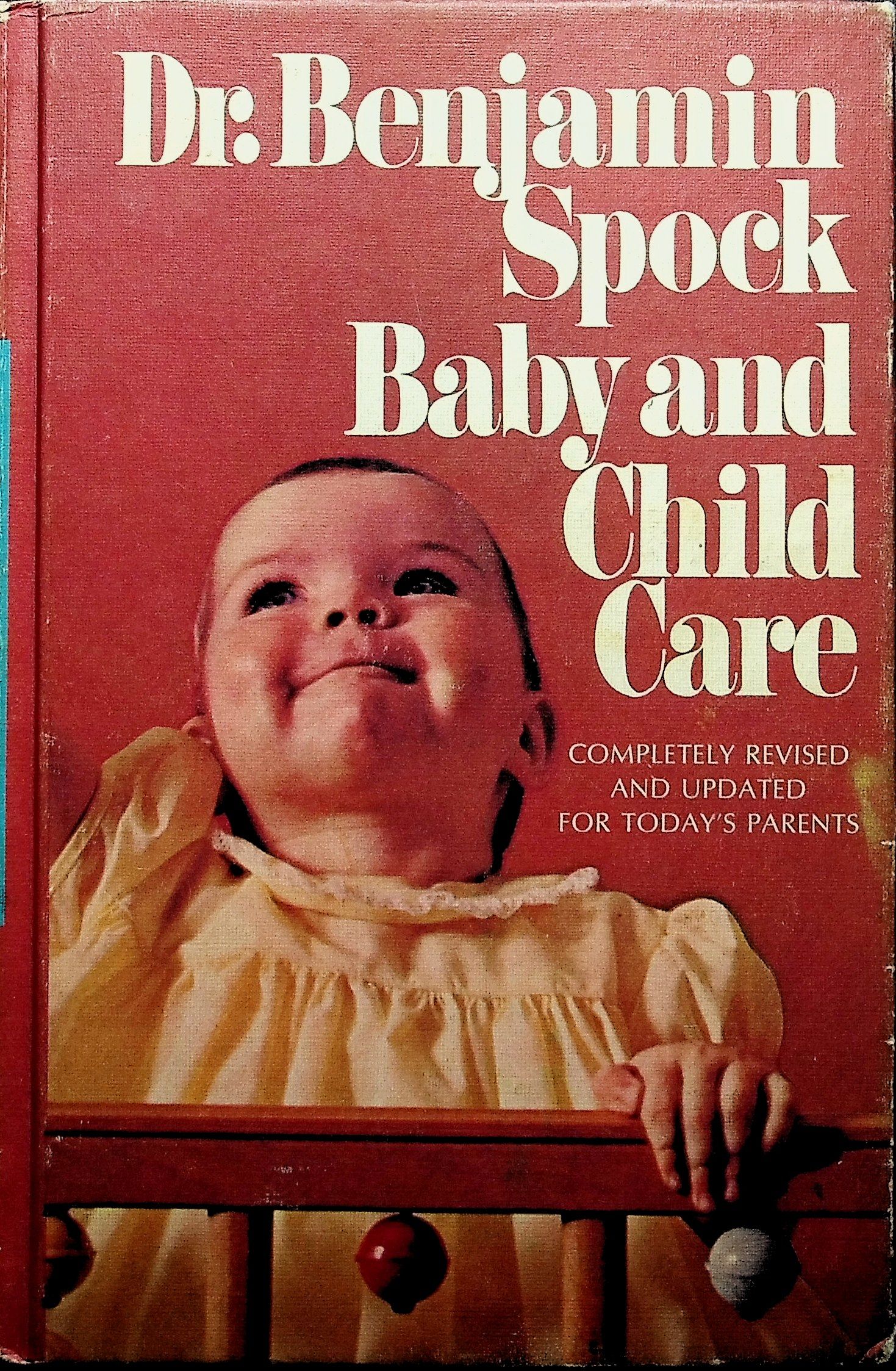
THIRD EDITION, sixth printing. Baby and Child Care by Benjamin Spock, Hawthorn Books, Inc,, New York, 1968. Hardcover, 8 ¼ inches tall, color printed cloth-covered boards with photo of smiling infant grasping crib, white title to cover, gilt title to spine, inscribed on front free endpaper, "To Mary Mitchell/ with love/ Ben Spock," i-xvii, 610 pp. White spot on back cover, edgewear to covers, blacked-out initials on corner of front paste-down, pages unmarked. Very good minus signed copy in custom archival mylar cover (no dust jacket as issued). In the third edition, "There are hundreds of small changes in this third edition, twenty-two years after the book first appeared and eleven since the publication of the second edition. Many of them were made necessary by scientific advances, such as the Sabin oral polio vaccine and measles vaccine. The material on adolescence has been increased a great deal. ... The principal change that has occurred in my own outlook on child rearing has been the realization that what is making the parent's job most difficult is today's child-centered viewpoint."-- From A Letter to the Reader of This New Edition. By the mid-1960s, however, book sales quickly slowed due to Spock's tarnished reputation after his publicized involvement in protests of the Vietnam War. By the late 1960s, Spock faced widespread criticism for condoning an overly permissive parenting style. Many commentators blamed Spock for helping to create the counterculture of the 1960s. Critics believed the current youth were rebellious and defiant in part because they had been brought up by Baby and Child Care. Spock, however, continued to defend himself, saying he had always believed in firm leadership by parents.
FOURTH EDITION, seventh printing, Baby and Child Care by Benjamin Spock, Hawthorn Books, Inc,, New York, 1976. Hardcover, 8 ½ inches tall, color printed cloth-covered boards with photo of smiling infant grasping crib, white title to cover, gilt title to spine (same as 3rd edition), i-xix, [2], 666 pp, (no dust jacket as issued). Light wear to corners and gilt title, unmarked and very good in custom archival mylar cover. In the fourth edition, following the end of the Vietnam War, Spock adapted to society's shifting ideas of gender equality, especially after the rise of the women's liberation movement and concurrent feminist criticisms about sexism apparent in Baby and Child Care. Spock changed every pronoun for the baby, previously referred to only as "he", and discusses ways for parents to minimize gender stereotyping while raising a child. Spock also continues to expand on the role of fathers and acknowledges that parents should have an equal share in child-rearing responsibilities, while also both having the right to work. In the 1970s, with the rise of the women's liberation movement, feminists began to publicly criticize Spock for the sexist philosophy apparent in his book. Spock was thus forced to confront his own ideas about gender roles and gender stereotyping, including gay parenting.
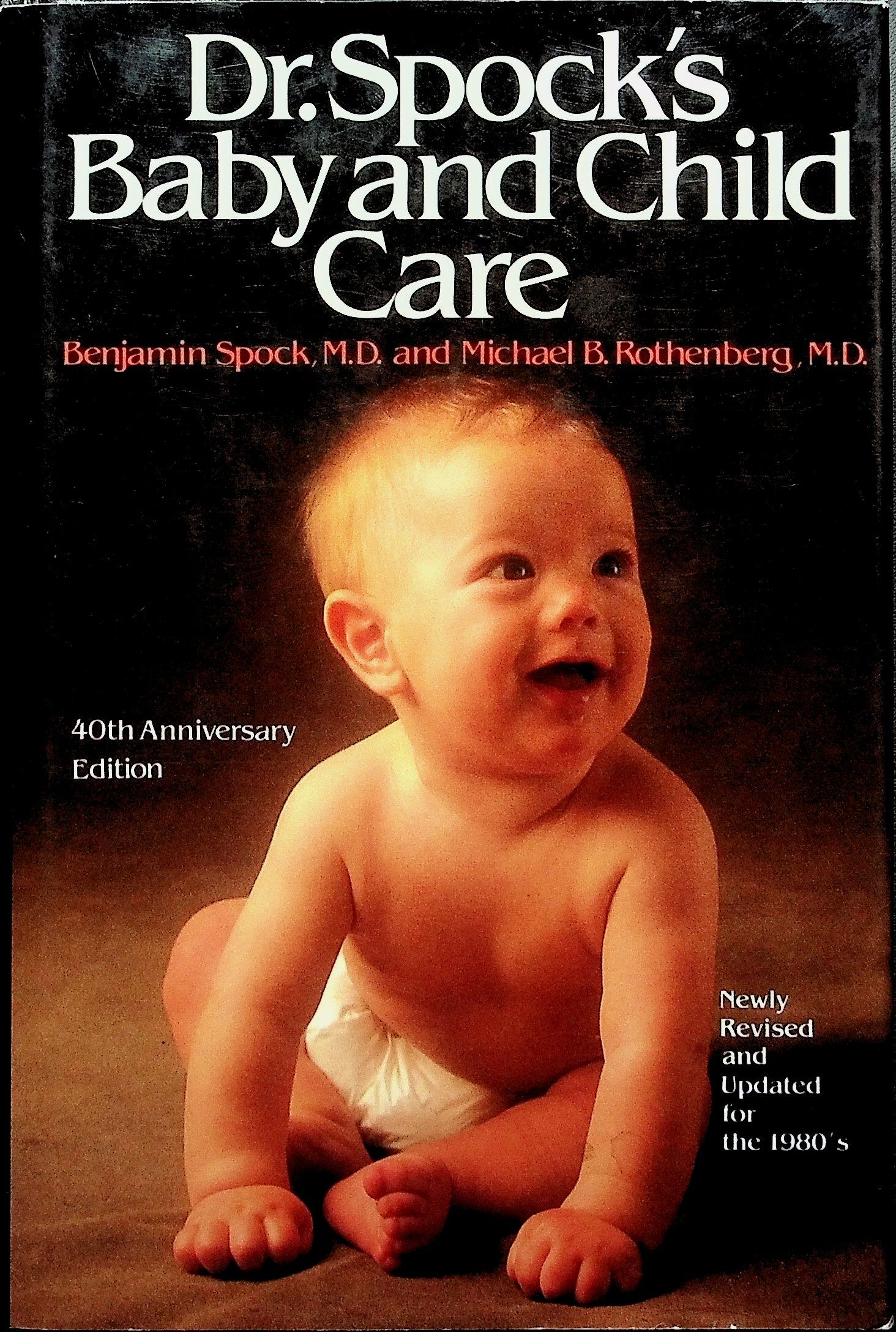
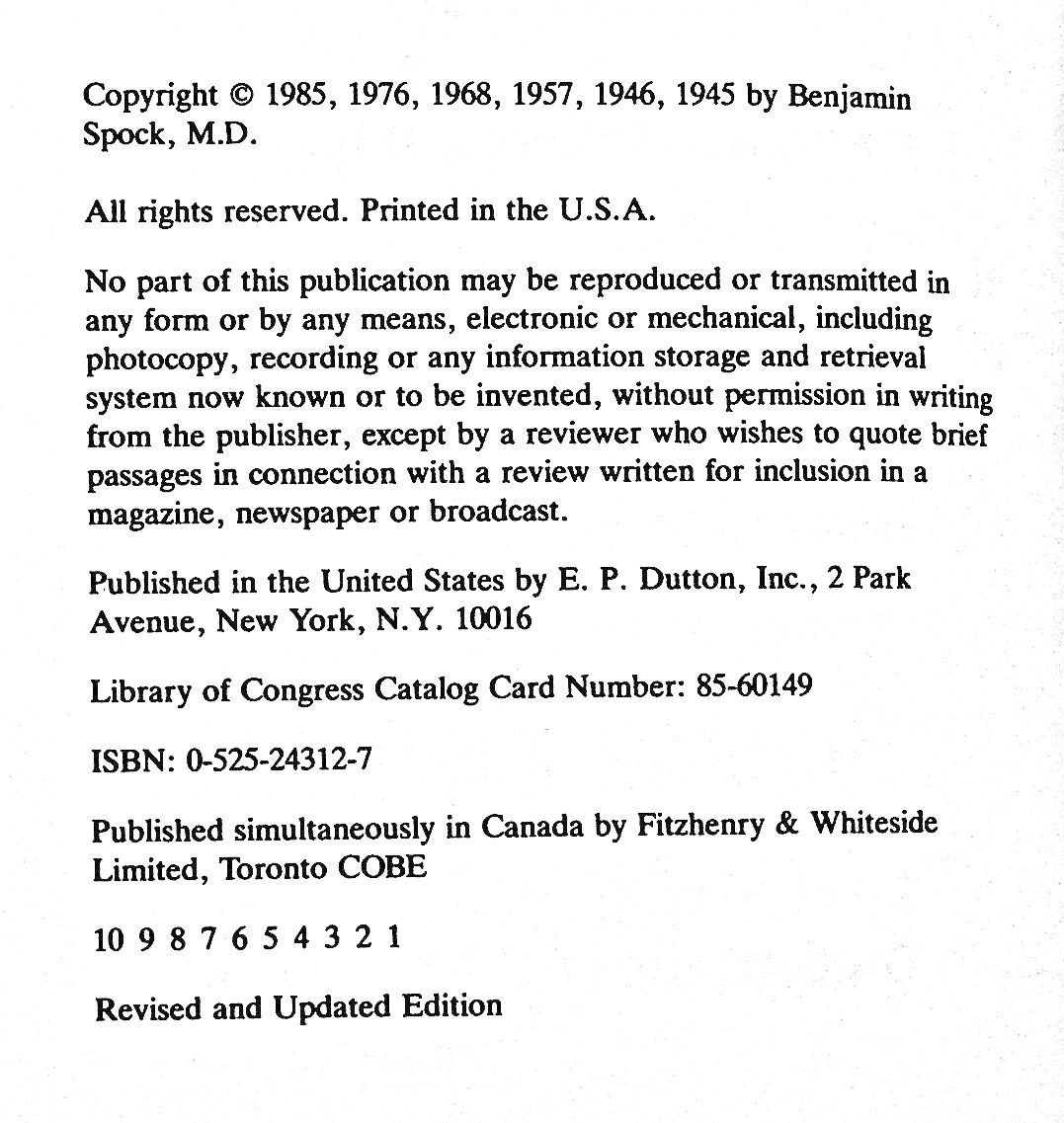
FIFTH EDITION, first printing. Baby and Child Care by Benjamin Spock and Michael B. Rothenberg, E. P. Dutton, Inc., New York, 1985. Hardcover, 8 ½ inches tall, color printed cloth-covered boards with photo of smiling infant in diaper, white title to cover and spine, i-xxi, [2], 647 pp. Near fine in very good price-clipped dust jacket in protective mylar cover. In the fifth edition, nearing his 80th birthday, Spock includes a co-author who could serve as a successor. He chose Michael B. Rothenberg, a pediatrician and child psychiatrist on the faculty of the University of Washinton School of Medicine and the staff of the Children's Orthopedic Hospital and Medical Center in Seattle. This period marks the era of Regan conservatism, the end of the Cold War, and the emergence of the internet.
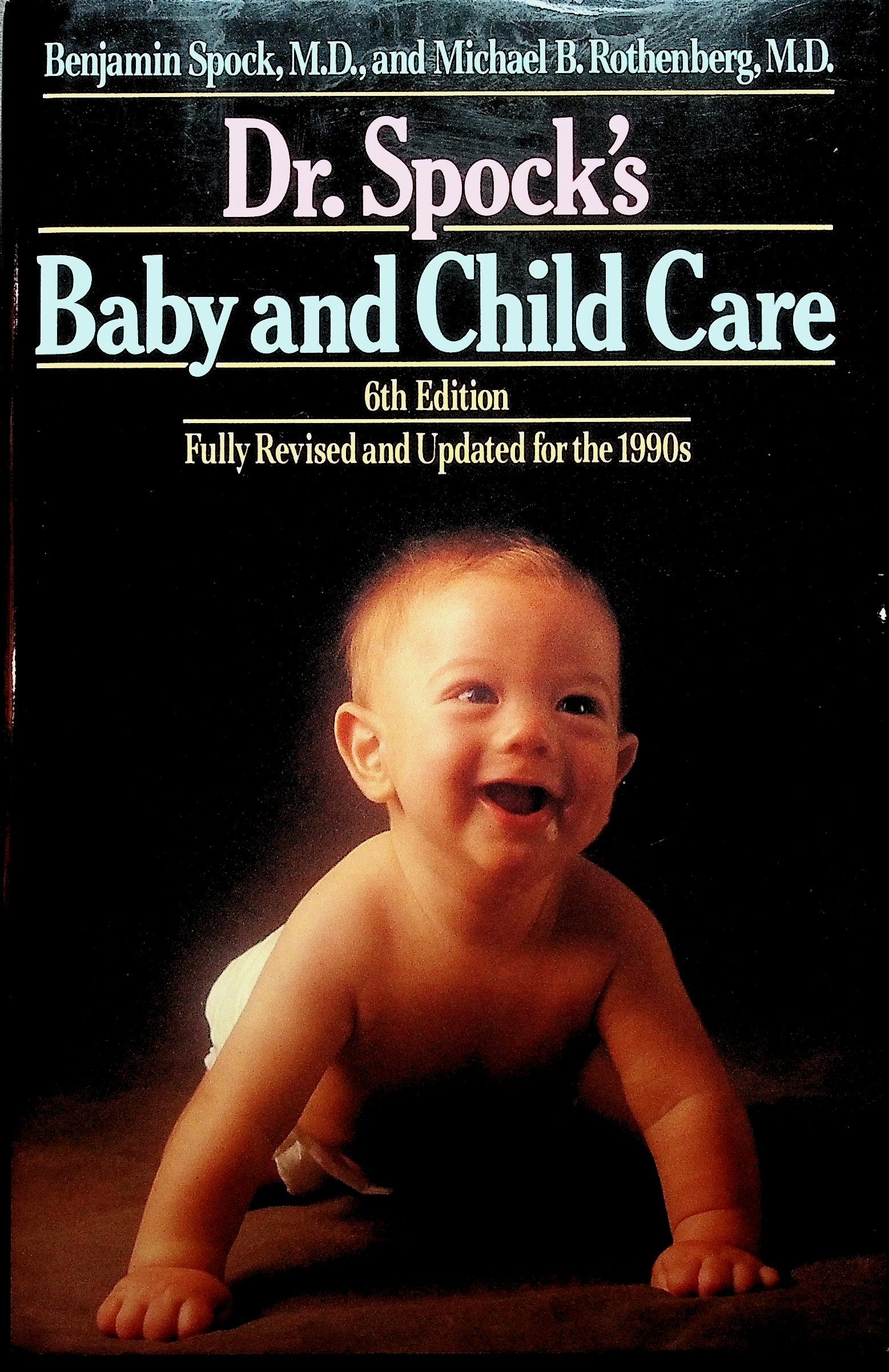
SIXTH EDITION, first printing. Dr. Spock's Baby and Child Care Fully Revised and Updated for the 1990s by Benjamin Spock and Michael B. Rothenberg, E. P. Dutton, Inc., New York, 1992. Hardcover, 8 ¾ inches tall, sky blue paper-covered boards, black cloth spine with gilt title, i-xxv, 832 pp, Emergencies index. Near fine in very good price-clipped dust jacket in protective mylar cover. The sixth and seventh editions were published against a background of economic globalization, increasing immigration, and multiculturalism. Increasing numbers of mothers joining the workforce resulted in a surge of children adapting to daycare. Although Spock's reputation changed over time, he continued to be a leading authority on child care until his death. In 1990, Life magazine named Spock one of the 100 most important people of the twentieth century.
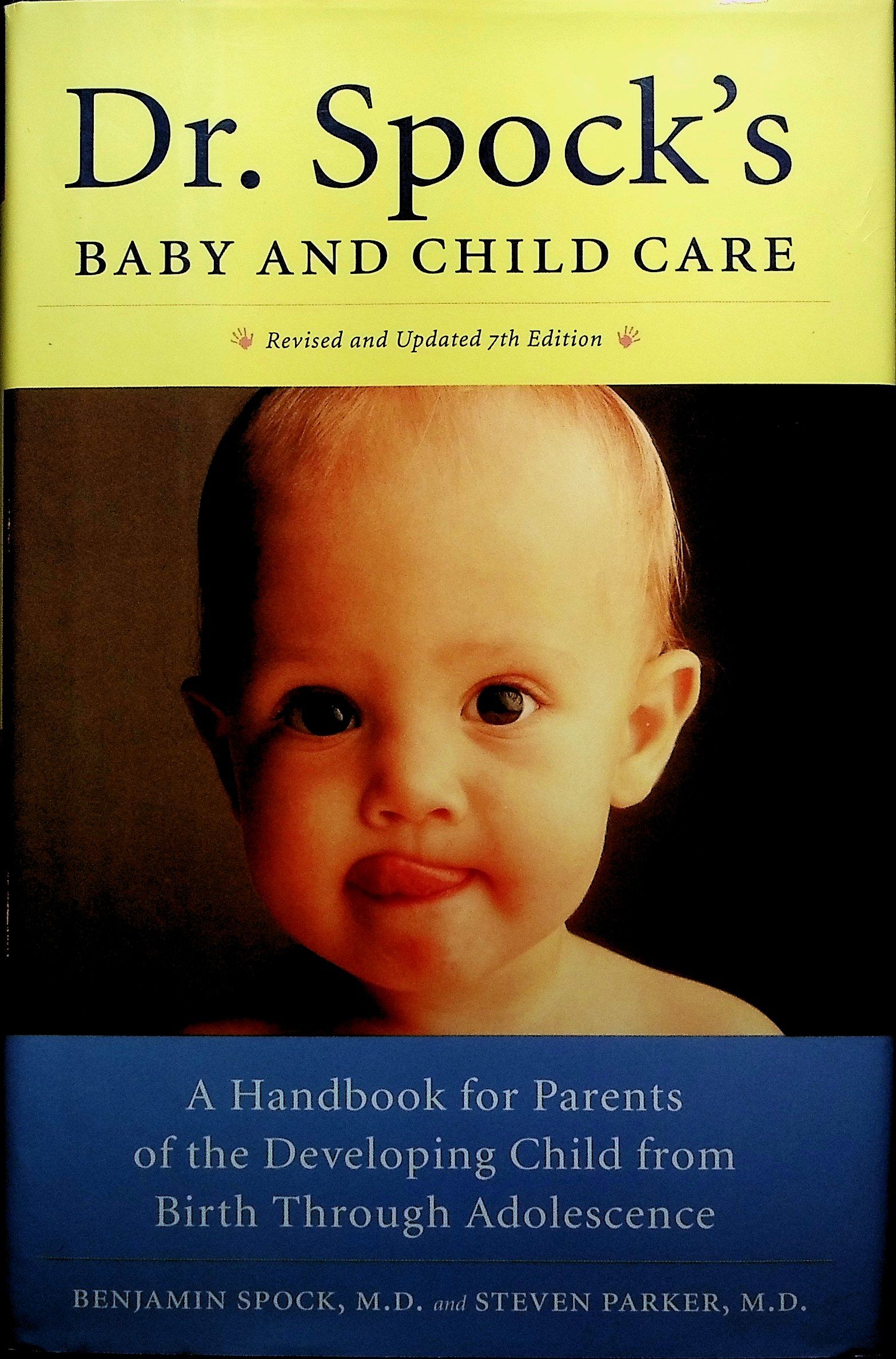
SEVENTH EDITION, first printing. Dr. Spock's Baby and Child Care, Revised and Updated 7th Edition by Benjamin Spock and Steven Parker, E. P. Dutton, New York, 1998. Hardcover, 8 ¾ inches tall, apricot paper-covered boards, blue cloth spine with gilt title, i-xxxi, [2], 939 pp. Near fine in near fine dust jacket. In the seventh edition, Spock chose Steven Parker as co-author, a pediatrician with special training in behavioral and developmental pediatrics. He is associate professor of pediatrics at the Boston University School of Medicine and Director of the Division of Behavioral and Developmental Pediatrics at Boston Medical Center. Near the end of his life, Spock's changing ideas were reflected alongside technological and social changes in the seventh and final edition of his book. Upon Spock's death in 1998, The New York Times noted that "babies do not arrive with owner's manuals ... But for three generations of American parents, the next best thing was Baby and Child Care ... Dr. Benjamin Spock ... breathed humanity and common sense into child-rearing".
BENJAMIN MCLANE SPOCK (1903 - 1998), widely known as Dr. Spock, was an American pediatrician. His book Baby and Child Care (1946) is one of the best-selling books of the 20th century, selling 50 million copies by the time of his death. Spock was one of six children, including his younger sister, environmentalist writer Marjorie Spock. He studied literature and history at Yale and attended the Yale School of Medicine for two years before shifting to Columbia University's College of Physicians and Surgeons, from which he graduated first in his class in 1929. He completed an internship at Presbyterian Hospital in New York and a residency in pediatrics at the New York Nursery and Child's Hospital. He practiced pediatrics in New York City while also teaching at Cornell University Medical College from 1933 to 1947. In 1947 Spock moved to Minneapolis, to teach psychiatry at the University of Minnesota. He also took up a position with Mayo Clinic's Child Health Institute in Rochester, Minnesota. From 1951 to 1955 he taught child development at the University of Pittsburgh, then through 1967 at Case Western Reserve University in Cleveland. He retired from Western Reserve in 1967 and moved to New York, where he became a vocal critic of the Vietnam War. For many years, Spock lived aboard his sailboat, the Carapace, in the British Virgin Islands off Tortola. Spock had a second sailboat, named Turtle, in Maine on which he lived and sailed in the summer. The Spocks lived exclusively on boats for most of 20 years. At the very end of Spock's life, he was advised to come ashore by his physician, and he died in La Jolla, California, in 1998.
Details
Title
The Common Sense Book of Baby and Child Care (1st edition, 1946; 2nd edition, 1957), Baby and Child Care (3rd edition, 1968; 4th edition, 1976), Dr. Spock's Baby and Child Care (5th edition, 1985; 6th edition, 1992; 7th edition, 1998)
Author
Spock, Benjamin
Binding
cloth binding
Condition
Unknown
Date
1946-1998
Edition
First - 7th editions