

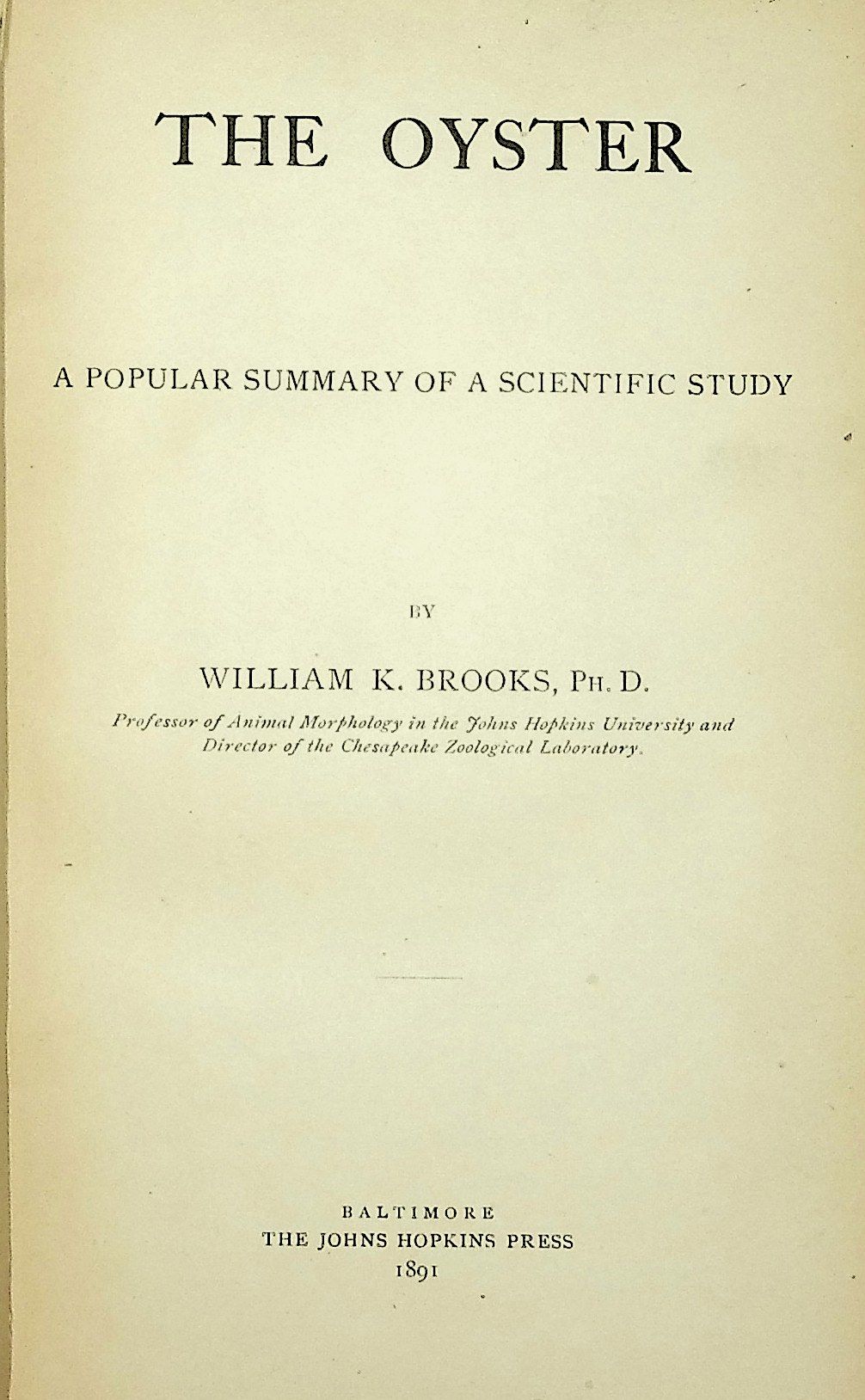
The Oyster: A Popular Summary of a Scientific Study
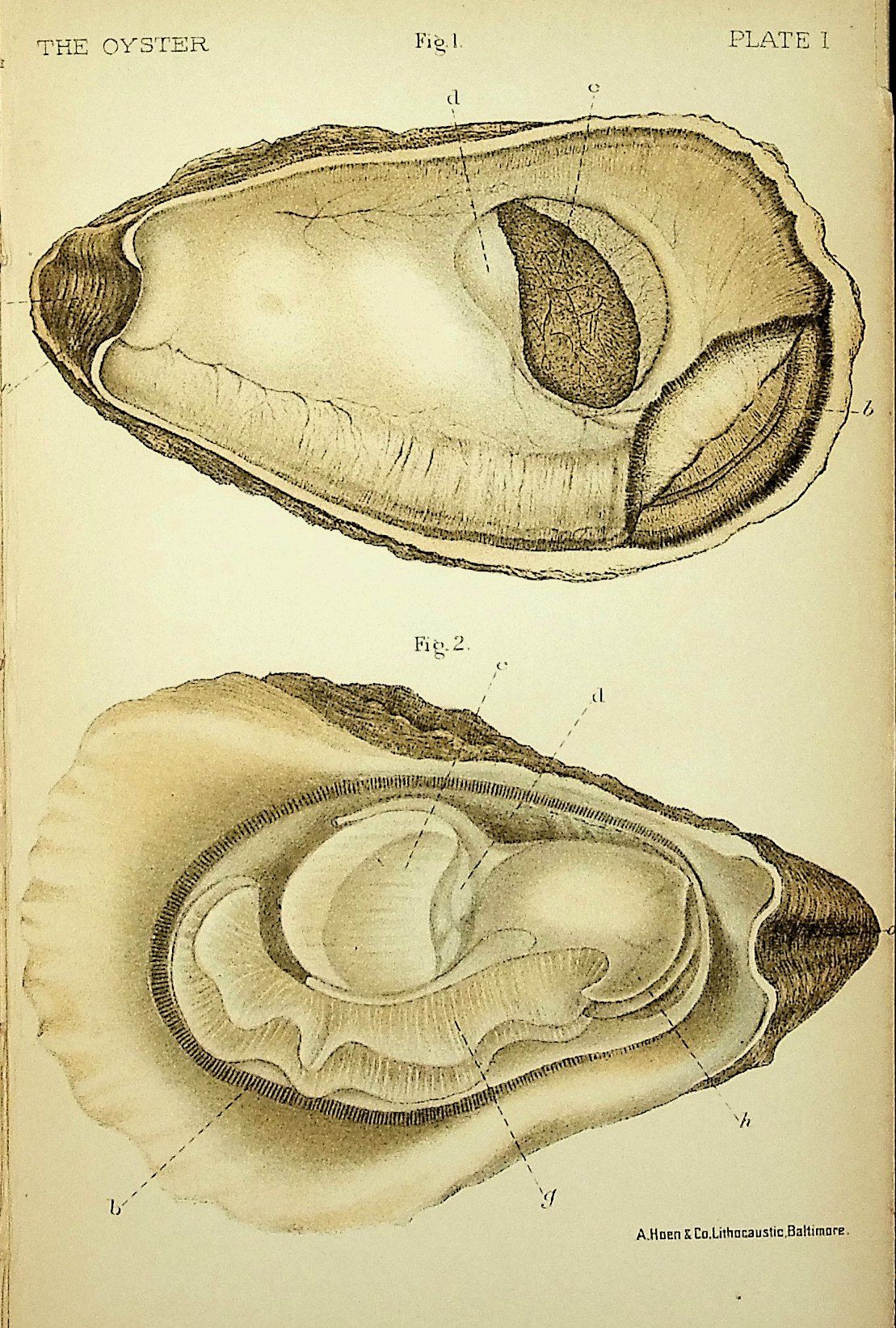
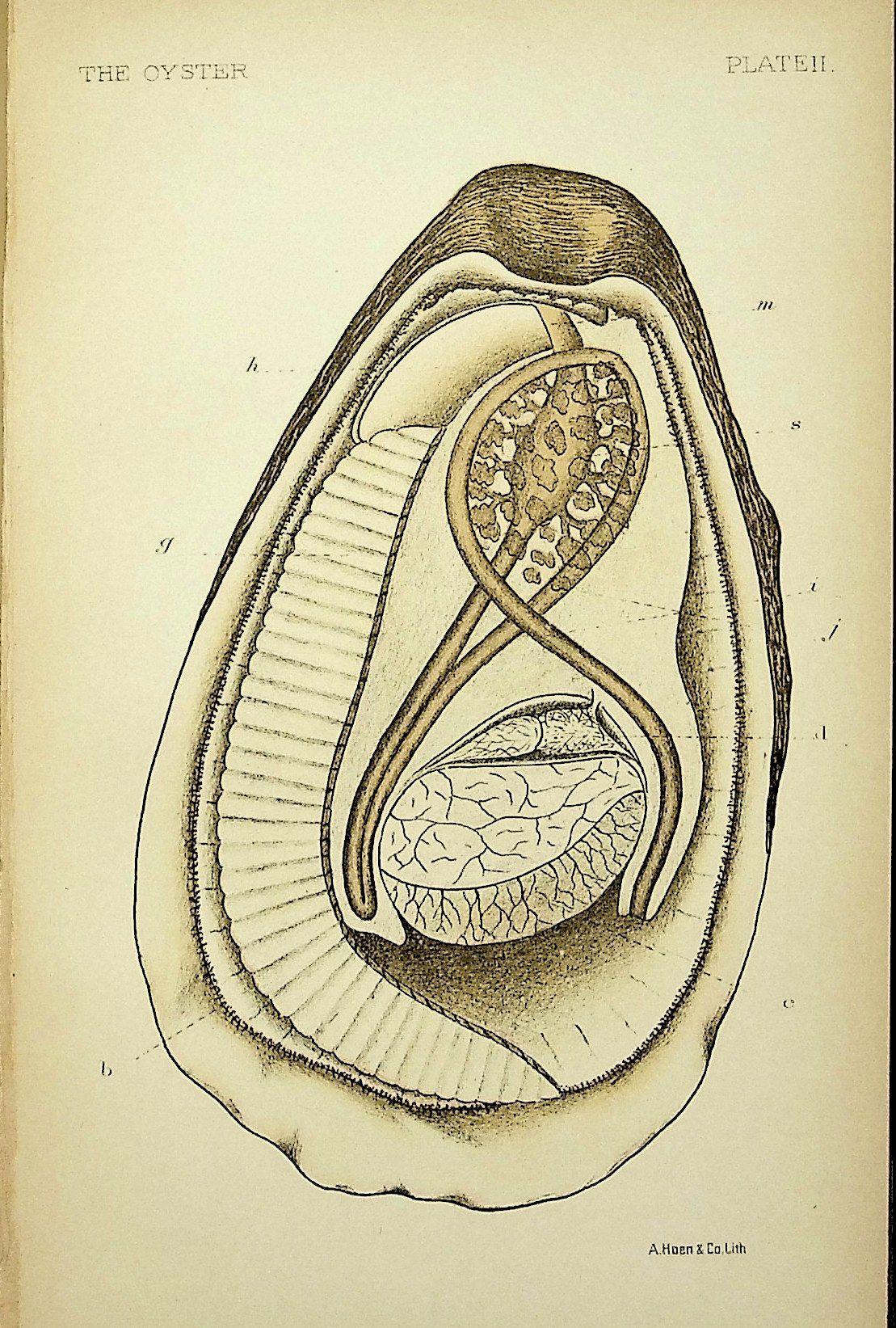
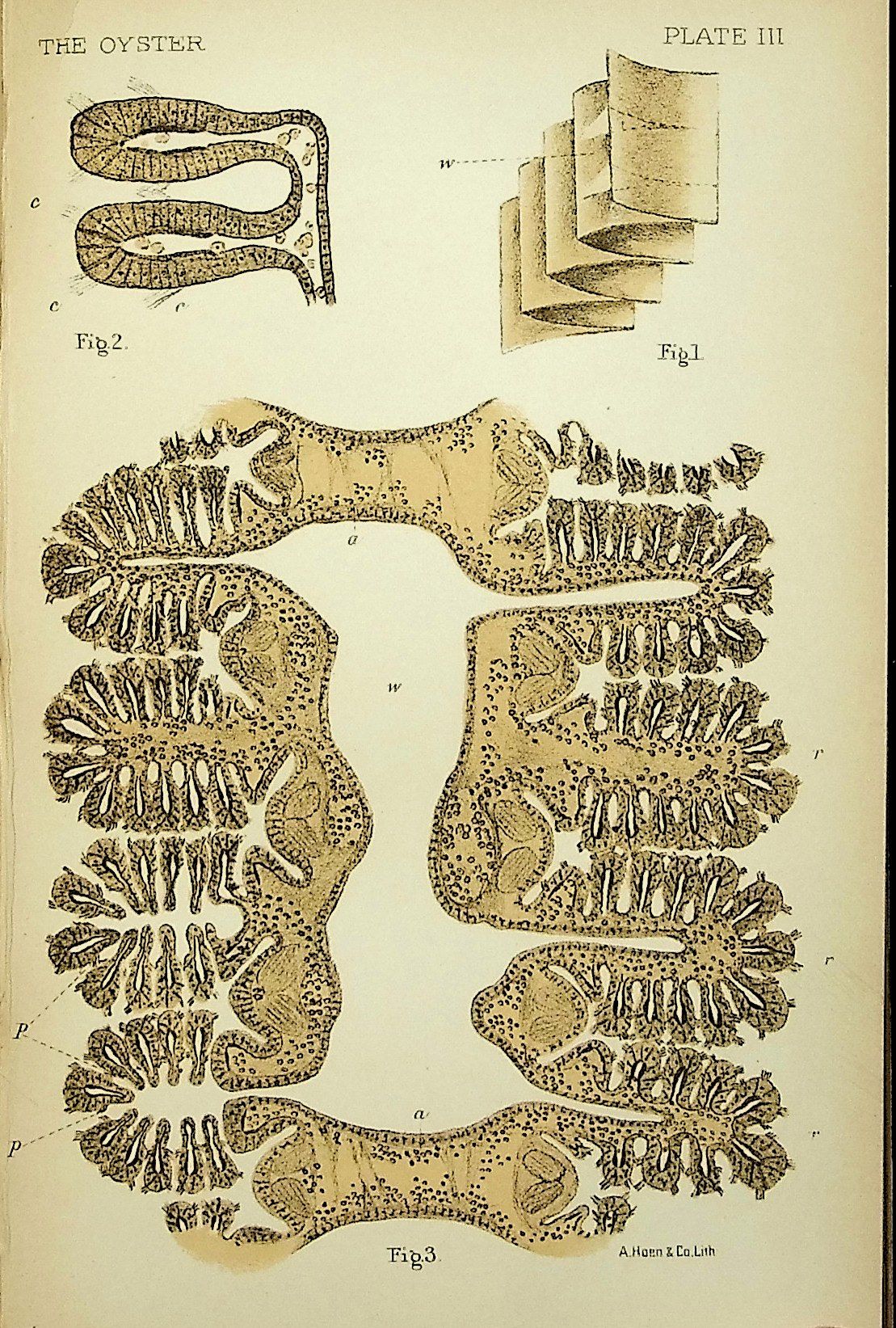
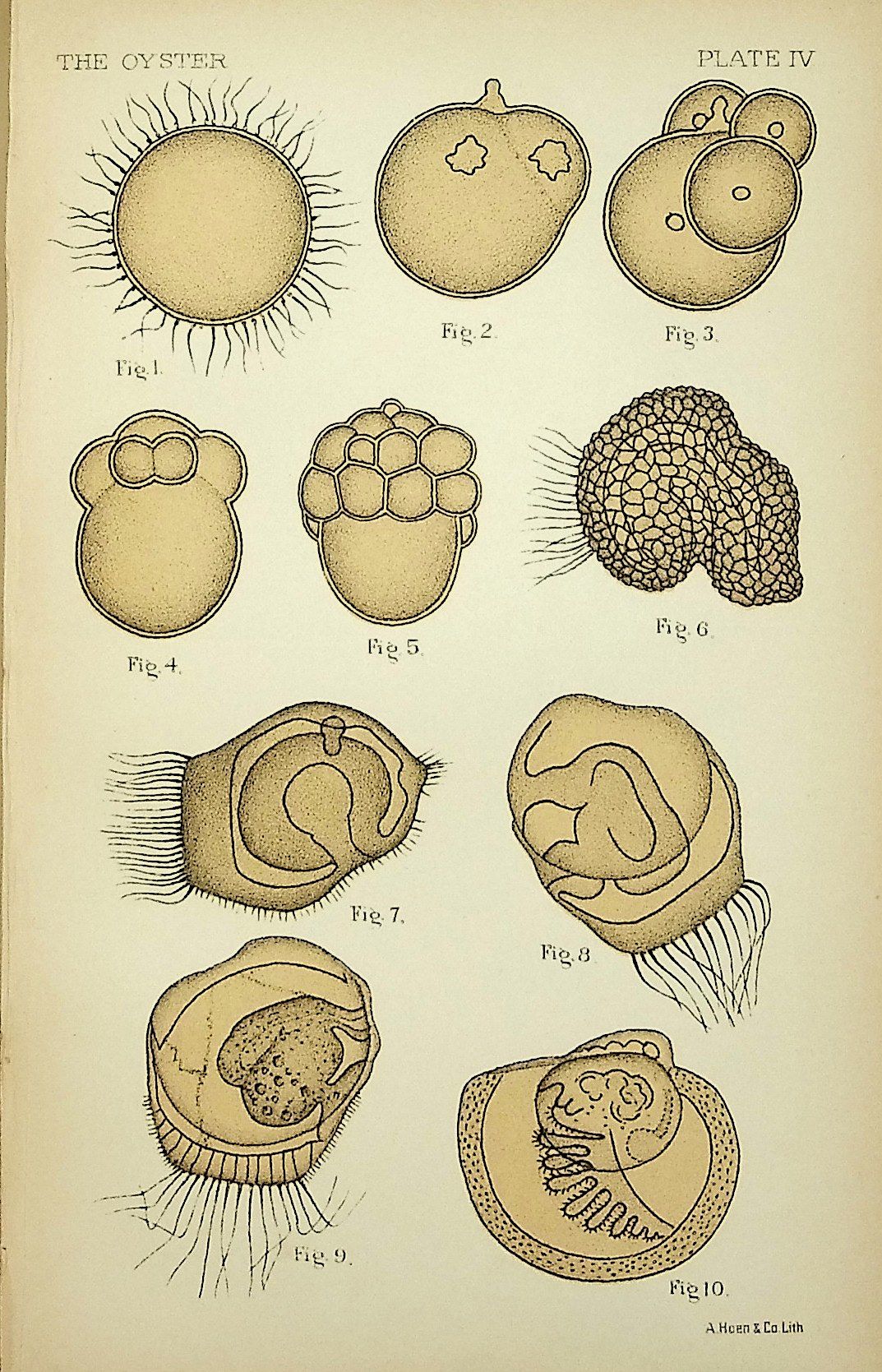
- cloth binding
- Baltimore: Johns Hopkins Press, 1891
Baltimore: Johns Hopkins Press, 1891. First edition.
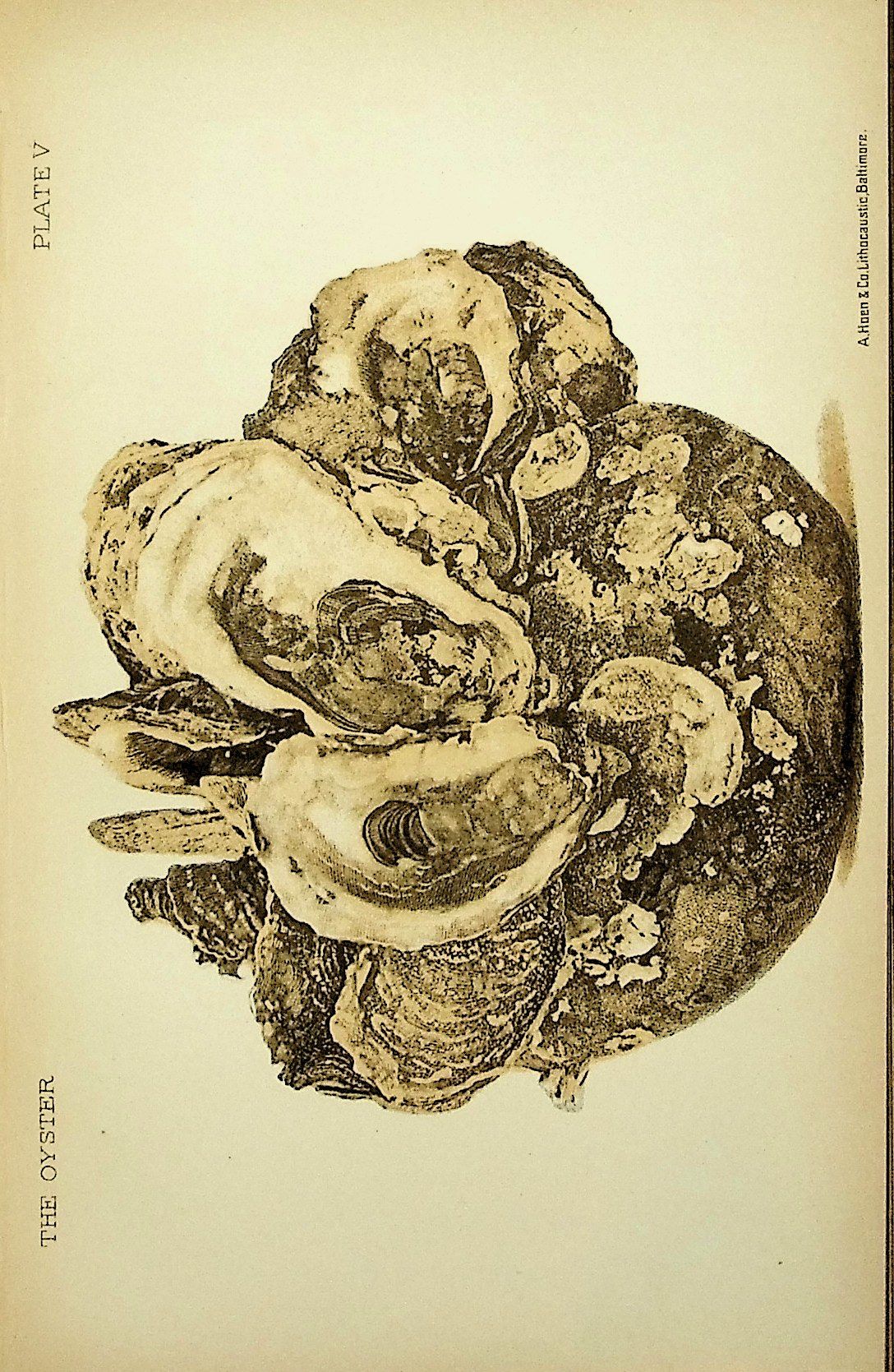
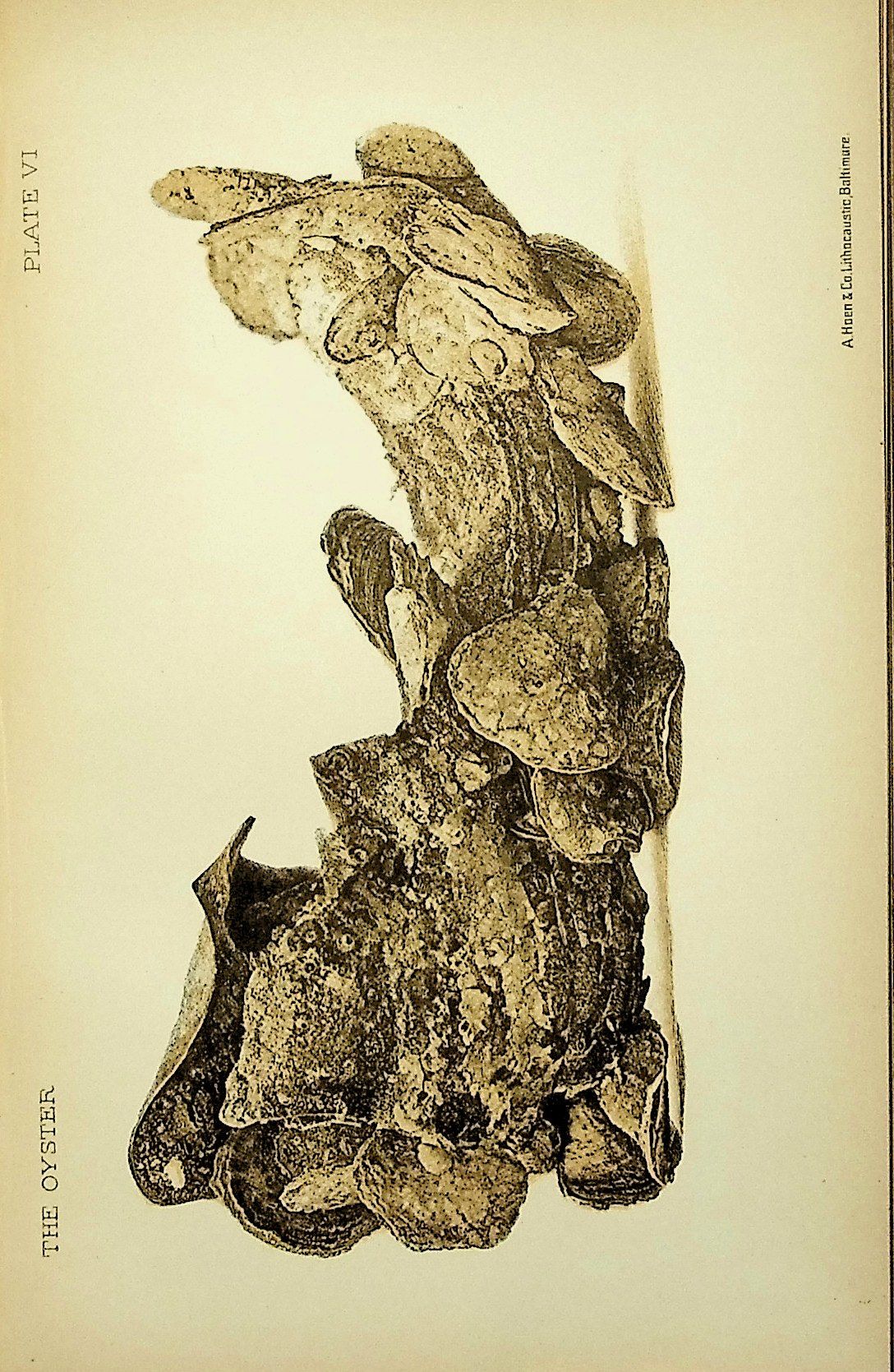
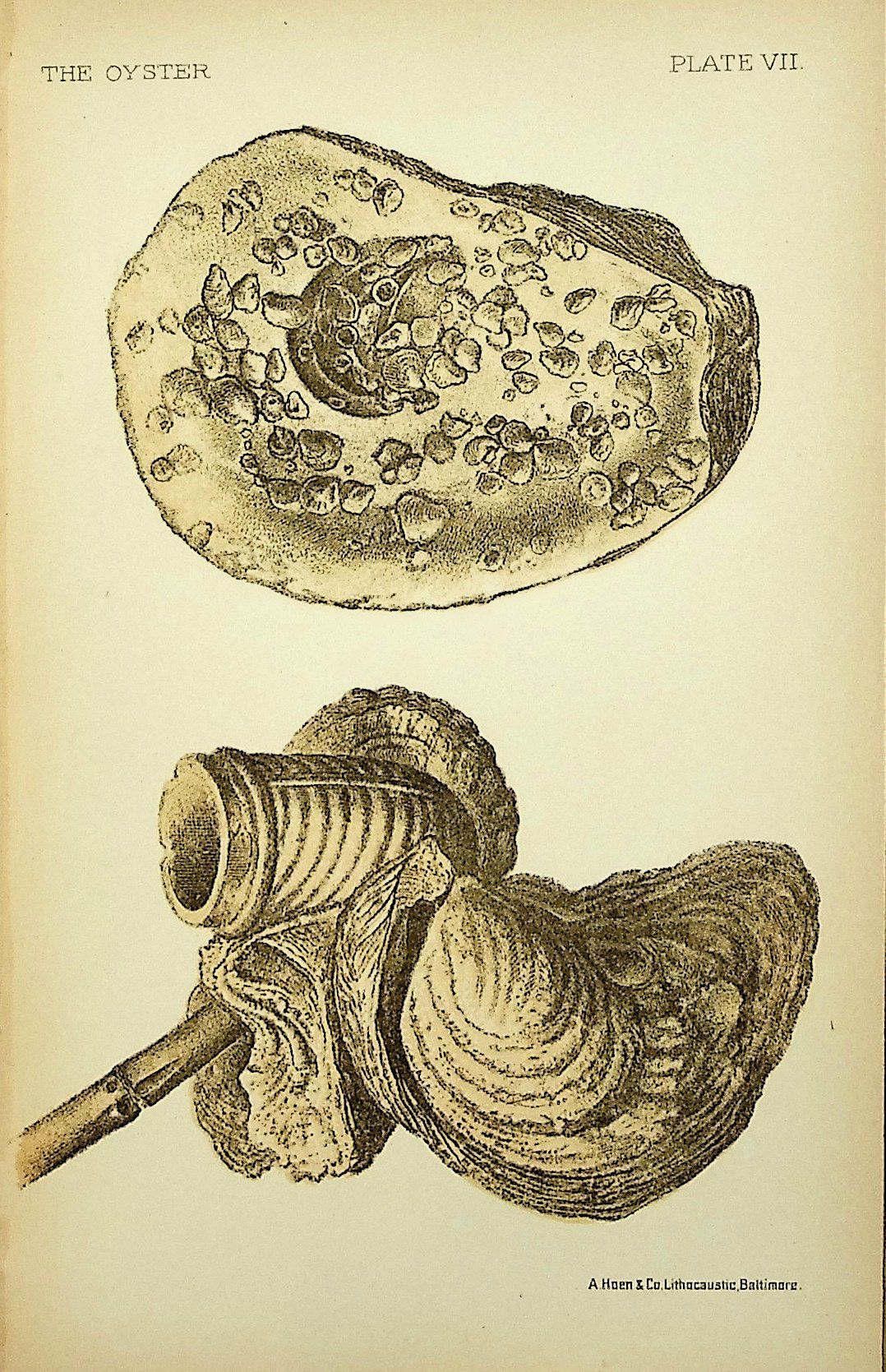
ILLUSTRATED WITH FINE LITHOGRAPHIC PLATES, JOHNS HOPKINS ZOOLOGIST W. K. BROOKS SHOWS HOW TO RECOVER FROM MARYLAND'S "OYSTER FAMINE."
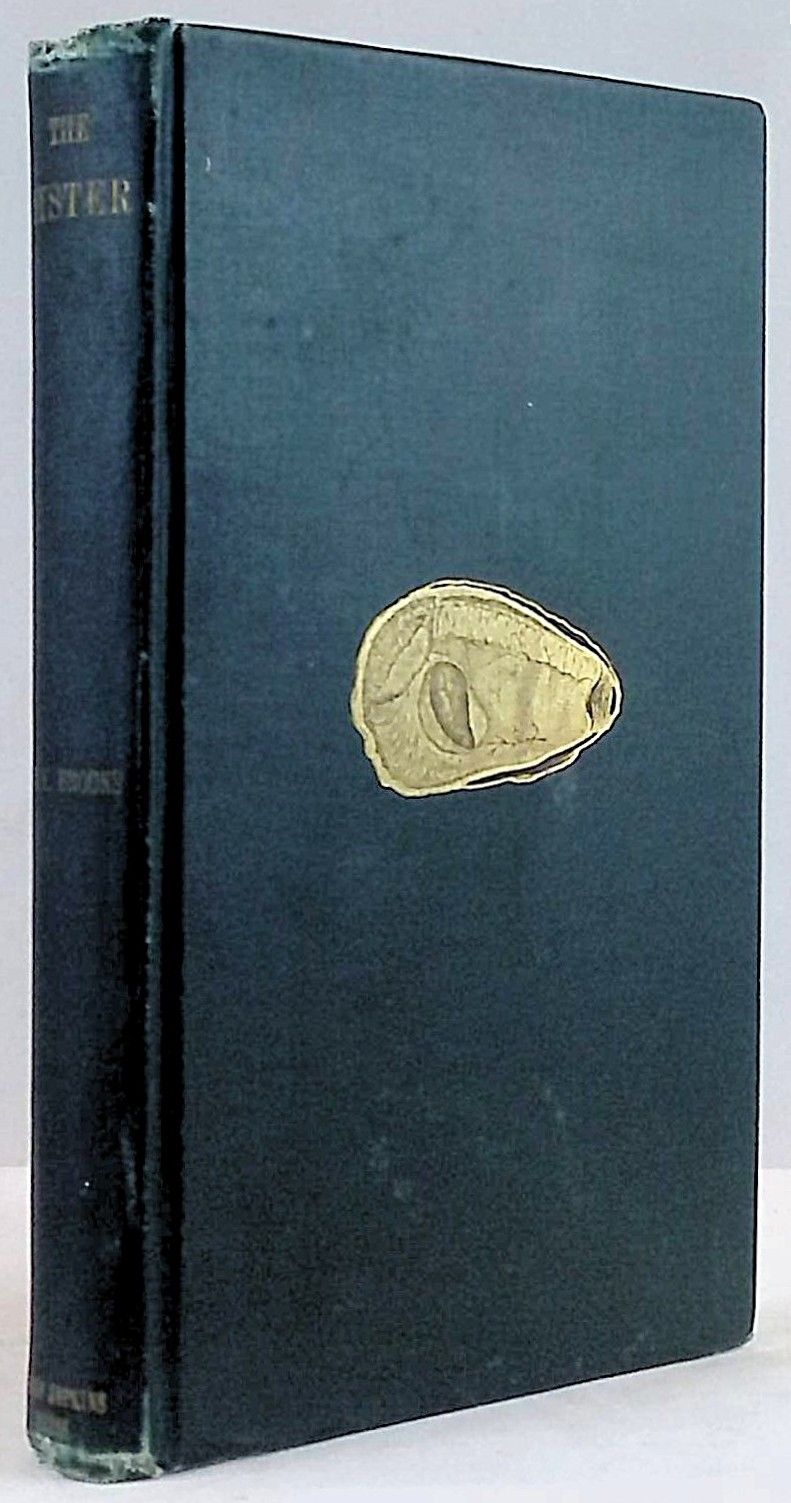
11.5 x 19 cm hardcover, green cloth binding, gilt image of oyster to cover, gilt title to spine, patterned endpapers, bookseller's label to bottom of front paste-down, i-viii, [2], 230 pp, 14 sepia lithographic plates, 3 wood engravings. Wear to cover corner tips and spine ends, front hinge starting, Plate I loose, binding tight, light browning to page edges; good+ in custom archival mylar cover.
WILLIAM KEITH BROOKS (1848-1908) was an American zoologist who studied under Louis Agassiz at Harvard, receiving his PhD in 1875. A year later he became a junior faculty member at Johns Hopkins University when it opened, teaching and researching marine biology. He founded the Chesapeake Zoological Laboratory where he spent most summers, moving each summer between Crisfield, Maryland, Hampton, Virginia, tBeaufort, North Carolina, Jamaica, and the Tortugas. Commissioned by the state of Maryland to study the American oyster, Brooks' findings led to the discovery that fertilization of this type of oyster, unlike the European form, occurred outside the body. He was a member of the American Philosophical Society, National Academy of Sciences, the National Philosophical Society, Academy of Natural Sciences of Philadelphia, the Boston Society of Natural History, the Maryland Academy of Arts and Sciences, the American Society of Zoologists, the American Association for the Advancement of Science, and the Royal Microscopical Society.
AUGUST HOEN (1820-1886) & Co. was a Baltimore-based lithography firm that became one of the most prominent in the industry at the time. In 1877, Hoen entered a print produced by his patented lithocaustic process in the Centennial Exposition. This work, entitled "The Continentals" was "commended for excellence in chromo-lithographic art" by the judges. This patented process involved covered the etching with a mix of citric acid and gum arabic so that the lithographer could see the progress of shaded patterns as they were etched into the stone.
Details
Title
The Oyster: A Popular Summary of a Scientific Study
Author
Brooks, William K.
Binding
cloth binding
Condition
Unknown
Publisher
Johns Hopkins Press: Baltimore
Date
1891
Edition
First edition