

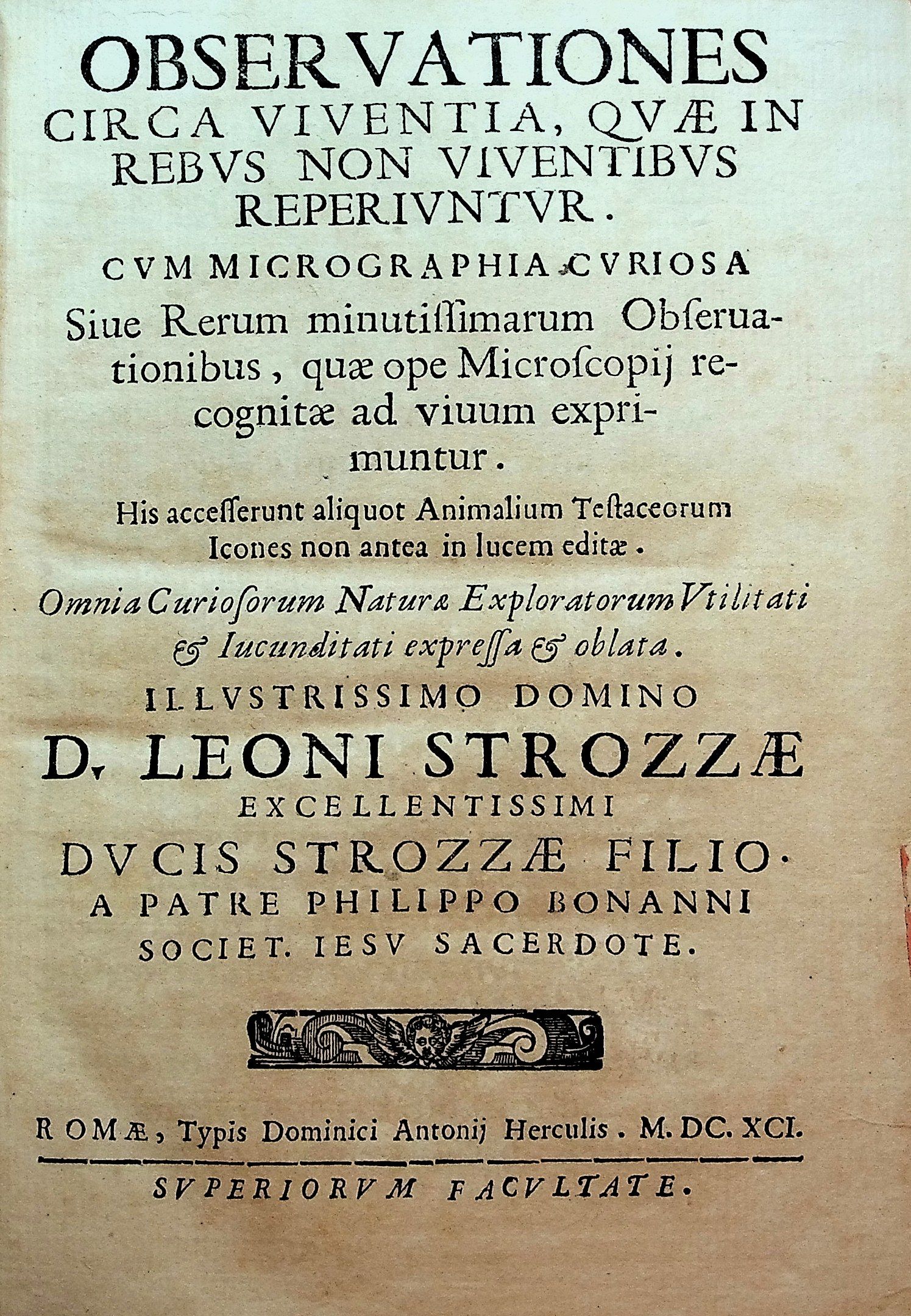
EARLY MICROSCOPY Observationes Circa Viventia, Quae in Rebus Non Viventibus Reperiuntur. Cum Micrographia Curiosa Sive Rerum minutissimarum Observationibus, quae ope Microscopij reconitae ad vivum esperimuntur. His accesserunt aliquot Animalium Testaceorum Icones non antea in lucem editae. Omnia Curiosorum Naturae Exploratorum Utilitati & Iucunditati expressa & oblata
[Observations about living things, which are found in non-living things: with curious micrographs: to these are added some icons of shell animals not previously published]
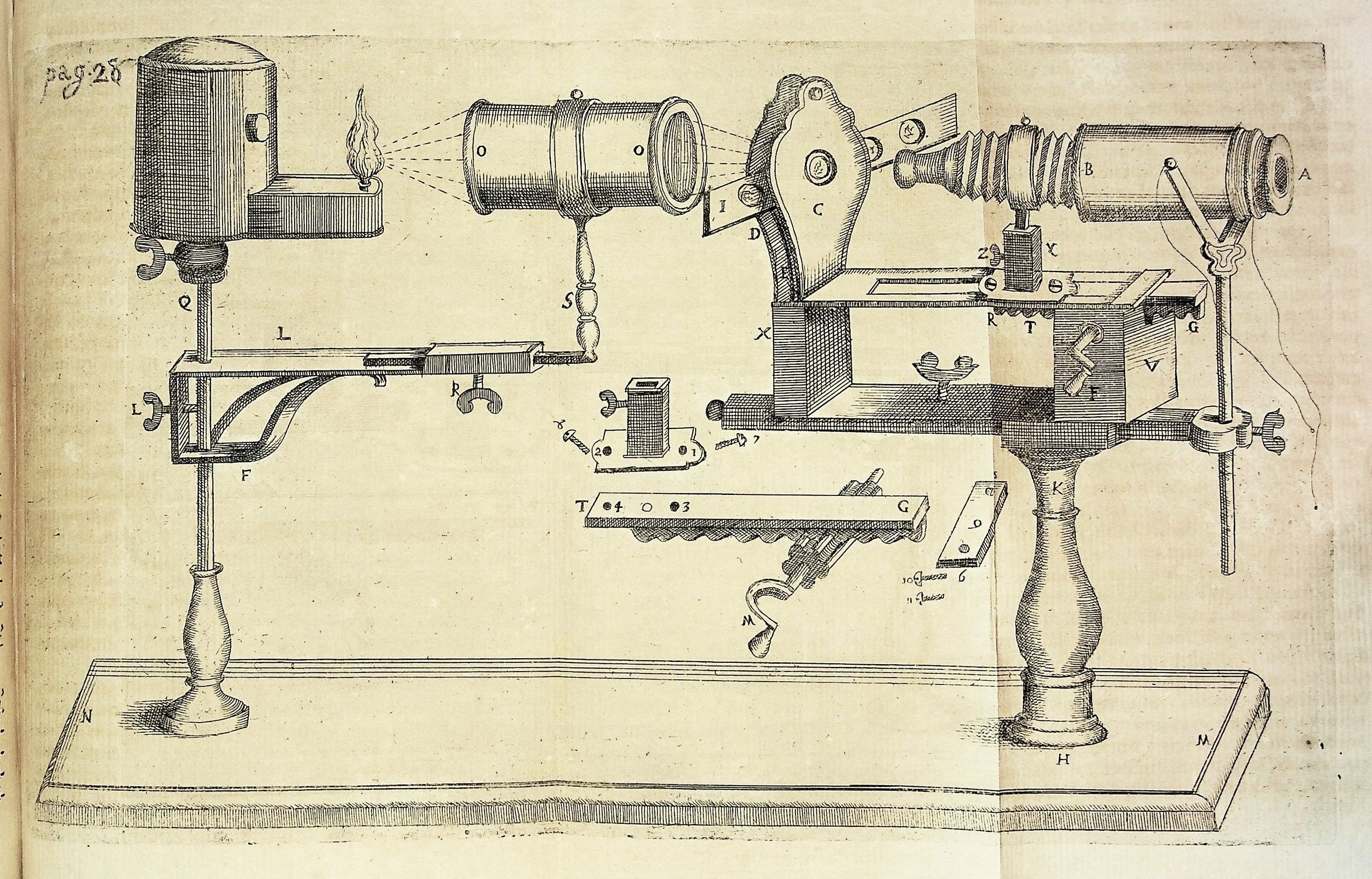
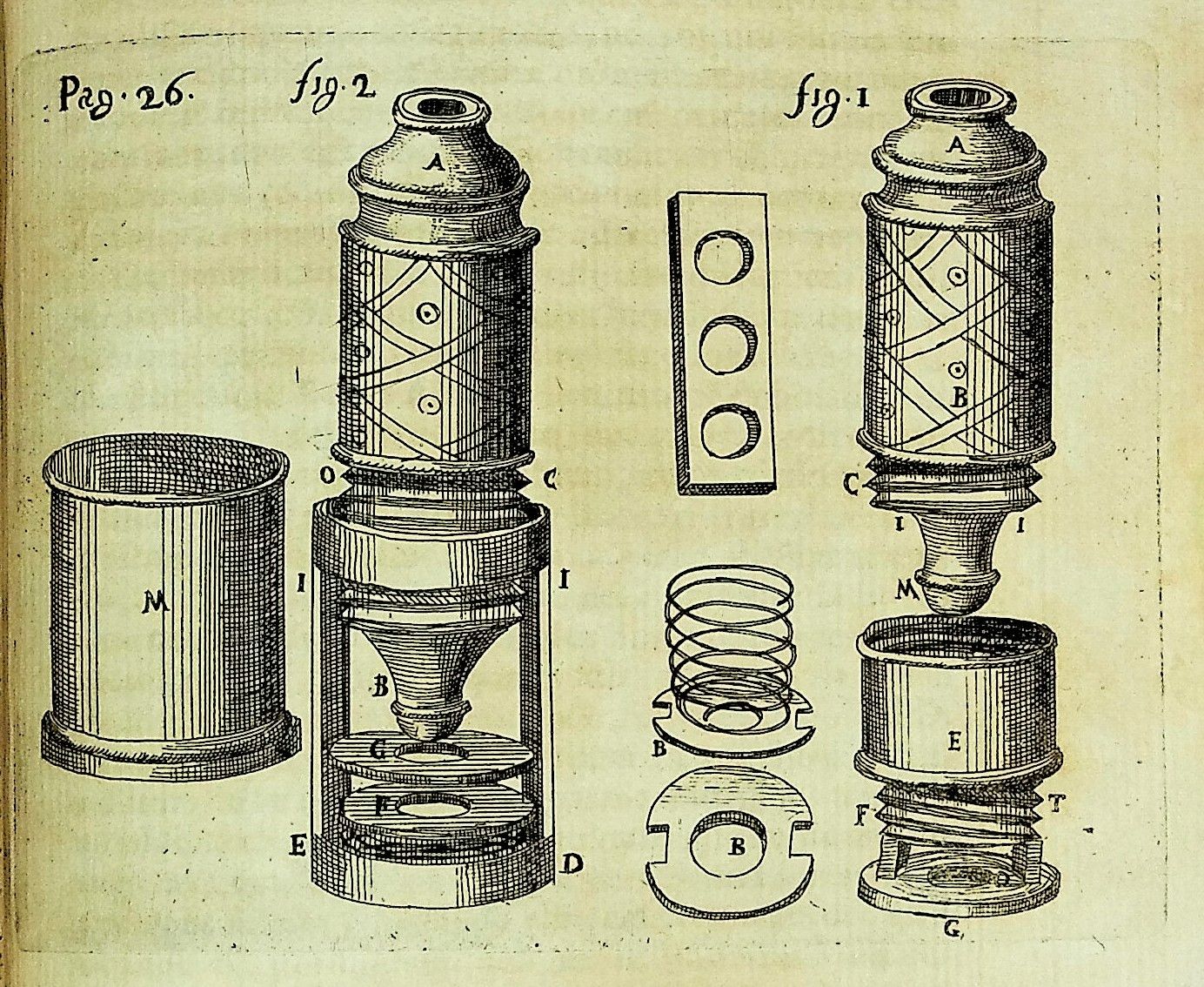
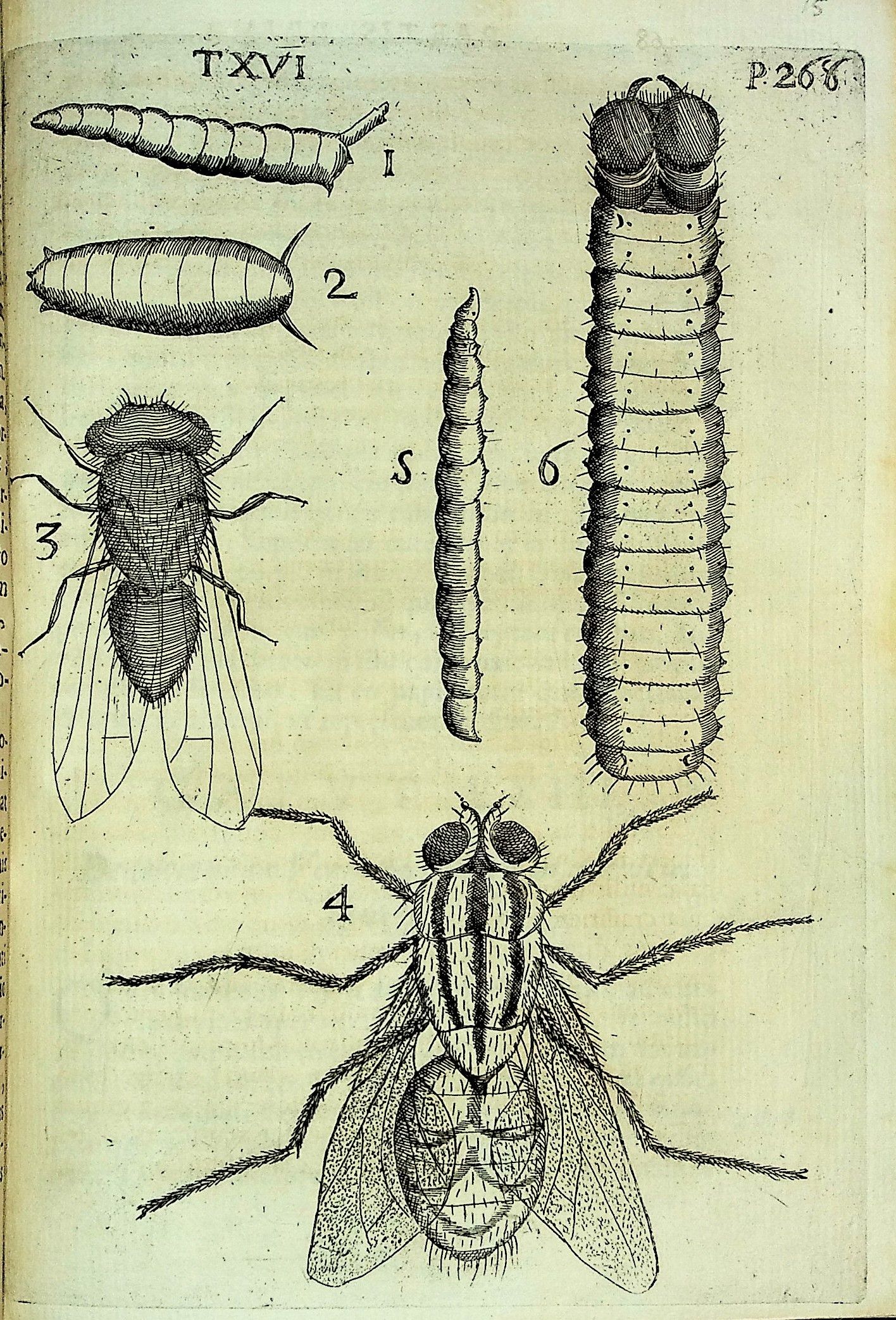
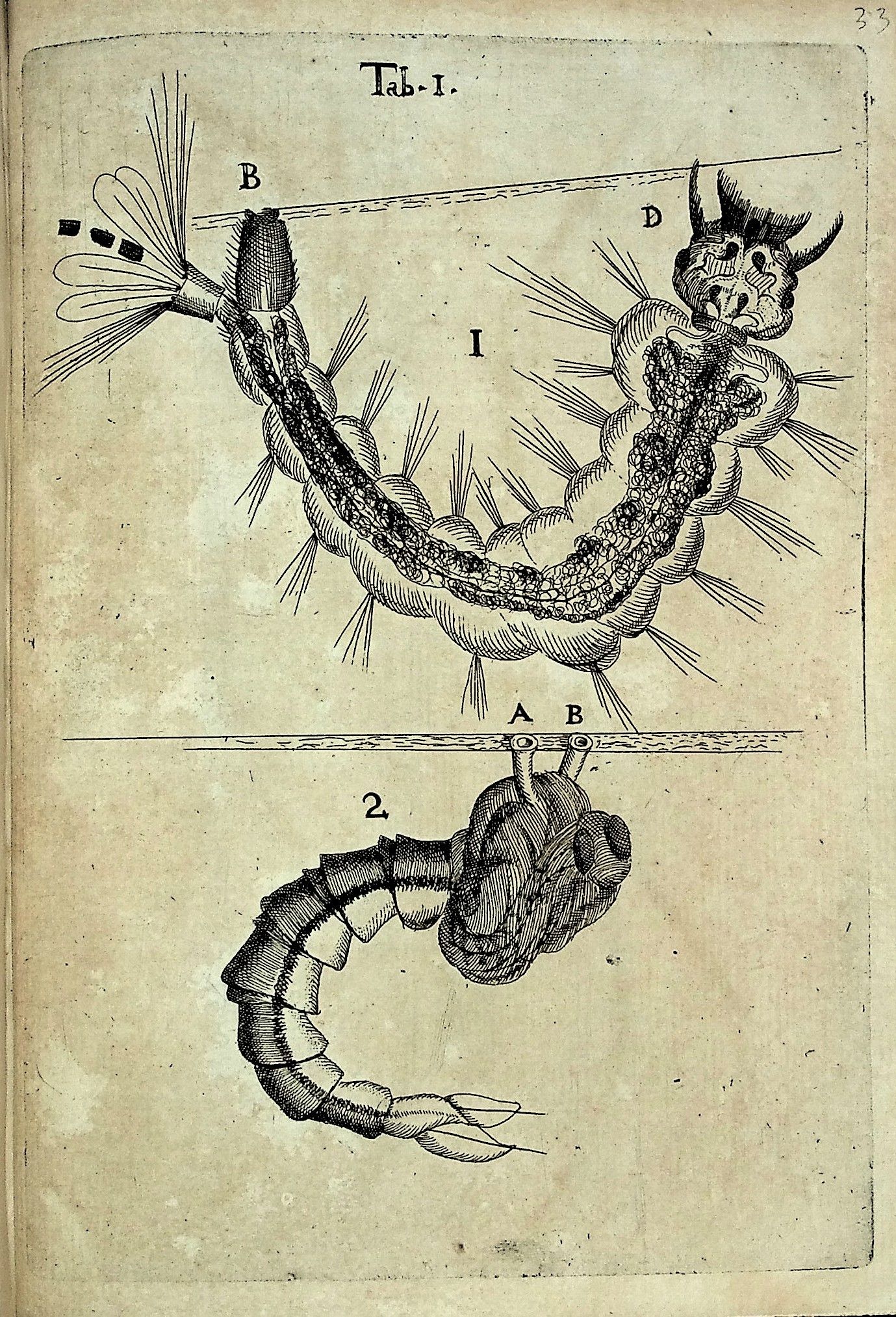
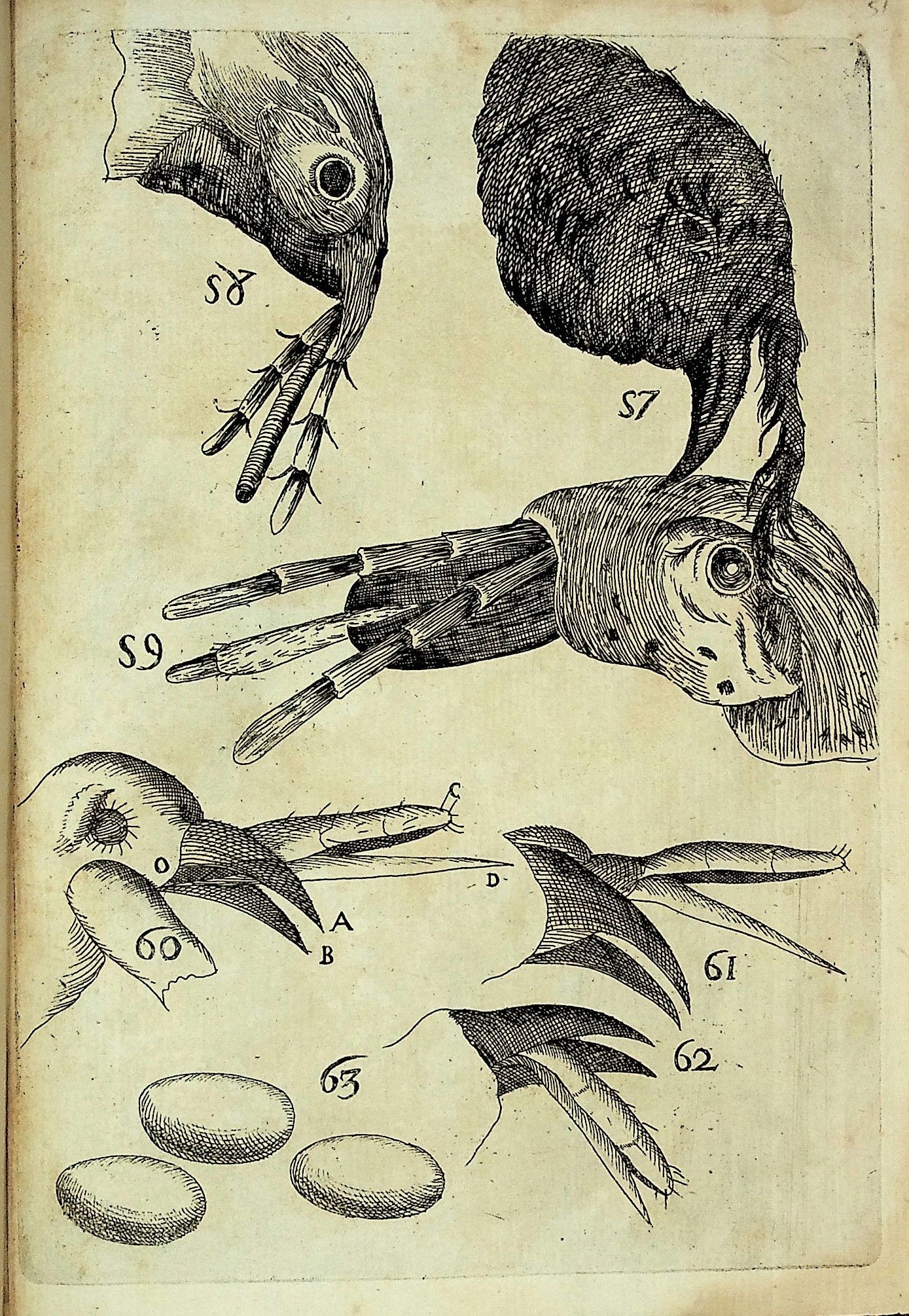
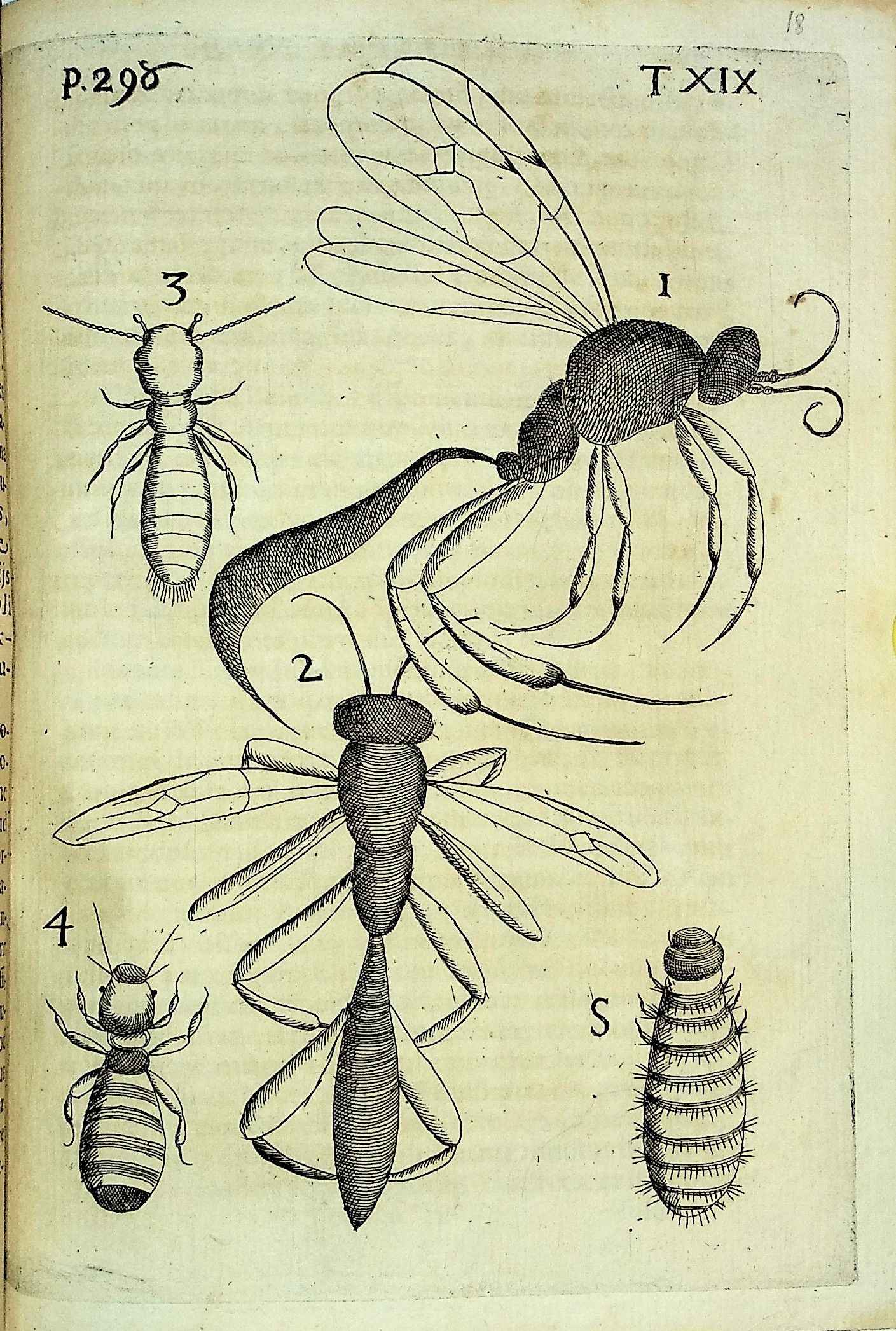
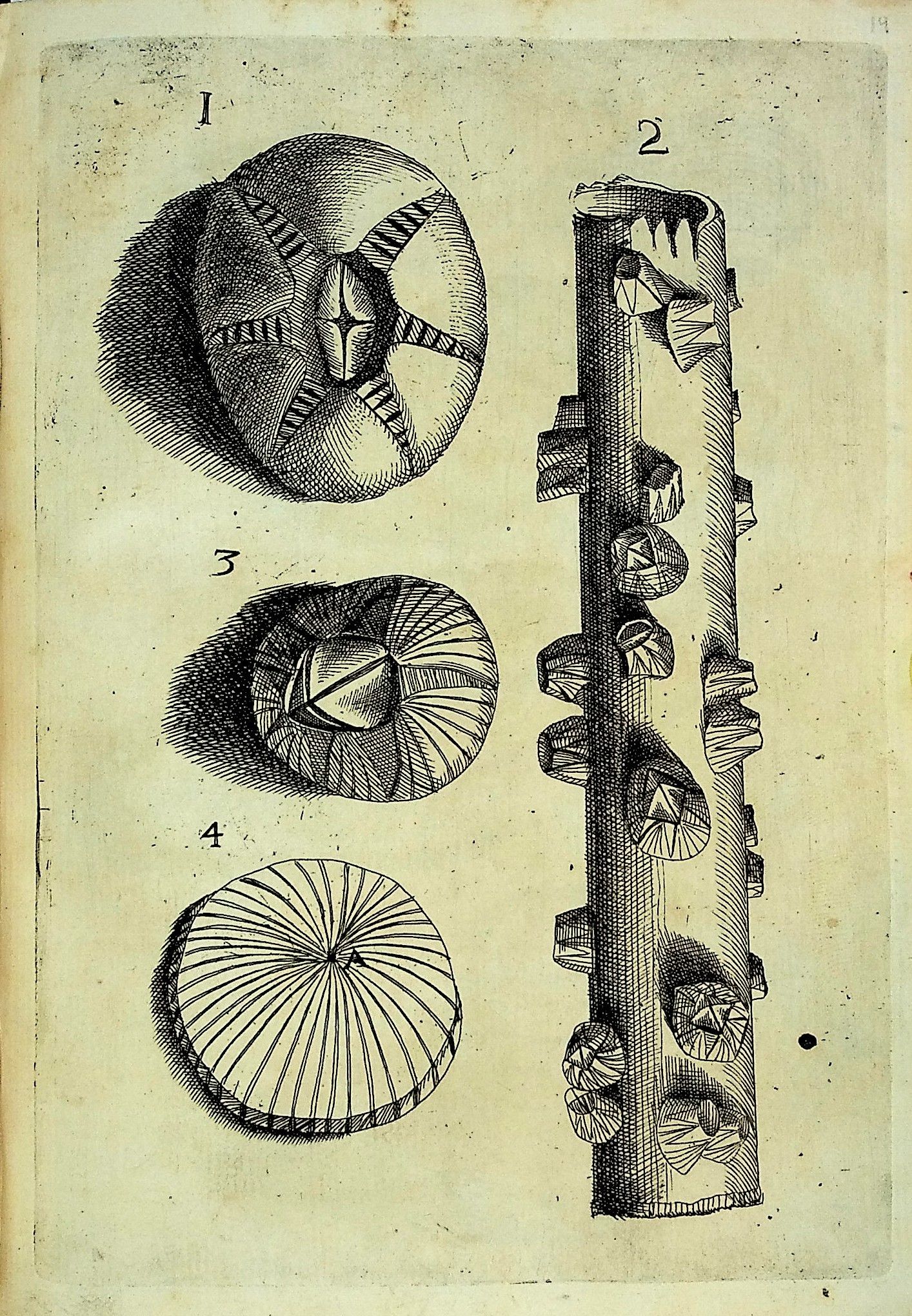
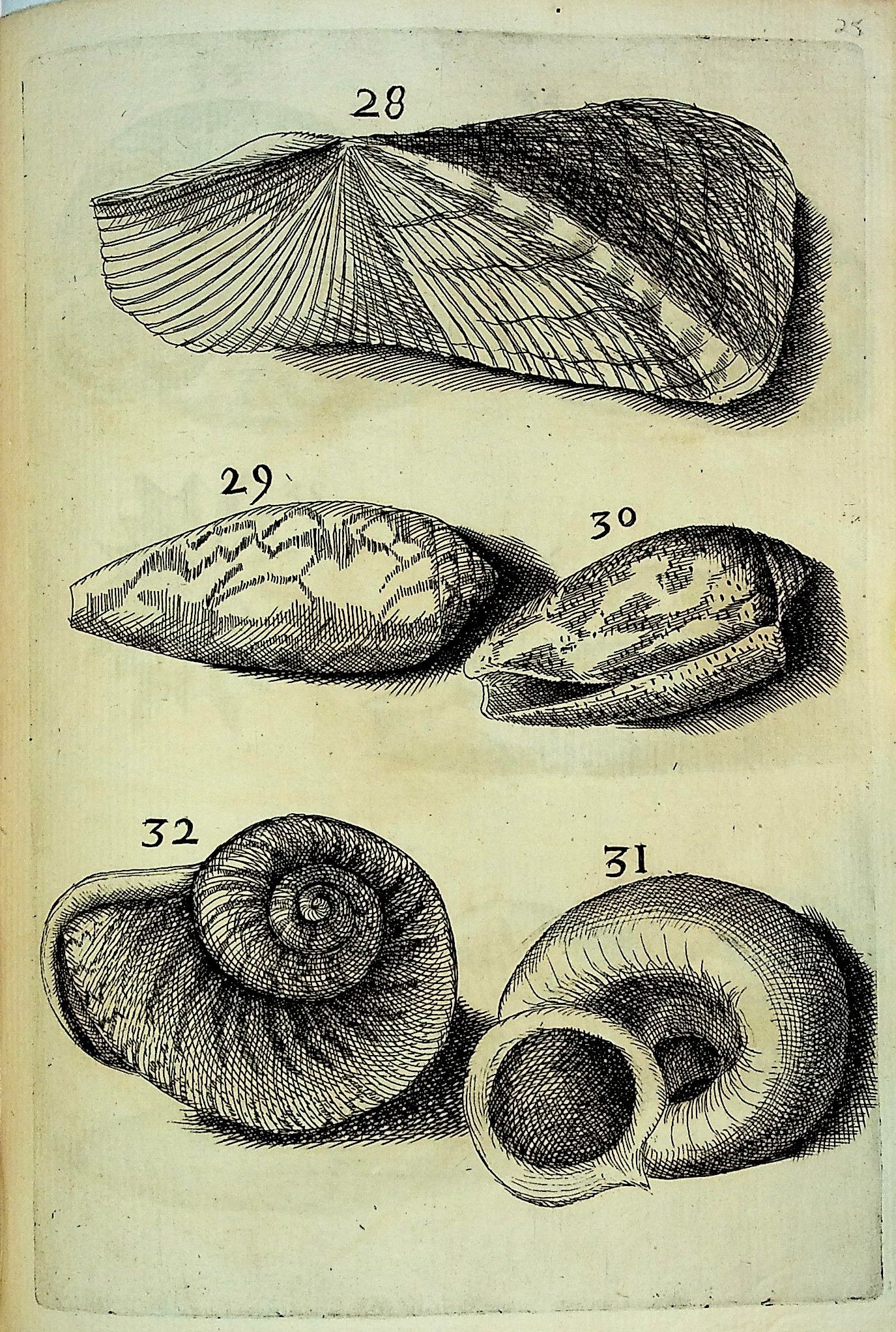
- 3/4 leather binding
- Rome: Antonius Hercules, 1691
1691 MAGNIFICENT TREATISE ON EARLY MICROSCOPY, SPONTANEOUS GENERATION, AND NATURAL HISTORY ILLUSTRATED WITH ENGRAVINGS.
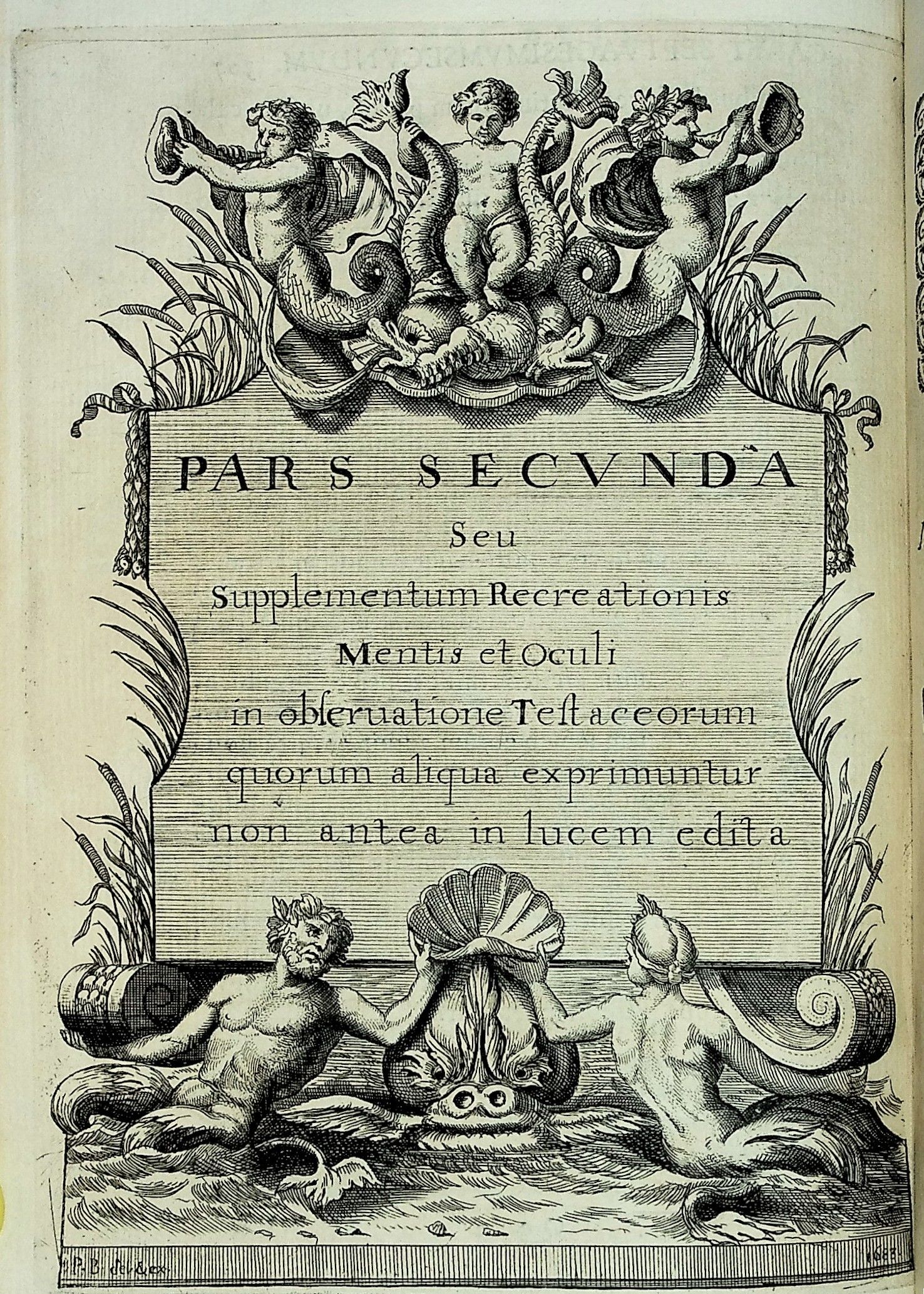
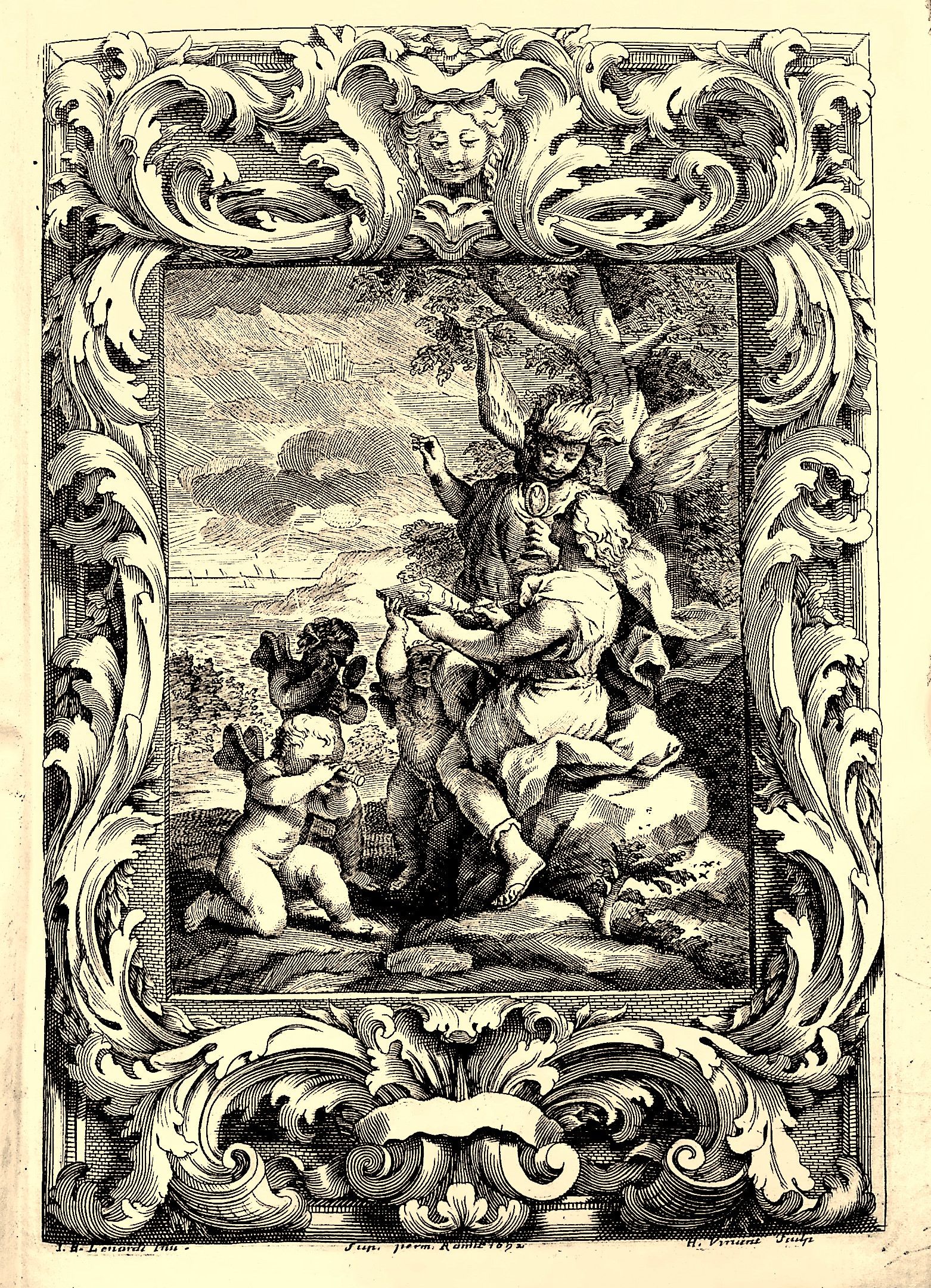
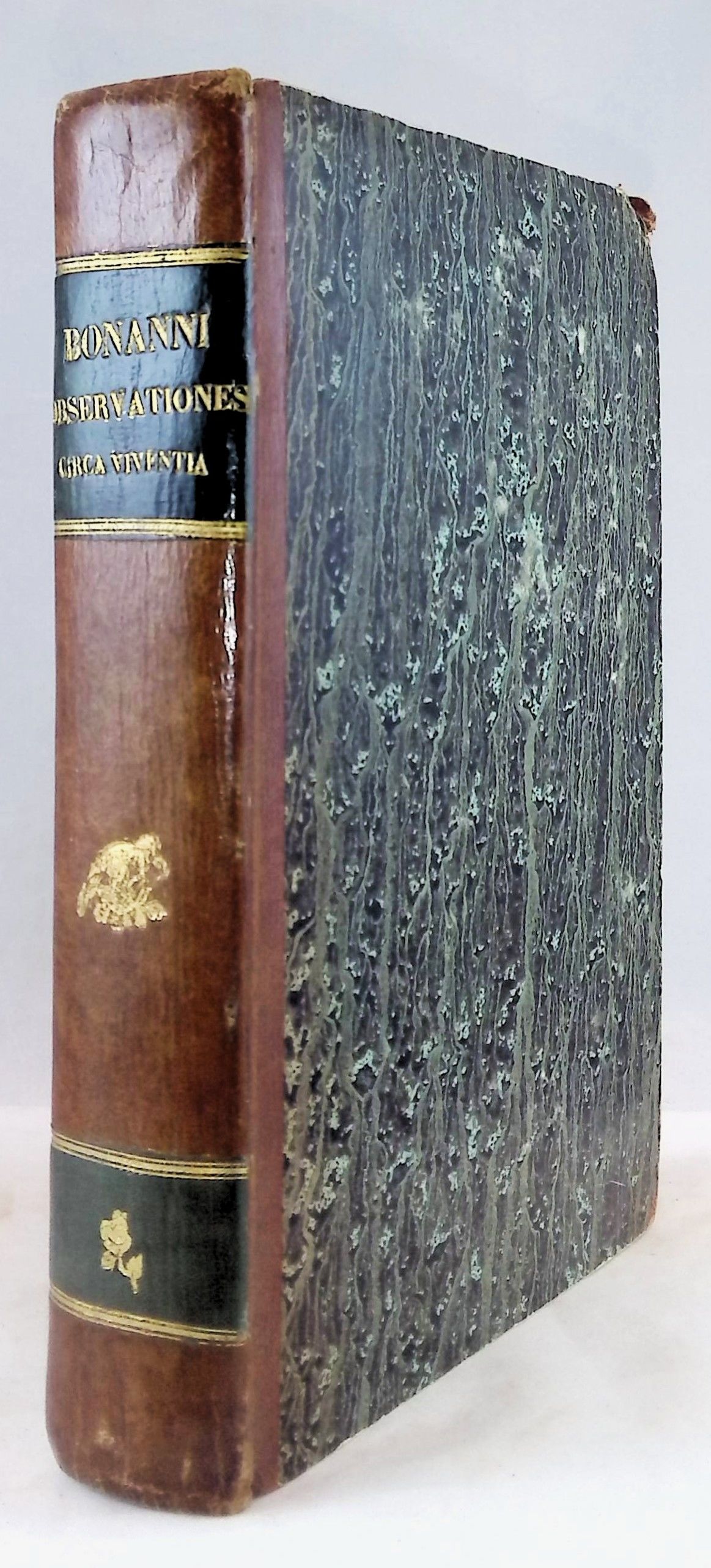
16 x 23 cm hardcover, 19th century binding with leather corner tips and spine with gilt black leather labels, marbled paper covered boards, elaborate copperplate frontispiece depicting angels on coast with sailboats and clouds, by Leonardi, engraved by Hubert Vincent dated 1691, i-xx includes index to Parts I and II; Part I pp 1-307; Part II 308-342 with p 308 containing second copperplate frontispiece depicting mermen and dolphins by "PB" dated 1683, followed by text, plates, and indexes; (1) warning of typographical errors ["Errata benignus lector typographo condonabit"]; 1-106 "Micrographia Curiosa". 68 copper plates, 4 of which are folded. Wear to corners and cover edges, light foxing of endpapers, browning of some pages, binding tight, pages unmarked, very good in custom archival mylar cover. LATIN LANGUAGE.
NOTE: WorldCat (OCLC) lists 2 states of the 1691 first edition of Observationes: one binding includes 68 plates and the other with 70 plates. Collation of this copy is complete with 68 plates; a facsimile of the leaf with "Tab XX/XXI opposite page 300" taken from a digital copy on WorldCat has been loosely inserted.
FILIPPO BONANNI, (1638 - 1723) was Italian Jesuit scholar. Among his many works of erudition were treatises on fields ranging from anatomy to music. He created the earliest practical illustrated guide for shell collectors in 1681, for which he is considered a founder of conchology. Bonanni was born in Rome in 1638, and entered the Society of Jesus in 1654, when he was still 17 years old. After his novitiate, in 1656 he was sent to study at the Society's noted Roman College. There he became a pupil of the German scientist, Athanasius Kircher. While a student there, he undertook the manufacturing of microscopic lenses. He used three lenses to create his own microscope and developed a method of holding the object between two flat plates held together by a spiral spring. He also became a skilled copper plate engraver. From Rome, Bonanni was sent to teach in the Jesuit Colleges of Orvieto and Ancona. Upon Kircher's resignation of the post of Professor of Mathematics at the Roman College, Bonanni was chosen to succeed him. After Kircher's death in 1698, Bonanni was appointed curator of the well-known cabinet of curiosities gathered by Kircher and installed in the Roman College. He published a catalogue of the collection in 1709, titled Musaeum Kicherianum. Bonanni followed Aristotle in believing in theories of spontaneous generation. In critiquing the experimental work of Francesco Redi (also offered by Biomed Rare Books, ID 1782), Bonanni defended the Aristotelian view. Nonetheless, in early writing about the nature and origins of fossils, Bonanni admitted doubts about whether theories of transport could account for the numbers and distributions of fossils. He later speculated that fossils could be divided into two groups, those which were the remains of organisms, and those which were "products of natural powers." Such interpretations were consistent with the new and challenging idea that the earth must have undergone "extraordinary alterations" to explain the diversity of types and locations of fossils.
GARRISON-MORTON No. 264 "Illustrates several early microscopes, including the famous microscopes of the Bolognese Joseph Campani". Nissen ZBI, 752
Details
Title
EARLY MICROSCOPY Observationes Circa Viventia, Quae in Rebus Non Viventibus Reperiuntur. Cum Micrographia Curiosa Sive Rerum minutissimarum Observationibus, quae ope Microscopij reconitae ad vivum esperimuntur. His accesserunt aliquot Animalium Testaceorum Icones non antea in lucem editae. Omnia Curiosorum Naturae Exploratorum Utilitati & Iucunditati expressa & oblata
Author
Bonanni, Filippo
Binding
3/4 leather binding
Condition
Unknown
Publisher
Antonius Hercules: Rome
Date
1691
Edition
First edition