

Introduction to the Study of the Foraminifera
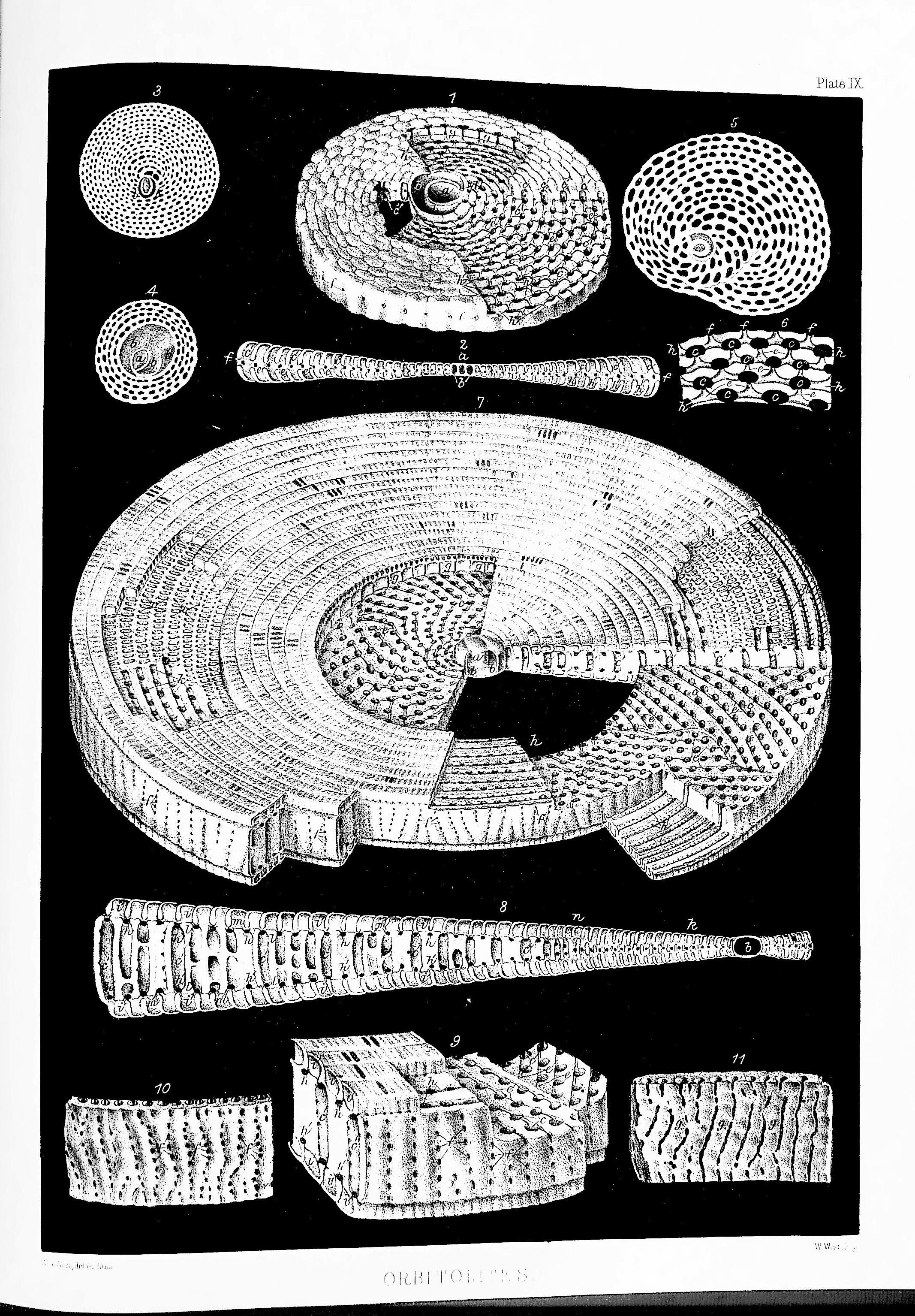
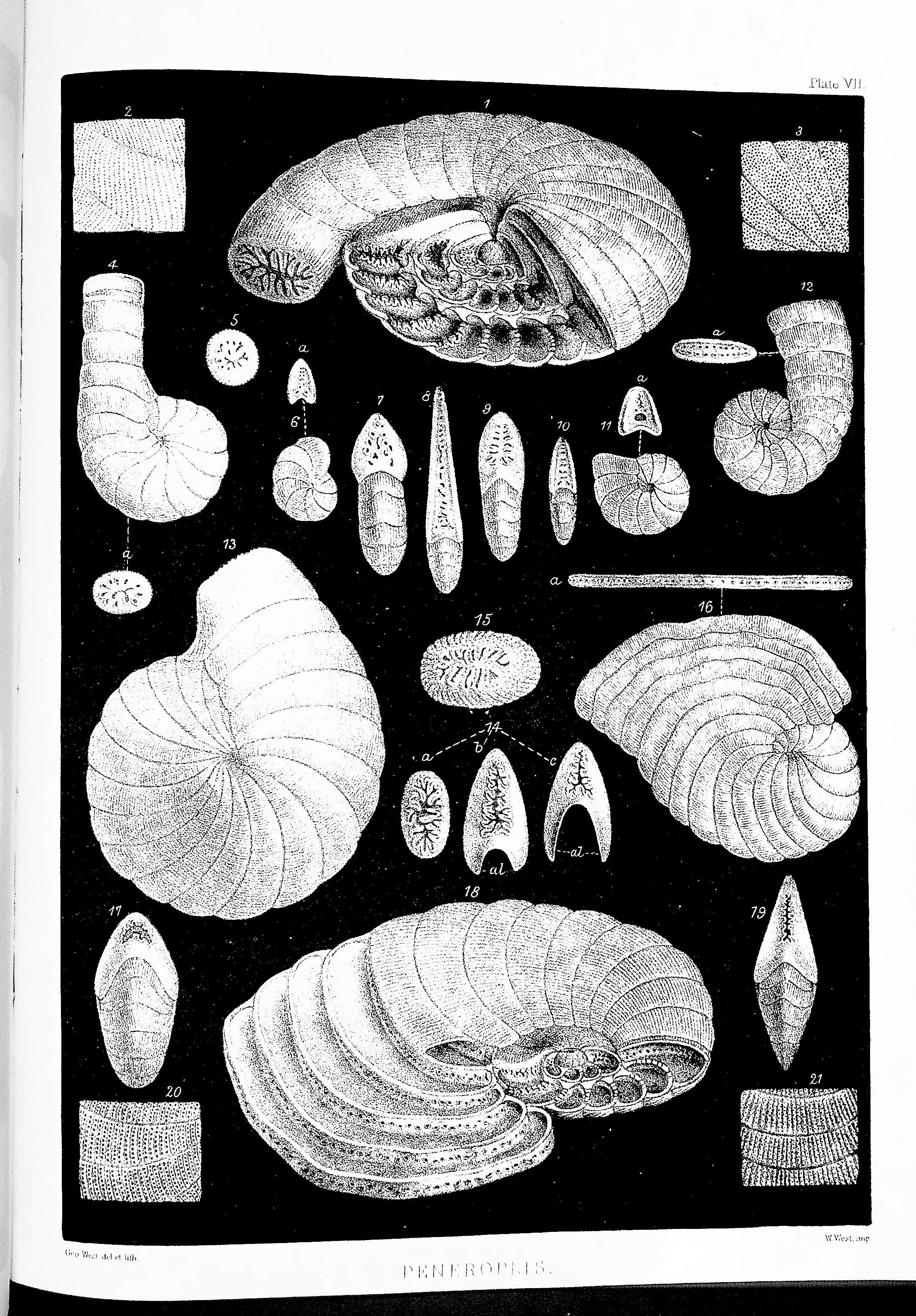
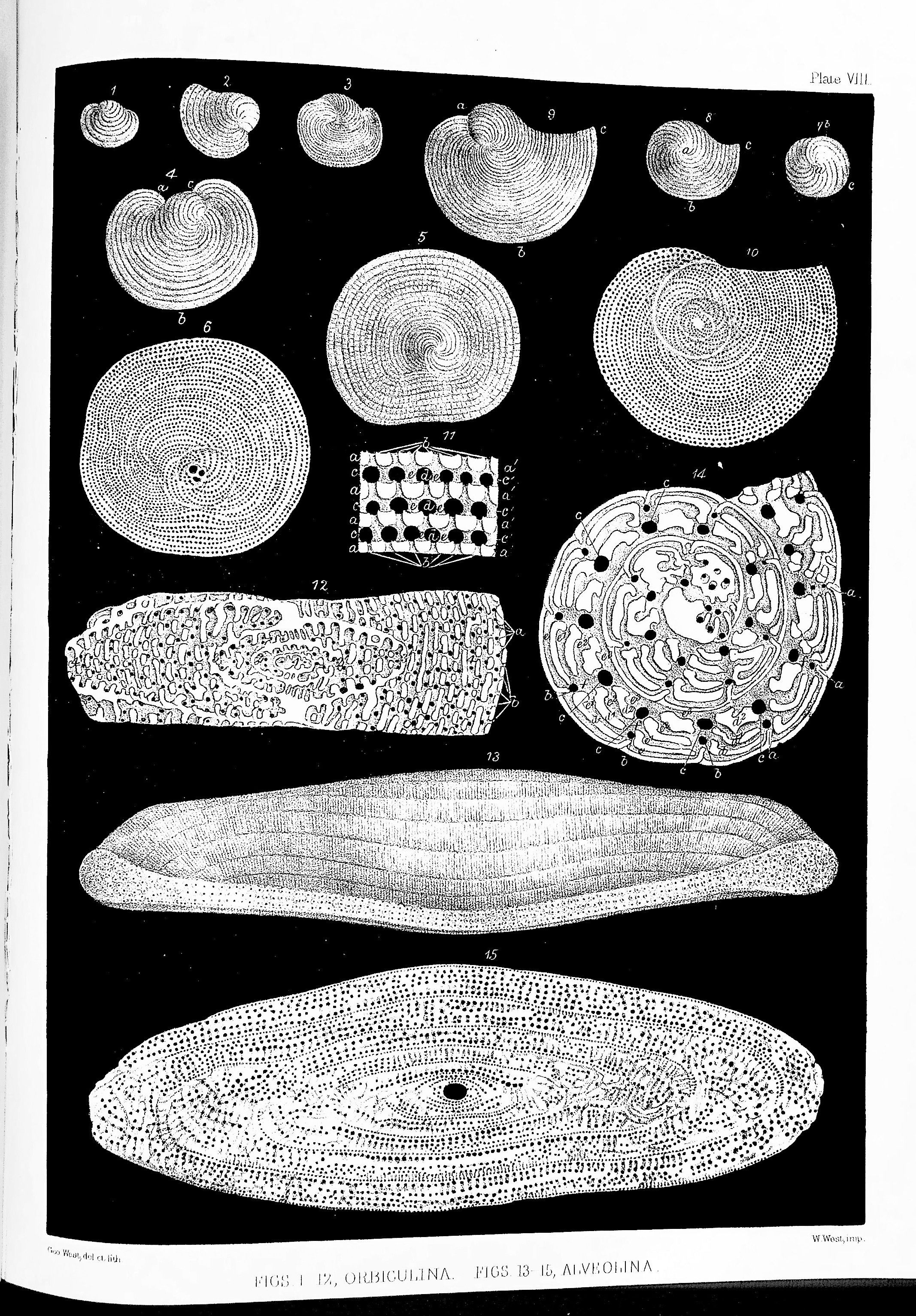
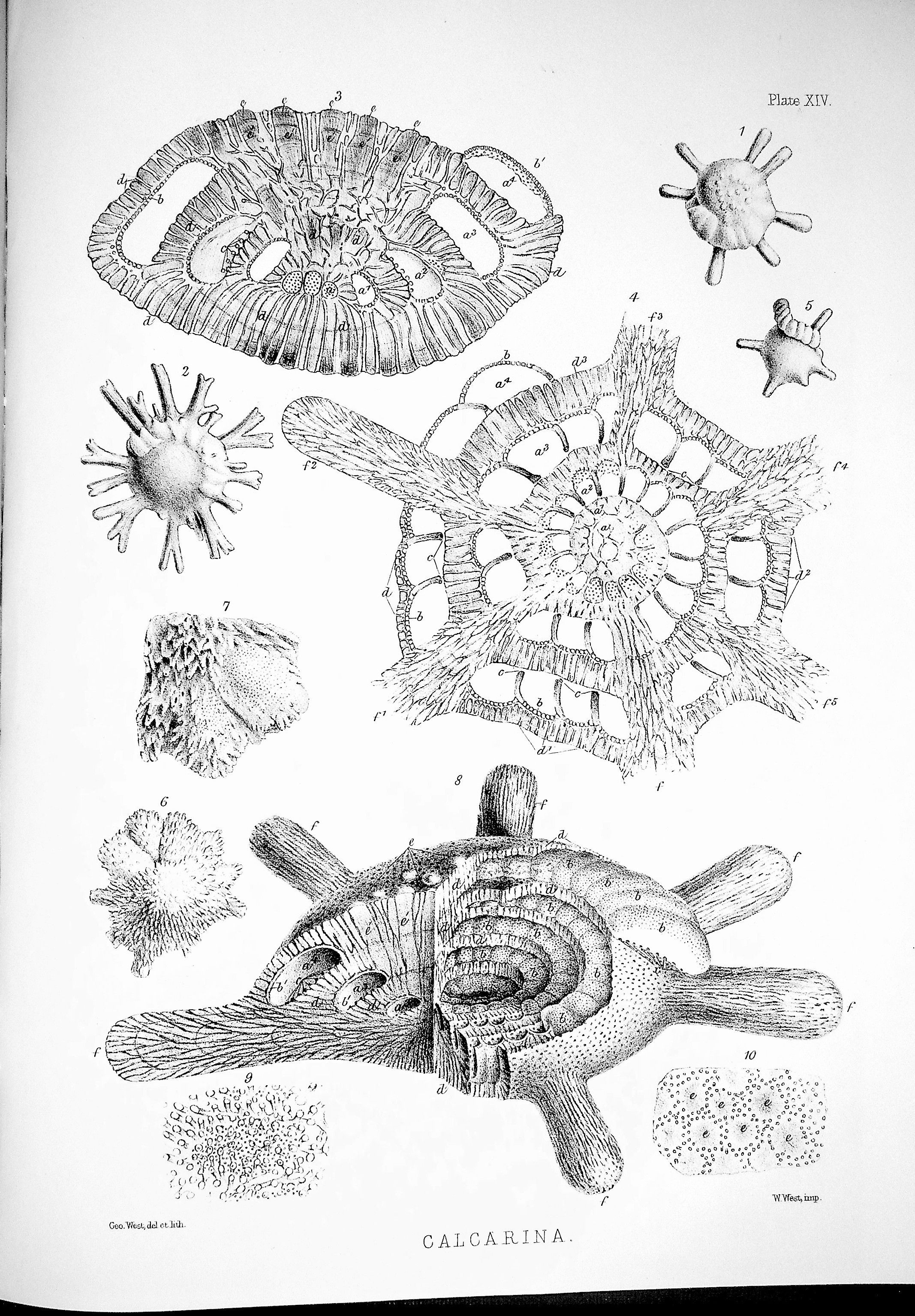
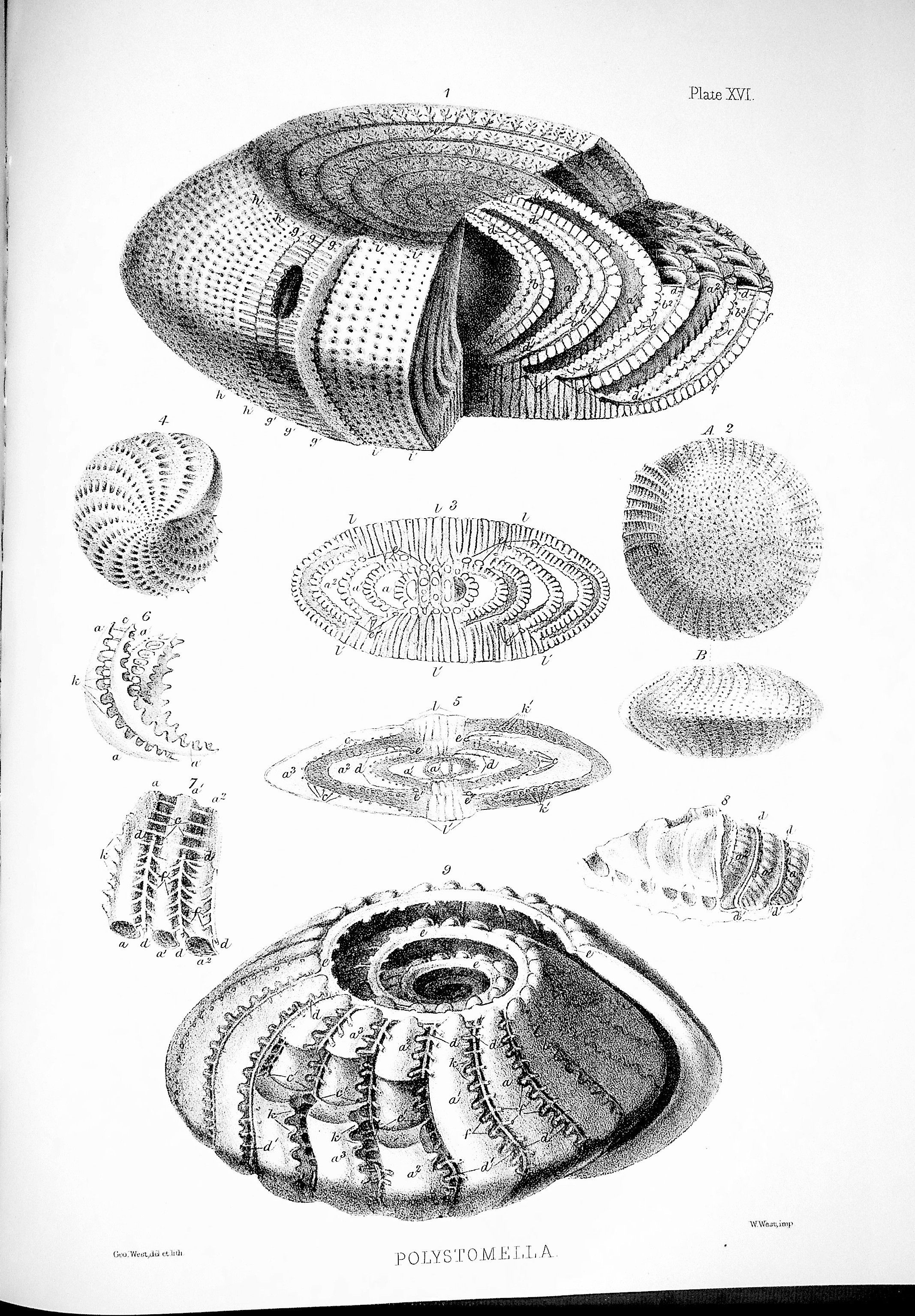
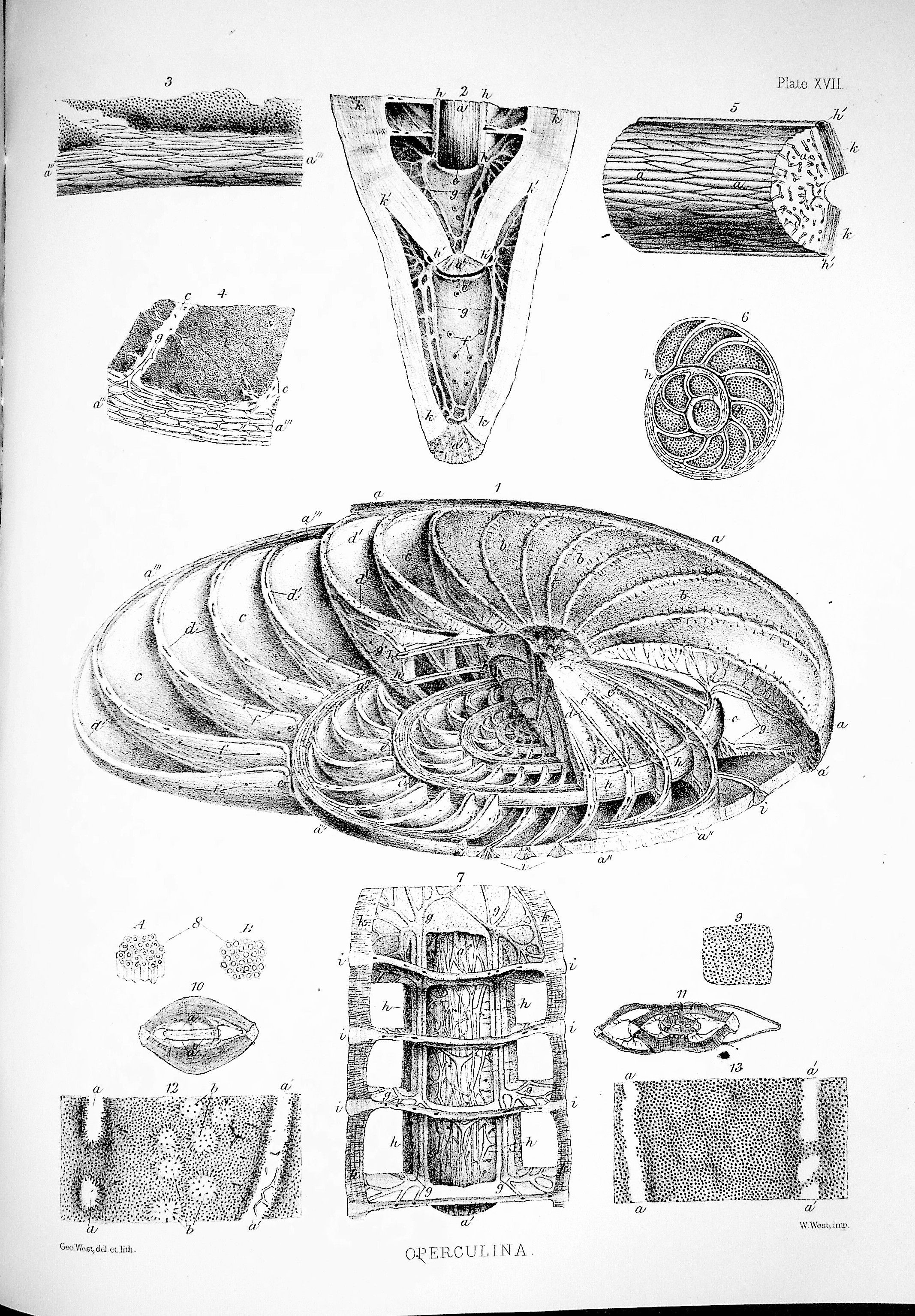
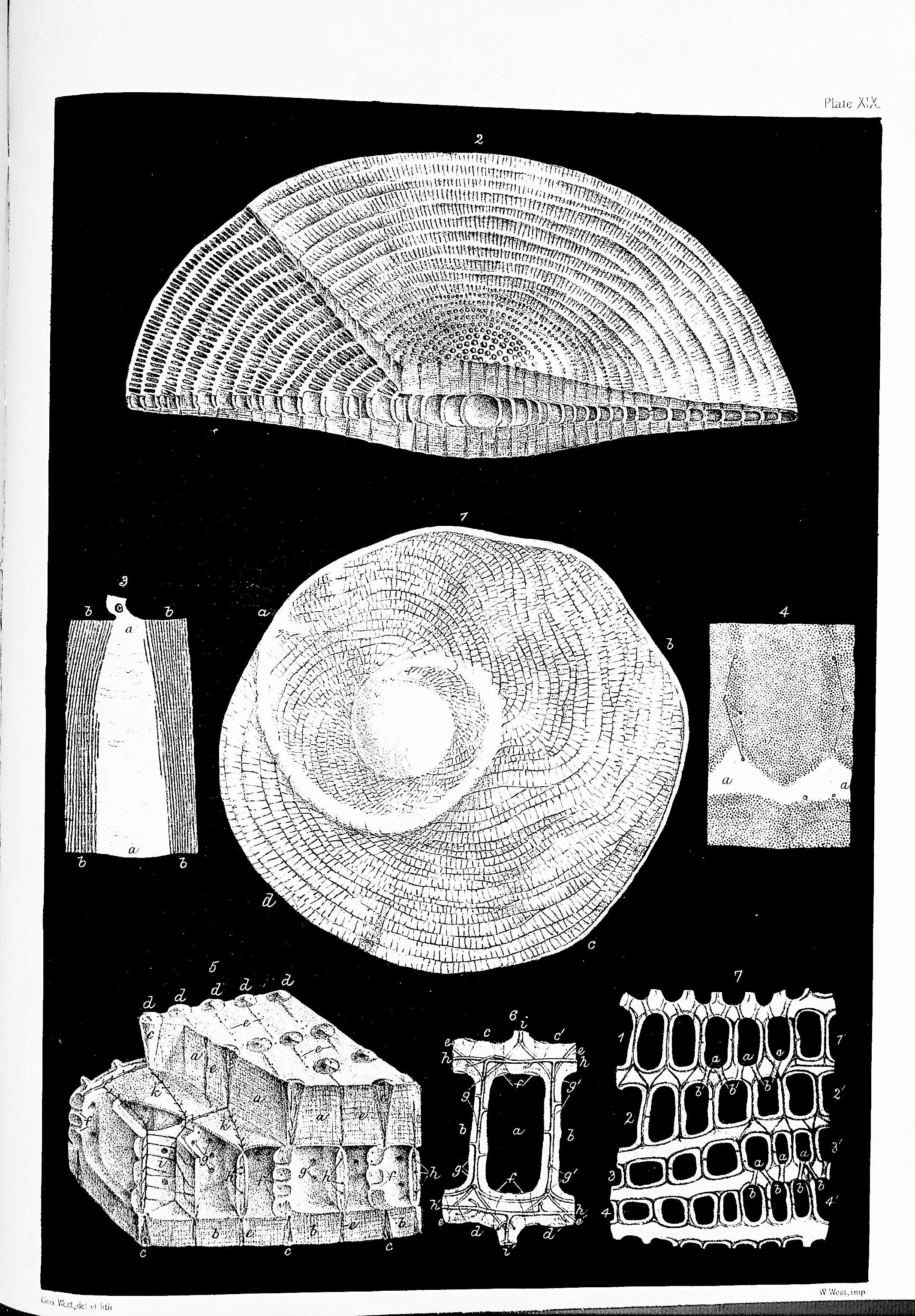
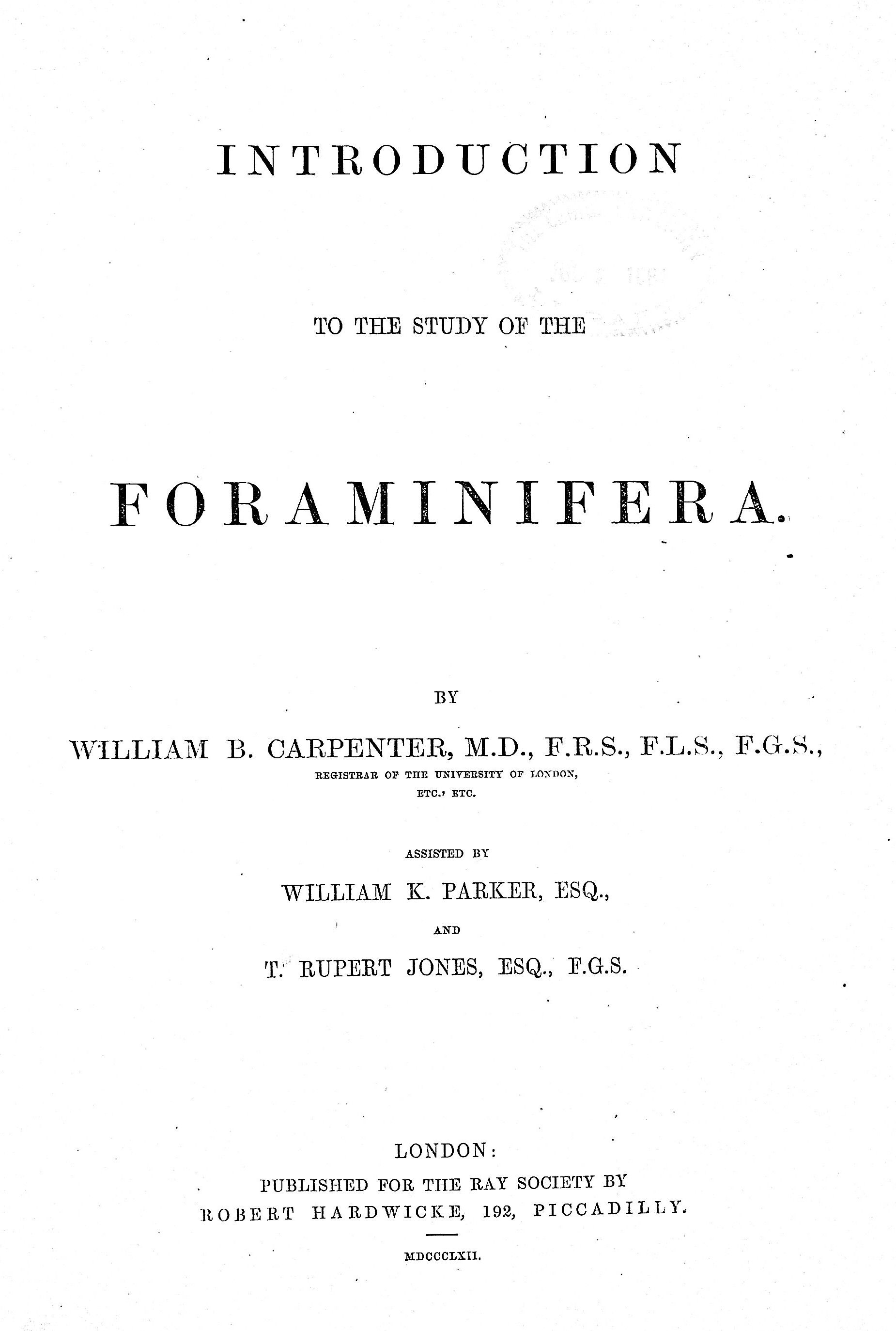
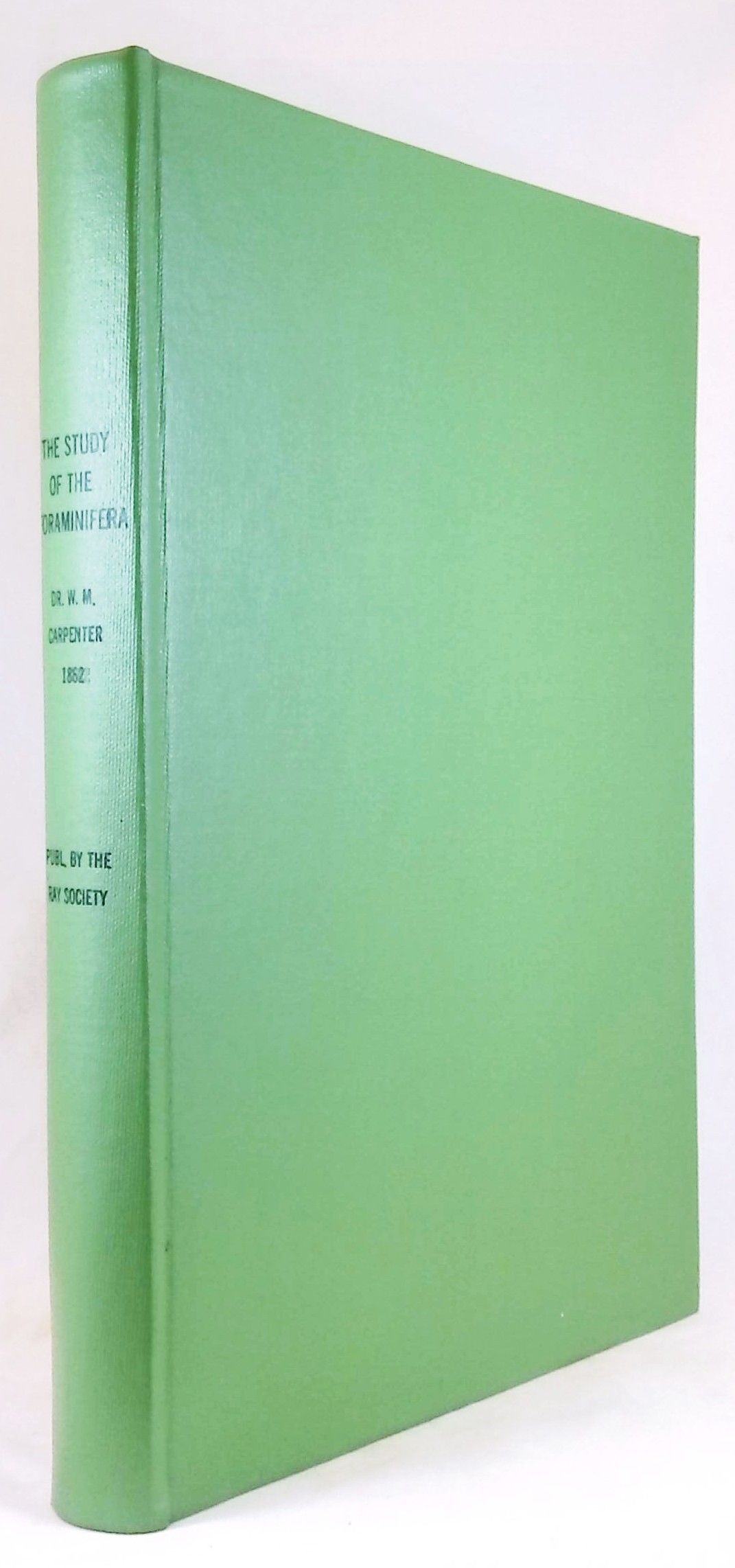
- cloth binding
- London: Ray Society, 1862
London: Ray Society, 1862. First edition.
1862 FOLIO VOLUME WITH PLATES OF MICROSCOPIC MARINE ANIMALS NOW PREDICTING THE DISTURBING FUTURE OF CLIMATE CHANGE.
13.5 inches tall hardcover folio volume, green buckram binding, i-xxii, 47 wood engravings in text, 319 pp, 22 full page lithographic plates by George West with facing descriptive text. Light browning to pages, unmarked, very good+
WILLIAM BENJAMIN CARPENTER (1813 - 1885) was an English physician, invertebrate zoologist and physiologist. He was instrumental in the early stages of the unified University of London. He attended medical classes at University College London (1834-35), and then went to the University of Edinburgh (1835-39), where he received his MD in 1839. His work in comparative neurology was recognized in 1844 by his election as a Fellow of the Royal Society. His appointment as Fullerian Professor of Physiology at the Royal Institution in 1845 enabled him to exhibit his powers as a teacher and lecturer. He worked hard as investigator, author, editor, demonstrator and lecturer throughout his life; but it was his researches in marine zoology, notably in the "lower" organisms, as Foraminifera and Crinoids, that were most valuable (a beautiful example offered here). These researches gave an impetus to deep-sea exploration, an outcome of which was in 1868 the oceanographic survey with HMS Lightning and later the more famous Challenger Expedition. He was an adept in the use of the microscope, and his popular treatise on it stimulated many to explore this new aid. He was awarded the Royal Medal in 1861. In 1856 Carpenter became Registrar of the University of London, and held the office for twenty-three years. Carpenter gave qualified support to Darwin but he had reservations as to the application of evolution to man's intellectual and spiritual nature.
FORAMINIFERA are single-celled organisms, with an external shell of diverse forms and materials. Most foraminifera are marine, the majority of which live on or within the seafloor sediment. Over 50,000 species are recognized, both living (~10,000) and fossil (40,000). The most striking aspect of most foraminifera are their hard shells, or tests. These may consist of one of multiple chambers, and may be composed of protein, sediment particles, calcite, aragonite, or (in one case) silica. Test-bearing foraminifera have an excellent fossil record throughout the Phanerozoic eon. Dying planktonic Foraminifera continuously rain down on the sea floor in vast numbers, their mineralized tests preserved as fossils in the accumulating sediment. Because certain types of foraminifera are found only in certain environments, their fossils can be used to figure out the kind of environment under which ancient marine sediments were deposited; conditions such as salinity, depth, oxygenic conditions, and light conditions can be determined from the different habitat preferences of various species of foraminifera. This allows workers to track changing climates and environmental conditions over time by aggregating information about the foraminifera present.
Recent application of these data have led to disturbing predictions regarding current acceleration of climate change resulting from human-generated CO2 (E. J. Judd et al., A 485-million-year history of Earth's surface temperature. Science Vol 385, Issue 6715 (2024). DOI: 10.1126/science.adk3705).
Details
Title
Introduction to the Study of the Foraminifera
Author
Carpenter, William B.
Binding
cloth binding
Condition
Unknown
Publisher
Ray Society: London
Date
1862
Edition
First edition