

The Renal Lesion in Bright's Disease
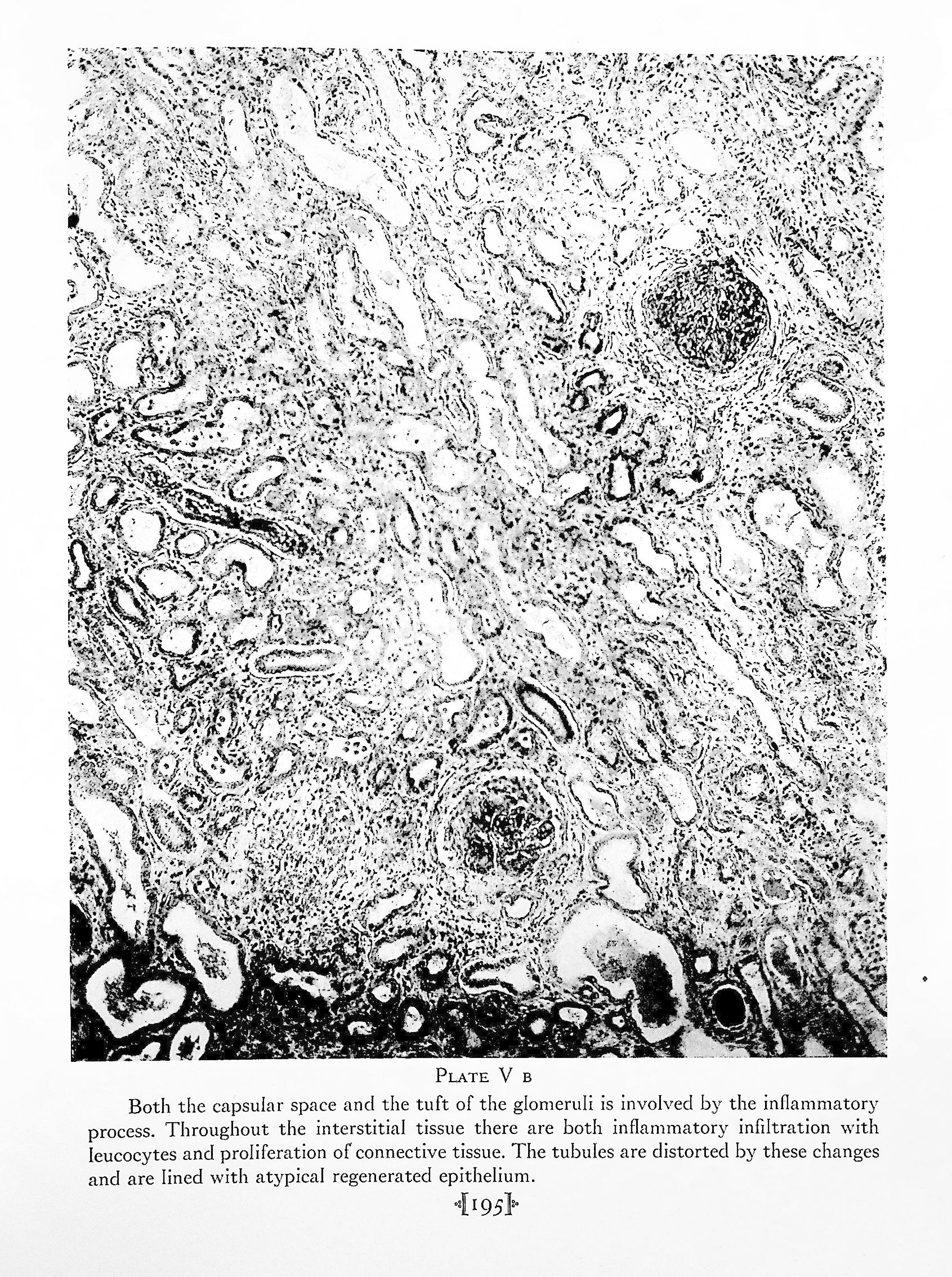
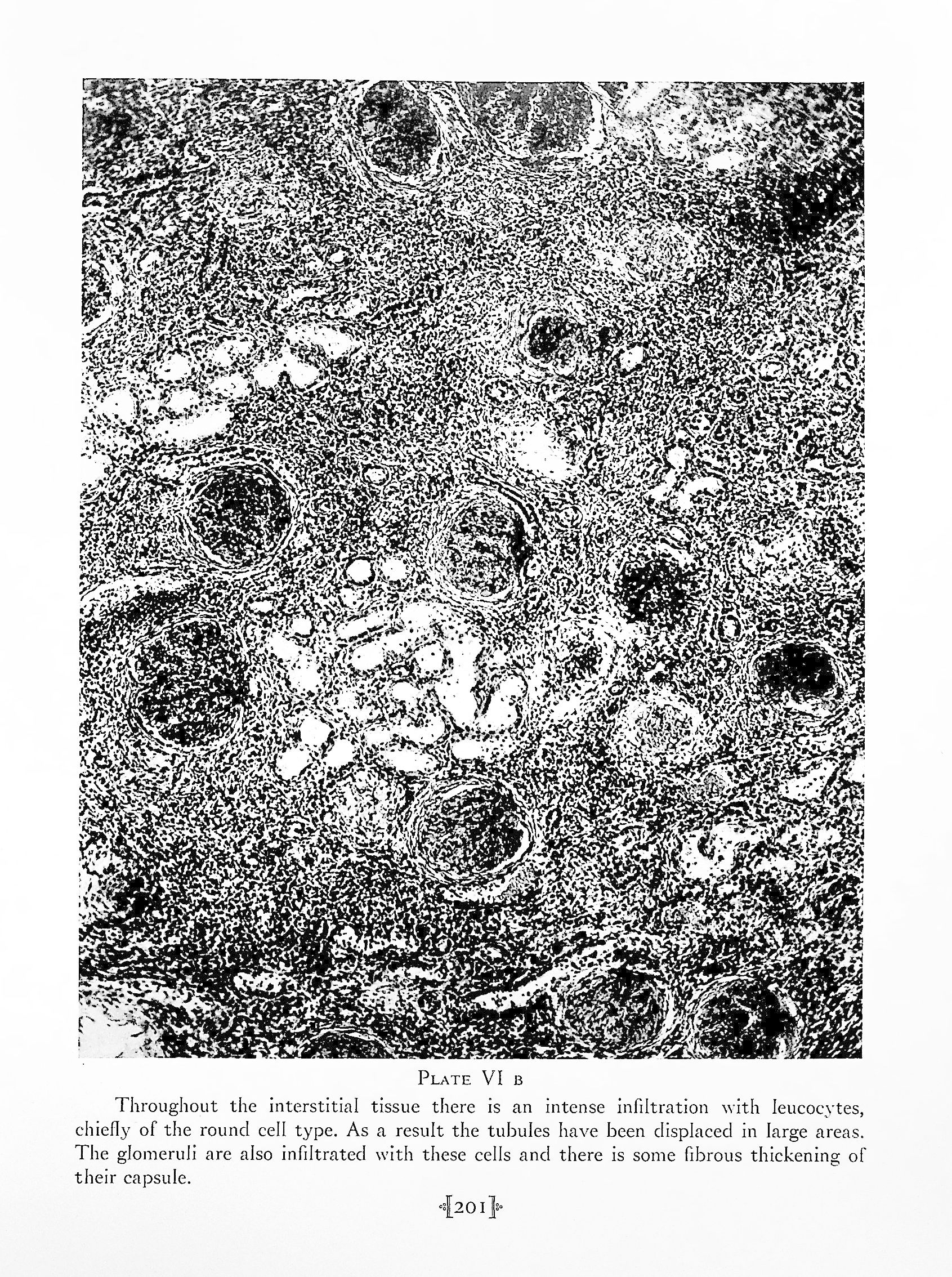
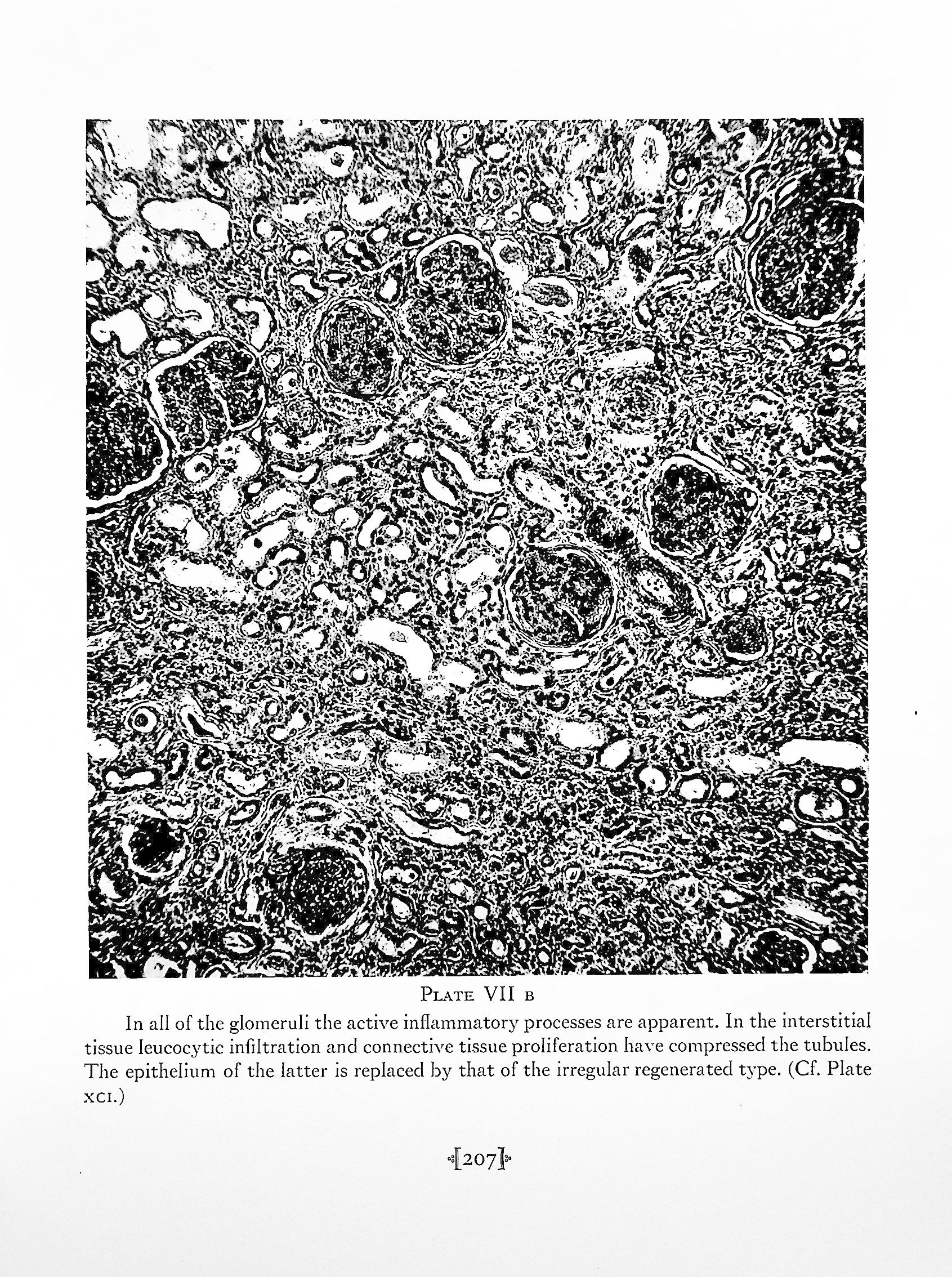
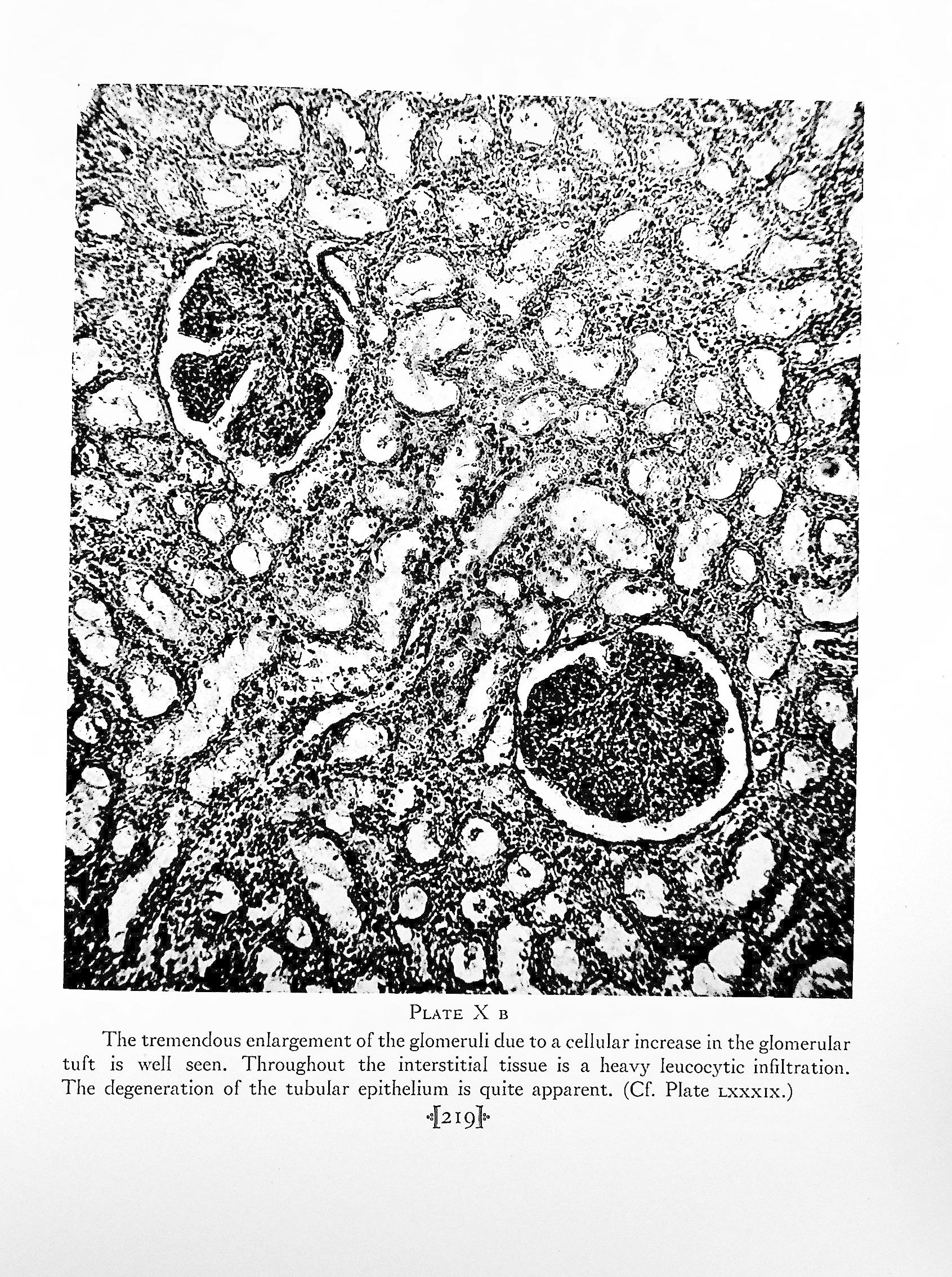
- cloth binding
- New York: Paul B. Hoeber, 1931
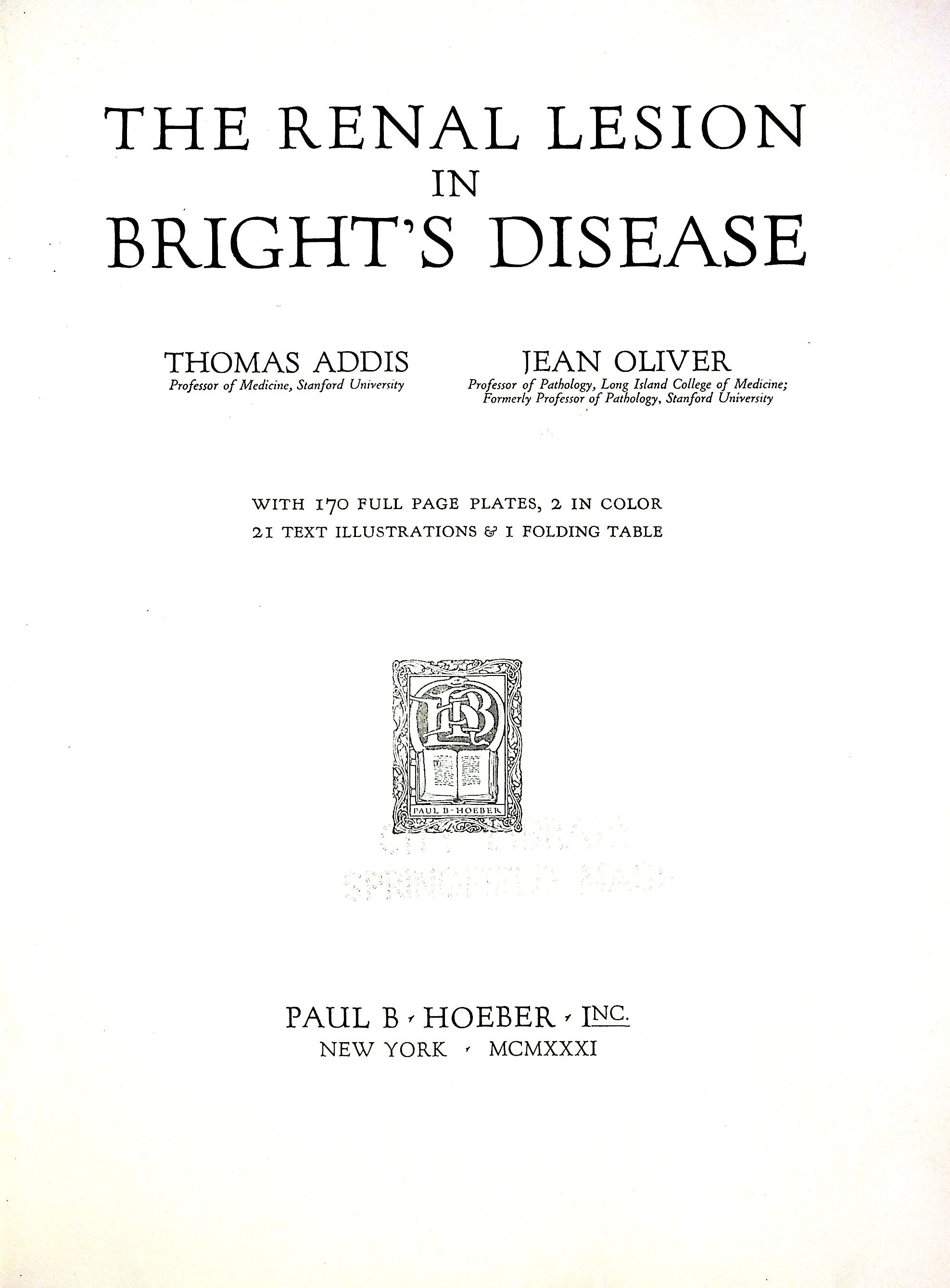
New York: Paul B. Hoeber, 1931. First edition.
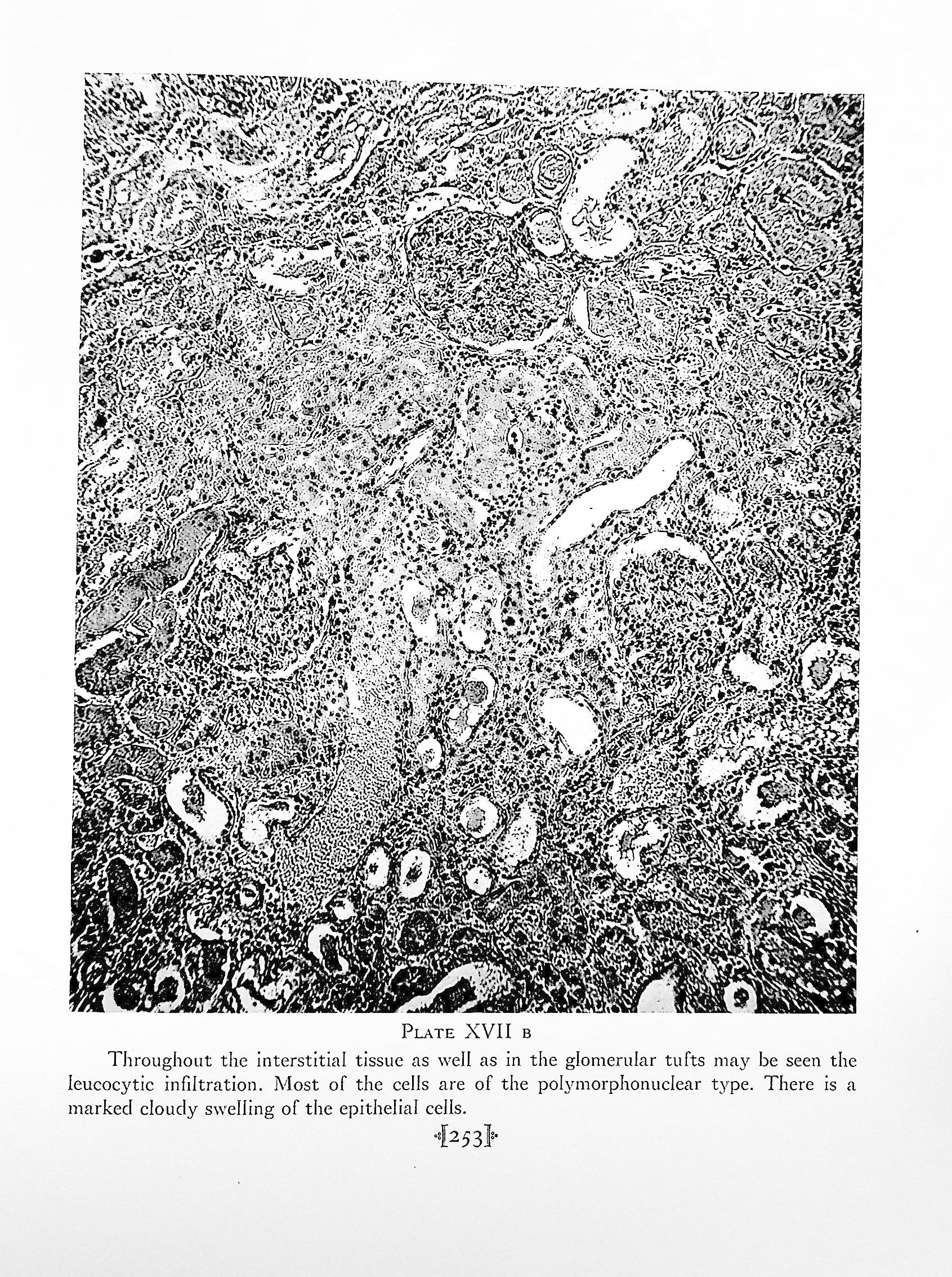
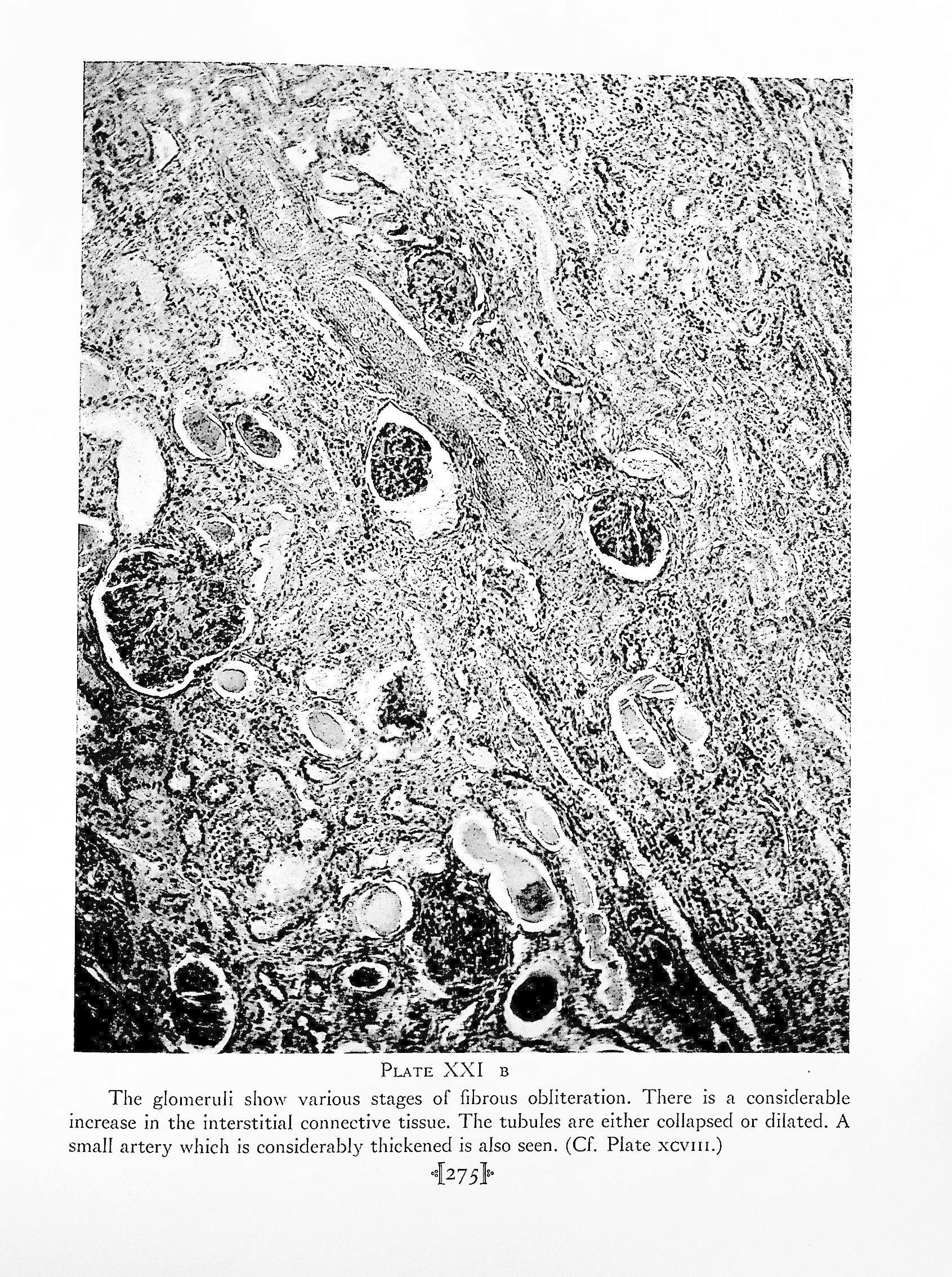
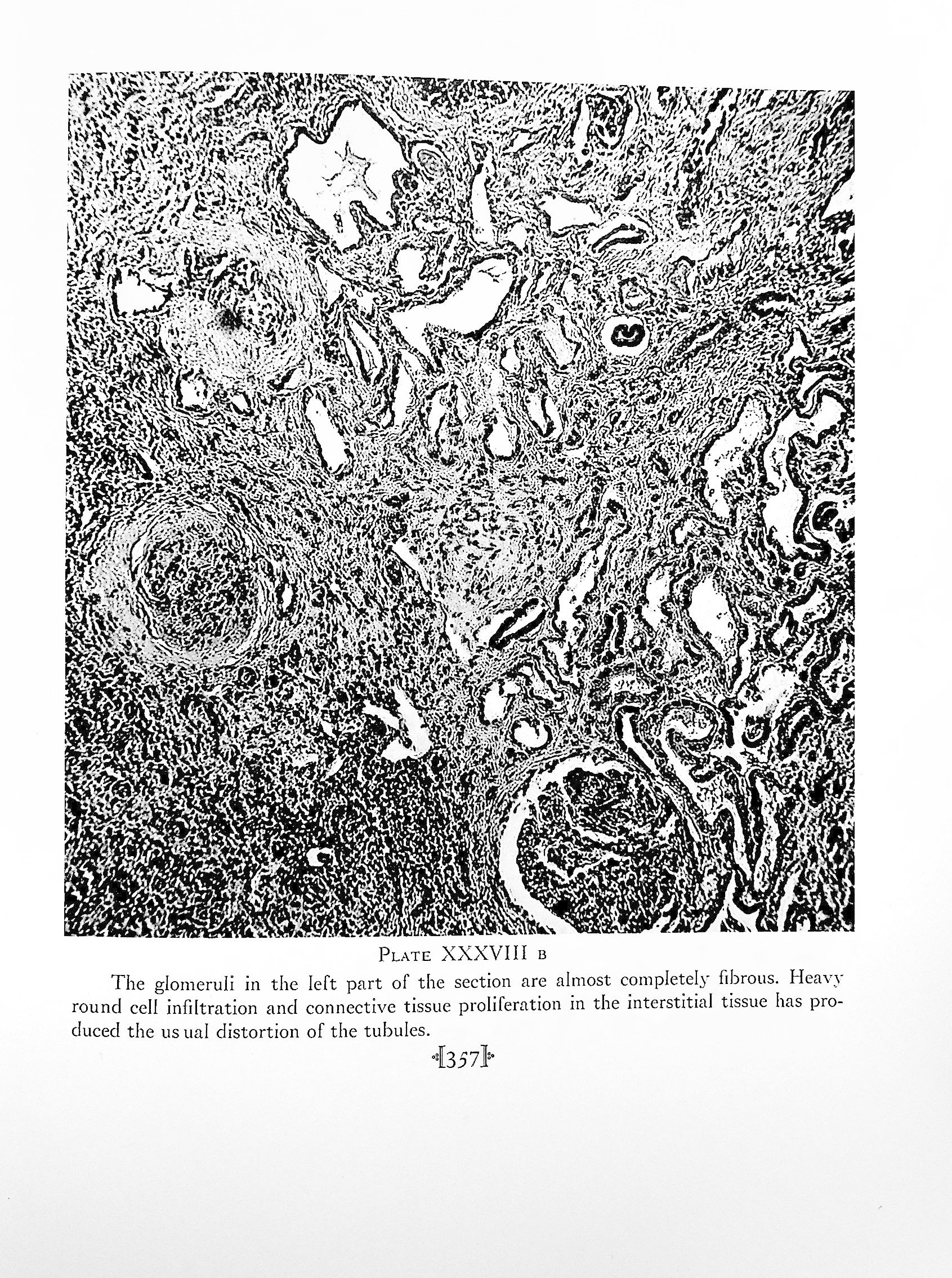
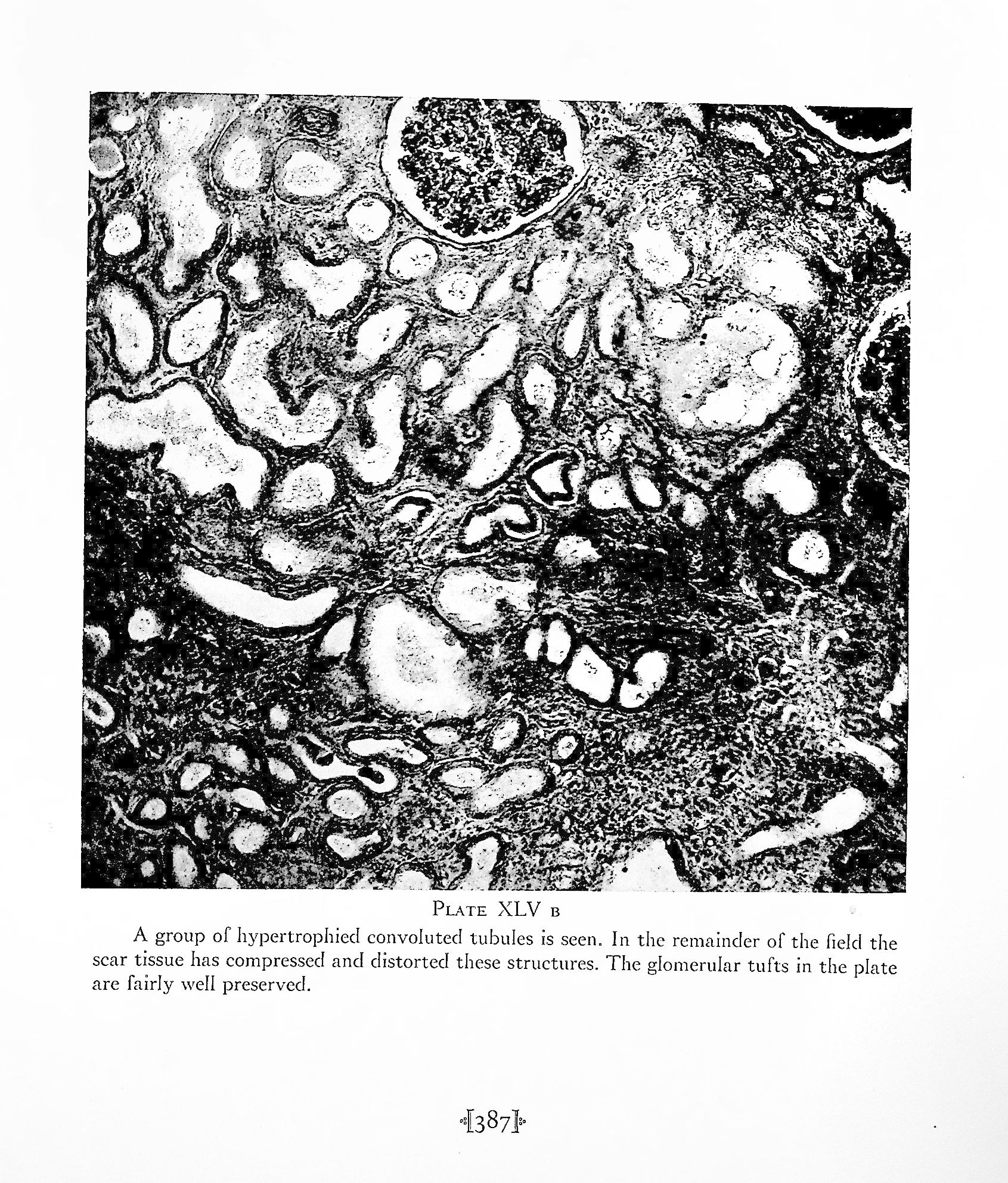
SCARCE RICHLY ILLUSTRATED COMPREHENSIVE STUDY OF CHRONIC KIDNEY DISEASE BY TWO GIANTS OF 20TH CENTURY NEPHROLOGY.
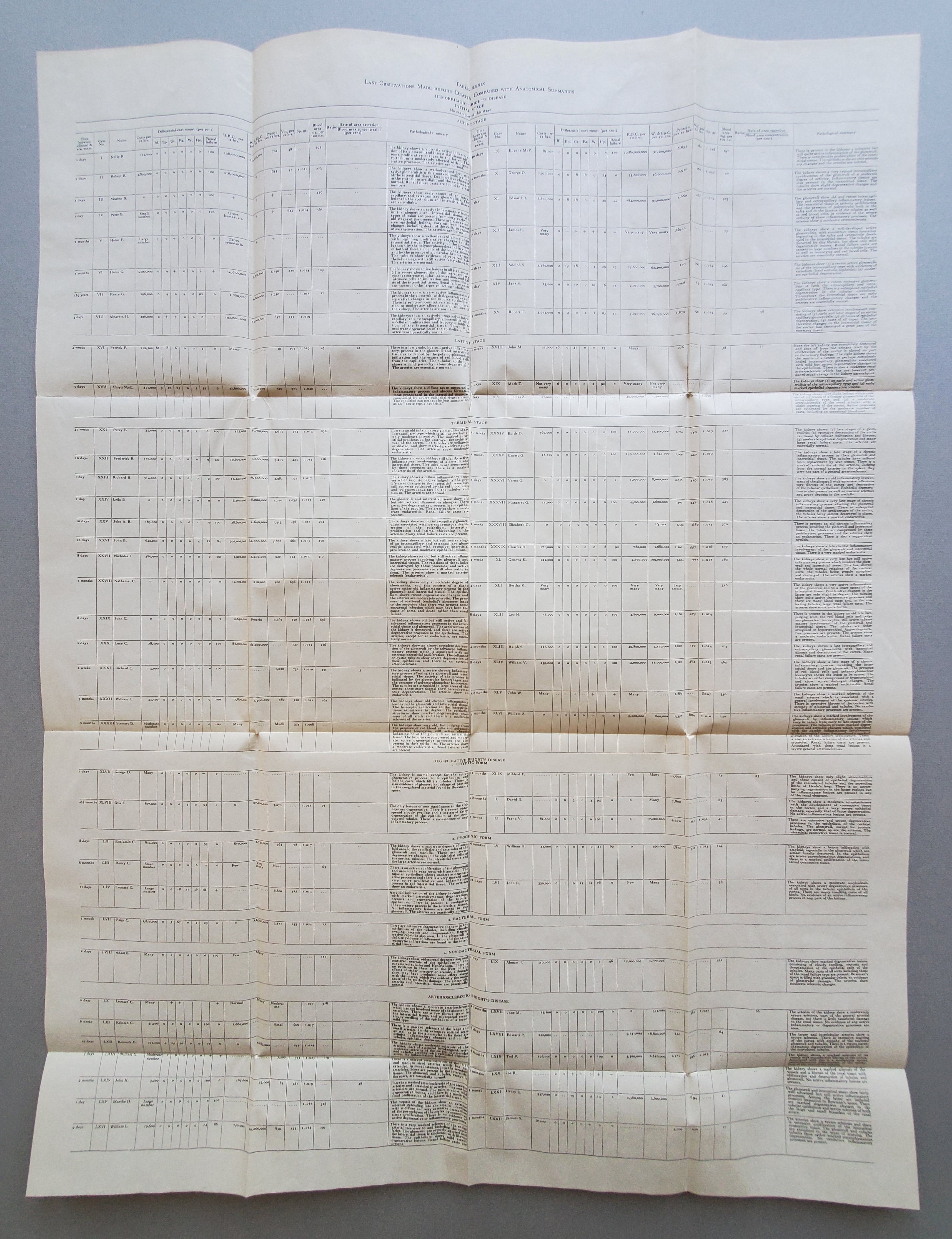
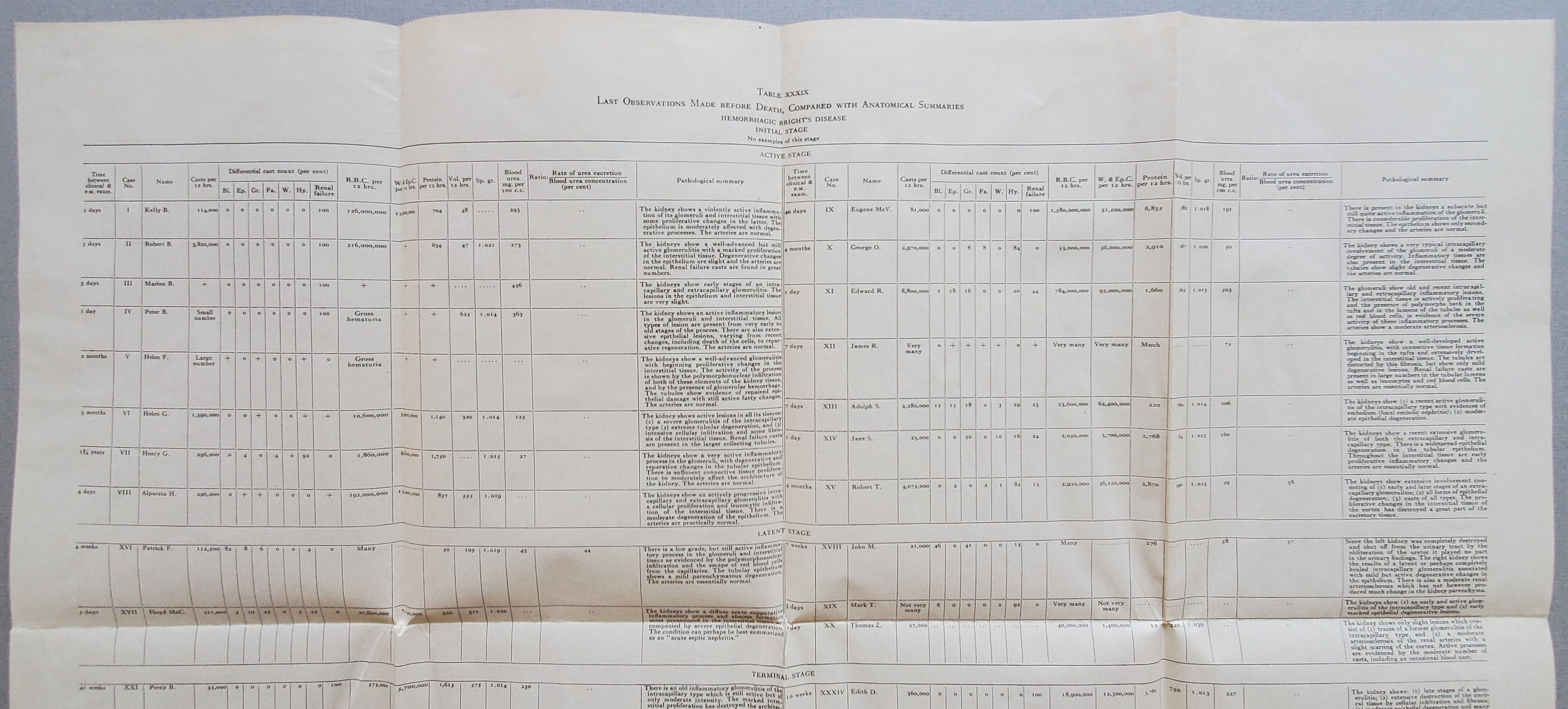
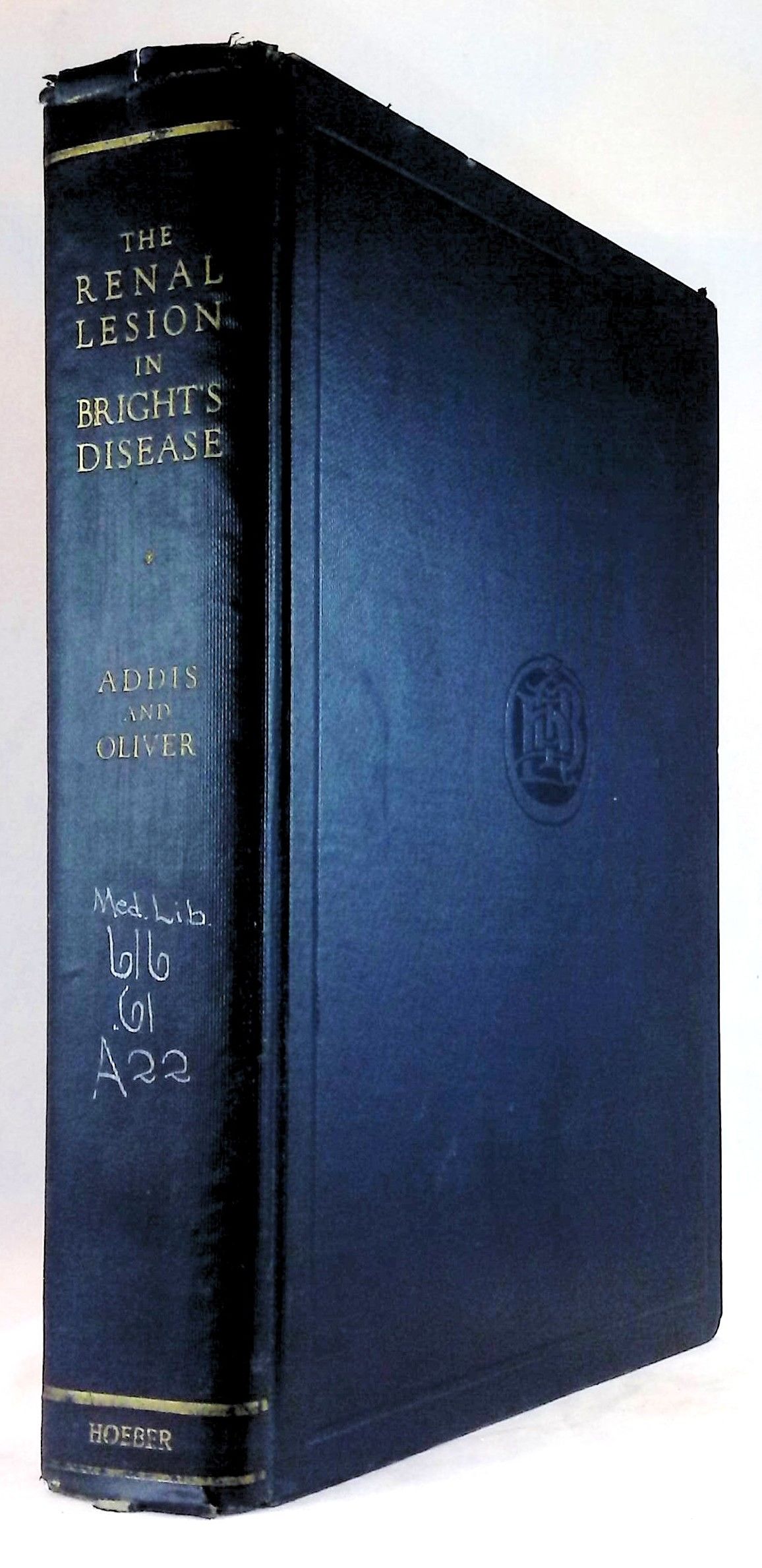
10 3/4 inches tall hardcover, publisher's green cloth binding with blind-stamped publisher's mark on the front and gilt lettering on spine, large fold-out chart of individual cases in pocket on front paste-down, perforated library stamp to bottom of title page and top first paage, xi + 628 pp. 170 full page plates (2 with color), 21 text illustrations. Corners bumped, light wear to spine ends, library numbers bottom of spine, browning to page edges and endpapers. Binding tight, text and plates clean and unmarked, very good minus.
THOMAS ADDIS (1881 - 1949) was born in Edinburgh, Scotland, and studied medicine in his native Edinburgh, at the Institute of Pathology of Berlin Charité, and in Heidelberg. He graduated in medicine from the University of Edinburgh in 1905, and in 1908 earned a license to practice medicine. In 1911, he took up a professorship at Stanford University, where he remained until his death in 1949. His investigations into kidney function led to the birth of modern renal physiology. Addis developed a means of measuring the number of red blood cells, white blood cells, epithelial cells, casts, and the protein content in urine specimens, a test used in the diagnosis and management of kidney disease. Towards the end of his life Addis began to study laboratory rats as a model of proteinuria, and was among the first people to note the presence of rodent major urinary proteins.
JEAN REDMAN OLIVER (1889-1976) earned his AB and MD from Stanford University, where he remained on faculty from 1914 to 1929, interrupted in 1916-1919 by studies at the Rockefeller Institute. From 1929 to 1950, he was Head of the Department of Pathology at Long Island College of Medicine, then moved to the State University of New York Medical College where he remained until retiring as professor emeritus 1955. This was followed by 17 years of continued productivity, as he established his laboratory at the Overlook Hospital in Summit, New Jersey, and was joined by his brilliant assistant, Muriel MacDowell, who mastered the microdissection techniques. They outgrew their quarters at Overlook Hospital, and became investigators of CIBA Pahrmaceuticals in Summit, supported by NIH grants. Oliver was a highly innovative pathologist who played a critical role in the development of nephrology in the 20th century by appreciating the inportance of nephron heterogeneity in kidney disease, and the correlation of nephron structure with function. The latter became possible by his collaboration with renal physiologists (A.N. Richards, A.M. Walker, and C.W. Gottschalk) who developed single nephron micropuncture techniques.
CITED BY S.J. PEITZMAN in Dropsy, Dialysis, Transplant: A Short History of Failing Kidneys (2007): "Thomas Addis represents one of several figures who brought together the structural and functional ways of viewing renal disease. He titled his monumental book of 1931 (with pathologist Jean Oliver) The Renal Lesion in Bright's disease. (offered here). A lavishly illustrated work of clinical-pathological correlation based form and purpose it recalled Richard Bright's Reports of Medical Cases of one hundred years earlier. By "renal lesion" he meant both the type of disordered structure and the amount of lost function. His three-component scheme for the pathologic classification of Bright's disease achieved its usefulness, Addis believed, from its direct linkage with his method of standardizing and quantifying the urine sediment examination. Addis still envisioned actual renal "mass," a mark of his upbringing in an era of medicine whose bedrock was still pathology. The use of the blood creatinine as the acceptance in the period after World War II and continues into the twenty-first century. But the number, the creatinine of blood, would acquire an ominous power, as had the name "Bright's Disease" in the nineteenth century. Thomas Addis took this seemingly inevitable deterioration to be the dominant challenge and tried to understand it through the laboratory by creating rat "models" of impaired kidneys. After an immense amount of study, he concluded that once some of the kidneys' nephrons have been destroyed by disease, the remaining nephrons (each human kidney comprises about 800,000 individual units) try to compensate by increasing their action, but then tend gradually to "burn out" from overwork. A downhill spiral ensues, which could only lead to death before measures became available (well after Addis's time) to replace kidney function, namely, dialysis and transplantation."
CITED BY S.E. BRADLEY in Jean Redman Oliver in Context, Kidney International, Vol. 5 (1974) pp77-95: "Throughout all the intense productivity of the 40 years since Renal Lesion in Bright's Disease, an unremitting effort to work out the precise correlation of structure and function has run as a unifying motif. An essential element has been a return and microdissection employed tentatively during his student days and reported somewhat hesitantly in 1916 in his first publication having to do with the kidney. The tridimensionality in continuity of the total unit thus achieved has proved to be richly rewarding in throwing a flood of light upon the distortions in nephron conformation secondary to disease or persistent dysfunction, and in yielding an enormous number of new data. In a general way, three major themes may be made out—first, definition of the pathologic anatomy of renal disease in man, particularly with respect to change at the level of the nephrons; second, characterization of the nephron damage and dysfunctions of disease by means of discrete lesions produced experimentally under controlled conditions; and finally the determination to explore normal nephron function, structure and development by means of a combination of anatomic and physiologic techniques."
CITED BY JOHN FEEHALLY: Landmark Papers in Nephrology (Oxford, 2013): # 5.9
Details
Title
The Renal Lesion in Bright's Disease
Author
Addis, Thomas and Oliver, Jean
Binding
cloth binding
Condition
Unknown
Publisher
Paul B. Hoeber: New York
Date
1931
Edition
First edition