

The Kidney in Health and Disease in Contributions by Eminent Authorities
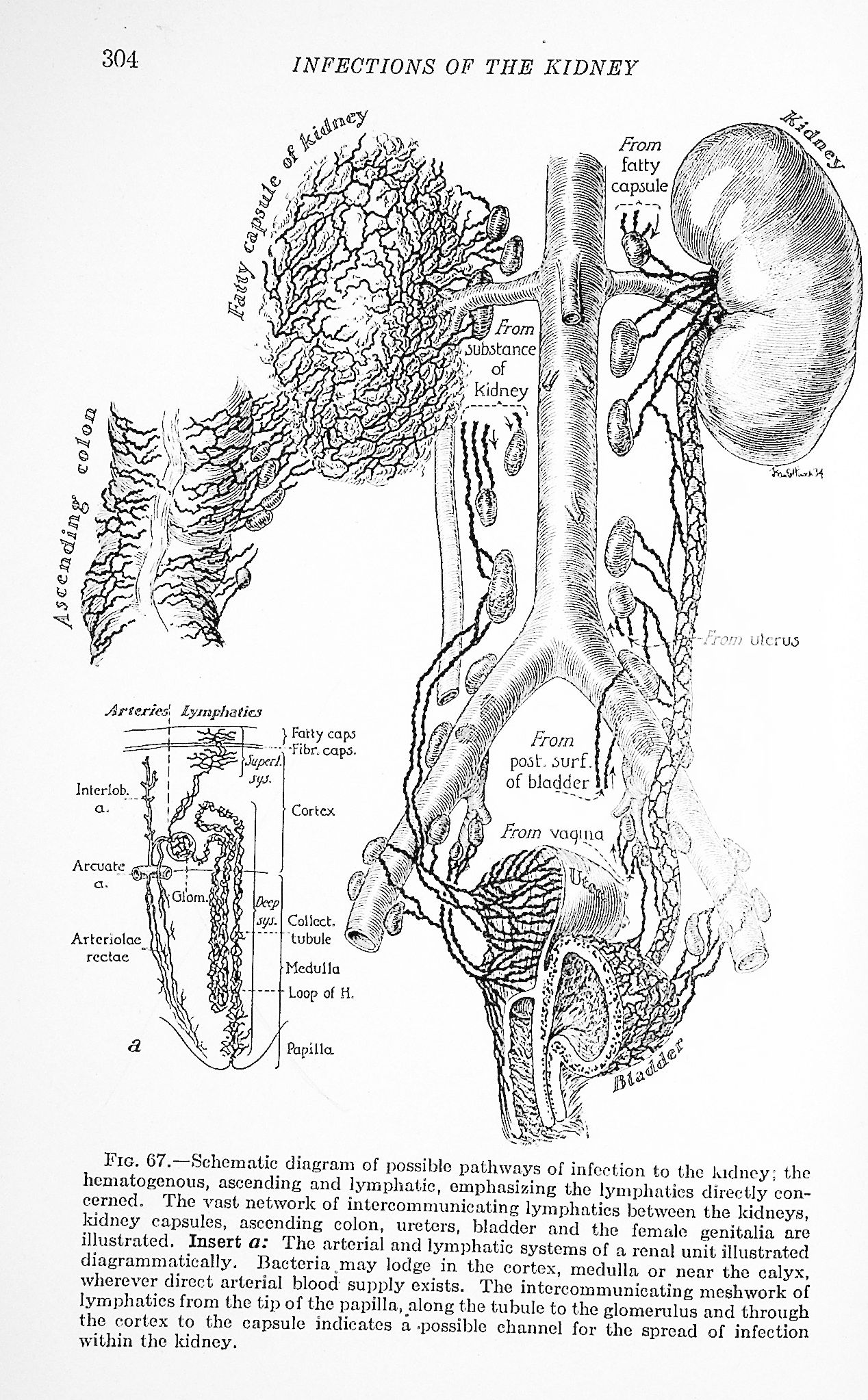
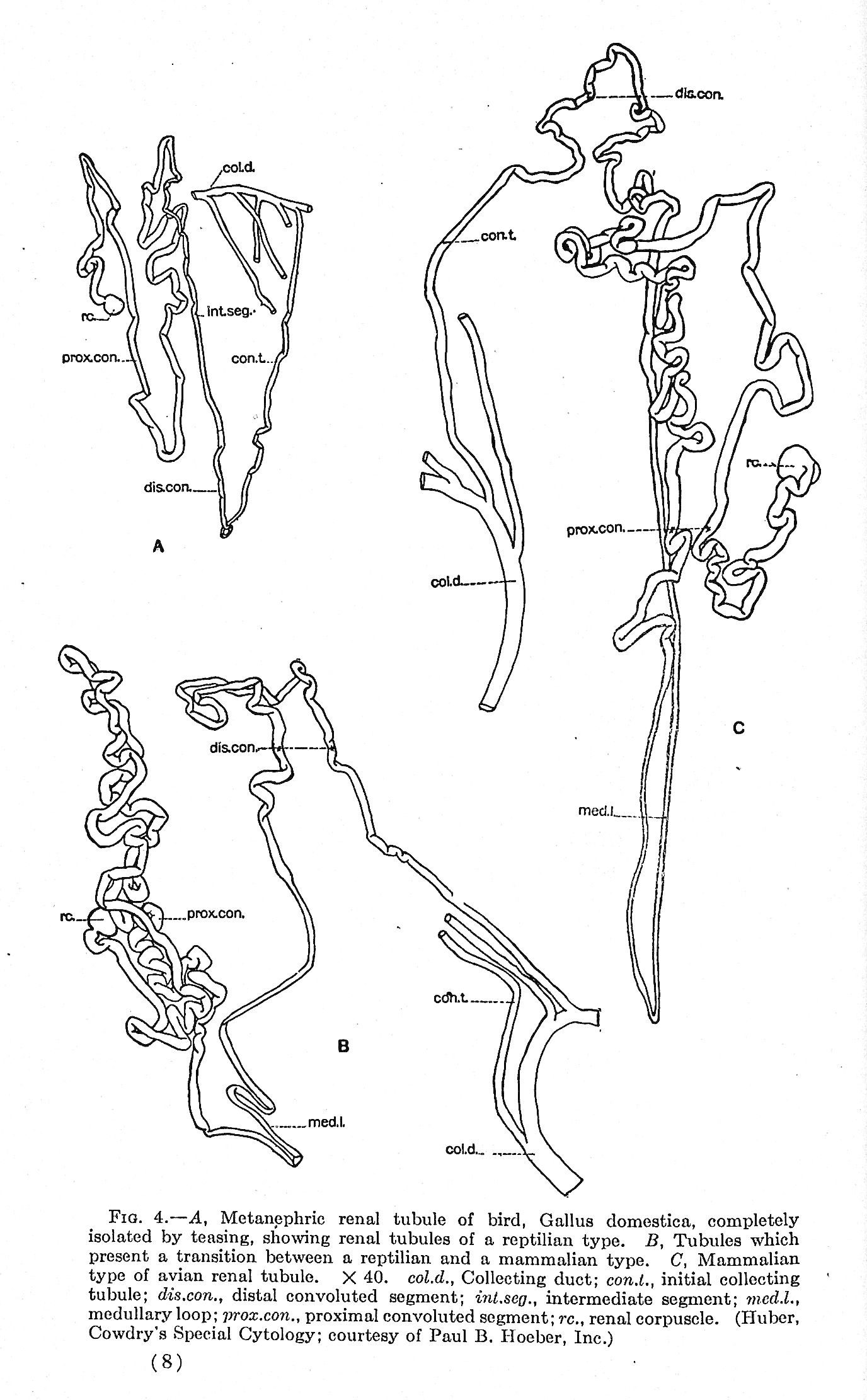
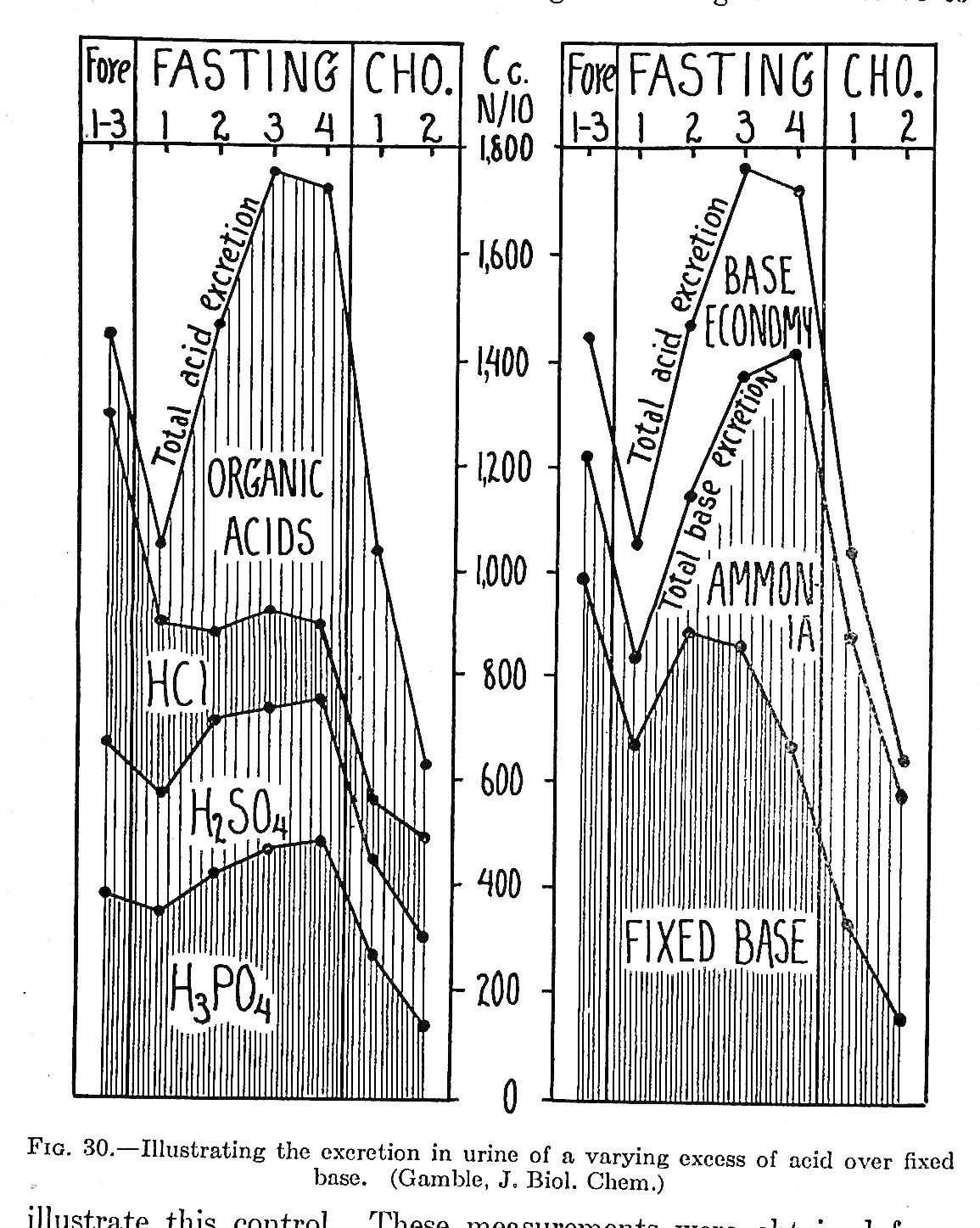
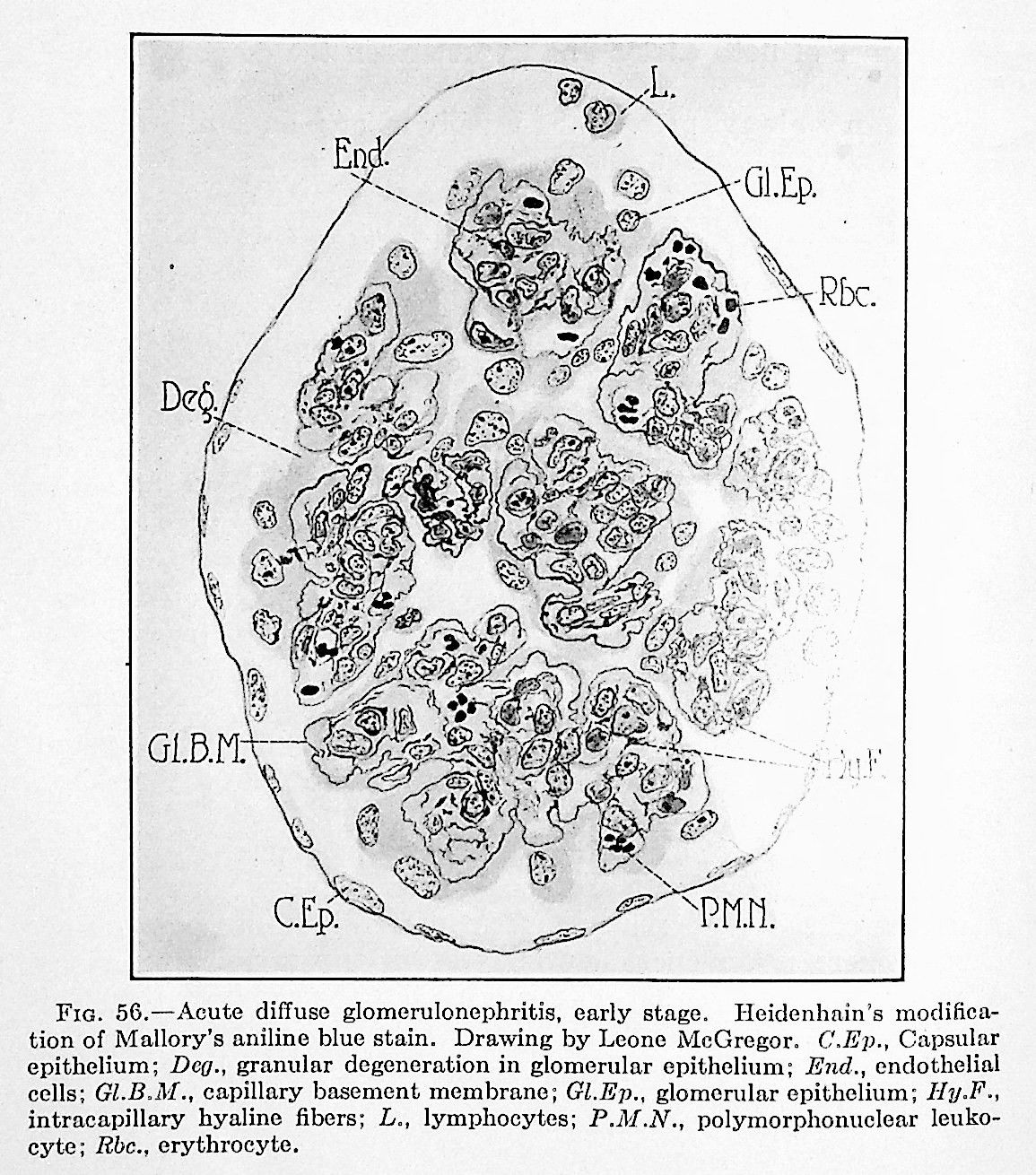
- cloth binding
- Philadelphia: Lea and Febiger, 1935
Philadelphia: Lea and Febiger, 1935. First edition.
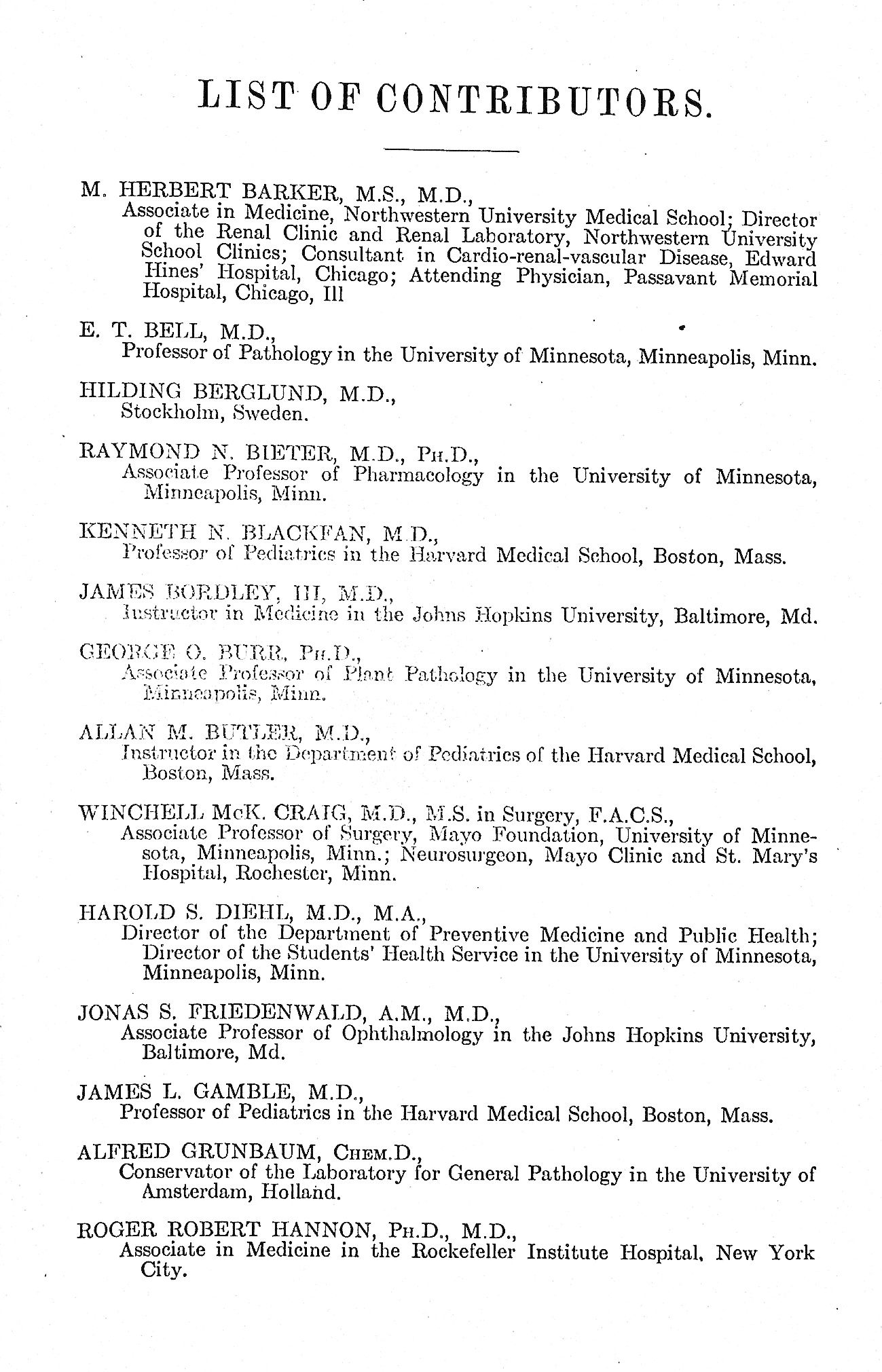
A VERITABLE WHO'S WHO OF THE EMERGING FIELD OF NEPHROLOGY IN THE 1930S.
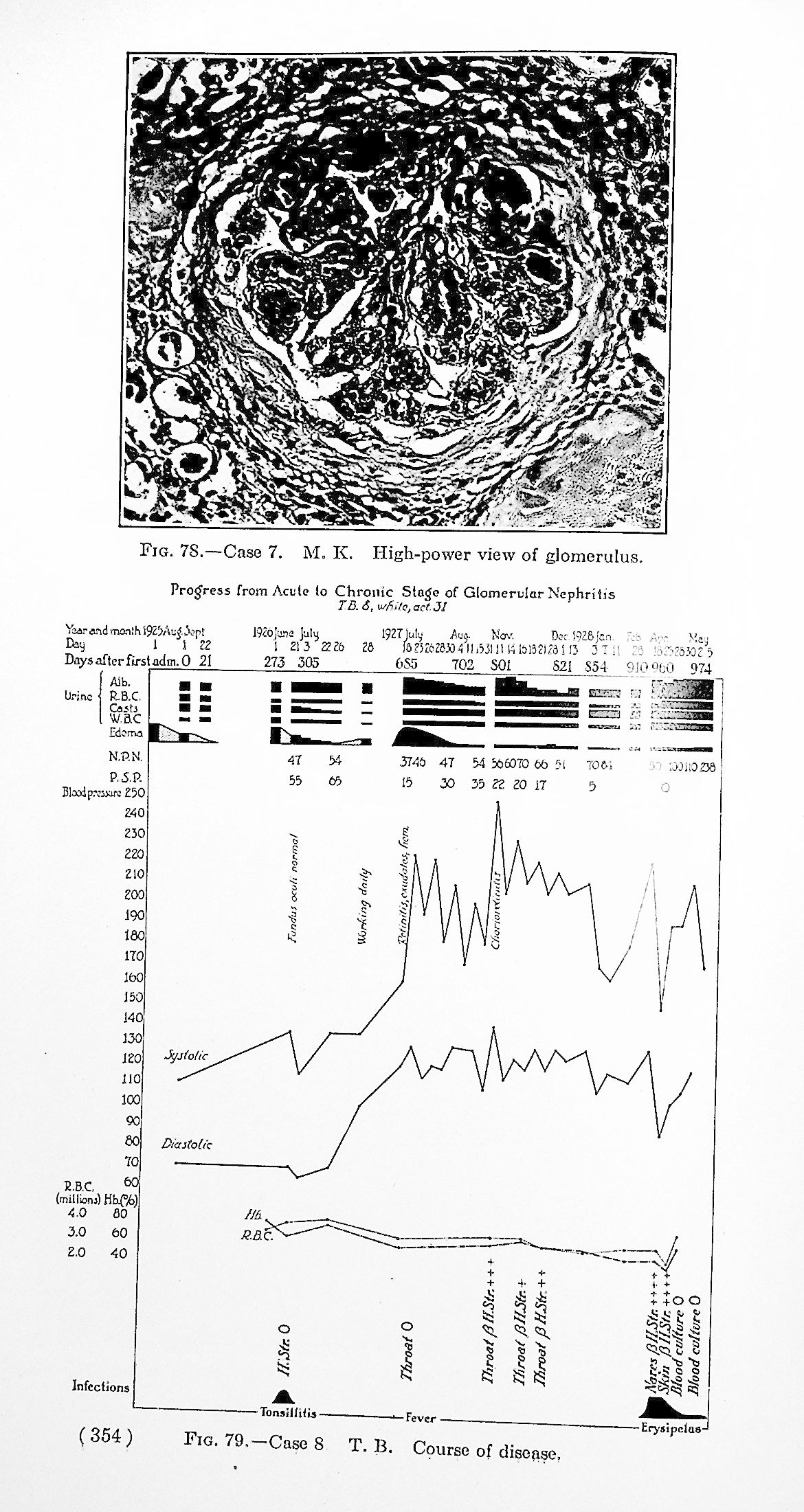
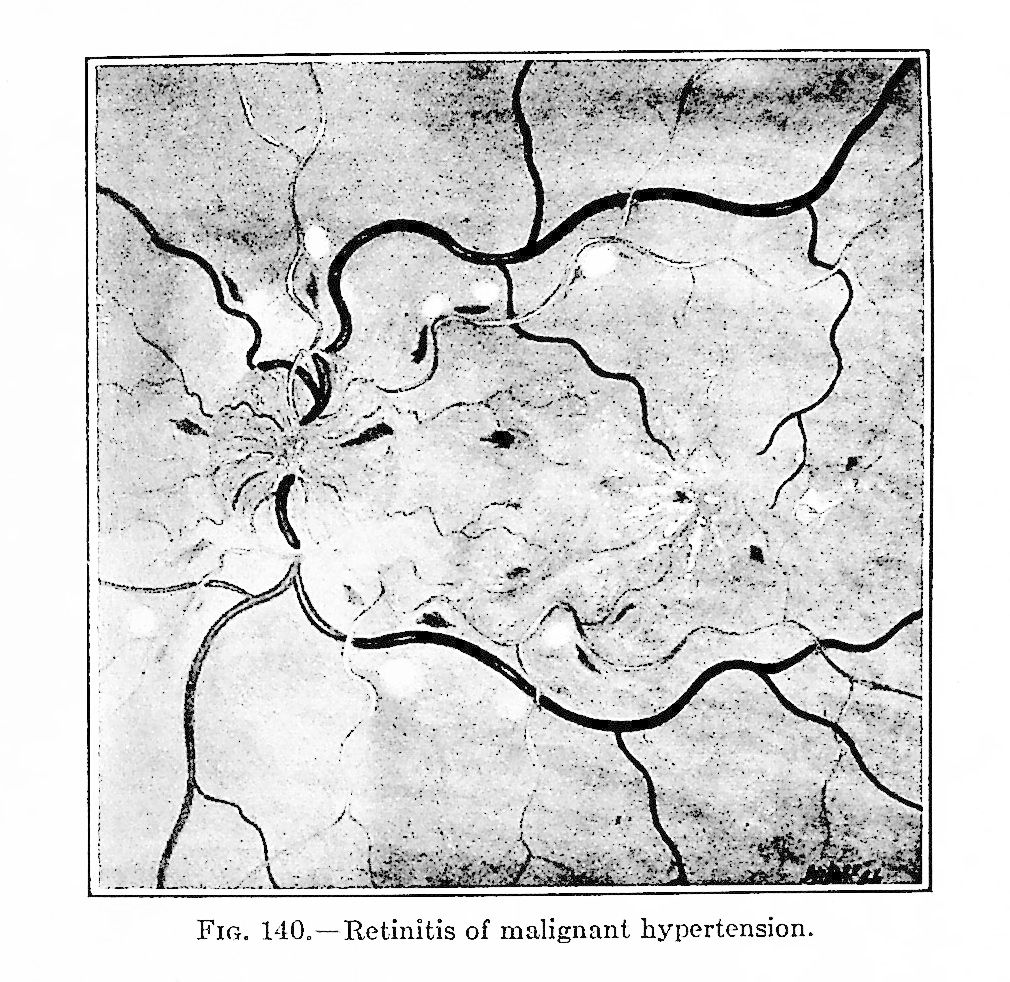
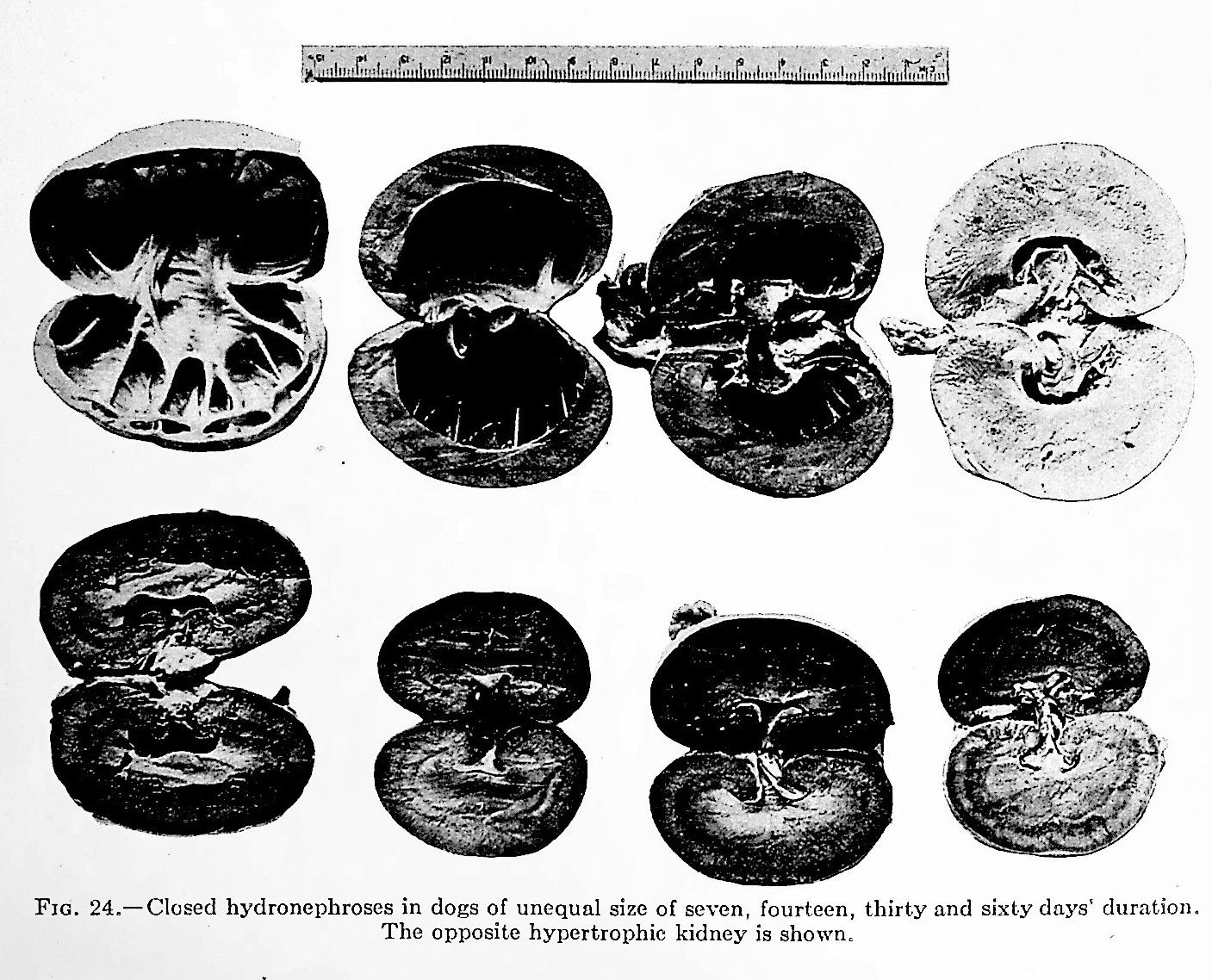
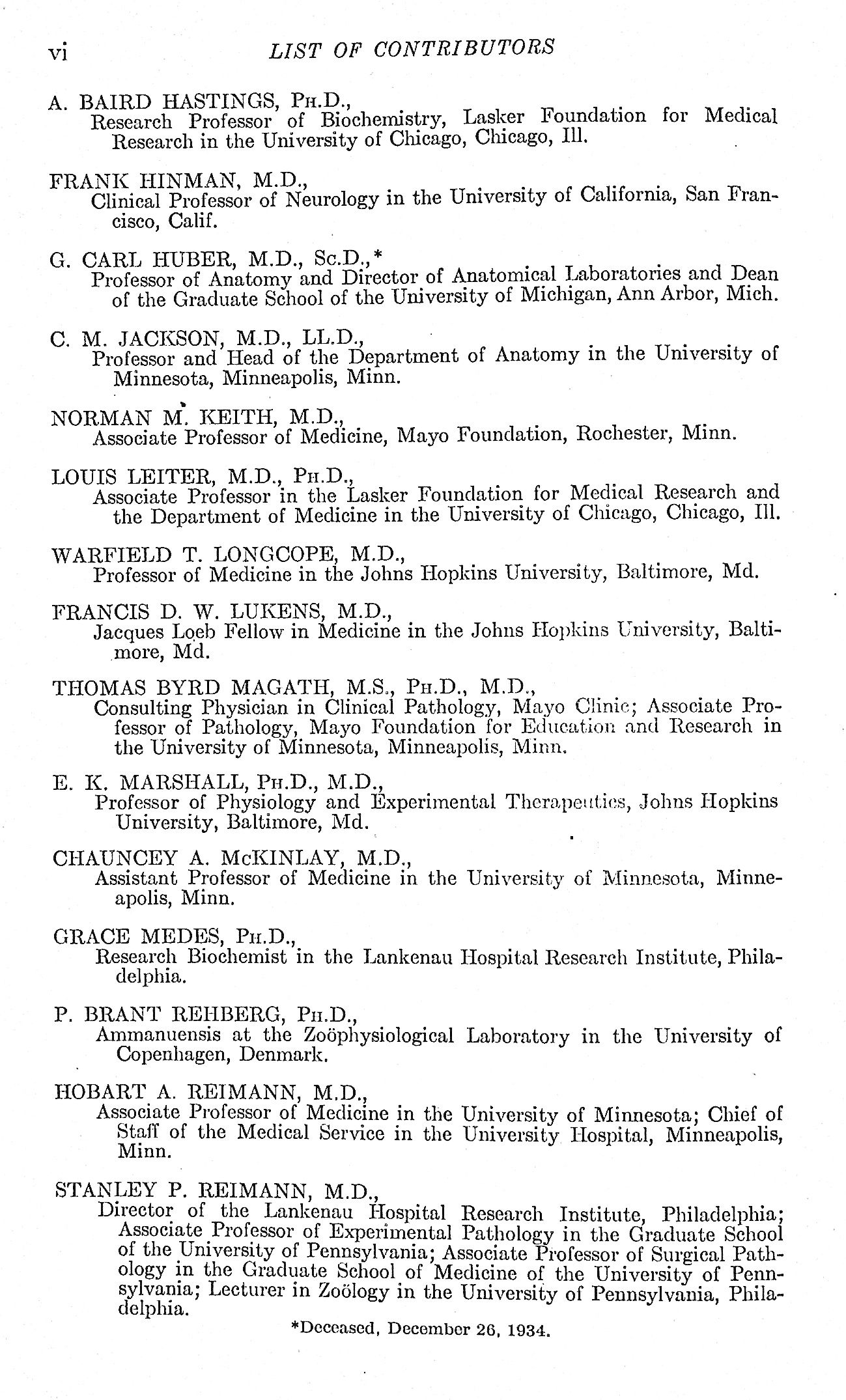
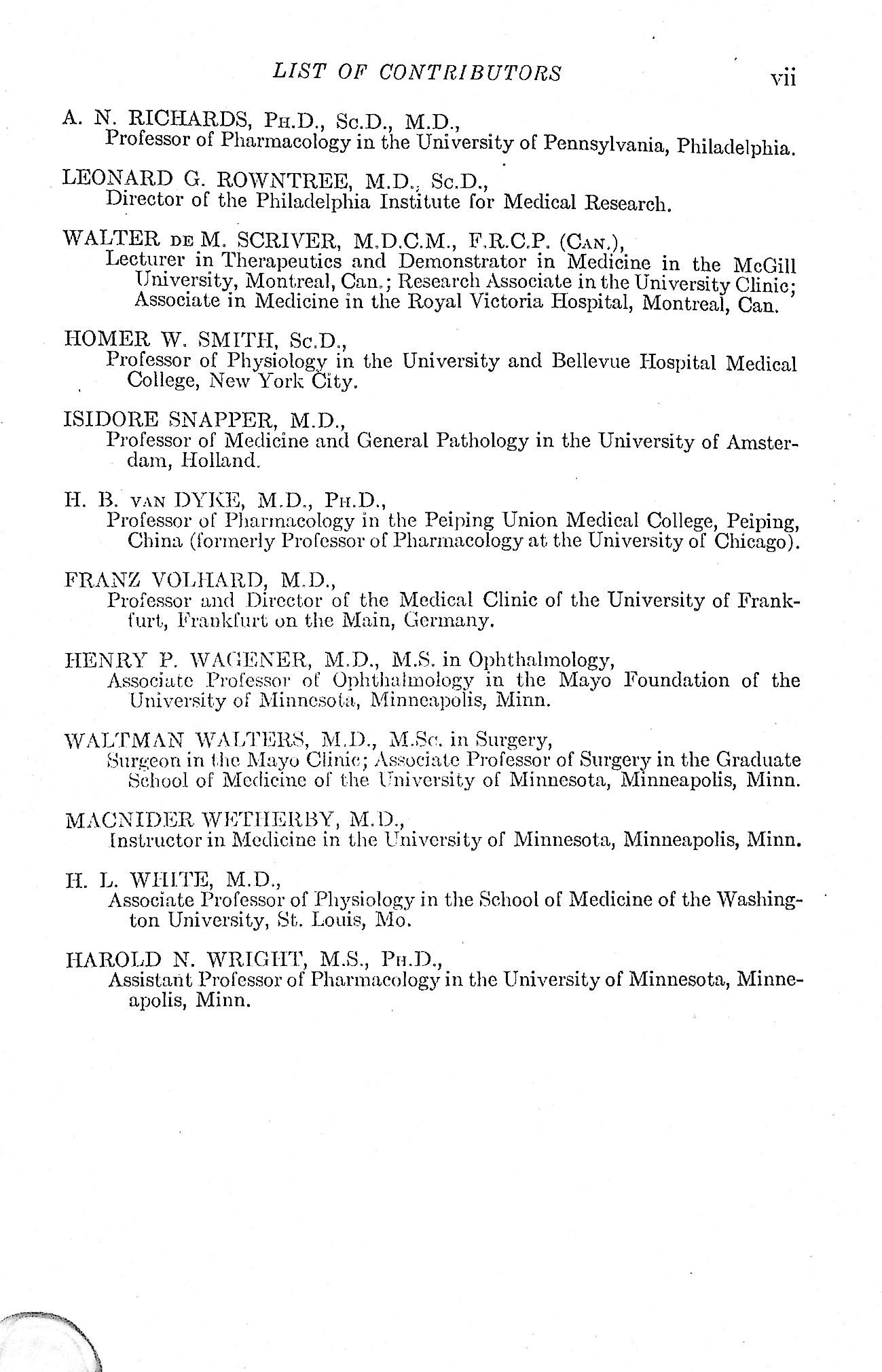
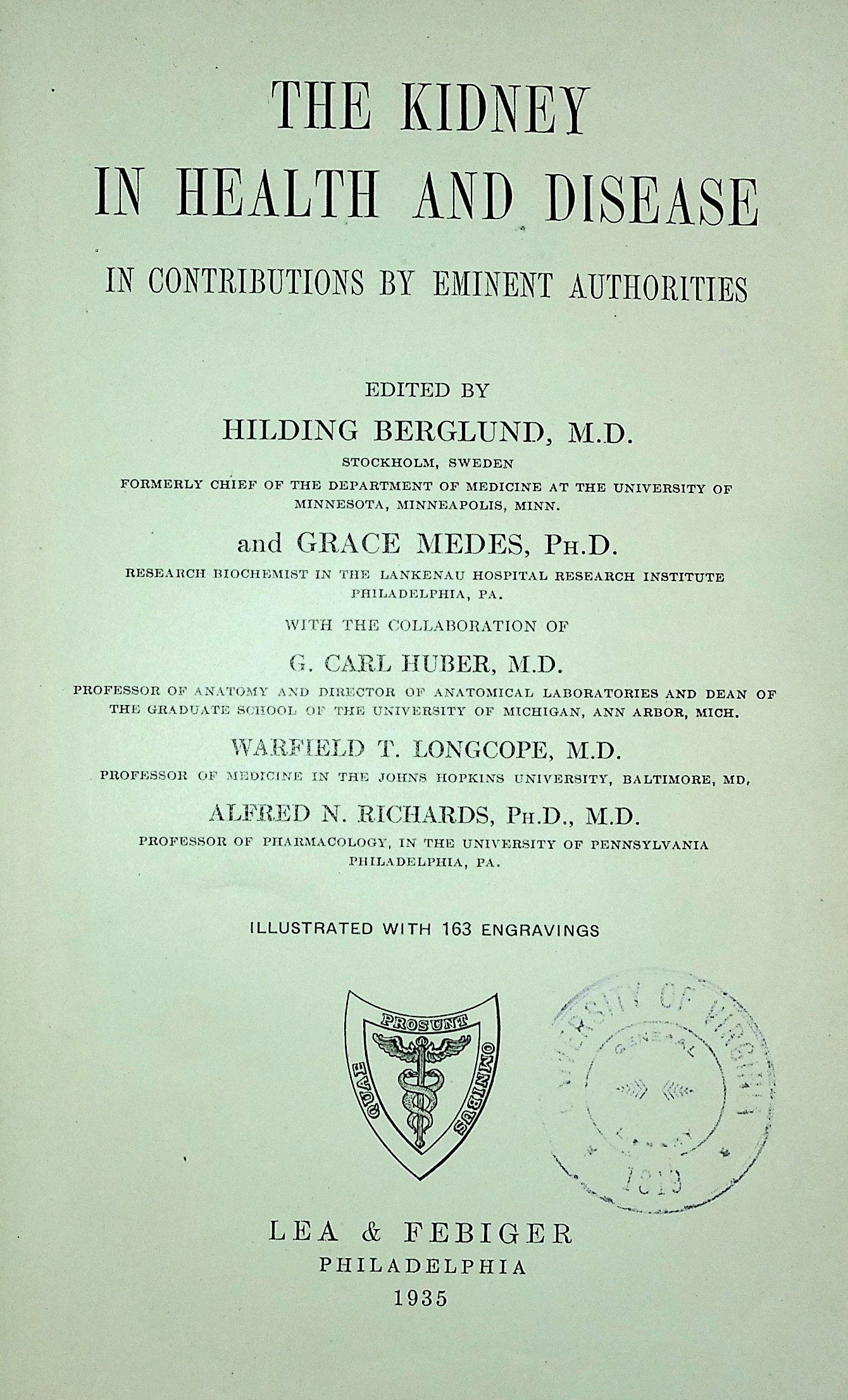
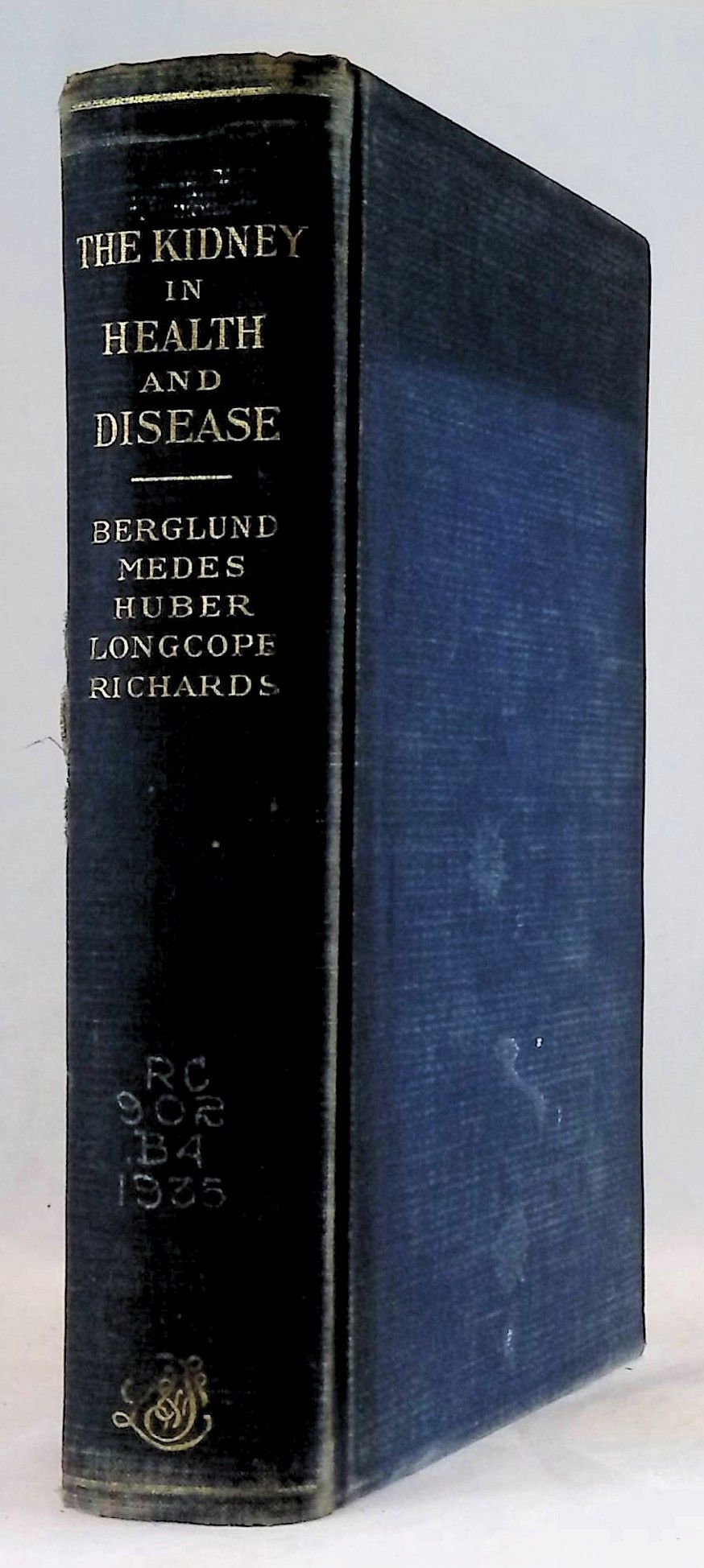
9 1/2 inches tall hardcover, publisher's dark blue cloth binding with blindstamped initials of publisher to cover, gilt title to spine, signature of Prof. Mulholland top of front paste-down, xix, 754 pp, 163 figures in text, 44 chapters, 41 contributors. Pages clean and unmarked. Wear to cover edges, faint library call letters to bottom of spine, "withdrawn" handstamps and edge stains to endpapers, handstamp of University of Virginia General Library to bottom of title page. Good+ in custom archival mylar cover.
REVIEW of The Kidney in Health and Disease. JAMA. 105(2):143-144 (July 13, 1935): "This single volume probably contains more original authoritative information than any other book on the subject in any language. The book is an outgrowth of a symposium on the structure and function of the kidney in health and disease, which took place in Minneapolis in 1930. The editorial task was initiated by Hilding Berglund and completed by Grace Medes and some of the contributors. For the purposes of this volume the participants in the symposium have revised their contributions and amplified them to some extent to bring them down to date. Several contributions not included in the symposium were added to make the work complete. The list of contributors contains the names of men who have made noteworthy contributions to the subject."
THE EDITORS: HILDING BERGLUND (1888-1962) – Swedish physician on faculty at Harvard University and University of Minnesota. GRACE MEDES (1886-1967) – American biochemist discovered tyrosinosis at University of Minnesota. G. CARL HUBER (1865-1934) Professor of anatomy, histology and embryology at the University of Michigan. WARFIELD T. LONGCOPE (1877-1953) -- American pathologist and physician-in-chief of the Johns Hopkins Hospital. ALFRED N. RICHARDS (1876 – 1966) – American pharmacologist/physiologist developed renal micropuncture.
CONTRIBUTORS INCLUDE: KENNETH O. BLACKFAN (1883 – 1941) Chapter 41. CEREBRAL SYMPTOMS IN ACUTE GLOMERULAR NEPHRITIS AND THEIR TREATMENT. Blackfan, an American pediatrician, Blackfan followed Howland to Johns Hopkins Hospital in Baltimore where he worked with Walter Dandy on internal hydrocephalus. Walker and Blackfan discovered where cerebrospinal fluid originated by tracking dye injected into the cerebral ventricle of a dog. Blackfan eventually moved to Harvard University where he became director of clinical services at Children's Hospital. HAROLD SHEELY DIEHL (1891 – 1973) Chapter 28. ALBUMINURIA IN YOUNG MEN. Diehl was a pioneer in epidemiology. In 1938, Diehl and colleagues published results from a trial on the efficacy of vaccines for the common cold. The study has been cited as one of the first instances of a randomized, double-blind, placebo-controlled trial. Diehl wrote about the health risks of smoking from the 1930s, and was a leading proponent of the relationship between smoking and lung cancer. JAMES LAWDER GAMBLE (1883-1959) Chapter 10. CERTAIN CHEMICAL ASPECTS OF RENAL FUNCTION and Chapter 11. THE OPTIMAL WATER REPLACEMENT IN RENAL FUNCTION. One of the most important contributors to the advance of clinical science in America, Gamble graduated from Harvard Medical School in 1910. In 1915 he was invited to become one of the new full-time staff of the department of pediatrics at Johns Hopkins University. He then moved to Children's Hospital in Boston where he established the general design of studies dealing with electrolyte and water metabolism. He was honored not only by membership in the National Academy of Sciences but also served as President of the American Pediatric Society in 1945. FRANK HINMAN (1880-1961) Chapter 9. RENAL COUNTERBALANCE. Hinman received his MD from Johns Hopkins School of Medicine in 1906. He was the first resident trained by the pioneer in urology at Hopkins, Dr. Hugh Hampton Young. Returning to San Francisco he became chair of the department of urology at Stanford University. His clinical observations and animal experimentation were gathered in his monumental textbook The Principles and Practice of Urology, published in 1935. In these works he pioneered studies in the pathogenesis of hydronephrosis and compensatory renal hypertrophy. ELI KENNERLY MARSHALL JR. (1889-1966) Chapter 3. THE COMPARATIVE PHYSIOLOGY OF THE KIDNEY IN RELATION TO THEORIES OF RENAL SECRETION. Marshall served the Johns Hopkins University School of Medicine for 35 years, first as professor of physiology, then of pharmacology and experimental therapeutics. He trained with John Jacob Abel, one of the founding chairmen at Johns Hopkins in 1893, and who had begun work on developing an artificial kidney. He collaborated with Homer Smith in a pioneering study of vertebrate evolution of the development of the glomerulus. His ongoing studies of fish physiology at Mount Desert Island culminated in his conclusion the combined data on anatomy, physiology, and evolution supported his discovery of tubular secretion, a view that was to be vindicated and amplified over the next fifty years. ALFRED NEWTON RICHARDS (1876 – 1966) Chapter 2. URINE FORMATION IN THE AMPHIBIAN KIDNEY. Richards was an American pharmacologist who, along with Wearn, developed the method of renal micropuncture to study the functioning of kidneys in 1924. In 1941, then U.S. President Roosevelt appointed Richards chairman of the Committee on Medical Research. The office was terminated five years later, in 1946, after which Richards became president of the National Academy of Sciences, serving until 1950. Richards' technique for the study of kidney functioning is considered a landmark in animal physiology research. LEONARD GEORGE ROWNTREE (1883–1959) Chapter 8.THE PHENONLSULPHONEPHTHALEIN AND OTHER TESTS OF RENAL FUNCTION. Rowntree was a Canadian physician credited who founded the research tradition at the Mayo Clinic. Osler recommended Rowntree to Johns Hopkins Hospital where he worked with John J. Abel. With Norman Keith of Toronto, Rowntree developed the first artificial kidney in 1913. In 1920, Rowntree was made Head of Section and Professor of Medicine of the Mayo Foundation. During his 12 years at the clinic, he published more than 100 articles, primarily in the fields of endocrine disease, water metabolism, and hepatology including the treatment of Addison's disease with adrenal extracts and the intravenous pyelogram. HOMER WILLIAM SMITH (1895-1962) Chapter 5. THE EXCRETION OF THE NON-METABOLIZED SUGARS IN THE DOGFISH, THE DOG AND MAN. Homer Smith received his D.Sc in 1921 from Johns Hopkins University, was chair of the department of physiology at the University of Virginia for 3 years, and from 1928 until his retirement in 1961 he was Director of the Physiological Laboratories at New York University School of Medicine. His elegant experiments in the 1930s proved beyond any doubt that the kidney operated according to physical principles, both as a filter and a secretory organ. Smith and his colleagues clearly established the clearance technique as a powerful noninvasive approach to gain mechanistic insights into intrarenal function. Smith was a driving force in bringing together physiologists and clinical scientists. His contribution to this volume is notable for containing numerous tables of original data and revealing evolutionary relationships in kidney function between 3 species with a common ancestor dating back 460 million years. PROVENANCE: HENRY B. MULHOLLAND (1892-1966) received his degree in medicine from the University of Virginia in 1920, took graduate training there, and then joined the faculty as instructor in 1922. He was assistant dean of the School of Medicine from 1942 to 1958, and a chair in internal medicine was established in his honor in the spring of his retirement. He served as the first incumbent.
Details
Title
The Kidney in Health and Disease in Contributions by Eminent Authorities
Author
Berglund, Hilding, Medes, Grace, Huber, G. Carl, Longcope, Warfield T. and Richards, Alfred N.
Binding
cloth binding
Condition
Unknown
Publisher
Lea and Febiger: Philadelphia
Date
1935
Edition
First edition