

NOBEL. Conversations on Mind, Matter, and Mathematics
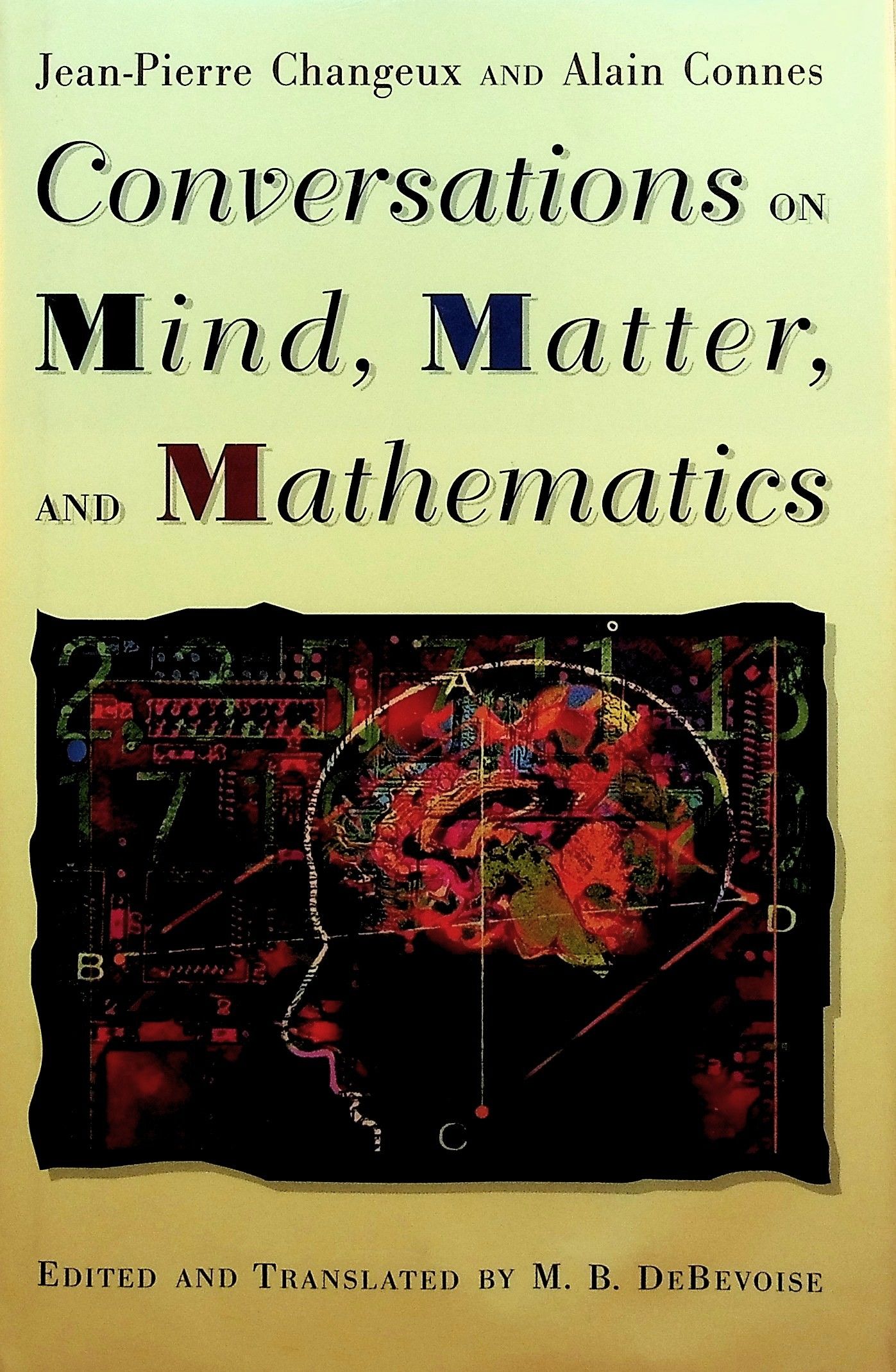
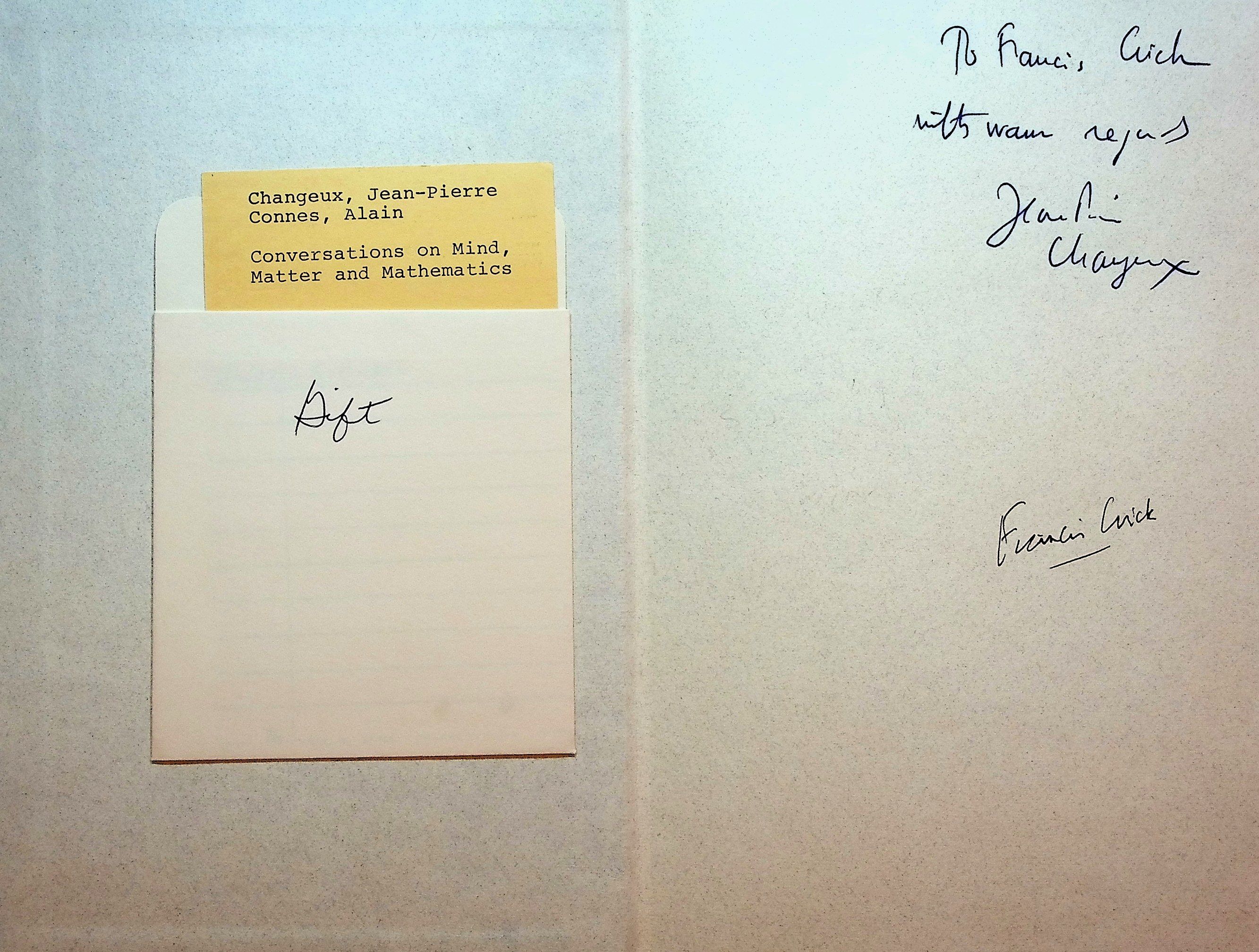
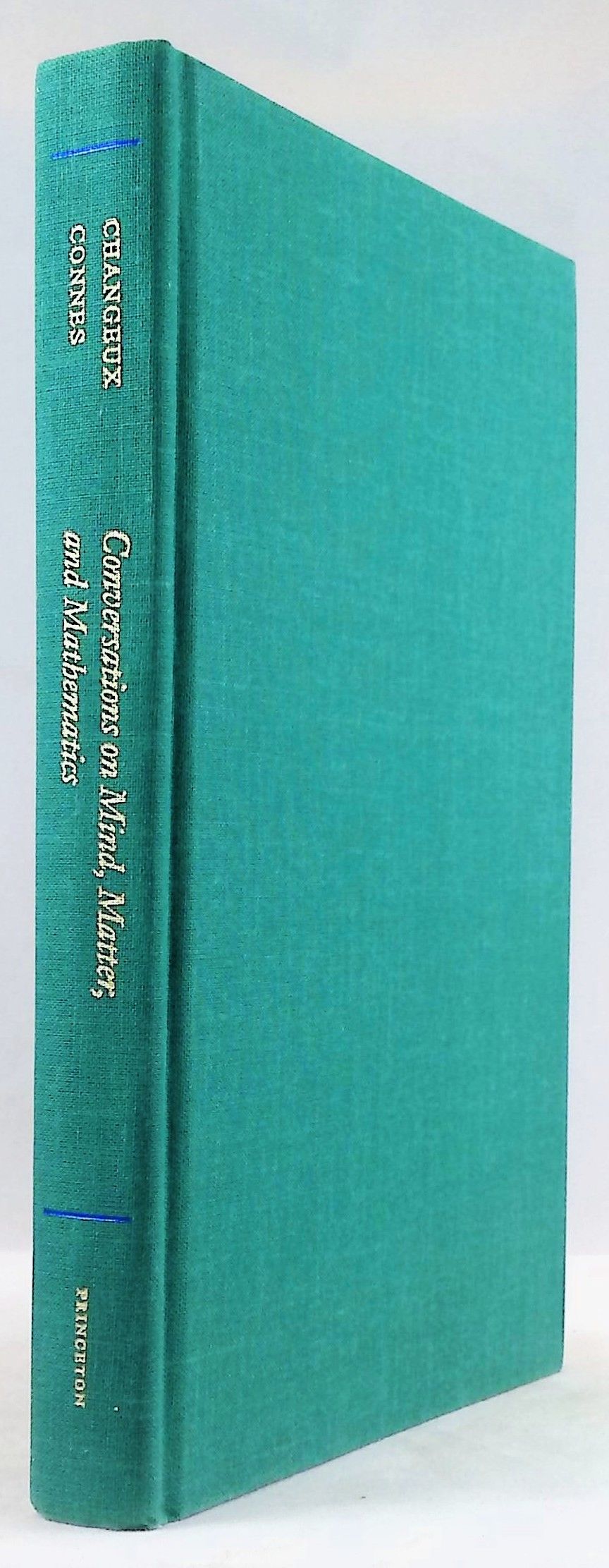
- SIGNED
- Princeton: Princeton University Press, 1995
Princeton: Princeton University Press, 1995. First English Edition.
PRESENTATION COPY OF LANDMARK STUDY BY LEADING NEUROSCIENTIST JP CHANGEUX TO NOBELIST FRANCIS CRICK--SIGNED BY HIM, OPPONENTS IN A 50-YEAR CONTROVERSY.
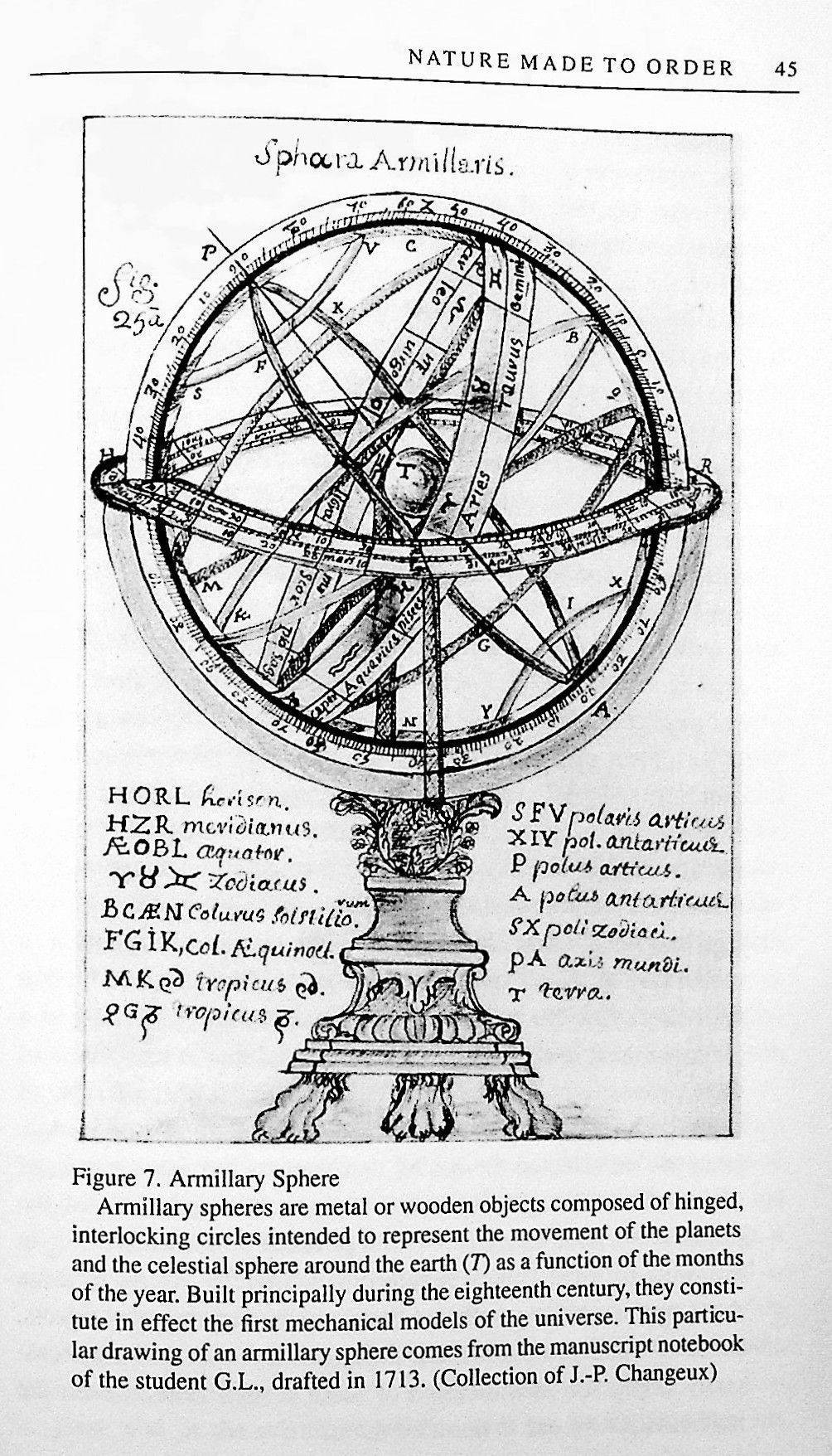
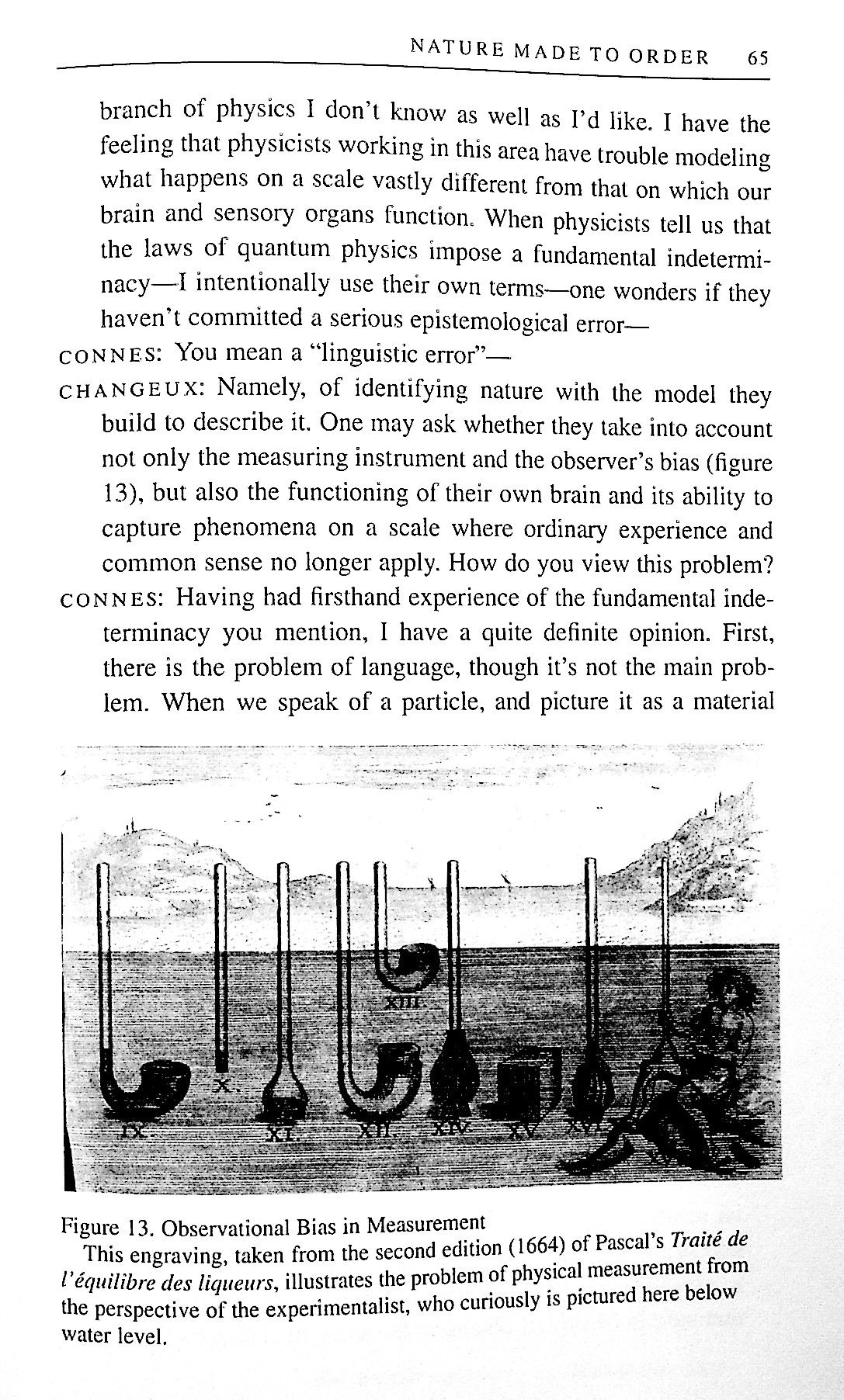
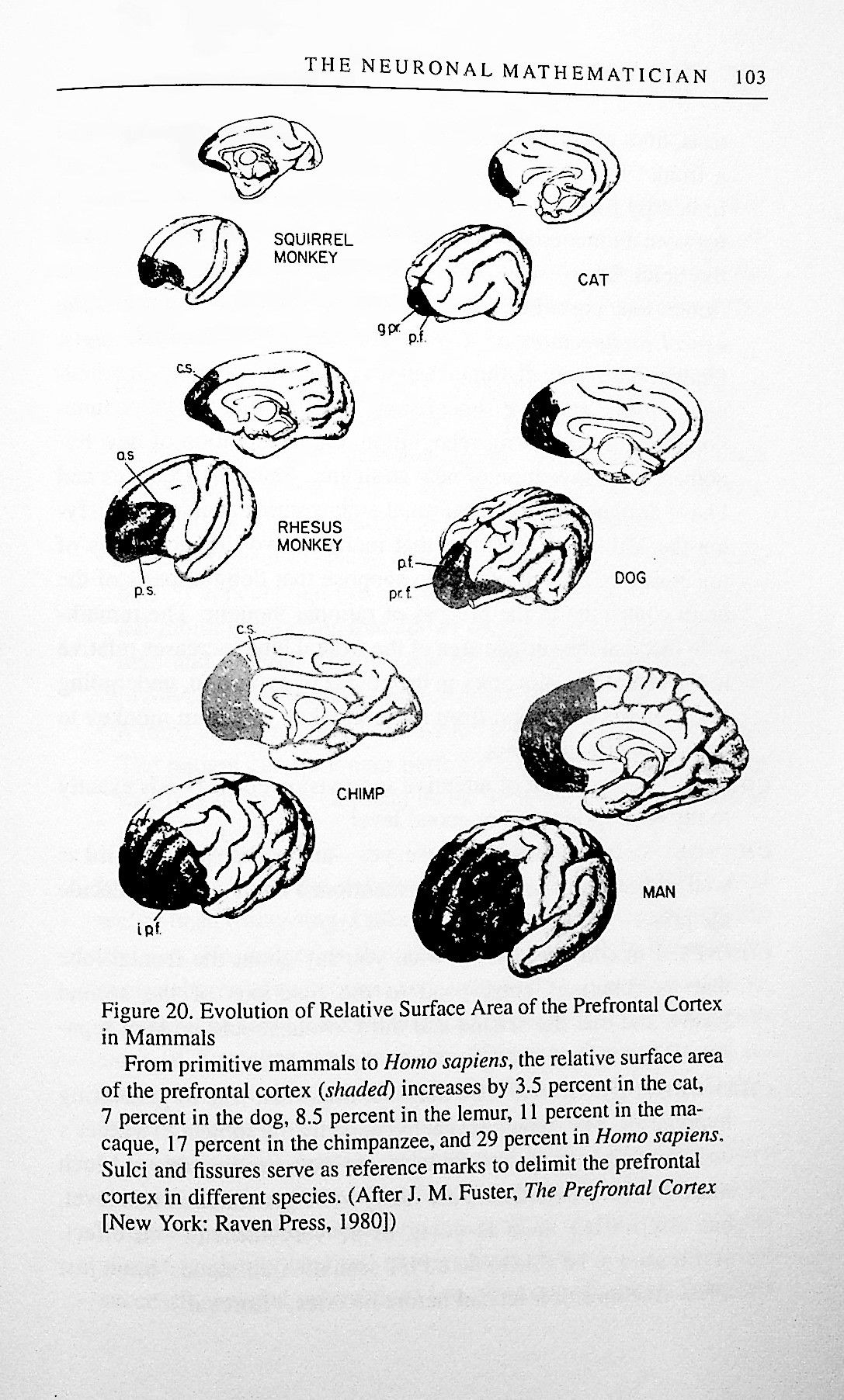
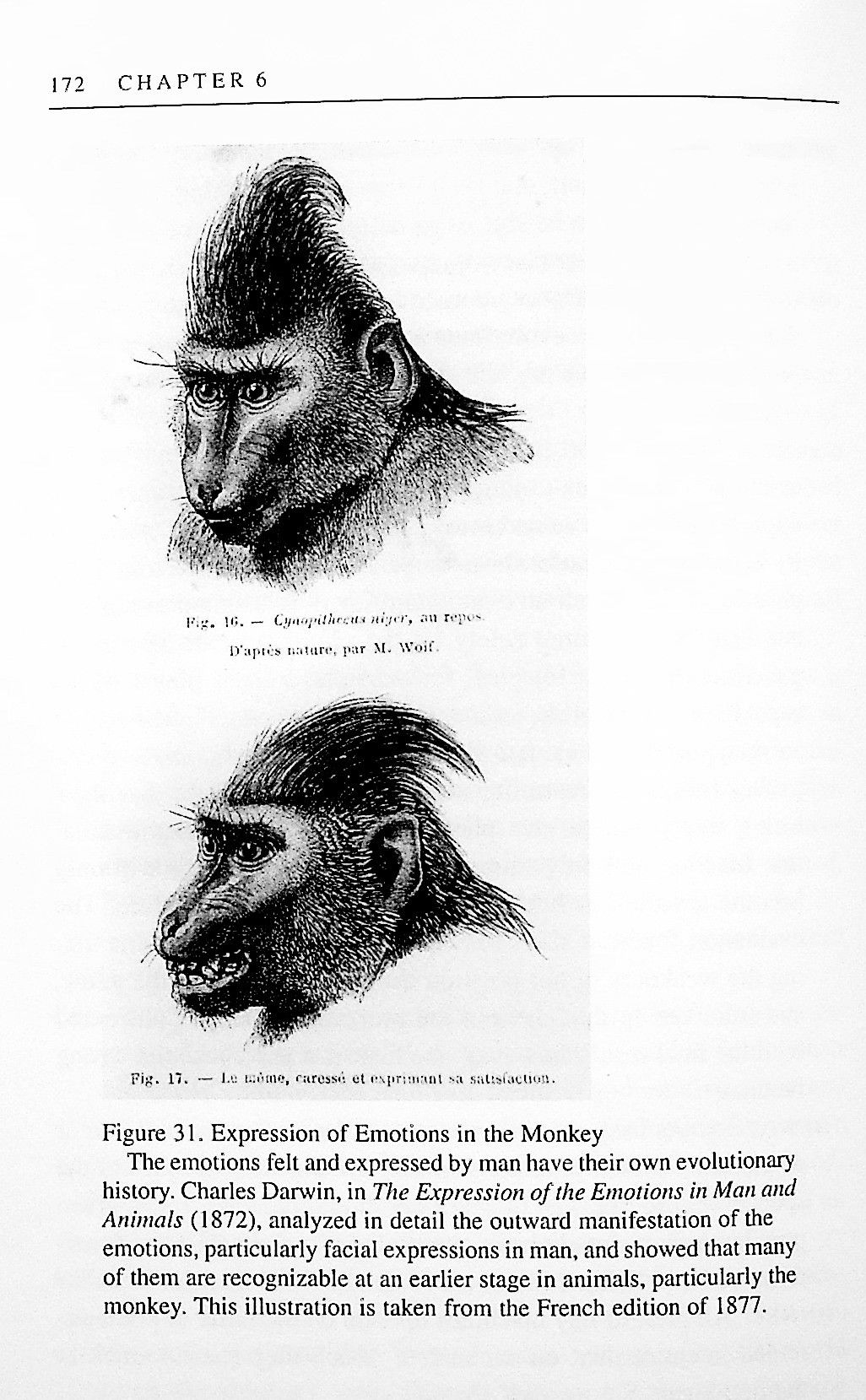
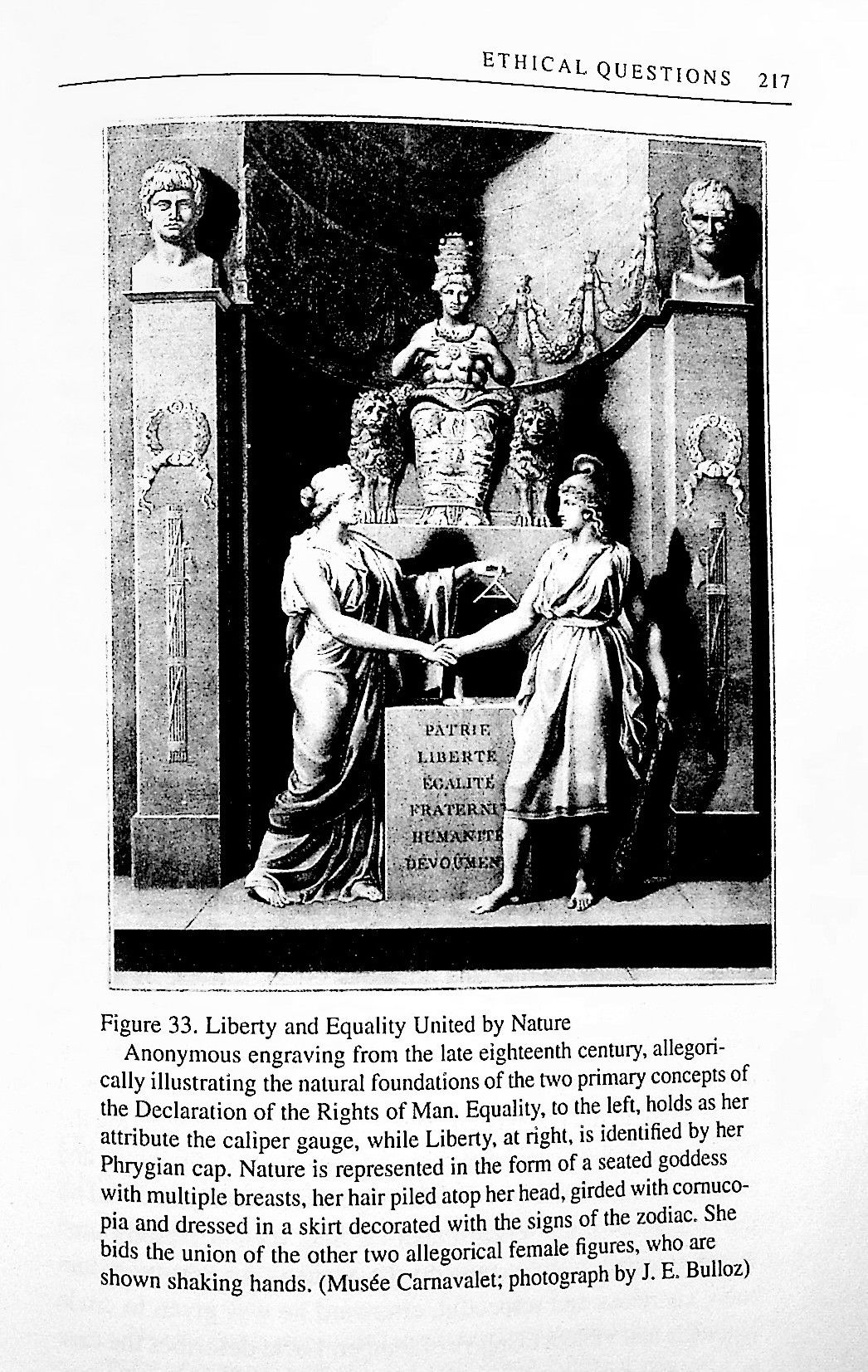
Nine inches tall hardcover, green cloth binding, gilt title to spine. ink inscription front free endpaper, "To Francis Crick with warm regards, Jean Pierre Changeux," and signed below by Francis Crick. Inclusion in Crick's library is evidenced by a typed library card in pocket marked "Gift" on the front paste-down. i-xii, 260 pp, [1], 33 illustrations in text. Fine in fine dist jacket in protective mylar sleeve.
RELEVANT TO THIS COPY, "An unpublished piece of research or theory remains significant after half a century. It is also a wonderful example of the boundless curiosity of the late Francis Crick. A previously unpublished work by Francis Crick and Jeffries Wyman from 1965 is now available [2013], together with Jean-Pierre Changeux's recollections on the origins of the theory of Allostery and several important texts by various authors on the subject."--Science News, April 19, 2013. This was followed by publication of a special issue of the Journal of Molecular Biology published at the occasion of a Pasteur/EMBO Conference on Allosteric Interactions in Cell Signaling and Regulation held at the Pasteur Institute in Paris, May 14-17, 2013, to mark a half-century of research on this subject. The conference included presentations by 40 world-renown scientists, including seven Nobel Prize laureates: "After the publication of the Monod-Wyman-Changeux model, a controversy arose between Jacques Monod, Francis Crick and Jeffries Wyman about the comparison of the regulatory performances of an oligomer undergoing a concerted transition between two states and a monomer having the same composition and subjected to a similar conformational equilibrium. The controversy took place between September 1965 and March 1966. It gave rise to several unpublished notes. Numerous misunderstandings between the participants were not fully dissipated as the controversy abruptly ended."--J Mol Biol May 13, 2013;425(9):1407-9.
JEAN-PIERRE CHANGEUX (born 1936) is a French neuroscientist known for his research in several fields of biology, from the structure and function of proteins (with a focus on the allosteric proteins), to the early development of the nervous system up to :ognitive functions. Although being famous in biological sciences for the MWC model. the identification and purification of the nicotinic acetylcholine receptor and the theory of epigenesis by synapse selection are also noticeable scientific achievements. Changeux is knovm by the non-scientific public for his ideas regarding the connection between mind and physical brain. As put forth in his book, Conversations on Mind, Matter and Mathematics (offered here), Changeux strongly supports the view that the nervous system is active rather than reactive and that interaction with the environment, rather than being instructive, results in the selection of preexisting internal representations. He pursued PhD studies at the Pasteur Institute under the direction of Jacques Monod and François Jacob, and gained his doctorate in 1964. Changeux then left France for postdoctoral studies first at the University of California Berkeley (1965â"1966) then at Columbia University College of Physicians and Surgeons, New York (1967). He returned to France as attaché to the chair of Molecular Biology held by Jacques Monod. In 1972, he became director of the Unit of Molecular Neurobiology at the Pasteur Institute, where he received a professorship in 1975. He is the recipient of 20 major international scientific awards, including the Max Delbruck Medal, Lewis Thomas Prize, NAS Award in the Neurosciences, Albert Einstein World Award of Science, and the Erasmus Medal of the Academia Europaea.
FRANCIS HARRY COMPTON CRICK (1916 - 2004) was an English molecular biologist, biophysicist, and neuroscientist. Crick and Watson's paper in Nature in 1953 laid the groundwork for understanding DNA structure and functions. Together with Maurice Wilkins, they were jointly awarded the 1962 Nobel Prize in Physiology or Medicine. Crick was an important theoretical molecular biologist and played a crucial role in research related to revealing the helical structure of DNA. His later research centered on theoretical neurobiology and attempts to advance the scientific study of human consciousness. Eventually, in the 1980s, Crick was able to devote his full attention to his other interest, consciousness. Crick hoped he might aid progress in neuroscience by promoting constructive interactions between specialists from the many different subdisciplines concerned with consciousness.
Details
Title
NOBEL. Conversations on Mind, Matter, and Mathematics
Author
Changeux, Jean-Pierre and Connes, Alain
Condition
Unknown
Publisher
Princeton University Press: Princeton
Date
1995
Edition
First English Edition