

Elementa Physiologiae Corporis Humani [Elements of Physiology of the Human Body]
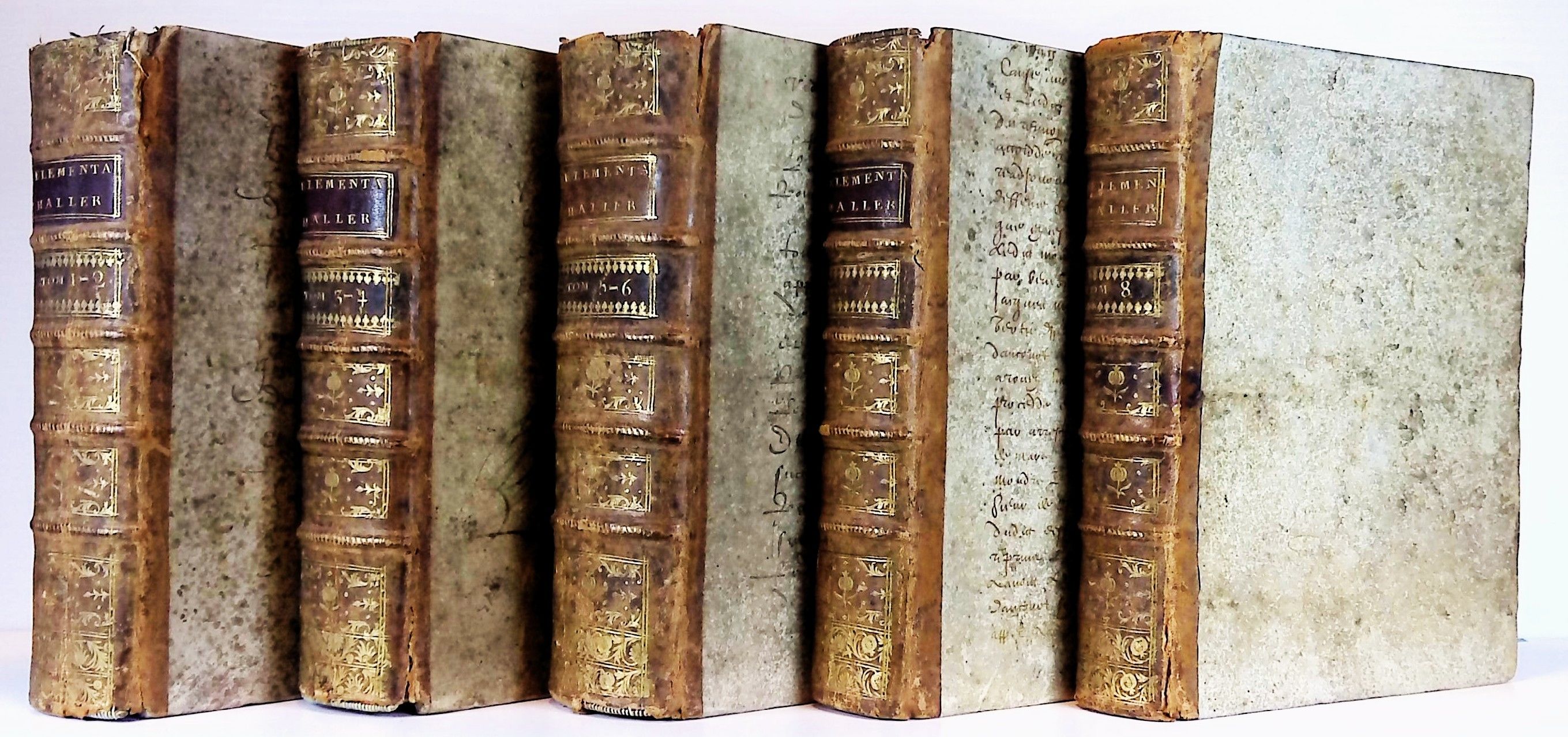
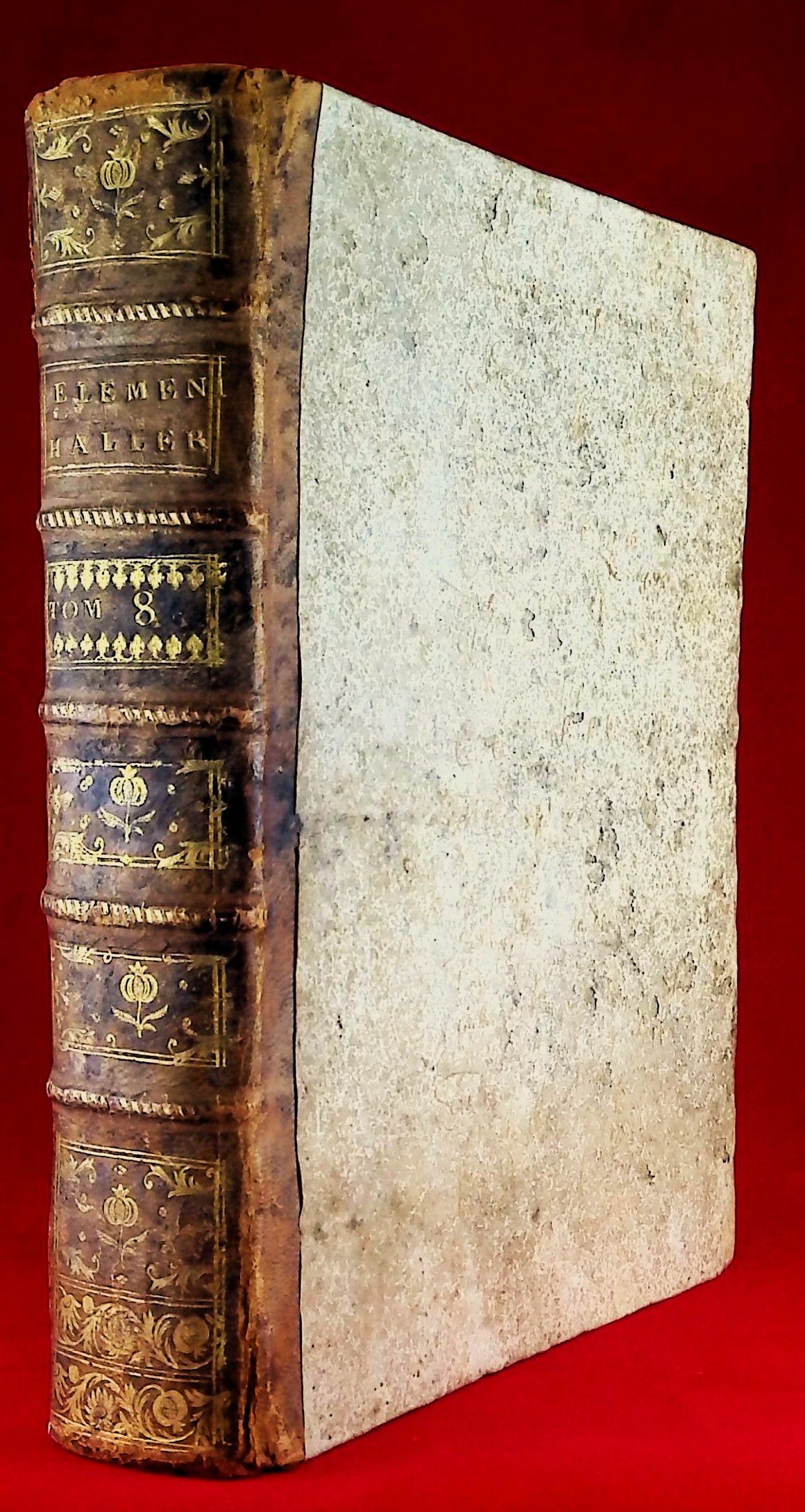
- Leather spines, covered in early vellum with original Latin script
- Lausanne (Vols. I-V), Leiden (Vols. VI-VIII): Bosquet (Vol. I), Sigismundi d'Arnay (Vols. II, III), Grasset (Vols. IV, V), Haak (Vols. VI, VII, VIII), 1757 - 1766
Lausanne (Vols. I-V), Leiden (Vols. VI-VIII): Bosquet (Vol. I), Sigismundi d'Arnay (Vols. II, III), Grasset (Vols. IV, V), Haak (Vols. VI, VII, VIII), 1757 - 1766. First editions.
ENCYCLOPEDIC REVIEW MARKING THE DAWN OF MODERN PHYSIOLOGY, IN STRIKING EARLY MANUSCRIPT VELLUM BINDINGS--COPY OF EMINENT FRENCH PHYSICIAN.
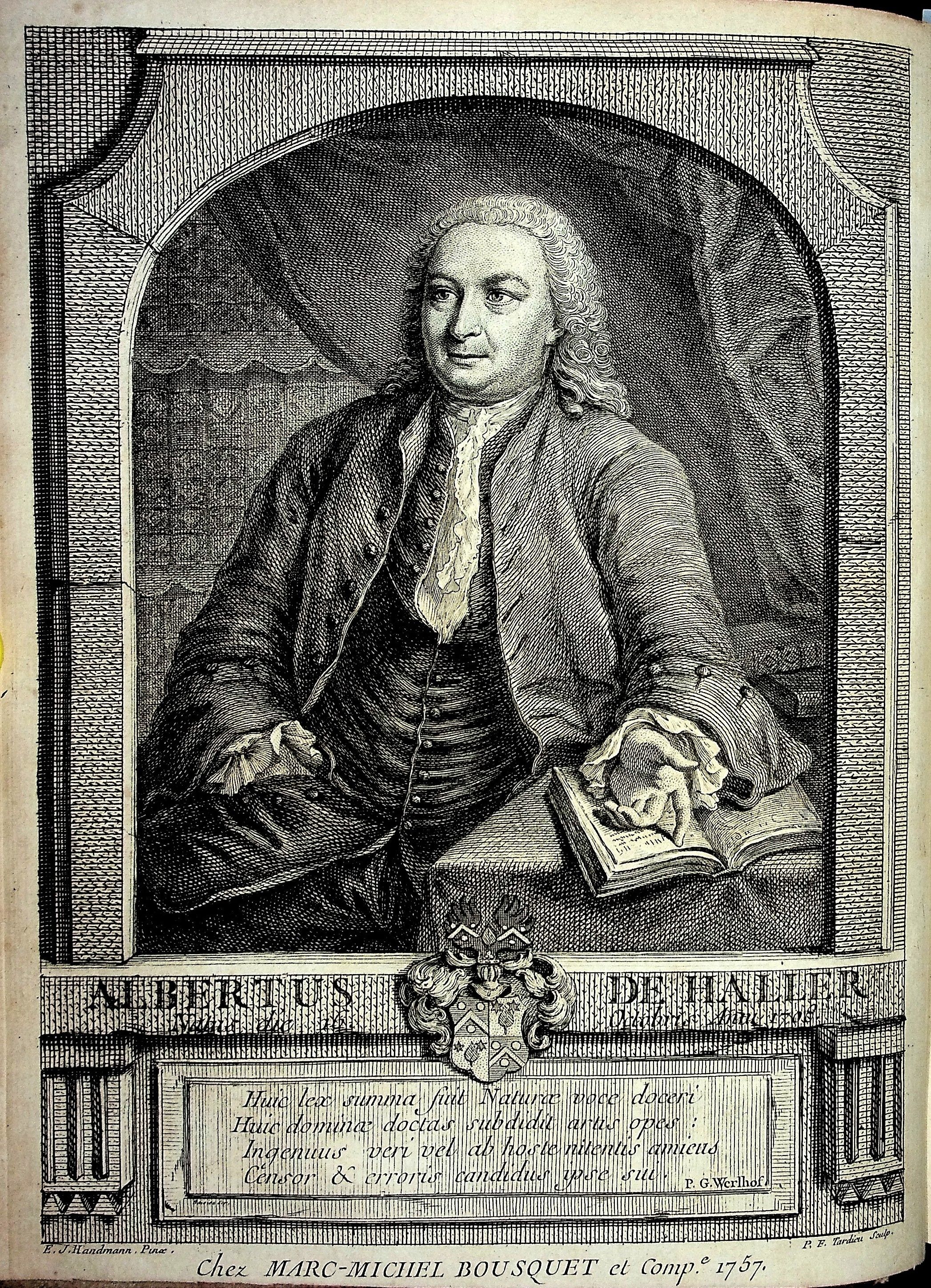
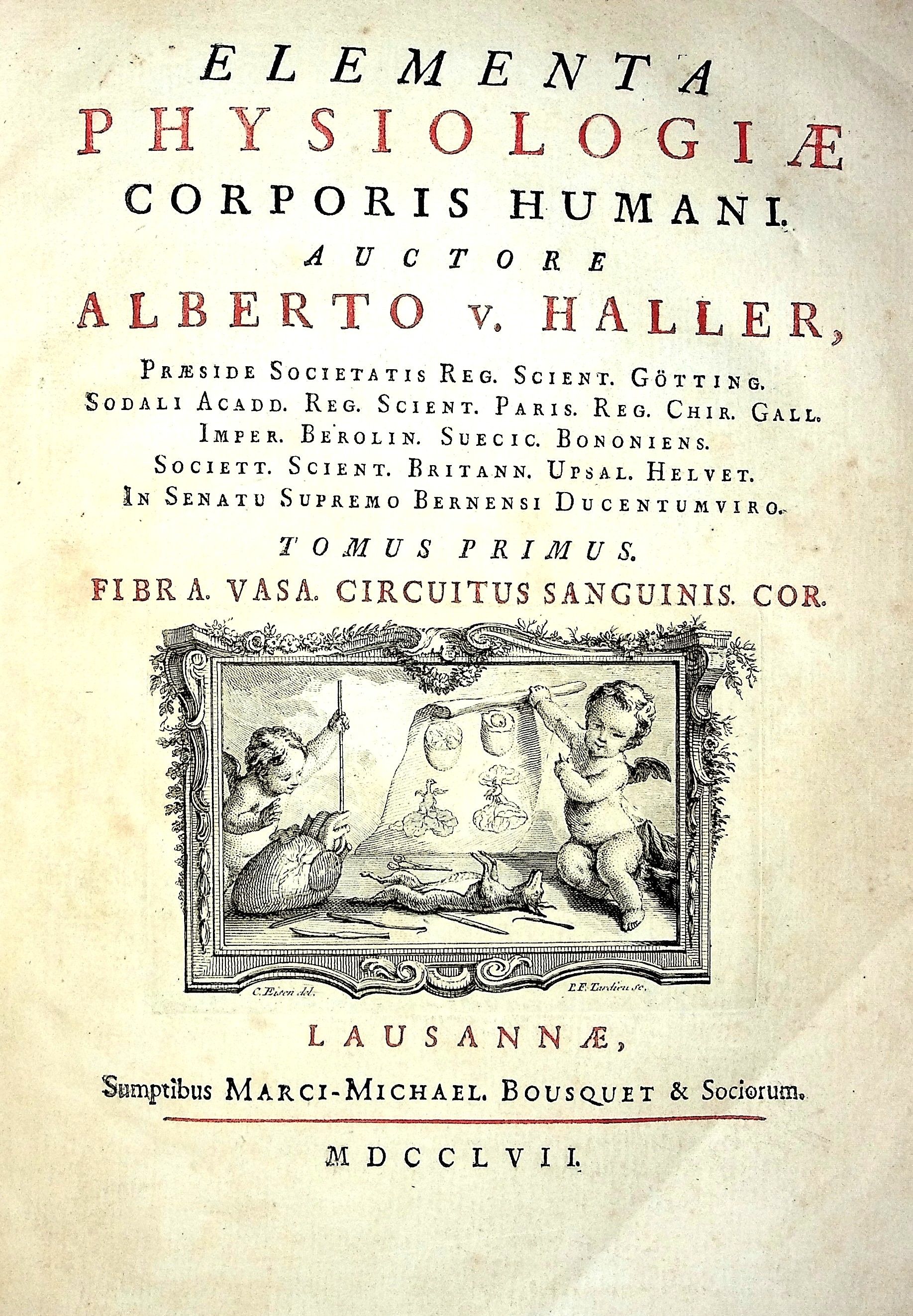
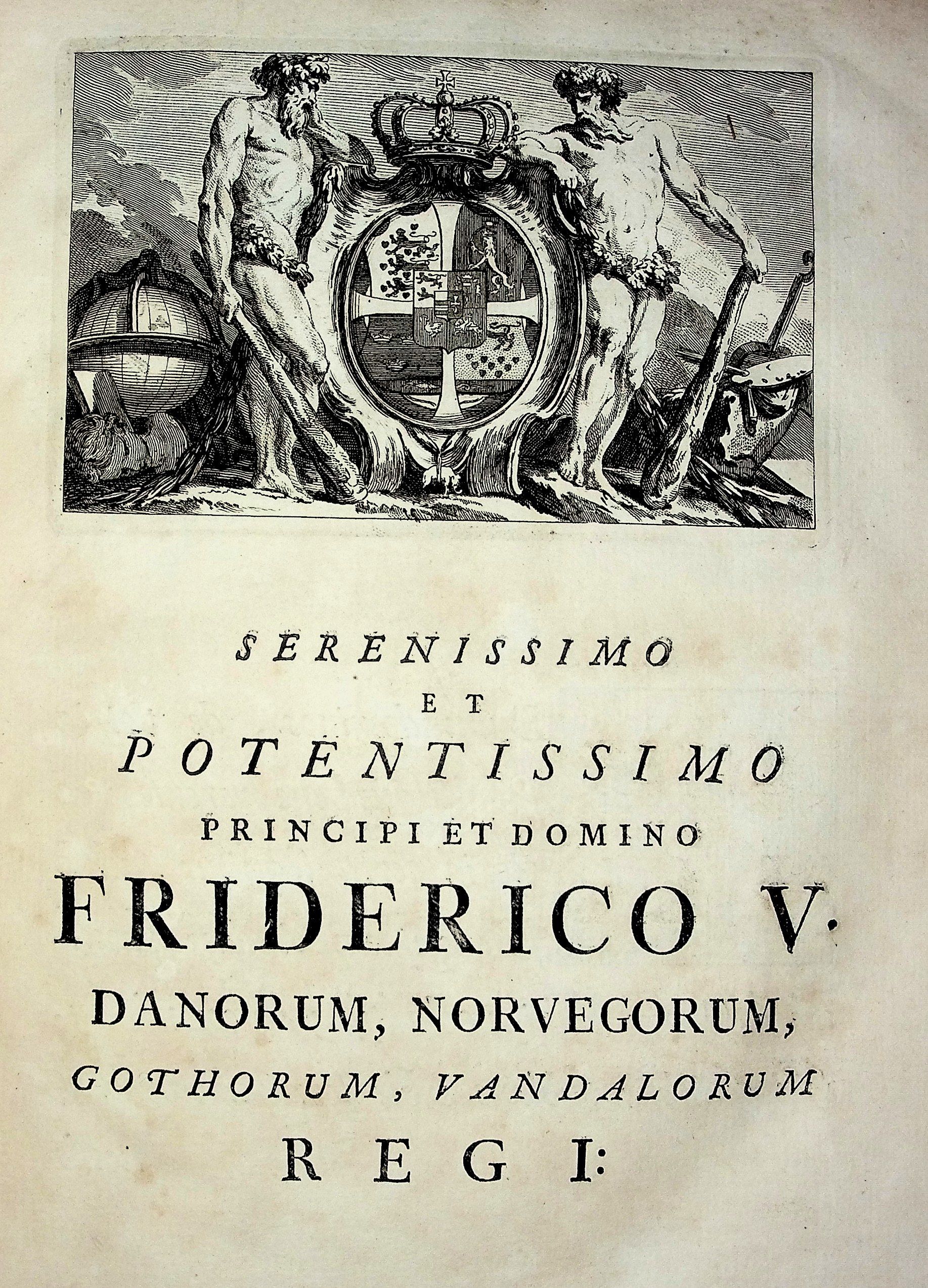
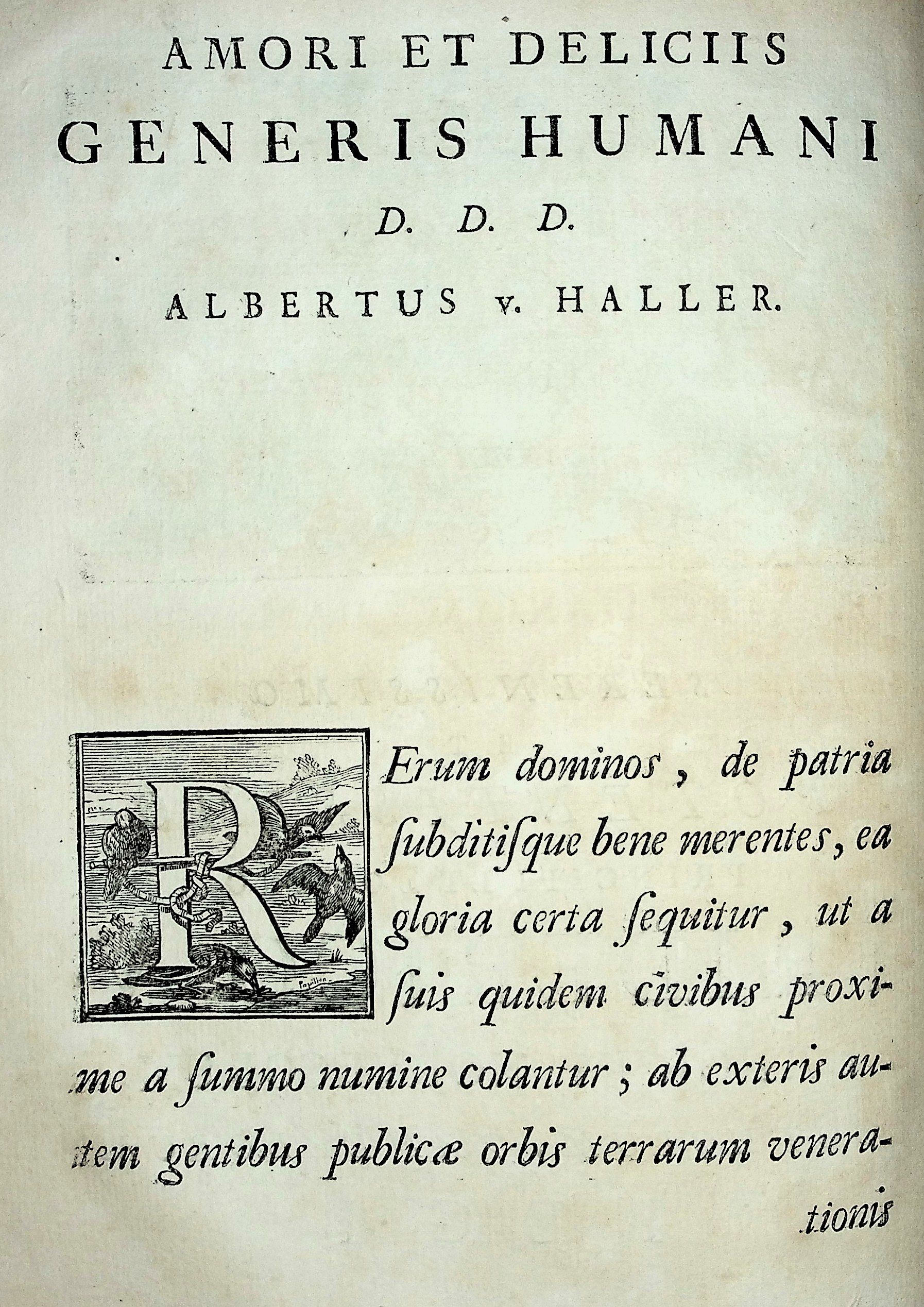
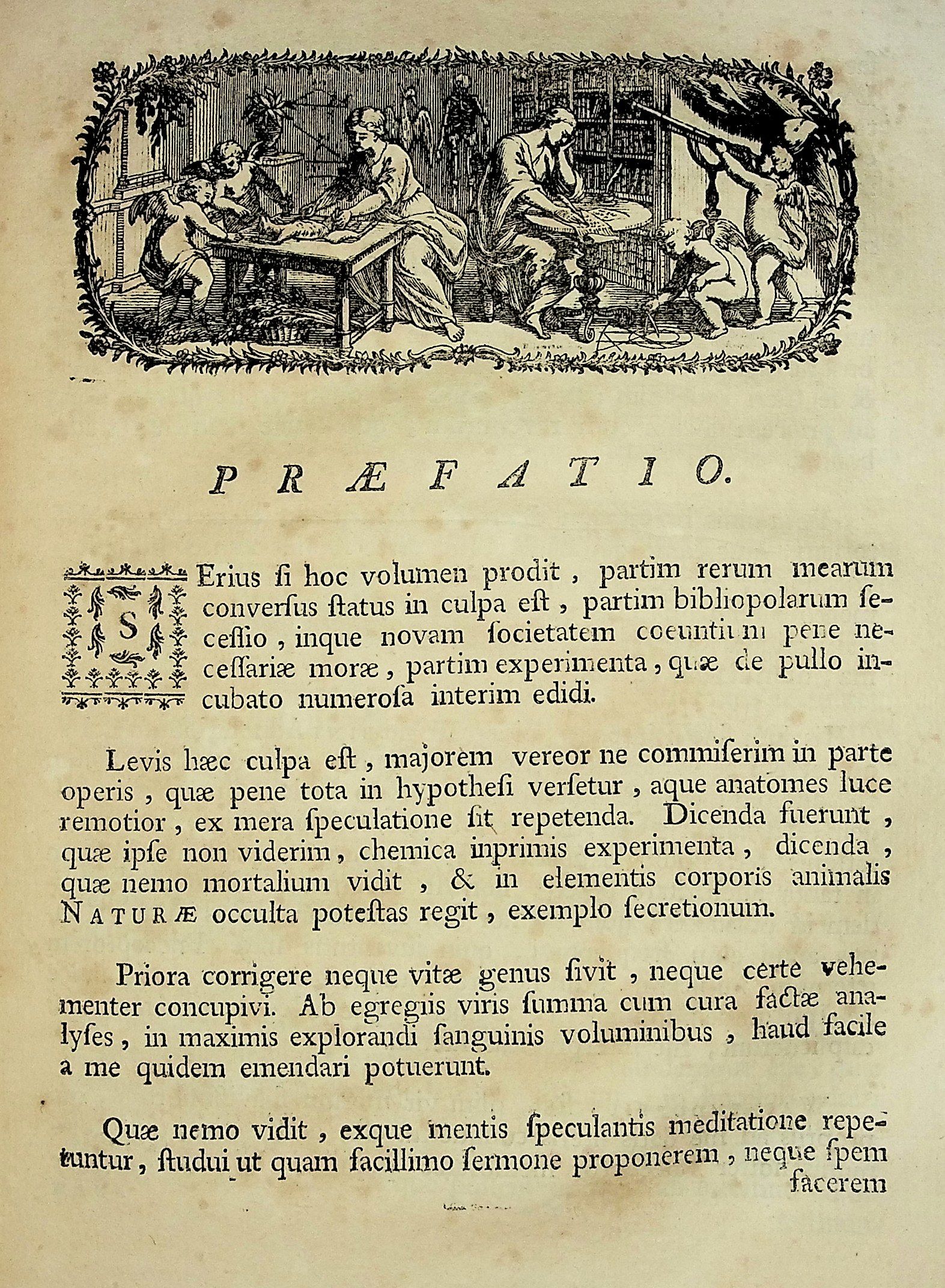
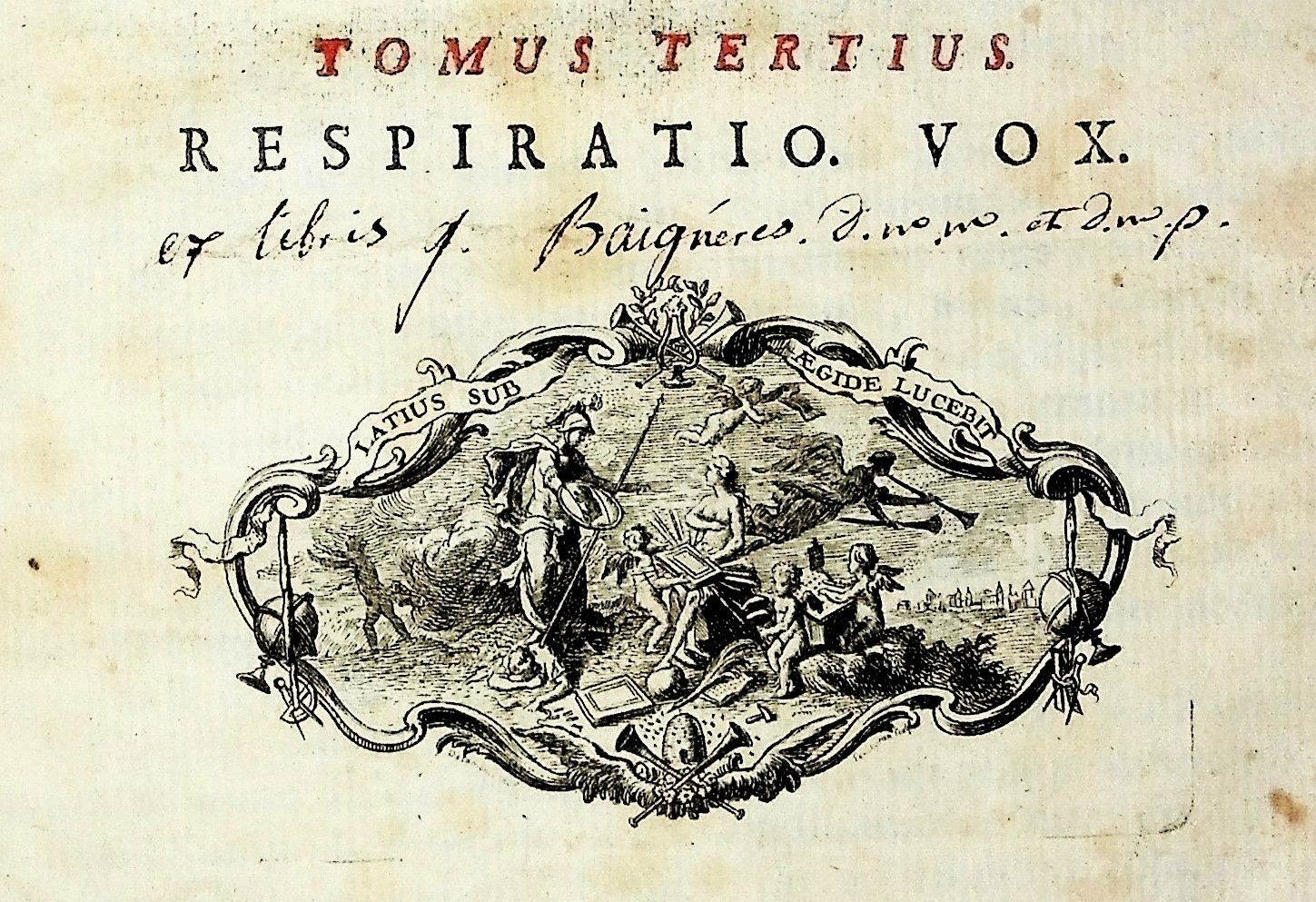
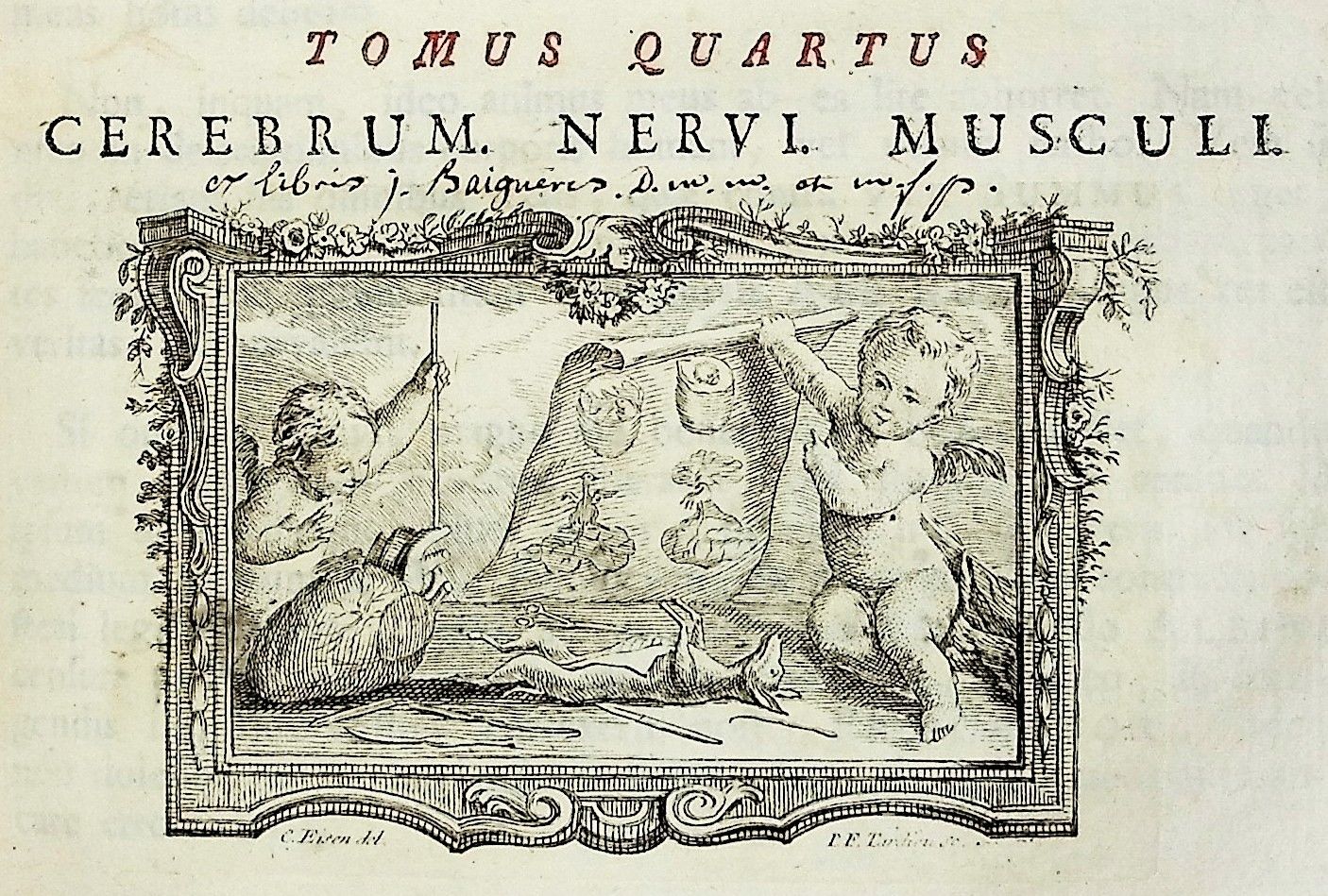
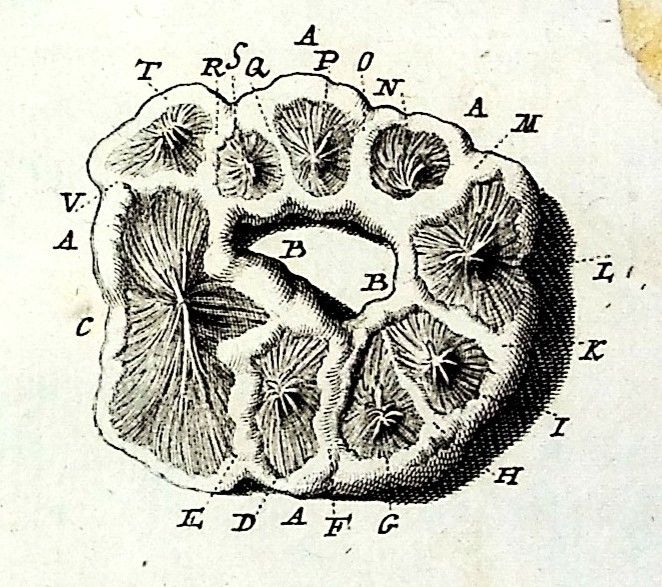
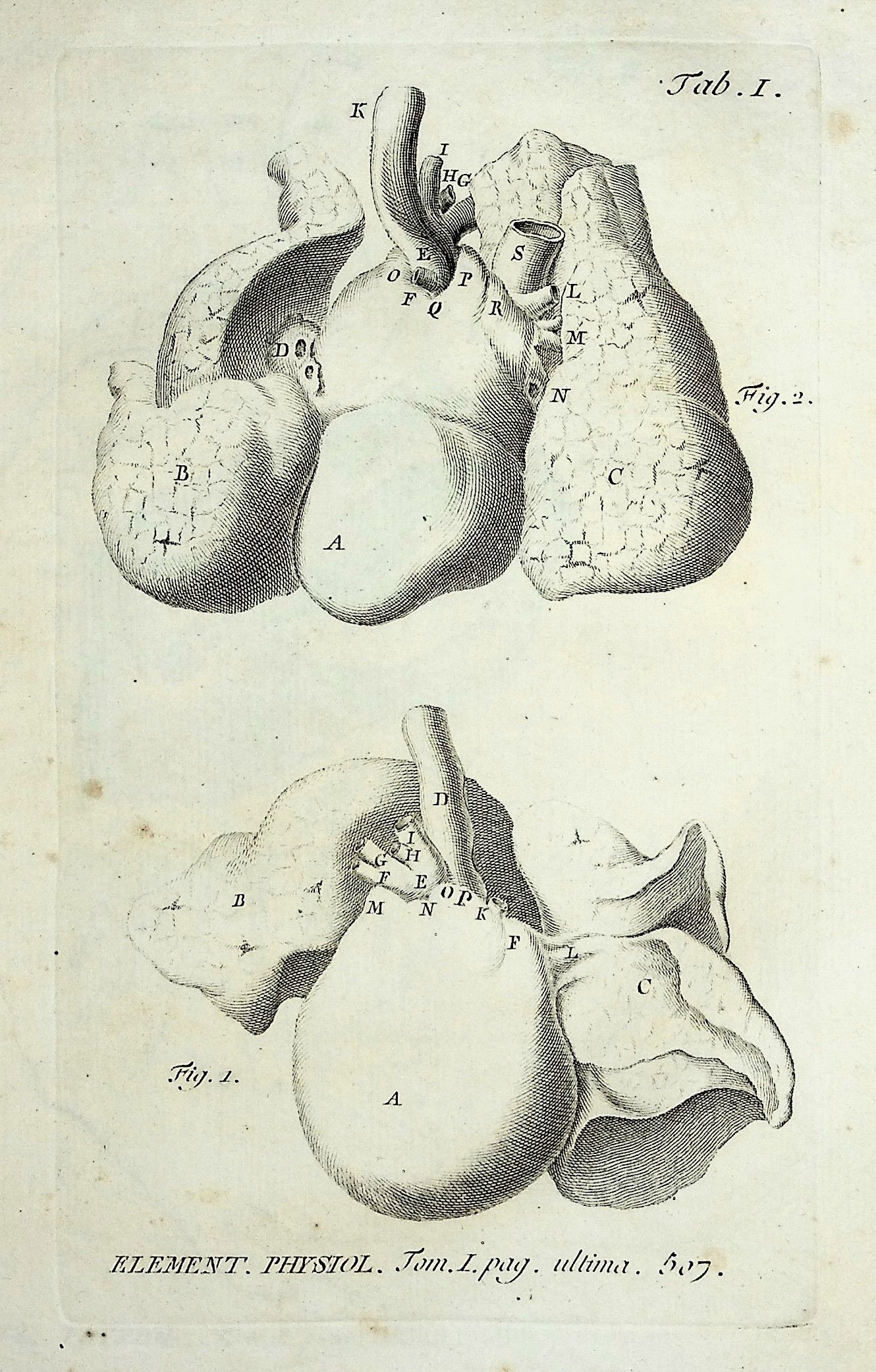
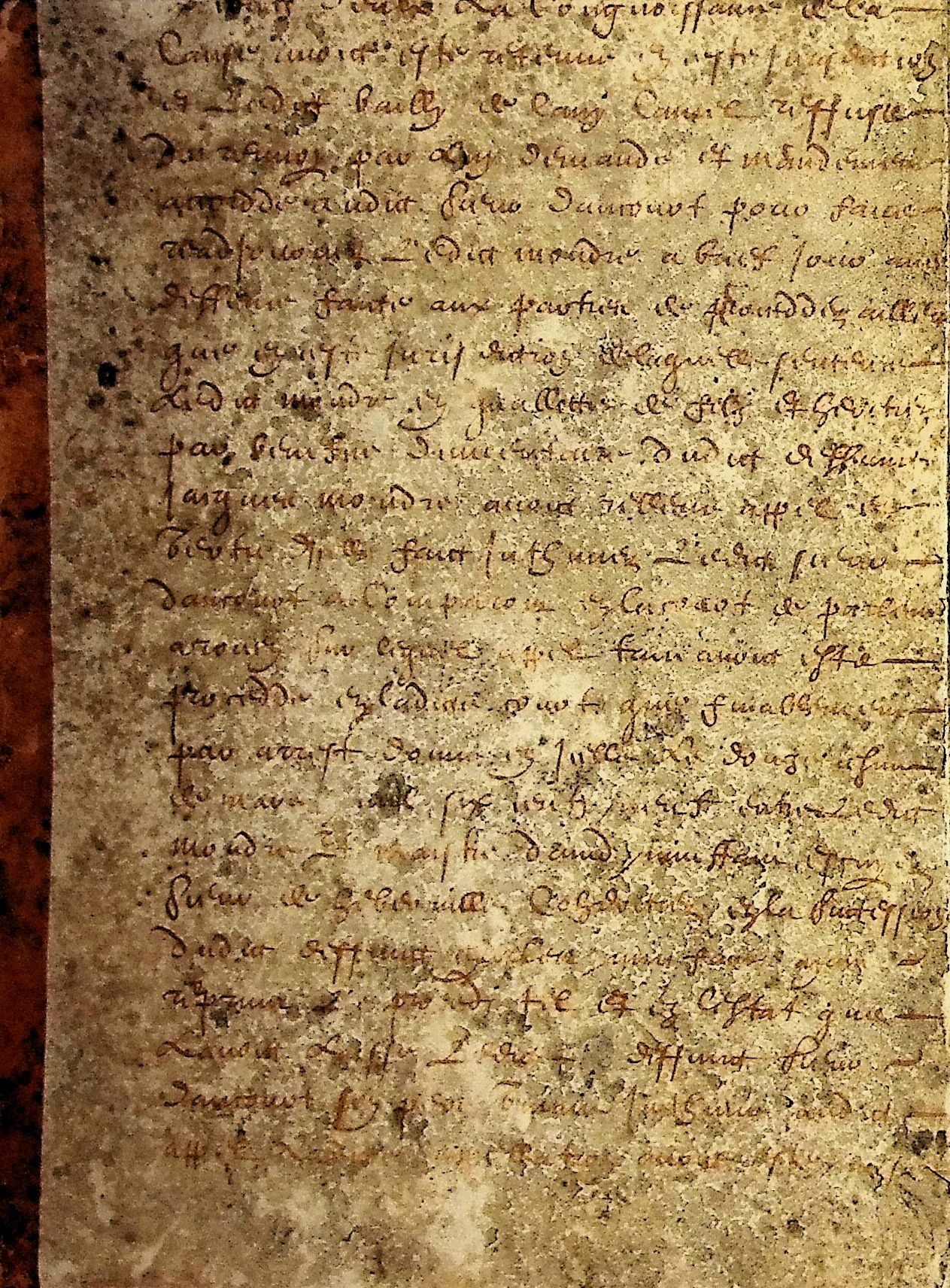
Complete set of 8 thick volumes 10 inches tall bound as 5 volumes (1 & 2, 3 & 4, 5 & 6, 7, 8), contemporary leather spines with raised bands, gilt decorative compartments, gilt red leather title labels, all edges stained red, covered in early vellum with original Latin script, bookplate of Robert L Chevalier MD to front paste-down of each volume. Vol. I, frontispiece portrait engraving of Haller, contemporary inscription verso: "Ex libris J. B. Baig[neres]"; title page in red and black with engraved vignette of putti holding page of anatomical illustrations, with dissected heart and dog surrounded by dissection instruments; dedication page to Frederic V [king of Denmark and Norway] with engraved armorial vignette; [4], i-xii, 522 pp, 2 engraved plates of heart and lungs opposite p 506. Vol II, title page with contemporary inscription, "ex libris D. J. Baigneres," engraved vignette of compass with motto, "Fidem Non Abstulit Error" [Error Has Not Removed Faith], i-iii, [4], 497 pp, Vol. III, title page with signature of Baigneres, engraved vignette of allegorical scene of heaven and knowledge, 492 pp; Vol. IV, title page with signature of Baigneres, engraved vignette of anatomical scene with putti, i-xi, 596 pp; Vol. V, title page with signature of Baigneres, engraved vignette, 646 pp, folding engraved plate facing p 626, [bound out of order: described as Fig. I on p 638 of Vol. VI] ; Vol. VI, title page with signature of Baigneres, engraved vignette of compass, 2 folding engraved plates facing p 638; Vol. VII, title page with signature of Baigneres, engraved vignette, Part I, 576 pp, folding engraved plate facing p 576 Part II, 201 pp; Vol. VIII, title page with signature of Baigneres, engraved vignette of compass, i-xxiv, Part I, 467 pp, Part II, 348 pp. Bindings tight, spine ends worn, top of joints cracked, scattered light browning, foxing, ink spots. Very good in custom archival mylar covers. The first edition of the eight-volume work was published between 1757 and 1766 in Lausanne, with various publishers handling different volumes. The primary difference between the two printings is their imprint information and the year of publication. The first edition of Volume VIII was a joint venture, and copies were issued with different title pages. Bibliographically, these different imprints typically represent the same sheets of text, simply issued with a different title page to manage distribution in different regions.
GARRISON-MORTON No. 588 HALLER, Albrecht von (1708 - 1777) Elementa physiologiae corporis humani. 8 vols. Lausanne & Berne: Bousquet, 1757 â" 1766. Haller synthesized the whole physiological knowledge of his time. In the above, probably his greatest work, Haller included some anatomical descriptions which were most valuable. He is said to have written more than 1300 scientific papers.
CITATIONS:
"The year 1757 may be regarded in a certain sense as a red letter year in the history of physiology, as marking an epoch, indicating the dividing line between modern physiology and all that went before. It was the year in which the first volume of the Elementa Physiologiae of Haller was published."--Sir Michael Foster: Lectures on the History of Physiology, p 202 (1924).
"Albrecht von Haller (1708-1777) was professor of anatomy, medicine, surgery, and botany at the University of Göttingen in Hanover for seventeen Years. His most lasting gift to medicine was that of establishing experimental physiology as the basis for advances in medical knowledge. His most notable experiment was the demonstration that contractility is the property of muscle and sensibility the property of nervous tissue. He is sometimes considered the founder of modern neurology. A summary of his lectures, Primae Lineae Physiologiae, was published in 1747. This introductory book was followed, between 1757 and 1766, by the eight volumes of his "Elements of the Physiology of the Human Body," which the French physiologist François Magendie, in 1827, called "that cursed book in which everything can be found." John F. Fulton, who like von Haller was both physiologist and bibliographer, characterized it as "a vast and well-systematized storehouse of physiological knowledge, replete with citation and an incredible number of accurate references to literature.--WR LeFanu: Notable Medical Books from the Lilly Library, Indiana University, p 115 (1976).
"Historians agree that, of the vast amount of scientific literature produced by this gifted genius, this eight-volume work is his greatest and most important contribution. The work has had a lasting influence on the development of anatomy and physiology. In it Haller examined the entire body and in each section provided anatomical description along with data on the structure, physical properties, and chemical composition of the part under consideration. There are many physiological discoveries in this book that were forgotten, only to be rediscovered again Years later. Two notable examples are the myogenic theory of the heart beat and the role of bile in the digestion of fat."--Heirs of Hippocrates, No. 557, pp 248-9 (1980).
PROVENANCE: JEAN-BAPTISTE BAIGNERES (1744 - 1802) was a French physician, son of Jean Baptiste Baigneres, Physician to King Lous XV. He authored medical texts in Latin, discussing questions including "Is drink more beneficial than food for those who are advanced in age? Are there any diseases that are not curable? Is it difficult to obtain physical certainty of poison after death?" He was also author of French texts on obstetrics.
Details
Title
Elementa Physiologiae Corporis Humani [Elements of Physiology of the Human Body]
Author
Haller, Albert von
Binding
Leather spines, covered in early vellum with original Latin script
Condition
Unknown
Publisher
Bosquet (Vol. I), Sigismundi d'Arnay (Vols. II, III), Grasset (Vols. IV, V), Haak (Vols. VI, VII, VIII): Lausanne (Vols. I-V), Leiden (Vols. VI-VIII)
Date
1757 - 1766
Edition
First editions