

"The Underground Rail Road" -- First Edition
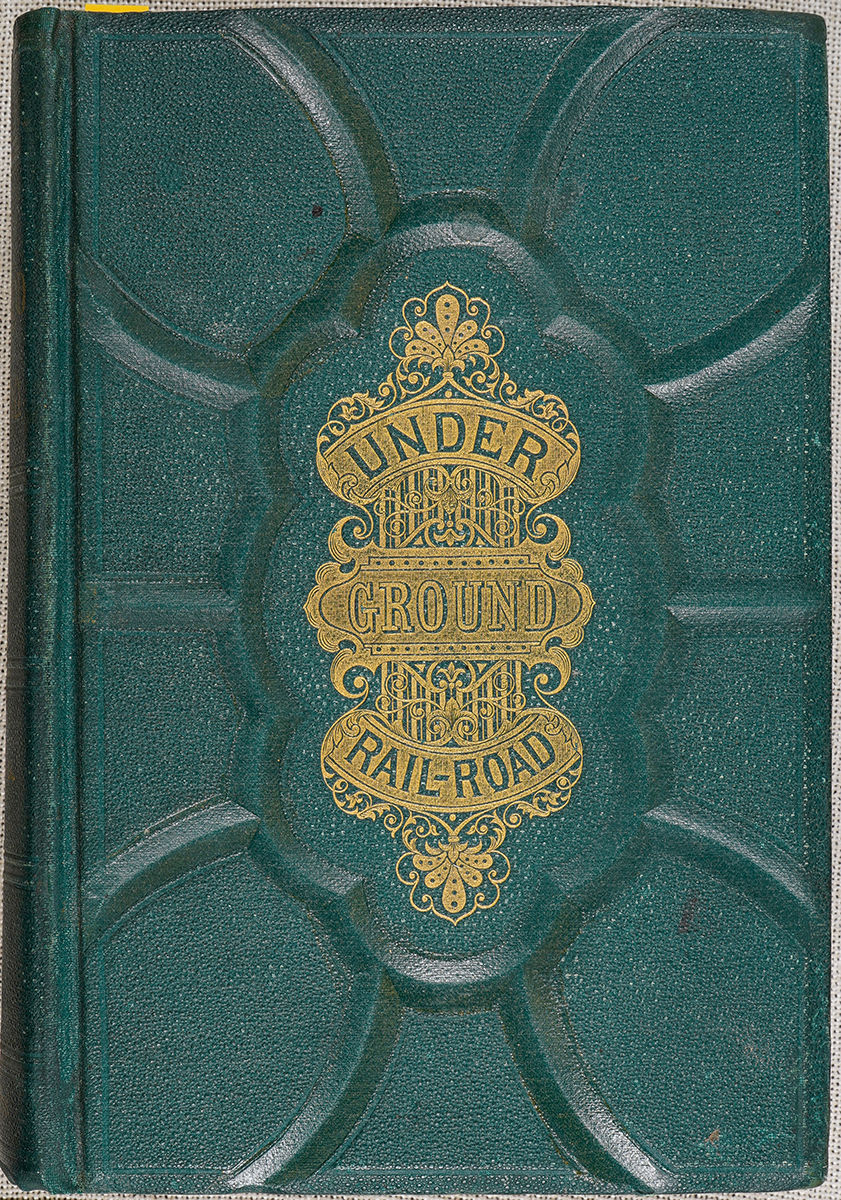
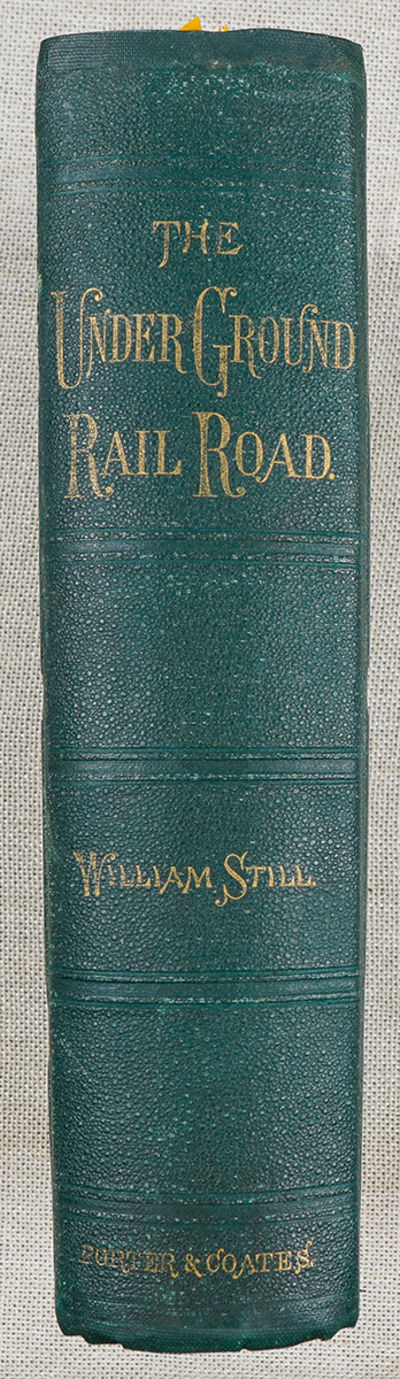
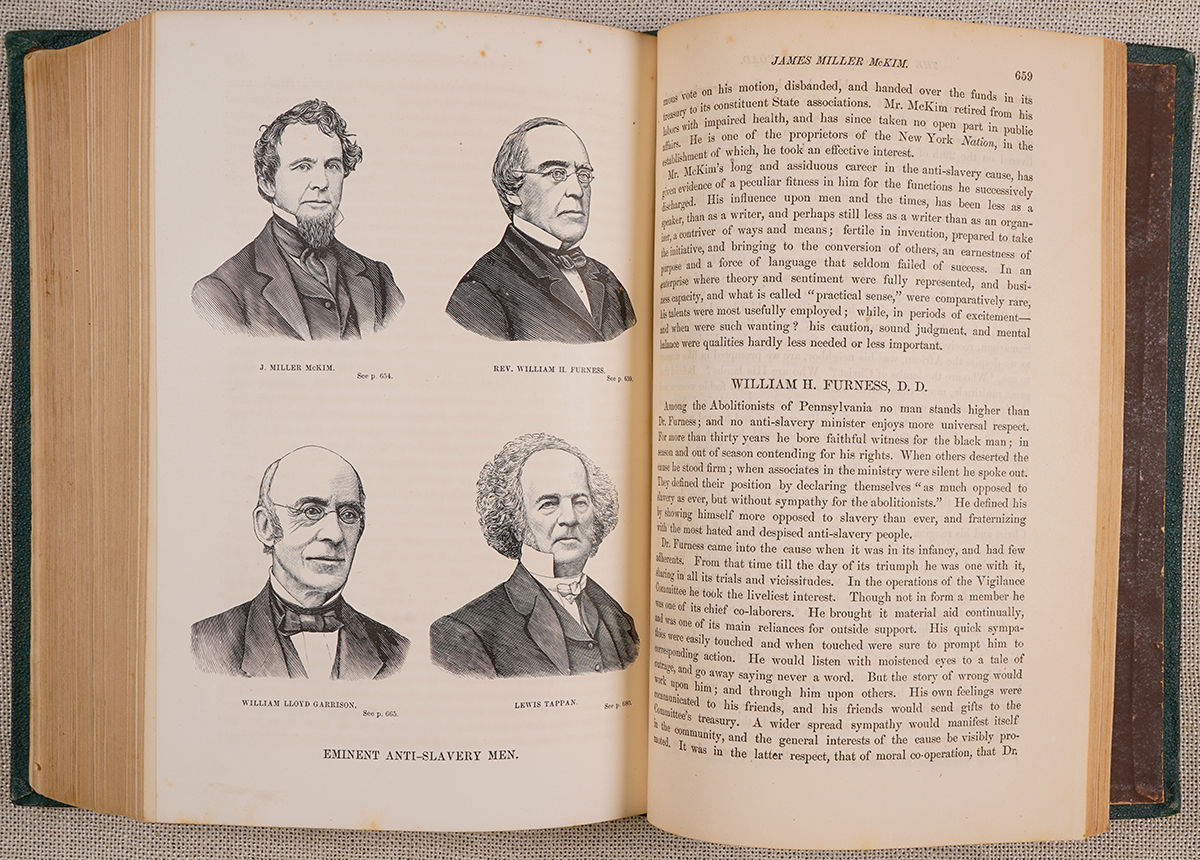
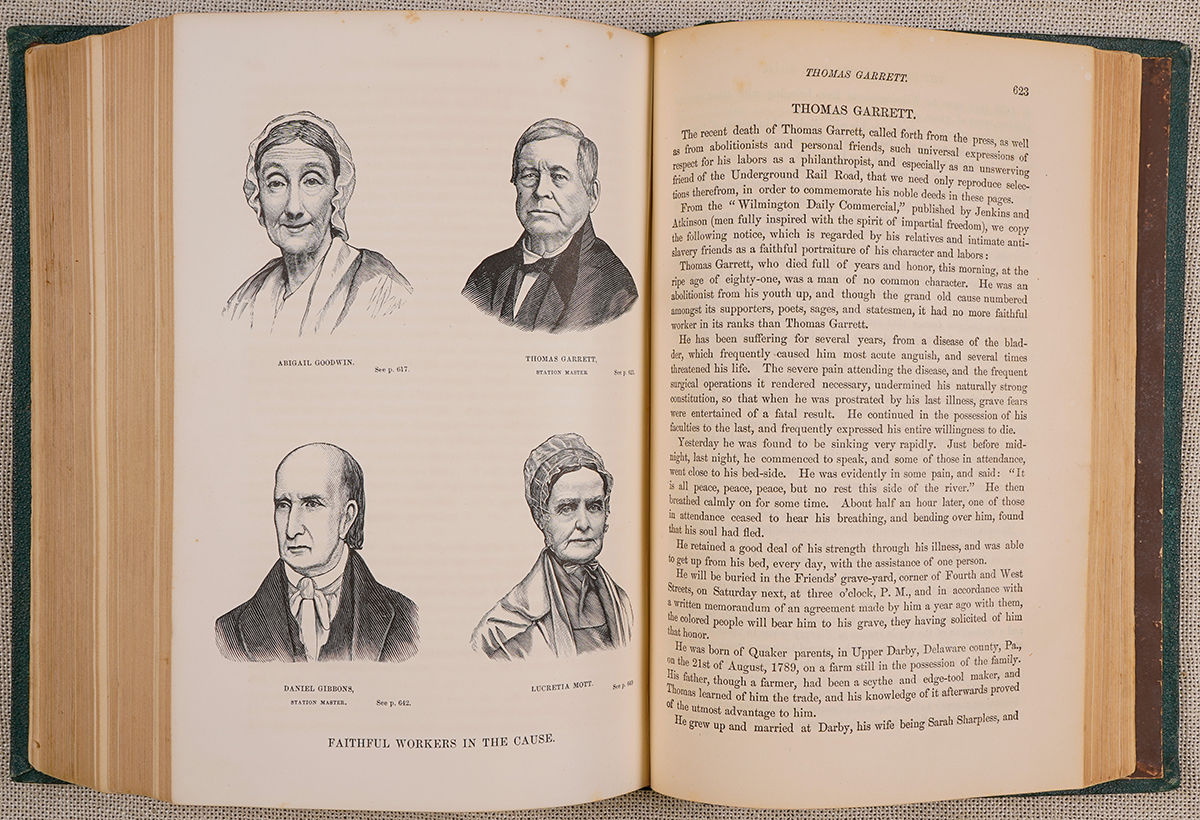
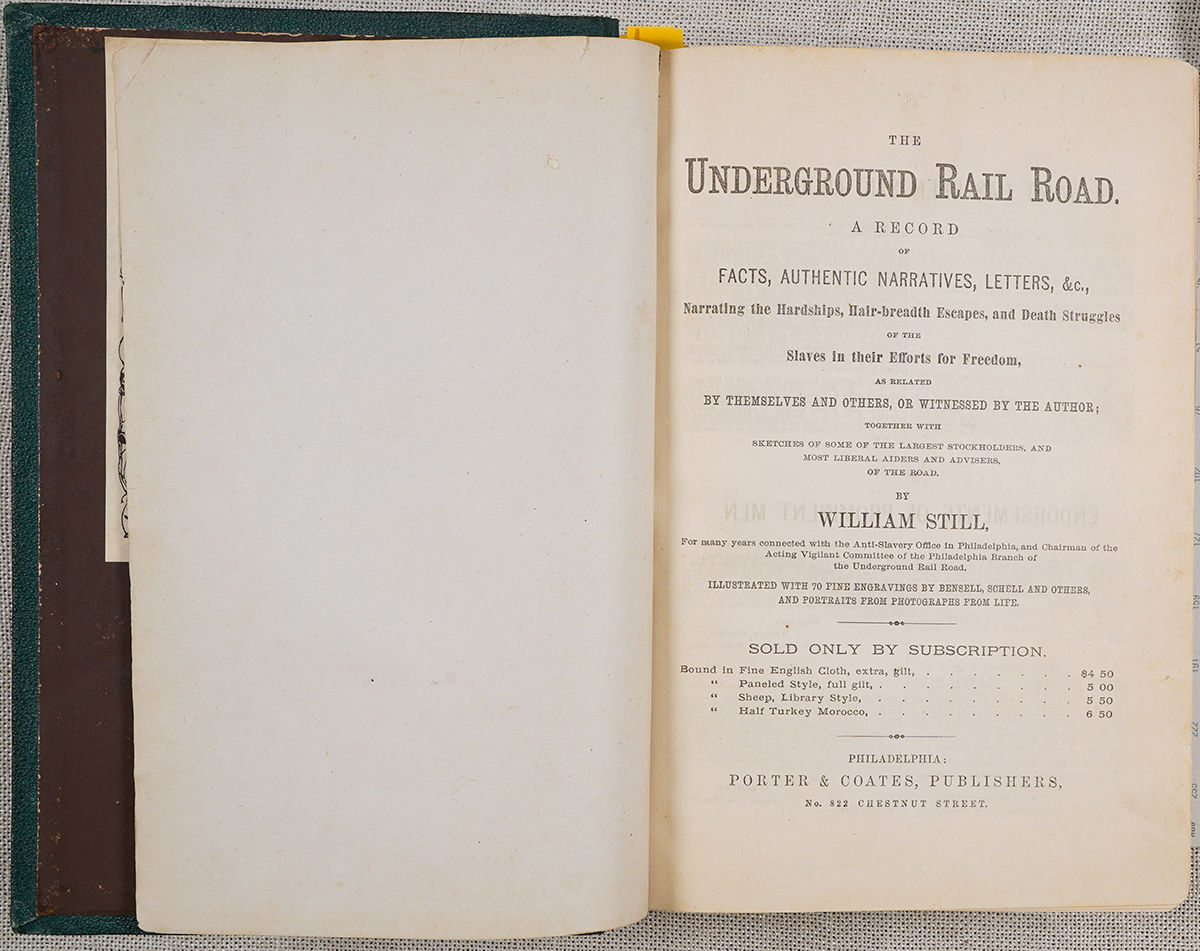
- Philadelphia, PA: Porter & Coates, 1872
The Underground Railroad, by William Still, Who Personally Helped as Many as 800 Slaves on their Dangerous Journey to Freedom
When the Pennsylvania Anti-Slavery Society requested that he compile and publish his reminiscences, he drew on his meticulous notes to tell the stories of dozens of escaped slaves and the men and women who helped them, starting with his own brother, who escaped from slavery in Alabama to be reunited with his mother after forty-two years of separation.
WILLIAM STILL. The Underground Rail Road. A Record of Facts, Authentic Narratives, Letters &c. Philadelphia: Porter & Coates, 1872. First edition. 24 plates including frontispiece portrait, plus text illustrations. 4, [4], 780 pages including 2 leaves of publisher's prospectus at beginning. 8vo, publisher's gilt cloth, minor wear; light foxing to title and frontispiece, otherwise minimal foxing and wear to contents. Two early 20th-century collectors' bookplates on front endpapers.
Excerpts
"Those who come after us seeking for information in regard to the existence, atrocity, struggles and destruction of Slavery, will have no trouble in finding this hydra-headed monster ruling and tyrannizing over Church and State, North and South, white and black … for at least several generations. Nor will posterity have any difficulty in finding the deeds of the brave and invincible opposers of Slavery…'" (p3)
"For several years, 'Sam' was hired out by the doctor at blacksmithing; in this situation, daily wearing the yoke of unrequited labor … Harriet Tubman (sometimes called 'Moses')… was herself, a shrewd and fearless agent, and well understood the entire route from that part of the country to Canada. The spring previous, she had paid a visit to the very neighborhood in which 'Sam' lived, expressly to lead her own brothers out of 'Egypt.'" (p247) His father, who had purchased his own freedom, was sentenced to ten years in the penitentiary in 1857 for the crime of possessing a copy of Uncle Tom's Cabin. (p248-249).
"Her success was wonderful. Time and again she made successful visits to Maryland on the Underground Rail Road, and would be absent for weeks, at a time, running daily risks while making preparations for herself and passengers. Great fears were entertained for her safety, but she seemed wholly devoid of personal fear…". (p297)
"they were all duly cared for, and counselled to go to Canada, where their rights would be protected by a strong and powerful government, and they could enjoy all the rights of citizenship in common with 'all the world and the rest of mankind.' And especially were they advised to get education; to act as men, and remember those still in bonds as bound with them, and that they must not forget to write back, after their arrival in Canada, to inform their friends in Philadelphia of their prospects, and what they thought of the 'goodly land.'" (p317)
"It will be difficult to make coming generations understand, not the flaming antagonism to humanity, but the more brutal avoidance of it that ruled the political tone in this latitude, from 1836 to 1861… Conservatism, it was called; and certainly it did conserve the devil admirably. At the South, one race of men were so basely wielding a greater physical power over another race of men, as to crush from them the attributes of self-responsible creatures..." (p725)
Historical Background
The Underground Railroad was a network of secret routes and safe houses established in the early to mid-nineteenth century in the United States. It aided enslaved African Americans to escape into the free states of the North and Canada. By 1850, approximately 100,000 enslaved people had escaped through the network. Houses, barns, churches, and other buildings along the route where slaves could hide were called "stations" or "depots." "Conductors," including free-born African Americans, escaped or manumitted slaves, white abolitionists, and Native Americans guided them from one station to the next.
Among the most famous was Harriet Tubman (1822-1913), who escaped from slavery herself before leading 13 separate missions that guided approximately 70 enslaved people to freedom. Primary routes led up the Appalachian range to northeastern Ohio, or Syracuse or Rochester, New York, then by water into Canada. A western route led from Missouri into the free state of Iowa, then east through Chicago and Detroit into Canada.
William Still (1821-1902) was born to formerly enslaved parents. Because his mother had escaped from slavery in Maryland, he was a slave under Maryland and federal law, but was free according to New Jersey law where he was born. In 1844, Still moved to Philadelphia, and in 1847 became a clerk for the Pennsylvania Society for the Abolition of Slavery and married Letitia George. They had four children who survived infancy and went on to noted careers as a physician, attorney, journalist, and teacher. Still became the chairman of a Vigilance Committee that directly aided slaves who arrived in Philadelphia. Often called the "Father of the Underground Railroad," he personally helped as many as 800 slaves escape to freedom. He interviewed each, keeping careful records. Conductor Harriet Tubman passed through his office several times in the 1850s with escaped slaves. After John Brown's raid on Harpers Ferry, Still sheltered several of Brown's associates. During the Civil War, he operated the post exchange at Camp William Penn, a training camp for United States Colored Troops. He also opened a stove store and a coal business purchased in 1861. After the war, Still was active in Philadelphia business, social activism, and philanthropy, including the Colored Conventions Movement.
Condition: Minor wear; light foxing to title and frontispiece, otherwise minimal foxing and wear to contents; two early twentieth-century collectors' bookplates on front endpapers.
References: Afro-Americana #9865; Blockson One Hundred and One #41.Work, page 338
Details
Title
"The Underground Rail Road" -- First Edition
Author
William Still
Condition
Unknown
Publisher
Porter & Coates: Philadelphia, PA
Date
1872
Pages
780