

1) The Gaseous Metabolism of Infants: With Special Reference to Its Relation to Pulse-Rate and Muscular Activity; 2) The Physiology of the New-Born Infant: Character and Amount of the Katabolism [sic]; 3) Metabolism and Growth from Birth to Puberty
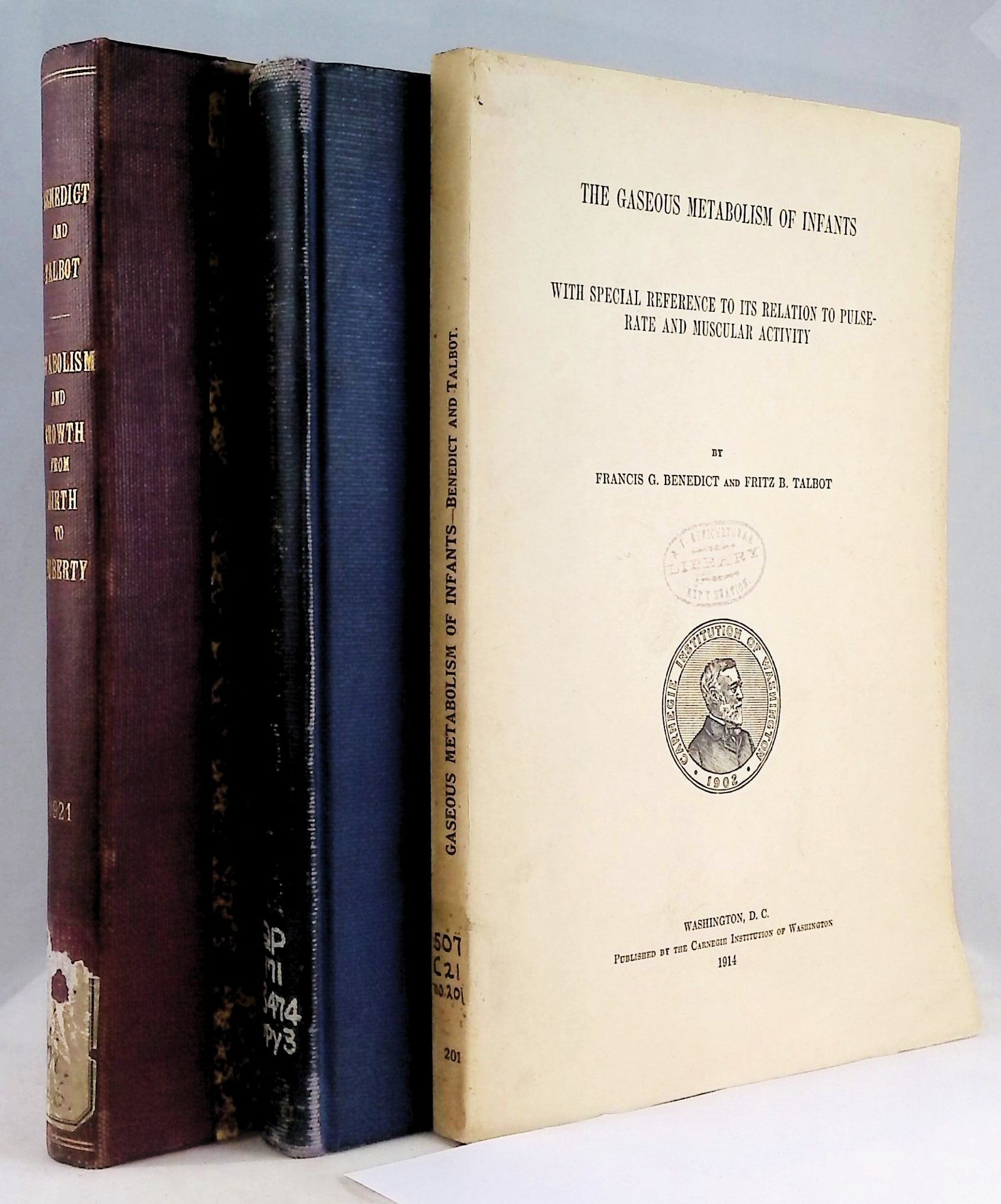
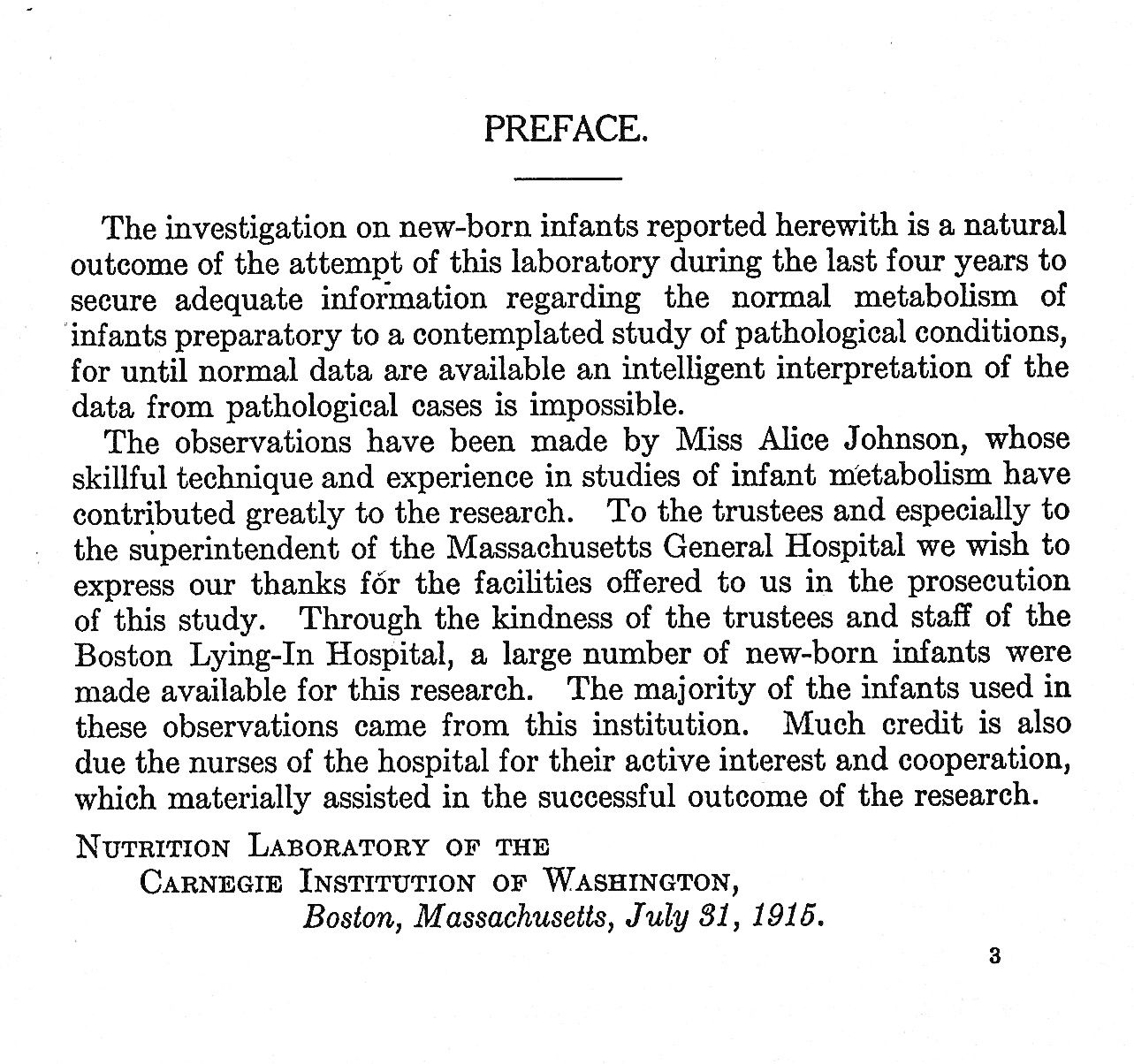
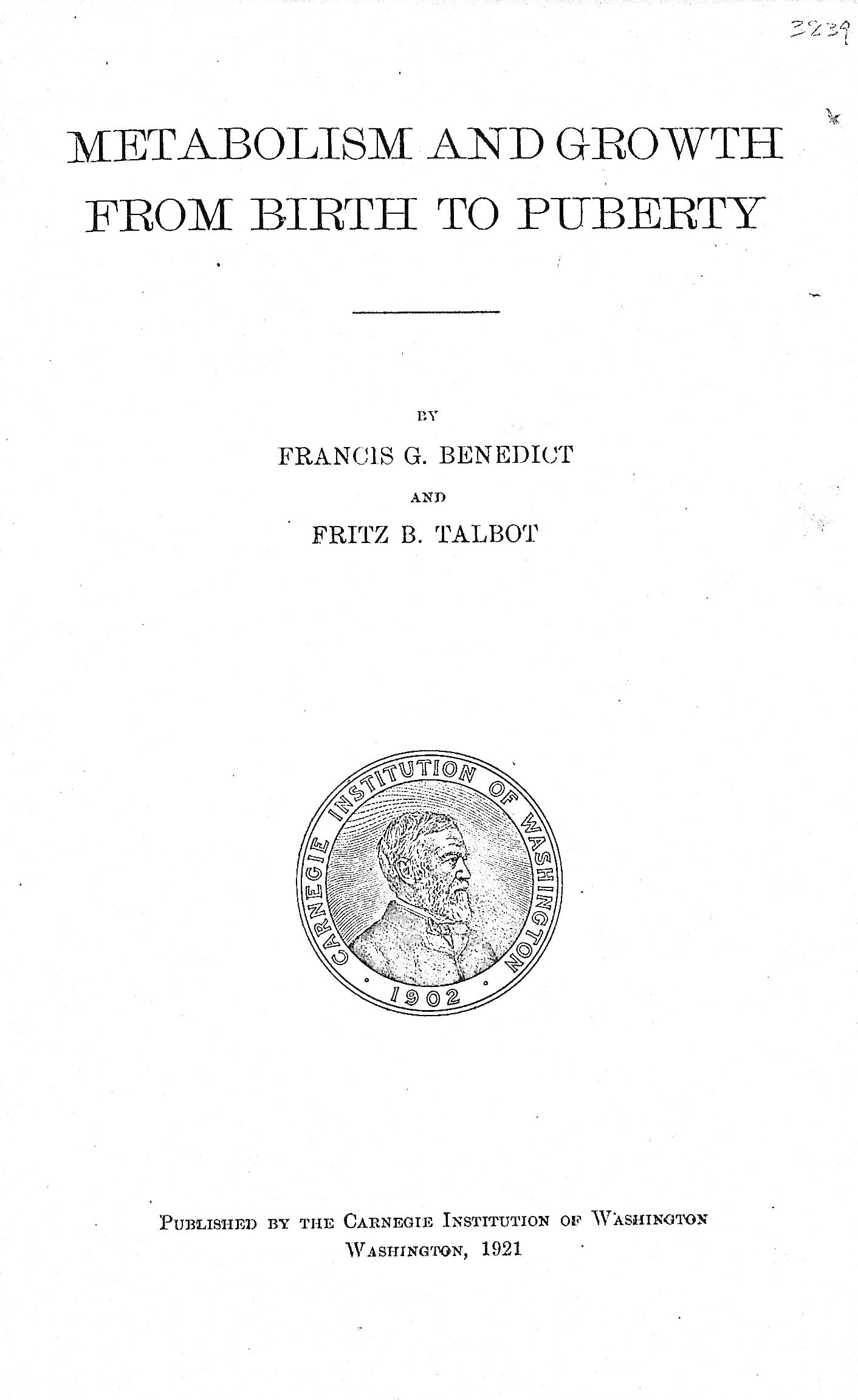
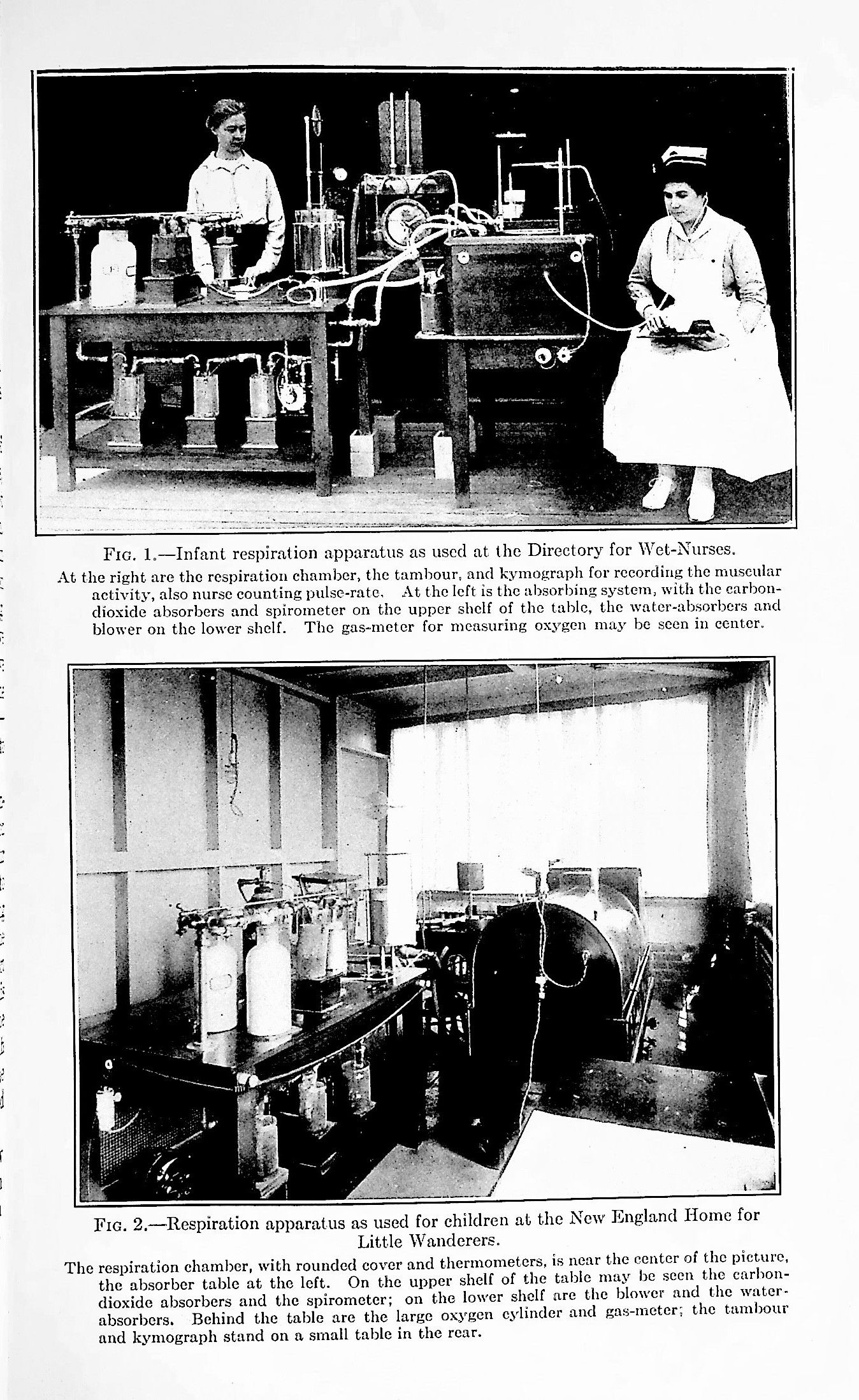
- Cloth binding
- Washington: The Carnegie Institution of Washington, 1914, 1915, 1921
Washington: The Carnegie Institution of Washington, 1914, 1915, 1921. First editions.
THREE VOLUMES ON METABOLISM OF INFANTS AND CHILDREN BY PIONEERING INVESTIGATORS OF THE FAMED NUTRITION LABORATORY, CARNEGIE INSTITUTION, BOSTON.
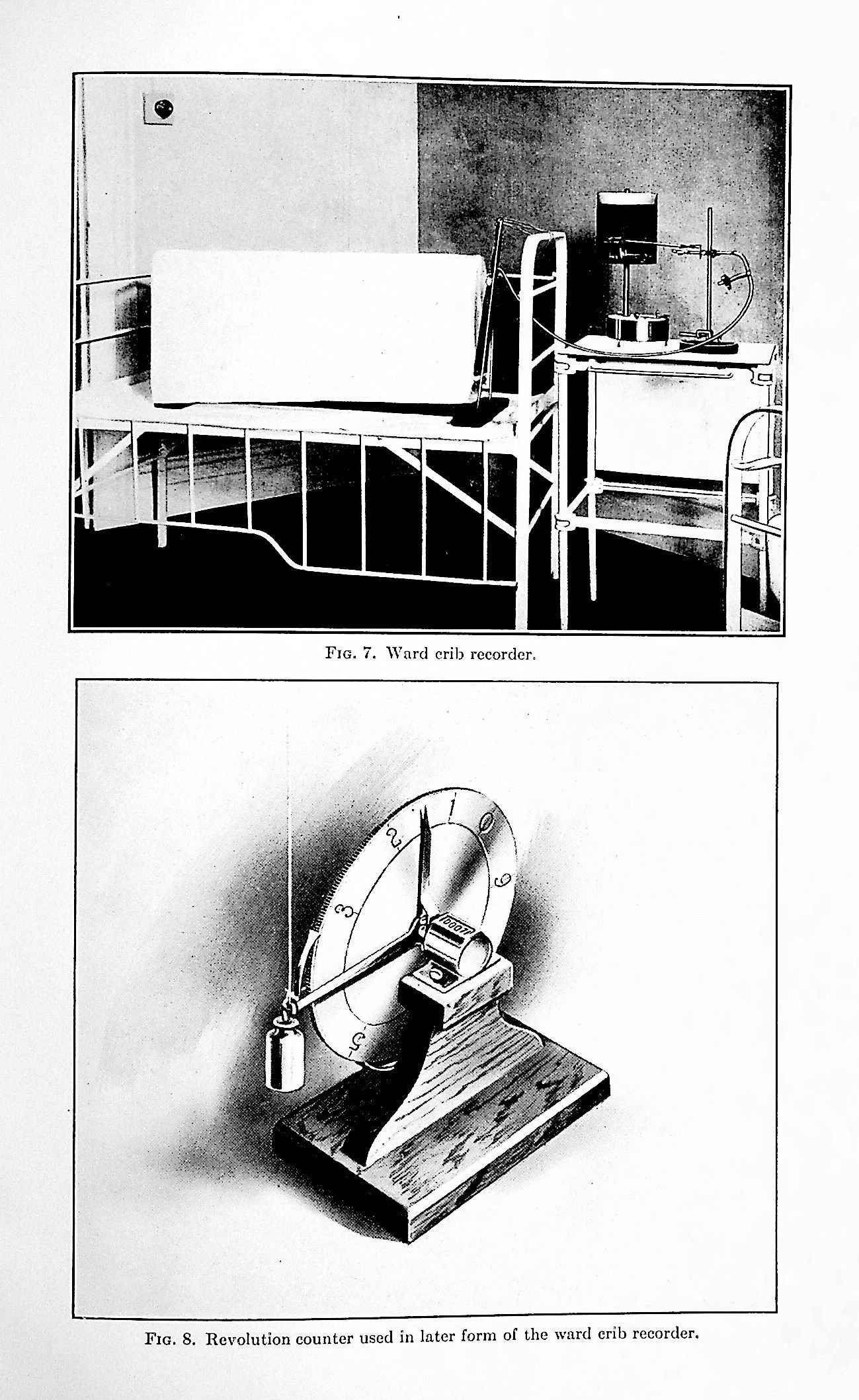
1) The Gaseous Metabolism of Infants: With Special Reference to Its Relation to Pulse-Rate and Muscular Activity, 10 inches tall volume, printed paper covers, 168 pp, 65 illustrations; 2) The Physiology of the New-Born Infant: Character and Amount of the Katabolism [sic], 10 inches tall hardcover, blue cloth binding, 126 pp, 25 tables; 3) Metabolism and Growth from Birth to Puberty, 10 inches tall hardcover, mabled paper-covered boards, brown cloth spine with gilt title, i-vi, 213 pp, 55 figures, 39 tables. All volumes ex-library with handstamps to preliminary pages, bookplates, library numbers to bottom spine. Bindings tight, pages unmarked, good+ in custom archival mylar covers.
FRANCIS GANO BENEDICT (1870 - 1957) was an American chemist, physiologist, and nutritionist who developed a calorimeter and a spirometer used to determine oxygen consumption and measure metabolic rate. Benedict attended Harvard University, earning his bachelor's degree in 1893 and his master's degree in 1894. He earned his Ph.D., magna cum laude at Heidelberg University in 1895. He was elected a Fellow of the American Academy of Arts and Sciences in 1909. William Welch and John Shaw Billings were impressed with Benedict's early publications on animal heat and metabolism, and they conviced the Carnegie Foundation trustees to establish a nutrition laboratory under Benedict's direction. The result was the Boston Nutrition Laboratory, where Benedict remained until his retirement.
FRITZ BRADLEY TALBOT (1878-1964 ) received his MD from Harvard in 1905 and 5 years later became Chief of the Children's Medical Service serving from 1910 to 1931. He was a visionary who persevered through war and the Great Depression to develop a complete pediatric medical department to serve the children of Boston at Mass General. He was a pioneer in describing the underlying causes and consequences of "failure to thrive" in infancy and early childhood, quantifying the energy requirements of growing children (BMR) by measuring the expired carbon dioxide (measurements/reference standards that are quite close to those in use today). Talbot also established the importance of vitamin D in childhood nutrition, the concept of food allergy and many other highly novel and significant advances during that time.
Details
Title
1) The Gaseous Metabolism of Infants: With Special Reference to Its Relation to Pulse-Rate and Muscular Activity; 2) The Physiology of the New-Born Infant: Character and Amount of the Katabolism [sic]; 3) Metabolism and Growth from Birth to Puberty
Author
Benedict, Francis G. and Talbot, Fritz B.
Binding
Cloth binding
Condition
Unknown
Publisher
The Carnegie Institution of Washington: Washington
Date
1914, 1915, 1921
Edition
First editions