

[Collection of Photographs of Air Force Fighter Jets and Ephemera]
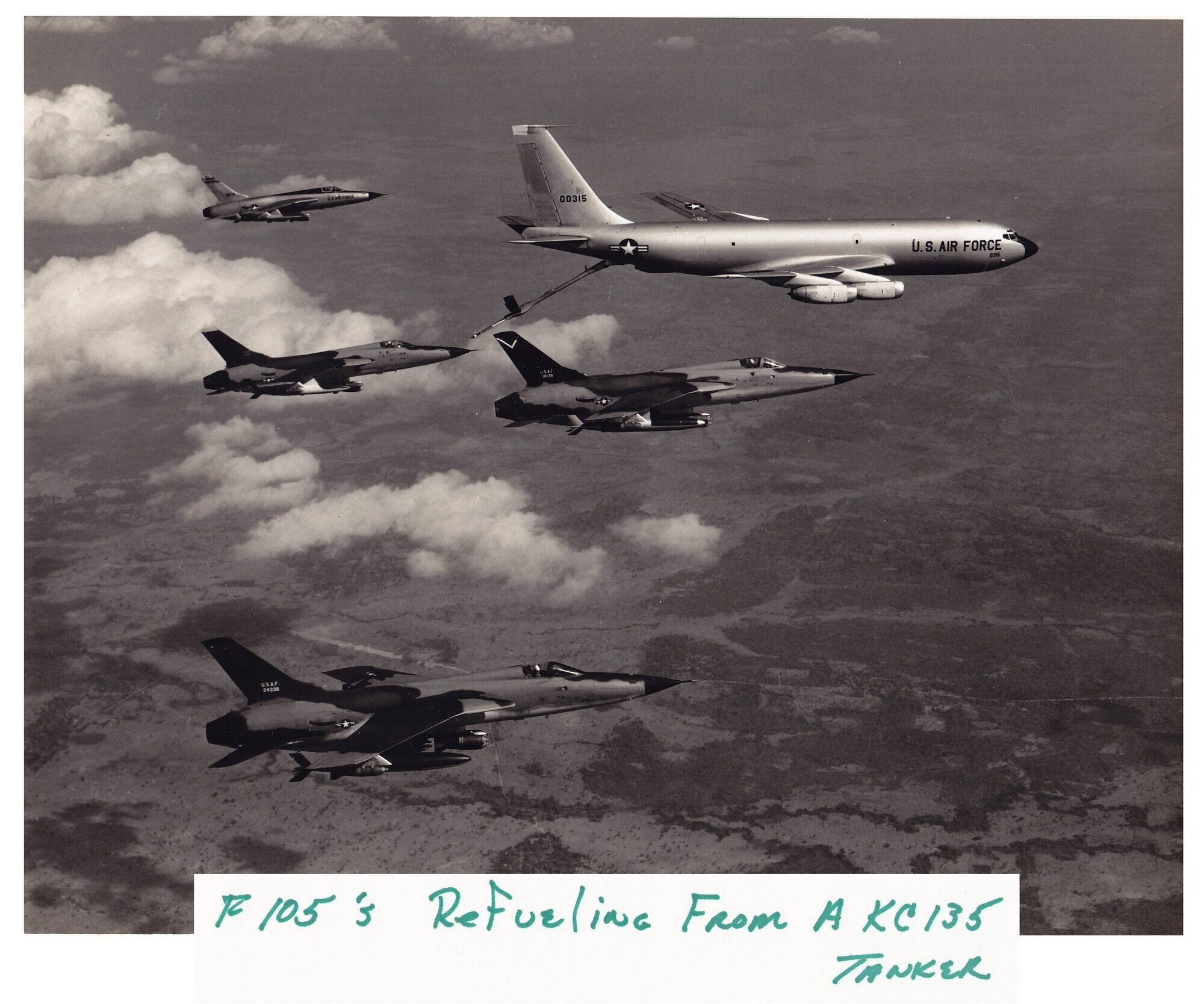
- [Biên Hòa, Vietnam]: [3d Tactical Fighter Wing, United States Air Force], 1968
[Biên Hòa, Vietnam]: [3d Tactical Fighter Wing, United States Air Force], 1968. Very good. 35 loose 8” x 10” B&W photographs, all captioned versos + 8 sheets or packets of military ephemera, [24] pp. total. Generally very good or better: photos a touch wavy; light edge wear to some ephemera.
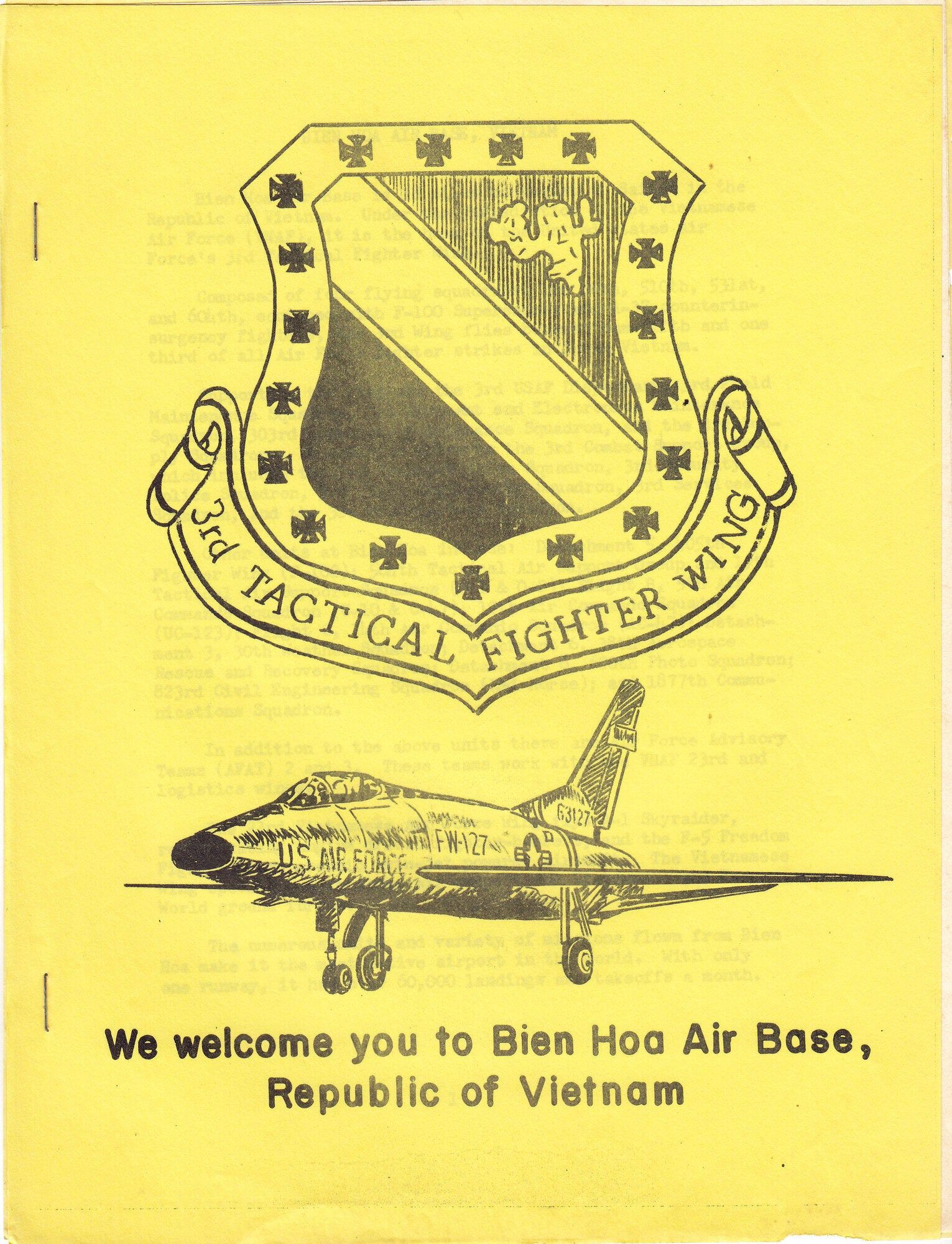
This is a fascinating collection of photographs and military propaganda issued by the 3d Tactical Fighter Wing of the United States Air Force Pacific Forces (PACAF) stationed at the Bien Hoa Air Base during the Vietnam War.
Established as 3 Bombardment Wing, Light in 1948, the 3d Tactical was moved in November 1965 to Bien Hoa, per an official Air Force history, “a forward operating base, which frequently came under enemy mortar and rocket fire. Missions included close air support, counterinsurgency, forward air control, interdiction, and radar-controlled bombing.”
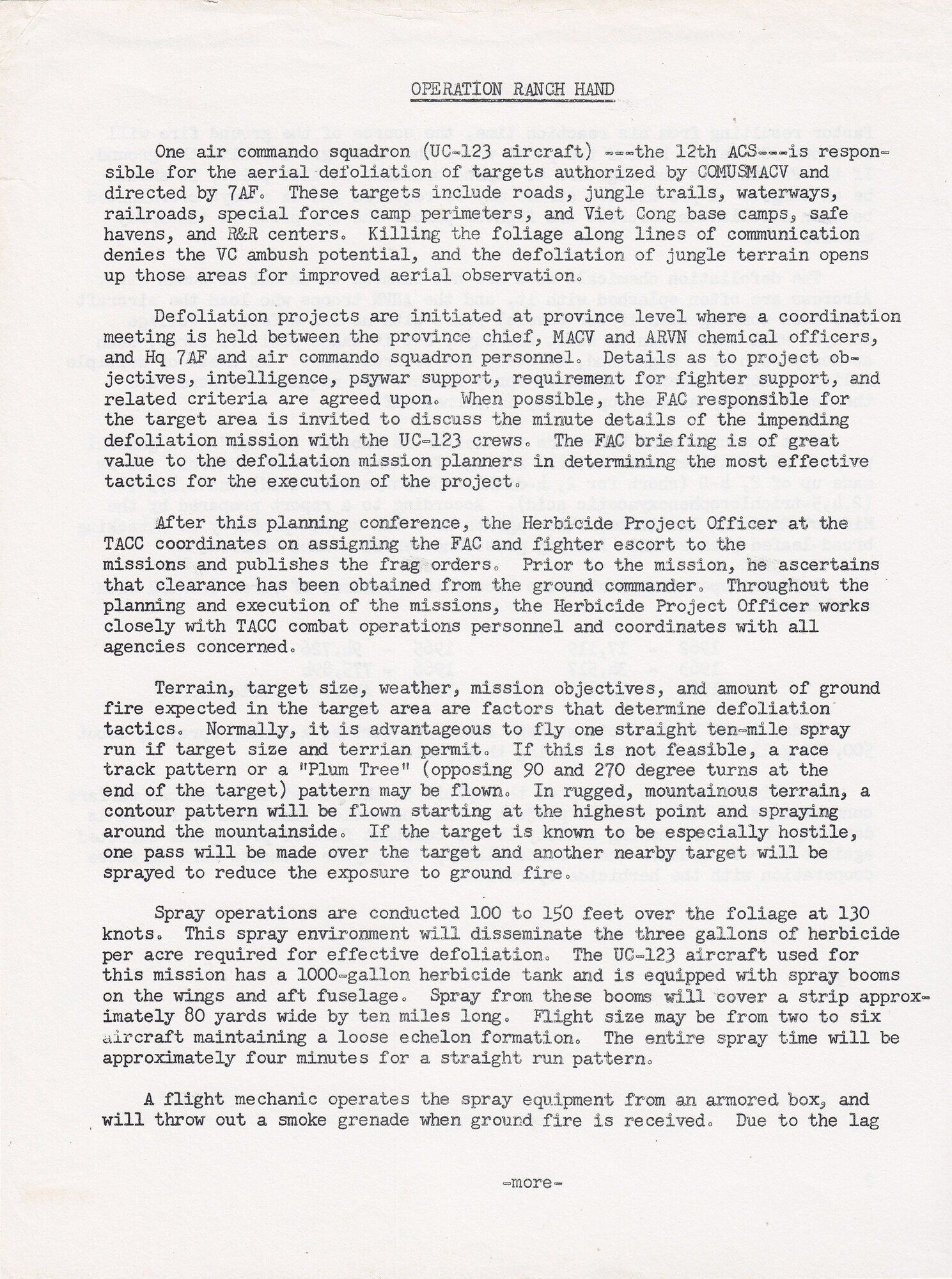
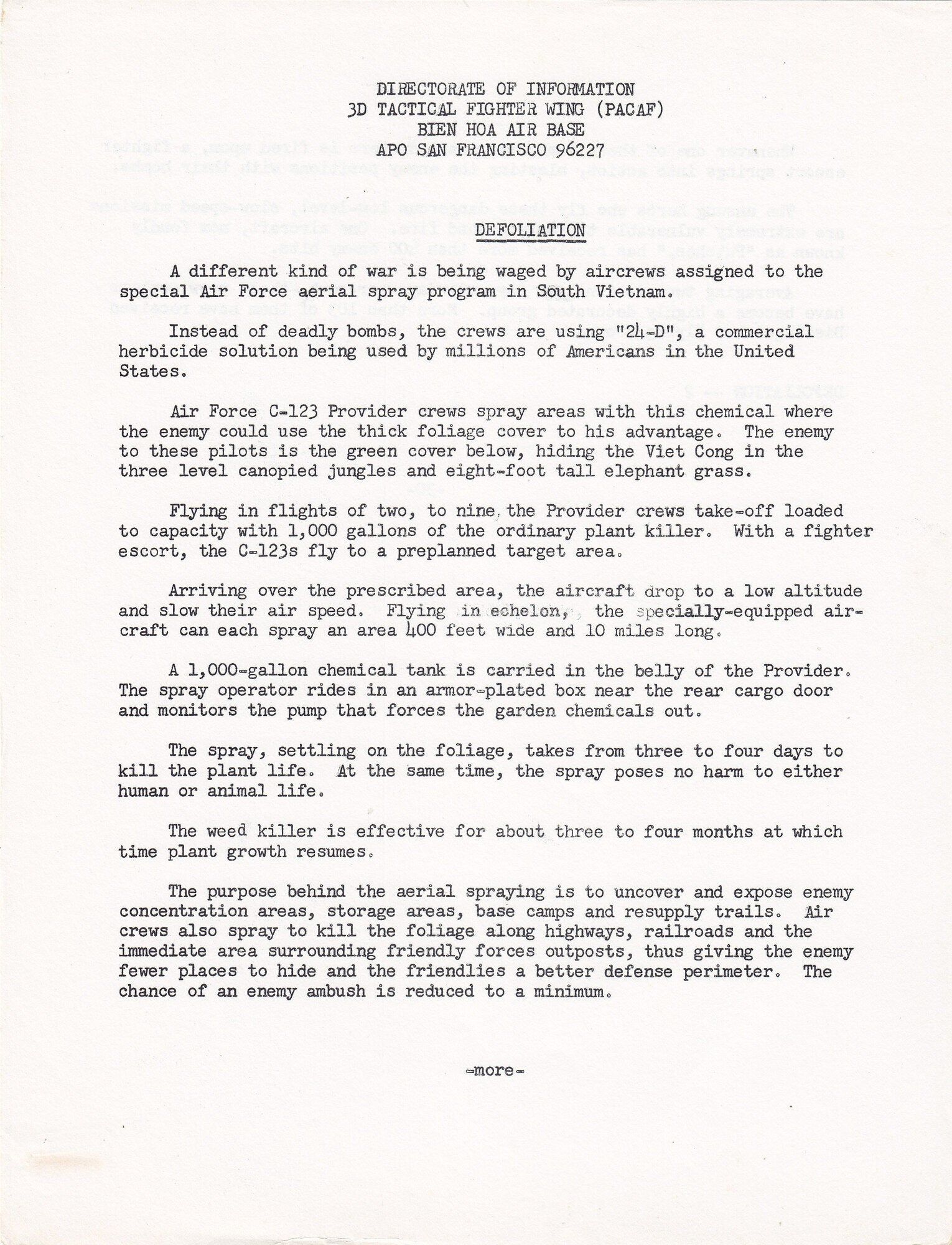
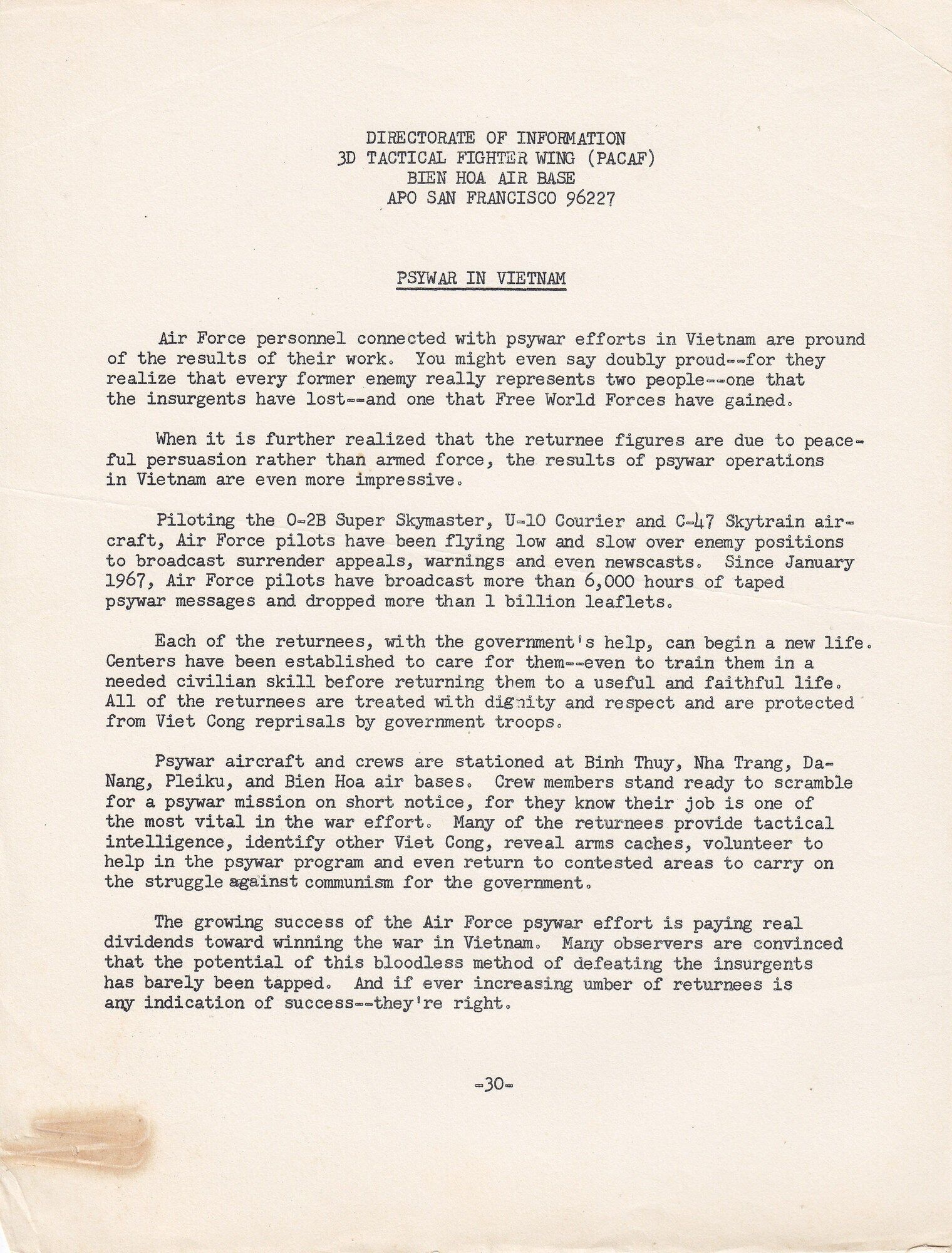
This collection includes rare military ephemera, including a few on PACAF letterhead. These provide a history of the 3d, “the oldest USAF wing on continuous active duty,” as well as information on the F-100 Supersabre, “the first Air Force aircraft to fly at supersonic speeds,” the ongoing “Psy War” and “Operation Ranch Hand”:
“A different kind of war is being waged by aircrews assigned to the special Air Force aerial spray program in South Vietnam. Instead of deadly bombs, the crews are using '24-D', a commercial herbicide solution . . . where the enemy could use the thick foliage cover to his advantage . . . The spray, settling on the foliage, takes from three to four days to kill the plant life . . . [but] poses no harm to either human or animal life.”
It is now widely known that the use of herbicides as a defoliant had long-term destructive impact on the land, ecology and people of Vietnam. The Vietnamese government has estimated that the United States program led to 400,000 deaths and three million health problems, with 24% of the area of Vietnam being defoliated.
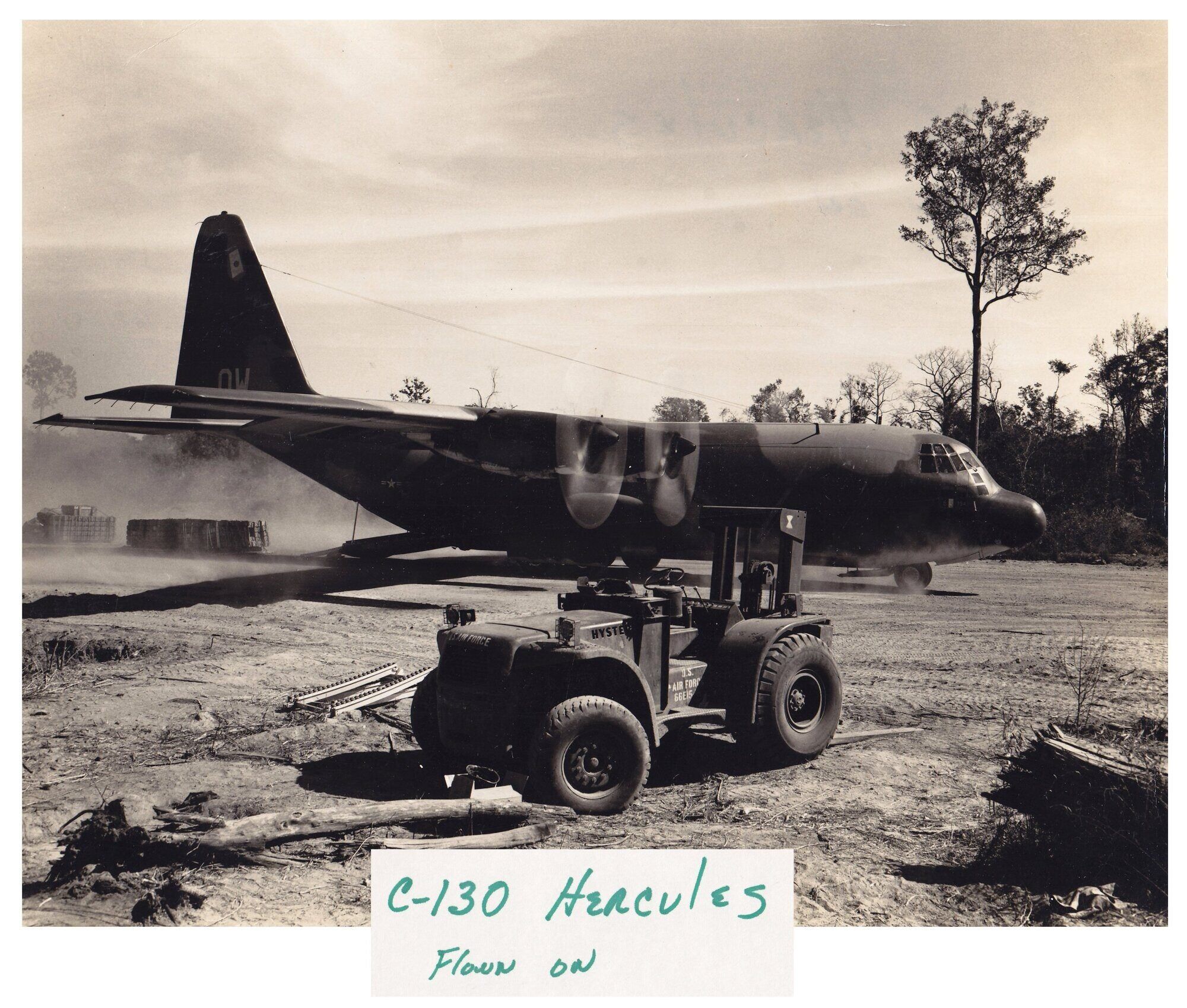
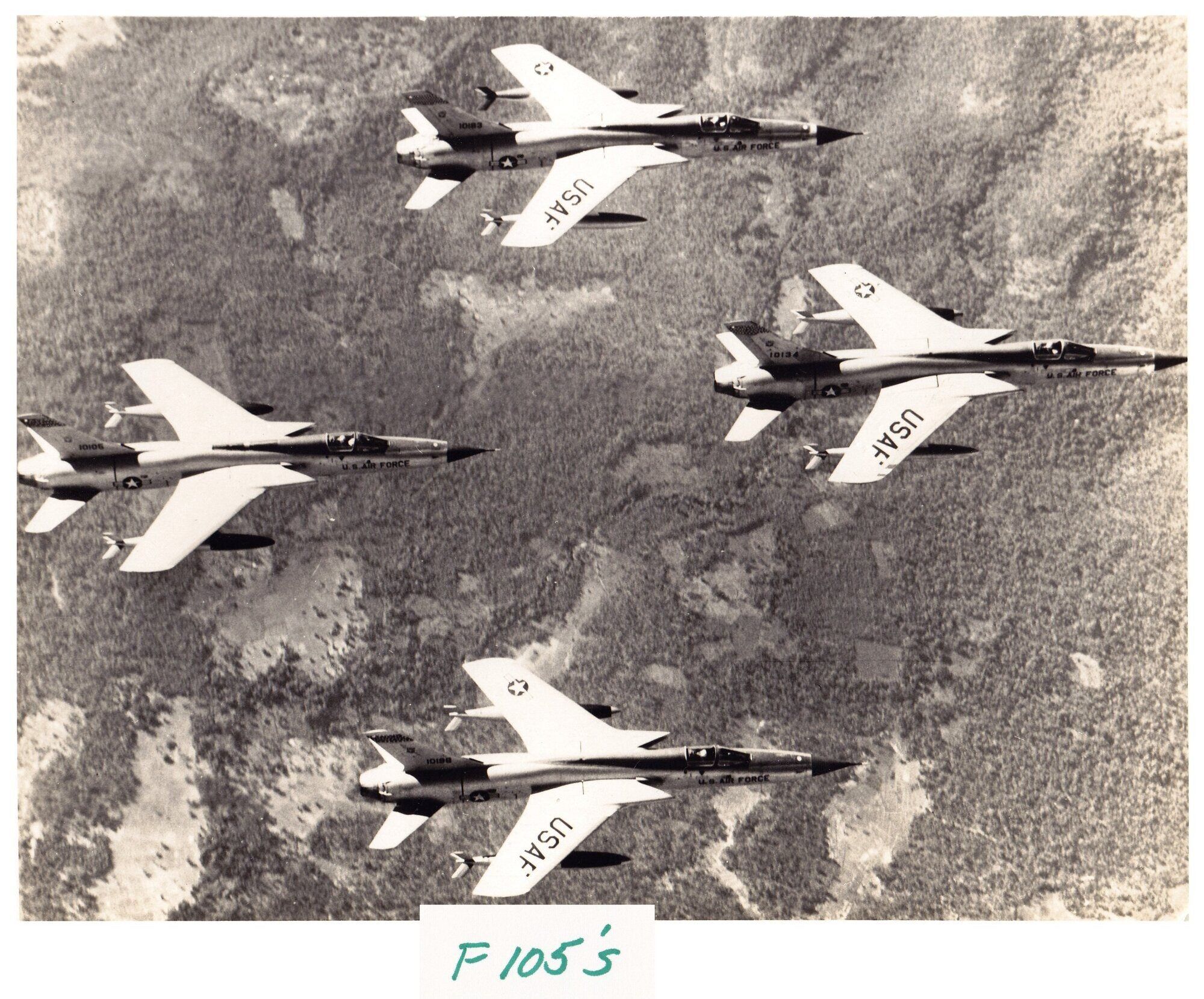
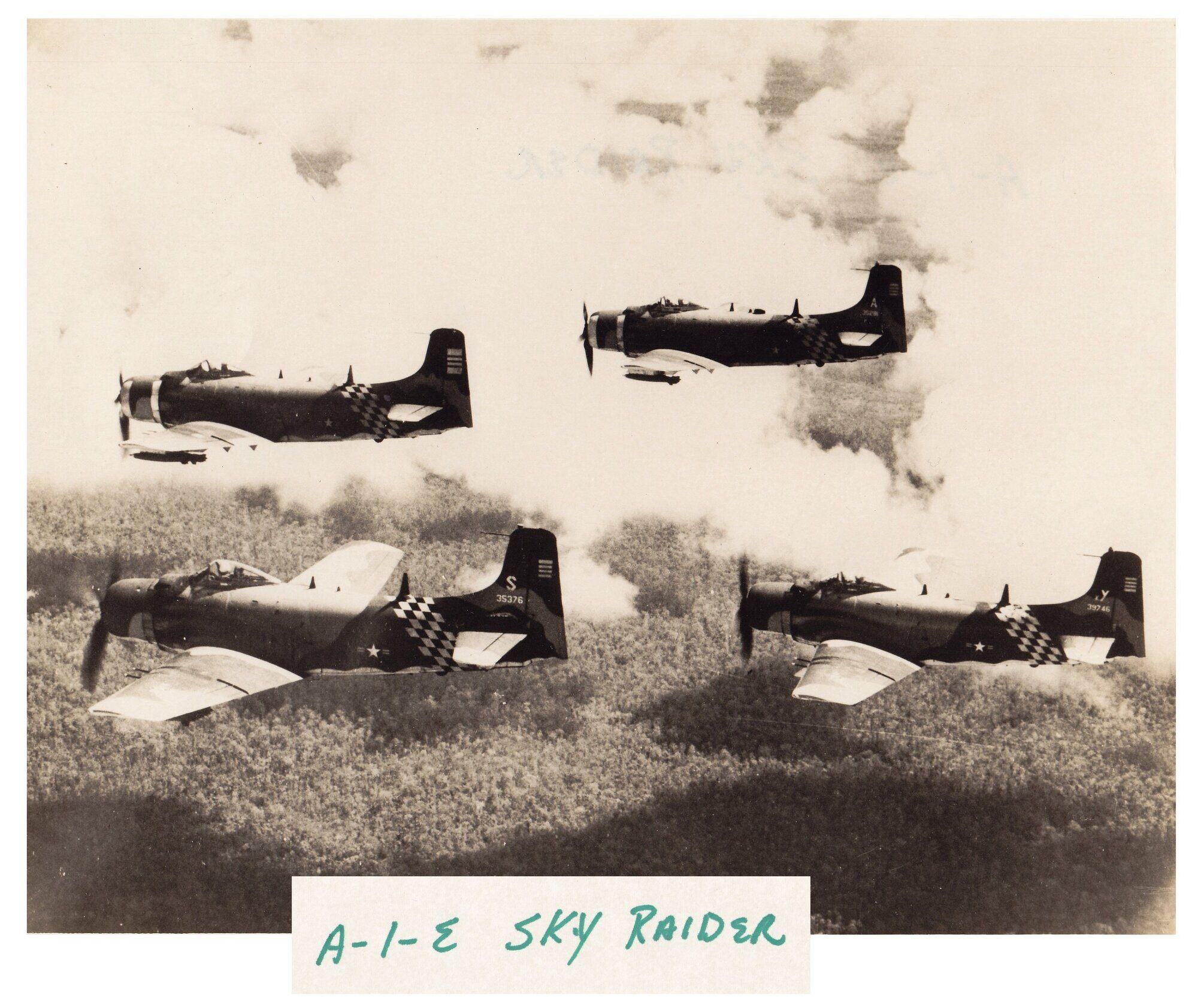
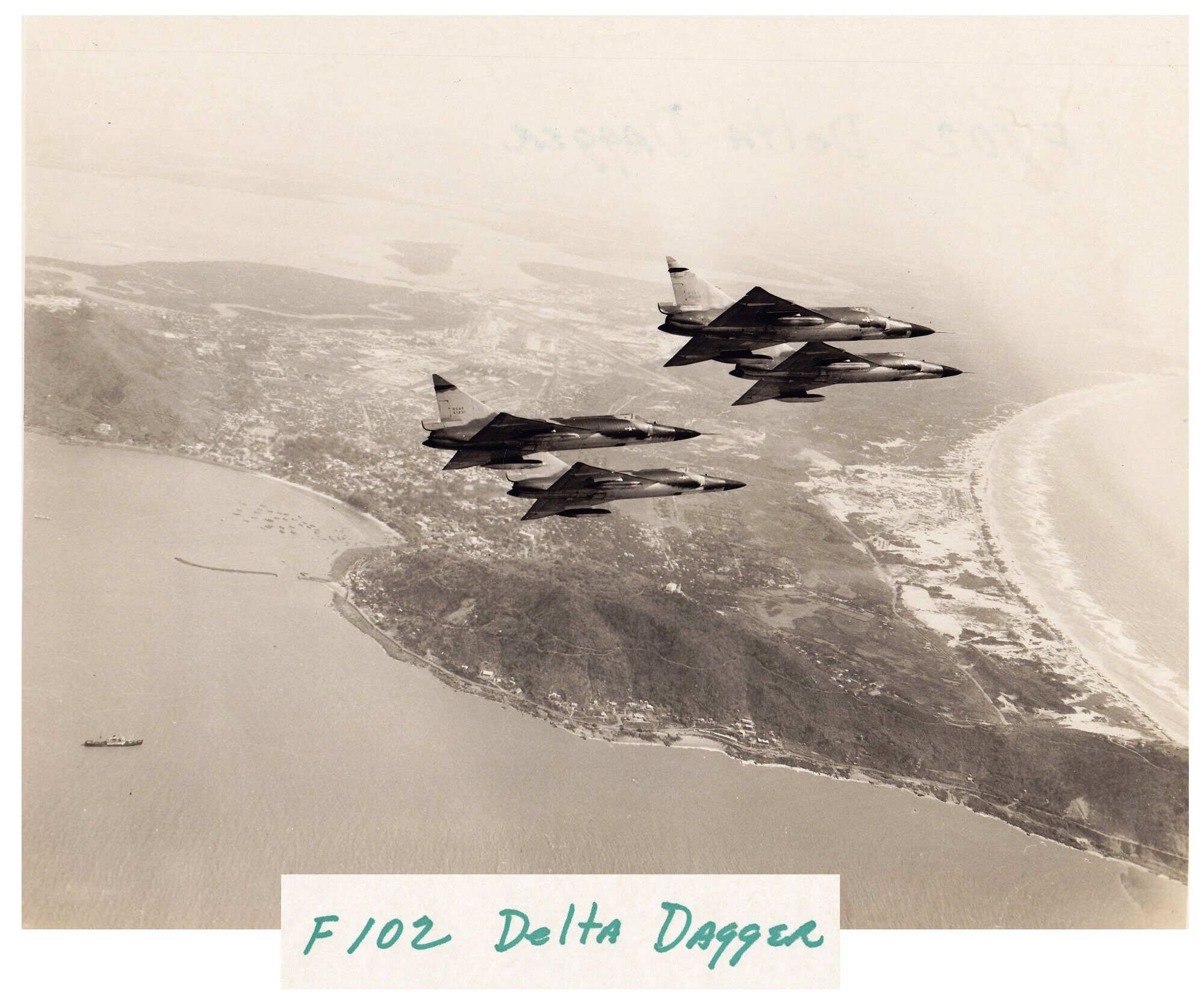
The present photos show the official aircraft, with the alphanumeric code name handwritten to each verso. There are also interesting notations such as “A-37 Counter Insurgency Fighter / My Baby” and “C-47 Psy War Dropping Leaflets.” Nicknames are often provided, including the “A-1-E Sky Raider,” “AC-47 Dragon Ship / 'Spooky',” the infamous “Ranch Hand,” “B-52” and “C-130 Hercules.” We're also shown the “F100 Super Saber Dropping A Couple of 250 lb Bombs.” Other ephemera include a “welcome” packet with data on the base, an official information sheet for the A-37 counterinsurgency jet and the illustrated “Keys To Understanding National Flags” issued by U.S. Air Forces Europe in 1967.
Records of Air Force activities and operations, including the war in Vietnam, airmen and aircraft are held at the National Archives but we don't know if these photos are represented. We found no evidence of any of the printed materials in OCLC or online.
This is a fascinating collection of photographs and military propaganda issued by the 3d Tactical Fighter Wing of the United States Air Force Pacific Forces (PACAF) stationed at the Bien Hoa Air Base during the Vietnam War.
Established as 3 Bombardment Wing, Light in 1948, the 3d Tactical was moved in November 1965 to Bien Hoa, per an official Air Force history, “a forward operating base, which frequently came under enemy mortar and rocket fire. Missions included close air support, counterinsurgency, forward air control, interdiction, and radar-controlled bombing.”
This collection includes rare military ephemera, including a few on PACAF letterhead. These provide a history of the 3d, “the oldest USAF wing on continuous active duty,” as well as information on the F-100 Supersabre, “the first Air Force aircraft to fly at supersonic speeds,” the ongoing “Psy War” and “Operation Ranch Hand”:
“A different kind of war is being waged by aircrews assigned to the special Air Force aerial spray program in South Vietnam. Instead of deadly bombs, the crews are using '24-D', a commercial herbicide solution . . . where the enemy could use the thick foliage cover to his advantage . . . The spray, settling on the foliage, takes from three to four days to kill the plant life . . . [but] poses no harm to either human or animal life.”
It is now widely known that the use of herbicides as a defoliant had long-term destructive impact on the land, ecology and people of Vietnam. The Vietnamese government has estimated that the United States program led to 400,000 deaths and three million health problems, with 24% of the area of Vietnam being defoliated.
The present photos show the official aircraft, with the alphanumeric code name handwritten to each verso. There are also interesting notations such as “A-37 Counter Insurgency Fighter / My Baby” and “C-47 Psy War Dropping Leaflets.” Nicknames are often provided, including the “A-1-E Sky Raider,” “AC-47 Dragon Ship / 'Spooky',” the infamous “Ranch Hand,” “B-52” and “C-130 Hercules.” We're also shown the “F100 Super Saber Dropping A Couple of 250 lb Bombs.” Other ephemera include a “welcome” packet with data on the base, an official information sheet for the A-37 counterinsurgency jet and the illustrated “Keys To Understanding National Flags” issued by U.S. Air Forces Europe in 1967.
Records of Air Force activities and operations, including the war in Vietnam, airmen and aircraft are held at the National Archives but we don't know if these photos are represented. We found no evidence of any of the printed materials in OCLC or online.
Details
Title
[Collection of Photographs of Air Force Fighter Jets and Ephemera]
Condition
Very Good
Publisher
[3d Tactical Fighter Wing, United States Air Force]: [Biên Hòa, Vietnam]
Date
1968