

Lecons d'Anatomie Comparee
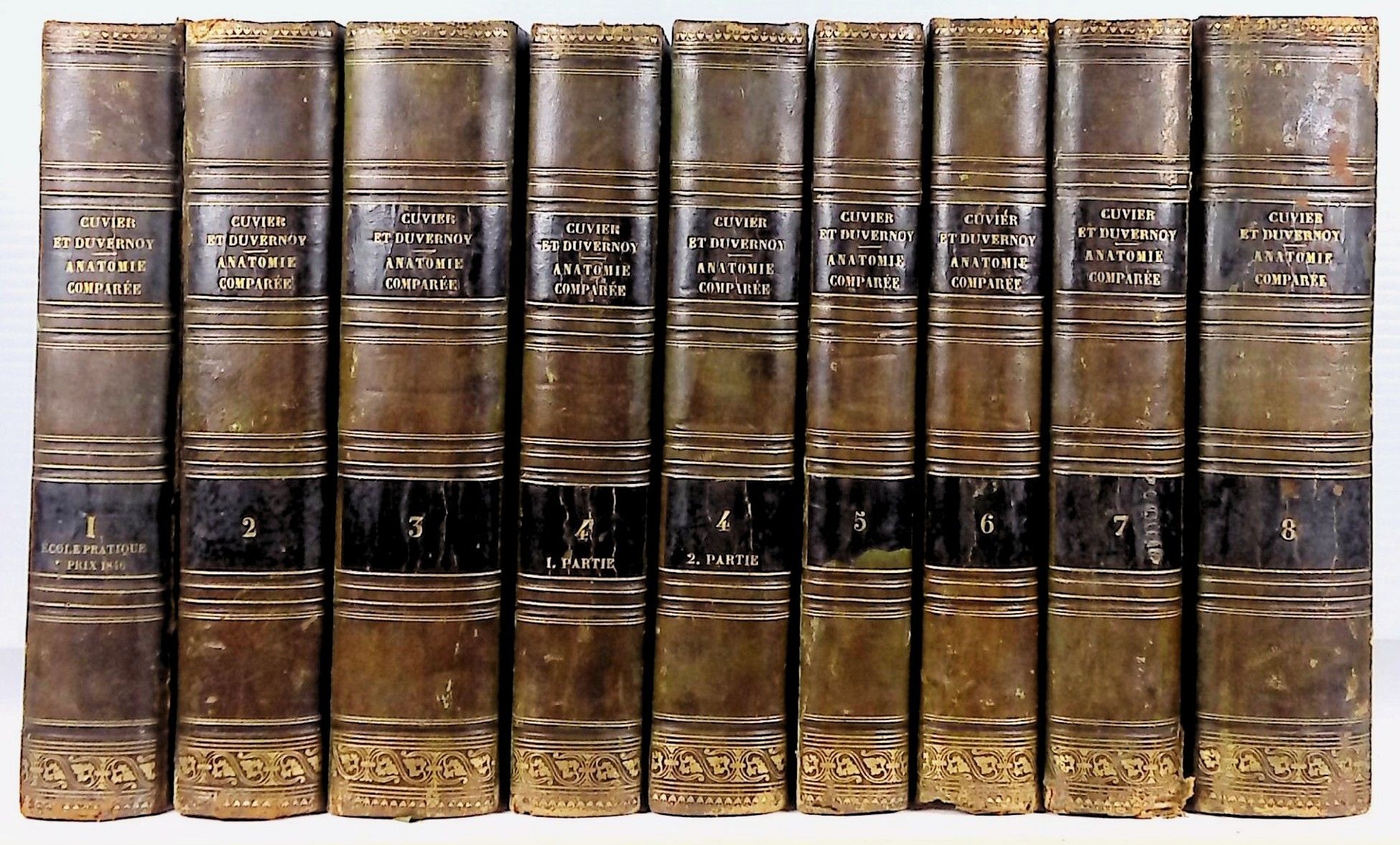
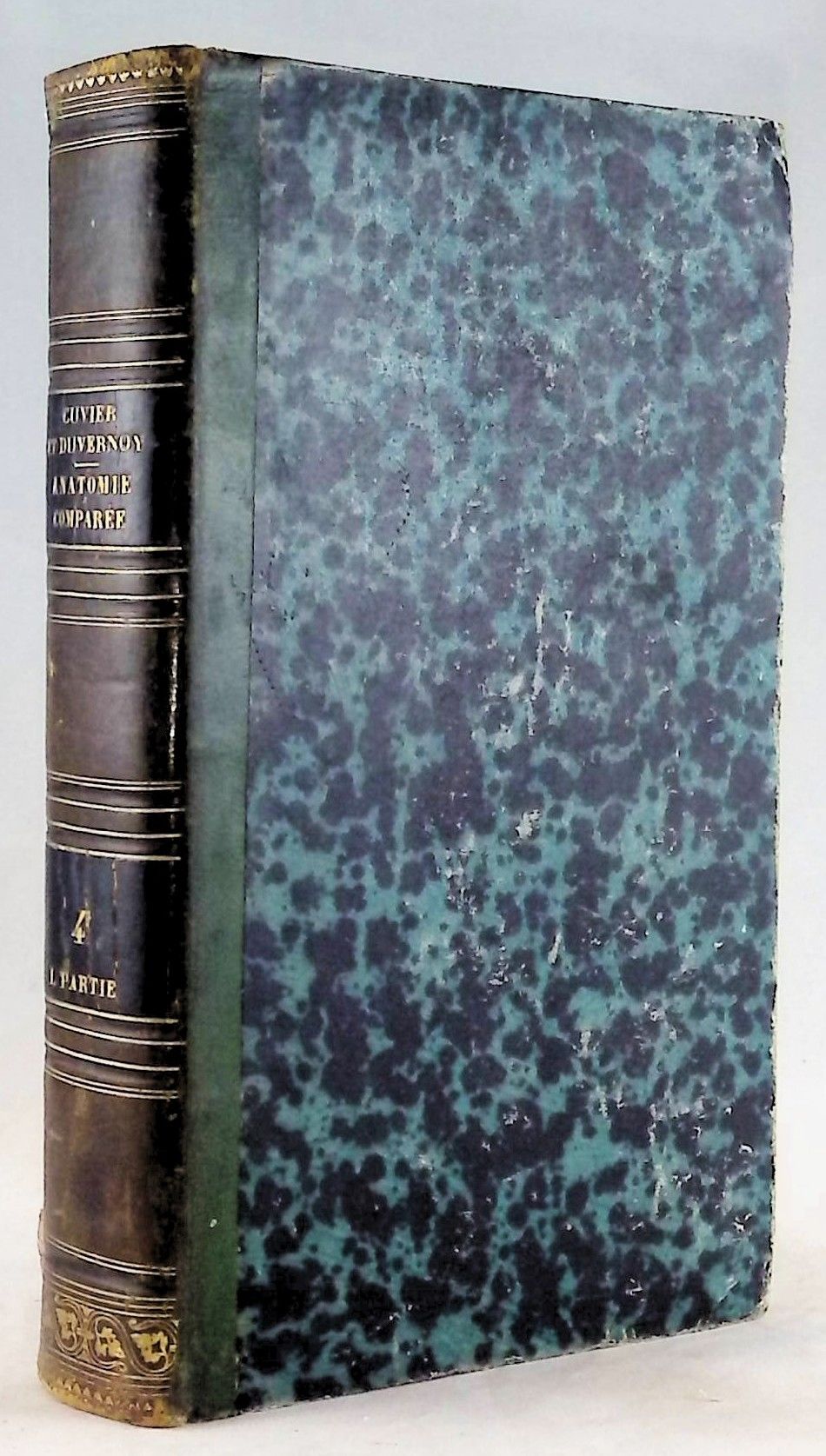
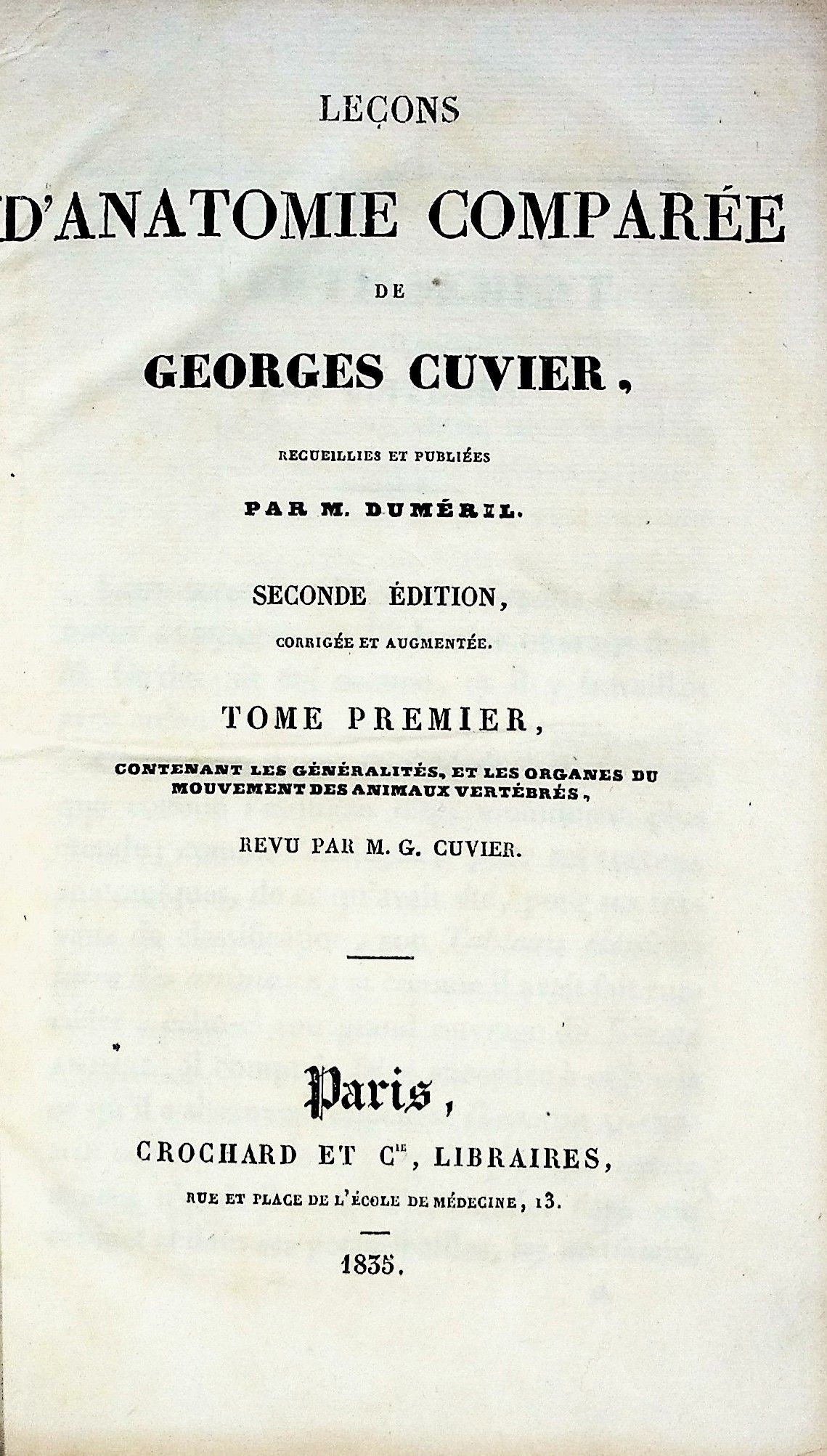
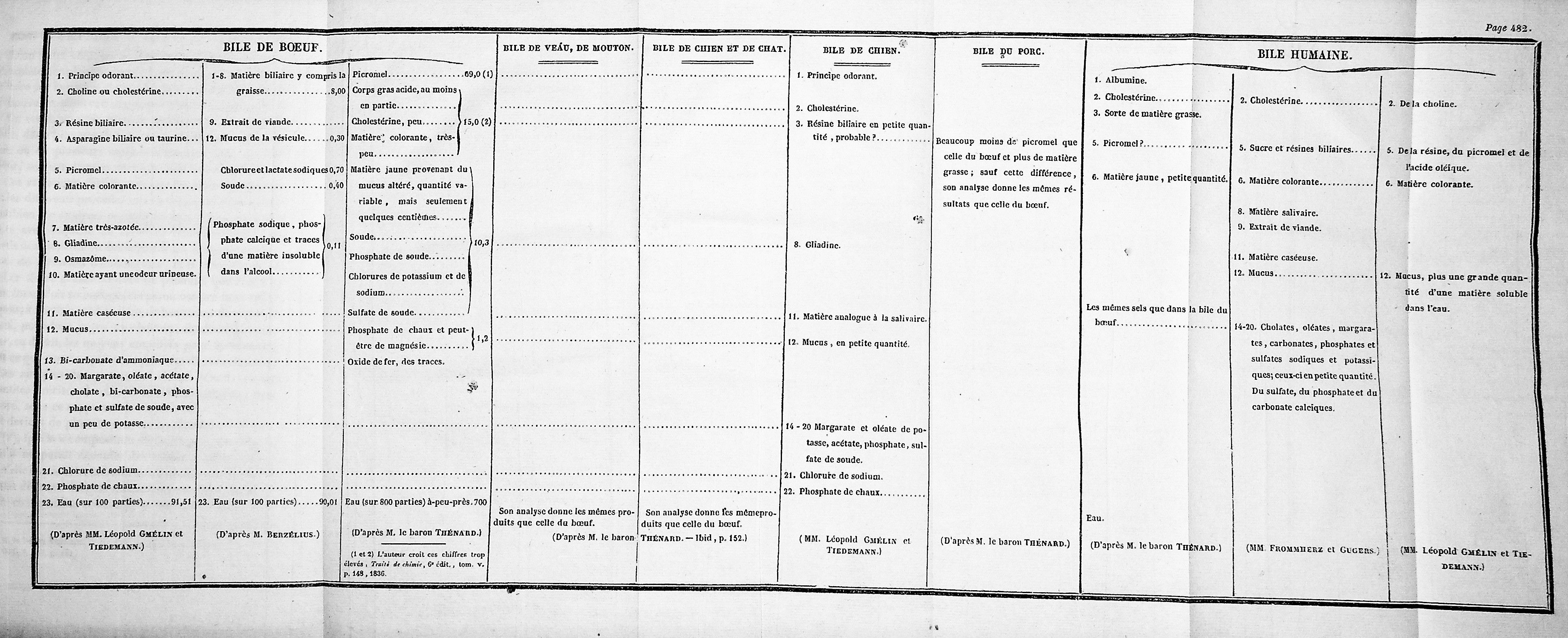
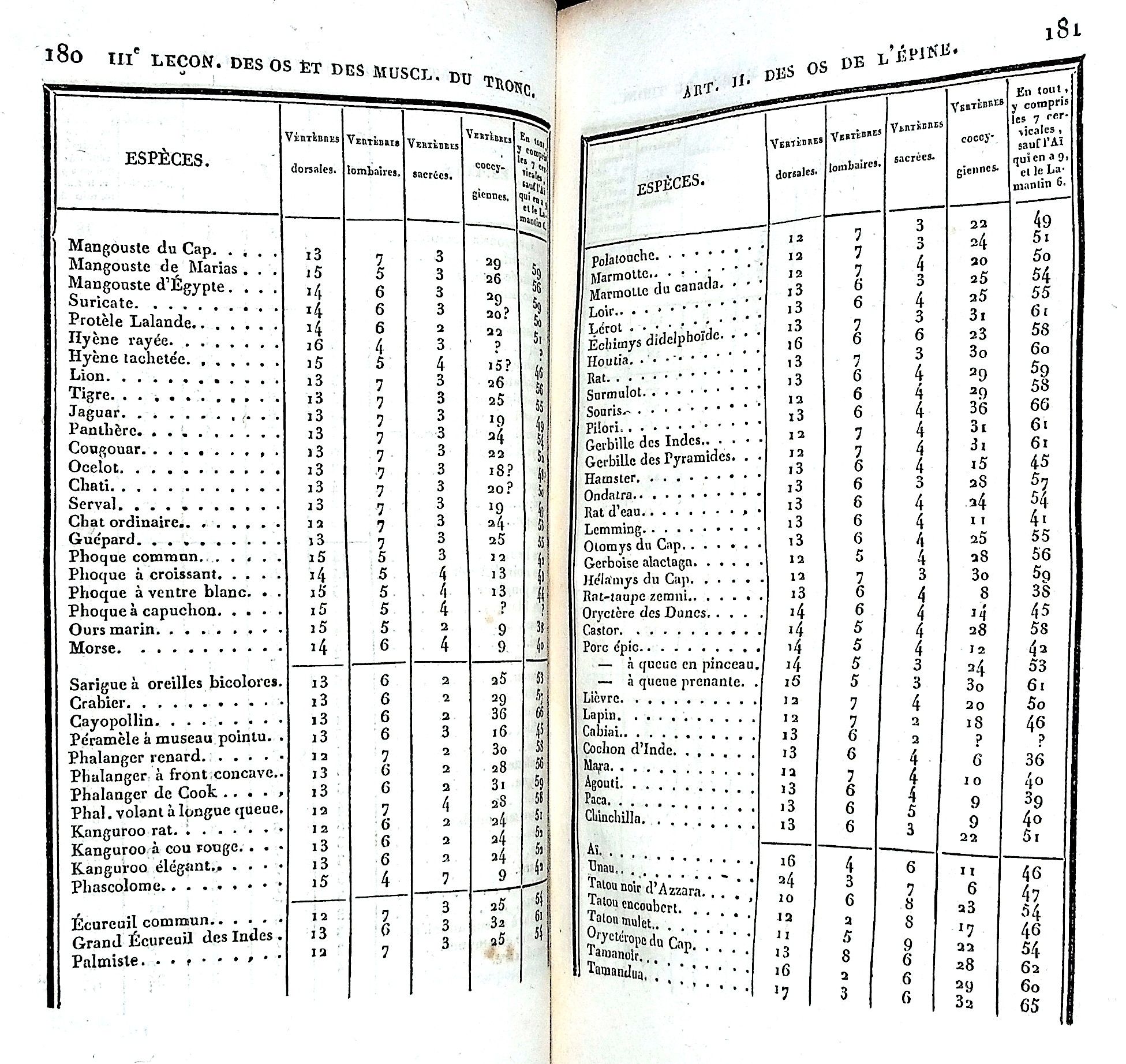
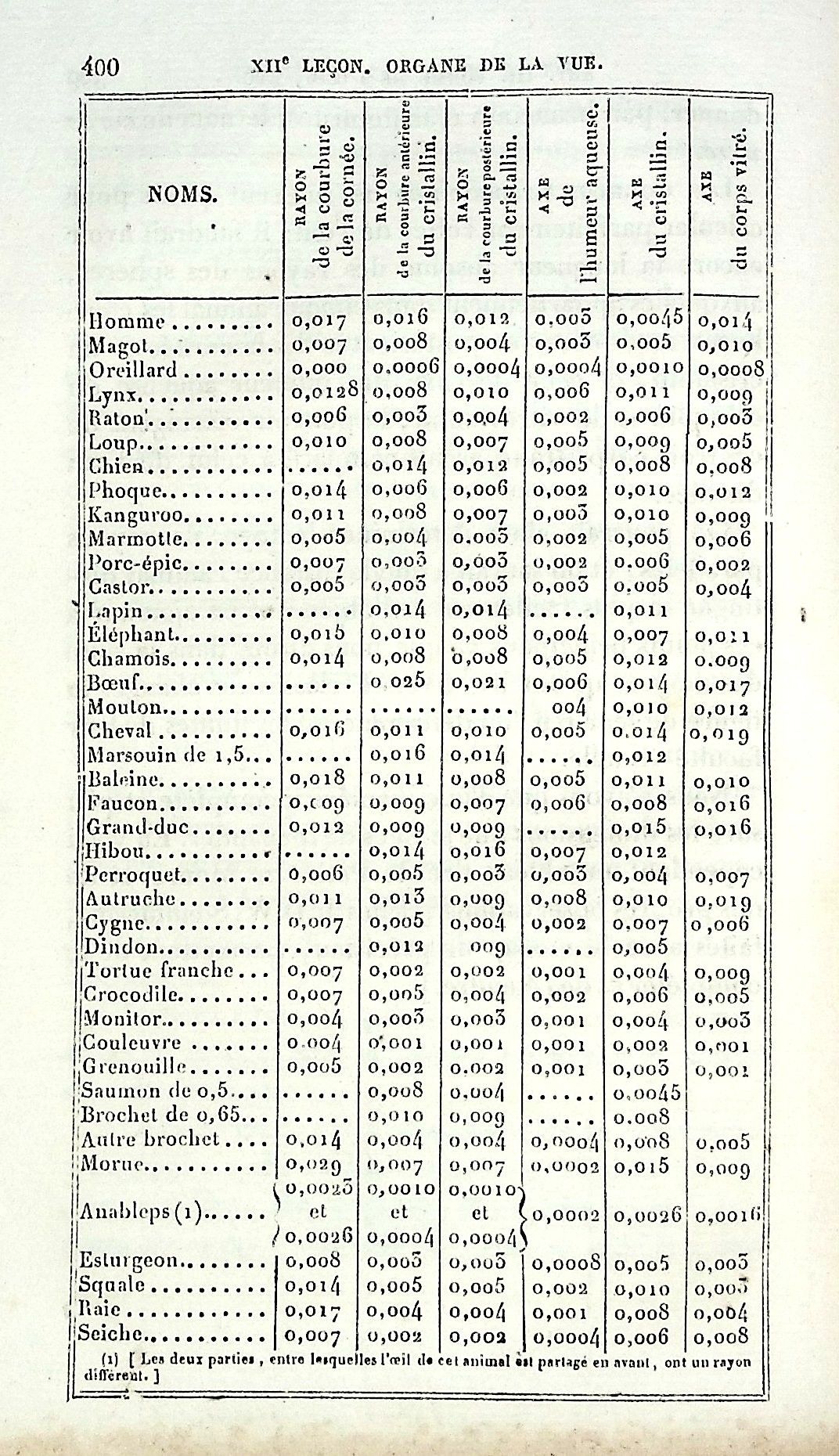
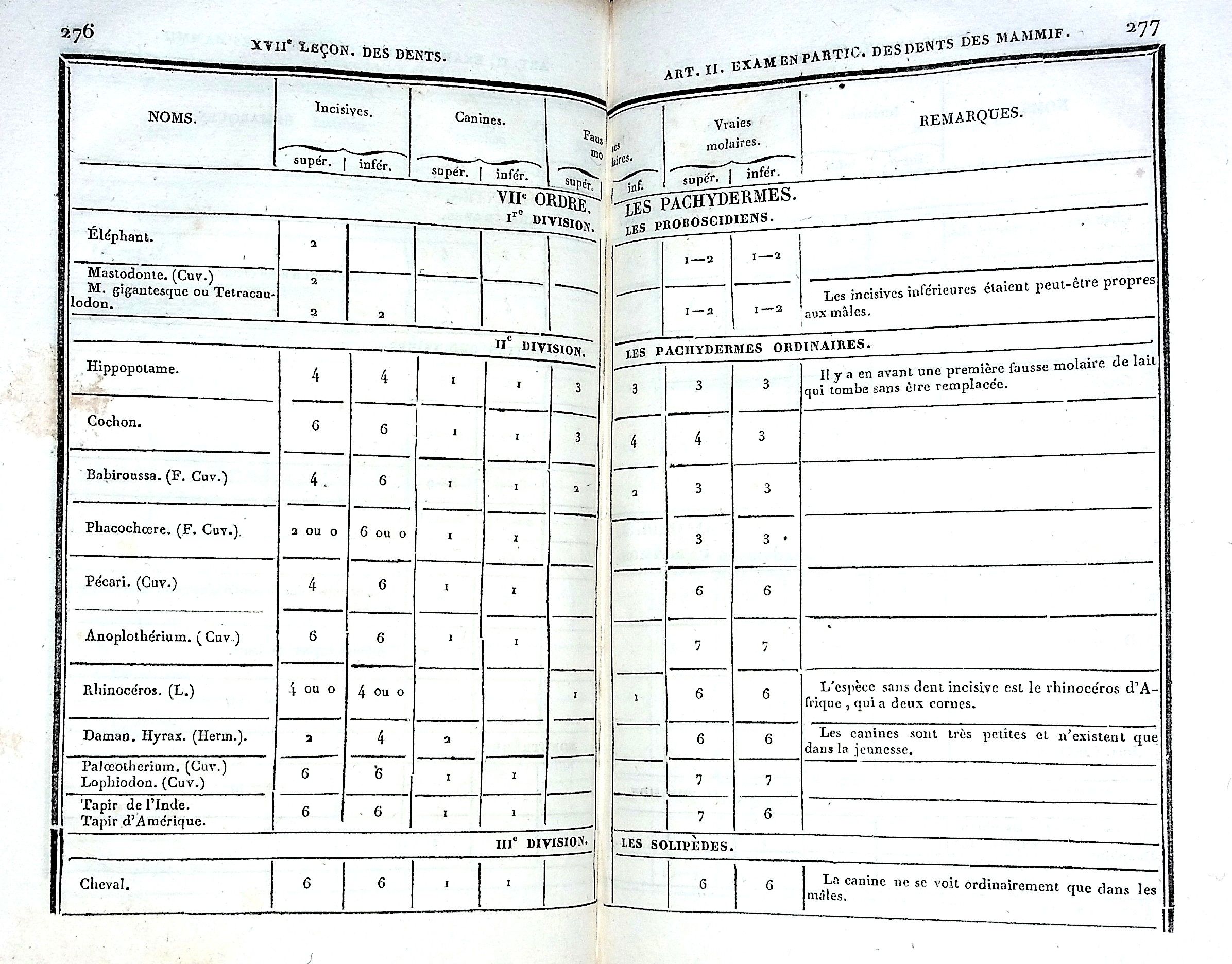
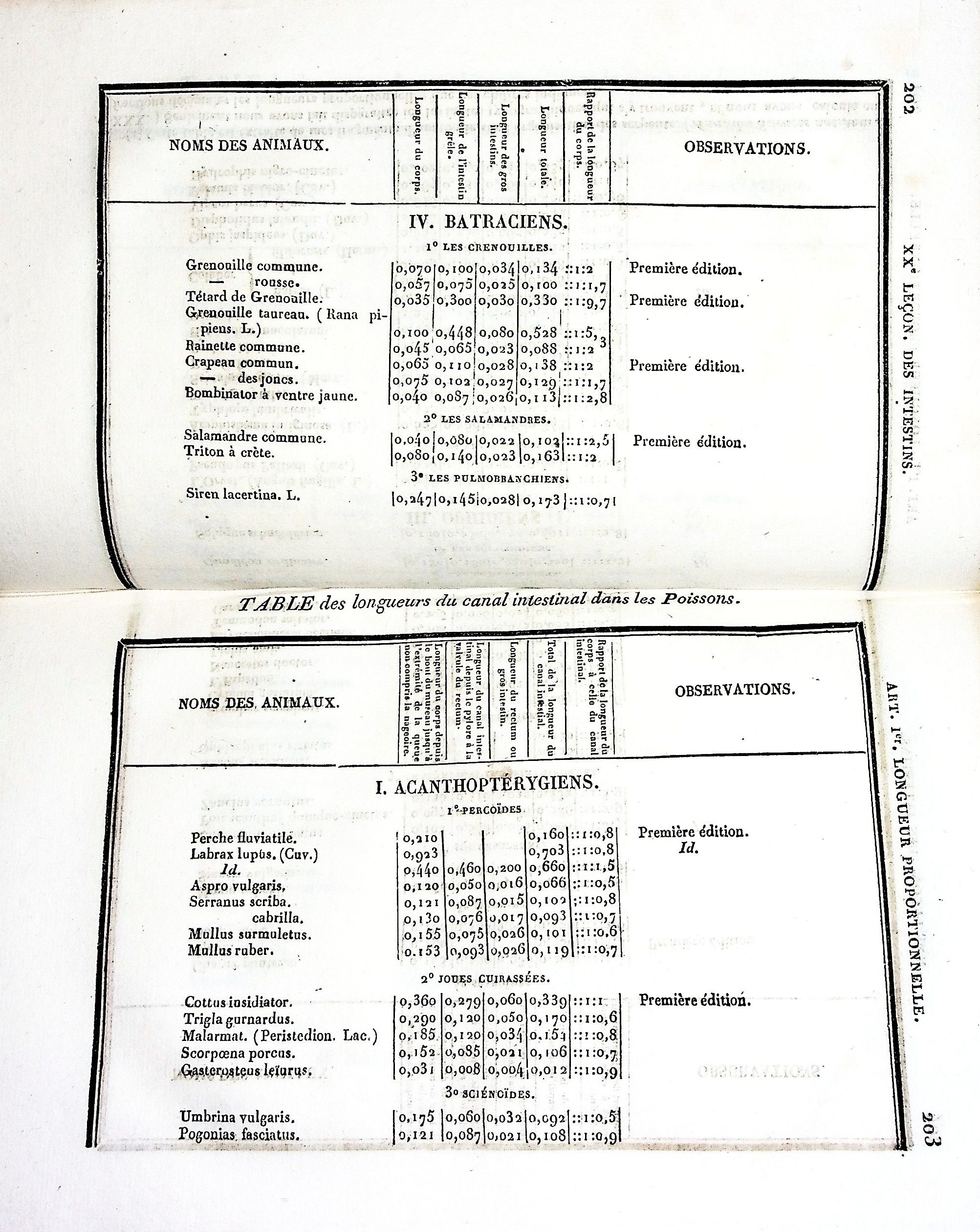
- quarter leather binding with gilt titles and compartments, marbled paper covered boards, patterned endpapers
- Paris: Crochard et Cie, 1846
Paris: Crochard et Cie, 1846. Second expanded edition.
PIONEERING ESTABLISHMENT OF THE SCIENCE OF COMPARATIVE ANATOMY.
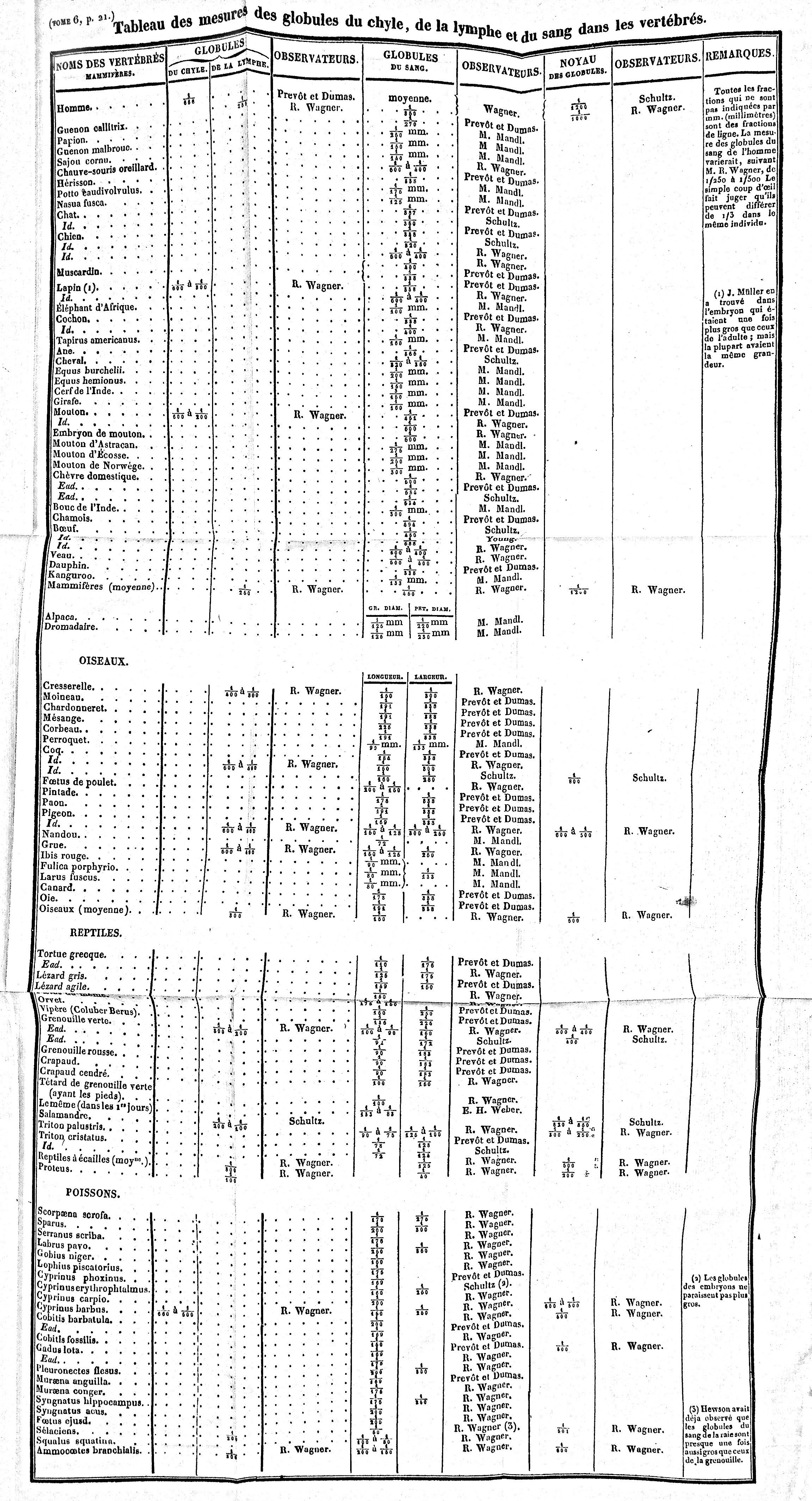
Eight volumes in 9 bindings 8 1/2 inches tall (Vol. 4 is in 2 parts). Green quarter leather binding with gilt titles and compartments, marbled paper covered boards, patterned endpapers, bookplate of NSR Maluf to each volume, Vol. I, i-xxxiii, lithographic facsimile of letter from Cuvier, 587 pp, [1]; Vol. II, i-viii, 726 pp; Vol. III, [4], i-iv, 760 pp; Vol. IV pt 1, i-xxvii, 618 pp, [4]; Vol. IV pt 2, [i-iv], 691 pp, [1]; Vol. V, i-viii, 503 pp, folding table; Vol. VI, i-vii, 557 pp, [1], folding table; Vol. VII, i-vii, [1], 656 pp; Vol. VIII, i-xii. 848 pp. Covers, corners, spine ends worn, light browning to pages, the first blank and usually the half title of each volume have top edge corners clipped (presumably to remove a signature), not affecting text. Bindings tight, pages unmarked, very good in custom archival mylar covers. CONTENTS: Vol. I contains the principal discussion of Cuvier's famous theory of the correlation of parts- the functional relationship of each bodily organ to every other organ. Also considered are the organs of movement of vertebrate animals; Vol. II addresses the organs of movement of invertebrate animals, and the osteology of the head; Vol. III considers the nervous system and sense organs; Vol. IV reviews the organs of mastication, salivation, and swallowing in vertebrate animals; Vol. V reviews the feeding organs of invertebrate animals; Vol. VI explores the nutritive fluid, its reservoirs, and the organs that set it in motion in the four types of the animal kingdom; Volume 7, the description of the organs of elaboration and purification of the nutritive fluid through respiration and urinary secretion; and Volume 8, the organs of generation and secretions, the swim bladder of the fish, and the organs of vocalization.
GEORGES CUVIER (1769 – 1832) was a French naturalist and zoologist, sometimes referred to as the "founding father of paleontology". Cuvier was a major figure in natural sciences research in the early 19th century and was instrumental in establishing the fields of comparative anatomy and paleontology through his work in comparing living animals with fossils. He expanded Linnaean taxonomy by grouping classes into phyla and incorporating both fossils and living species into the classification. He laid the foundations for a method of analysis and comparison applied to the entire animal kingdom, and a new branch of natural history, was born thanks to his scientific collaboration with Geoffroy Saint-Hilaire. This was based on the theory that anatomical and physiological characteristics of animals are molded by their environment. He established four major families: vertebrates, mollusks, arthropods, and radiates. He was the first to apply the concept of an ecosystem, viewing it as a vast network in which species interact with one another.
GARRISON-MORTON No. 311 "Cuvier played a leading part in the development of paleontology and stimulated the study of comparative anatomy. He ranks with von Baer as one of the founders of modern morphology. The posthumous second edition (offered here), revised and expanded by Georges Cuvier's younger brother, Georges-Frédéric Cuvier to 8 vols., appeared from 1835-1846."
Details
Title
Lecons d'Anatomie Comparee
Author
Cuvier, Georges
Binding
quarter leather binding with gilt titles and compartments, marbled paper covered boards, patterned endpapers
Condition
Unknown
Publisher
Crochard et Cie: Paris
Date
1846
Edition
Second expanded edition