

NOBEL. The Treatment of Infected Wounds


- New York: Paul B. Hoeber, 1917
New York: Paul B. Hoeber, 1917. First edition.
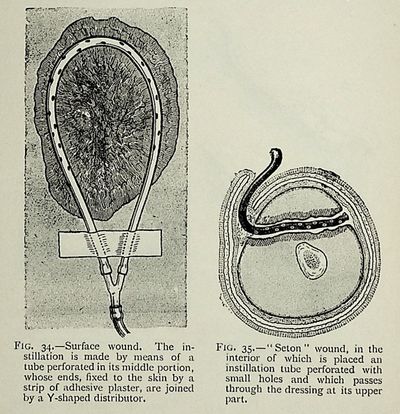
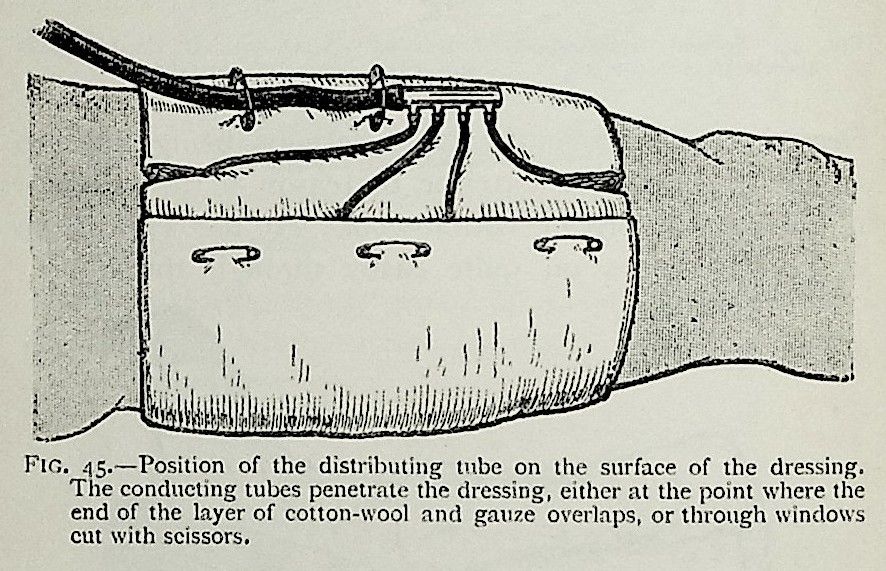
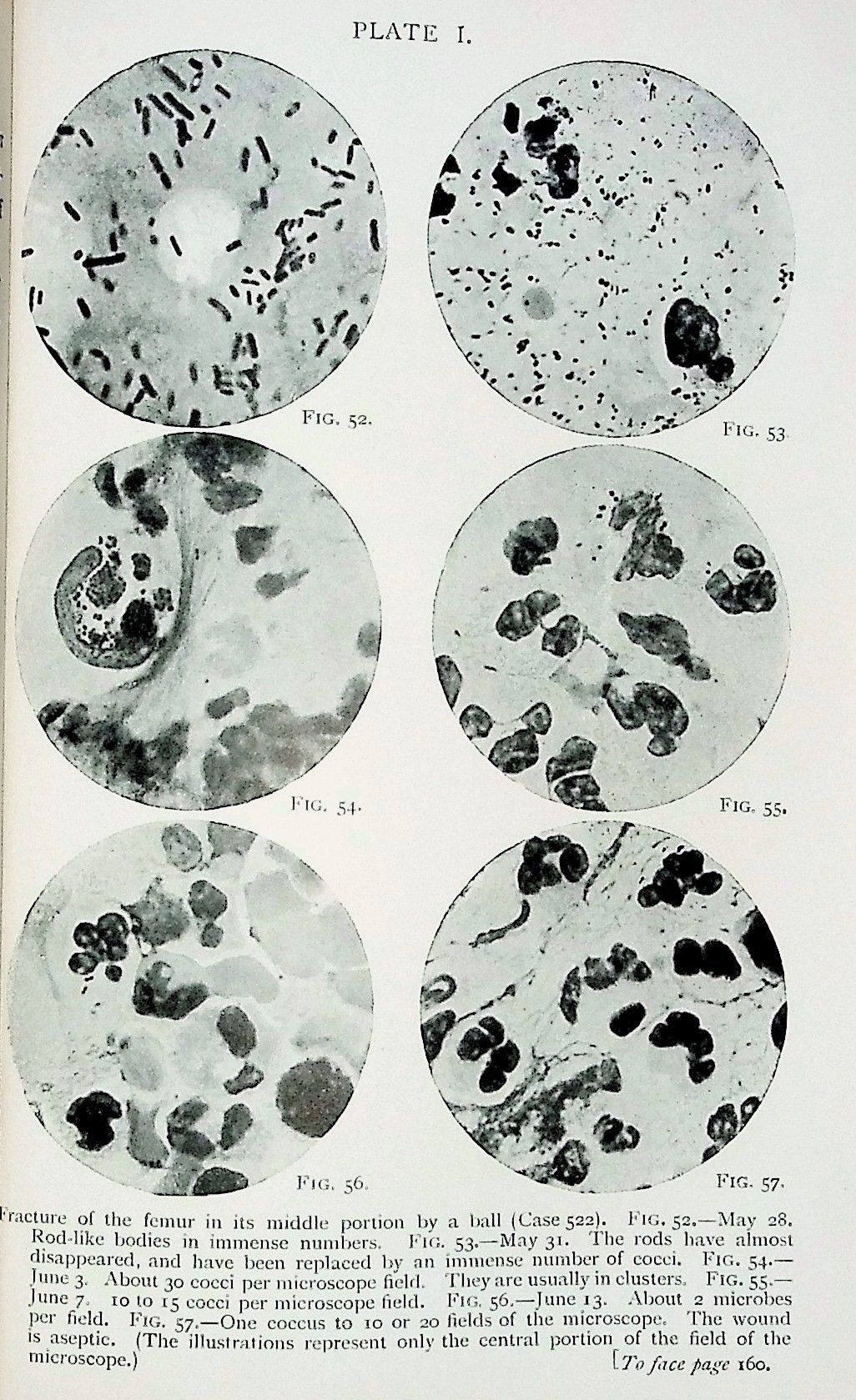
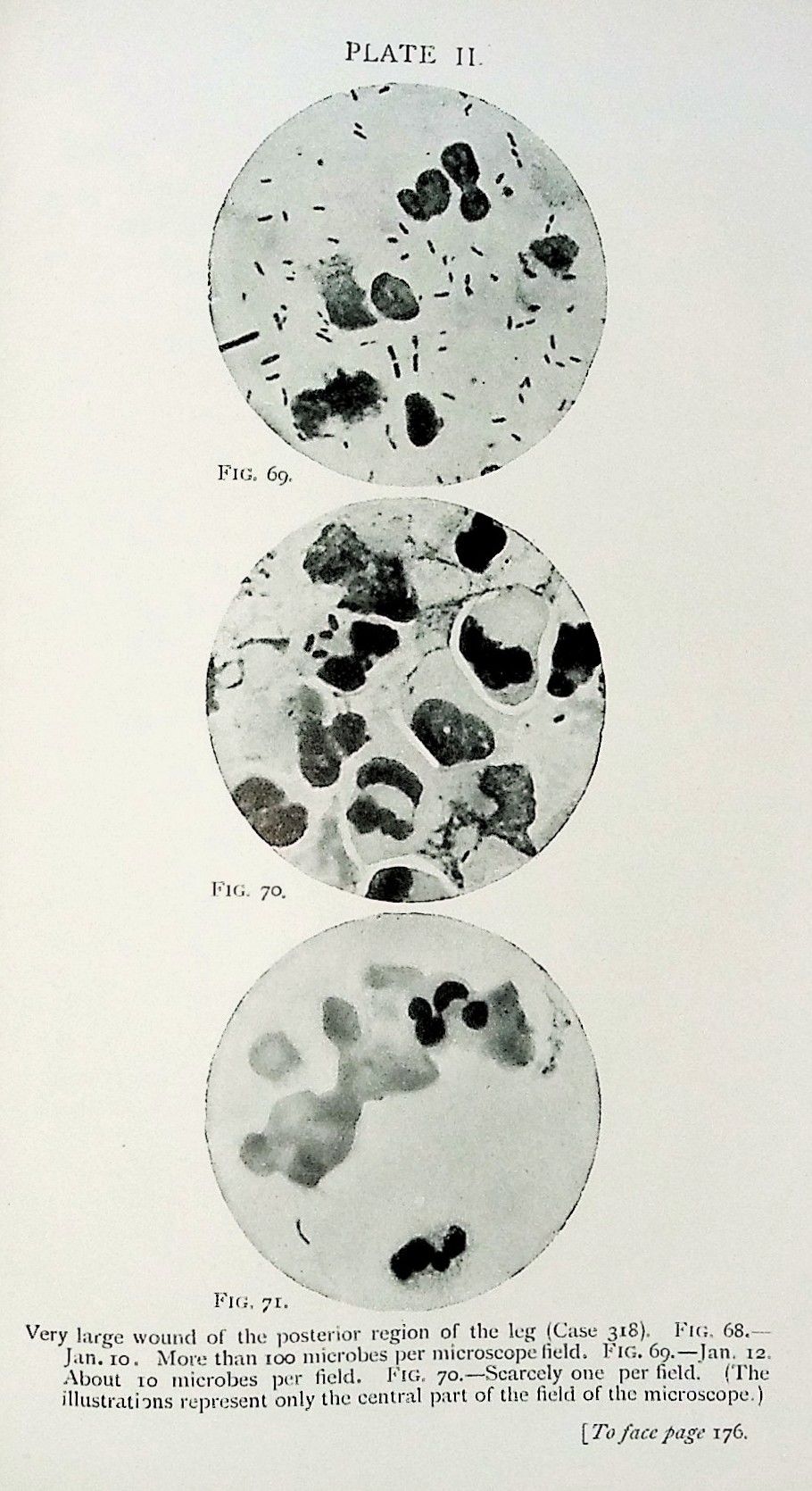
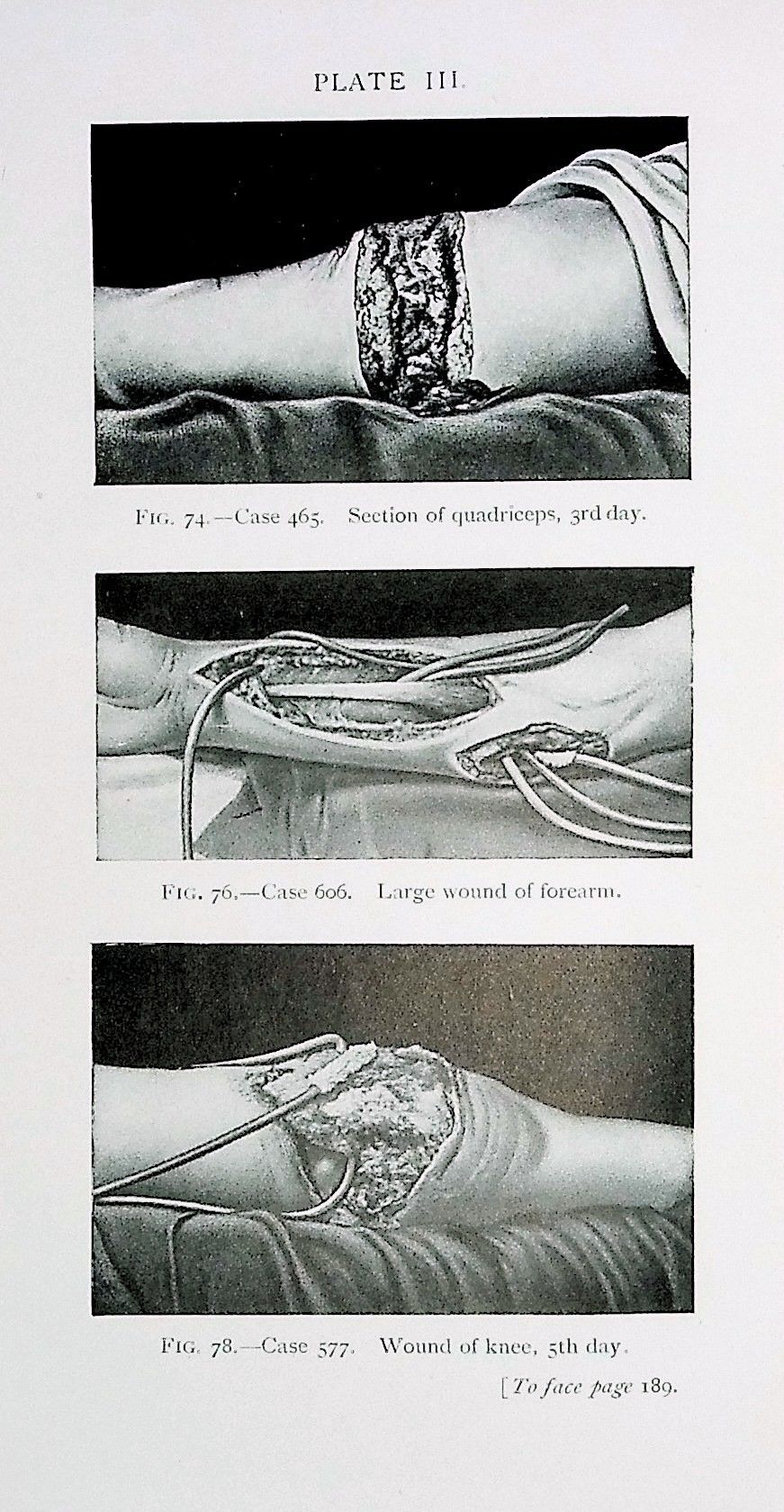
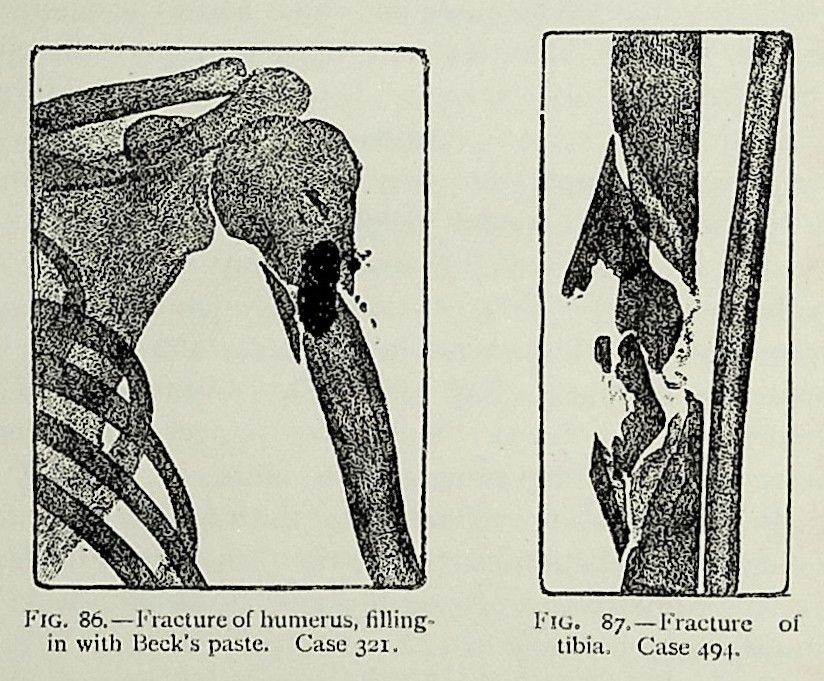
FIRST EDITION ILLUSTRATED PROCEDURE FOR SURGICAL WOUND CARE DEVELOPED BY BRILLIANT NOBELIST ALEXIS CARREL DURING WORLD WAR I.
7 1/2 inches tall hardcover, burgundy cloth binding, gilt title to cover and spine, i-viii, 238 pp, 97 figures in text, 6 black & white plates, 12 pp publisher's advertisements. Light wear to cover surfaces and corners, spine gilt dulled, light browning to pages, unmarked. Very good in custom archival mylar cover.
ALEXIS CARREL (1873 – 1944) was a French surgeon and biologist who spent most of his scientific career in the United States. He was awarded the Nobel Prize in Physiology or Medicine in 1912 for pioneering vascular suturing techniques. He invented the first perfusion pump with Charles Lindbergh opening the way to organ transplantation. Carrel was also a pioneer in tissue culture and thoracic surgery. In 1906, he joined the newly formed Rockefeller Institute of Medical Research in New York where he spent the rest of his career. In 1939, Carrel returned to France and took a position with the French Ministry of Health. Due to his close proximity with Jacques Doriot's fascist Parti Populaire Français (PPF) during the 1930s and his role in implementing eugenics policies during Vichy France, he was accused after the Liberation of collaboration but he died before the trial.
GEORGES DEHELLY was the French surgeon from Le Havre who worked with Carrel at the hospital in Compeigne during World War I, and published "Surgical Closure of Wounds" Read before the American Surgical Association, June 6, 1918. "The surgeon, considering the diverse methods which present themselves to his initiative in the treatment of war wounds, must give first consideration to the prevention, control or treatment of infection. I shall not speak about the treatment applied in the early days of the war. Immediately after the battle of the Marne the deplorable results of this expectant attitude showed that war wounds were almost all infected, and that in order to avoid grave infectious complications it is necessary to open the wounds widely as quickly as possible, to remove foreign bodies and to drain the wounds. Carrel and Dakin thought that something better might be obtained and that the rational application of a judiciously chosen antiseptic would permit sterilization of these infected wounds and shorten considerably the time of cicatrization. Having charge of surgery in the hospital at Compeigne, annexed to the laboratories of the Rockefeller Institute, I was quickly able to demonstrate the possibilities of this sterilization. Consequently, we were able to assert that if sterilization of a wound must be the first step of this treatment the surgical closure must be the second step, no less indispensable to maintain the disinfection."
Details
Title
NOBEL. The Treatment of Infected Wounds
Author
Carrel, Alexis and Dehelly, Georges
Condition
Unknown
Publisher
Paul B. Hoeber: New York
Date
1917
Edition
First edition