

Where Trails Have Led Me
- Burbank, California , 1968
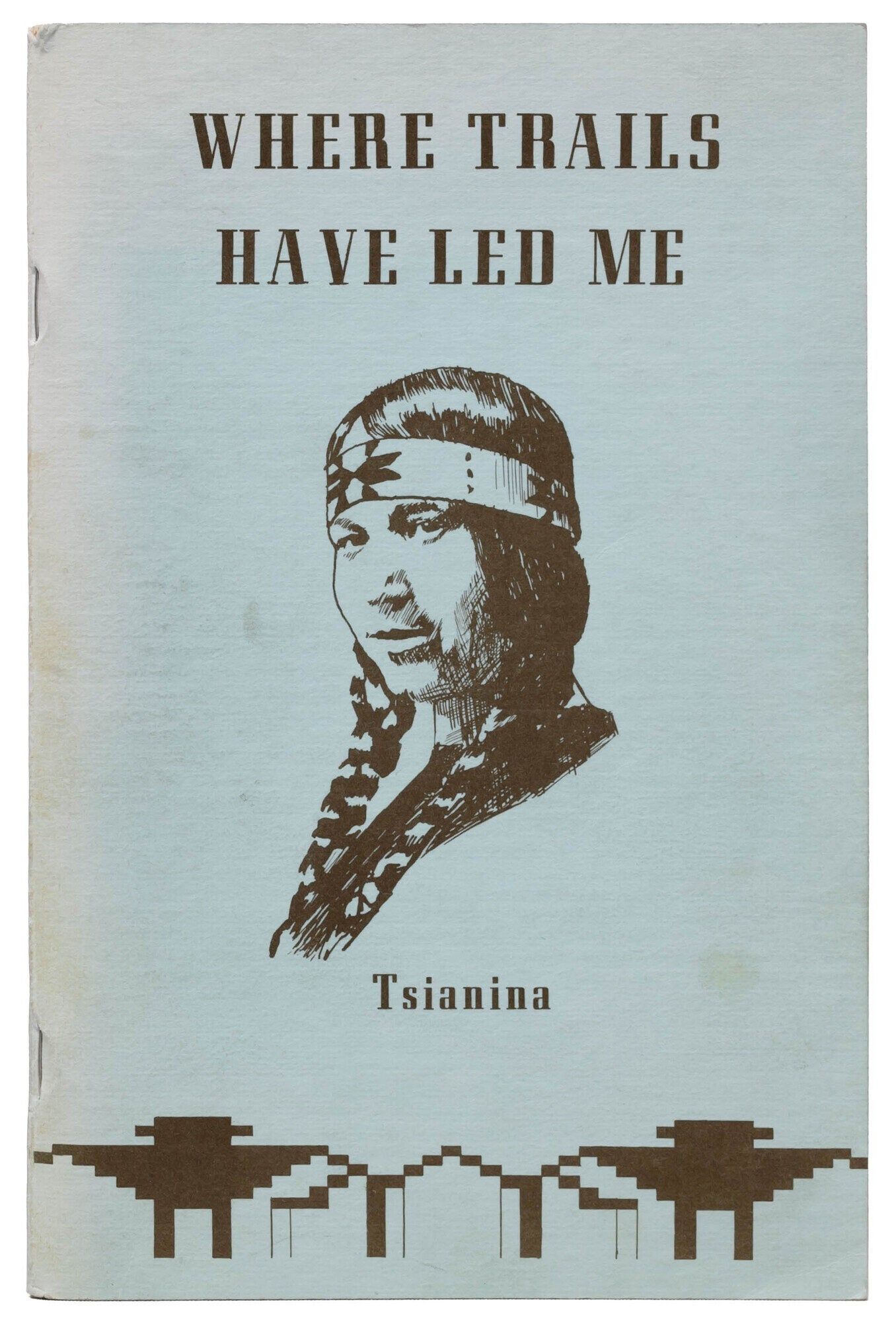
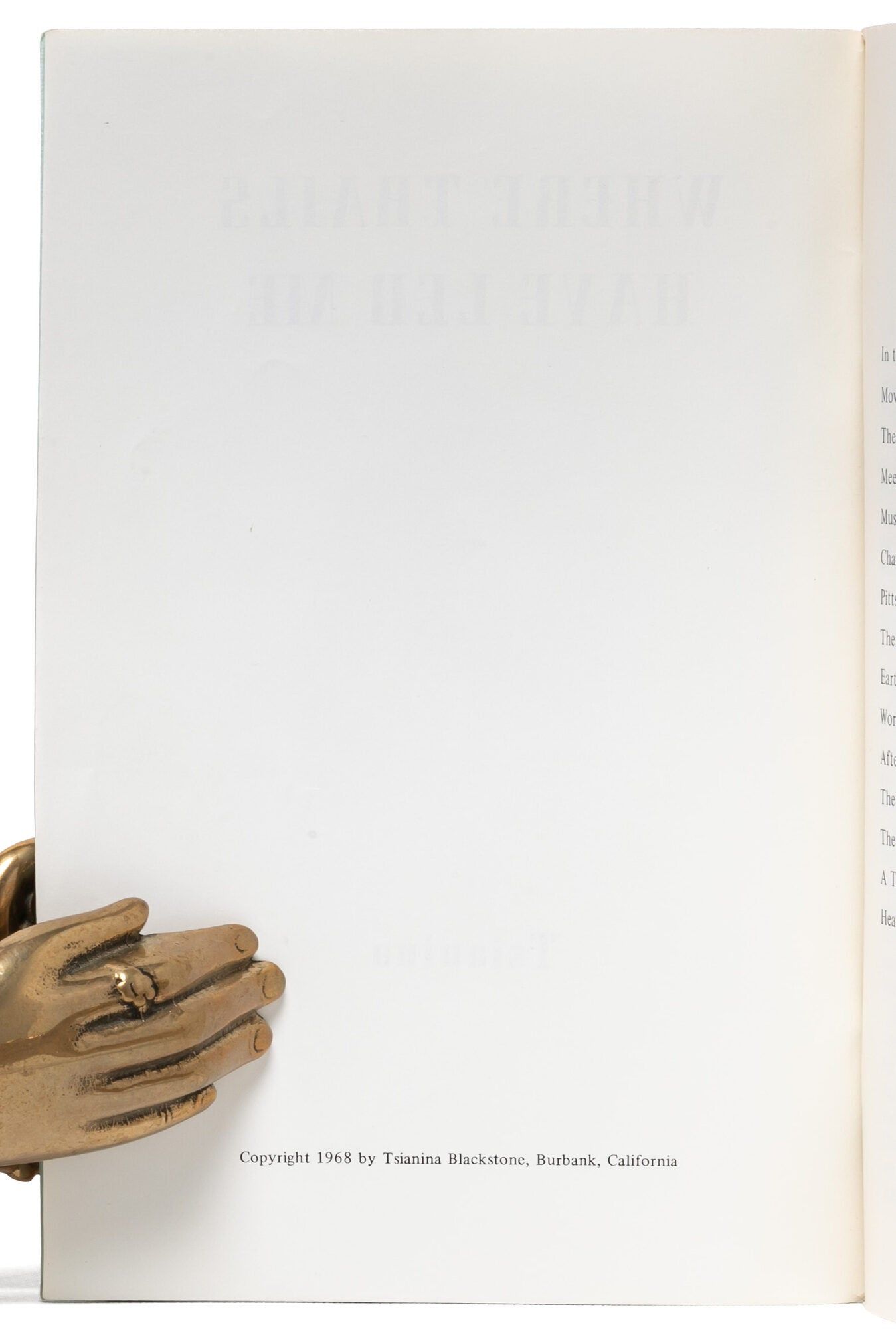
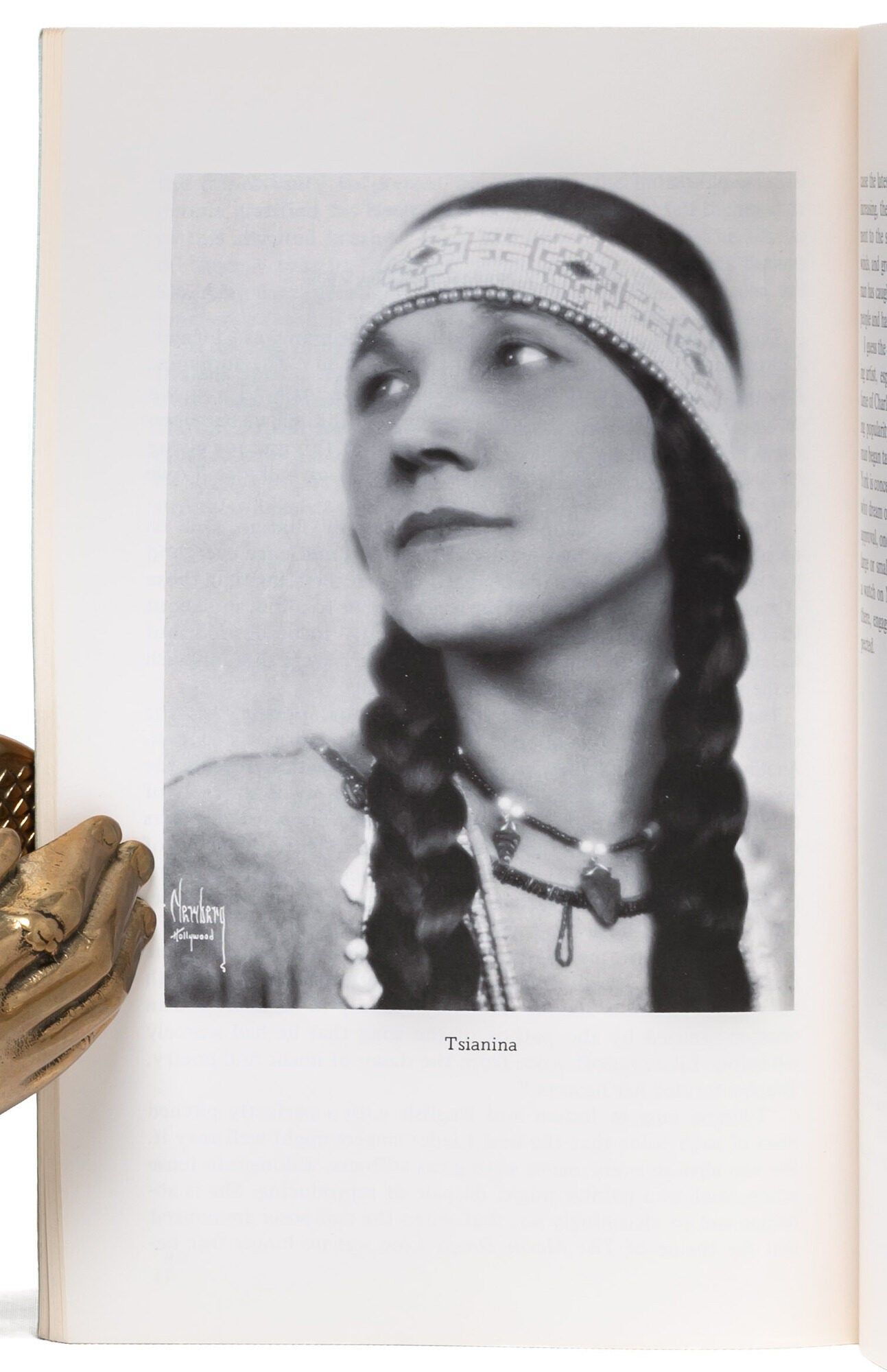
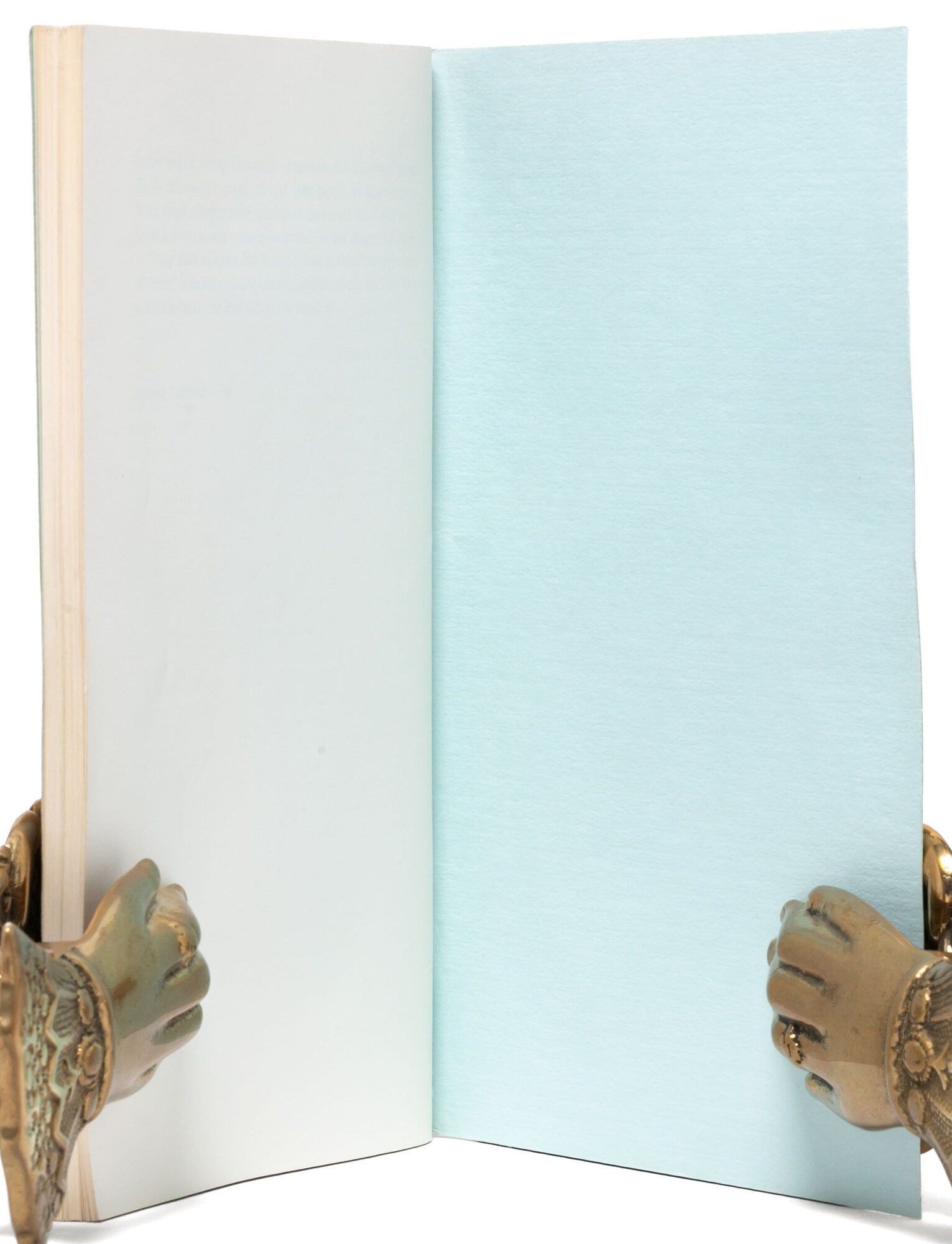
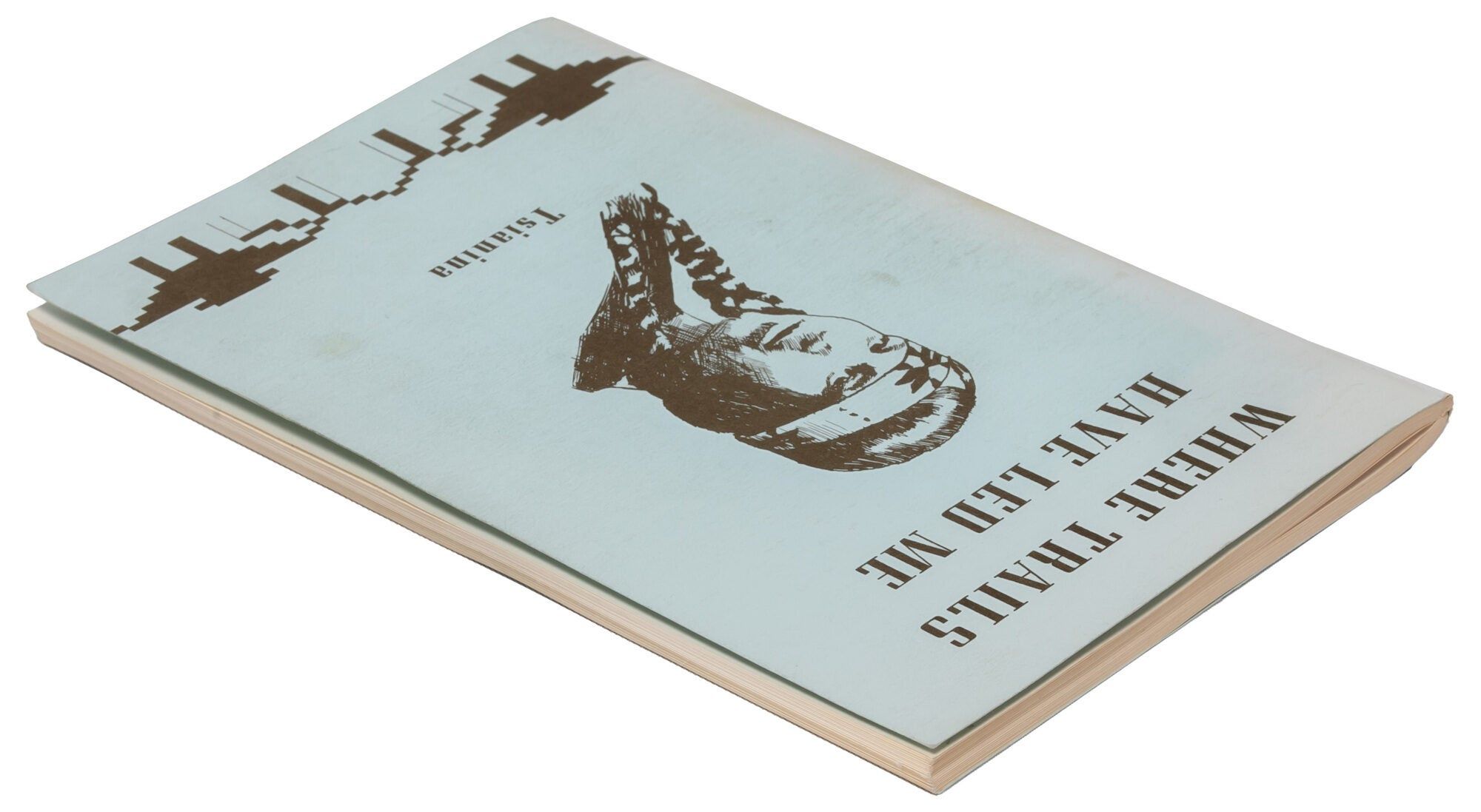
Burbank, California, 1968. First edition. Fine. The scarce, self-published first printing of the autobiography of Muscogee singer and activist Tsianina Redfeather Blackstone. 215 x 140 mm. [4], 144 pp. Amply illustrated throughout with photo reproductions, including many striking images of Blackstone. Publisher's pale blue printed paper wrappers. Some fading at spine, otherwise a Fine copy of this autobiography chronicling the decades-long career of an extremely popular (and now largely forgotten) early-twentieth-century Native artist and public figure.
Between 1909 and 1935, Tsianina Redfeather Blackstone (1882 - 1985) toured as a singer and speaker in both in the United States and Europe. Though she fell into obscurity in the second half of the twentieth century, Blackstone was a widely admired performer in her day: "The Muscogee singer's perfect enunciation, great vocal range, superb legato, exquisite musical intelligence, genuine presence, and overall graceful charm were the talk of every town" (Smithsonian Magazine).
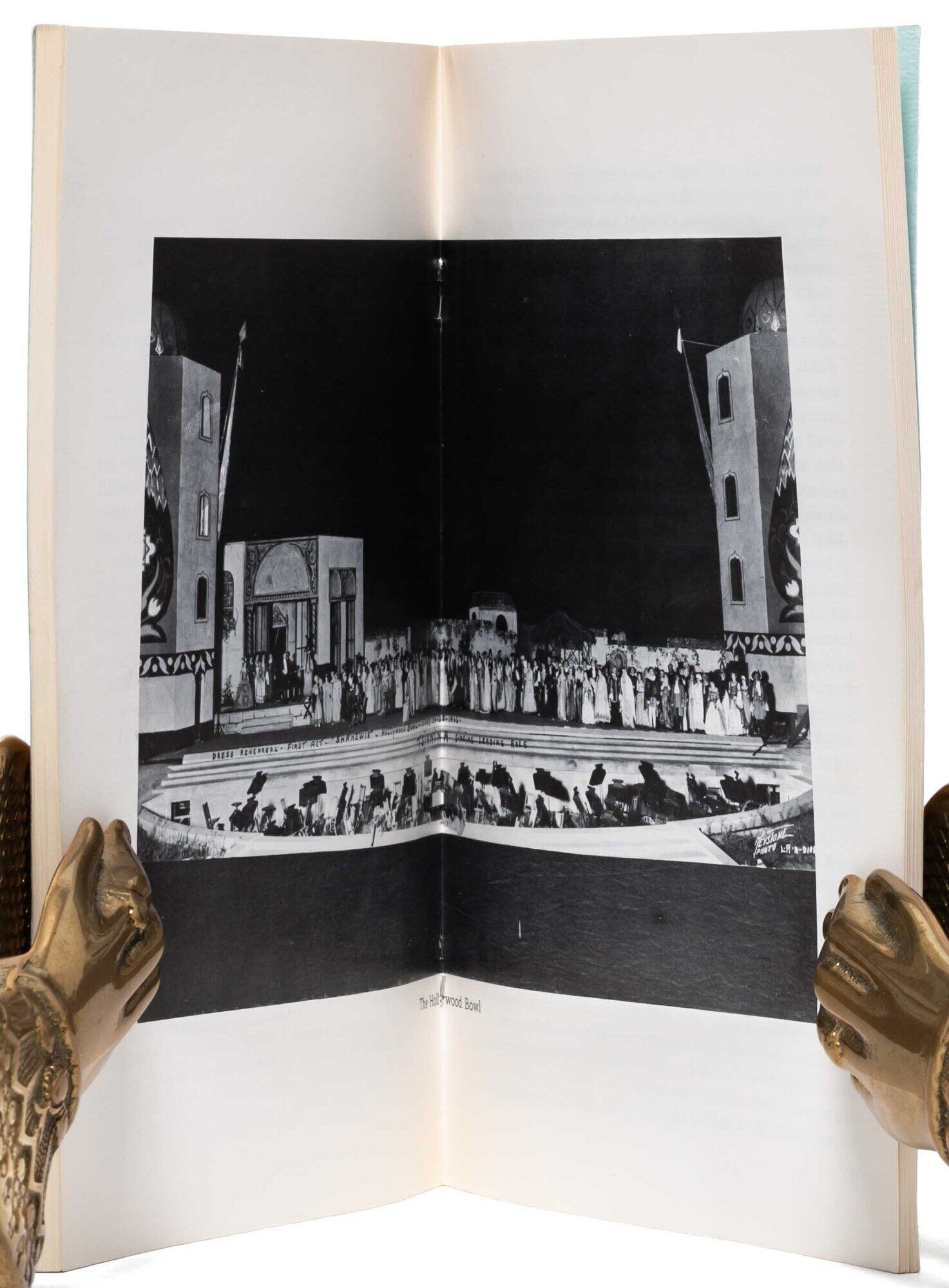
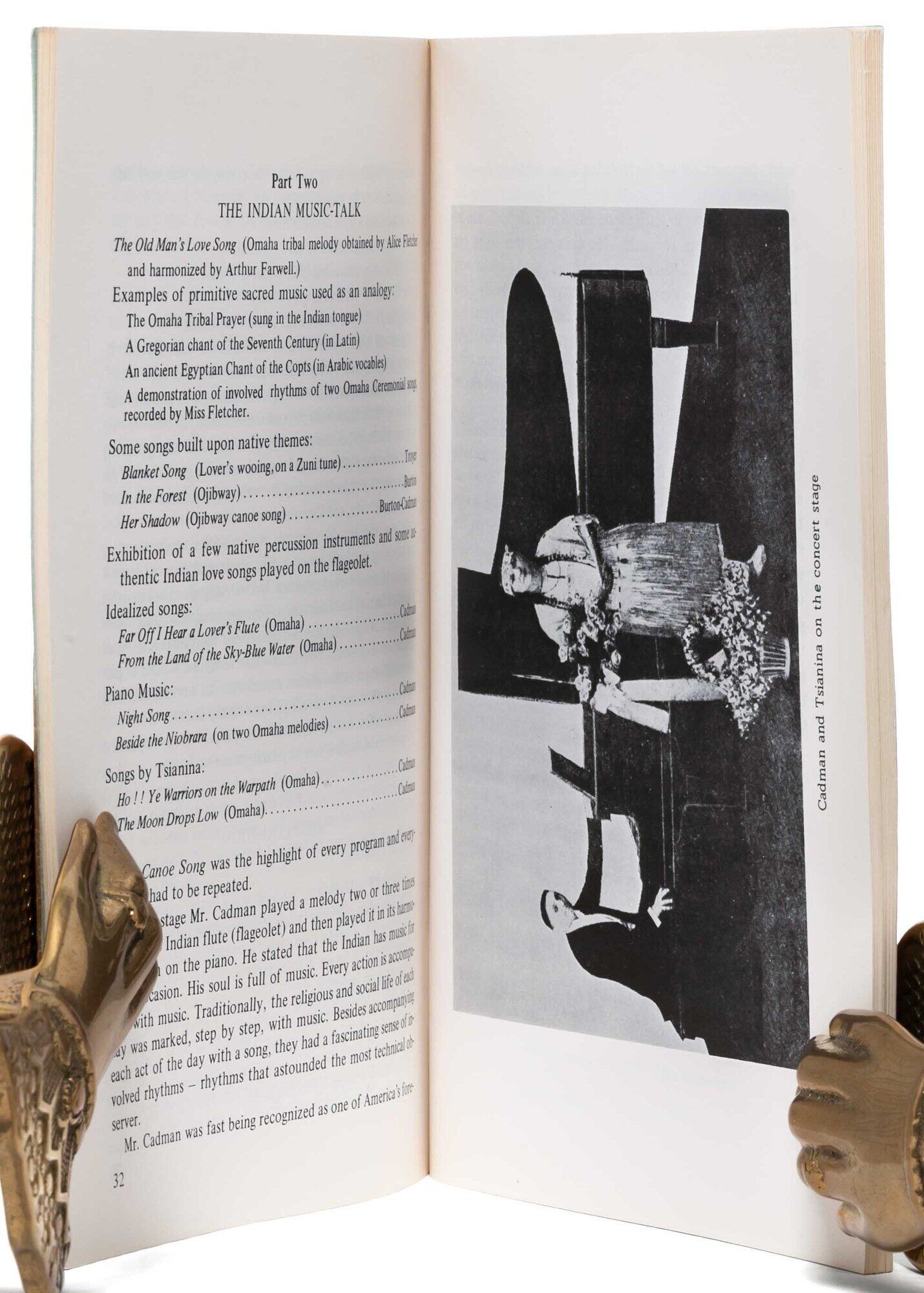
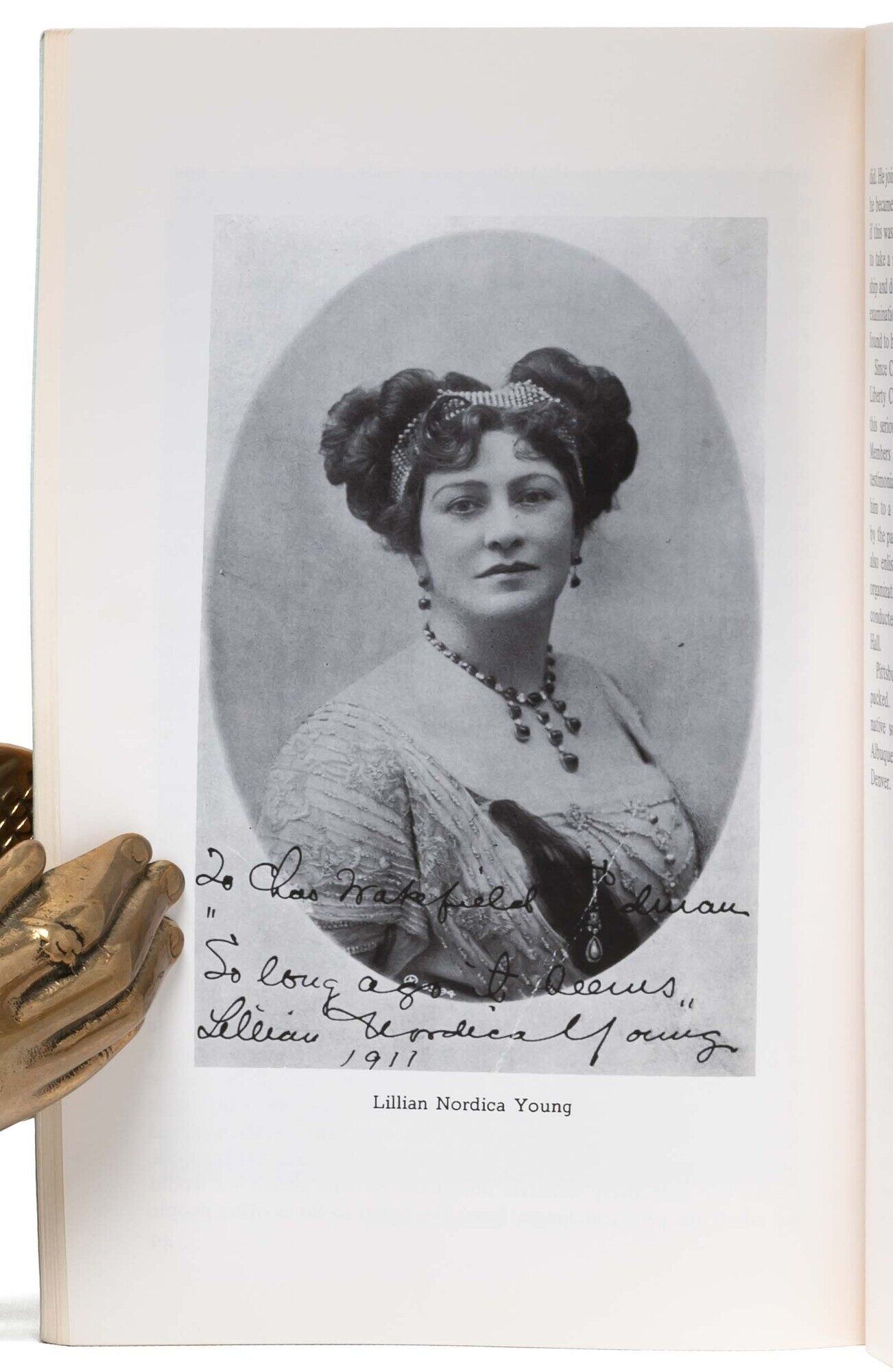
Blackstone began her career performing and discussing Native music history with Charles Wakefield Cadman, a composer with a deep interest in Native music who took Blackstone on a tour of the Chautauqua circuit. "The duo accomplished a five-year run of tours throughout the U.S., stopping at schools, universities, fairs and expositions to educate concertgoers about Native culture through lecture-style performances" (Smithsonian). By 1916, Blackstone was drawing crowds of over seven thousand people, and embarked on a tour through France and Germany to perform for American troops. Soon after her return, Blackstone and Cadman collaborated with librettist Nelle Richmond Eberhart to compose the semi-autobiographical opera Shanewis (or The Robin Woman), which became the first American opera to be revived for a second season at the Metropolitan Opera House. The opera was later revived at the Hollywood Bowl in 2026. Blackstone, in the lead role, performed to a audience of twenty thousand people.
Blackstone was an advocate for Native rights throughout her career. She performed for activist groups like the Society of American Indians; founded the First Daughters of America, a Native women's organization; and served on an Indian affairs advisory council after her retirement from performing in 1935. For the last fifty years of her life, Blackstone lived in Burbank, California, where the present work was published.
Thomas, Briana A. "The Forgotten History of Tsianina Redfeather." Smithsonian Magazine (March 31, 2023). Fine.
Between 1909 and 1935, Tsianina Redfeather Blackstone (1882 - 1985) toured as a singer and speaker in both in the United States and Europe. Though she fell into obscurity in the second half of the twentieth century, Blackstone was a widely admired performer in her day: "The Muscogee singer's perfect enunciation, great vocal range, superb legato, exquisite musical intelligence, genuine presence, and overall graceful charm were the talk of every town" (Smithsonian Magazine).
Blackstone began her career performing and discussing Native music history with Charles Wakefield Cadman, a composer with a deep interest in Native music who took Blackstone on a tour of the Chautauqua circuit. "The duo accomplished a five-year run of tours throughout the U.S., stopping at schools, universities, fairs and expositions to educate concertgoers about Native culture through lecture-style performances" (Smithsonian). By 1916, Blackstone was drawing crowds of over seven thousand people, and embarked on a tour through France and Germany to perform for American troops. Soon after her return, Blackstone and Cadman collaborated with librettist Nelle Richmond Eberhart to compose the semi-autobiographical opera Shanewis (or The Robin Woman), which became the first American opera to be revived for a second season at the Metropolitan Opera House. The opera was later revived at the Hollywood Bowl in 2026. Blackstone, in the lead role, performed to a audience of twenty thousand people.
Blackstone was an advocate for Native rights throughout her career. She performed for activist groups like the Society of American Indians; founded the First Daughters of America, a Native women's organization; and served on an Indian affairs advisory council after her retirement from performing in 1935. For the last fifty years of her life, Blackstone lived in Burbank, California, where the present work was published.
Thomas, Briana A. "The Forgotten History of Tsianina Redfeather." Smithsonian Magazine (March 31, 2023). Fine.
Details
Title
Where Trails Have Led Me
Author
Blackstone, Tsianina Redfeather
Condition
Fine
Publisher
Burbank, California
Date
1968
Edition
First edition