

Photo Album of a US Marine in Okinawa, Taiwan, and Korea, c. 1950s–1960s, with a Series Likely Documenting the Land and Crop Projects of the Sino-American Joint Commission on Rural Reconstruction in Taiwan
- 15 ¼ x 11 inch album with attractive painted cover containing approximately 235 photos, mainly 3 ½ x 5 inches and smaller. Con
- Japan, Taiwan, Korea, and the US , 1960
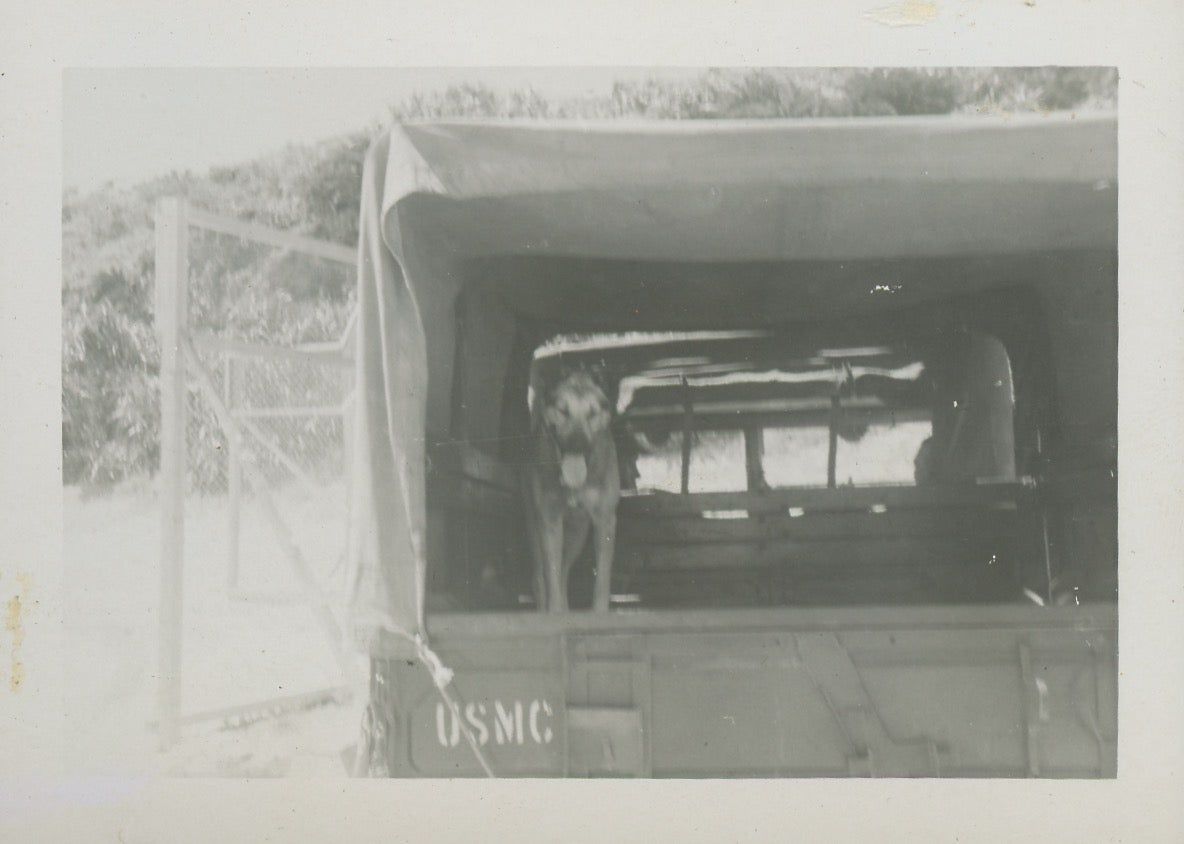
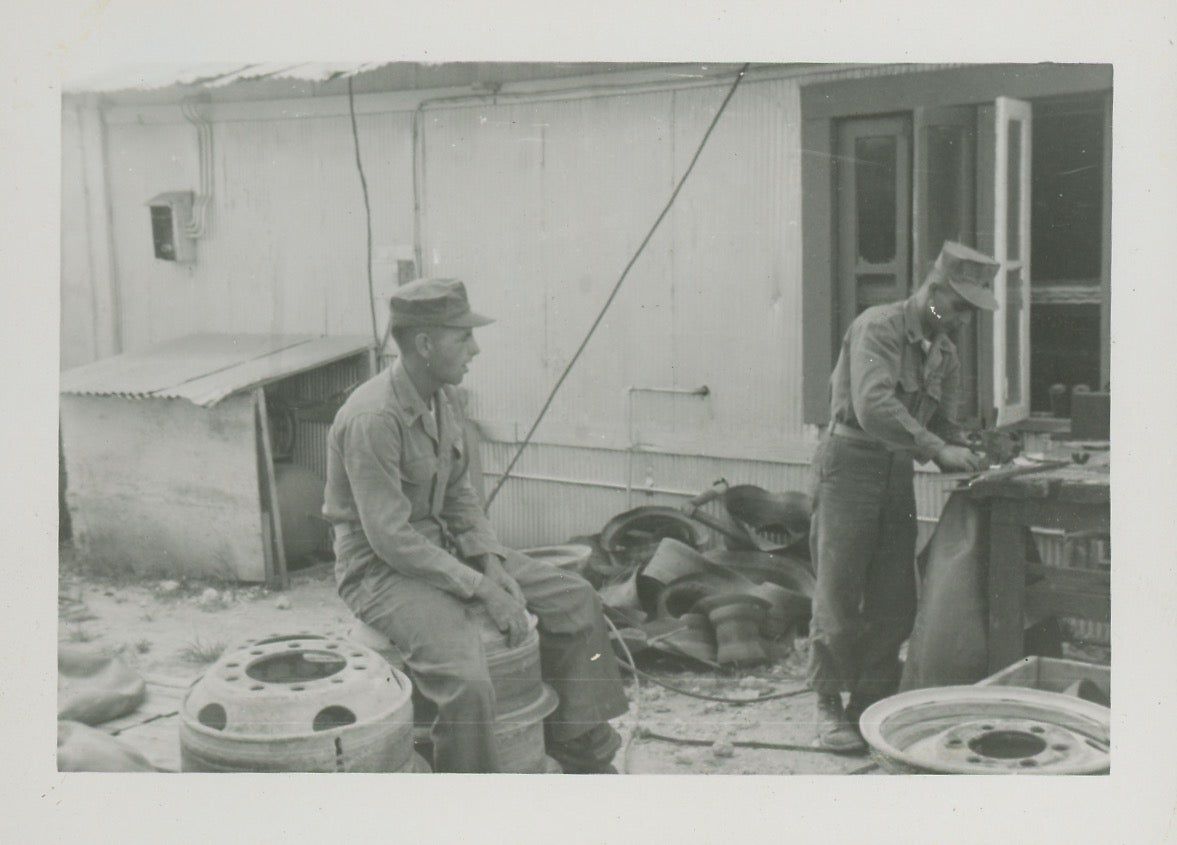
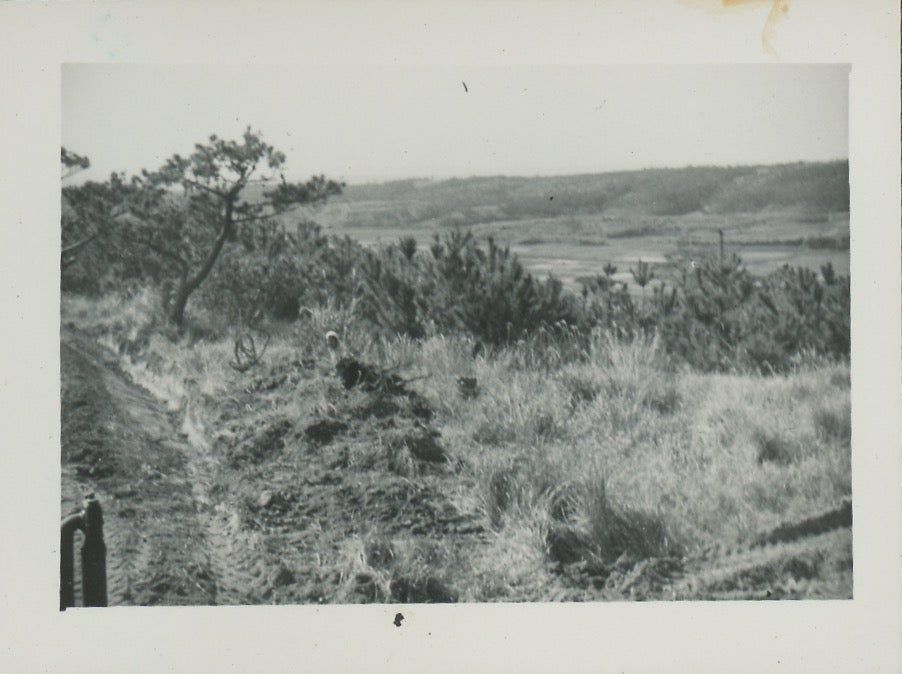
Japan, Taiwan, Korea, and the US, 1960. 15 ¼ x 11 inch album with attractive painted cover containing approximately 235 photos, mainly 3 ½ x 5 inches and smaller. Contents generally in excellent condition. Excellent.. A photo album by an unknown US Marine, containing photos from his time in Okinawa, Taiwan, and Korea in the 1950s and 1960s. At the time—the earliest dated photo in the album is from April 1956—the Vietnam War was in its early days, with Eisenhower deploying MAAG to train the ARVN in late 1955. It is not clear what unit the photographer was with, as only his training platoon (46, of the Second Recruit Battalion on Parris Island) is identified; however, this photo’s caption includes “Photo by MAAG”.
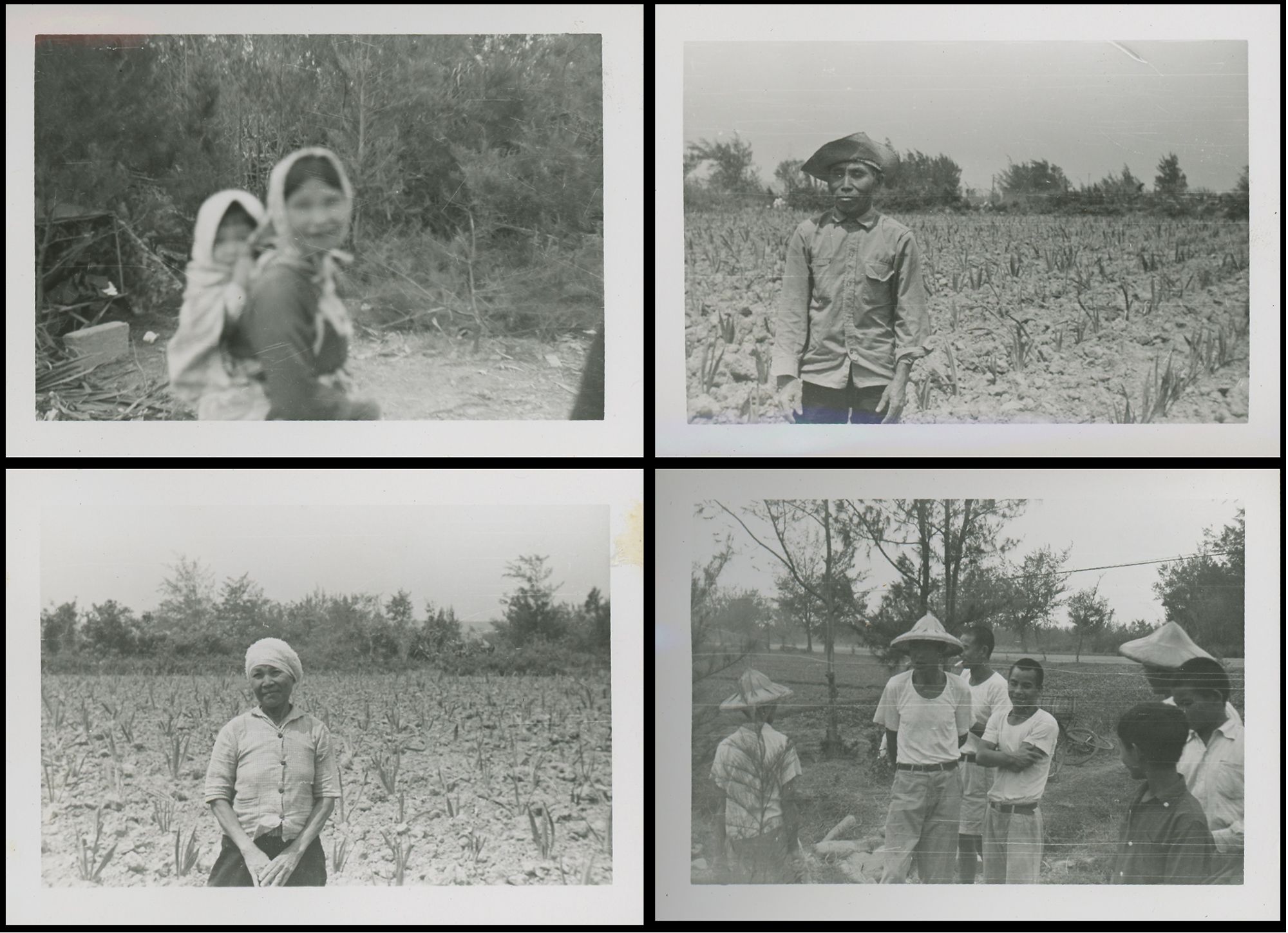
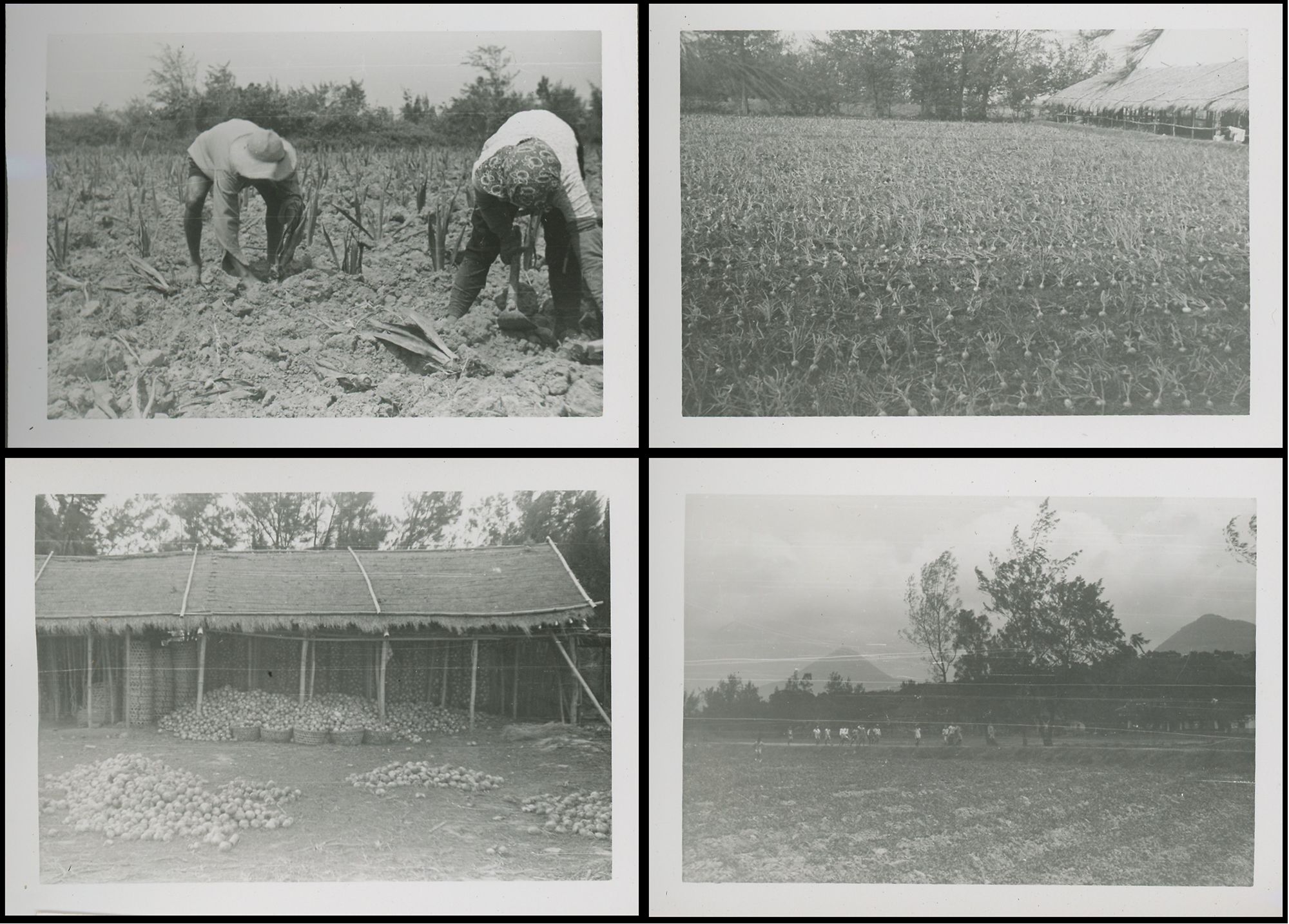
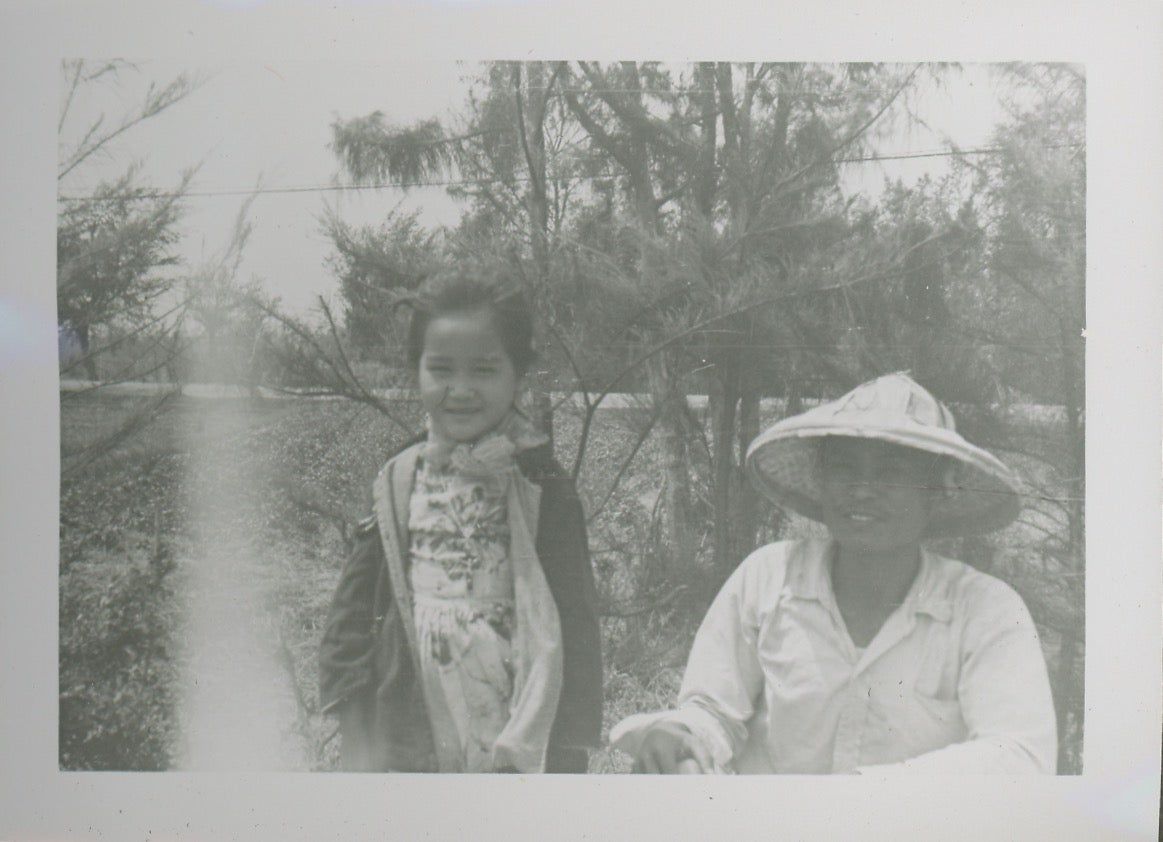
The album appears to be divided between the three locations, each of which was strategic in the Cold War broadly and for American efforts in Vietnam in particular. It is highlighted by a series of photographs, apparently from Taiwan, showing agricultural workers planting and posing with their crops and children. In the 1950s, under the China Aid Act, the Sino-American Joint Commission on Rural Reconstruction (JCRR) had launched a land reform financed by American aid and staffed by ROC scientists. In the 1960s this program expanded to crop diversification and the creation of the Asian Vegetable Research and Development Center. These efforts towards agricultural development in Taiwan were, like other US efforts in the region, intended to contain the spread of Communism.[1]
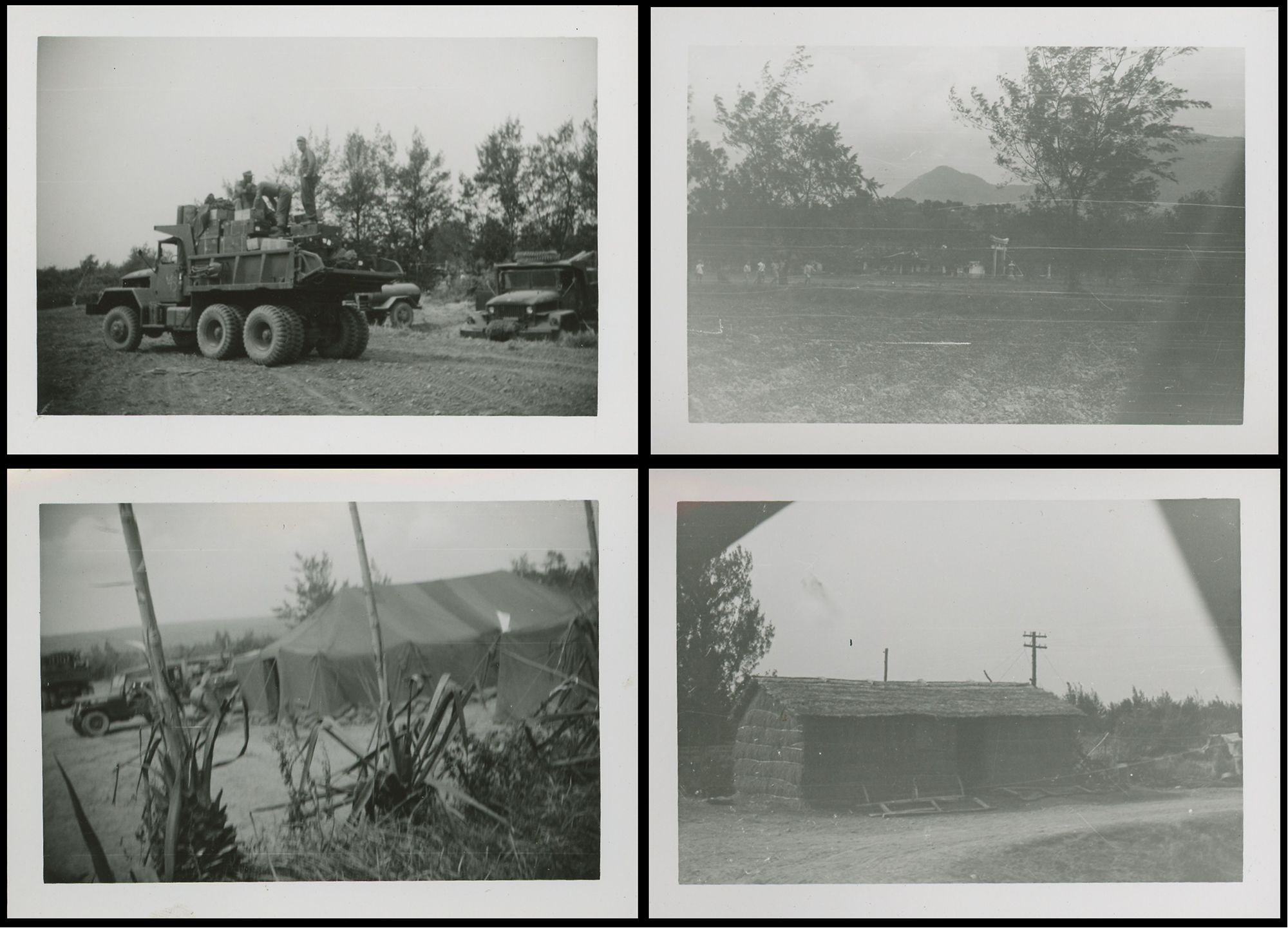
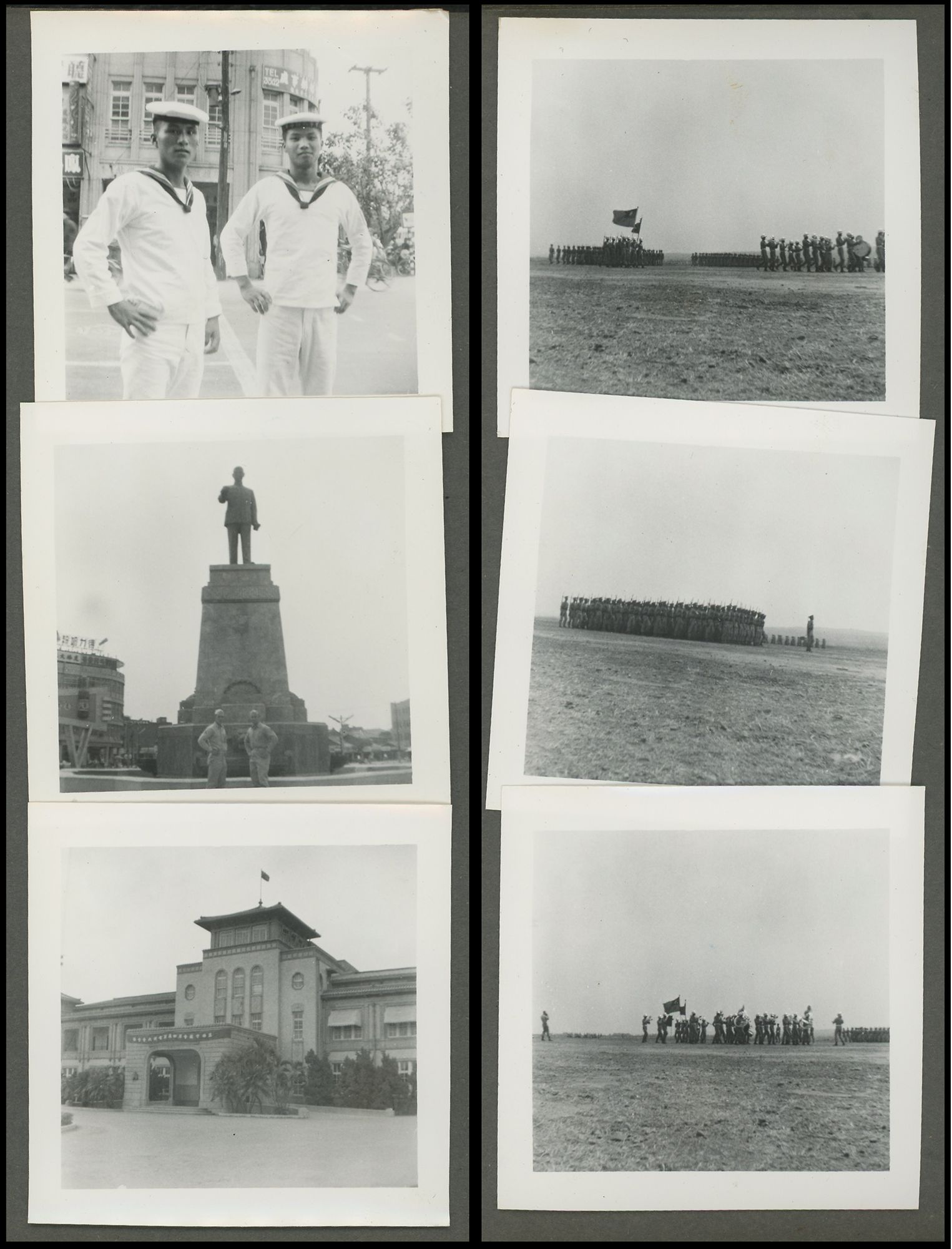
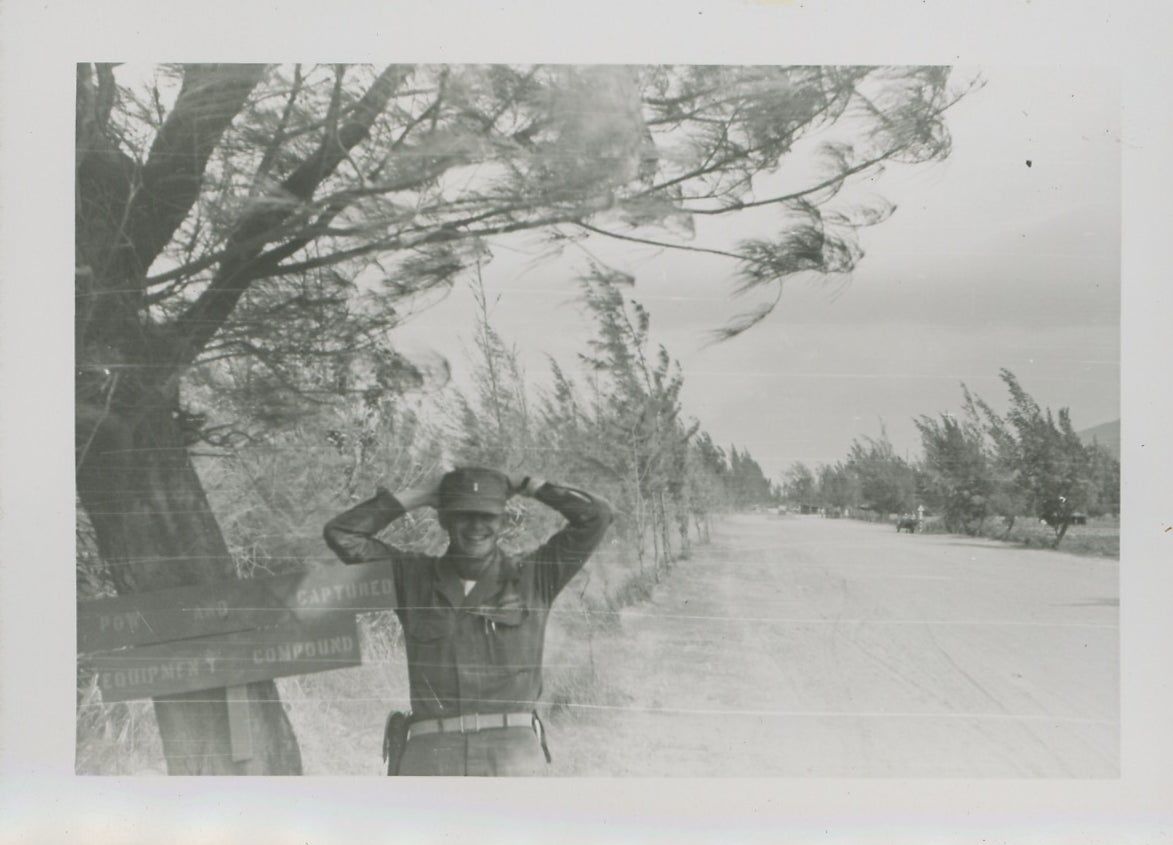
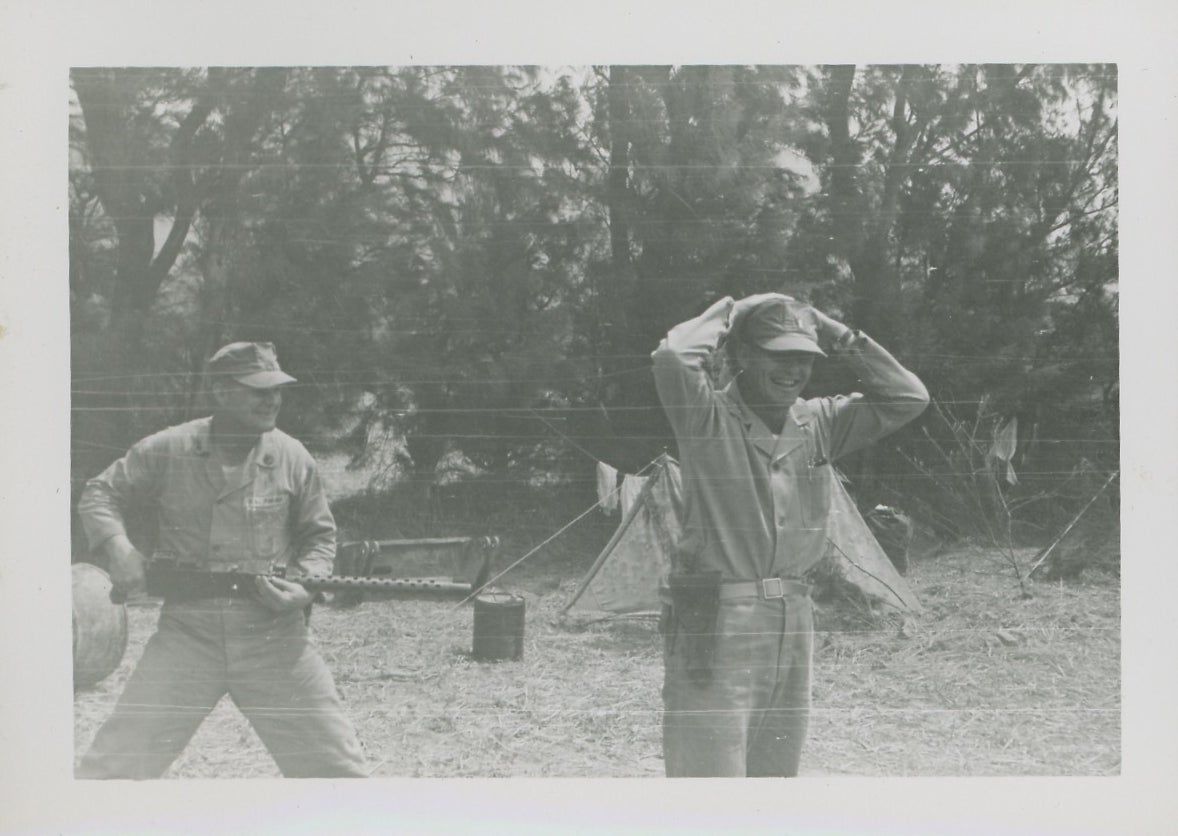
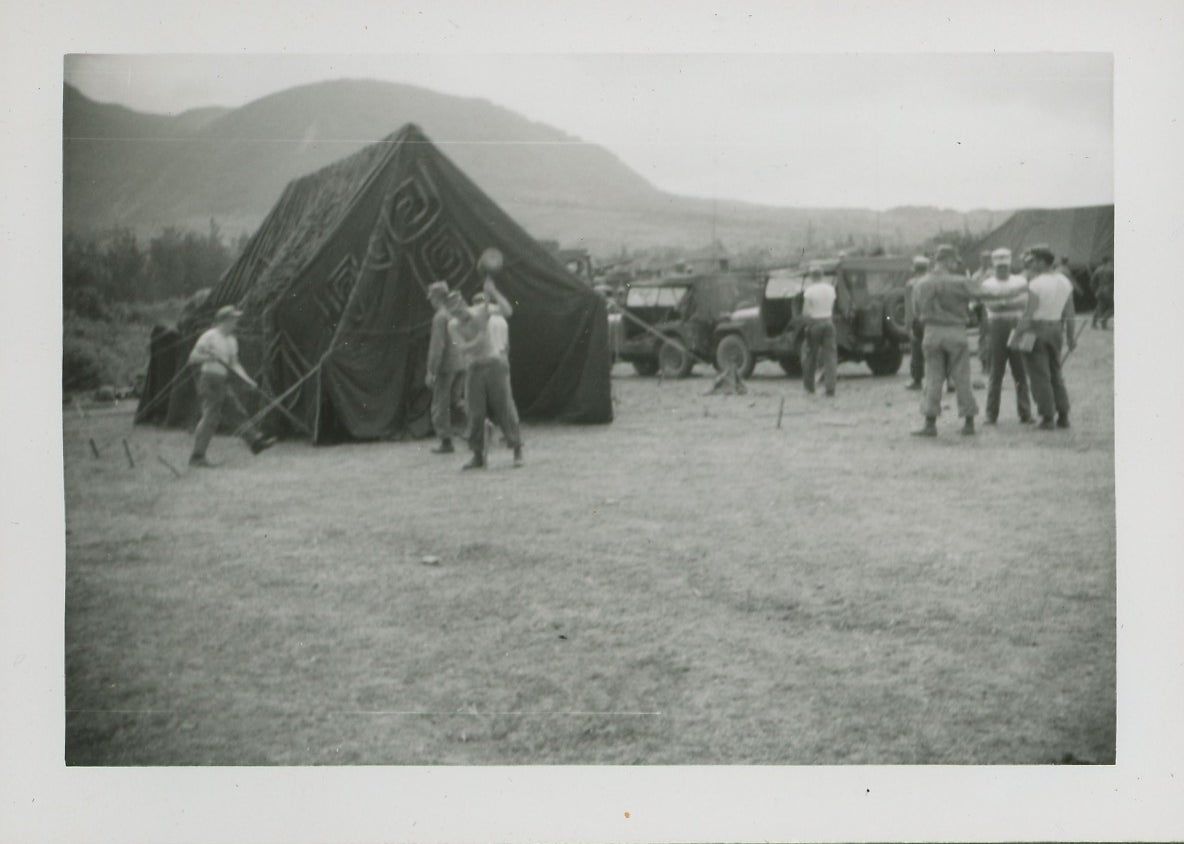
Other photos from Taiwan include shots of the ships; men outside their tents, vehicles, and straw huts, smoking and playing cards; some are city streets but most are of the countryside. Several notable photos show the Marines playing at being POWs: in one, a man poses with his hands on his head next to a sign reading “POW AND CAPTURED / EQUIPMENT COMPOUND”, and in another, one soldier pretends to march his fellow at gunpoint.
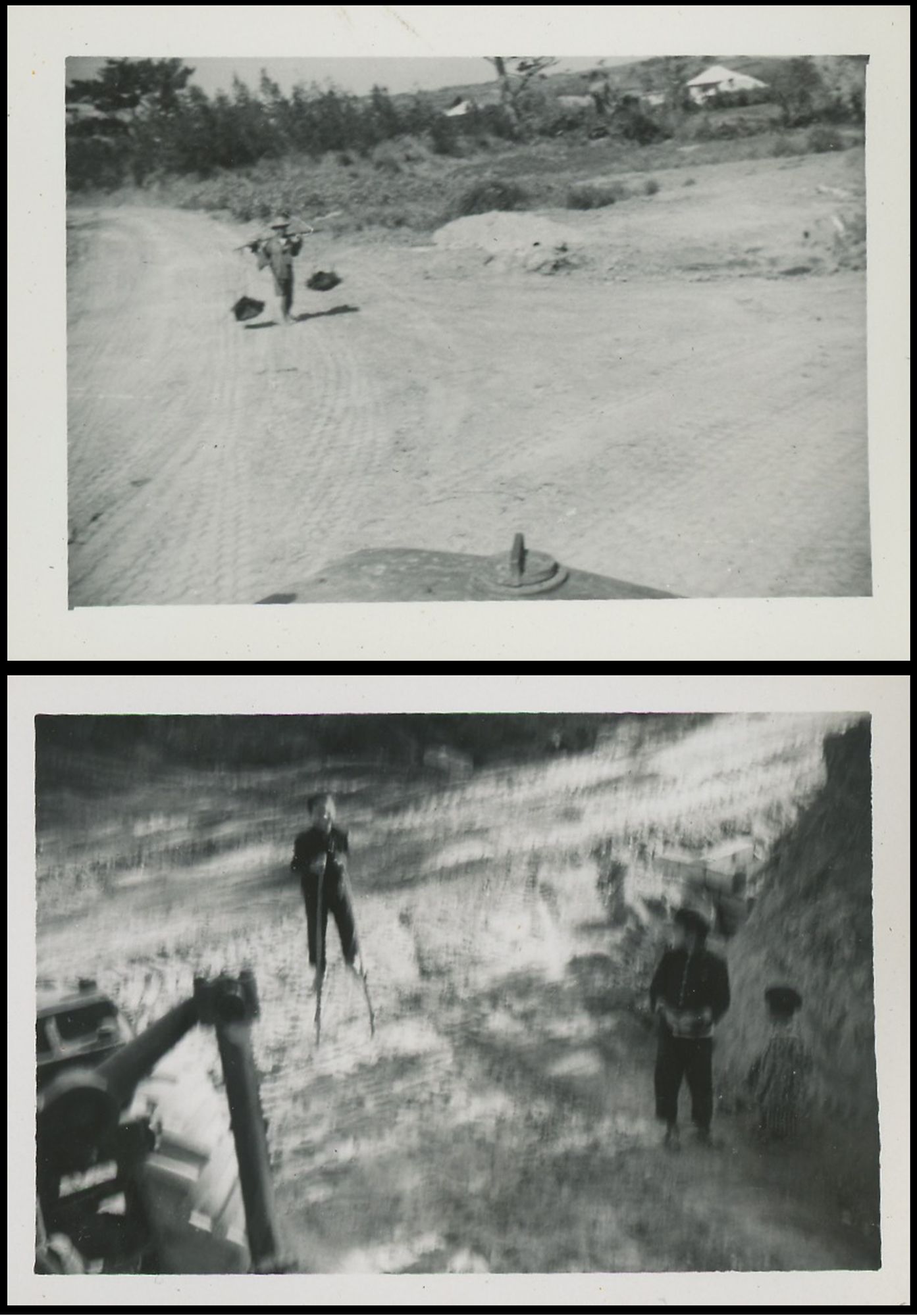
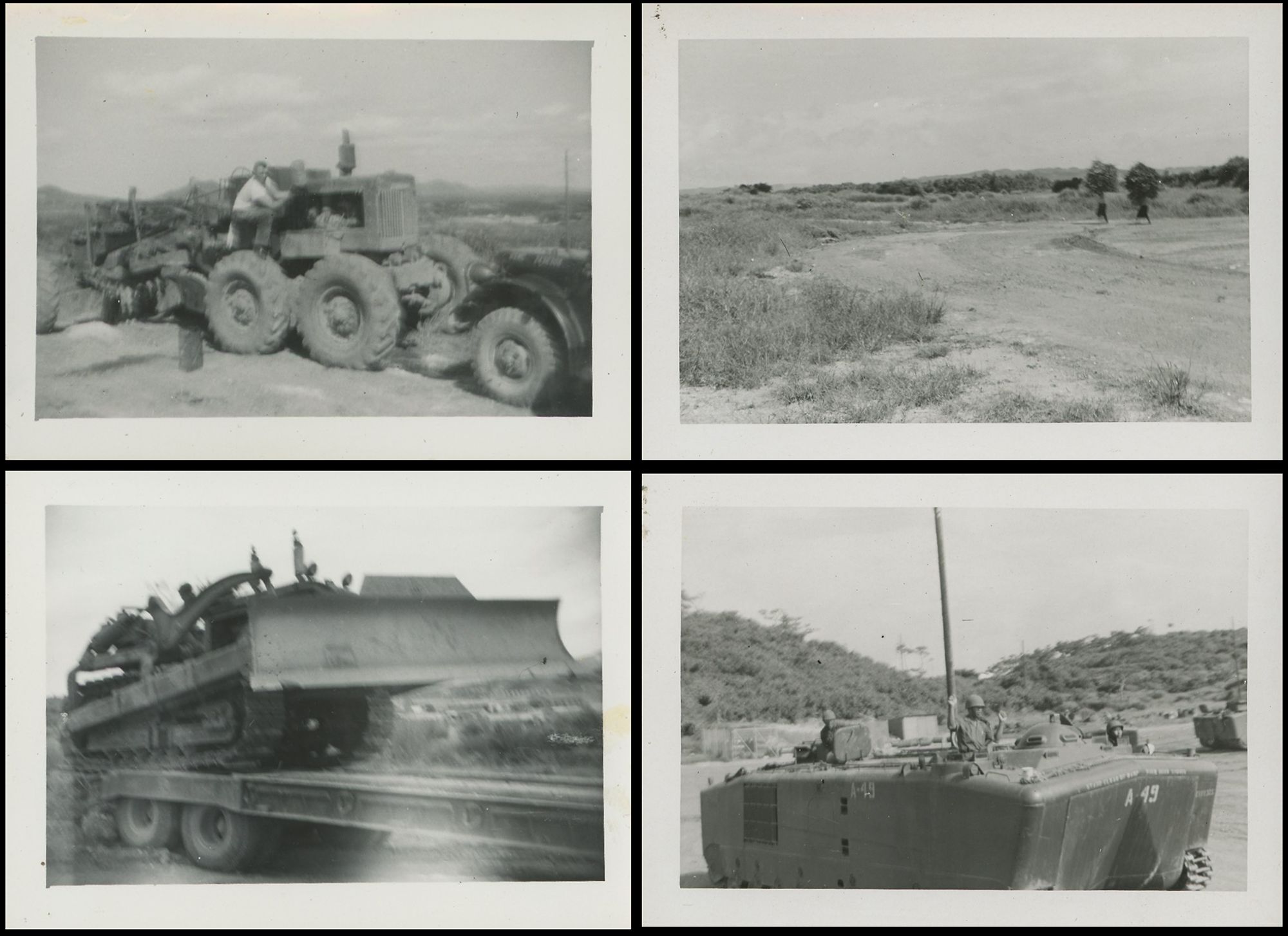
Photos from Okinawa show military vehicles, city streets, and American and Japanese men—many Okinawans were employed by the US military during its occupation. Many scenes appear to show construction efforts, with USMC-marked bulldozers and tractors driving around fields of dirt and rock in the countryside, with a few of these showing Okinawa residents as well.
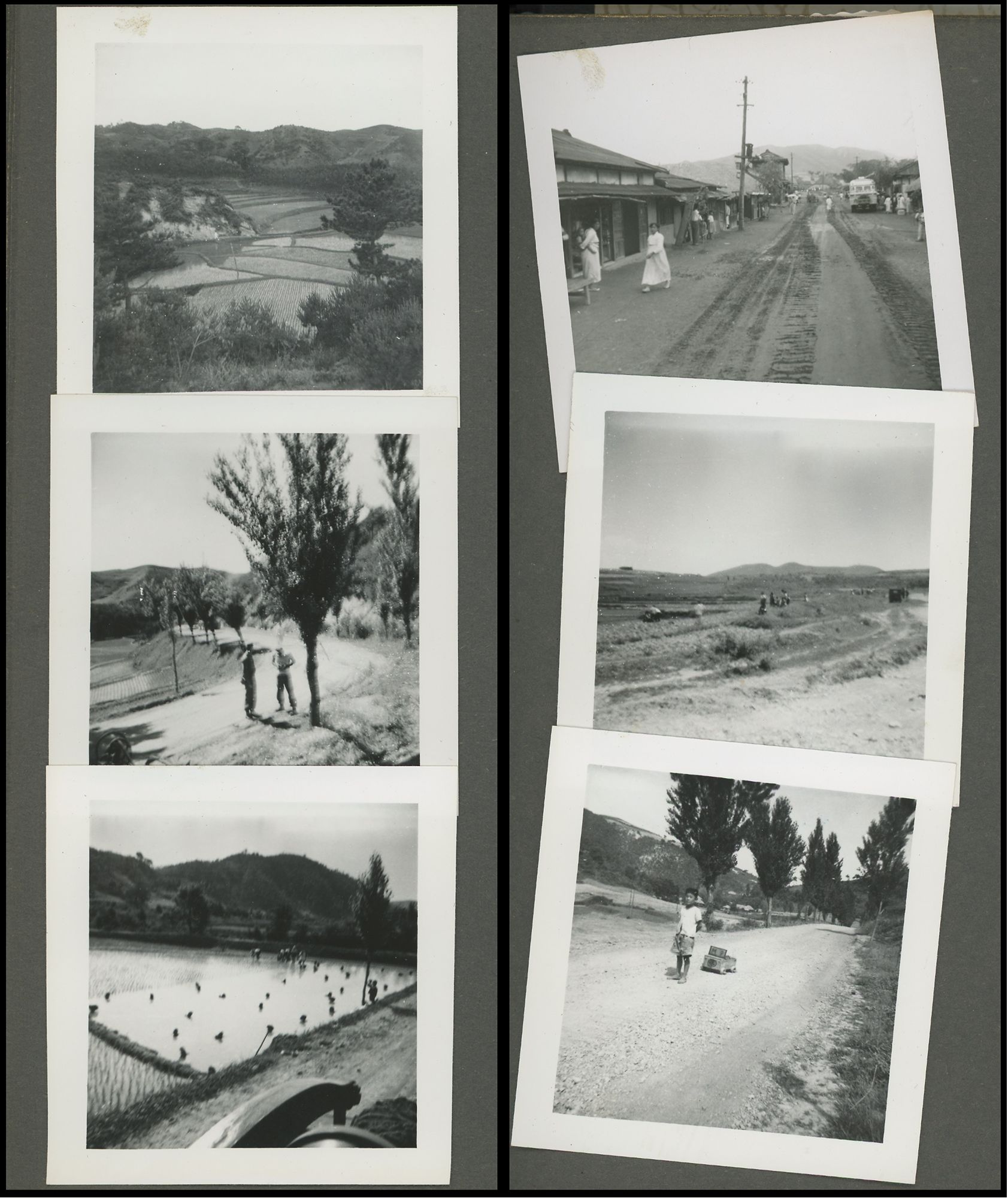
South Korea also played an active role in the Vietnam War. Photos from Korea show tanks and other vehicles along the coast and being loaded into ships, American soldiers driving and posing in the countryside, and several of village streets and residents.
Other subjects include target shooting, transit on a ship (captioned “WESTWARD HO / FAR EAST BOUND”), and some that appear to be family and scenery shots in the US dated April 1961.
Overall the album provides a look not just at the activities of the Marine Corps in the early US advisory era of the Vietnam War, but also the people and places of the US’s strategic activities in East Asia. Of interest to historians of the Vietnam War, Cold War, and US empire.
[1] Leo Chu, “‘A bloodless social revolution’: Land reform and multiple cropping in Cold War Taiwan, 1950–1979,” The history of crop science and the future of food 6, no. 5 (September 2024), 1104–1110.
The album appears to be divided between the three locations, each of which was strategic in the Cold War broadly and for American efforts in Vietnam in particular. It is highlighted by a series of photographs, apparently from Taiwan, showing agricultural workers planting and posing with their crops and children. In the 1950s, under the China Aid Act, the Sino-American Joint Commission on Rural Reconstruction (JCRR) had launched a land reform financed by American aid and staffed by ROC scientists. In the 1960s this program expanded to crop diversification and the creation of the Asian Vegetable Research and Development Center. These efforts towards agricultural development in Taiwan were, like other US efforts in the region, intended to contain the spread of Communism.[1]
Other photos from Taiwan include shots of the ships; men outside their tents, vehicles, and straw huts, smoking and playing cards; some are city streets but most are of the countryside. Several notable photos show the Marines playing at being POWs: in one, a man poses with his hands on his head next to a sign reading “POW AND CAPTURED / EQUIPMENT COMPOUND”, and in another, one soldier pretends to march his fellow at gunpoint.
Photos from Okinawa show military vehicles, city streets, and American and Japanese men—many Okinawans were employed by the US military during its occupation. Many scenes appear to show construction efforts, with USMC-marked bulldozers and tractors driving around fields of dirt and rock in the countryside, with a few of these showing Okinawa residents as well.
South Korea also played an active role in the Vietnam War. Photos from Korea show tanks and other vehicles along the coast and being loaded into ships, American soldiers driving and posing in the countryside, and several of village streets and residents.
Other subjects include target shooting, transit on a ship (captioned “WESTWARD HO / FAR EAST BOUND”), and some that appear to be family and scenery shots in the US dated April 1961.
Overall the album provides a look not just at the activities of the Marine Corps in the early US advisory era of the Vietnam War, but also the people and places of the US’s strategic activities in East Asia. Of interest to historians of the Vietnam War, Cold War, and US empire.
[1] Leo Chu, “‘A bloodless social revolution’: Land reform and multiple cropping in Cold War Taiwan, 1950–1979,” The history of crop science and the future of food 6, no. 5 (September 2024), 1104–1110.
Details
Title
Photo Album of a US Marine in Okinawa, Taiwan, and Korea, c. 1950s–1960s, with a Series Likely Documenting the Land and Crop Projects of the Sino-American Joint Commission on Rural Reconstruction in Taiwan
Author
[Vietnam War – Marine Corps – East Asia] Unknown Photographer
Binding
15 ¼ x 11 inch album with attractive painted cover containing approximately 235 photos, mainly 3 ½ x 5 inches and smaller. Con
Condition
Unknown
Publisher
Japan, Taiwan, Korea, and the US
Date
1960