

Dell'Historia Natvrale di Ferrante Imperato Napoletano Libri XXVIII: nella qvale ordinatamente si tratta della diuersa condition di miniere e pietre: con alcune historie di piante & animali, sin'hora non date in luce
- Hardcover
- In Napoli: Nella Stamparia à Porta Reale per Costantino Vitale, 1599
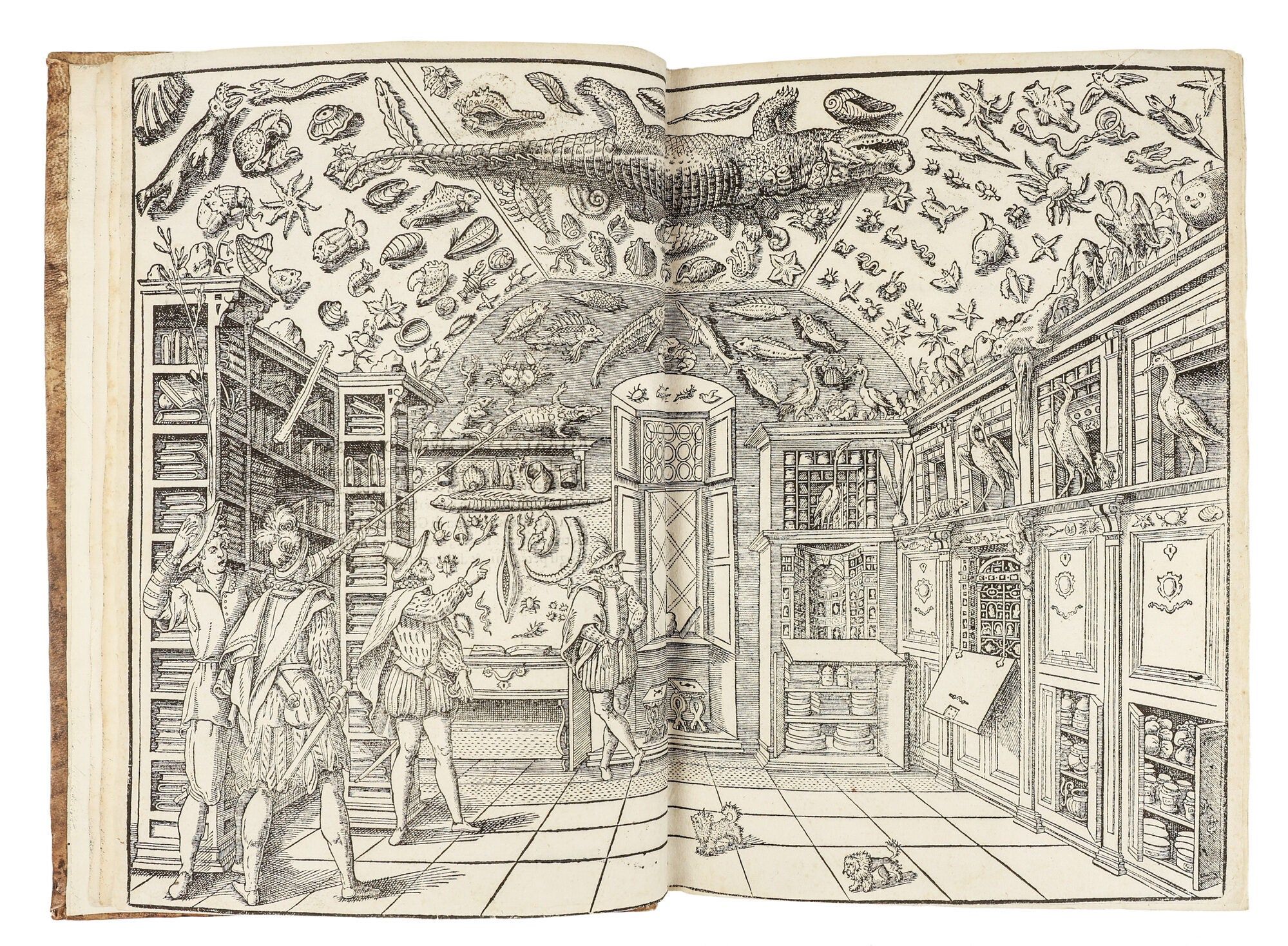
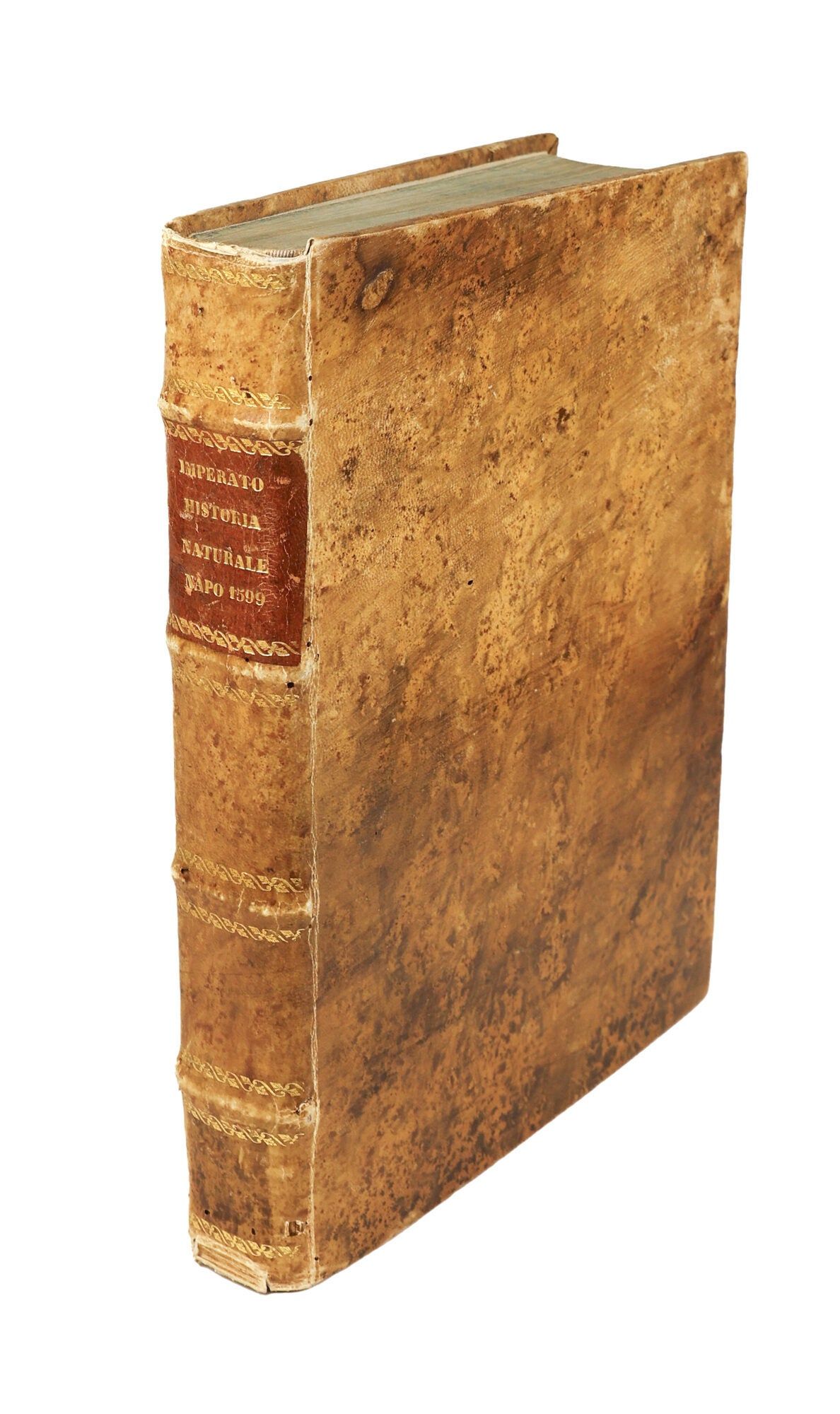
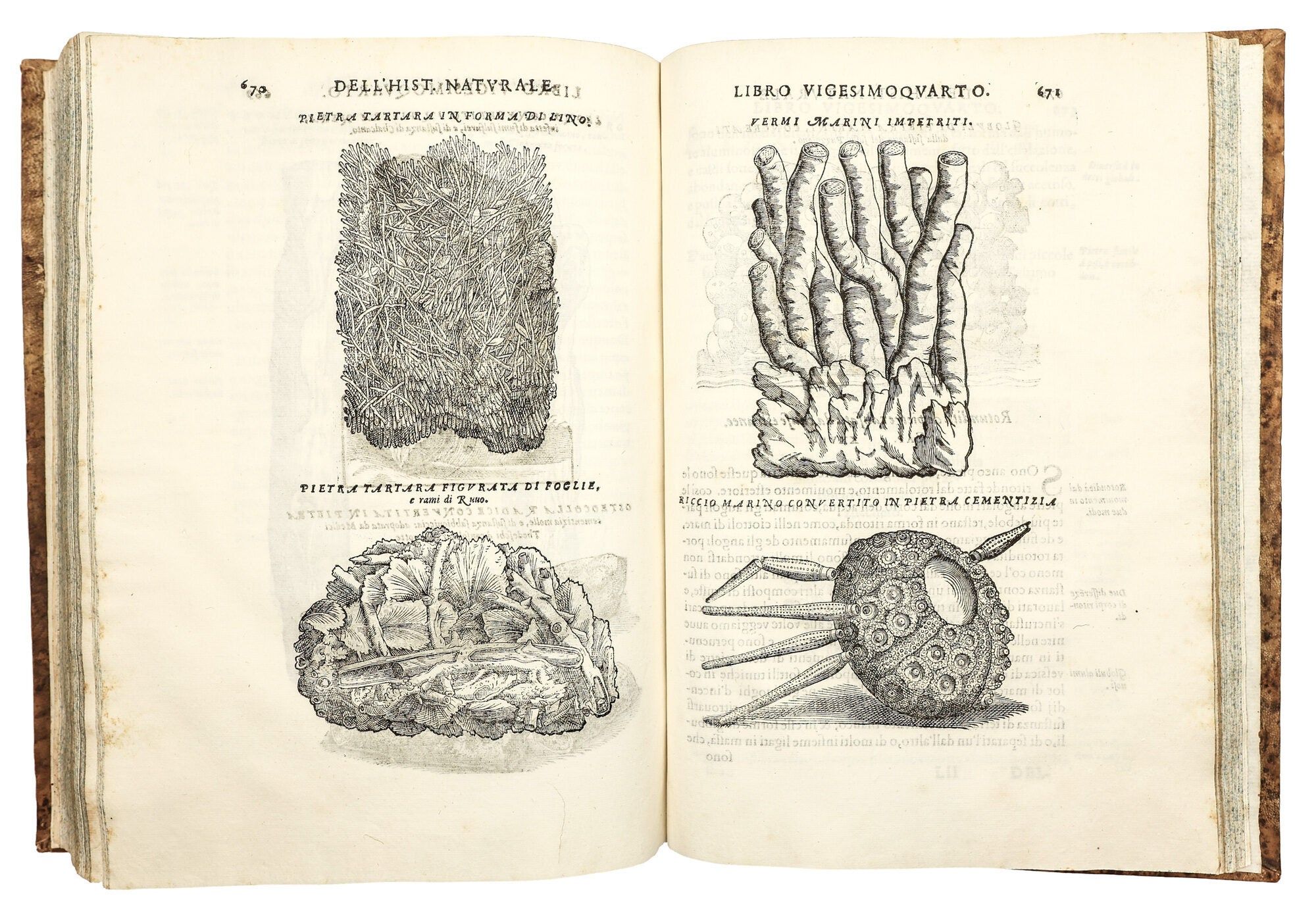
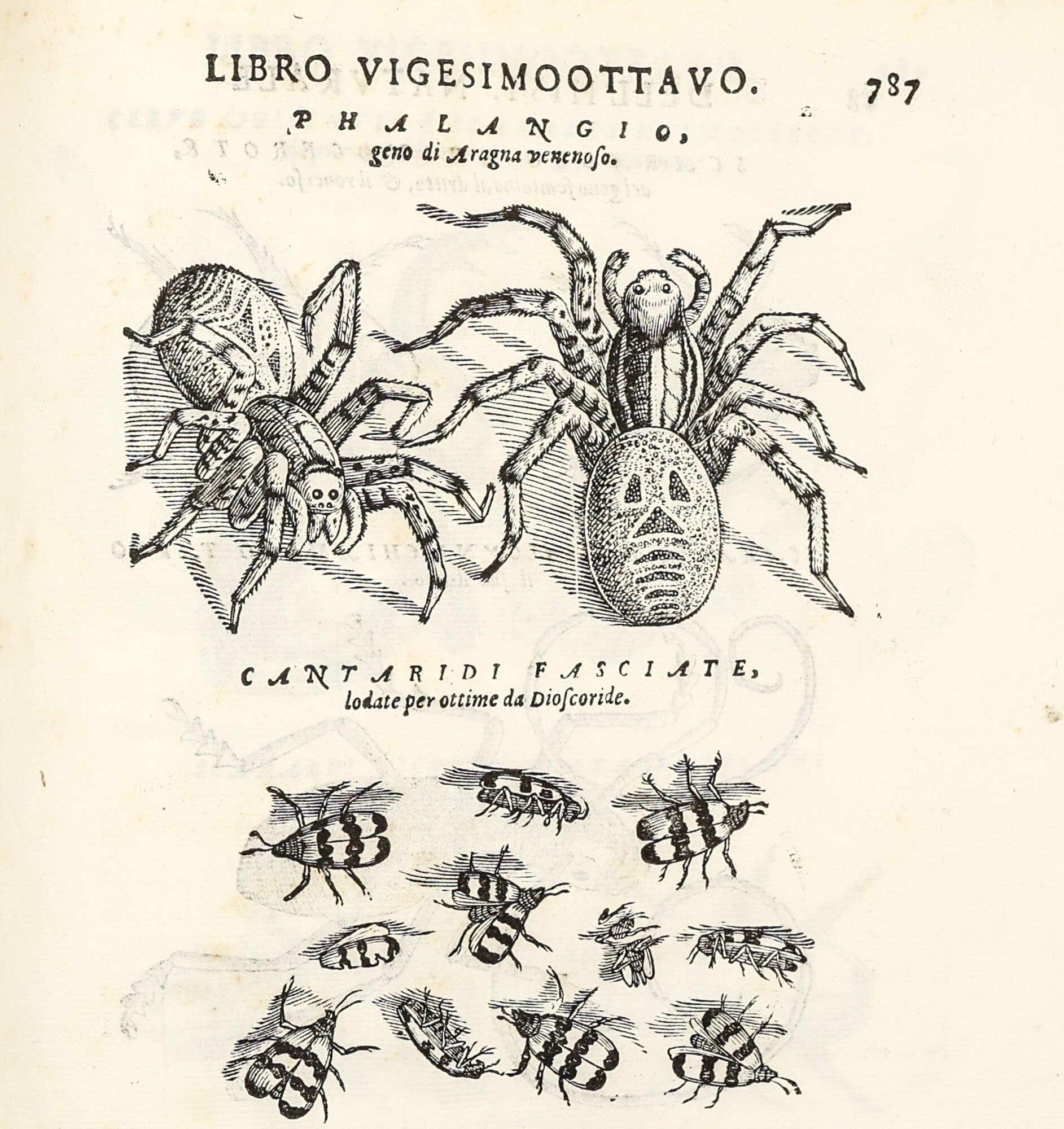
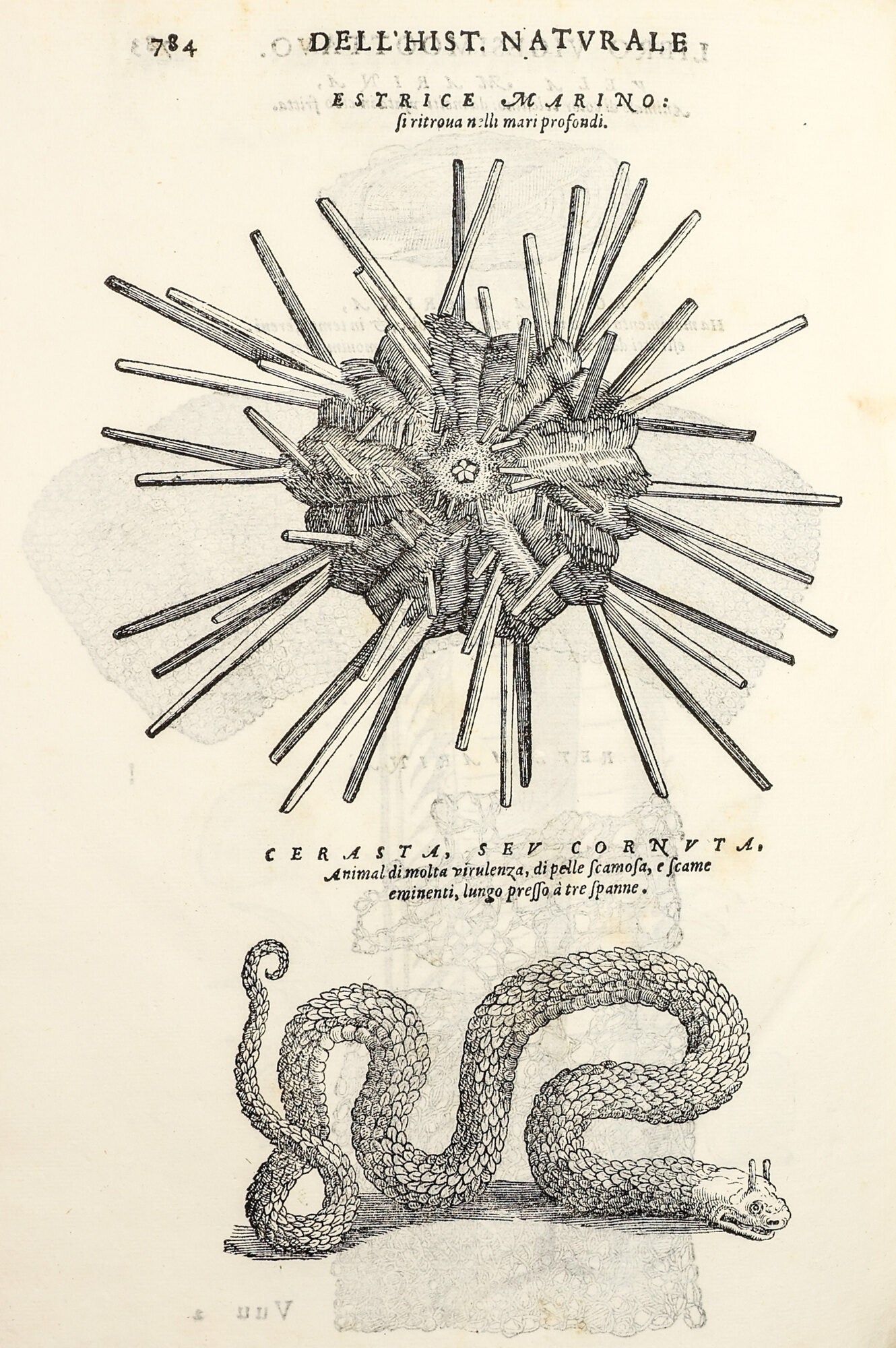
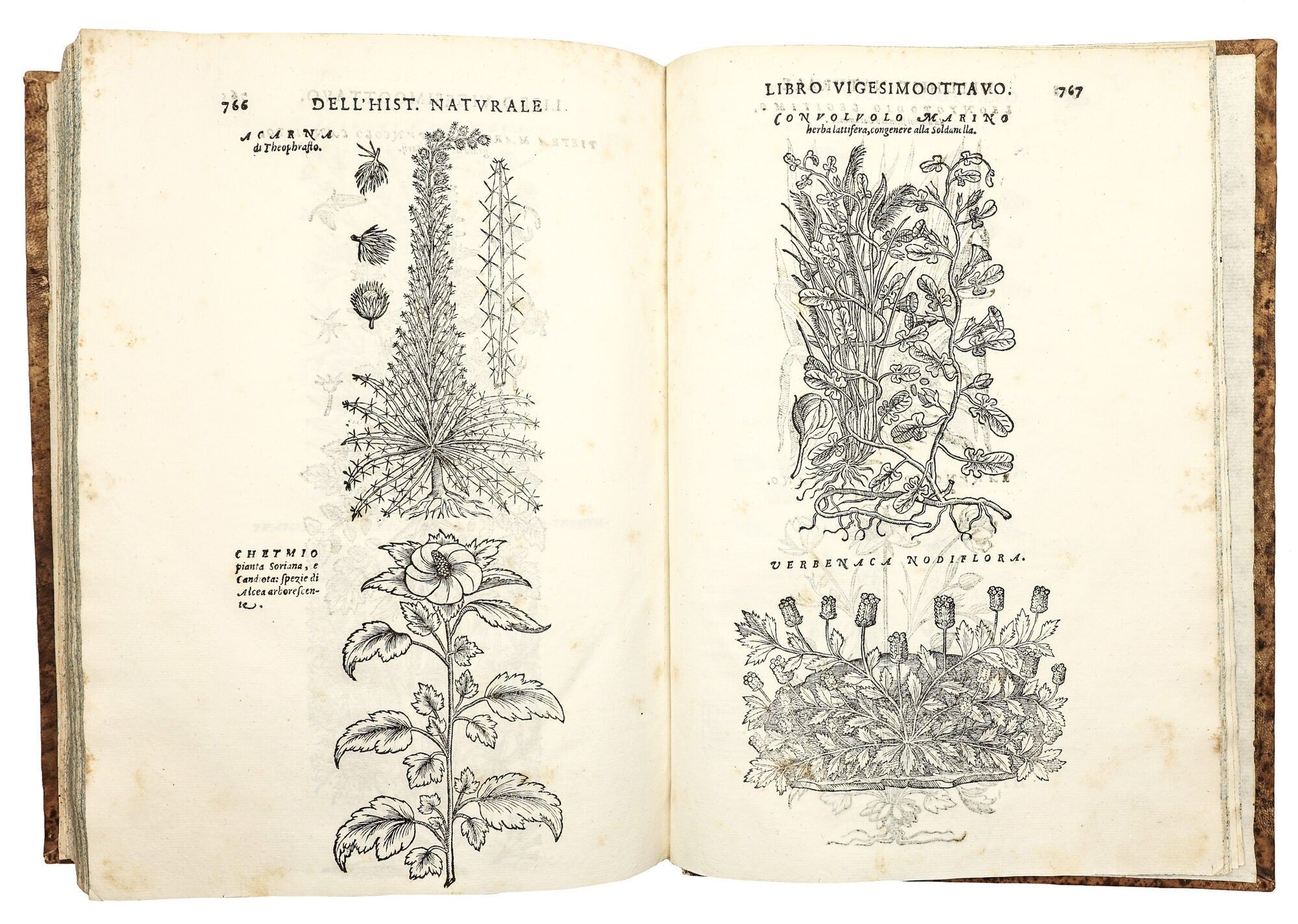
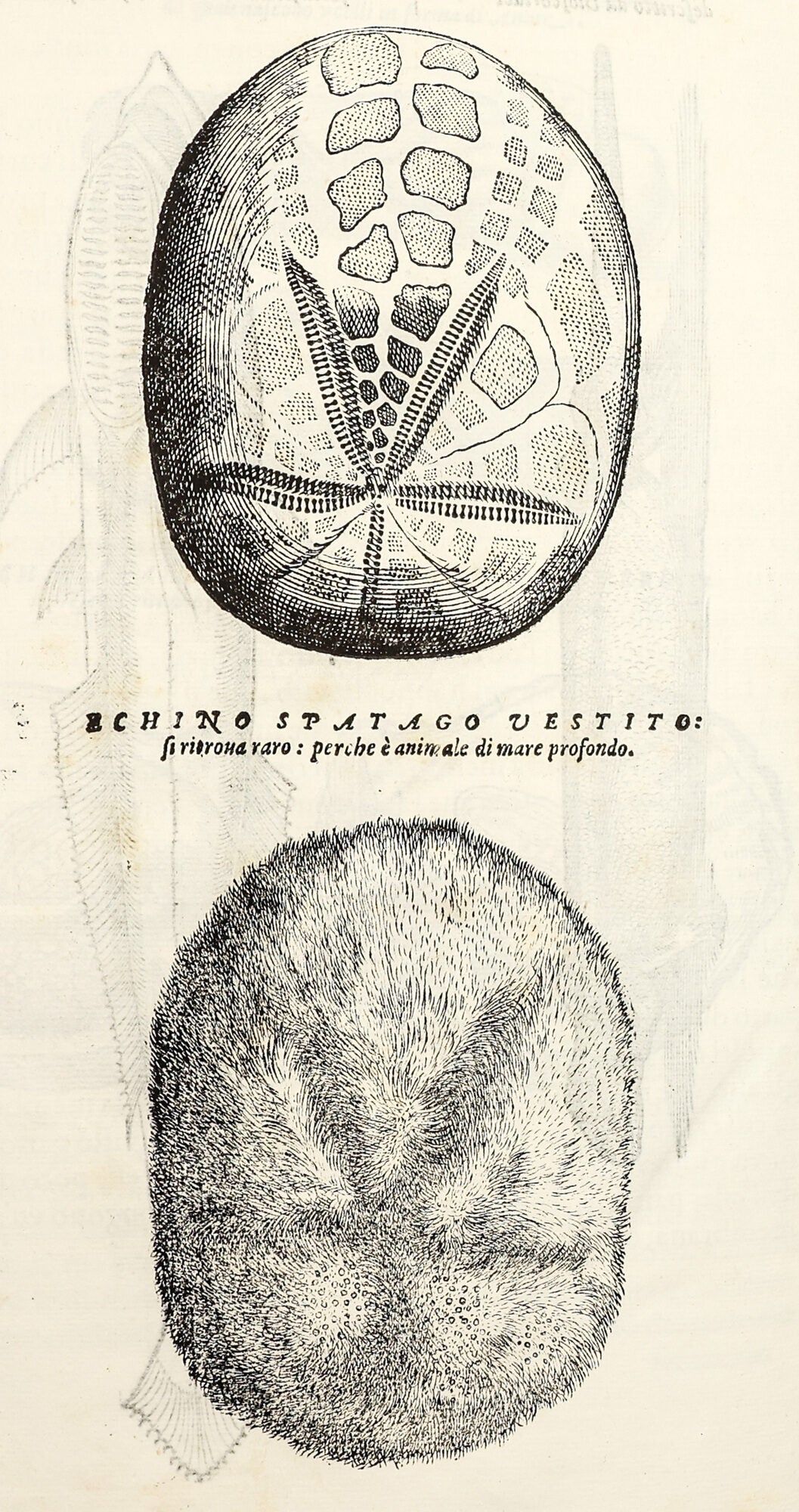
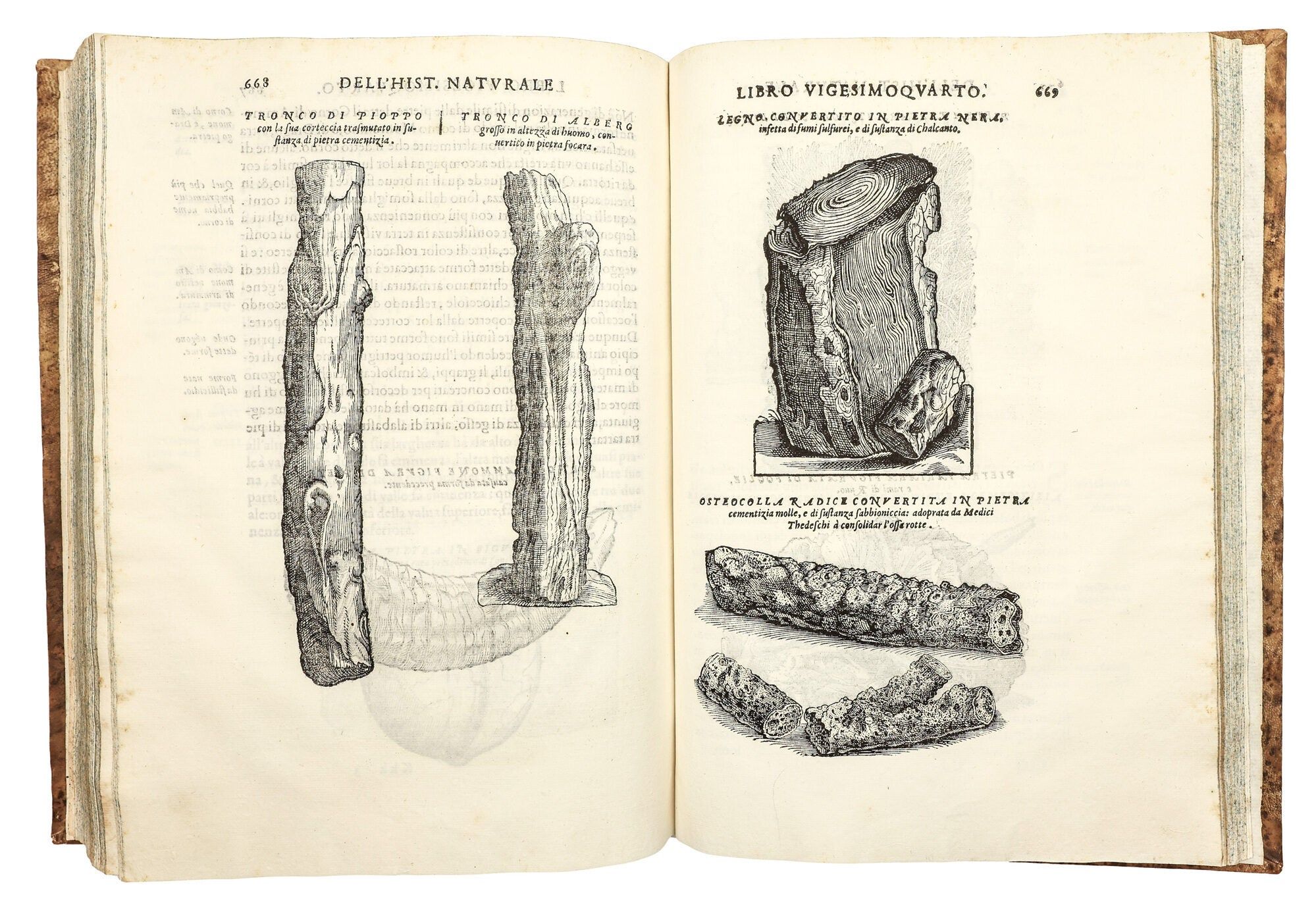
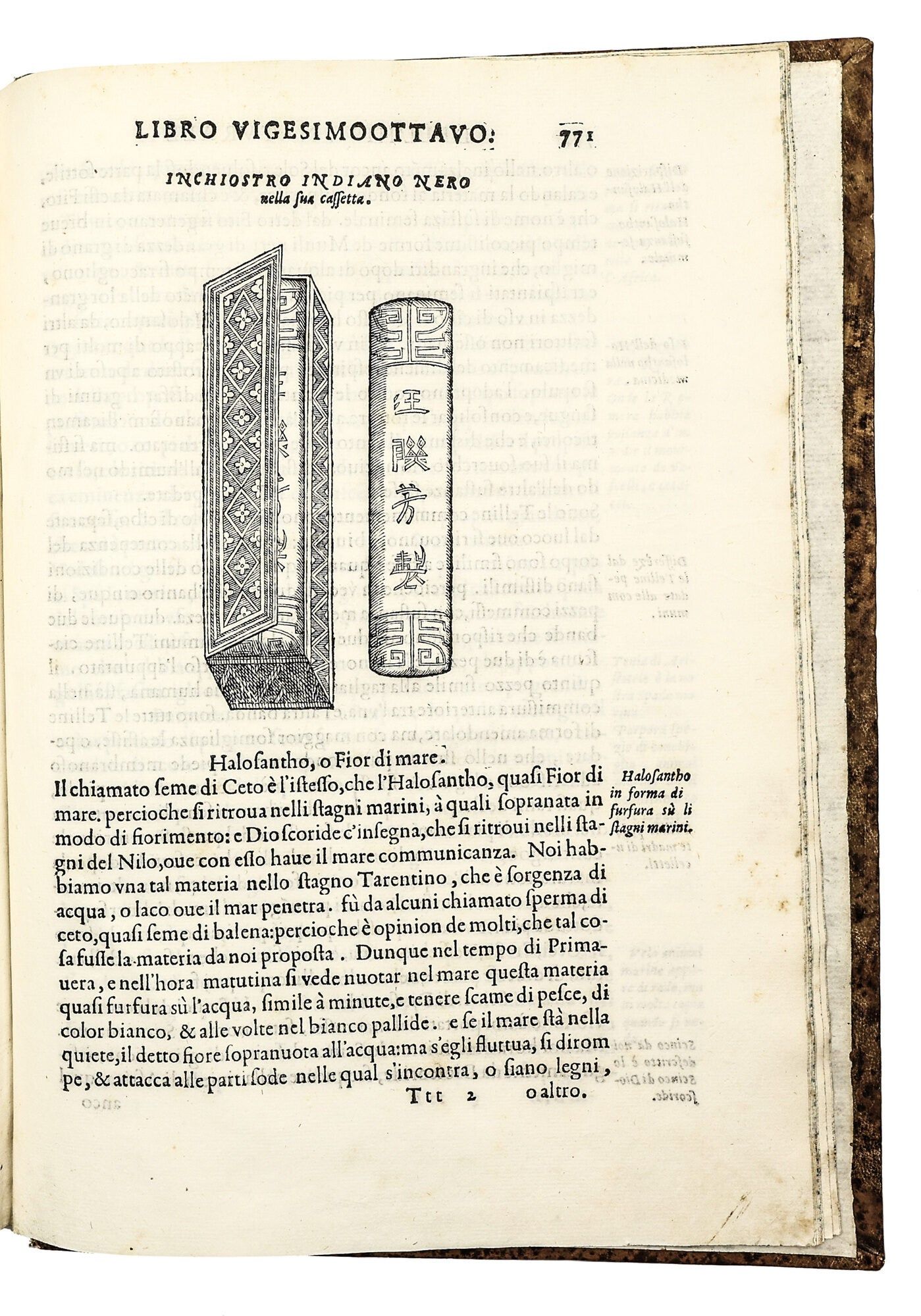
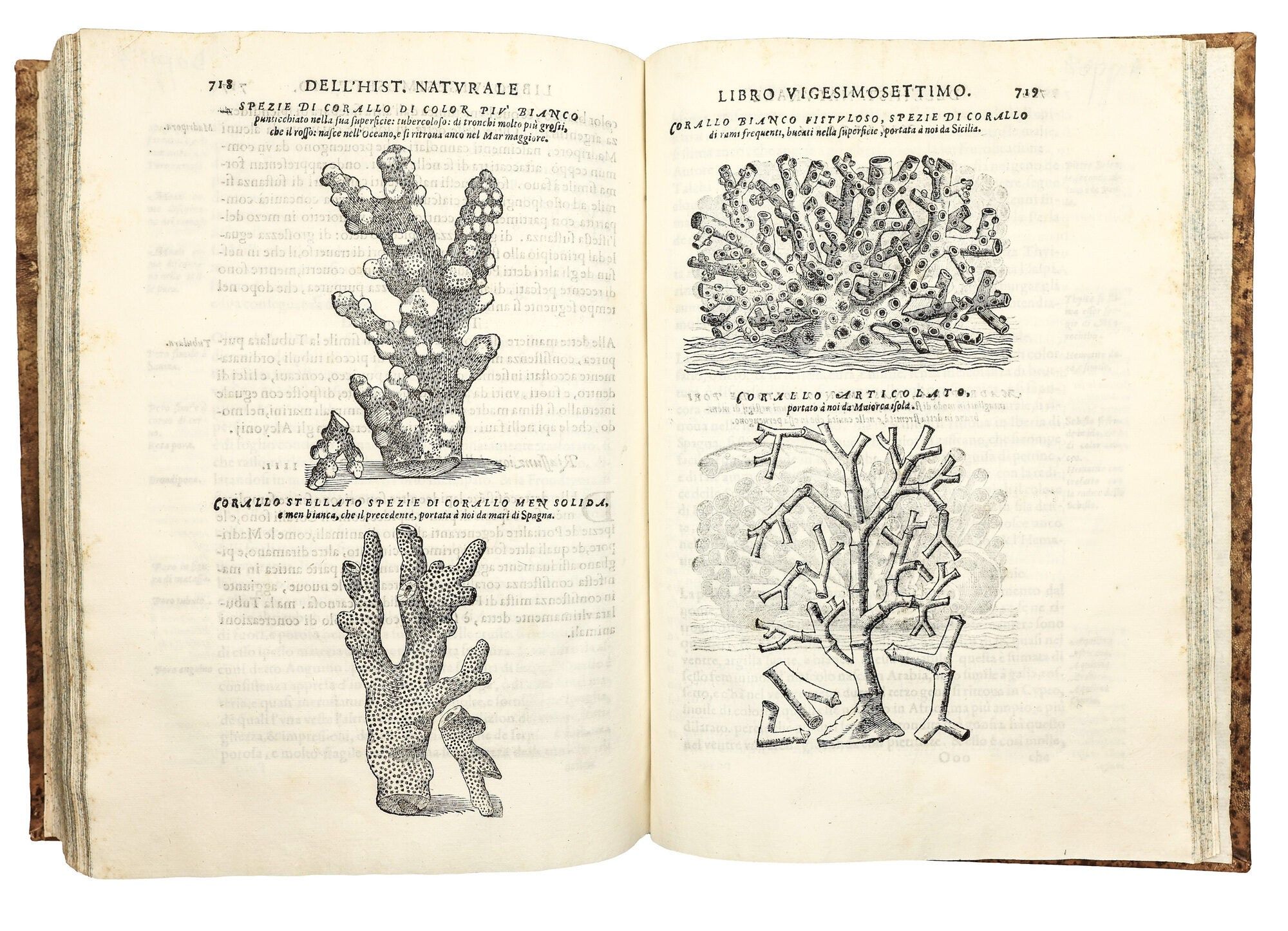
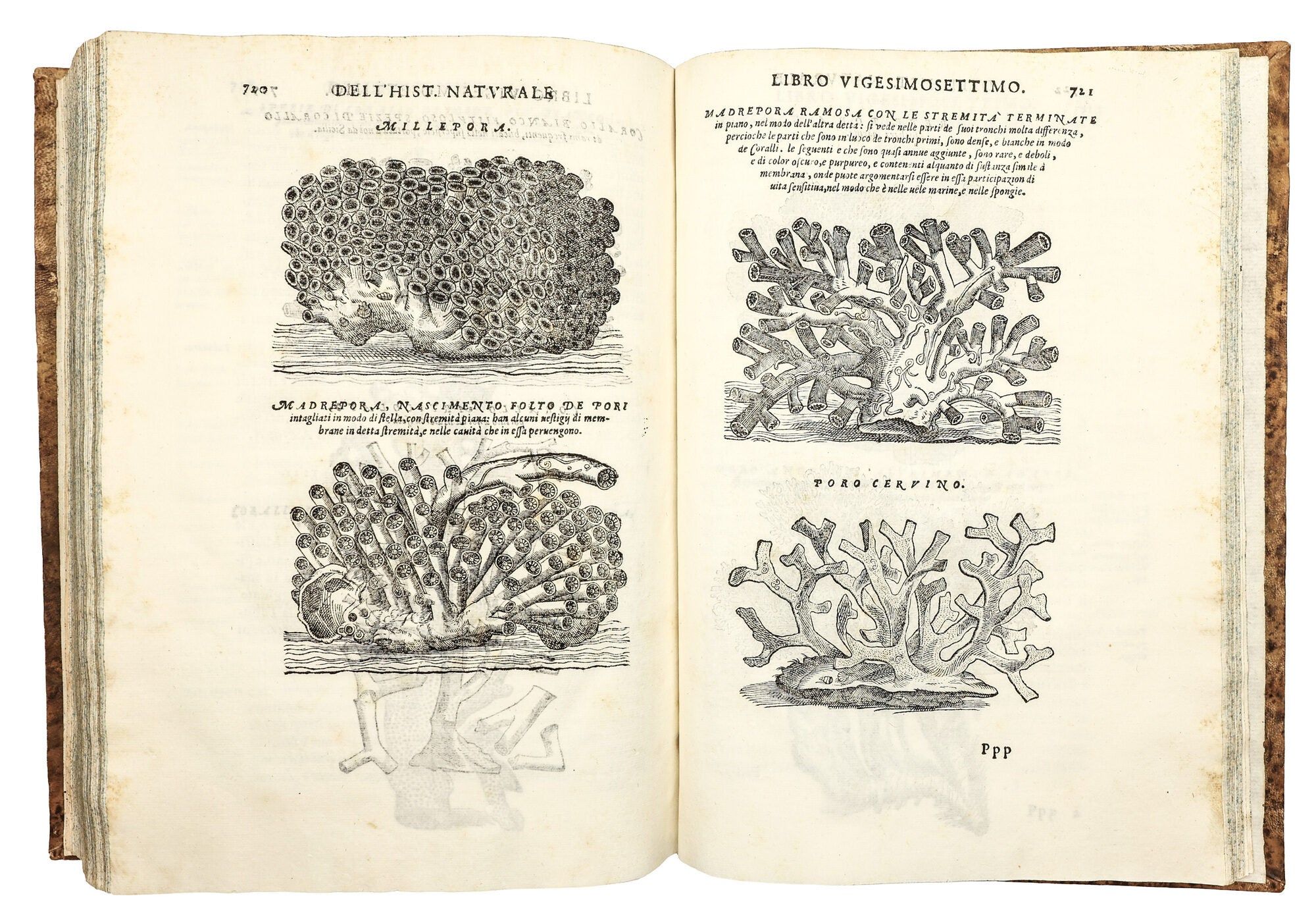
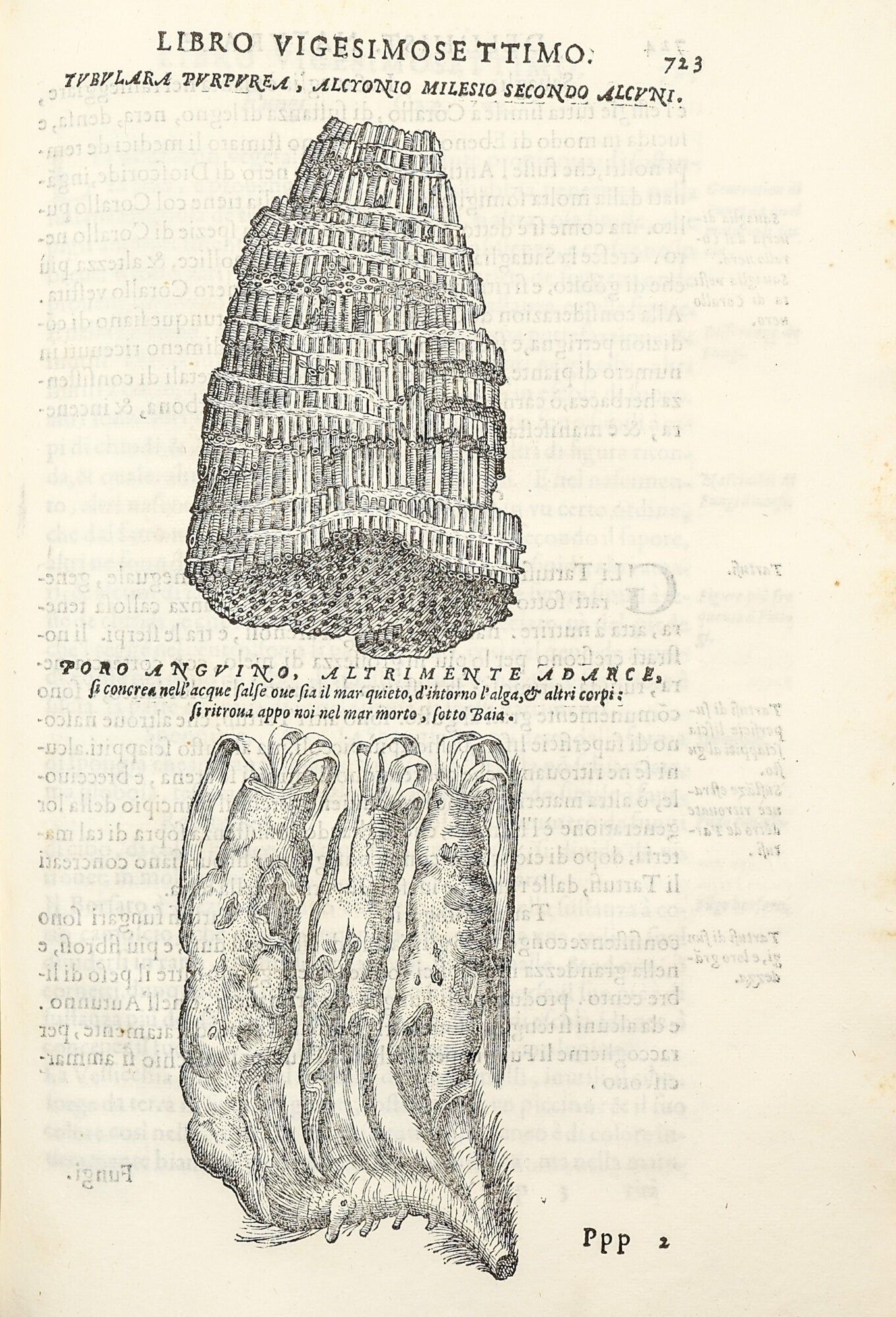
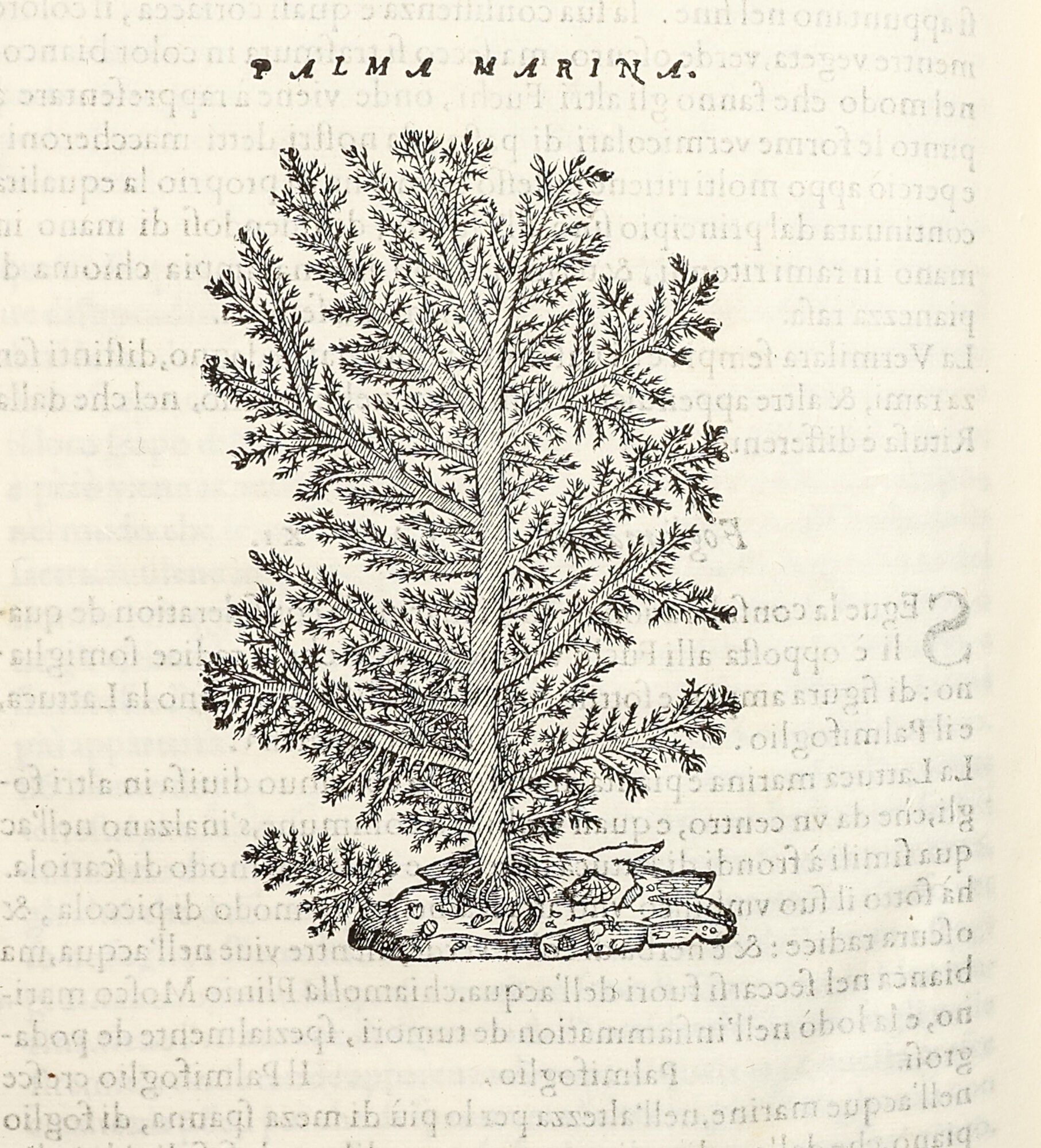
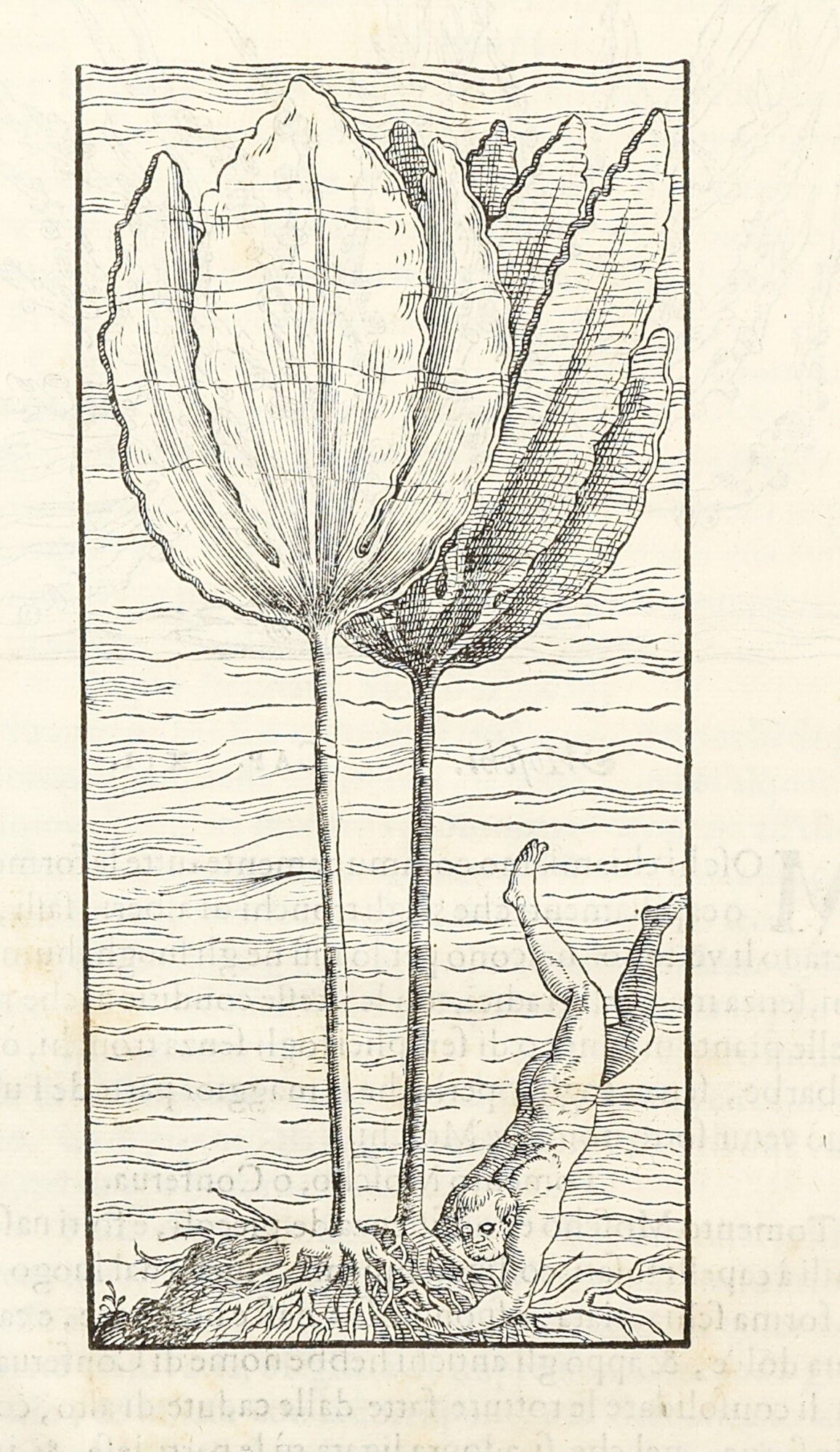
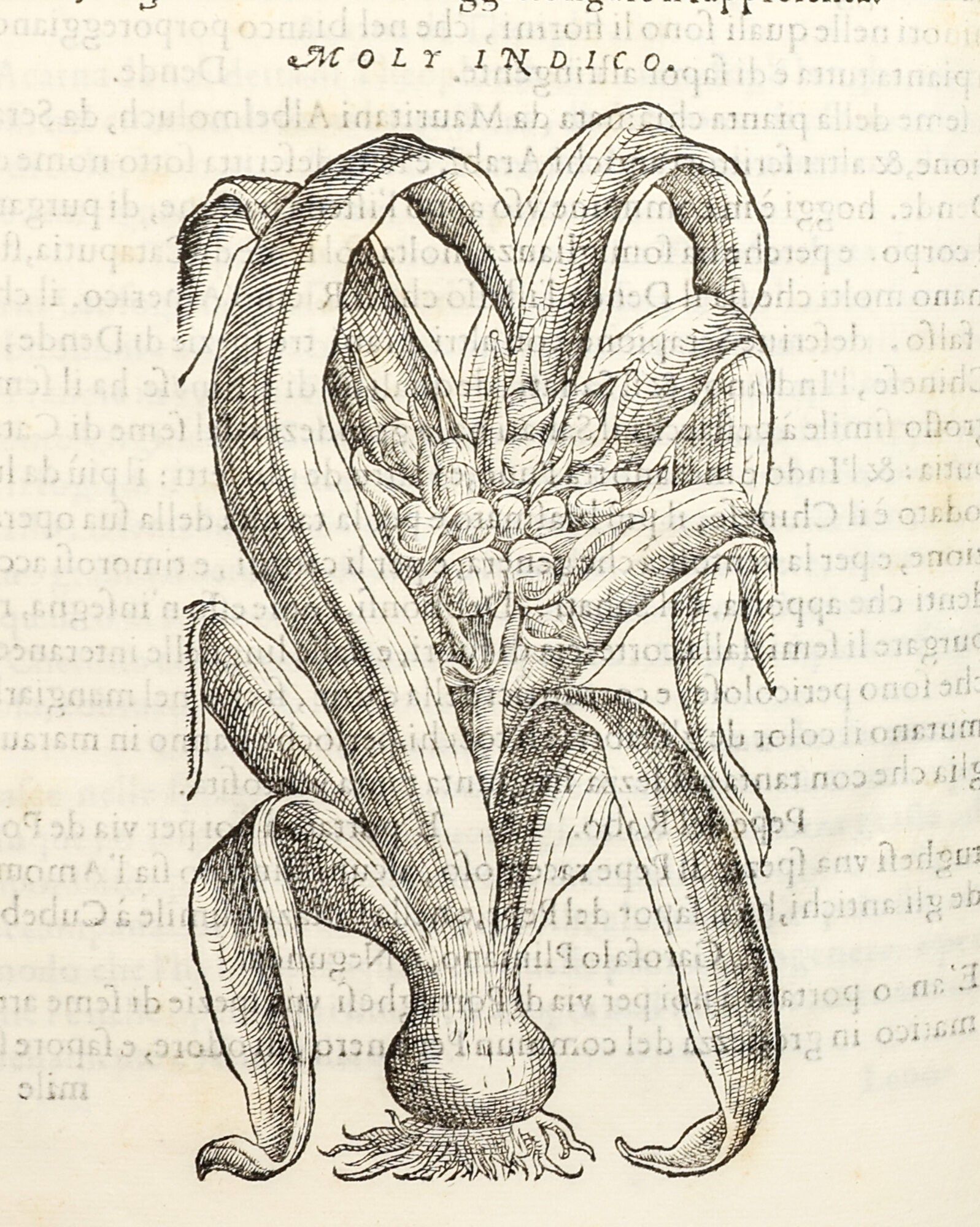
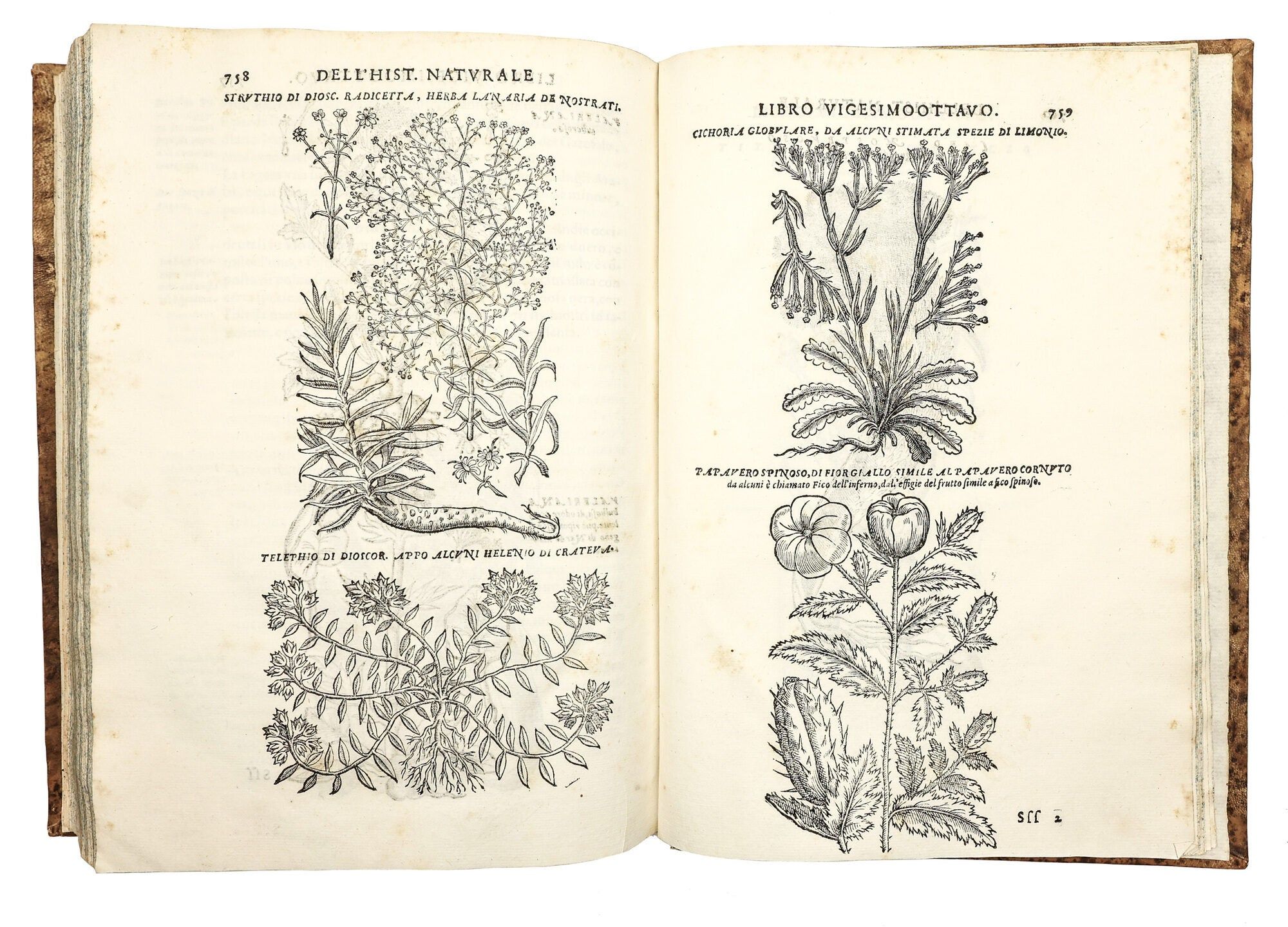
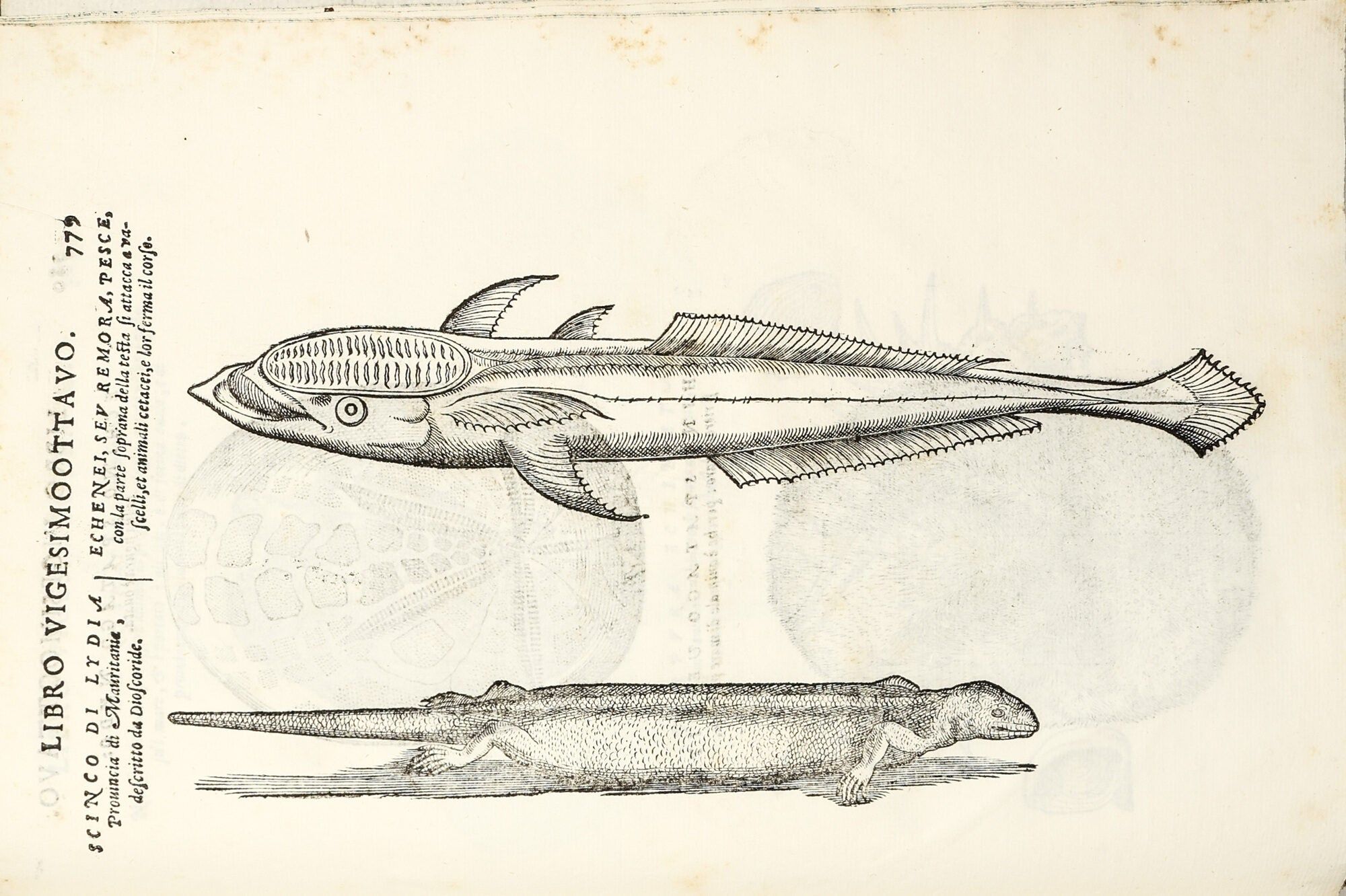
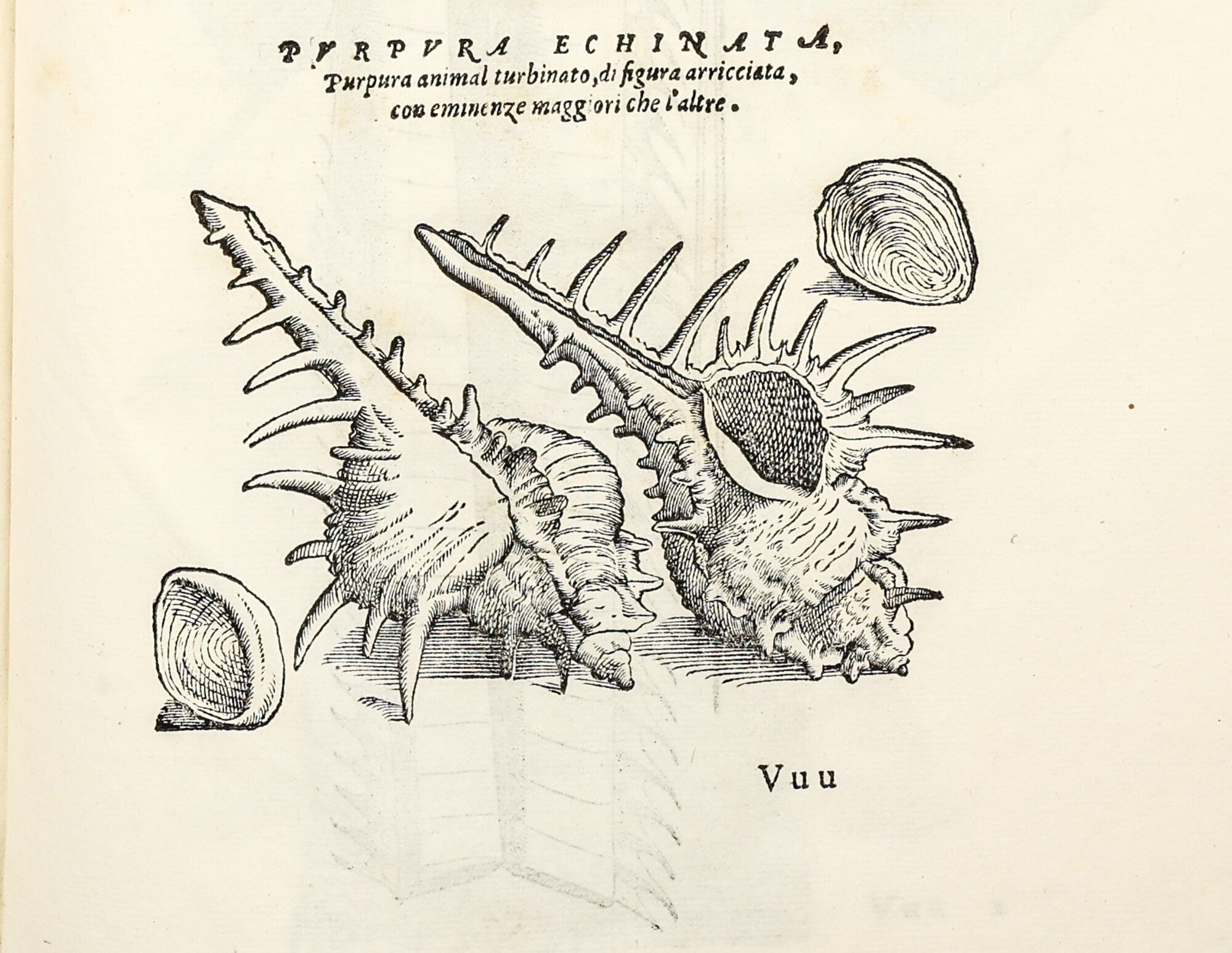
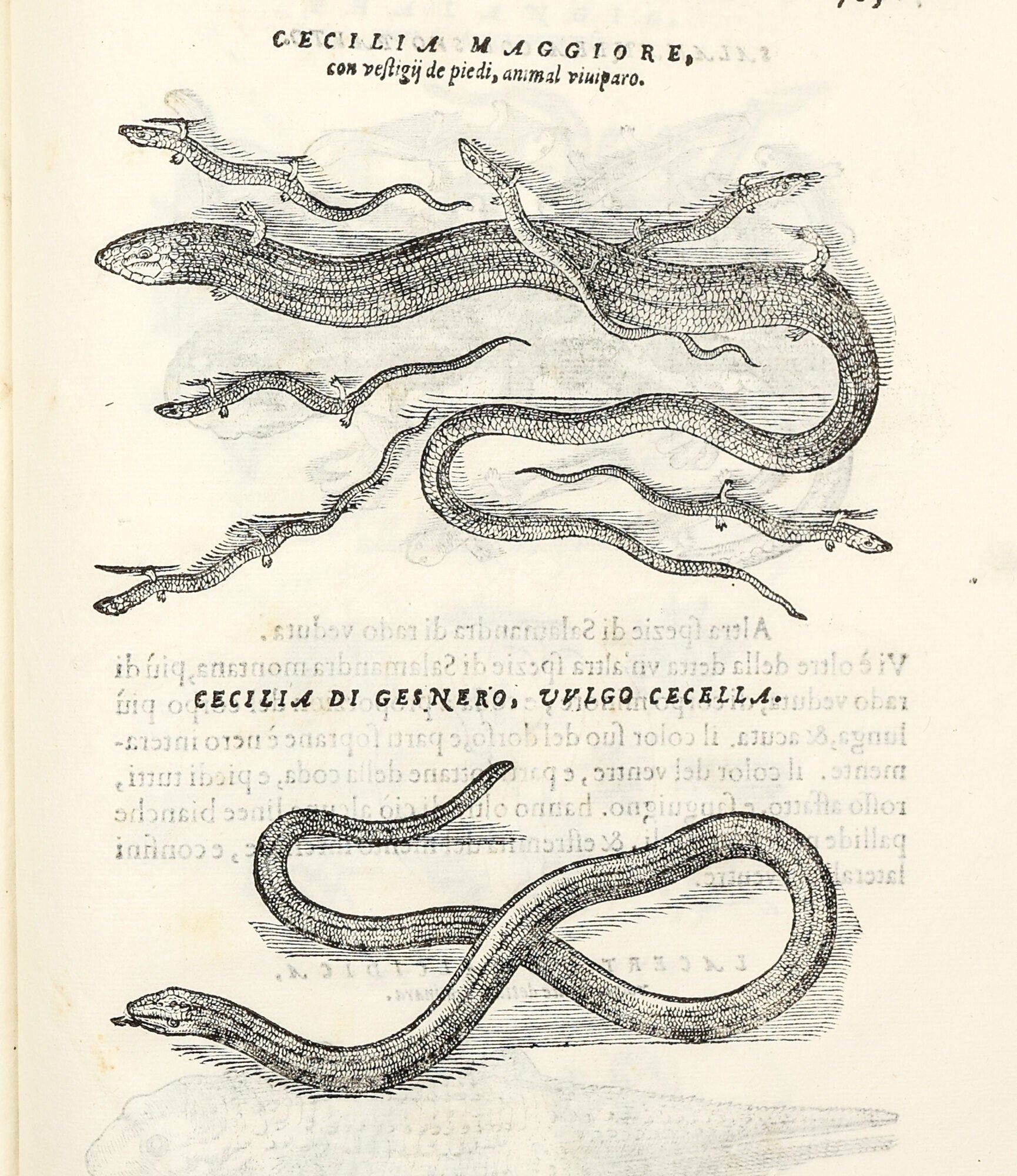
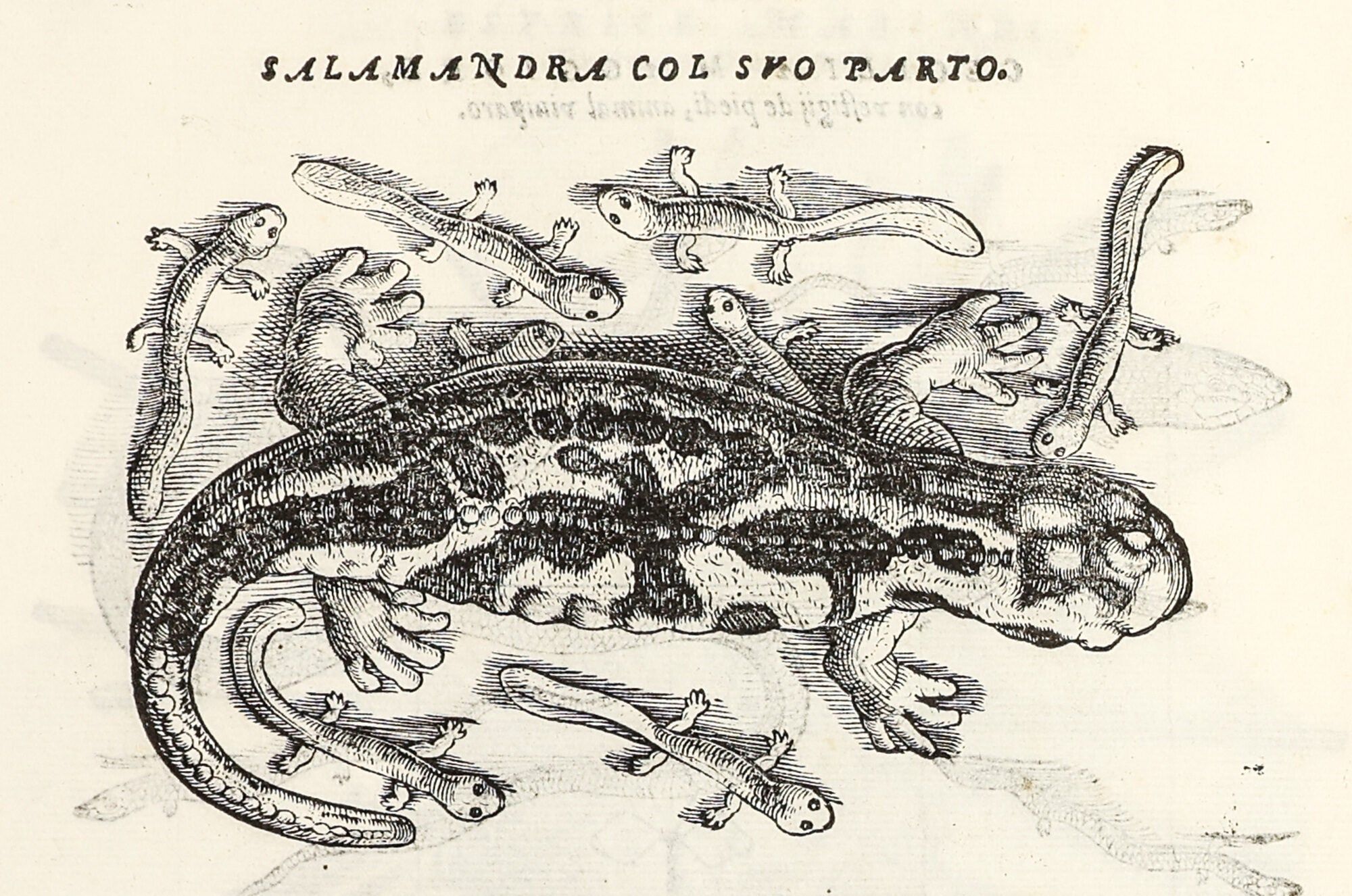
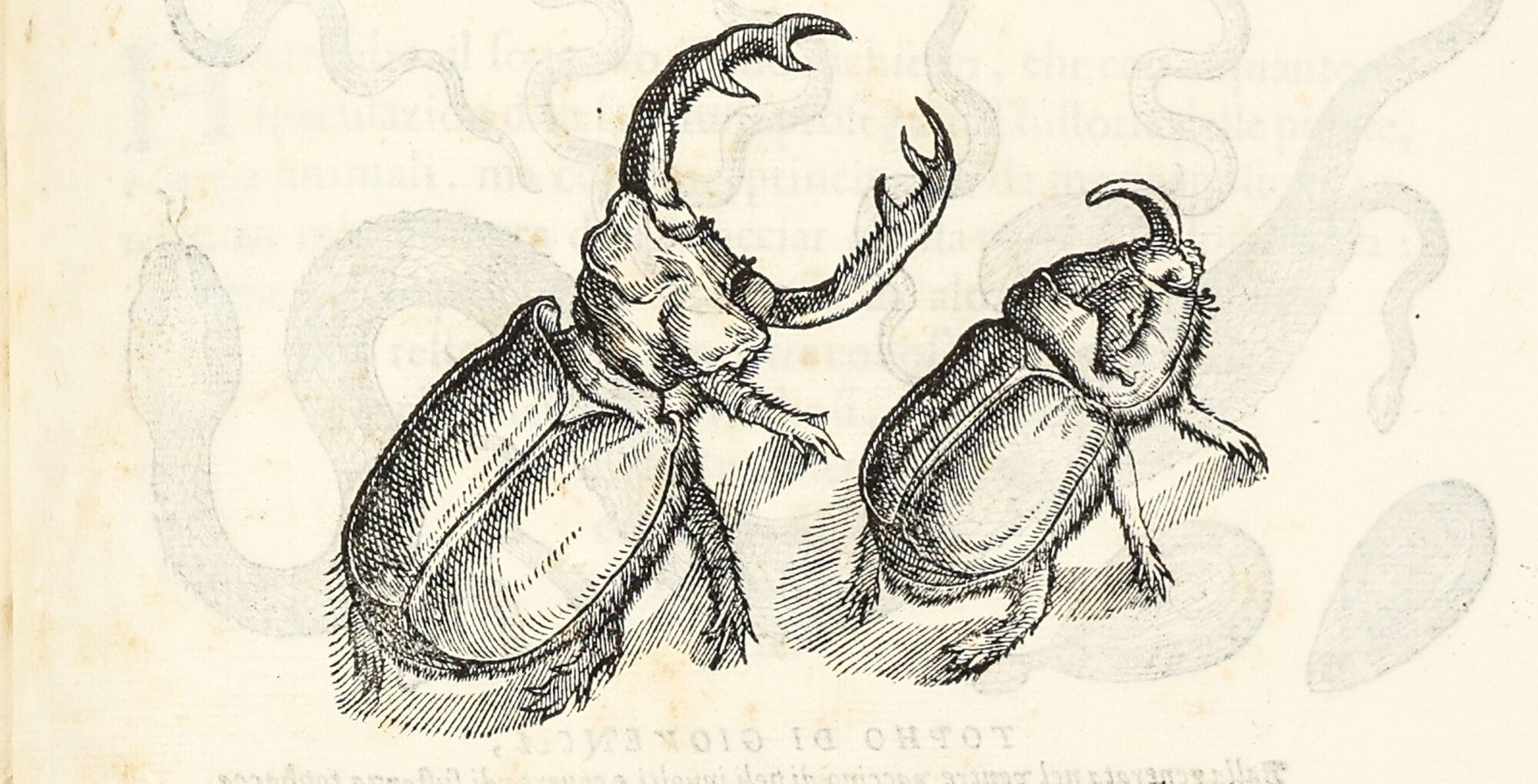
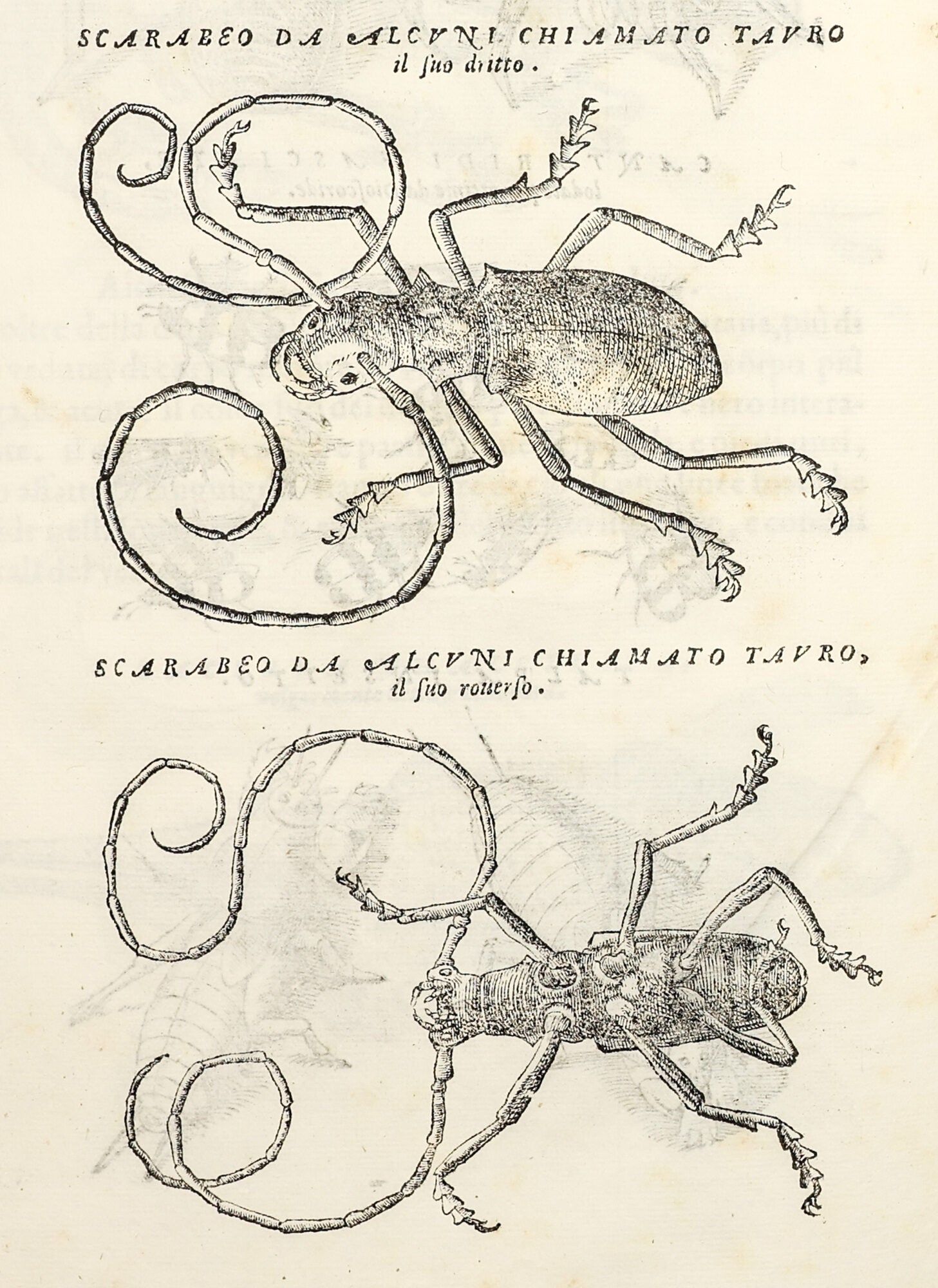
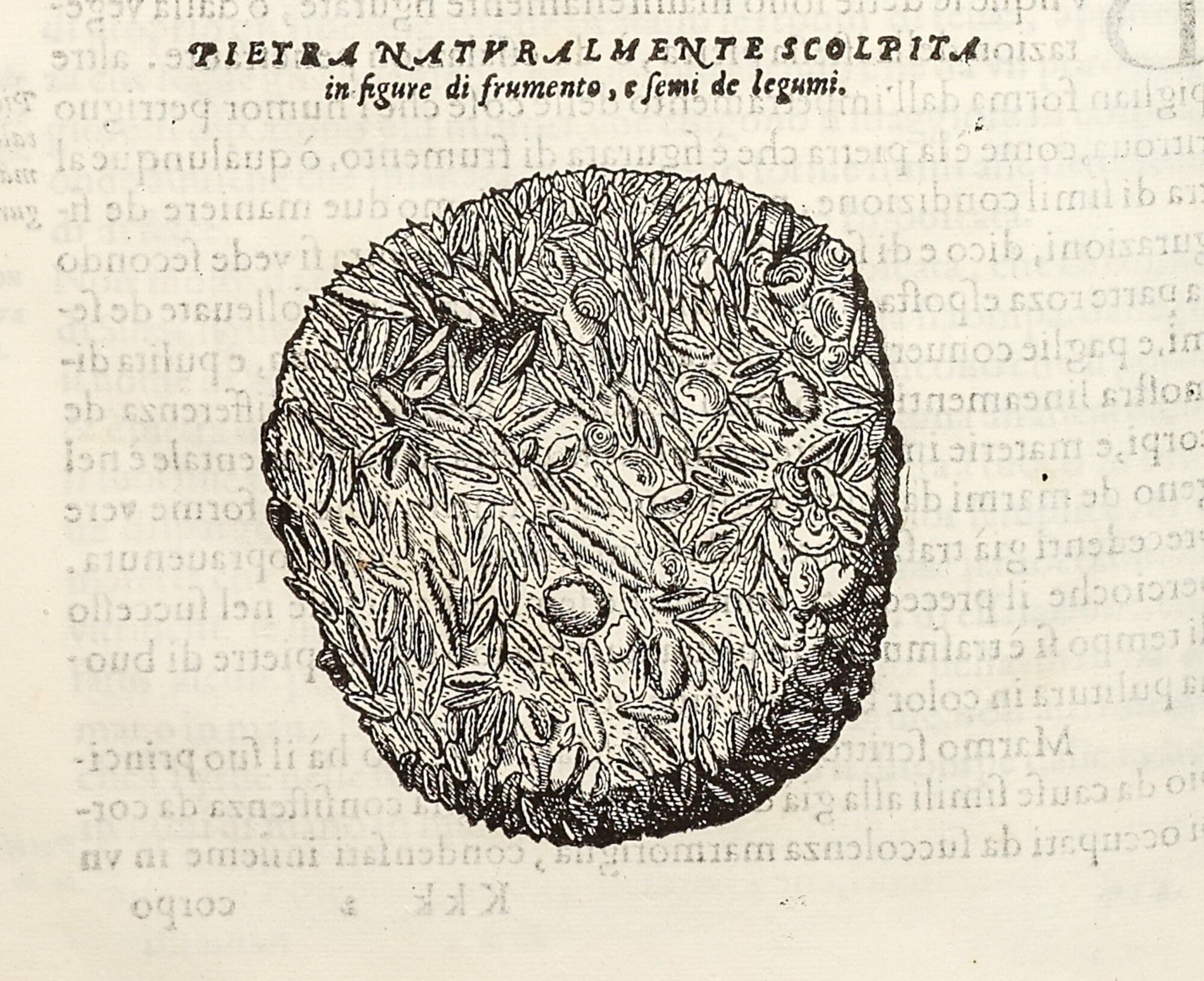
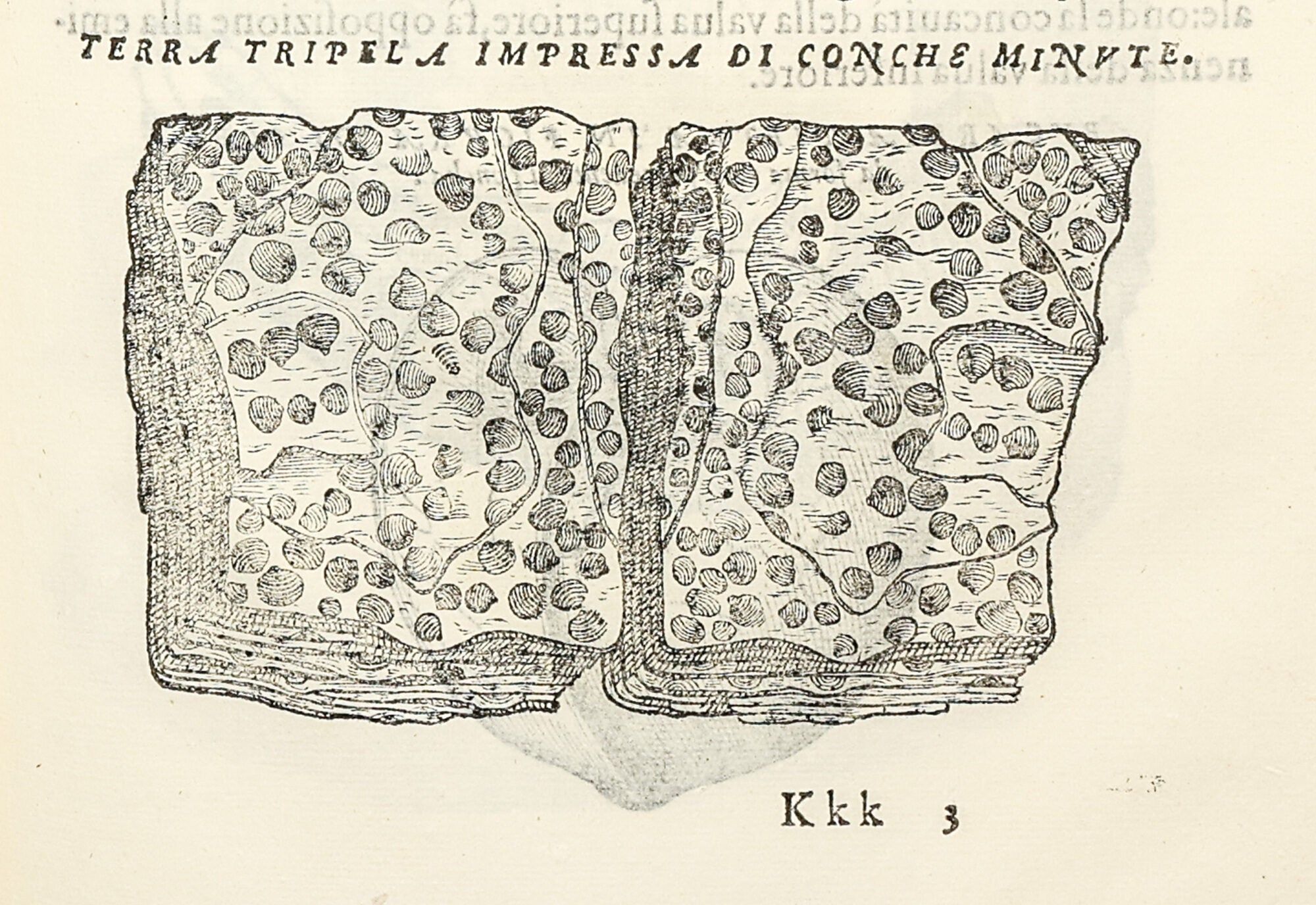
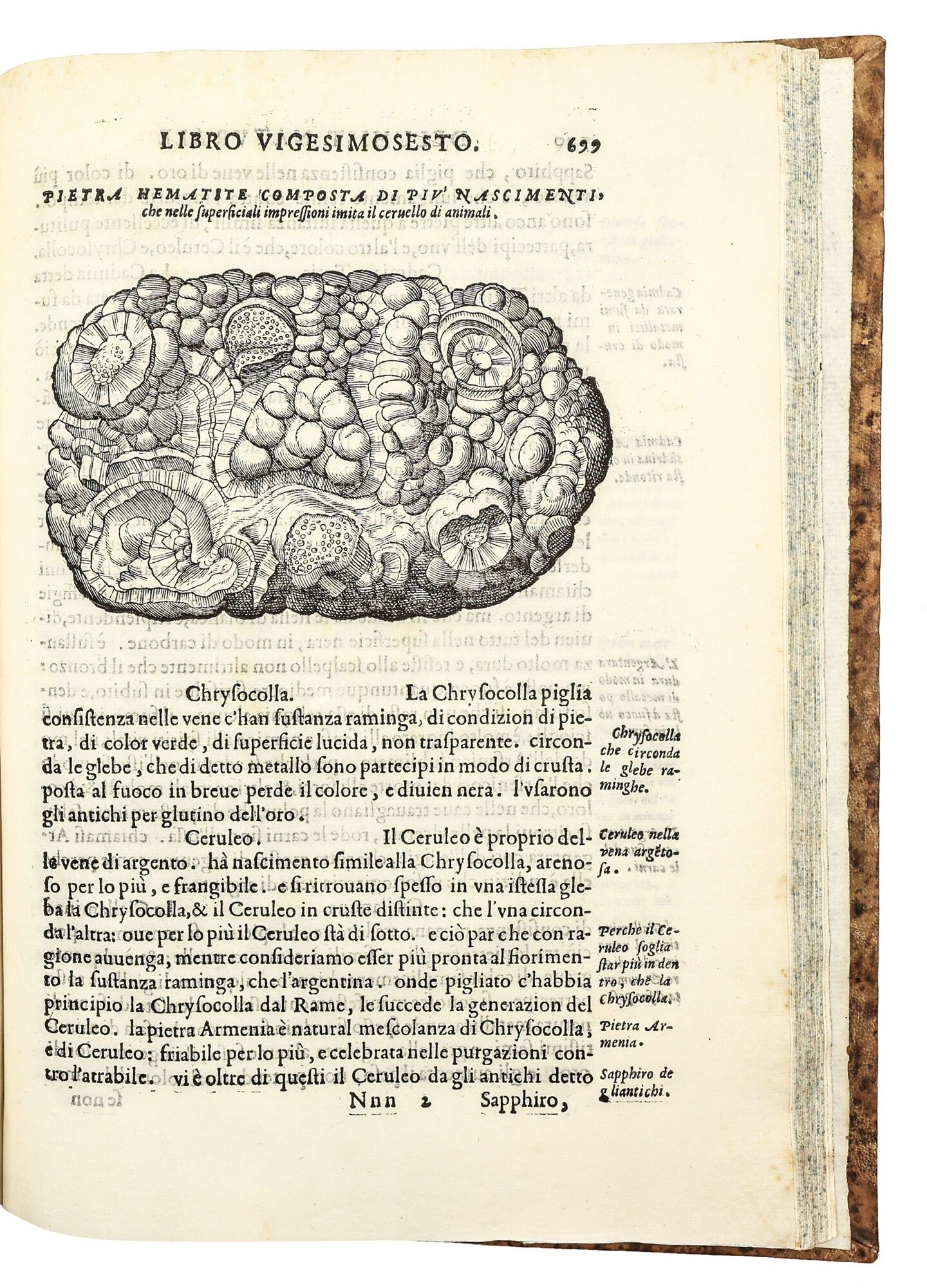
In Napoli: Nella Stamparia à Porta Reale per Costantino Vitale, 1599. FIRST EDITION. Hardcover. Fine. Bound in 19th c. mottled parchment (minor wear to extremities and head and tail of spine) with gilt spine label. A fine copy, illustrated with 126 woodcuts, with some light intermittent spotting, and instances of foxing and light browning in nine gatherings. Complete with the double-page woodcut view of Imperato's private cabinet of curiosities in his apothecary shop, printed on heavier paper. FIRST EDITION of the first published catalogue of a wunderkammer, illustrated with 126 woodcuts of gems, plants, fossils, sea creatures, reptiles, and insects (Mortimer suggests Mario Cartaro as artist of these blocks) and a double-page woodcut of the museum's interior, the first such depiction in a printed book. The double-page view shows Imperato and his son Francesco guiding visitors through the collection housed in the apothecary, with cabinets of which are packed tight with specimens and books and are surmounted by stuffed birds. Suspended from the ceiling is a dazzling array of fish, crustacea, the blade of a sawfish, a walrus pup, a two-tailed lizard, and -dominating it all- an immense crocodile.
The book was edited by Ferrante's son Francesco. In his letter to the reader, Francesco mentions the participation of Niccolò Antonio Stigliola (1546-1623), friend of Campanella and (thanks to the support of della Porta and Galileo) a member of the Accademia dei Lincei. Thorndike identifies Stigiola as the true author. Manzi (Stigliola, p. xiv, and n° 43) confirms the scientist's participation and attributes the illustrations to the prolific engraver, draftsman and print publisher Mario Cartaro (d. 1620), active in Rome before moving to Naples in 1586.
The iconic double-page woodcut of the museum interior shows Ferrante and Francesco leading visitors through the museum. The cabinets (some with elaborate inlays) are packed with specimens and -presumably, given that Imperato was an apothecary- medicines. Imperato's collection of books is also on display, laid upon towering shelves. Above the cabinets, on the walls, and suspended from the ceiling is a dazzling array of shells, fish, crustacea, stuffed birds, a chameleon, the blade of a sawfish, a stuffed walrus pup, a two-tailed lizard, and -dominating it all- an immense crocodile. There are also two living creatures, a pair of small dogs, wagging their tails.
"The catalogue is divided into 28 books with substantial sections on mining (5 books) and alchemy (9 books), the remainder being devoted to animal and vegetable specimens. Ferrante Imperato took a scientific interest in his collection and was one of the first people to recognize the mysterious 'bronteae' and 'ombriae' as meteoric stones and proved that 'Jew stones', a popular Wunderkammer specimen, were in fact petrified points of an echinus."(Grinke, From Wunderkammer to Museum)
Relying on direct observation of natural phenomena, Ferrante Imperato was an early pioneer in the experimental method of science. Like his contemporary from Verona, Francesco Calzolari (whose collection was not published until 1622), Imperato's natural history collection and library "constituted a practical work of reference for physicians, pharmacists and botanists". Among his visitors and correspondents were some of the most important scientists of the day, including Peiresc, Clusius, Aldrovandi, and Bauhin.
"In order to carry out his naturalistic studies, Imperato collected minerals, fossils, plants, and animals in a hall of this own house in Platea Sanctae Clarae; this collection can be considered one of the first true museums of natural history in Italy. Showing an innovative mentality, Imperato collected exclusively naturalia or semplici, that is to say, specimens of natural origin excluding artificialia, i.e. objects of human manufacture (with the exception of particularly interesting iconographic material.) The museum was also used as a laboratory and research center.
"In order to enrich his collection, Imperato made exchanges with the other naturalists of his day; these exchanges often involved the exchange of live animals in special boxes which allowed them to breathe... The specimens came through purchase, donation, and through expeditions arranged and conducted by Imperato himself in the Phlegrean Fields, on Ischia and other islands in the Gulf of Naples, and the Partenio mount. In certain circumstances, Imperato used special envoys to collect samples from other parts of the Vice Realm of Naples and even as far as the Indies. By the end of his career, Imperato had collected more than 12,000 "semplici terrestri, maritime, and aerie", which were all housed in the museum, the Teatro di Natura."(Malo & Stendardo, Pioneering herpetological researches of Ferrante Imperato)
"Imperato was convinced that fossils were the remains of sea animals buried in sediment, which were later turned to stone by 'lapidifying juices.' He described the action of the seas in the deposition of sedimentary rocks and was the first to mention the concept of a stratigraphic sequence." (Wilson).
The book was edited by Ferrante's son Francesco. In his letter to the reader, Francesco mentions the participation of Niccolò Antonio Stigliola (1546-1623), friend of Campanella and (thanks to the support of della Porta and Galileo) a member of the Accademia dei Lincei. Thorndike identifies Stigiola as the true author. Manzi (Stigliola, p. xiv, and n° 43) confirms the scientist's participation and attributes the illustrations to the prolific engraver, draftsman and print publisher Mario Cartaro (d. 1620), active in Rome before moving to Naples in 1586.
The iconic double-page woodcut of the museum interior shows Ferrante and Francesco leading visitors through the museum. The cabinets (some with elaborate inlays) are packed with specimens and -presumably, given that Imperato was an apothecary- medicines. Imperato's collection of books is also on display, laid upon towering shelves. Above the cabinets, on the walls, and suspended from the ceiling is a dazzling array of shells, fish, crustacea, stuffed birds, a chameleon, the blade of a sawfish, a stuffed walrus pup, a two-tailed lizard, and -dominating it all- an immense crocodile. There are also two living creatures, a pair of small dogs, wagging their tails.
"The catalogue is divided into 28 books with substantial sections on mining (5 books) and alchemy (9 books), the remainder being devoted to animal and vegetable specimens. Ferrante Imperato took a scientific interest in his collection and was one of the first people to recognize the mysterious 'bronteae' and 'ombriae' as meteoric stones and proved that 'Jew stones', a popular Wunderkammer specimen, were in fact petrified points of an echinus."(Grinke, From Wunderkammer to Museum)
Relying on direct observation of natural phenomena, Ferrante Imperato was an early pioneer in the experimental method of science. Like his contemporary from Verona, Francesco Calzolari (whose collection was not published until 1622), Imperato's natural history collection and library "constituted a practical work of reference for physicians, pharmacists and botanists". Among his visitors and correspondents were some of the most important scientists of the day, including Peiresc, Clusius, Aldrovandi, and Bauhin.
"In order to carry out his naturalistic studies, Imperato collected minerals, fossils, plants, and animals in a hall of this own house in Platea Sanctae Clarae; this collection can be considered one of the first true museums of natural history in Italy. Showing an innovative mentality, Imperato collected exclusively naturalia or semplici, that is to say, specimens of natural origin excluding artificialia, i.e. objects of human manufacture (with the exception of particularly interesting iconographic material.) The museum was also used as a laboratory and research center.
"In order to enrich his collection, Imperato made exchanges with the other naturalists of his day; these exchanges often involved the exchange of live animals in special boxes which allowed them to breathe... The specimens came through purchase, donation, and through expeditions arranged and conducted by Imperato himself in the Phlegrean Fields, on Ischia and other islands in the Gulf of Naples, and the Partenio mount. In certain circumstances, Imperato used special envoys to collect samples from other parts of the Vice Realm of Naples and even as far as the Indies. By the end of his career, Imperato had collected more than 12,000 "semplici terrestri, maritime, and aerie", which were all housed in the museum, the Teatro di Natura."(Malo & Stendardo, Pioneering herpetological researches of Ferrante Imperato)
"Imperato was convinced that fossils were the remains of sea animals buried in sediment, which were later turned to stone by 'lapidifying juices.' He described the action of the seas in the deposition of sedimentary rocks and was the first to mention the concept of a stratigraphic sequence." (Wilson).
Details
Title
Dell'Historia Natvrale di Ferrante Imperato Napoletano Libri XXVIII: nella qvale ordinatamente si tratta della diuersa condition di miniere e pietre: con alcune historie di piante & animali, sin'hora non date in luce
Author
Imperato, Ferrante (ca. 1550- ca. 1625)
Binding
Hardcover
Condition
Fine
Publisher
Nella Stamparia à Porta Reale per Costantino Vitale: In Napoli
Date
1599
Edition
FIRST EDITION