

United States Department of the Interior Annual Report, Division of Extension and Industry: Rosebud Jurisdiction, Rosebud Reservation and Yankton Sub Agency
- Rosebud, South Dakota: United States Department of the Interior, 1936
Rosebud, South Dakota: United States Department of the Interior, 1936. Very good. Large three-ring binder with mylar sleeves holding 307 leaves with text and photos on versos only. Pages hold 320 black and white photographs inserted into corner mounts, all of which have typescript captions and measure from 2½" x 3½" to 2¾" x 4½". Generally very good or better with toned leaves and near fine photographs.
This is an enormous and comprehensive report on the Rosebud Reservation and Yankton Sub Agency as of 1936. It was issued during the Dust Bowl era when Rosebud suffered severe ecological and economic devastation, exacerbated by the failure of homesteaders' farming practices. Black blizzards, such as the 1934 storm in Gregory County, left land near the Rosebud Reservation barren and unproductive, forcing a re-evaluation of land usage in the area. This report fully documents the progress made during an extremely difficult time.
In addition, this expansive report clearly documents the substantial changes resulting from the Indian Reorganization Act of 1934, which instituted a number of reforms aimed at restoring tribal self-determination, and assisting Lakota, Sioux, and related tribes in reorganizing their own governments, due to grinding poverty, and impact of the Great Depression on spurring conflicts between older and younger generations. Largely due to the efforts of Commissioner of Indian Affairs John Collier, this resulted in clear changes to agricultural practices, elevated the younger generation into tribal leadership roles over their elders, despite the claims of cultural renewal through New Deal program efforts.
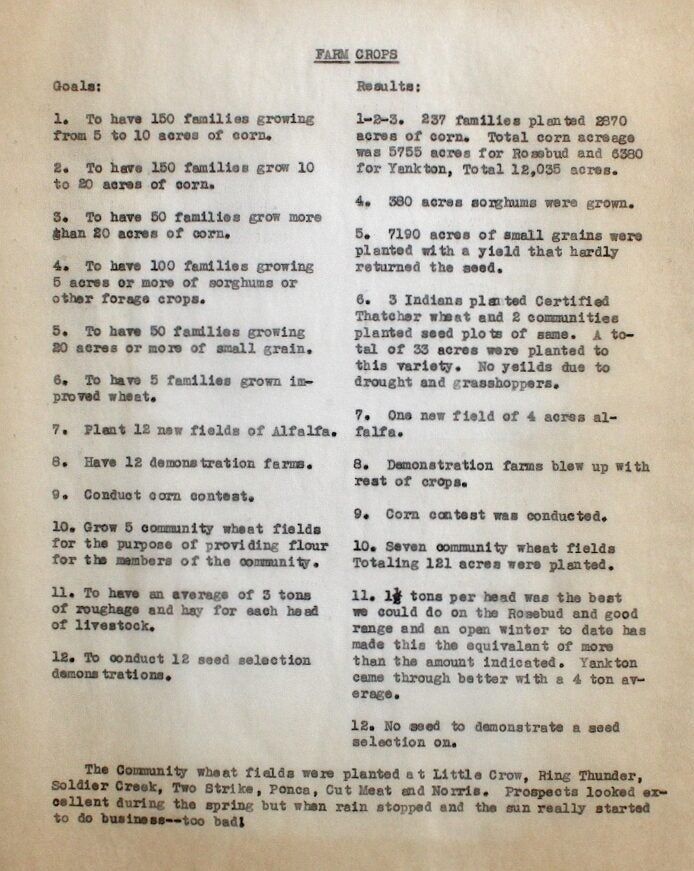
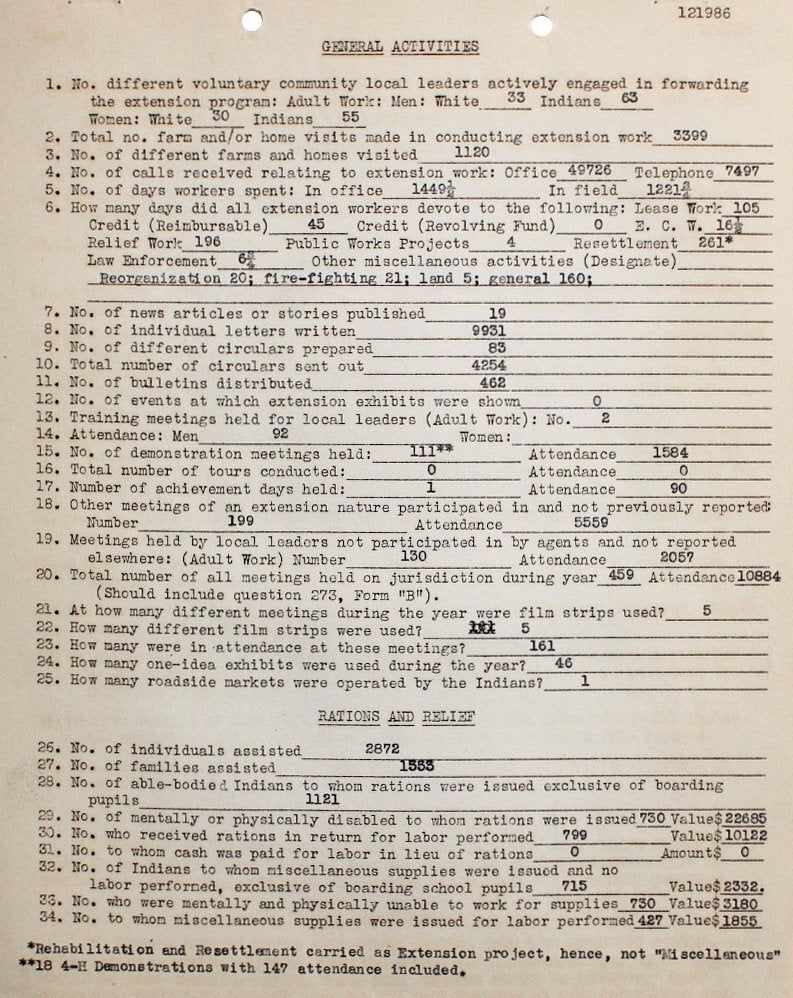
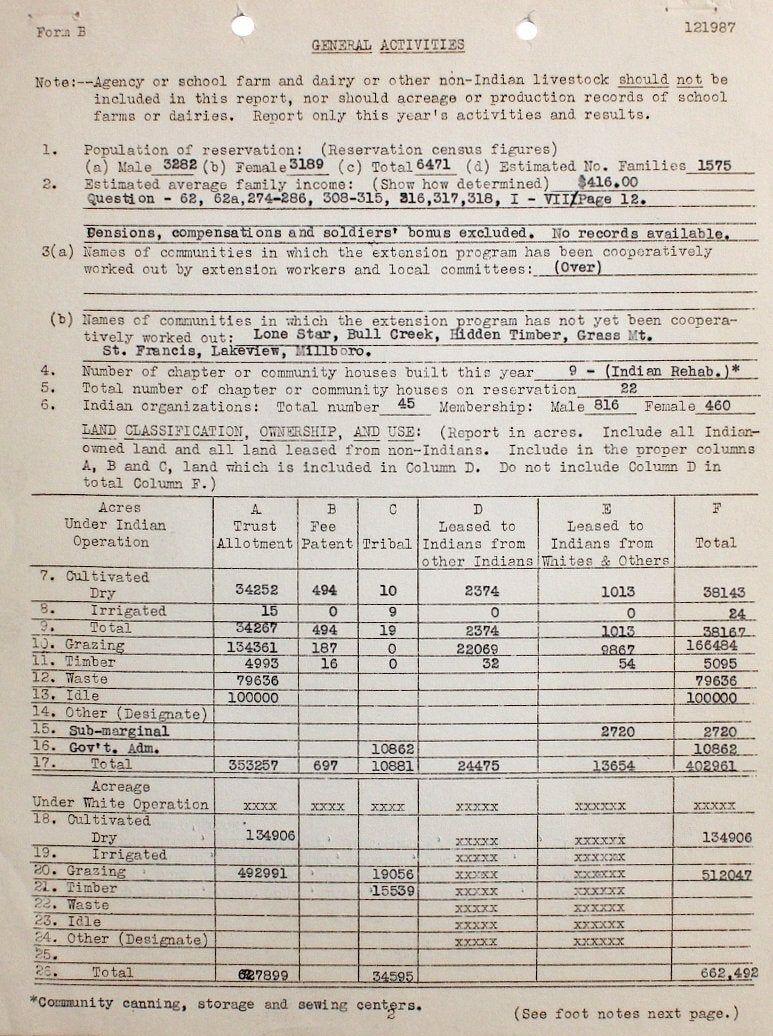
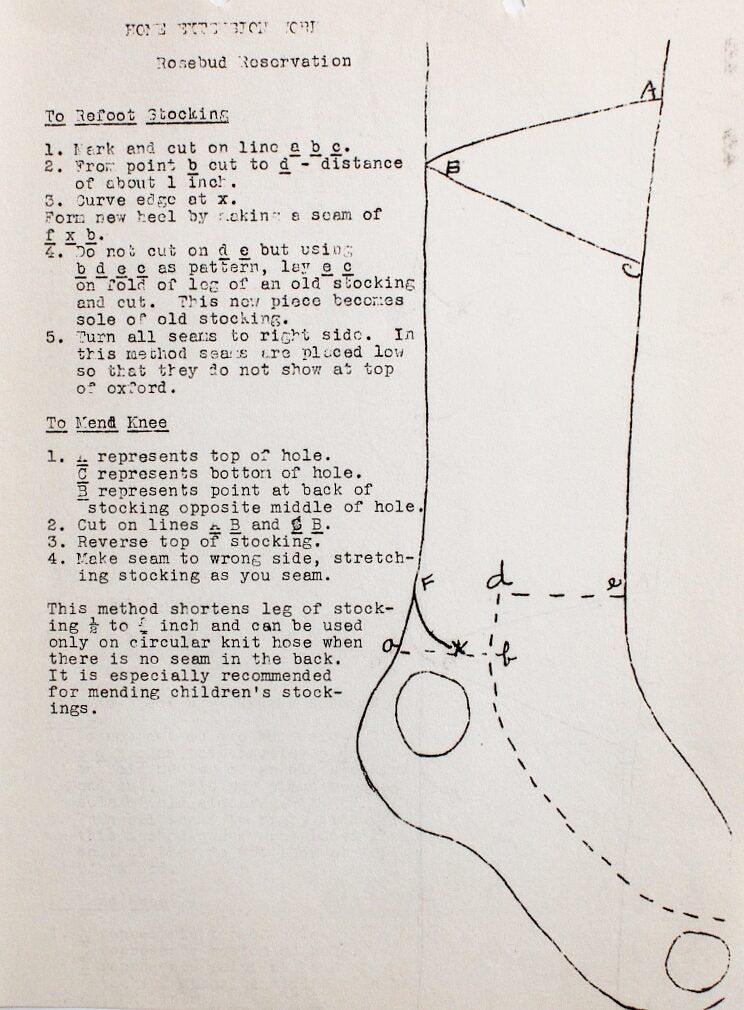
The report contains 54 pages of narrative text. There are also 42 pages of completed forms and other data, as well as seven pages of clothing patterns. We learn from a two page summation of activities and accomplishments that the total income from livestock products totaled $45,240 and that "even though the farm crops were almost a total failure, 12017 tons of hay was put up during the year." We also learn from the summation that the reservations had 25 active 4-H Clubs and that "642,492 acres of Indian land was leased to whites for $74,246." Early in the narrative is a statement regarding general policies:
"The extension program was launched this year with the idea of stimulating and assisting the Indian people to make greater efforts to care for and support themselves . . . Cooperation has been the keynote of the work with the Indian groups as well as in the relationship with other divisions of the government service, and in contact with outside organizations. Help has been given to churches, schools when requested and to other branches of the service. Federated Womens' Clubs have assisted on extension projects and the home extension agent has helped with club programs. All the above organizations and all branches of the Federal service represented at the Agency are working for better conditions among the Indians. More can be accomplished through cooperation, with sympathetic understanding of each other's program, than by each group working separately. All in all the extension workers aim is to 'Help the Indians to Help Themselves.' Progress can be reported in this respect. Training and use of Indian leaders as has been practiced on this jurisdiction, together with a return of weather normally, should greatly accelerate this progress."
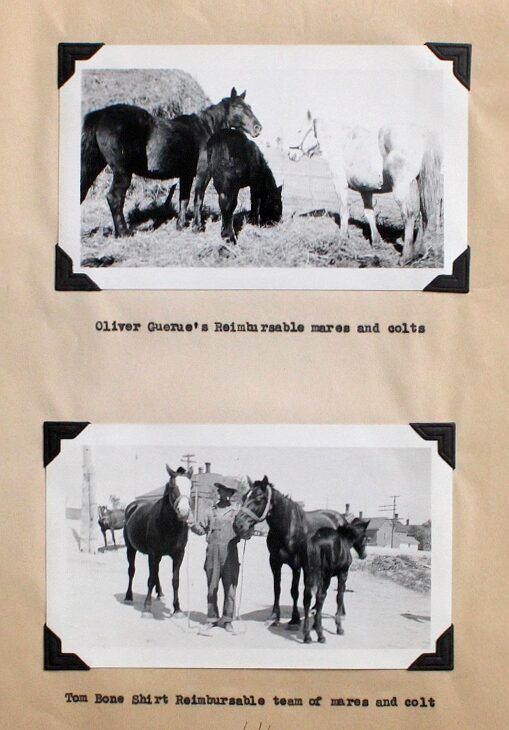
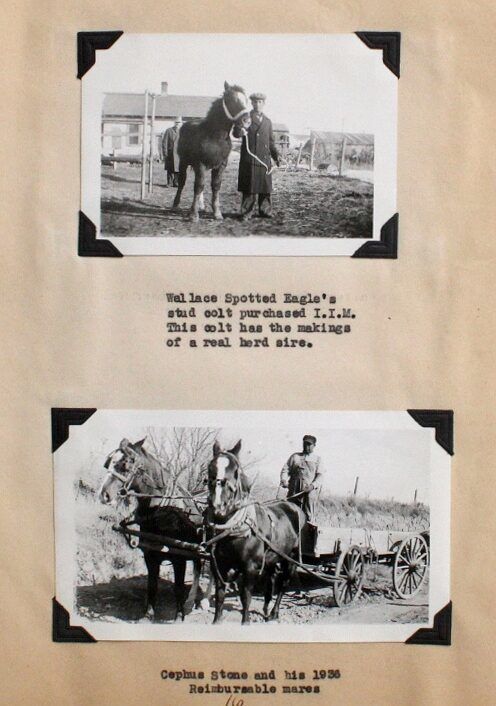
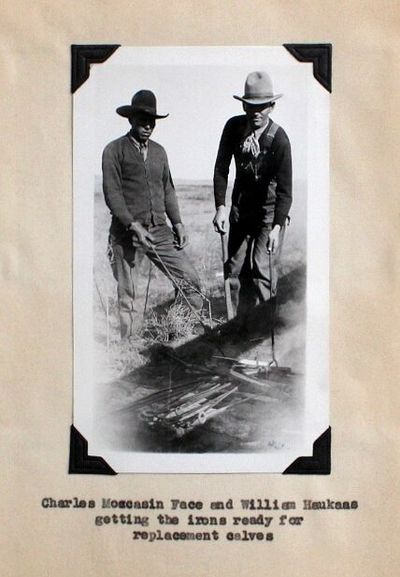
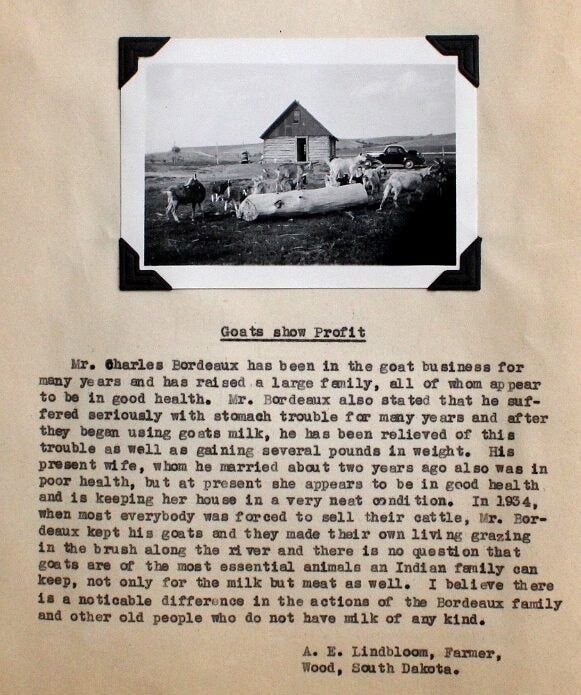
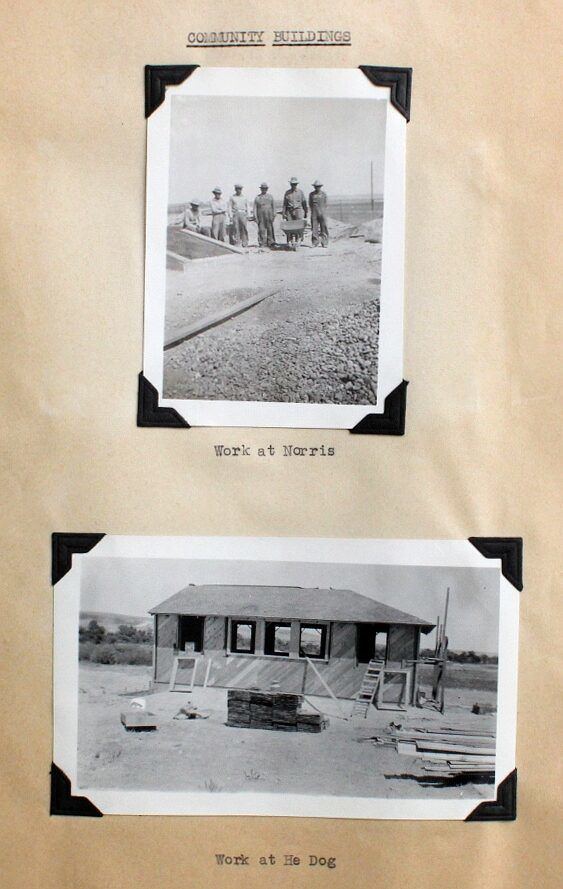
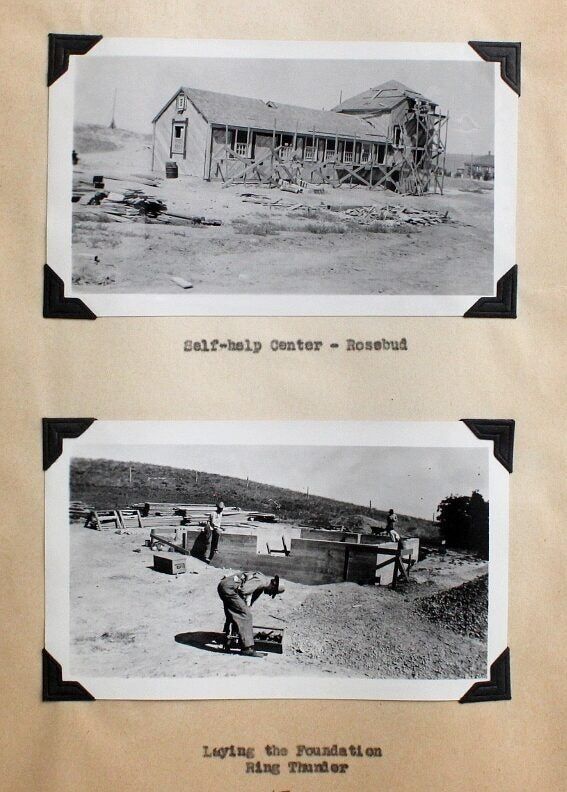
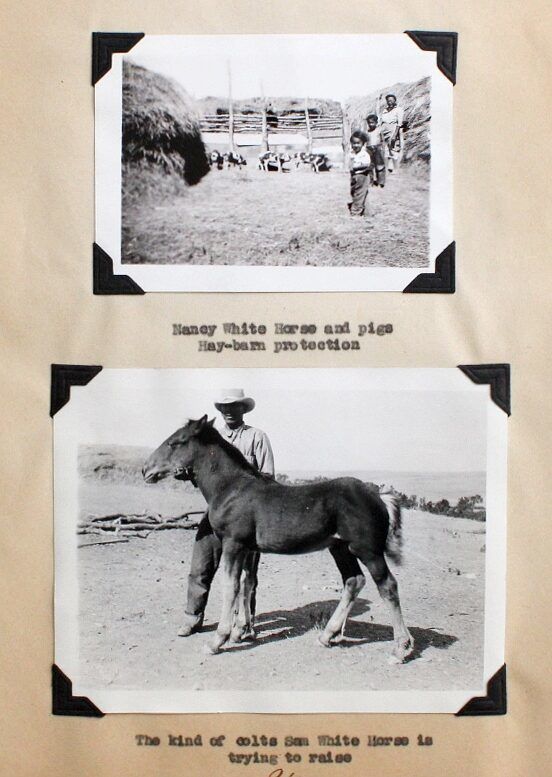
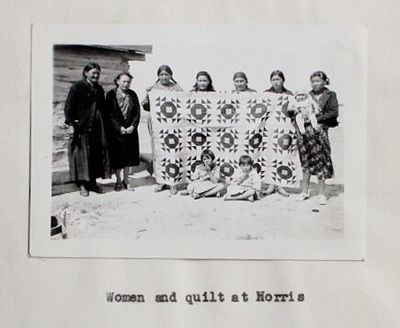
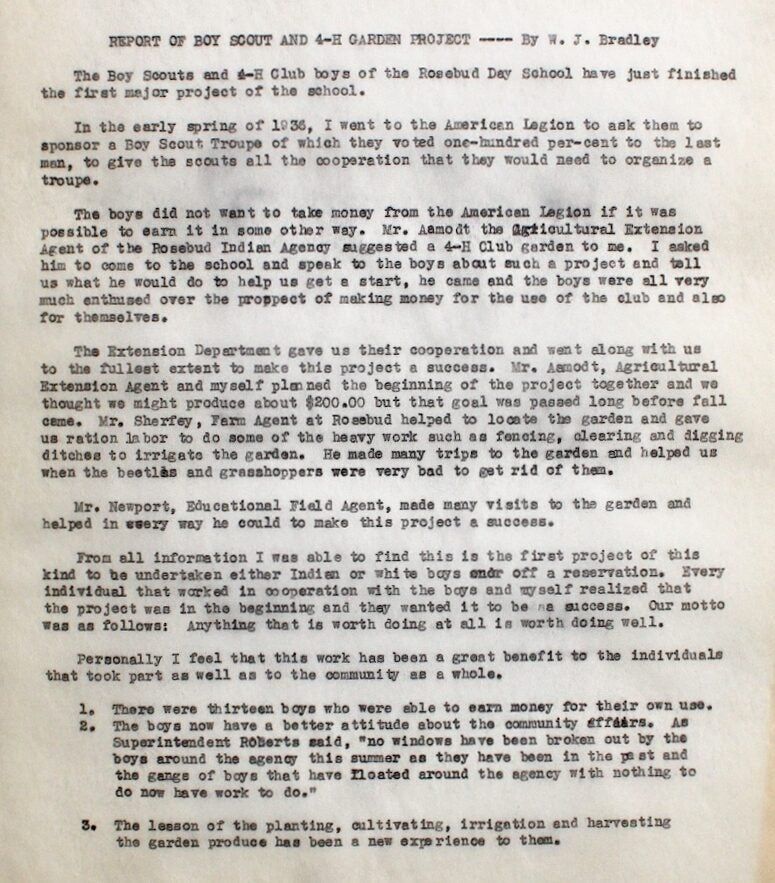
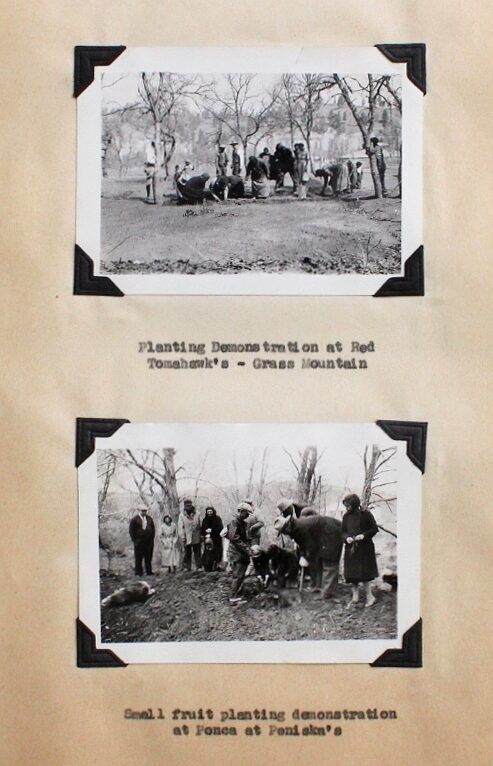
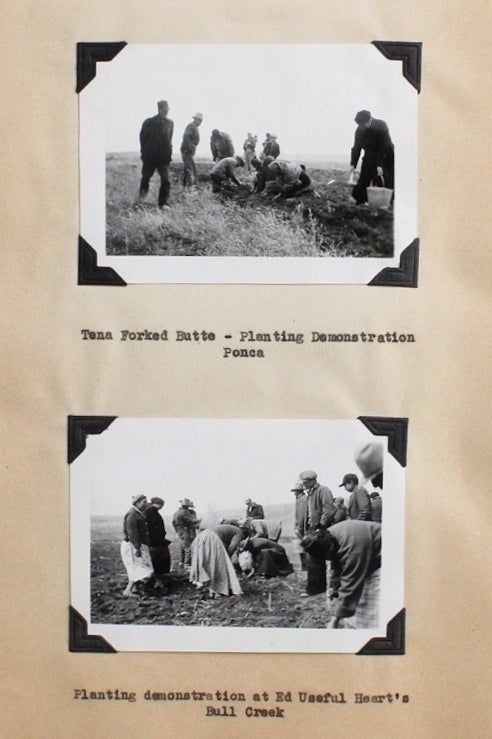
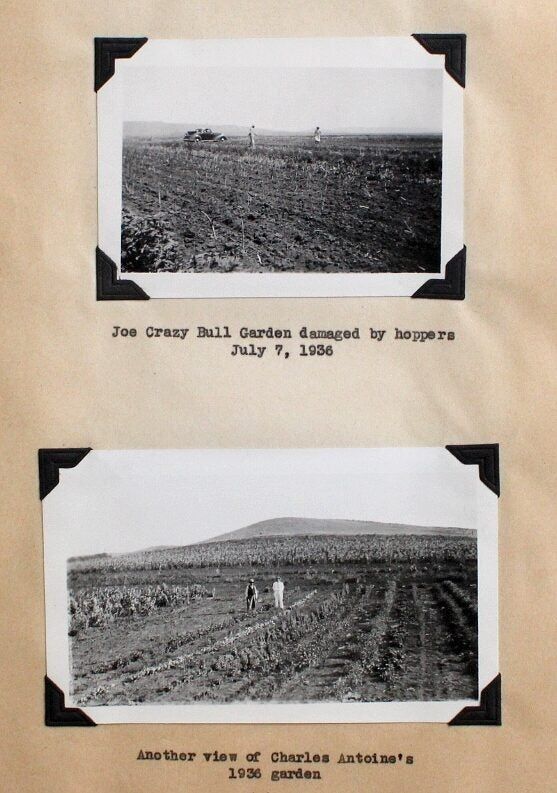
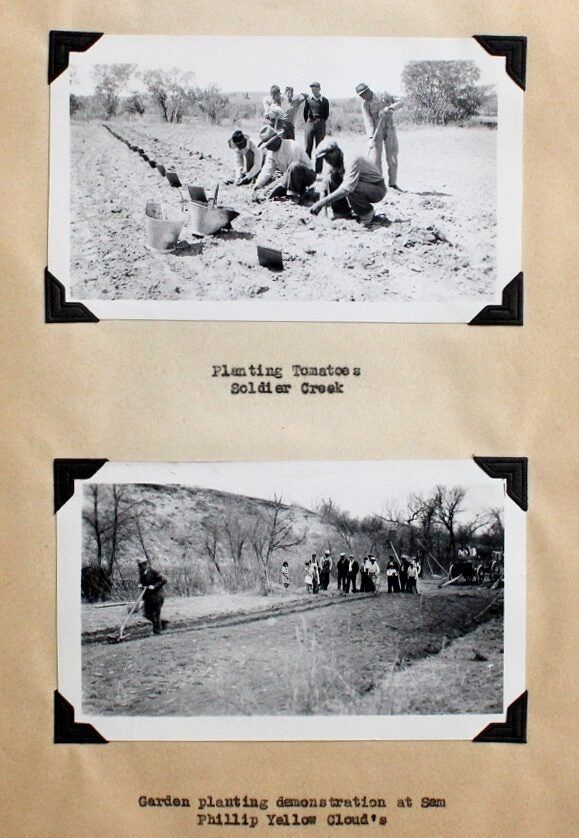
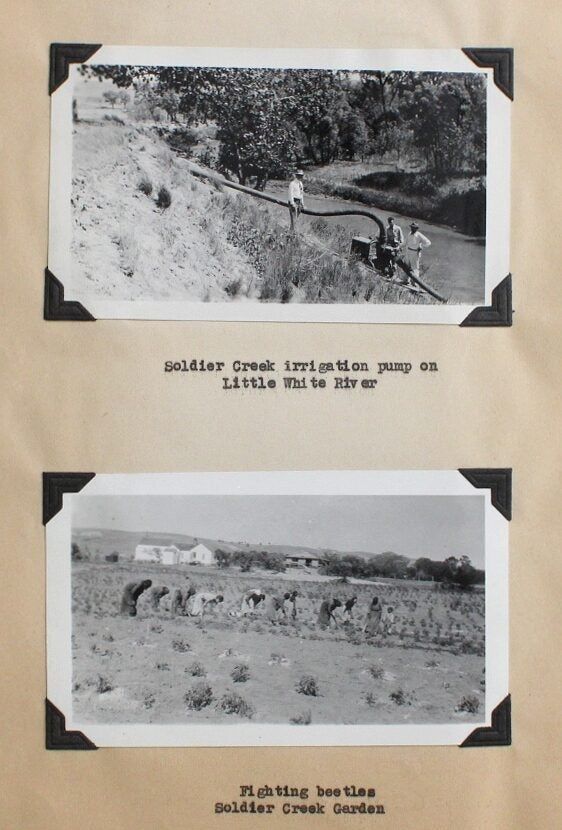
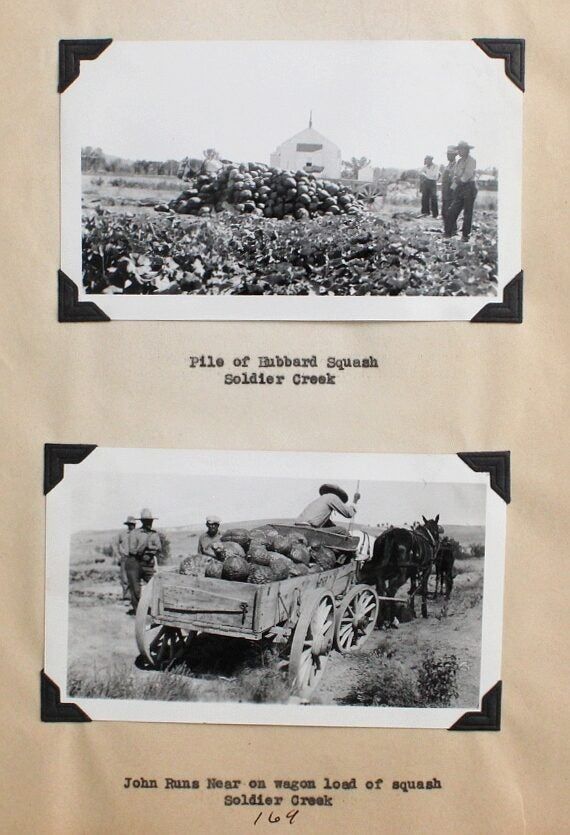
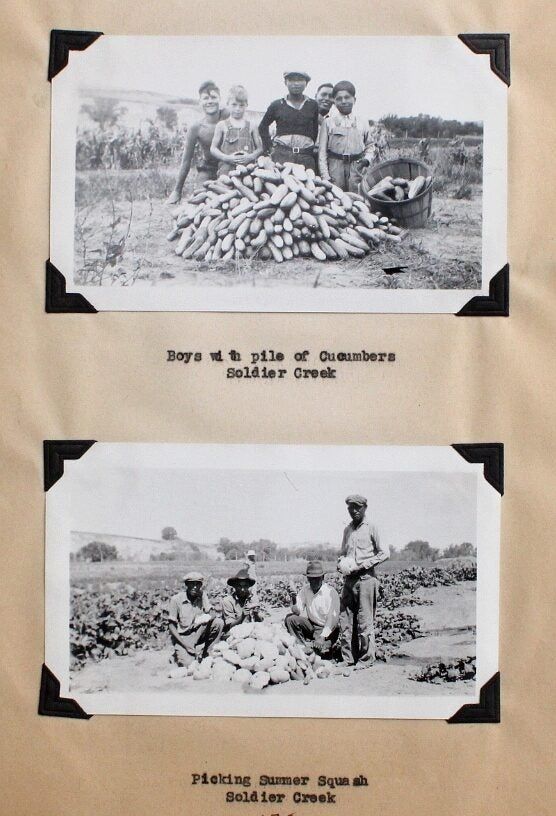
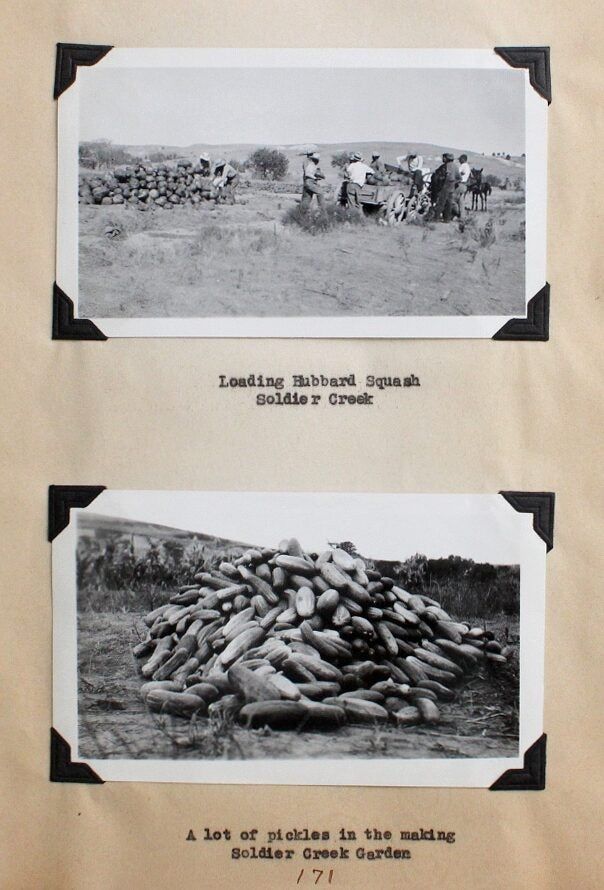
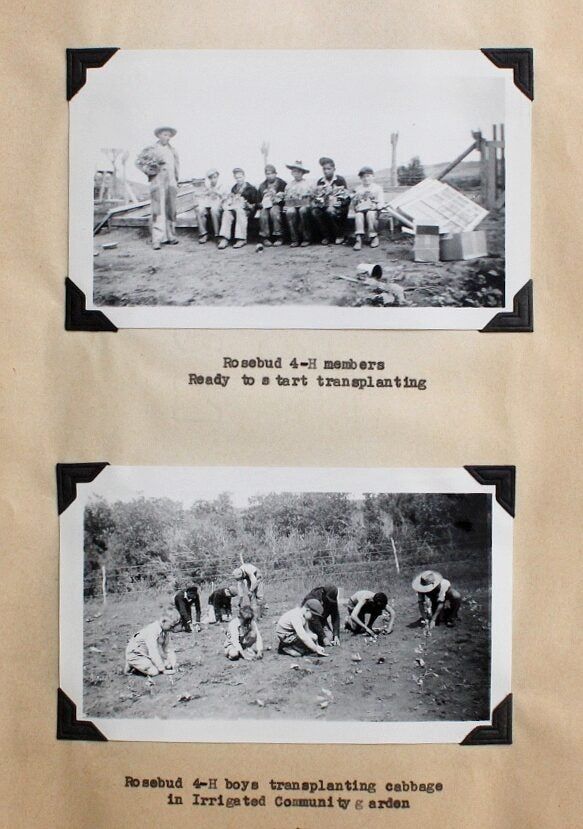
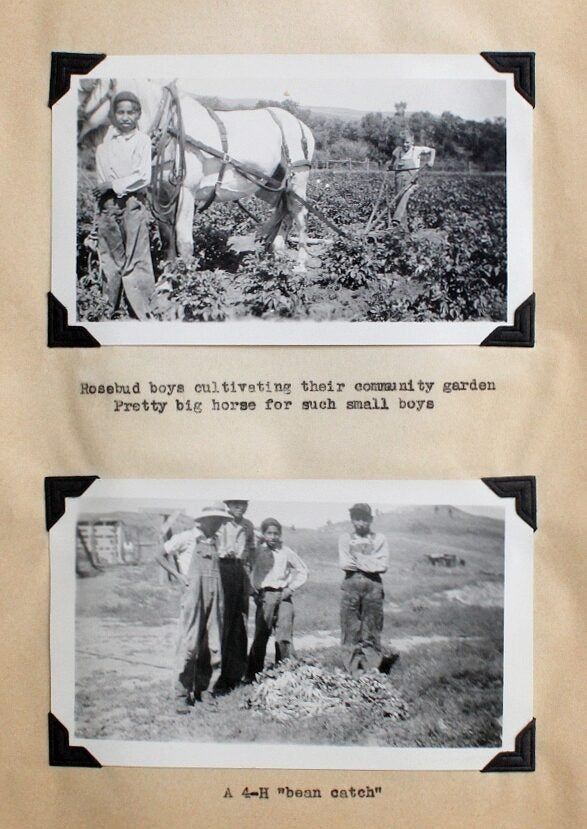
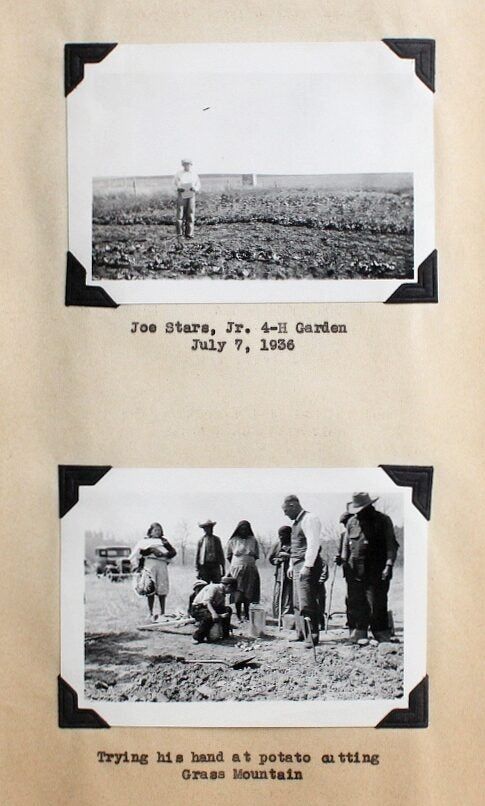
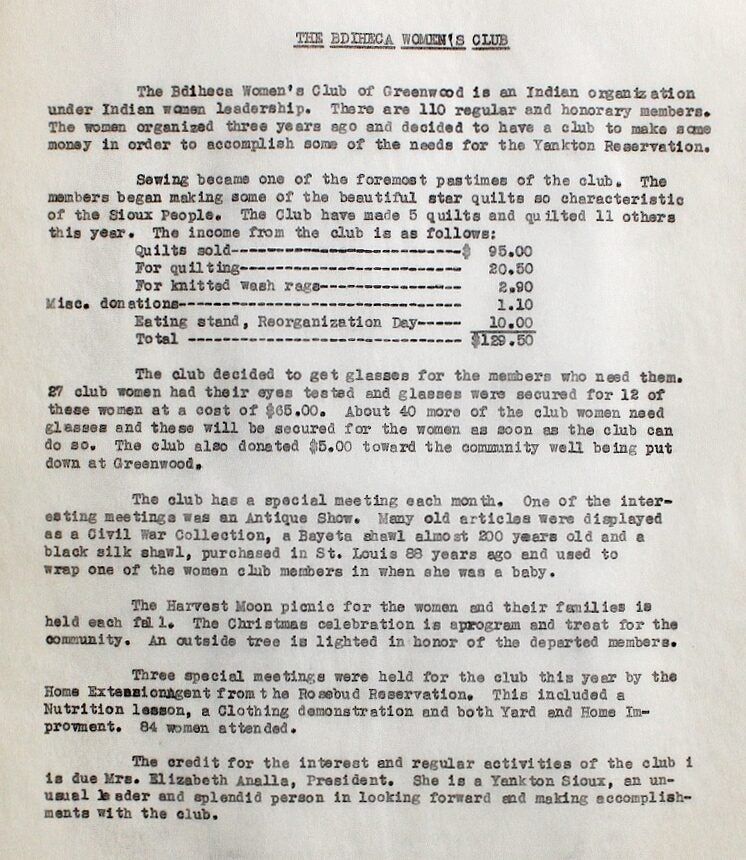
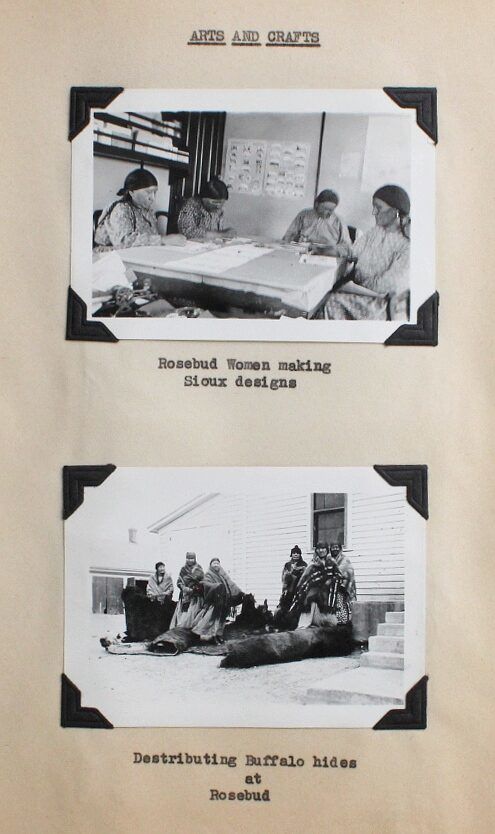
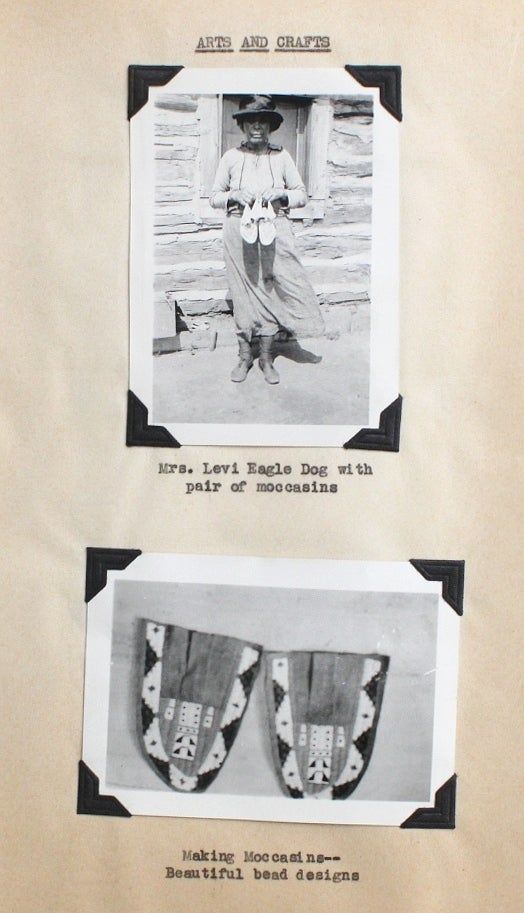
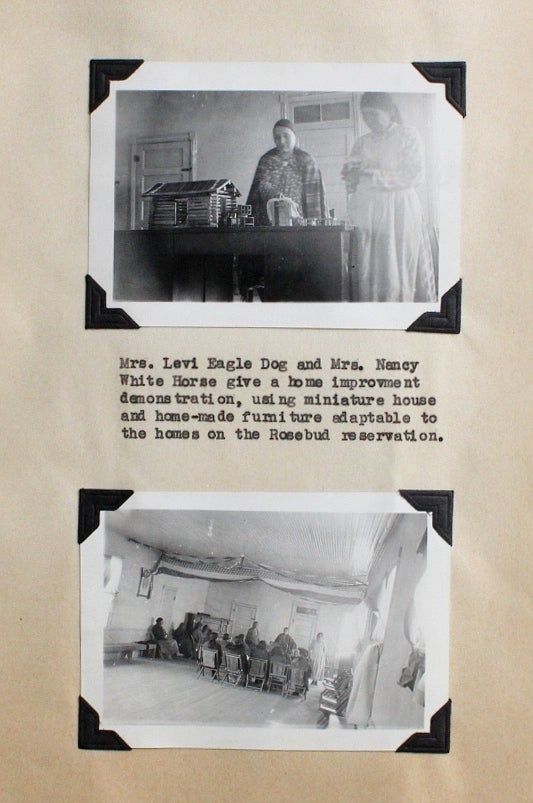
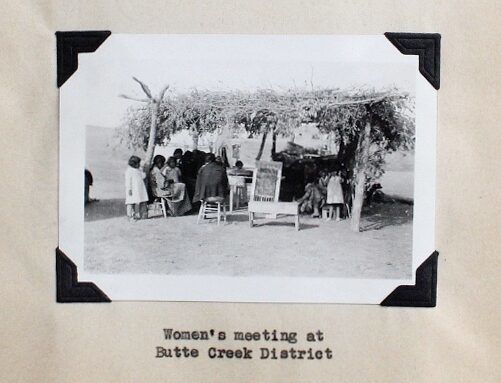
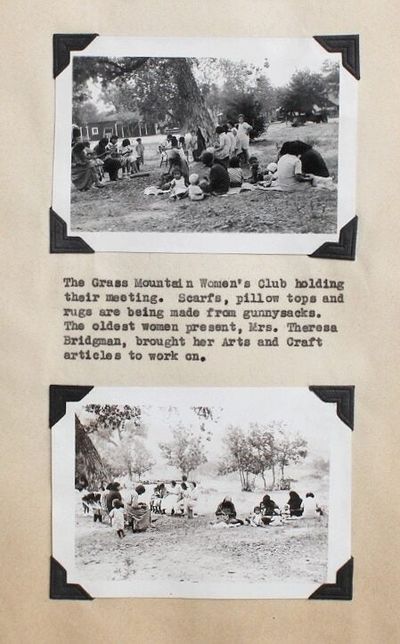
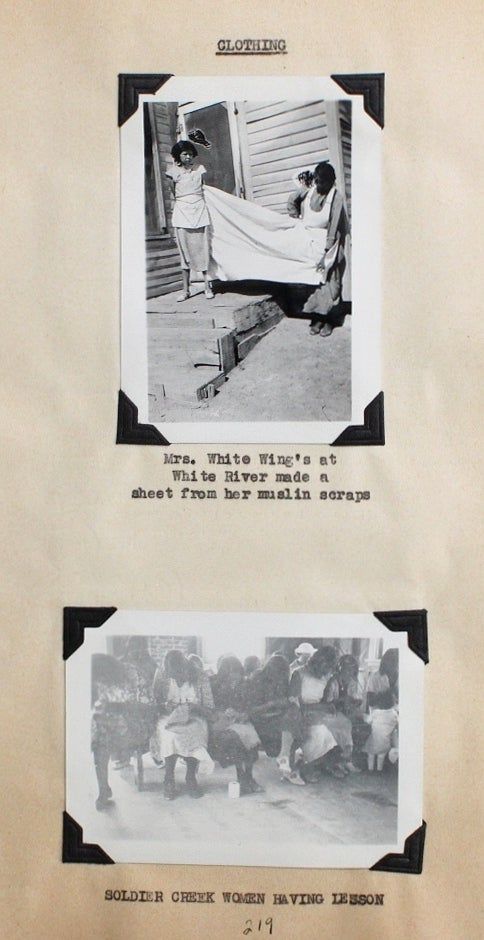
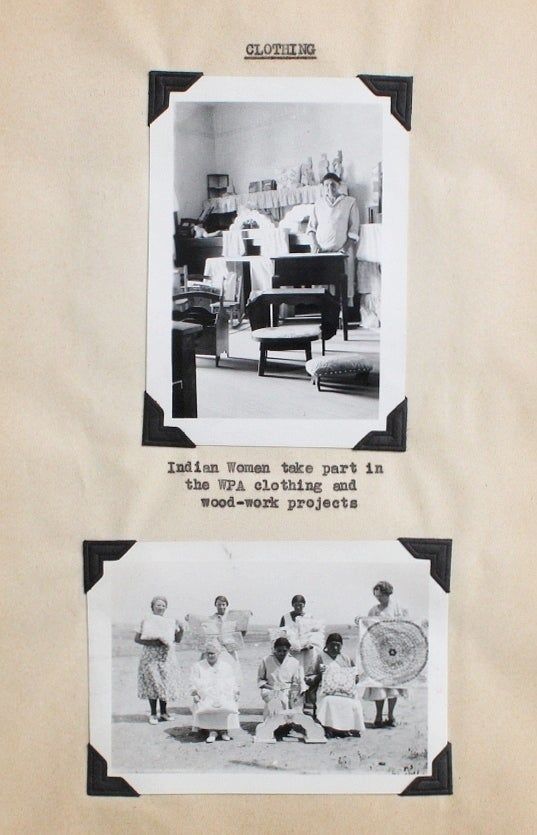
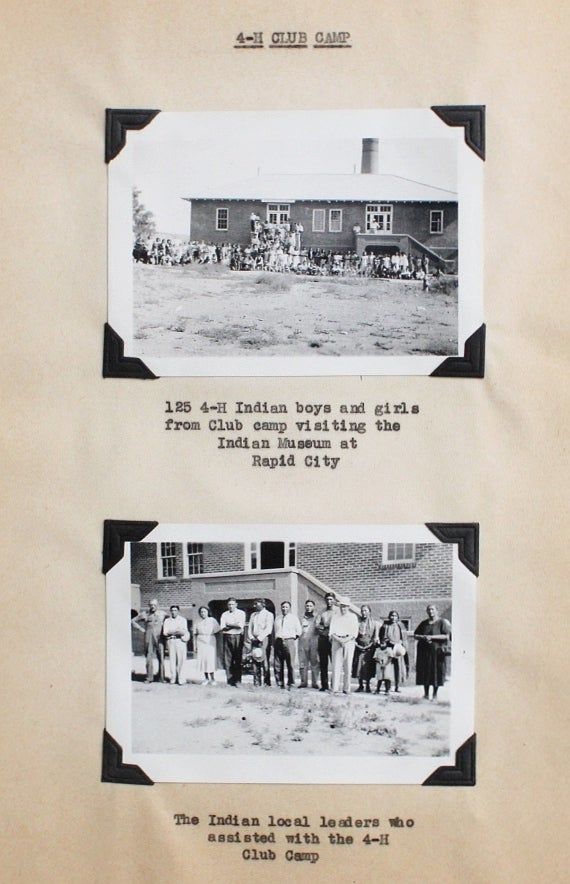
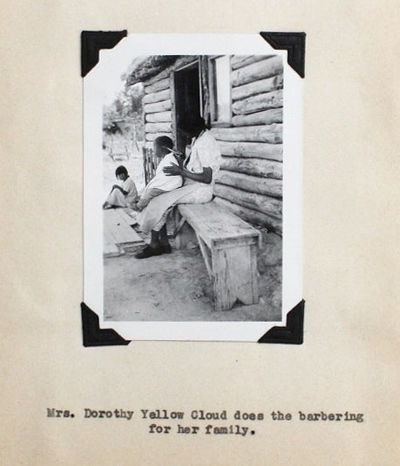
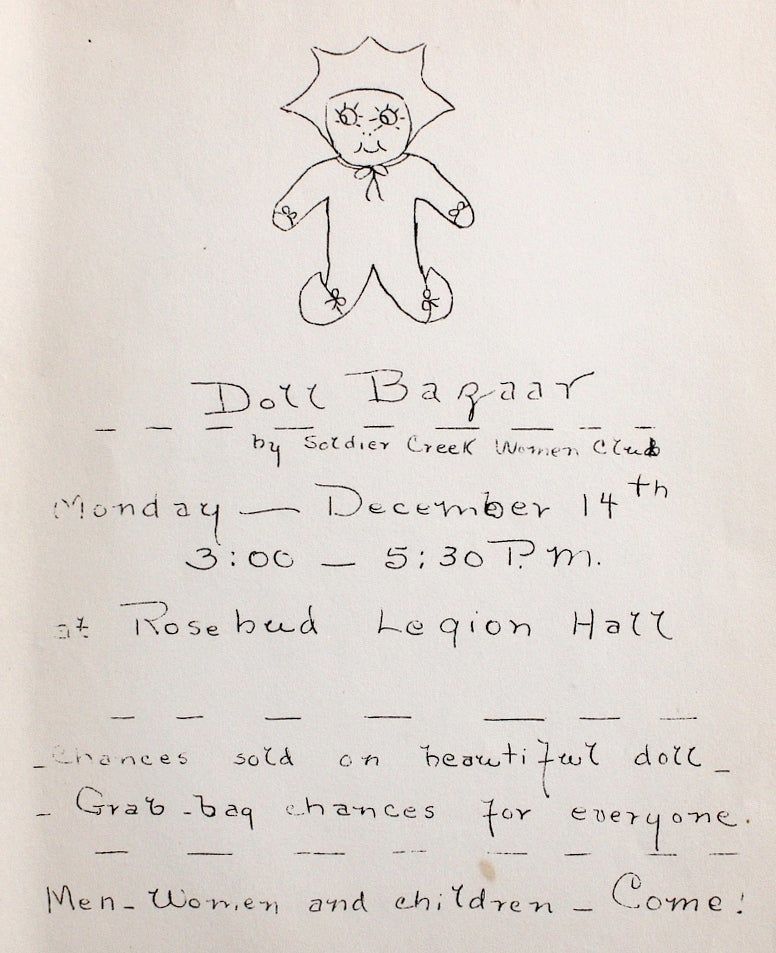
The photographs are exceptionally detailed and correspond to the narrative reports. They are laid out in the following 14 categories: horses, cattle, goats, poultry, hay, community buildings, wells, rehabilitation (of animals and dwellings), fairs and exhibits, gardens, arts and crafts, yard improvement, clothing and 4-H Club. Each section has numerous photos, all with detailed captions. These photos and instructions show 4-H members learning how to transplant crops, build irrigation ditches, and improve irrigation similar to the contemporary CCC projects, and also modernize farming methods to cope with the impacts of the 1930's dust bowl conditions. Approximately 150 photographs depict the native populace and many show buildings, dwellings and living conditions. Every aspect of local life and culture is shown in these photographs, which of particular interest include extended notes and photographs depicting the efforts for Native American women, such as the Bdiheca Woman's Club encouraging sewing, buying eye glasses, and engaged with WPA woodwork and clothing projects. W.J. Bradley reports on the 4H program that "this is the first project of this kind to be undertaken either Indian or White boys off a reservation. Every individual that worked in cooperation with the boys and myself realized that the project was in the beginning and they wanted it to be a success. Our motto was as follows: Anything that is worth doing at all is worth doing well."
Massive, heavily detailed, and full of research opportunity. OCLC locates nothing similar.
This is an enormous and comprehensive report on the Rosebud Reservation and Yankton Sub Agency as of 1936. It was issued during the Dust Bowl era when Rosebud suffered severe ecological and economic devastation, exacerbated by the failure of homesteaders' farming practices. Black blizzards, such as the 1934 storm in Gregory County, left land near the Rosebud Reservation barren and unproductive, forcing a re-evaluation of land usage in the area. This report fully documents the progress made during an extremely difficult time.
In addition, this expansive report clearly documents the substantial changes resulting from the Indian Reorganization Act of 1934, which instituted a number of reforms aimed at restoring tribal self-determination, and assisting Lakota, Sioux, and related tribes in reorganizing their own governments, due to grinding poverty, and impact of the Great Depression on spurring conflicts between older and younger generations. Largely due to the efforts of Commissioner of Indian Affairs John Collier, this resulted in clear changes to agricultural practices, elevated the younger generation into tribal leadership roles over their elders, despite the claims of cultural renewal through New Deal program efforts.
The report contains 54 pages of narrative text. There are also 42 pages of completed forms and other data, as well as seven pages of clothing patterns. We learn from a two page summation of activities and accomplishments that the total income from livestock products totaled $45,240 and that "even though the farm crops were almost a total failure, 12017 tons of hay was put up during the year." We also learn from the summation that the reservations had 25 active 4-H Clubs and that "642,492 acres of Indian land was leased to whites for $74,246." Early in the narrative is a statement regarding general policies:
"The extension program was launched this year with the idea of stimulating and assisting the Indian people to make greater efforts to care for and support themselves . . . Cooperation has been the keynote of the work with the Indian groups as well as in the relationship with other divisions of the government service, and in contact with outside organizations. Help has been given to churches, schools when requested and to other branches of the service. Federated Womens' Clubs have assisted on extension projects and the home extension agent has helped with club programs. All the above organizations and all branches of the Federal service represented at the Agency are working for better conditions among the Indians. More can be accomplished through cooperation, with sympathetic understanding of each other's program, than by each group working separately. All in all the extension workers aim is to 'Help the Indians to Help Themselves.' Progress can be reported in this respect. Training and use of Indian leaders as has been practiced on this jurisdiction, together with a return of weather normally, should greatly accelerate this progress."
The photographs are exceptionally detailed and correspond to the narrative reports. They are laid out in the following 14 categories: horses, cattle, goats, poultry, hay, community buildings, wells, rehabilitation (of animals and dwellings), fairs and exhibits, gardens, arts and crafts, yard improvement, clothing and 4-H Club. Each section has numerous photos, all with detailed captions. These photos and instructions show 4-H members learning how to transplant crops, build irrigation ditches, and improve irrigation similar to the contemporary CCC projects, and also modernize farming methods to cope with the impacts of the 1930's dust bowl conditions. Approximately 150 photographs depict the native populace and many show buildings, dwellings and living conditions. Every aspect of local life and culture is shown in these photographs, which of particular interest include extended notes and photographs depicting the efforts for Native American women, such as the Bdiheca Woman's Club encouraging sewing, buying eye glasses, and engaged with WPA woodwork and clothing projects. W.J. Bradley reports on the 4H program that "this is the first project of this kind to be undertaken either Indian or White boys off a reservation. Every individual that worked in cooperation with the boys and myself realized that the project was in the beginning and they wanted it to be a success. Our motto was as follows: Anything that is worth doing at all is worth doing well."
Massive, heavily detailed, and full of research opportunity. OCLC locates nothing similar.
Details
Title
United States Department of the Interior Annual Report, Division of Extension and Industry: Rosebud Jurisdiction, Rosebud Reservation and Yankton Sub Agency
Condition
Very Good
Publisher
United States Department of the Interior: Rosebud, South Dakota
Date
1936