

[Photo Album Depicting the 93rd Evacuation Hospital in Africa with Many Images of Indigenous Peoples]
- Morocco and Senegal , 1943
Morocco and Senegal, 1943. Near fine. 10" x 13½". Leather-tied full leather over flexible card. 36 pages with 156 photographs mostly inserted into corner mounts. Photos are a range of sizes and most are captioned. Album very good with moderate wear; photos generally near fine or better.
This album was compiled by a member of the 93rd Evacuation Hospital while the unit was in Africa in 1943. According to a unit history we found online:
"The parent unit of this hospital was activated as the 61st Surgical Hospital in July 1923 and assigned to the Organized Reserves in the VII Corps area on the east coast of the United States. It became part of the Regular Army on January 1, 1938. On June 1, 1941, it was transferred to Fort George Meade, Maryland, and placed on active duty status. Following participation in the Carolina Maneuvers later that year, the hospital was assigned a training mission, which lasted for two years. The hospital was reorganized and redesignated as the 93rd Evacuation Hospital (Motorized) on August 20, 1942. The hospital continued to train and participate in maneuvers until April 4, 1943, when overseas movement orders were received, and staging was accomplished through Camp Shanks, New York on April 15, 1943. The hospital departed New York Harbor on board the USS Mariposa, destination unknown. After eight days and 3500 miles, the ship docked at Casablanca, French Morocco, North Africa. On May 25, 1943, the first patients arrived at the hospital. These consisted of both American and British casualties from the nearby airfield and service units. Patients continued to be received and evaluated until June 16, 1943, when notification was received to prepare for invasion while attached to the 1st Infantry Division. From June 16 - 18, 1943, the hospital prepared for the invasion of Sicily and Italy, and on July 9, 1943 embarked on various ships of the invasion fleet. By July 13, 1943, the hospital, completely intact, participated in the invasion of Sicily. From July 13 1943 to September 1, 1943, the hospital received casualties and moved to different locations. This was accomplished despite a shortage of equipment while working in some of the most difficult areas and terrain. On September 6, 1943, the hospital was disassembled and loaded on vehicles in preparation for another invasion. For the unitss participation in this campaign, the 93rd Evacuation Hospital (Motorized) was awarded the Sicilan Campaign Streamer (Jul 13 - Sep 6 1943)."
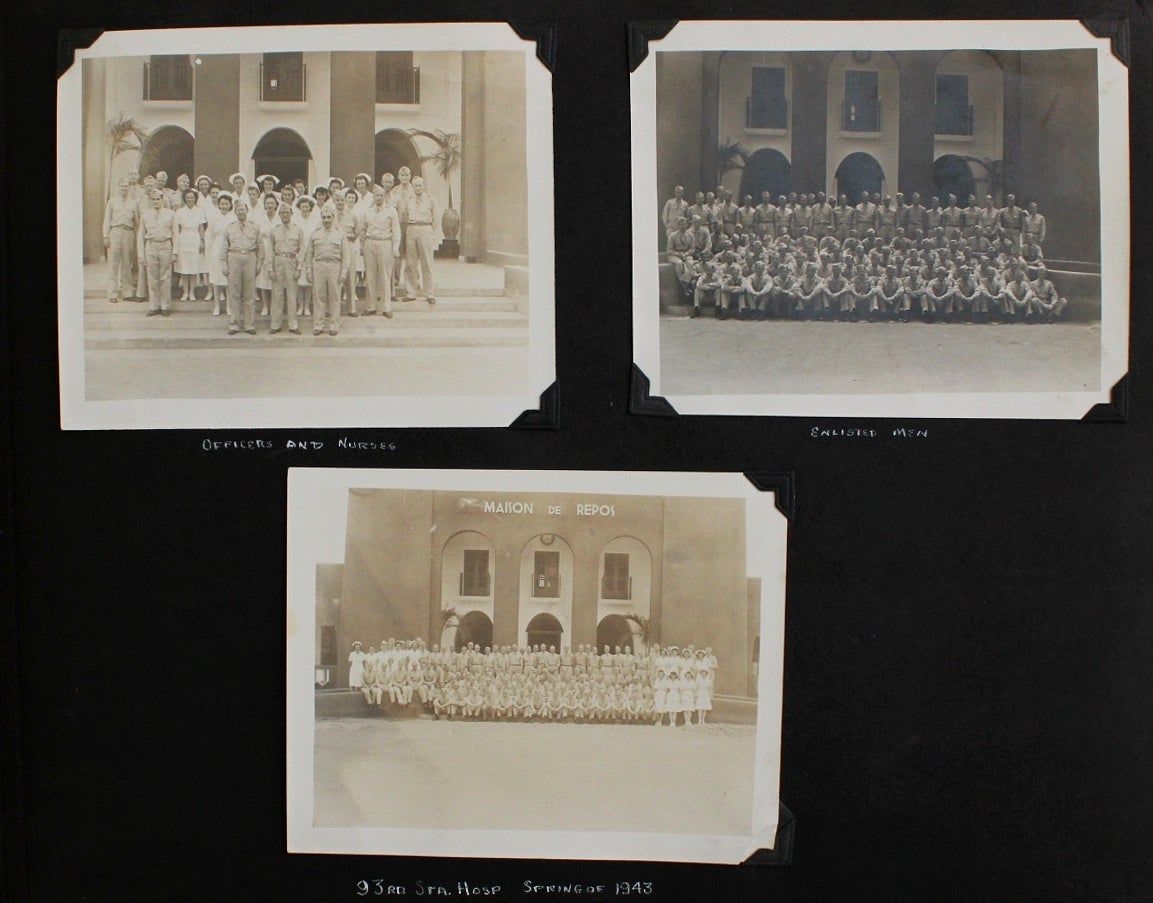
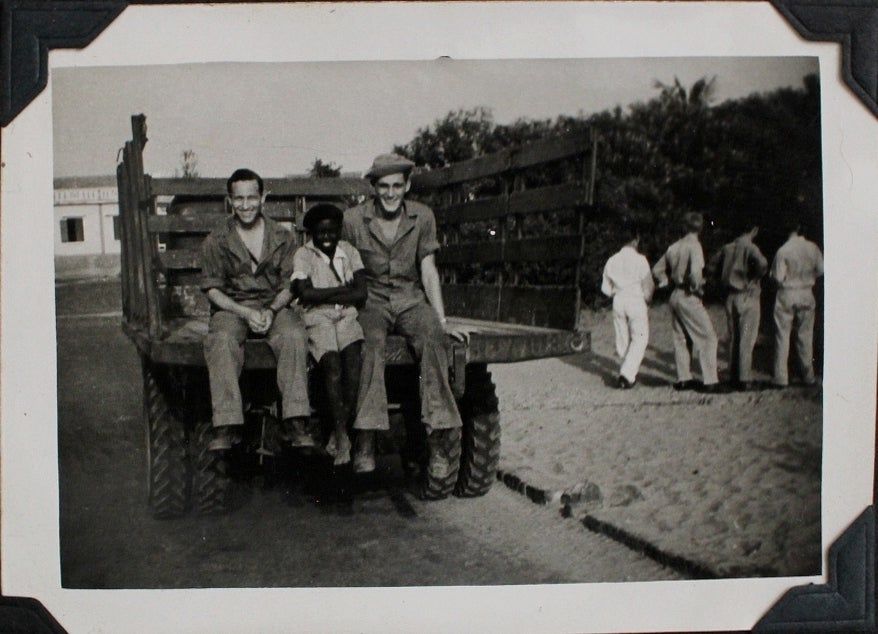
The album begins after the unit arrived in Morocco with three group shots of hospital staff and enlisted men standing outside a building. That's followed by shots of members of the 93rd around their base, relaxing, working in the pharmacy and interacting with locals. Several of the service members are identified by name in these photos.
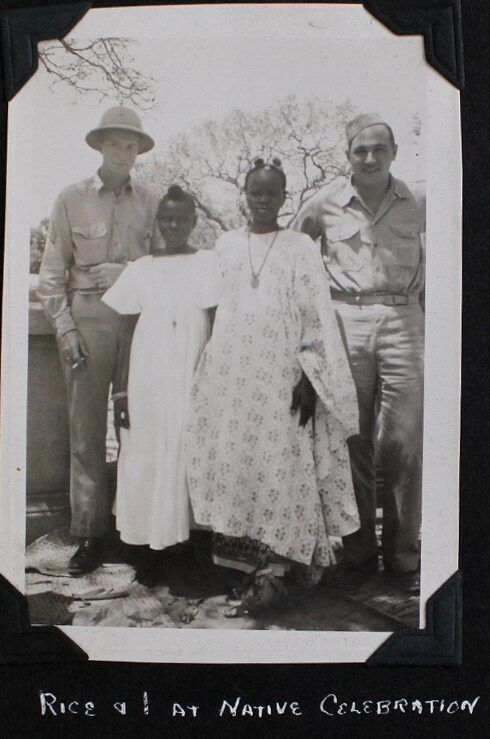
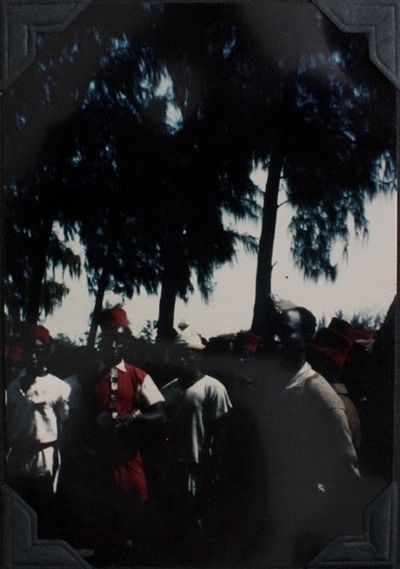
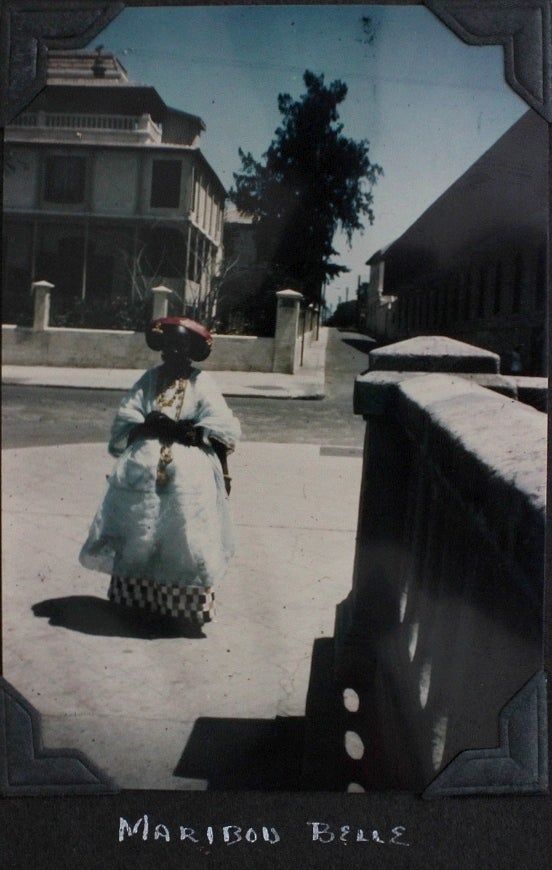
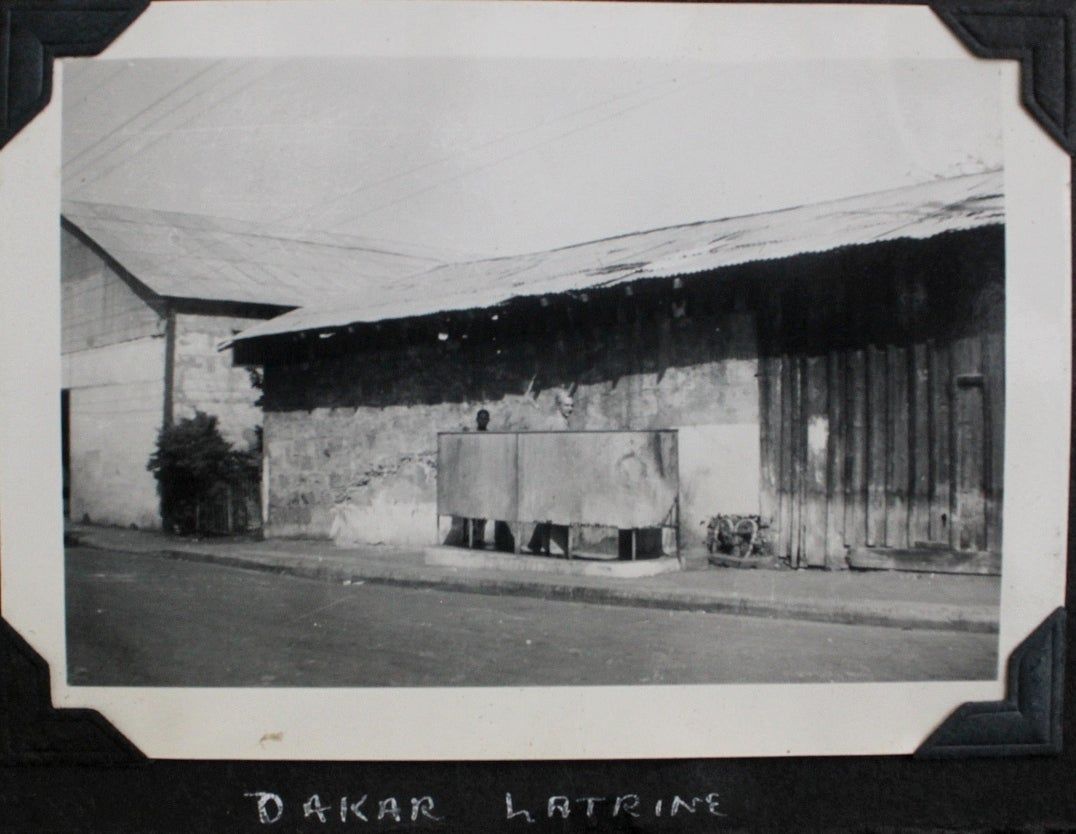
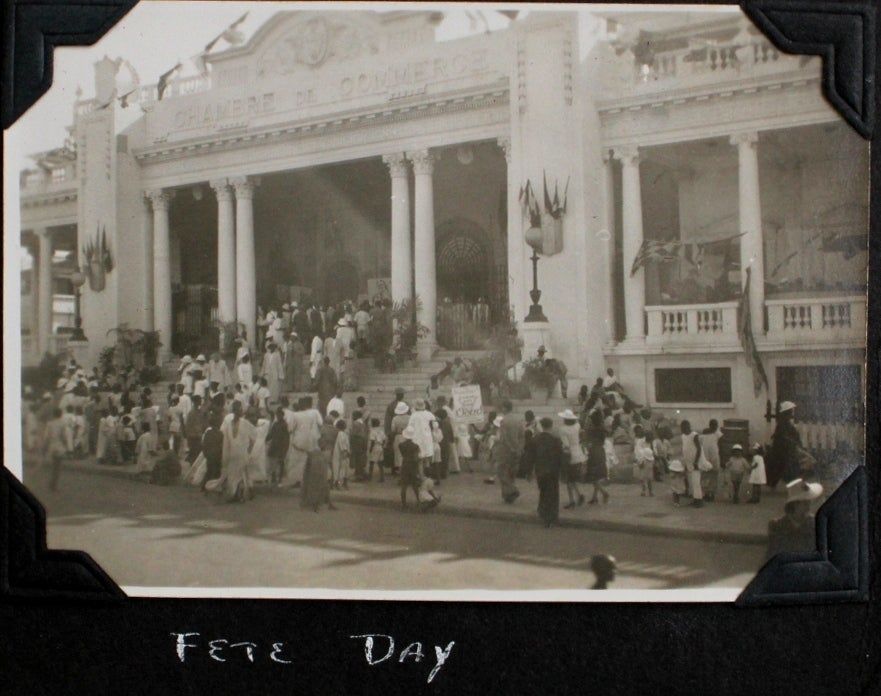
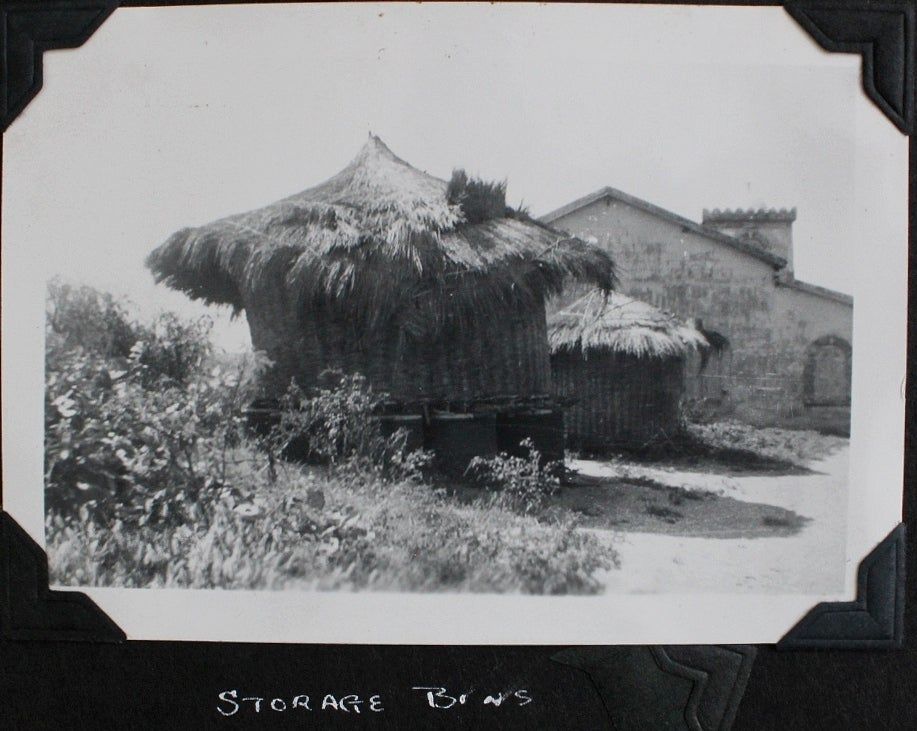
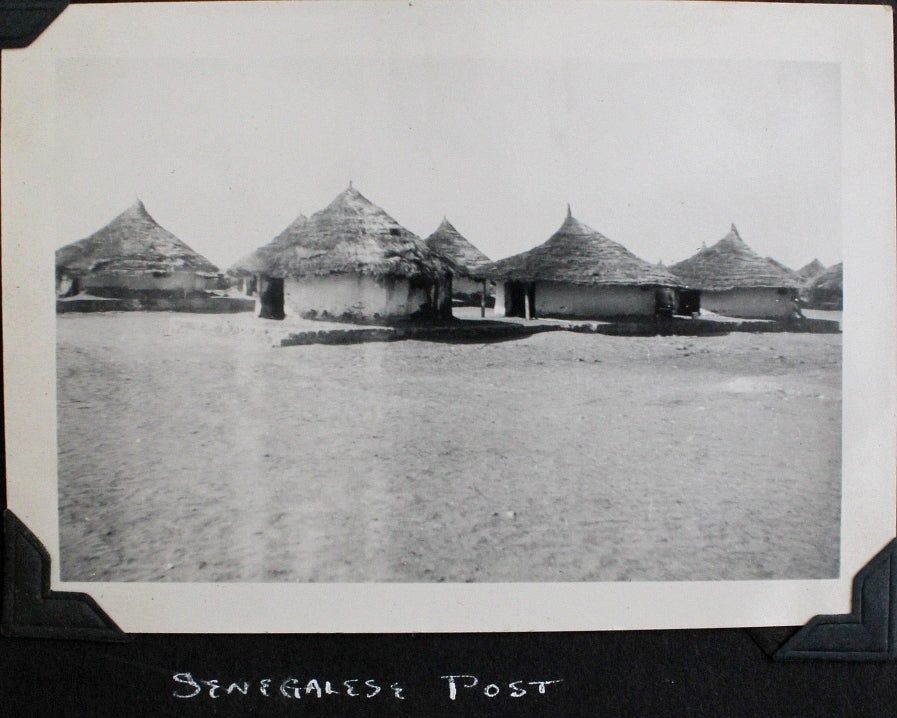
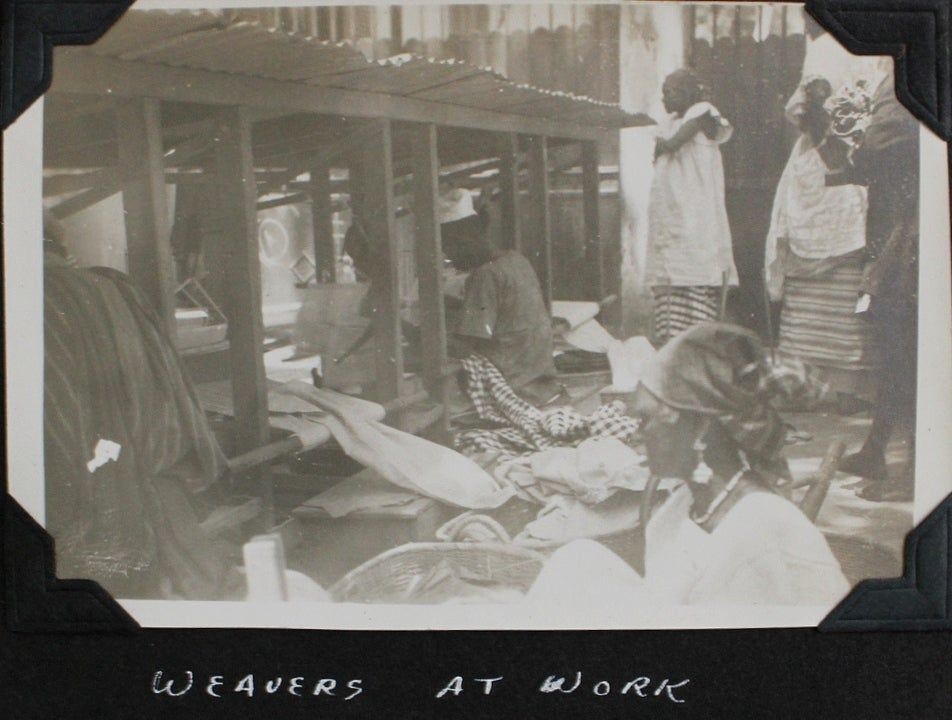
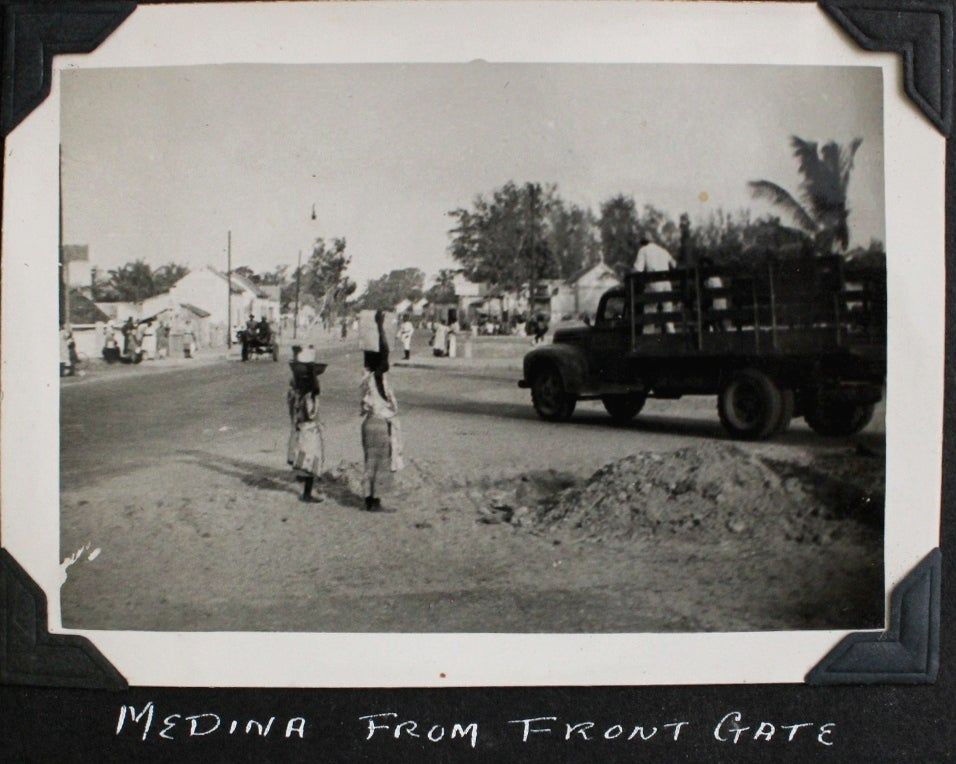
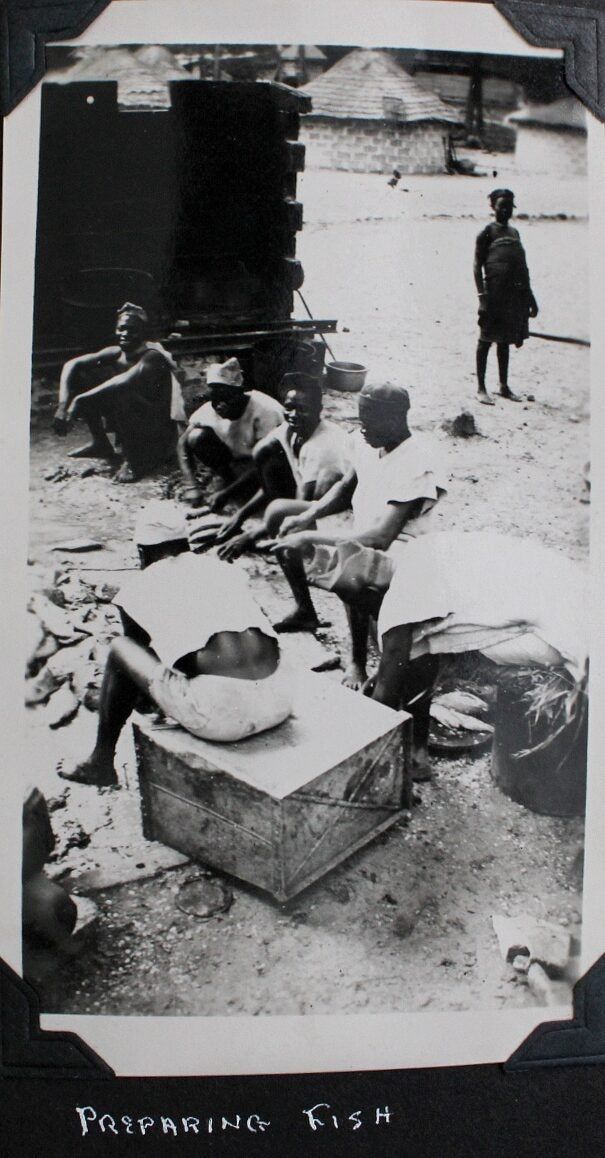
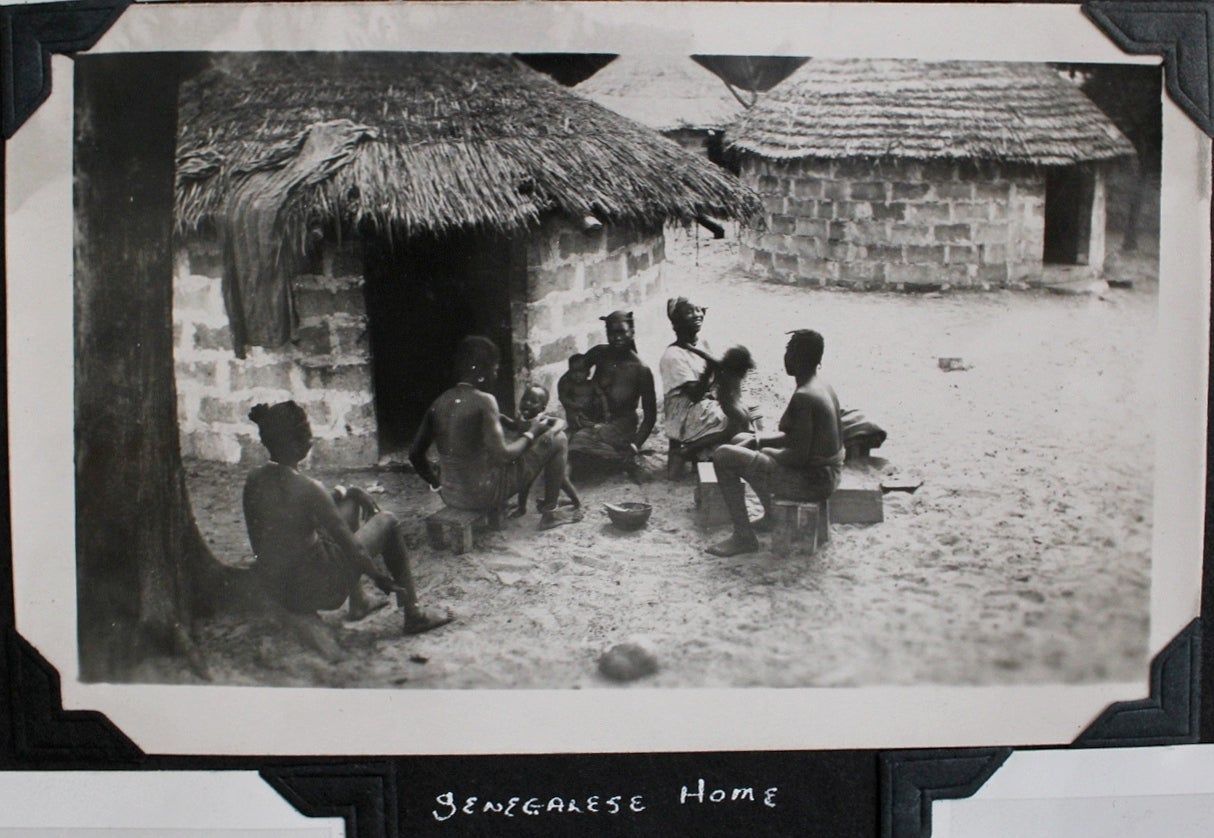
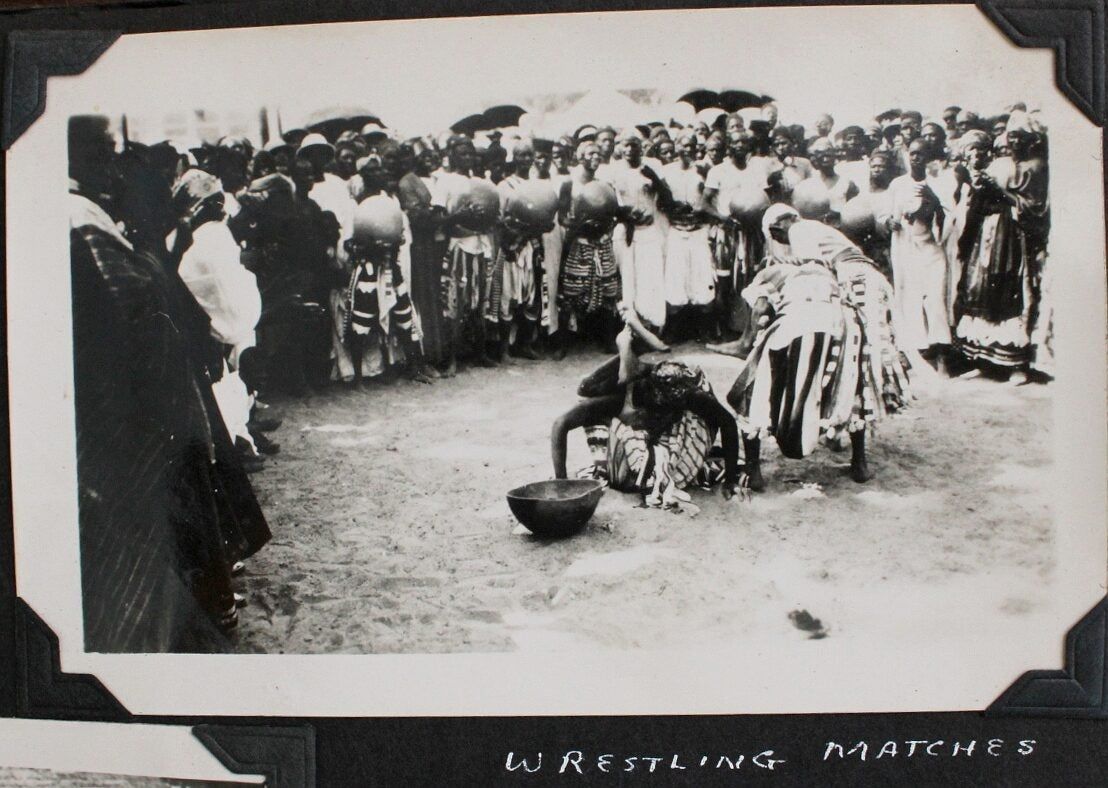
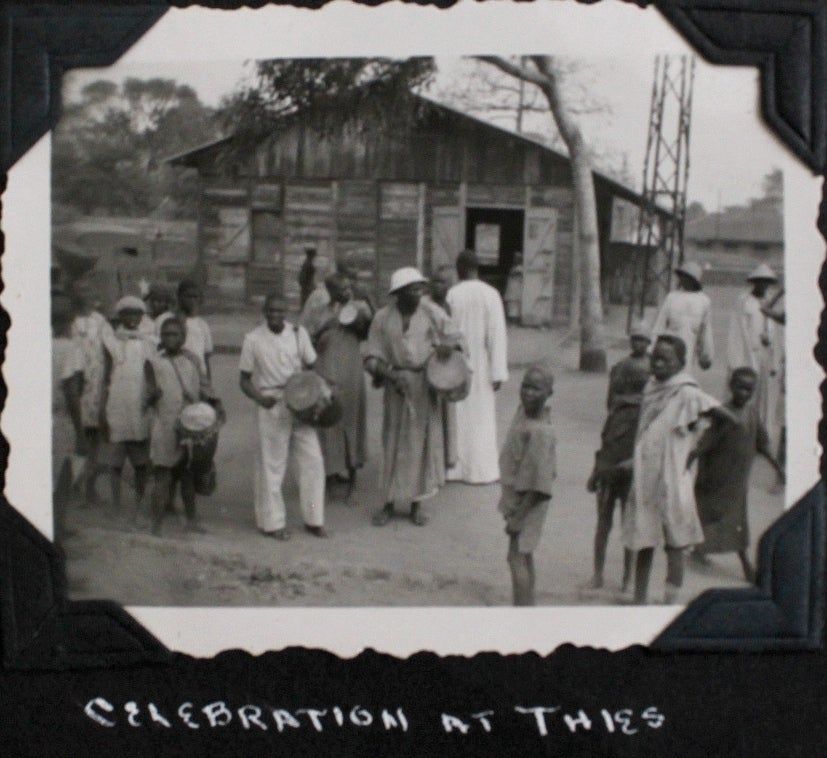
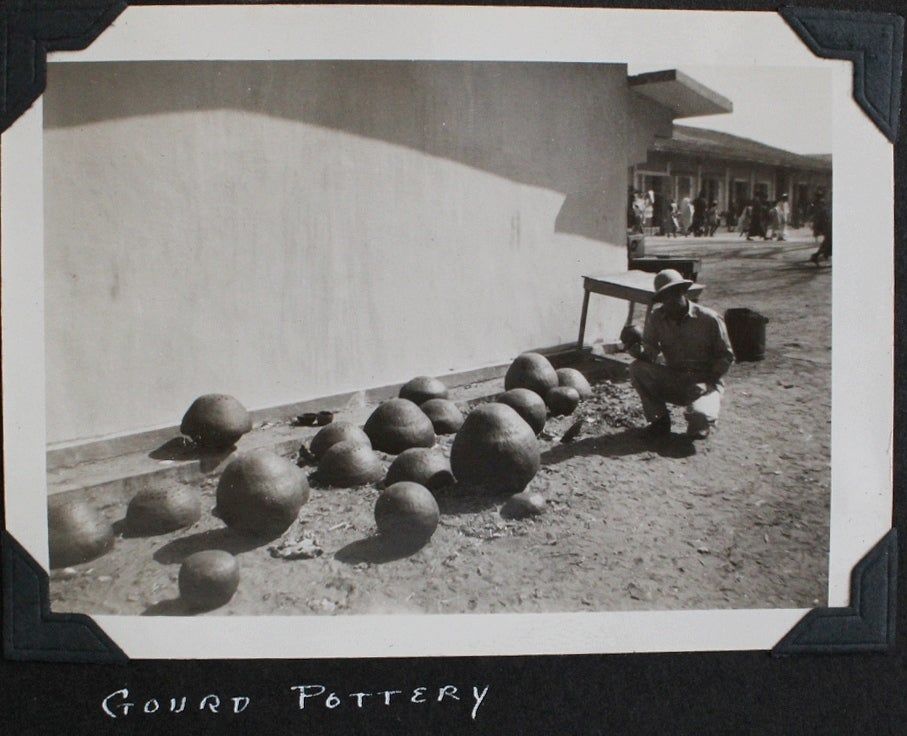
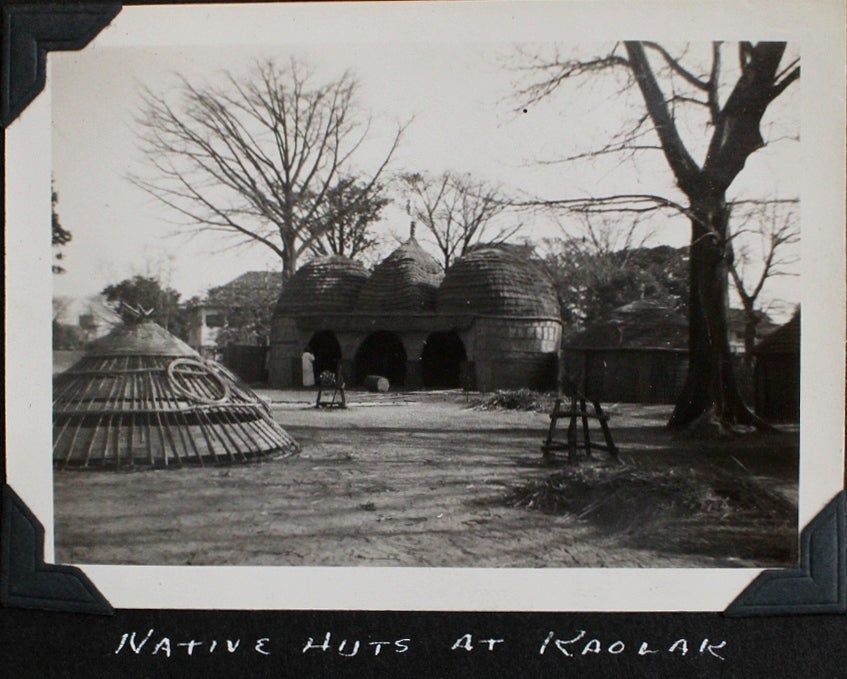
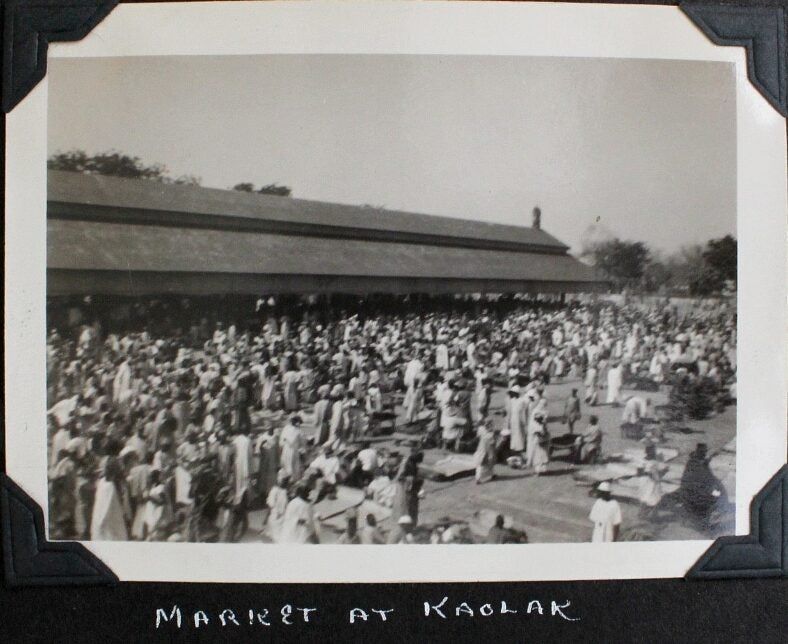
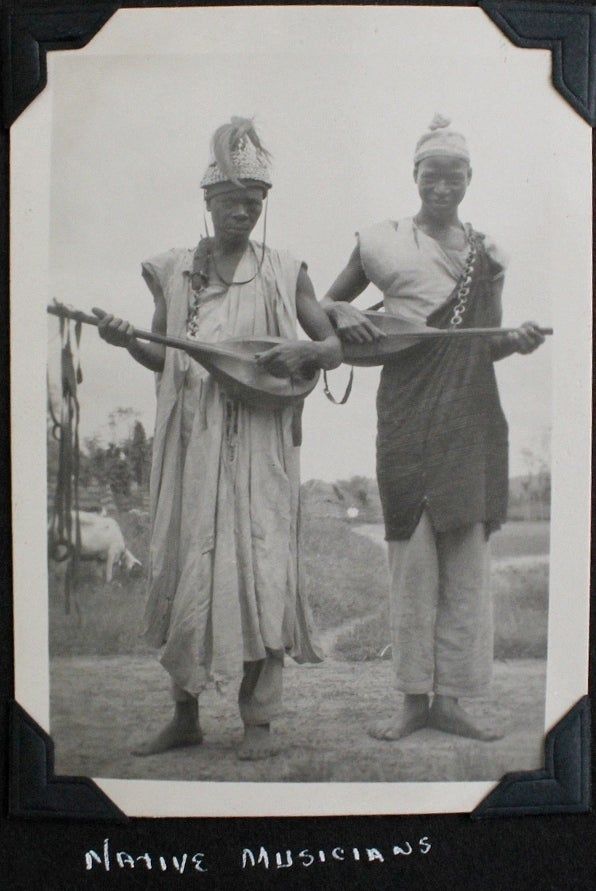
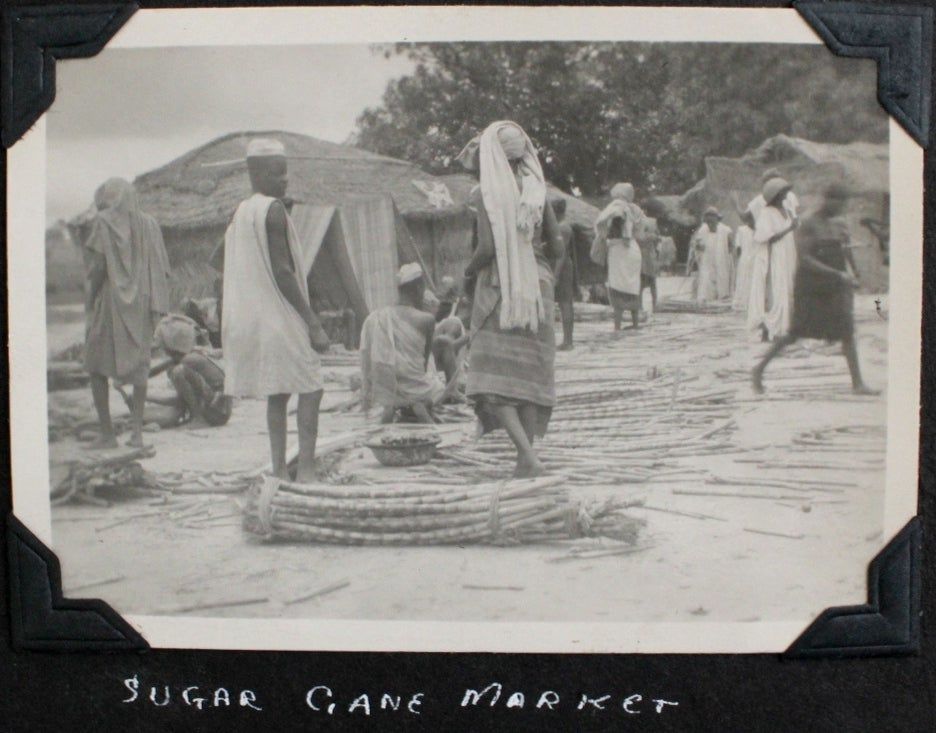
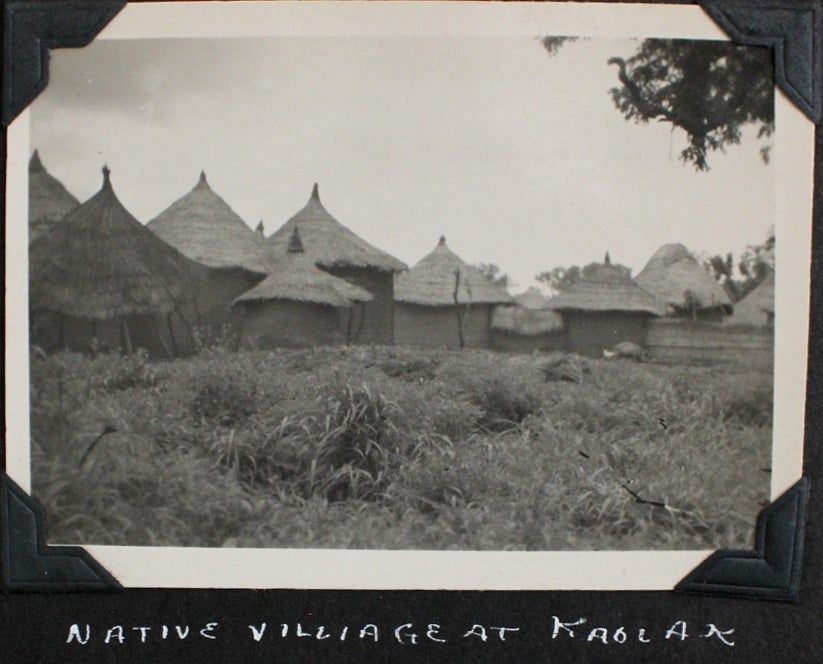
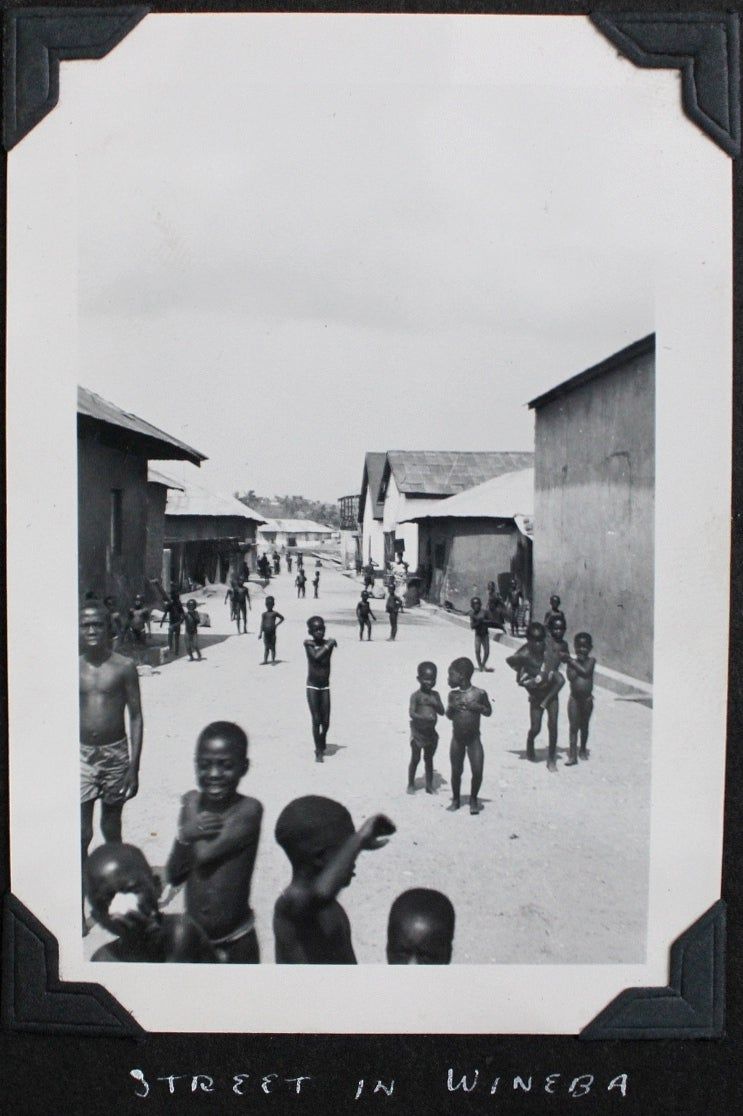
Importantly, over 70 photos show native peoples and/or their living conditions. The compiler also traveled in Senegal as there are pictures taken in Dakar which include two great shots in color of a local woman as well as what appears to be either government officials or military. Other images in Dakar include great street scenes, a weaver weaving, and a large crowd for "Fete Day." We also see native homes and large thatched huts used for storage, shots around the Medina neighborhood, and native fishermen at work. There are photos of a Senegalese military post, natives wrestling and a potter at work. Still more interesting photos involve the cultivation of peanuts, salt and cotton and the preparation of nets. The preceding just scratches the surface and there is much more to discover.
A wonderful exploration of two countries in Africa compiled by a member of a storied World War II medical unit.
This album was compiled by a member of the 93rd Evacuation Hospital while the unit was in Africa in 1943. According to a unit history we found online:
"The parent unit of this hospital was activated as the 61st Surgical Hospital in July 1923 and assigned to the Organized Reserves in the VII Corps area on the east coast of the United States. It became part of the Regular Army on January 1, 1938. On June 1, 1941, it was transferred to Fort George Meade, Maryland, and placed on active duty status. Following participation in the Carolina Maneuvers later that year, the hospital was assigned a training mission, which lasted for two years. The hospital was reorganized and redesignated as the 93rd Evacuation Hospital (Motorized) on August 20, 1942. The hospital continued to train and participate in maneuvers until April 4, 1943, when overseas movement orders were received, and staging was accomplished through Camp Shanks, New York on April 15, 1943. The hospital departed New York Harbor on board the USS Mariposa, destination unknown. After eight days and 3500 miles, the ship docked at Casablanca, French Morocco, North Africa. On May 25, 1943, the first patients arrived at the hospital. These consisted of both American and British casualties from the nearby airfield and service units. Patients continued to be received and evaluated until June 16, 1943, when notification was received to prepare for invasion while attached to the 1st Infantry Division. From June 16 - 18, 1943, the hospital prepared for the invasion of Sicily and Italy, and on July 9, 1943 embarked on various ships of the invasion fleet. By July 13, 1943, the hospital, completely intact, participated in the invasion of Sicily. From July 13 1943 to September 1, 1943, the hospital received casualties and moved to different locations. This was accomplished despite a shortage of equipment while working in some of the most difficult areas and terrain. On September 6, 1943, the hospital was disassembled and loaded on vehicles in preparation for another invasion. For the unitss participation in this campaign, the 93rd Evacuation Hospital (Motorized) was awarded the Sicilan Campaign Streamer (Jul 13 - Sep 6 1943)."
The album begins after the unit arrived in Morocco with three group shots of hospital staff and enlisted men standing outside a building. That's followed by shots of members of the 93rd around their base, relaxing, working in the pharmacy and interacting with locals. Several of the service members are identified by name in these photos.
Importantly, over 70 photos show native peoples and/or their living conditions. The compiler also traveled in Senegal as there are pictures taken in Dakar which include two great shots in color of a local woman as well as what appears to be either government officials or military. Other images in Dakar include great street scenes, a weaver weaving, and a large crowd for "Fete Day." We also see native homes and large thatched huts used for storage, shots around the Medina neighborhood, and native fishermen at work. There are photos of a Senegalese military post, natives wrestling and a potter at work. Still more interesting photos involve the cultivation of peanuts, salt and cotton and the preparation of nets. The preceding just scratches the surface and there is much more to discover.
A wonderful exploration of two countries in Africa compiled by a member of a storied World War II medical unit.
Details
Title
[Photo Album Depicting the 93rd Evacuation Hospital in Africa with Many Images of Indigenous Peoples]
Condition
Near Fine
Publisher
Morocco and Senegal
Date
1943