

Let Me Die A Woman: The Why And How of Sex-Change Operations" 1978 First Edition Pulp on the Male-to-Female Transgender Experience
- 1978
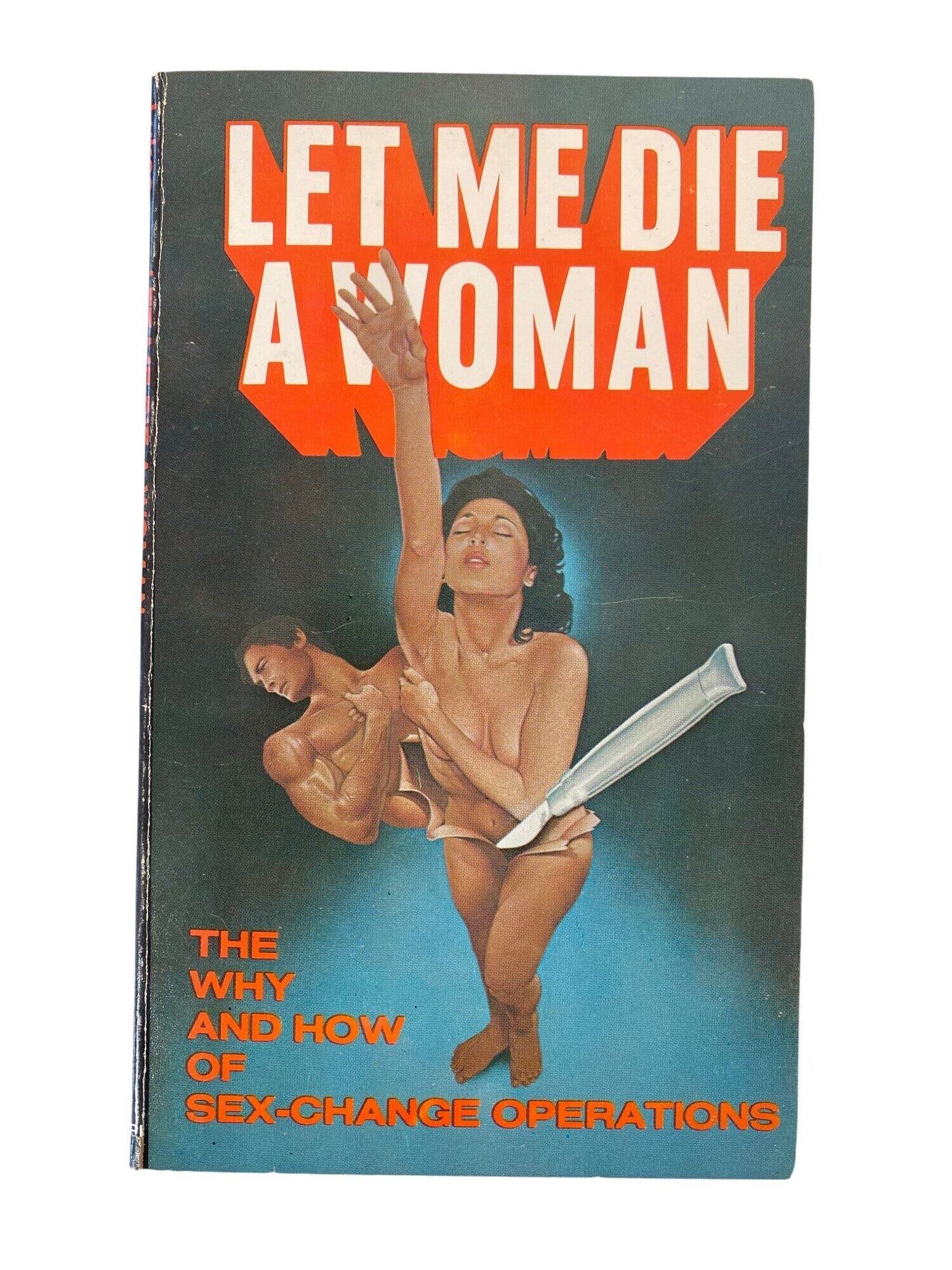
1978. [Transgender] Lukas, M.J. Let Me Die A Woman, the 1978 companion volume to Doris Wishman's semidocumentary exploitation film of the same name. This book put to print the film's exploration of male-to-female transgender experience, combining medical explanation, surgical discussion, and autobiographical case histories. The volume centers the work of Dr. Leo Wollman, identified in the foreword as physician, surgeon, psychologist, minister, medical writer, and scientific adviser to the film, and presents gender transition through the clinical language then prevalent in American sexology. Chapters including "Crossed Wires: The Puzzle of Gender Identity," "Between Worlds: The Tortured Transsexual," "The Problem of Self-Hatred: 'That Thing Between My Legs,'" and "Under the Knife: The Surgeon Rebuilds" explain the prevailing assumptions, therapeutic models, and social attitudes surrounding transgender identity during the late 1970s. First-person "Life Story" narratives trace subjects from childhood gender dysphoria through hormone treatment and surgery, documenting how transition was presented to a popular audience during a period when public understanding remained largely mediated through medical authorities, sensational journalism, and exploitation cinema.
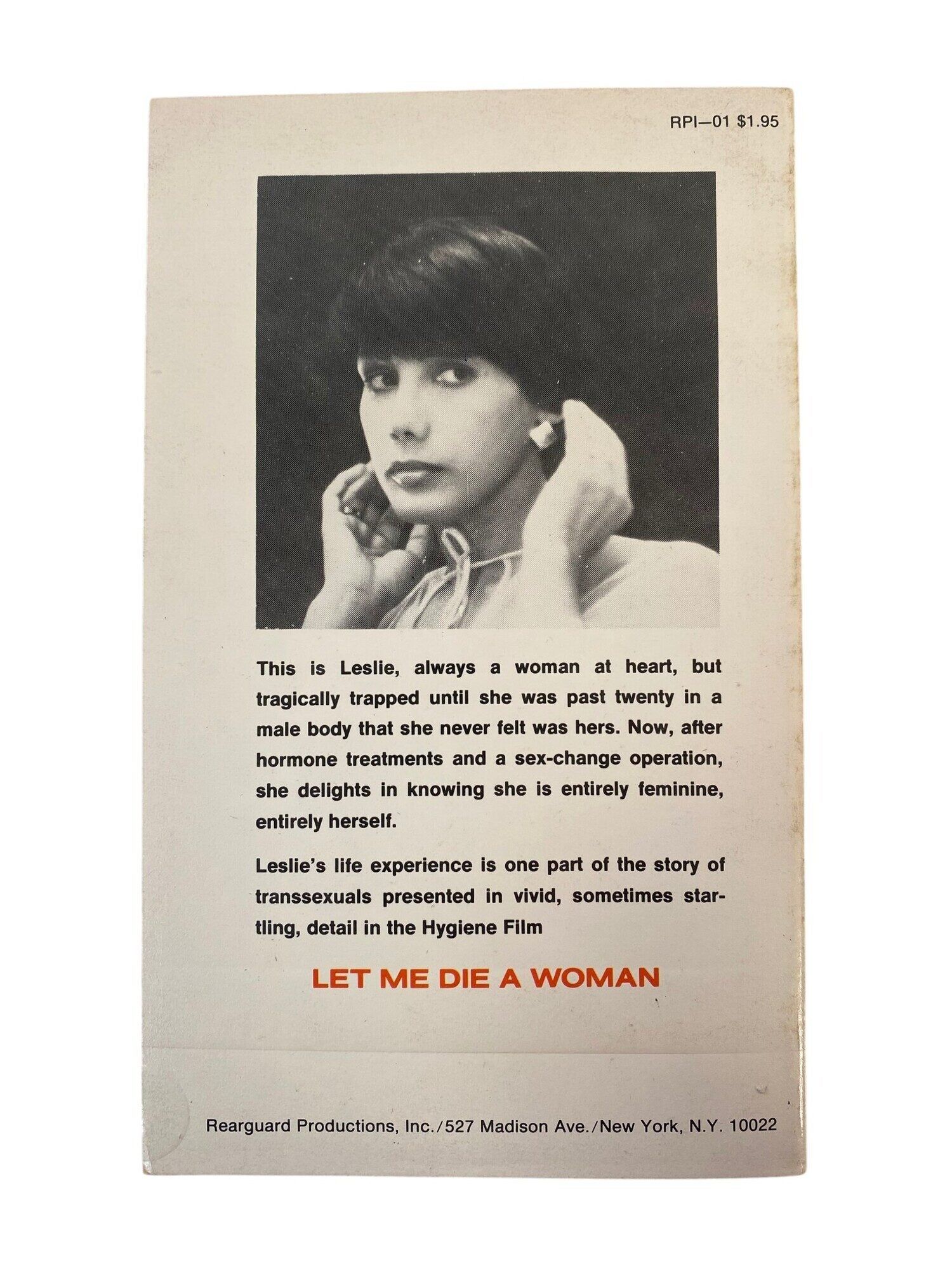
Lukas, M.J. Let Me Die a Woman: The Why and How of Sex-Change Operations. New York: Rearguard Productions, 1978. The text opens with a foreword crediting Wollman as a pioneer in the study and treatment of transsexual patients and states that much of the book's scientific content derived from consultations with him. The table of contents lists ten chapters interspersed with five autobiographical case studies, including "My Husband Is My Wife!," "Help Me! Help Me!," "In Limbo," "Adam Or Eve!," and "And So They Lived Happily Ever After." A preliminary leaf reproduces a portrait captioned, "Leslie, born a male and now feminine in every way," while the rear cover identifies Leslie as one of the film's featured subjects and summarizes her transition through hormone therapy and surgery. The contents page further notes photographic illustrations from the motion picture Let Me Die a Woman and anatomical drawings by William Jaber.
This book was published in the aftermath of the sexual revolution and post-Stonewall LGBTQ activism, when publishers, sex educators, physicians, and exploitation filmmakers all contributed to public understanding of gender transition. Released the same year as Wishman's film, it contains both genuine, compassionate explorations of gender and lurid, exploitative rhetoric, preserving language and frameworks of the 70s that would soon be challenged by changing medical standards and transgender advocacy. A contemporaneous account of transgender experience in the 1970s presented to a general readership. Moderate rubbing and edge wear to wrappers; light toning to text block; binding sound. Overall very good condition.
Lukas, M.J. Let Me Die a Woman: The Why and How of Sex-Change Operations. New York: Rearguard Productions, 1978. The text opens with a foreword crediting Wollman as a pioneer in the study and treatment of transsexual patients and states that much of the book's scientific content derived from consultations with him. The table of contents lists ten chapters interspersed with five autobiographical case studies, including "My Husband Is My Wife!," "Help Me! Help Me!," "In Limbo," "Adam Or Eve!," and "And So They Lived Happily Ever After." A preliminary leaf reproduces a portrait captioned, "Leslie, born a male and now feminine in every way," while the rear cover identifies Leslie as one of the film's featured subjects and summarizes her transition through hormone therapy and surgery. The contents page further notes photographic illustrations from the motion picture Let Me Die a Woman and anatomical drawings by William Jaber.
This book was published in the aftermath of the sexual revolution and post-Stonewall LGBTQ activism, when publishers, sex educators, physicians, and exploitation filmmakers all contributed to public understanding of gender transition. Released the same year as Wishman's film, it contains both genuine, compassionate explorations of gender and lurid, exploitative rhetoric, preserving language and frameworks of the 70s that would soon be challenged by changing medical standards and transgender advocacy. A contemporaneous account of transgender experience in the 1970s presented to a general readership. Moderate rubbing and edge wear to wrappers; light toning to text block; binding sound. Overall very good condition.
Details
Title
Let Me Die A Woman: The Why And How of Sex-Change Operations" 1978 First Edition Pulp on the Male-to-Female Transgender Experience
Author
M.J. Lukas; Transgender
Condition
Unknown
Date
1978