

Colonial Indian Labor, Market Sellers, and Servant Transport Under British Rule, 1890s-1920s
- 1890
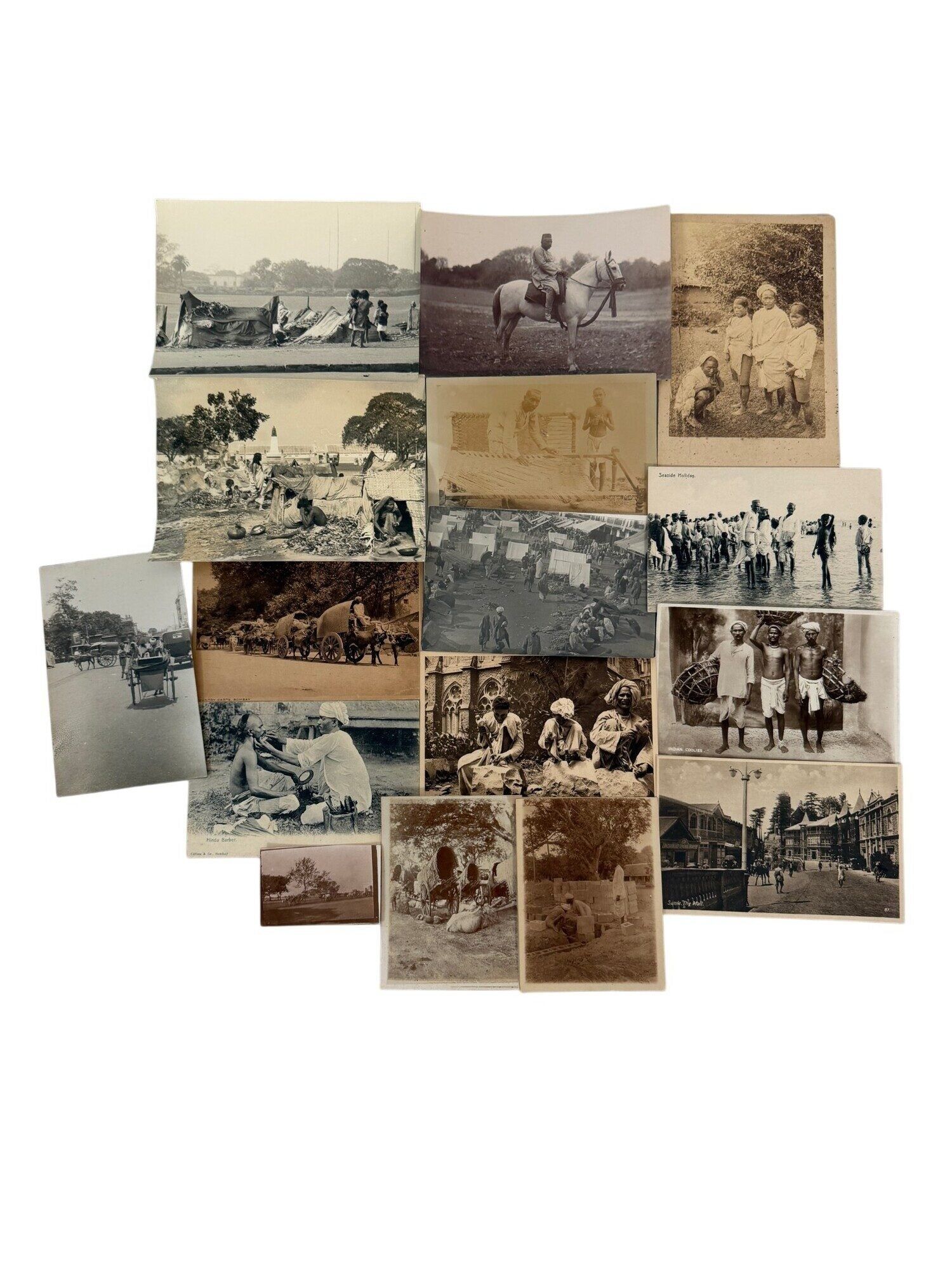
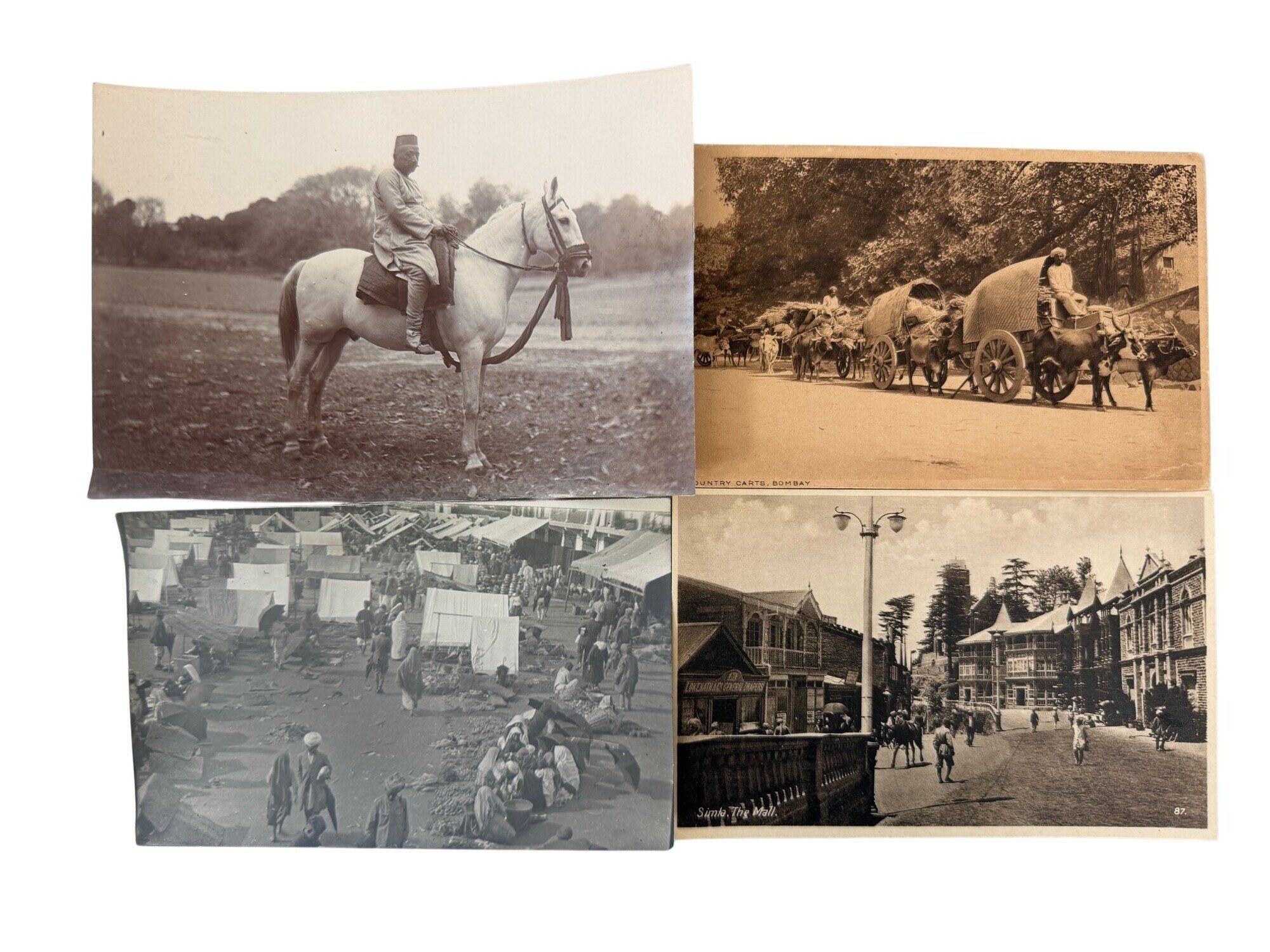
1890. Colonial Indian labor photo archive depicting street work, informal commerce, transport labor, and social hierarchy under British rule, circa 1890s-1920s. British India depended on low-paid manual labor to move people, goods, food, and raw materials through cities, ports, hill stations, and military cantonments. The group contrasts workers seated on the ground with baskets, tools, tents, carts, and roadside goods against riders on horseback and passengers carried by rickshaw, carriage, and bullock cart.
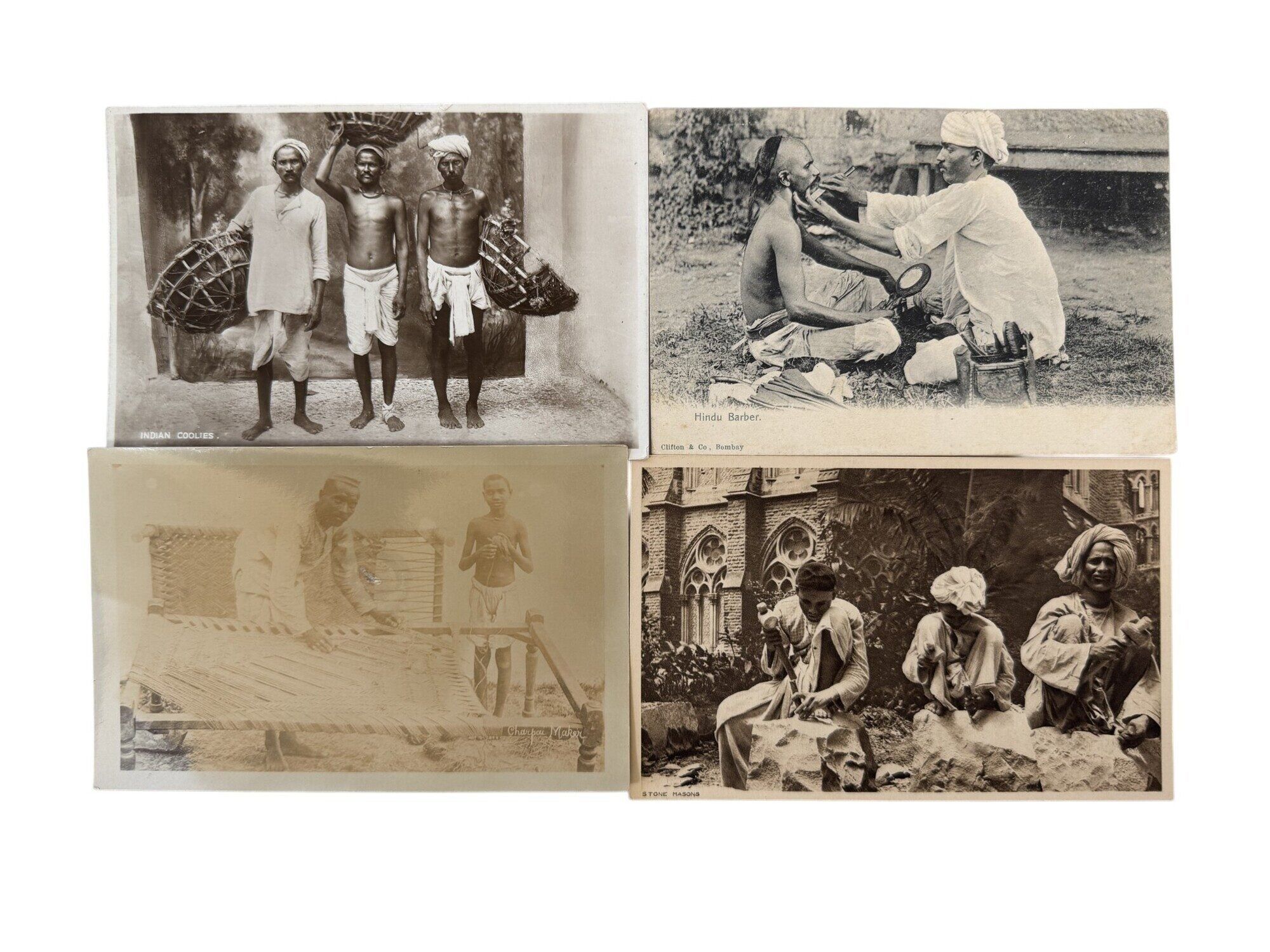
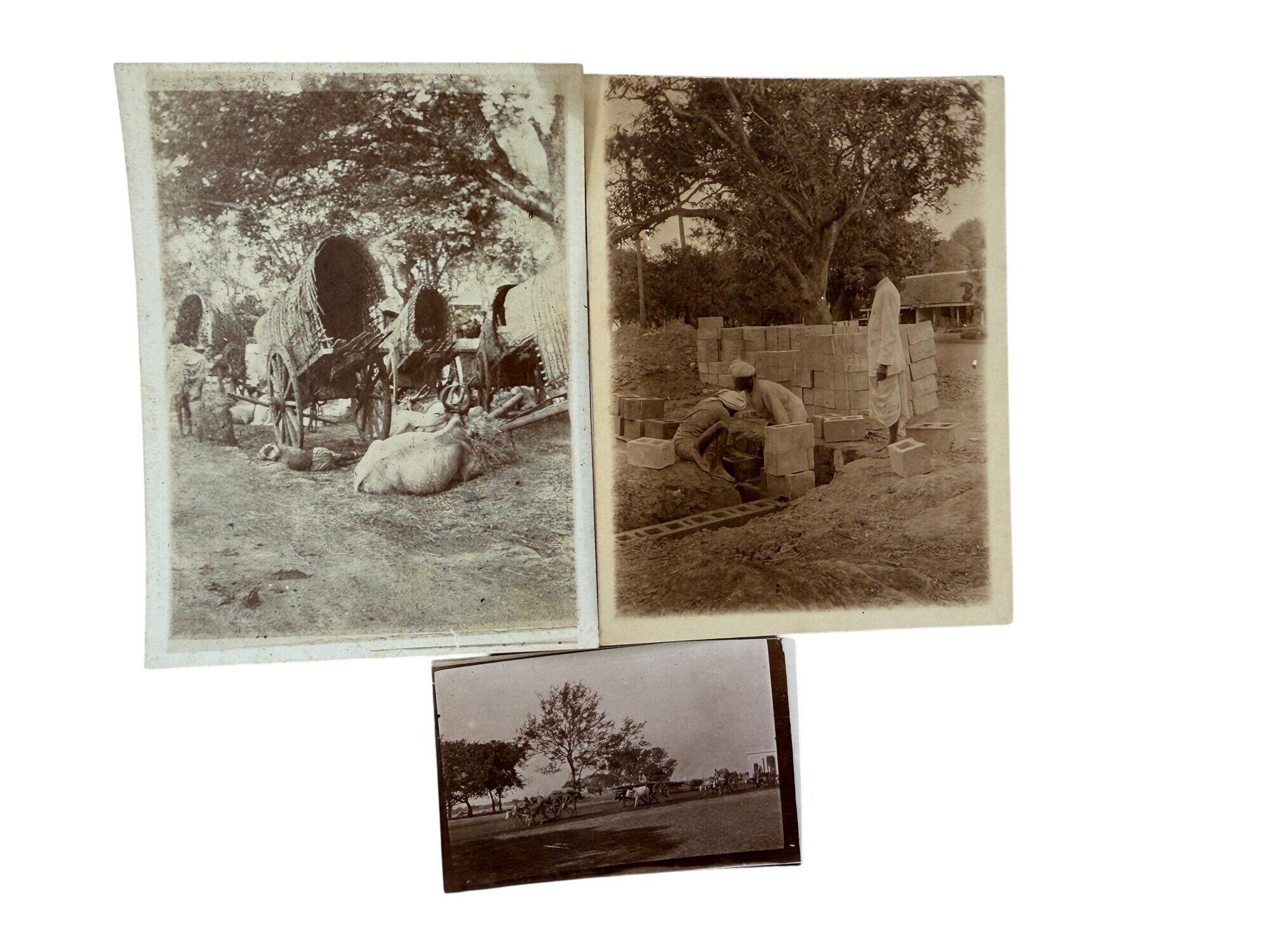
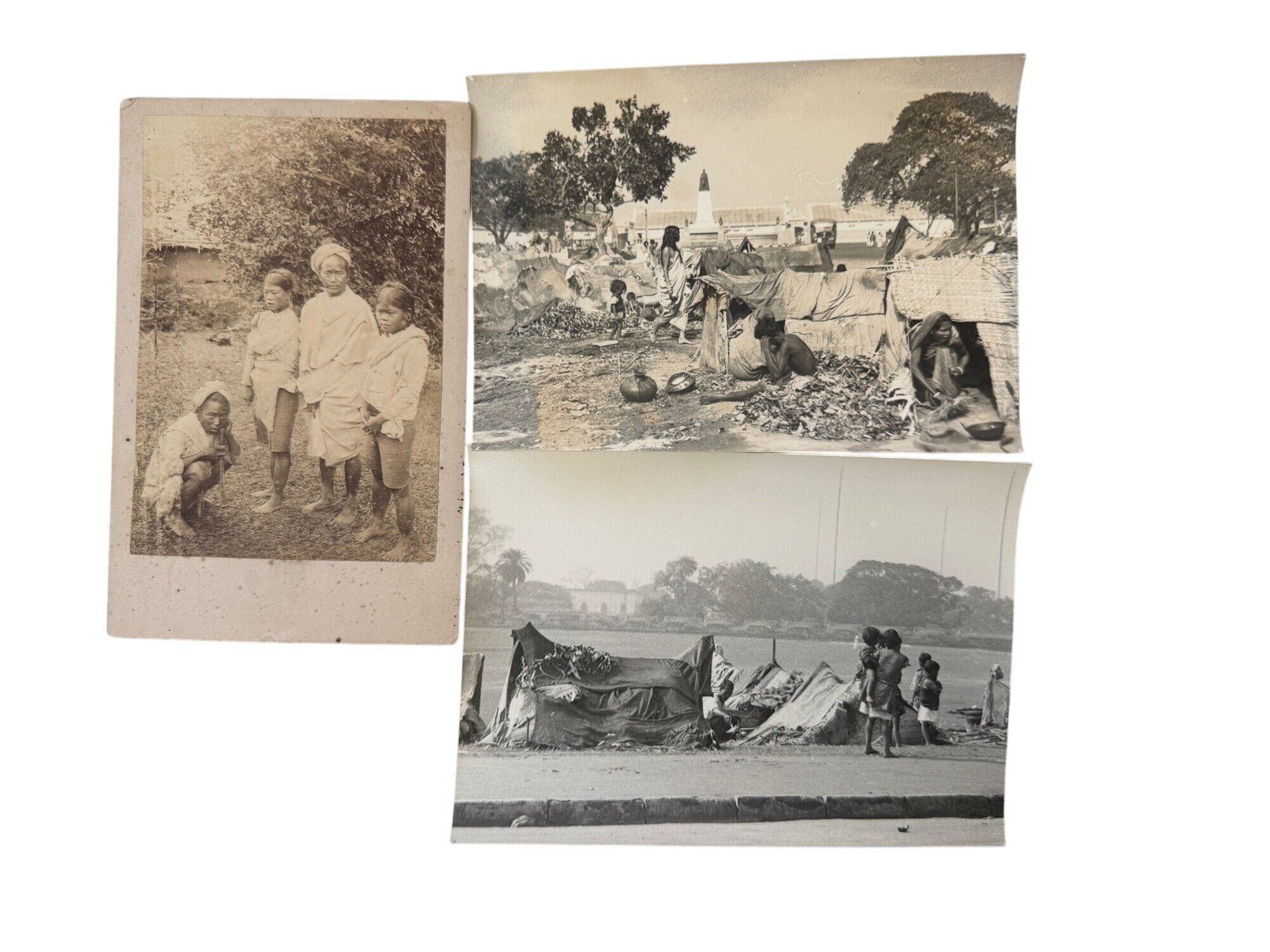
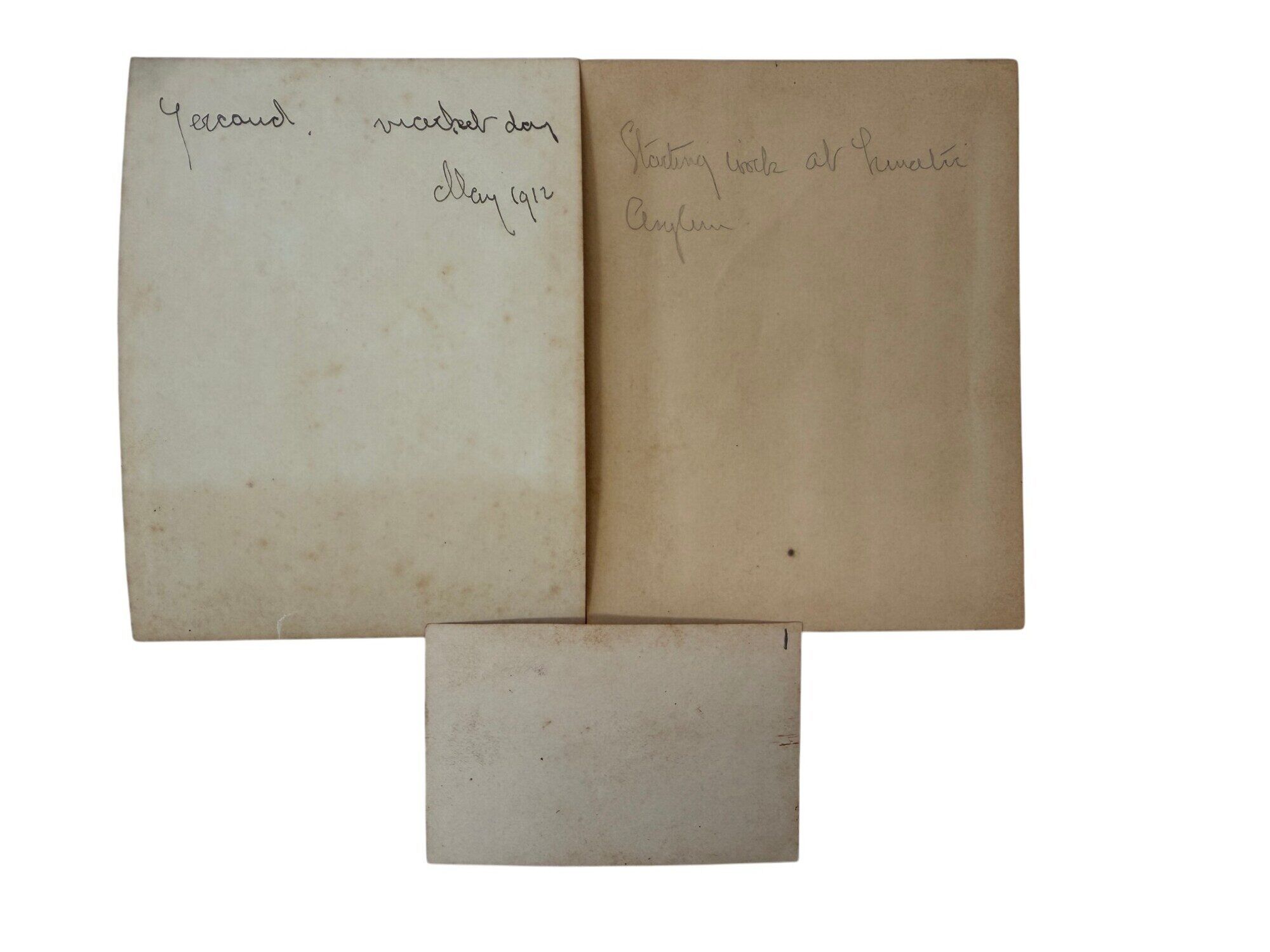
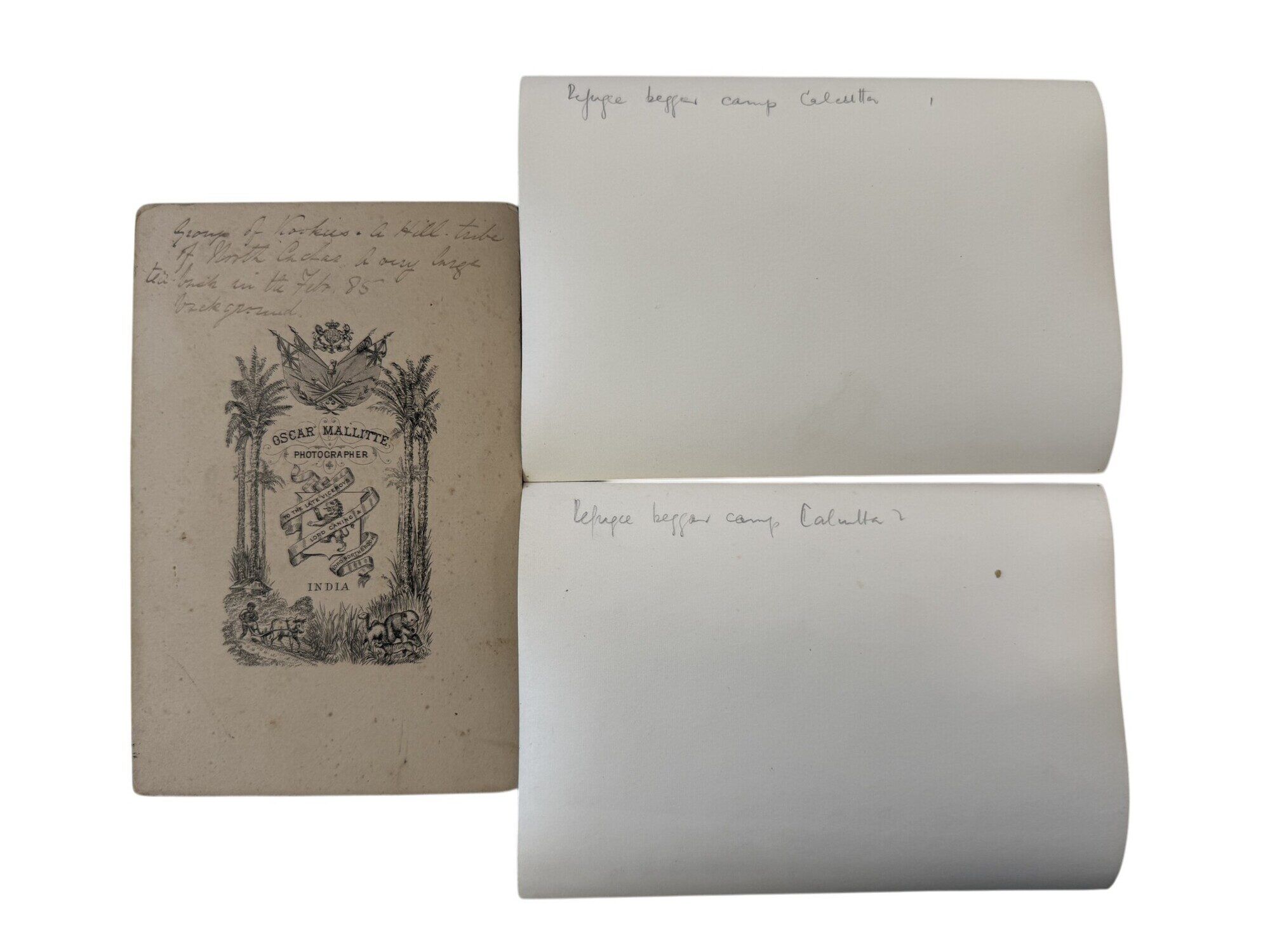
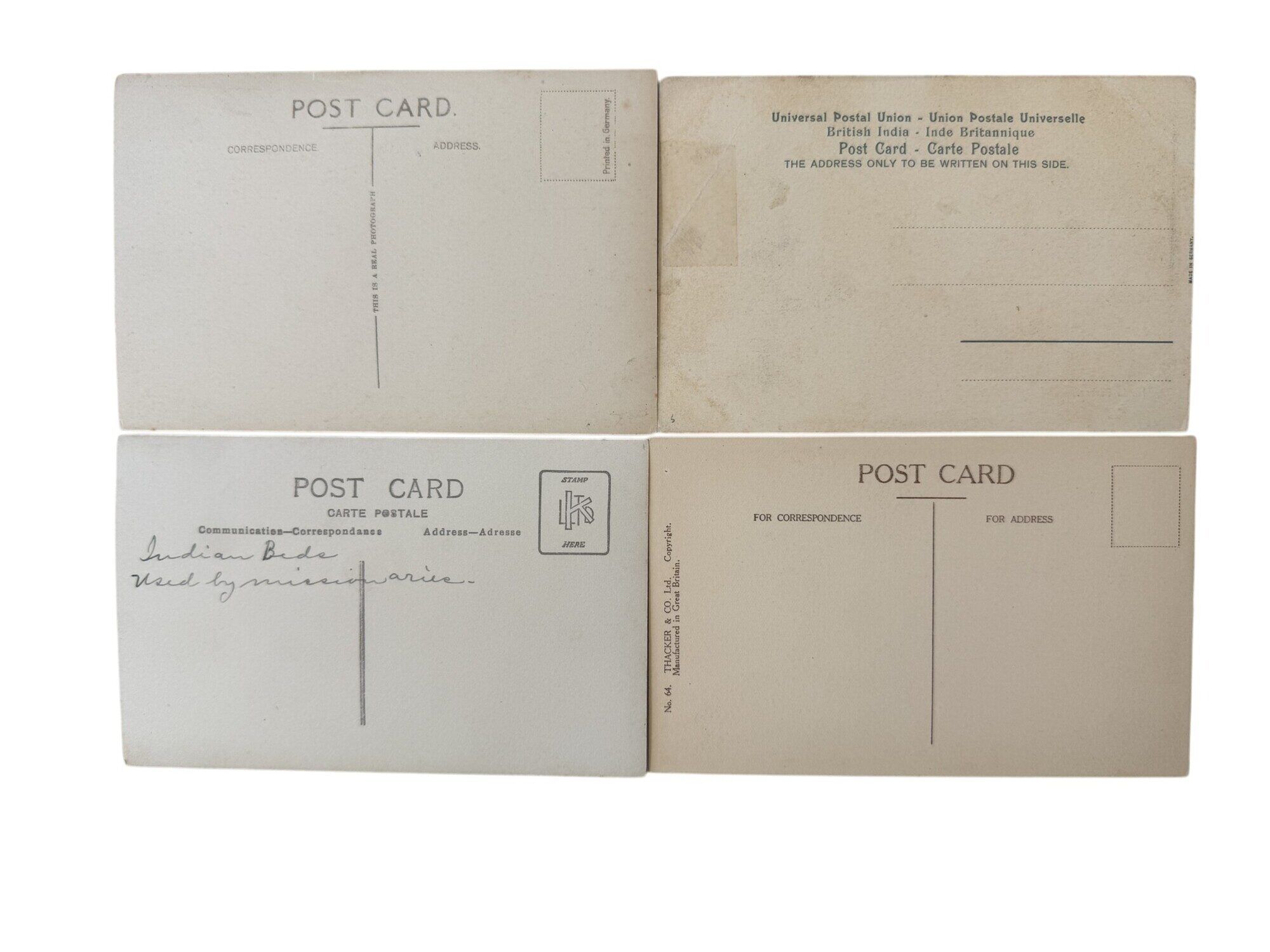
Photo archive of 16 silver gelatin photographs and black-and-white real photo postcards, various sizes, India, circa 1890s-1920s. Marketplace sellers sit among baskets, cloth tents, and on the ground goods; families and workers gather beside tents and rough encampments; men pull or guide rickshaws, carriages, and ox-drawn carts through colonial streets. A mounted man sits formally on a white horse, while views of Simla show pedestrians, commercial buildings, and hill-station streets associated with British administration and seasonal elite life. Additional scenes show an outdoor "Hindu barber," "Indian coolies" carrying large baskets, men seated by stonework near a Gothic-style building, children posed in white garments, some hand written captions en verso identify locations or tasks.
The archive records the everyday labor that supported colonial India before independence, when caste, landlessness, debt, and imperial wage economies shaped who carried, cleaned, hauled, shaved, sold, and served. Ligh toning, handling, and edge wear; overall in very good condition. A late colonial documentation of Indian labor and social separation, grounded in street work, transport, marketplace survival, and the visible privileges of those being carried or served.
Photo archive of 16 silver gelatin photographs and black-and-white real photo postcards, various sizes, India, circa 1890s-1920s. Marketplace sellers sit among baskets, cloth tents, and on the ground goods; families and workers gather beside tents and rough encampments; men pull or guide rickshaws, carriages, and ox-drawn carts through colonial streets. A mounted man sits formally on a white horse, while views of Simla show pedestrians, commercial buildings, and hill-station streets associated with British administration and seasonal elite life. Additional scenes show an outdoor "Hindu barber," "Indian coolies" carrying large baskets, men seated by stonework near a Gothic-style building, children posed in white garments, some hand written captions en verso identify locations or tasks.
The archive records the everyday labor that supported colonial India before independence, when caste, landlessness, debt, and imperial wage economies shaped who carried, cleaned, hauled, shaved, sold, and served. Ligh toning, handling, and edge wear; overall in very good condition. A late colonial documentation of Indian labor and social separation, grounded in street work, transport, marketplace survival, and the visible privileges of those being carried or served.
Details
Title
Colonial Indian Labor, Market Sellers, and Servant Transport Under British Rule, 1890s-1920s
Author
British Colonial India
Condition
Unknown
Date
1890