

Tobacco, Pipes and Smoking Customs of the American Indians
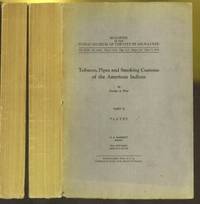
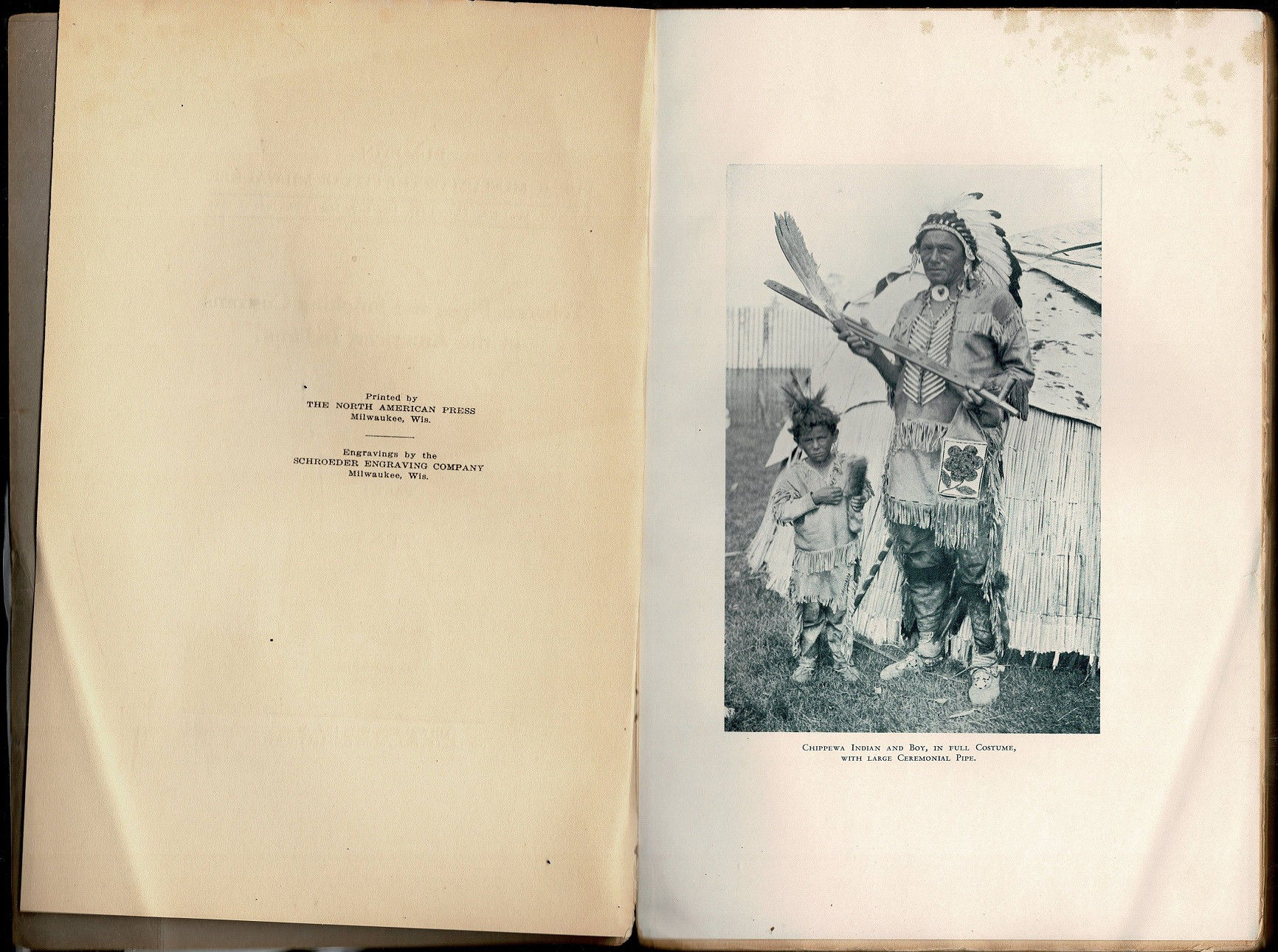
- Paperback
- Milwaukee: Public Museum of the City of Milwaukee, 1934
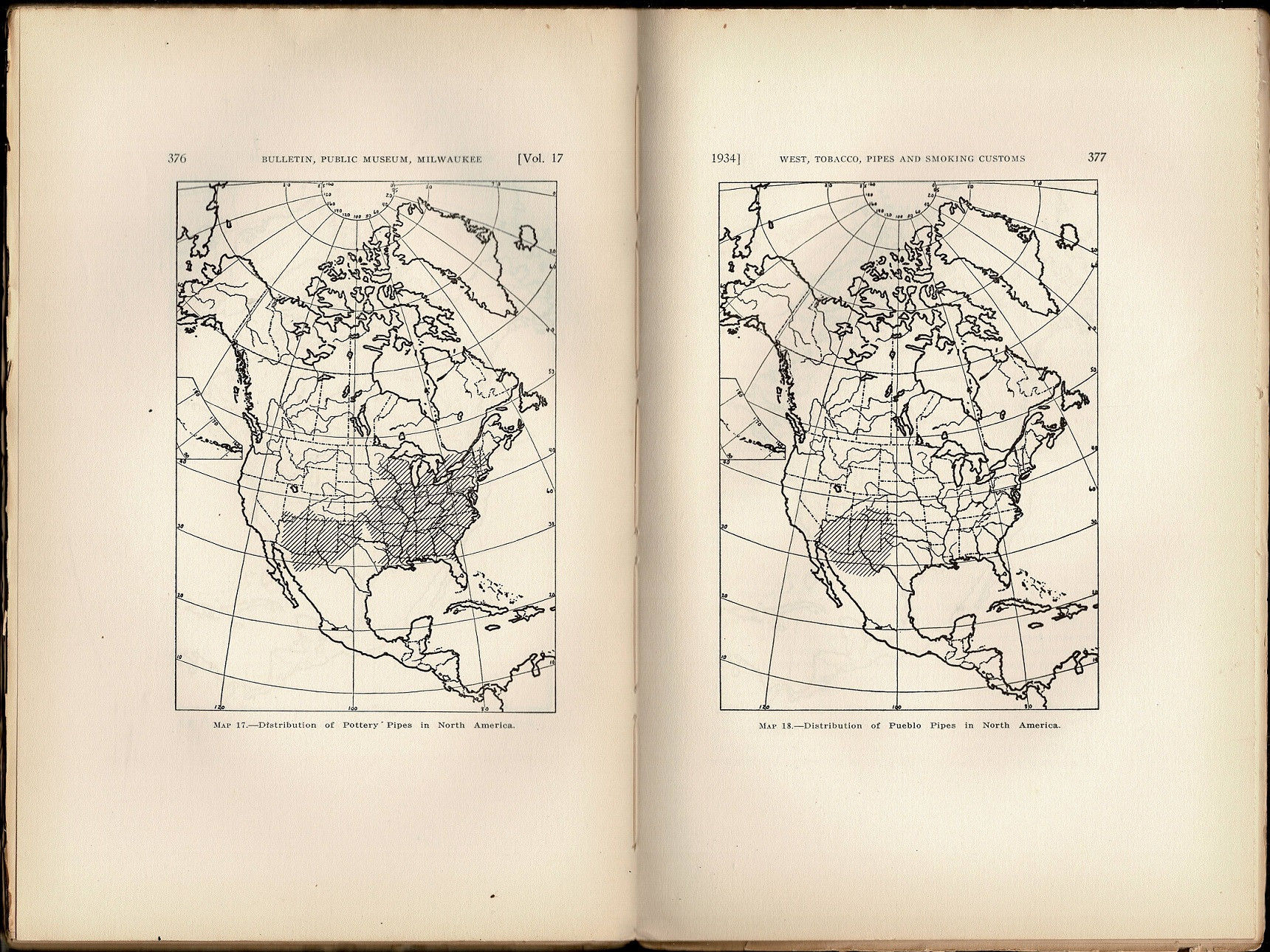
2 volumes: 477 pages with one plate, maps, figures and index; 257 pages including maps. Quarto (10 3/4" x 7") bound in original publisher's wrappers. Bulletin of the Public Museum of the City of Milwaukee, Volume XVII. First edition.
Tobacco was smoked in the Americas long before its organized cultivation began somewhere around 5000 to 3000 BC. Tobacco use was ceremonial and ritualistic for the natives with the leaf not only being smoked, but also chewed, drunk, taken as snuff and even given as enema. Tobacco was considered as a means of communicating with the supernatural world and was also believed to have medicinal properties. Mayans considered it a divine plant and many Mayan gods are depicted smoking. The name tobacco came from a misunderstanding of the Spaniards who thought the dried leaves were called tobacco when the indigenous name tabaco actually meant the tube or pipe in which the natives smoked the leaves. Tobacco was introduced in the court of Catherine de Medici in 1560 by Jean Nicot. The word nicotine was coined.
Condition:
Edge wear with some closed tears and chips, spines sunned, some light foxing, corners bumped, front wrapper volume I detached else a very good copy.
Details
Title
Tobacco, Pipes and Smoking Customs of the American Indians
Author
West, George Arbor (1859-1938)
Binding
Paperback
Condition
Very Good
Publisher
Public Museum of the City of Milwaukee: Milwaukee
Date
1934
Edition
First Edition
Size
Quarto
Pages
2 volumes