

Boston Book Company
Specializing in Japanese Illustrated Books, from the Classical to the Avant-Garde. We are also a large antiquarian bookstore.
About
Boston Book Company is located at 705 Centre Street in Jamaica Plain, a district of Boston, Massachusetts. In business since 1979, we are now the largest exclusively antiquarian bookshop in the Boston area. The shop occupies the entire second floor (2,500 square feet) of a 19th Century brick building in the downtown area of this Boston neighborhood.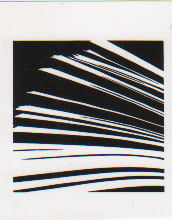
Members
- Charles Vilnis
Recently Added Books
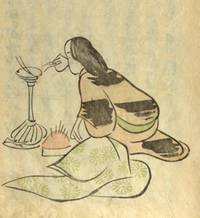
SHIN HANATSUMI新花摘み
by [EHON] Yosa BUSON 与謝蕪村, author; Matsumura GOSHUN松村呉春 [GEKKEI 月渓 ], artist
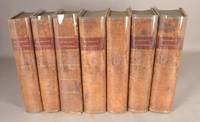
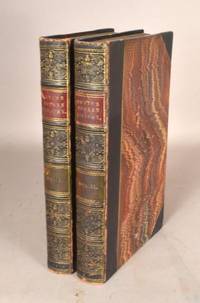
AMERICAN EDITION OF THE BRITISH ENCYCLOPEDIA
by NICHOLSON, William
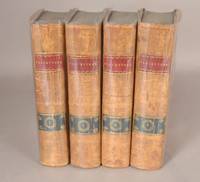
LECTURES ON MODERN HISTORY
by SMYTH, WILLIAM
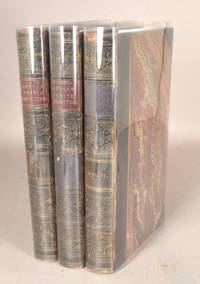
COMMENTARIES ON THE LAWS OF ENGLAND. IN FOUR BOOKS
by BLACKSTONE, William
LECTURES ON THE FRENCH REVOLUTION
by SMYTH, WILLIAM
JAPAN, DESCRIBED AND ILLUSTRATED BY THE JAPANESE
by BRINKLEY, CPT. F. (EDITOR)
WORKS
by FRANKLIN, BENJAMIN
Recently added catalogues
View all of this member's catalogues
Japanese Art and Photography in the 20th Century- Art Nouveau, Avant garde, and more..
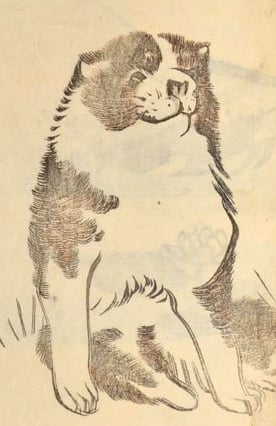
What follows is a list of traditional Japanese ehon 絵本. Simply put, ehon are “picture books.” The term embraces many different approaches to book illustration, from those works that are primarily textual and simply enlivened by plates, to works that are really printed gachō 画帳 or gafu 画譜. The term embraces many different approaches to book illustration, from those works that are primarily textual and simply enlivened by plates, to works that are really printed gachō 画帳 or gafu 画譜. In gafu, or albums of illustrations, the arrangement of images is a matter of creation, rather than serendipity. An effort not to have the pictures elucidate an explicit or implicit narrative, like a comic book or graphic novel with or without text, but rather to touch the aesthetic and emotional in such a way as to listen to the images talking to each other as you move through the book. Think of a gafu or the like as being similar to a contemporary photobook. Not so much a question of narrative as of something much deeper, a shared bond between the artist and viewer. In this list we have put together a group of works that are largely from early modern Japan. During that period of a burgeoning economy, the primacy of the woodblock print was such that an enormous body of skillfully drawn, carved and printed works flooded the marketplace. The reason we call Edo Japan (1603-1868) the “early modern era” is that the seeds of the cultural and economic revolution of the late 19th century, that continues to the present, were sown quite early on in the 17th century. It is no accident that the evolution of class structure, culture, and mores in the 17th century was accompanied by the rise of a new aesthetic of artistic reproduction, where high and low culture mingled. The handpainted story books, known as Nara ehon 奈良絵本, so popular with the old nobility and the rising military class, were supplemented by the printed ehon. At first the printed ehon imitated earlier, more highbrow works, (as for example the early 17th century deluxe, printed and illustrated editions of the iconic TALES OF ISE) Soon, however, books were down in the trenches - in the demi-monde and the quotidian realities of big city life, as engraved on wood by hundreds of publisher/printers. Common folk, poor and some increasingly wealthy, wanted to see themselves within the pages; to read about their own daily exploits. They wanted to learn and share the 1000 year old culture they inherited, and often they wanted to satirise it, as well. So these are picture books, some are text with pictures, some pictures with a bit of text or even no text at all. Some are commercially published, others were created to showcase the work of a whole group of artists and litterateurs, including poetry contests, and the like. Then there were “meishoki” 名所記: early guidebooks dedicated to local history and views, for those with an interest in travel in a world where travel was unusual. There were albums of paintings rendered in woodblock, etiquette guides, erotica; nothing that could be expressed was safe from illustration.
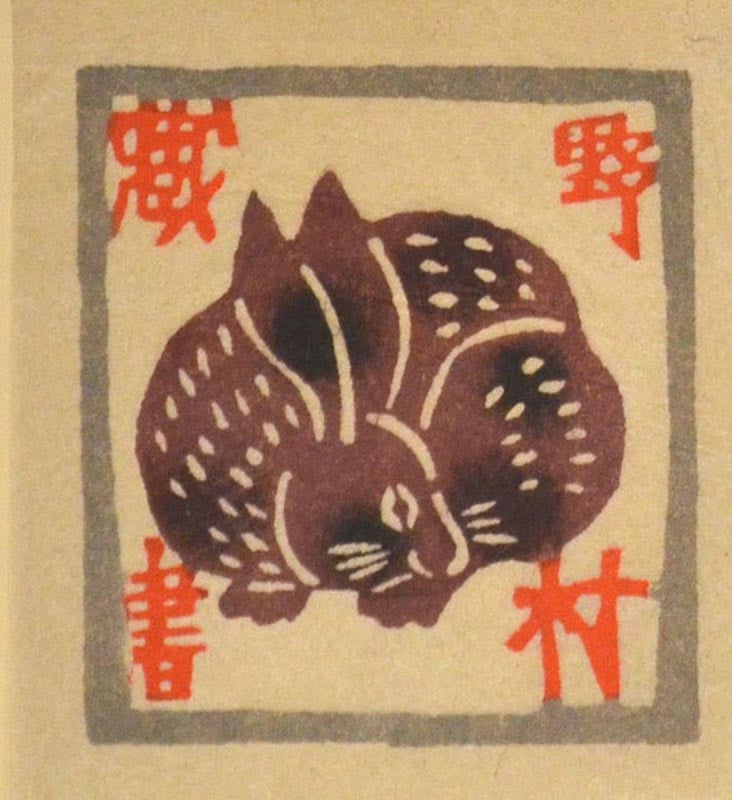
Katazome, the use of a stencil as part of a process of paper and cloth dyeing, traces its roots, as do so many arts and crafts in East Asia, to the "Middle Kingdom" - China. Here, we are concerned with its appearance and employment in Japan. Early on, during the Nara period (late 8th century), the stencils themselves appear to have been carved from wood. Examples remain at Hōryūji Temple, etc. But, eventually, paper became the preferred tool for stencilling. The use of stencils and takuhon rubbings may well be older than the employment of carved wood block hangi to create prints, books and reproductions. Indeed, much later, the earliest color-printed works in both China and Japan in the 17th and 18th century often were colored mostly using stencilling techniques. So, it is delightful to find wonderful examples of brightly colored, mingei folk art-inspired, katazome stencil-printed books still being created in the recent past in Japan. Often inspired by folk stencilling like the remarkable bingata patterning of Okinawa, they created a new aesthetic world in the latter half of the 20th century. Such artists and scholars of dyeing techniques as Gotō, Serizawa, Kamakura, Okamura, Kanzaki and others employed katazome to produce wonderful prints and artist's books, which were issued by such publishers as Gohachi Shobō in Tōkyō. Artists famous in other media, like Sekino Junichirō, also experimented with katazome and produced masterpieces of the genre. We are presenting here a small list of works, mostly done in that post-War period, which include some of the most significant productions in the medium. You might also note that we have virtually the entire "toolset" of hand-cut katagami paper, many thousands of them, from the remains of a Kyōto dyeing house. It makes a fascinating and illustrative record of technique and product from the world of traditional Japanese design and textile dyeing. Please enjoy the descriptions below, and don't forget to click on the thumbnail images to see selections from the works. There are treasures within!
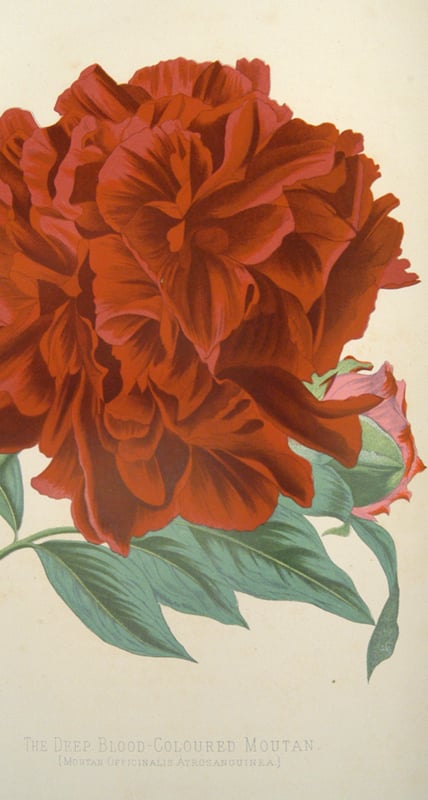
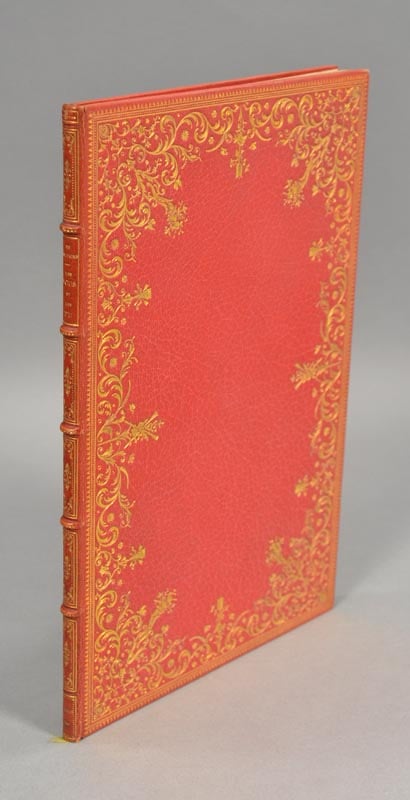
A selection of French and English books from the mid nineteenth to the early 20th century: many are illustrated with original watercolors, engravings and prints. All are finely bound by Ruban, Meunier, Stikeman or Lortic.